
4 Days in London: Museums, Markets and Walks
Most London itineraries read like a to-do list. Ten landmarks, three postcodes, one very tired traveller. This one does the opposite.
If you are wondering what to do in London for 4 days, and you want museums, markets and walks rather than a countdown of attractions, this is your plan. It moves slowly on purpose. One big indoor thing per day, one long walk to digest it, and plenty of gaps for the parts of travel that never make it onto a list: a bench by the Thames, a second coffee, a market stall you did not plan for. Working with a shorter trip? Our 3-day London guide covers the compressed version.
London rewards this pace. The city’s best museums are free, its markets are neighbourhoods in their own right, and almost every one of them sits within walking distance of a canal, a park or a river path.
Four days. No sprinting. Here is how to spend them.
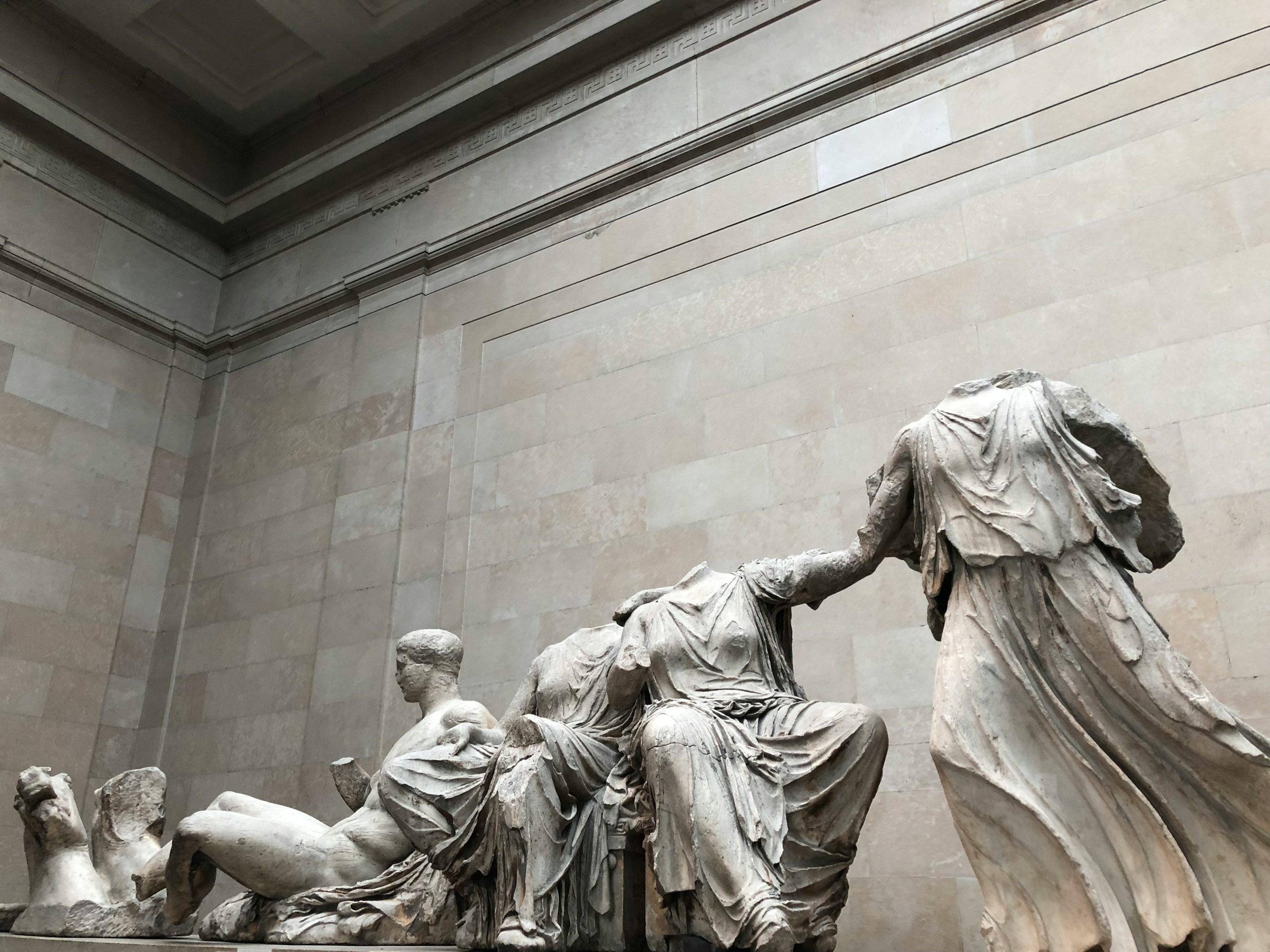
🖼️ Day 1: Which museum should you start with, and where do you walk afterwards?
Start with one of the two heavyweights, and only one. The British Museum in Bloomsbury is the obvious pick if you want breadth, from the Rosetta Stone to Sutton Hoo. The National Gallery on Trafalgar Square is the better choice if you would rather spend two hours with paintings than four hours with civilisations.
Give it three hours maximum. Then step outside and walk.
The South Bank stroll from Westminster to Tate Modern is around 40 minutes at a genuinely slow pace, and it is the single best introduction to the city:
- Westminster Bridge for the Houses of Parliament view
- The Southbank Centre, its skate park and the second-hand book market under Waterloo Bridge
- Gabriel’s Wharf and the OXO Tower for a free upstairs river view
- Tate Modern, where the Turbine Hall and the Blavatnik viewing level cost nothing
Stay in one of the hostels near Waterloo and the whole day happens on foot.
Tip: end on the Millennium Bridge at dusk, with St Paul’s straight ahead. It is the cheapest photo in London.
Book Hostels Near The South Bank
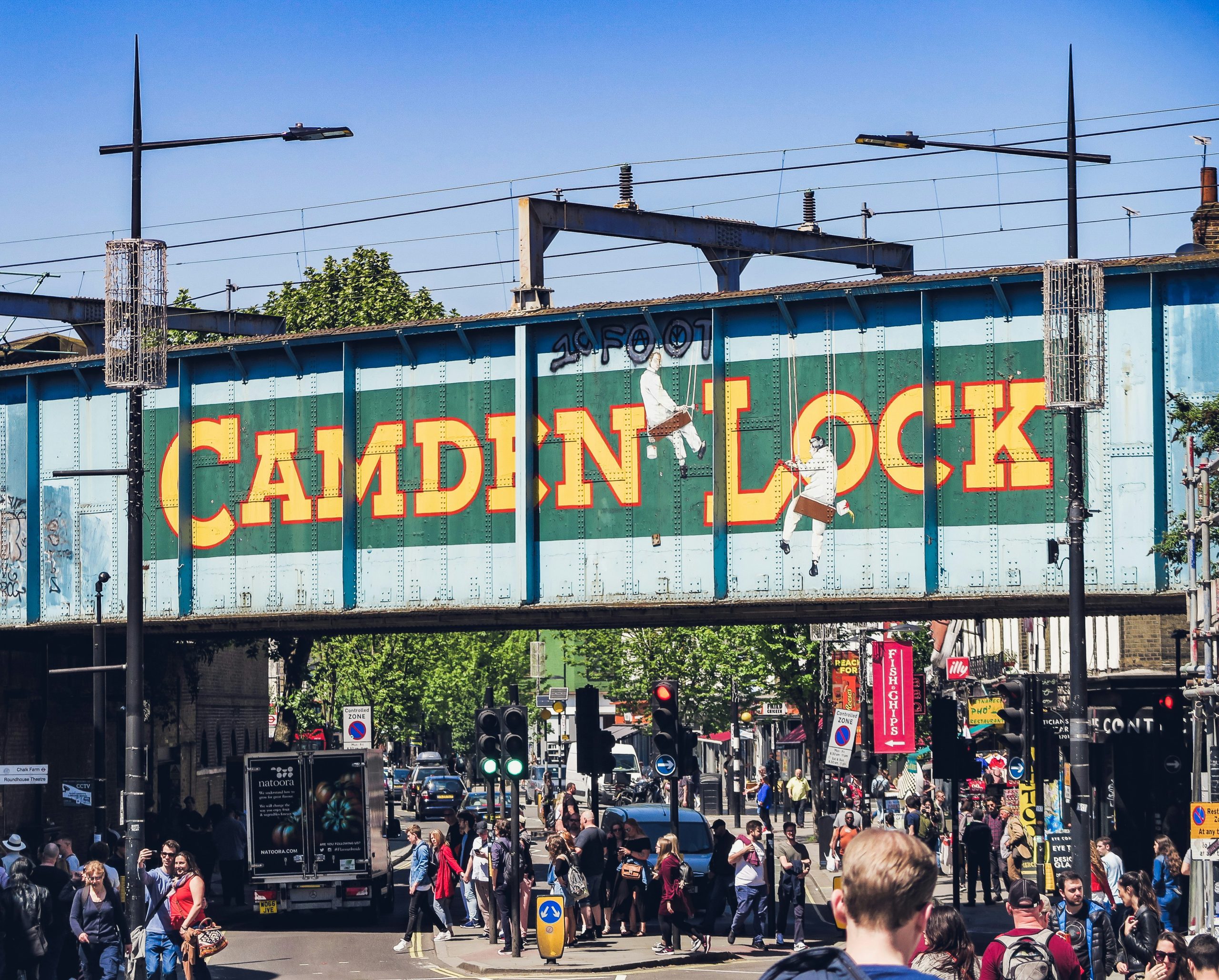
🥯 Day 2: Which market is worth your morning, Spitalfields or Camden?
Pick based on the kind of morning you want.
| Market | Best for | Go on | Pair it with |
|---|---|---|---|
| Old Spitalfields Market | Design, vintage, calmer crowds | Thursday antiques, Friday, Saturday | Brick Lane bagels and Shoreditch street art |
| Camden Market | Street food, subculture, canal-side chaos | Weekday mornings if you dislike crowds | Regent’s Canal towpath |
Spitalfields is the gentler option, and East London around it is made for aimless wandering, especially if you have a list of hidden gems in London in your back pocket. Camden is louder, cheaper to eat in, and sits directly on the water, with plenty of hostels in Camden a few minutes from the stalls.
Whichever you choose, the afternoon is the same idea: walk it off along the Regent’s Canal. The stretch from Camden Lock west to Little Venice takes about an hour, passes the edge of London Zoo and the Regent’s Park mansions, and feels startlingly quiet for something ten minutes from Camden High Street. Heading east instead brings you to King’s Cross and Coal Drops Yard, with Granary Square steps to sit on.
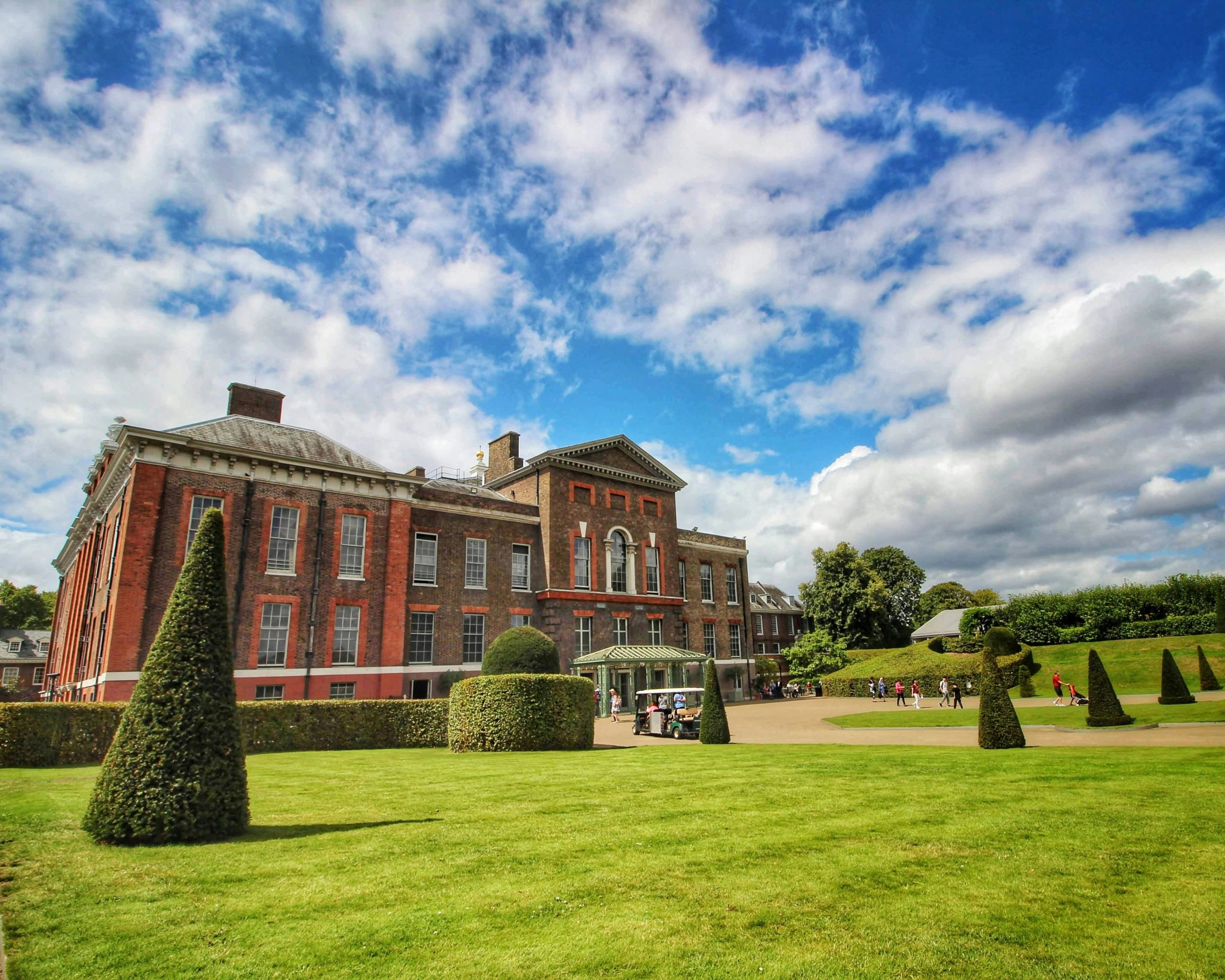
🦕 Day 3: V&A or Science Museum, and how do you loop Kensington Gardens?
Both sit on Exhibition Road in South Kensington, both are free, and both are far too big to do in one visit. Choose by mood.
The V&A is the one for fashion, furniture, jewellery and a courtyard café that happens to be one of the loveliest rooms in London. The Science Museum wins if you want hands-on galleries and a bit of noise. Two hours in either is plenty, and the hostels in Kensington put both at the end of your street.
Then walk north into the parks, which is where this day earns its place in a relaxed London itinerary of markets, museums and no packed schedule.
A slow Kensington Gardens loop looks like this:
Albert Memorial, then the Serpentine Galleries (free, contemporary, quick), up past the Round Pond to Kensington Palace, along to the Italian Gardens at the north end, and back down the Serpentine to the Diana Memorial Fountain.
Quick tip: the deckchairs in the Royal Parks are not free, but the grass is. Bring something from a bakery and stay a while.
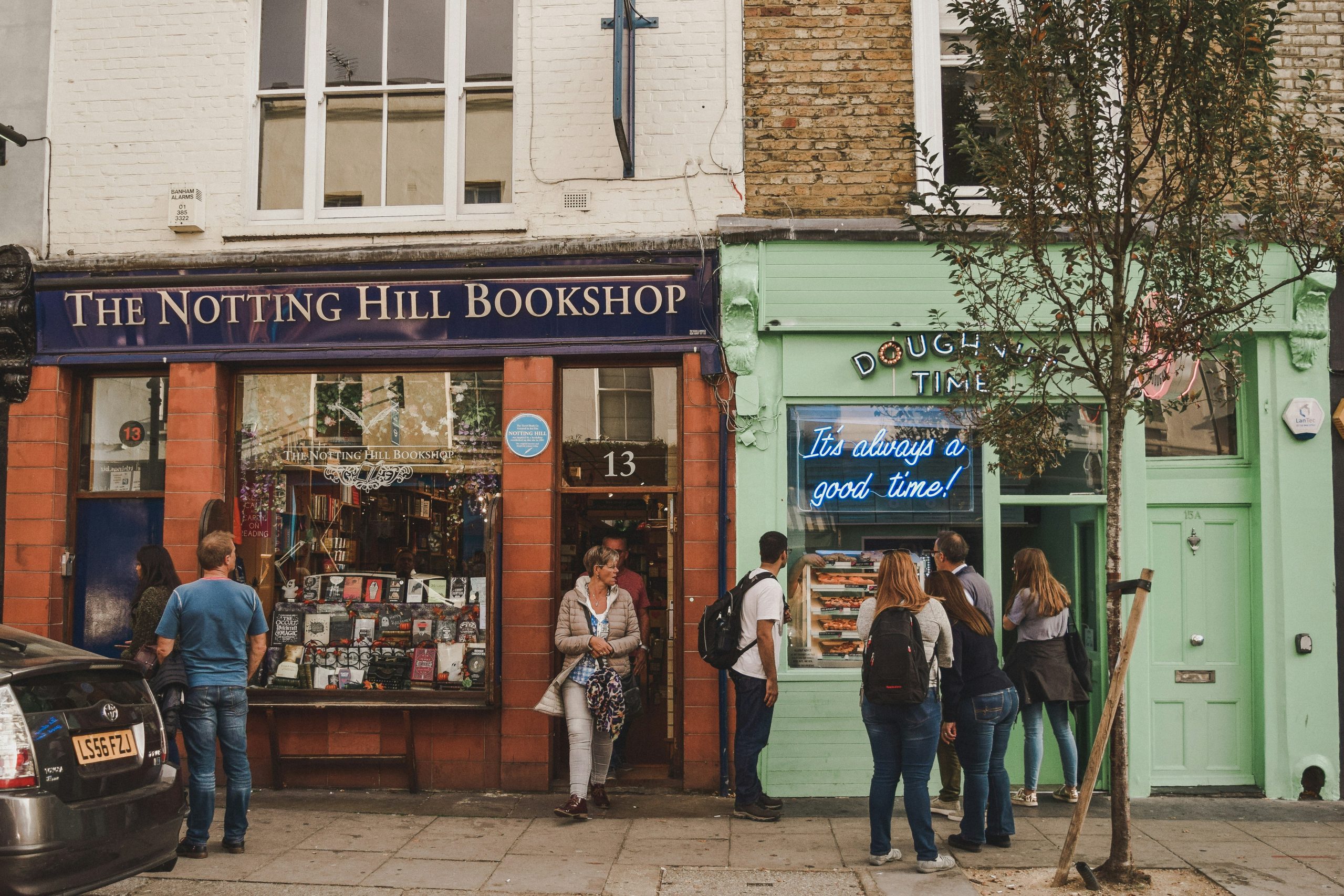
🏺 Day 4: Where should you spend a slower final day?
Day four is for the museums nobody puts on their first-timer list, and they are often the ones travellers remember.
The Design Museum in Holland Park has a free permanent collection and a building worth the trip on its own. The Wallace Collection in Marylebone is the sleeper hit: a former family home stuffed with Old Masters and armour, free to enter, and rarely busy. Its glazed courtyard is a genuinely good place to sit out rain.
For the afternoon, it depends on the day of the week.
- Saturday: head to Portobello Road in Notting Hill for the full antiques market, then wander the pastel streets around Colville Terrace
- Any other day: do a final Thames walk, either Tower Bridge to Rotherhithe for old wharves and river pubs, or Greenwich for the Cutty Sark, the foot tunnel and the free view from the Royal Observatory hill
Either way, you finish the trip on your feet, outdoors, with no ticket queue in sight. Staying a fifth day? Our guide to day trips from London picks up where this itinerary ends.
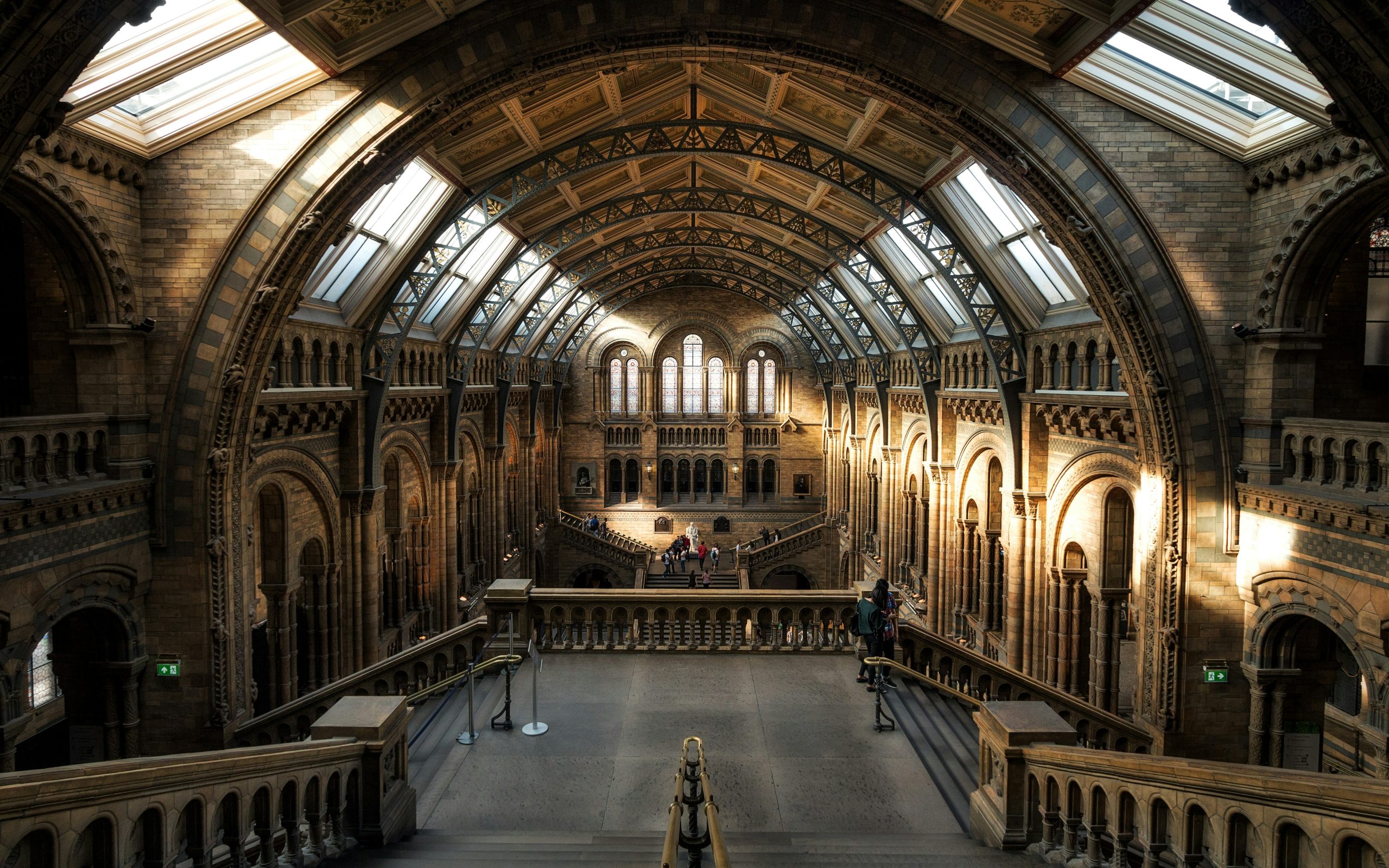
☕ What optional add-ons fit a relaxed London itinerary?
None of these are essential. All of them slot neatly into a spare afternoon or evening.
Afternoon tea without the hotel price tag. Skip the five-star lobbies and look at museum cafés and independent tearooms in Bloomsbury and Marylebone. You will pay a fraction of the price for the same pot of tea and a better scone.
Free museum late openings. Several major museums stay open one evening a week with talks, live music and DJs. V&A Friday Late and the Tate lates are the best known. Evening crowds are thinner, the atmosphere is completely different, and entry stays free.
Self-guided walking tours. Free walking tours are widely available and tip-based, but a downloaded route works just as well for a slow day. Good ones: Bankside to Borough, Soho record shops, or the Hackney canal stretch.
Whatever is on that week. Gigs, food festivals, late-night gallery openings and neighbourhood carnivals turn a quiet Tuesday into the highlight of a trip.
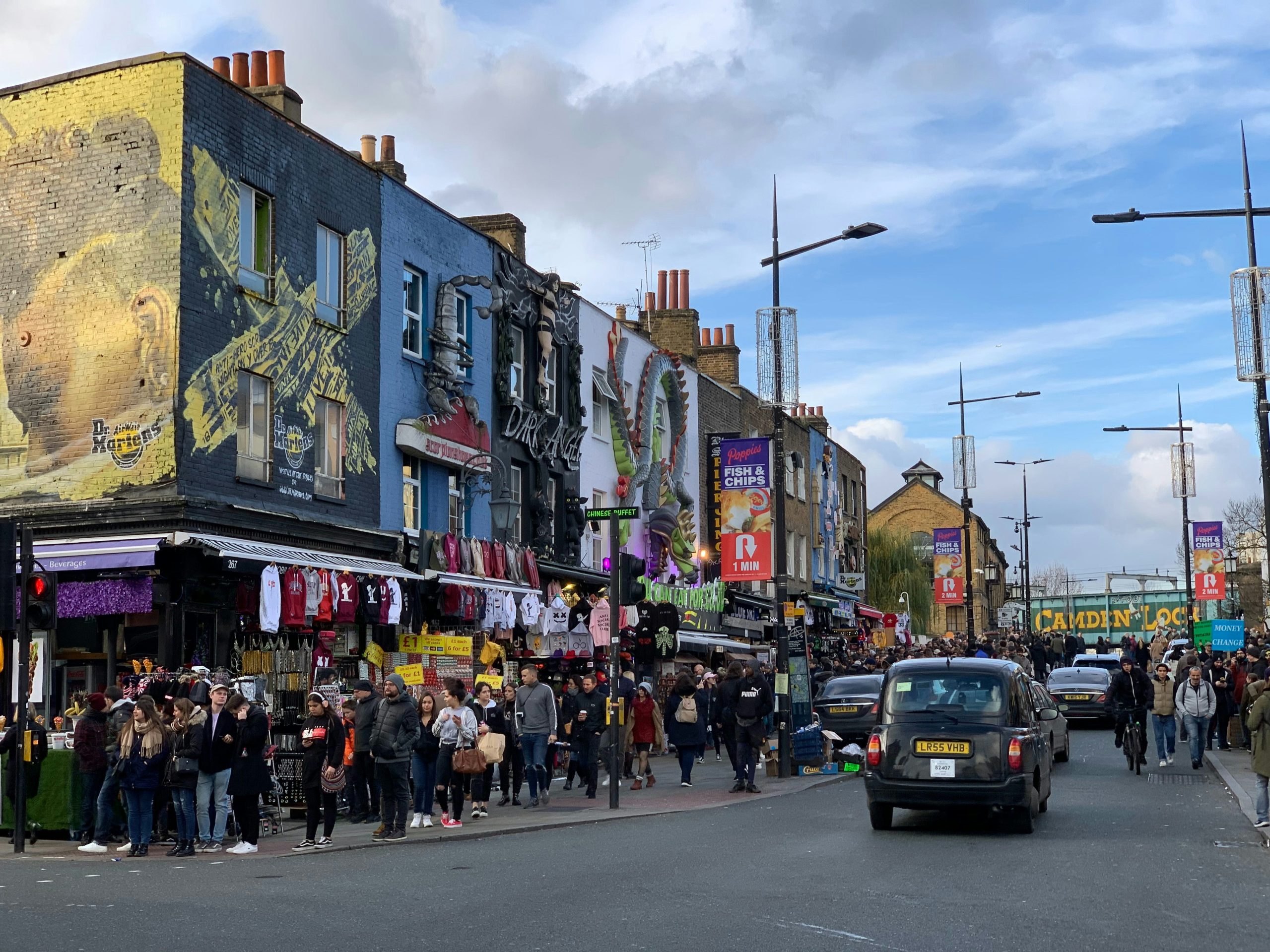
🚇 What practical tips make four days in London easier?
Three things save the most money and stress on a 4 days London backpacker itinerary.
Transport
Tap in with a contactless card or phone rather than buying paper tickets. Fares cap automatically each day and across the week, so you cannot overspend by accident. An Oyster card does the same job and only really makes sense if your bank charges foreign transaction fees. Buses are cheaper than the Tube, slower, and much better for seeing the city.
Museum timing
| When | What it is like |
|---|---|
| Right at opening, around 10am | Quietest hour of the day, best for big-ticket galleries |
| Midday to 3pm | Peak crowds, especially weekends and school holidays |
| Final 90 minutes | Almost as quiet as opening, and a natural limit on museum fatigue |
Booking a free timed slot online the night before still saves you a queue at the busiest museums in high season.
Eating at markets
Borough, Camden, Brick Lane and Maltby Street all do excellent street food, but portions and prices vary wildly stall to stall. Walk the whole row once before buying. Lunch is consistently better value than dinner, and hostels with a kitchen cover the nights you would rather not spend anything at all.
🛏️ Which are the best hostels in London for a relaxed stay?
A slow itinerary needs a base you actually want to return to. These picks are chosen for their location on this exact route, plus the kind of common space where you can do very little in good company. To compare the whole city first, browse every option in our London hostels listings, filter for hostels for solo travellers, or read our where to stay in London neighbourhood guide.
Astor Museum Inn, Bloomsbury

Two minutes from the British Museum, which makes Day 1 almost effortless. A 2026 Hoscars winner for Most Improved Hostel, with a rating of 8.8 from more than 10,000 reviews, a dining room, lockers and a lounge built for slow mornings. Bloomsbury itself is quiet after dark, leafy, and full of good pubs.
Onefam Waterloo, South Bank
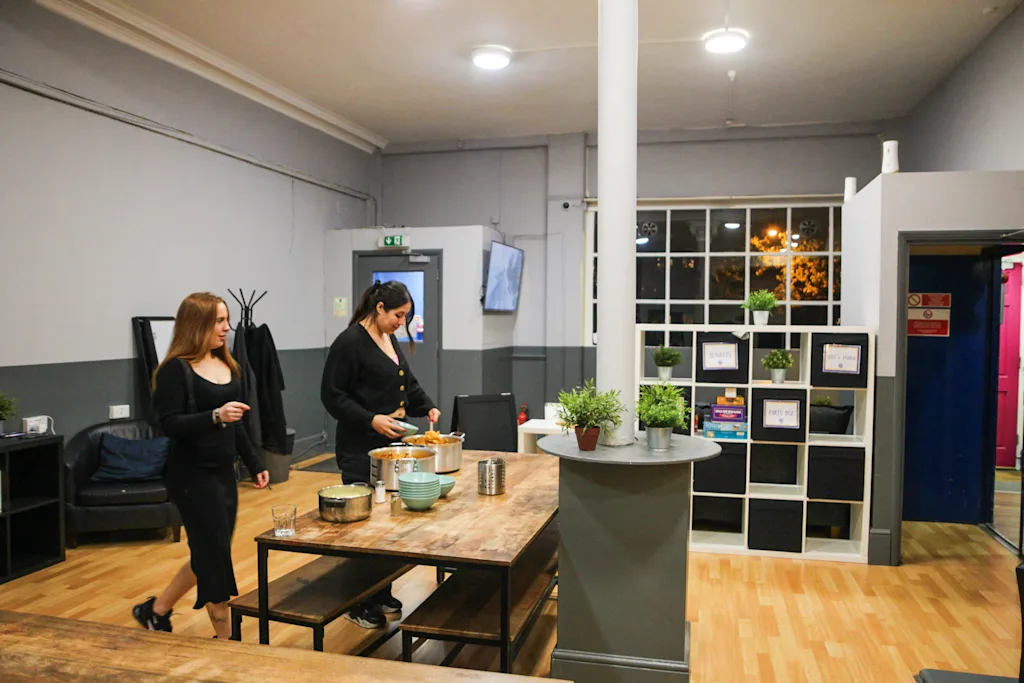
Rated 9.6, and about as close to the river walk as you can sleep. Onefam runs a genuinely social programme with dozens of events on the calendar, so it suits travellers who want quiet days and company in the evenings. Waterloo also puts Tate Modern, Borough Market and Westminster within walking distance.
Smart Camden Inn Hostel, Camden Town

Book Smart Camden Inn Hostel Now
The closest hostel to Camden Market, which means you can be eating breakfast at a market stall within five minutes of waking up. Rated 8.2, with private rooms as well as dorms, and the Regent’s Canal towpath practically at the door for Day 2’s walk.
Astor Hyde Park, South Kensington
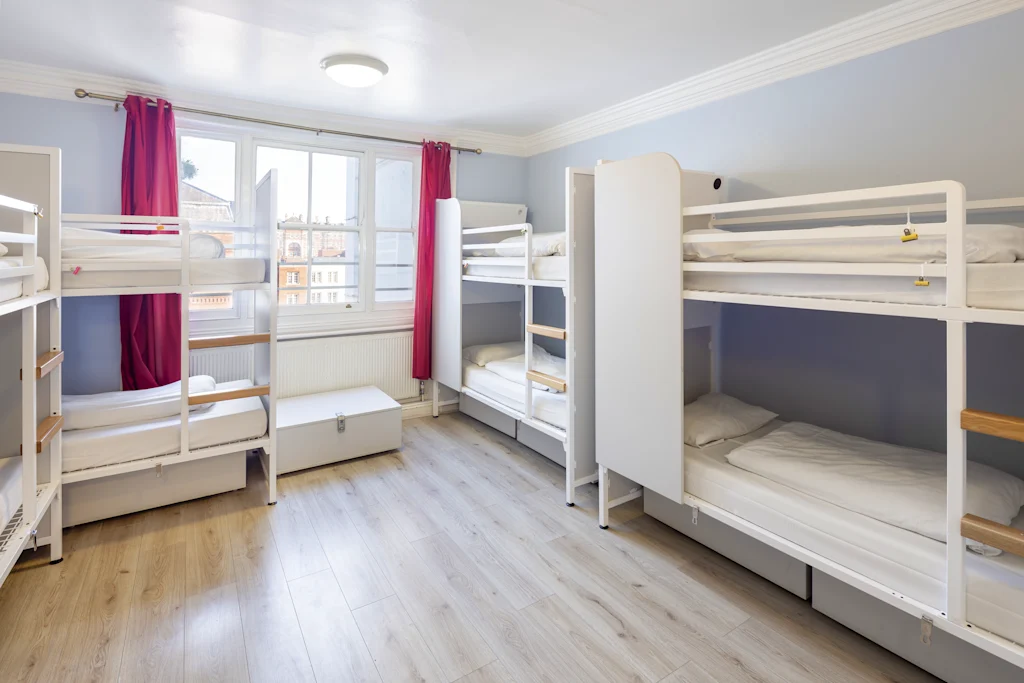
Rated 9.2 from over 12,000 reviews, one minute from Hyde Park and a short walk from the V&A, the Science Museum and the Natural History Museum. If Day 3 is the day you most want to get right, stay here. The building is a converted Victorian townhouse with a basement bar that stays sociable without turning into a club.
Urbany Hostel London, Notting Hill
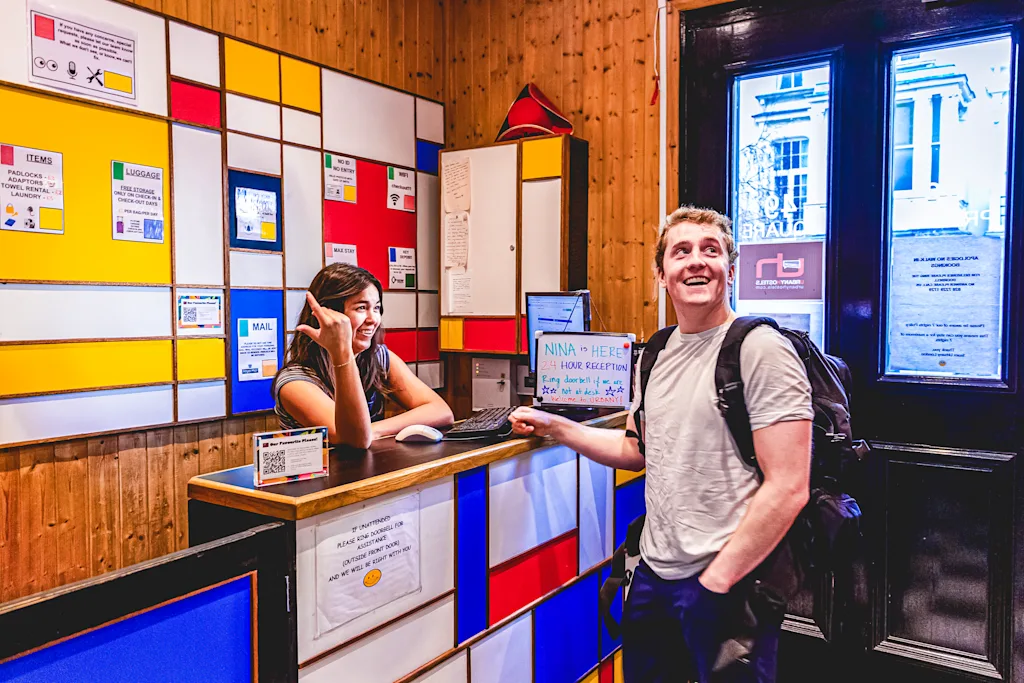
A 9.7 rating and a 2025 Hoscars country winner, set in a Victorian terraced house for travellers aged 18 to 40. Free dinners and daily activities make it easy to meet people, and Portobello Road plus Kensington Gardens are both walkable, which lines up neatly with Days 3 and 4.
Wombat’s City Hostel London, Tower Hamlets
Book Wombat's City Hostel London Now
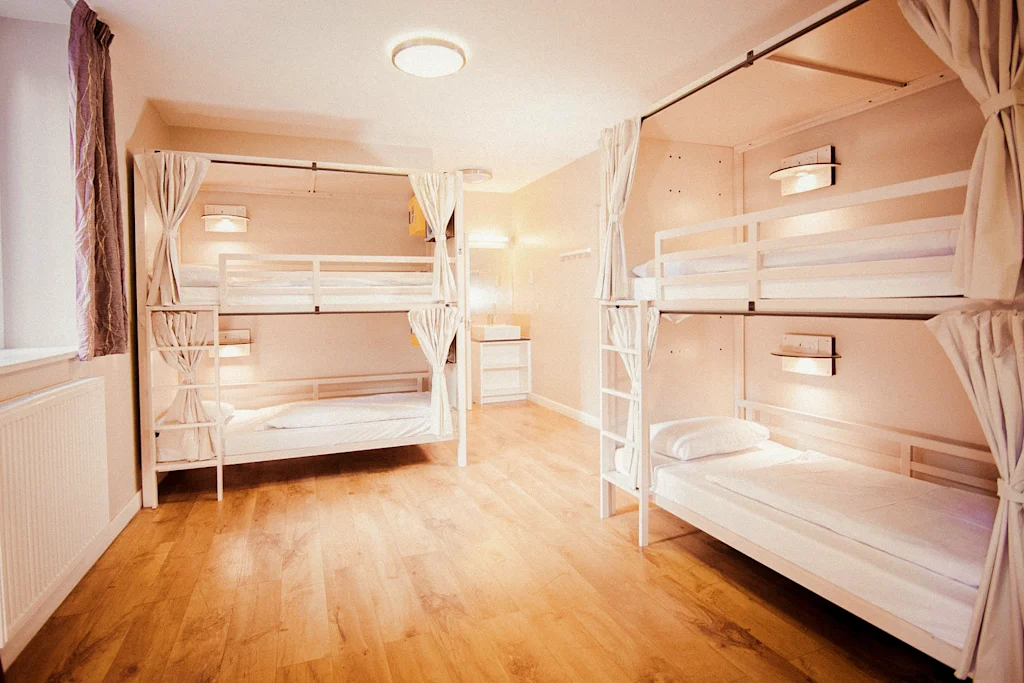
Rated 9.2, minutes from Tower Bridge, Brick Lane and Spitalfields. En-suite dorms and privates, a hearty breakfast buffet, and the WomBAR with its 500-year-old oak counter. Best pick if you want Day 2 in East London and Day 4 along the Thames.

🎒 Is a slow four days in London actually worth it?
Yes, and here is the honest reason. London is too big to finish. Once you accept that, the pressure disappears and the trip gets better.
Four museums, two markets, four long walks and a handful of unplanned hours will teach you more about this city than a checklist ever could. You will leave with things you did not book: a busker on the South Bank, a bagel at midnight, a bench in Kensington Gardens where you sat far longer than you meant to.
Save the rest for next time. There will always be a next time with London. For more ideas on where to base yourself and what to see, have a look through our London travel guides and our pick of the best hostels in London.
Download the Hostelworld app to start booking now


❓FAQs: 4 Days in London


 Get the App.