
The Ultimate Singapore Backpacking Guide
If you’re travelling around South East Asia, it’s likely that you’ll find yourself backpacking Singapore. More than just a layover, Singapore is a heady mix of other-worldly architecture, traditional temples, city lights and futuristic gardens. It’s also one of the cleanest and safest countries on the planet.
Singapore really does have something for everyone and your money can go a long way, despite its tag as an expensive destination. Whether you are a foodie, party animal, fan of culture and history or you just like to sit back and relax, you won’t regret booking a trip to the ‘Lion City’.
This city-state is located on the tip of the Malaysian peninsula. A country in its own right, it has been shaped by its time as a British trading post and the influx of international workers. There’s now a multicultural population of Chinese, Malay, Indian, Arab and British people. This cultural mix translates into some of the most delicious and diverse food, making Singapore one of the best places to eat in the world. It has grown into a modern city but it’s also one of the region’s greenest, owing to the tropical climate and the country’s ambition to be a city in a garden, rather than the other way around.
Singapore’s small size and excellent infrastructure makes it a dream to travel around and an easy trip to plan. You can quickly go from eating a delicious plate of noodles in a Hawker centre to partying at some of the best rooftop bars in the world. Spend your morning hiking through the rainforest and your afternoon chilling on the beach, visit the museums or simply wander the streets with camera in hand, admiring the buildings, parks and street art.
This guide covers everything you need for backpacking Singapore on a budget: the best free things to see, visa and entry requirements, getting around (including how transport payment has changed since 2019), ready-made itineraries, where to stay, what to eat, local culture and etiquette, and an honest daily cost breakdown.

Jump straight to:
- Best time to visit Singapore
- Best places to visit in Singapore
- Singapore Visa
- Travelling around Singapore
- Singapore itinerary
- Singapore accommodation
- Singapore food
- Singapore culture
- Singapore costs
- Singapore travel advice
Best time to visit Singapore
There are no distinctive seasons and the weather in Singapore is great all year round. The temperature can climb to a toasty 34 degrees Celsius and won’t drop much lower than 25 degrees Celsius. You get a minimum of 7 hours of sunshine a day and 80 percent humidity. The only time you will feel cold is if you find yourself under air conditioning for too long. While rainfall is common, showers are typically short and are unlikely to ruin your plans. November, December and January are the wettest months, with February to April the driest.
A number of locally run businesses will close during the Chinese New Year public holiday, which falls on a different date each year as it follows the lunar calendar, typically landing somewhere between late January and mid-February. While the main attractions and larger malls remain open, the city lacks its usual buzz for a few days and accommodation and flight prices peak. The Singapore Grand Prix, run as a night race through the streets of Marina Bay, has been held in late September or early October in recent years — check the current F1 calendar before booking, as the exact weekend can shift, and expect higher prices across the city during the race weekend regardless of the date.
National Day is celebrated every year on August 9th, with parades and firework displays to commemorate the country’s independence from Malaysia. It’s not worth planning a trip around, but it’s worth checking out the celebrations if you happen to be here.
Best places to visit Singapore
It’s totally possible to explore on a budget and here’s a list of the best places to visit in Singapore for free.
- Botanic Gardens
Over 150 years old, the 82-hectare Botanic Gardens are home to over 10,000 types of plants, ancient trees, orchids, lakes and a concert space. You’ll see plenty of wildlife too, including turtles and monitor lizards!
- Gardens by the Bay
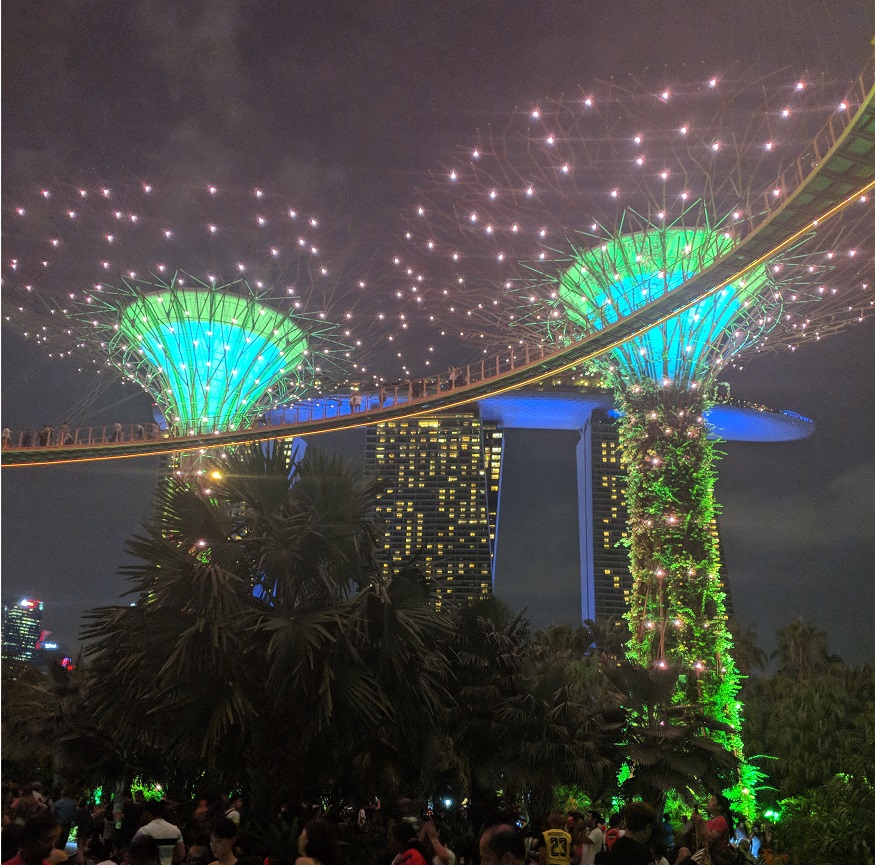
Gardens by the Bay is Singapore’s most popular and unique tourist attraction, a short walk over the footbridge from Marina Bay Sands. It’s a great place to explore at any time of day, but to catch Garden Rhapsody, the signature light and sound show, head to Supertree Grove for one of its nightly screenings. Entry to the gardens and the light show is free; you’ll only need a ticket if you want to visit the Cloud Forest and Flower Dome (from S$64 for a combined ticket, around £37) or walk the OCBC Skyway.
- Singapore River and Fullerton Bay Area
The former lifeblood of Singapore the river and Fullerton Bay areas are beautiful spots to explore. Join near Kim Seng Road and follow the river towards the centre of the city. It’s a lovely walk along the water with shady trees lining your path and if you’re lucky you may catch a glimpse of Singapore’s family of otters, who live in and around the waterways. Keep the river to your right and you’ll pass Robertson and Clarke Quays before reaching the Fullerton Bay area, housing some of Singapore’s most historic buildings.
- Tiong Bahru
One of Singapore’s oldest housing estates Tiong Bahru has evolved as one of the coolest places to be. There is a great mix of old and new, where traditional restaurants sit next to hipster coffee shops, bakeries, boutique shops and bookstores. Follow the Tiong Bahru Heritage trail to see the best of the neighbourhood.
- MacRitchie Nature Trail and Reservoir Park
If you like to be at one with nature head to MacRitchie Nature Trail and Reservoir Park for boardwalks around the reservoir and trails through the forest. It’s a scenic spot around 30 minutes outside of the city. While there is no MRT station you could take a bus or taxi here. Getting amongst the canopy and taking the HSBC Treetop Walk is a must.
- Southern Ridges and Henderson Waves
This 10km raised trail allows you to walk amongst the trees, connecting three parks – Mount Faber, Telok Blangah and Kent Ridge. Part-way through the trail you’ll reach Henderson Waves, a spectacularly architectural pedestrian bridge. Take your camera and keep your eyes open for monkeys along the way. Join the trail at Gilman Barracks where there are a few cafes, restaurants and art galleries, accessible by taxi or bus. End at Mount Faber, where you can walk down to Harbourfront MRT to catch the train.
- Spectra
Spectra, the Marina Bay Sands light and water show, takes place outside The Shoppes at Marina Bay Sands most evenings. Check the current showtimes on the Marina Bay Sands website before you go, as the schedule has changed more than once since 2019, including periods where the show was paused entirely for renovation.
- East Coast Park
East Coast Park runs along the southeastern coastline and is best served by taxi. The park is the biggest in Singapore and a lovely place to jog, walk, scoot, rollerblade or cycle with the ocean breeze on your back.
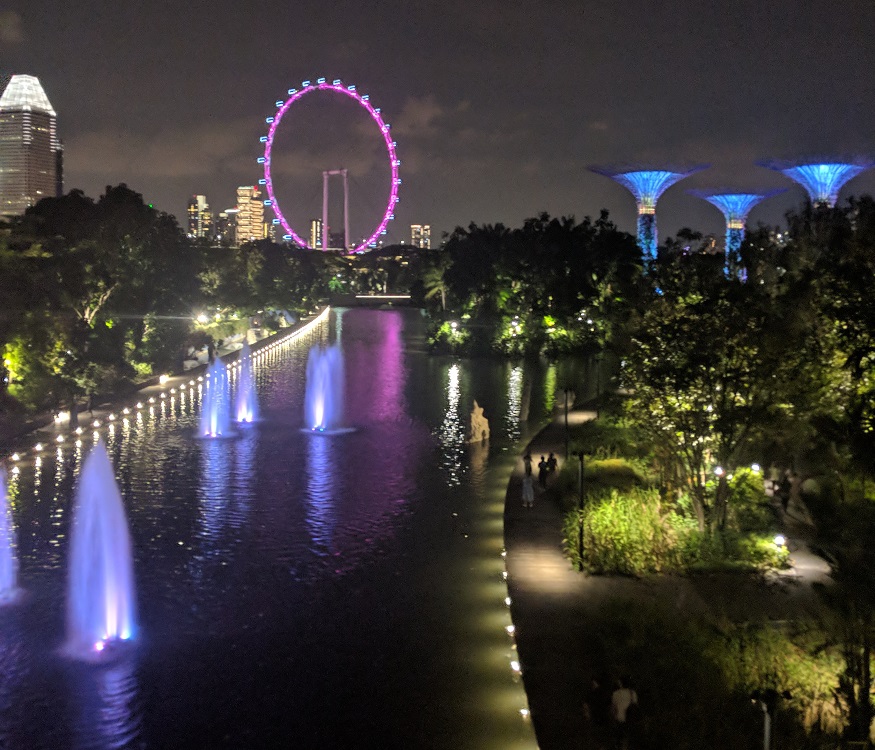 Gardens by the Bay
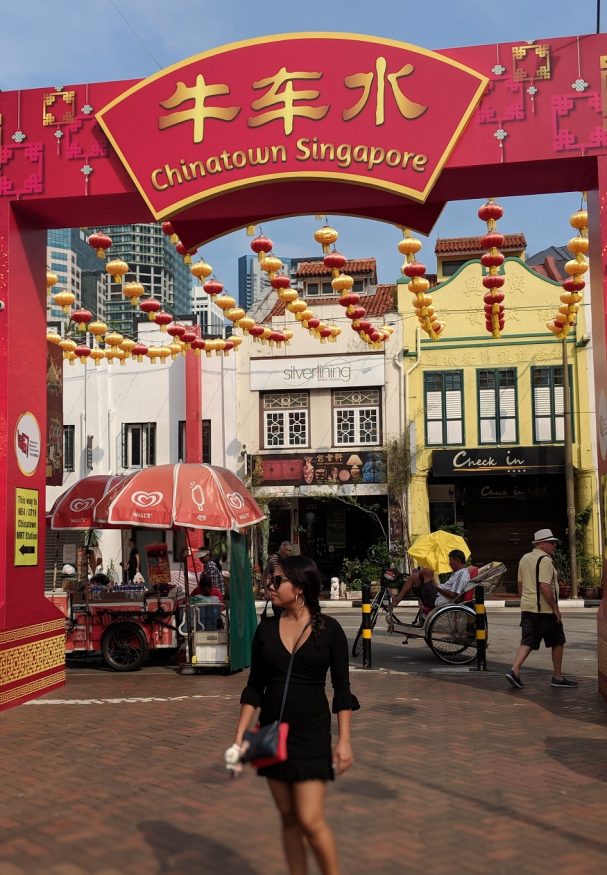
Best places to visit in Chinatown, Singapore
- Buddha Tooth Relic Temple
This Buddhist temple has five stories and houses a museum and tea house. It is one of the most popular attractions in Chinatown.
- Chinatown Street Market
Browse the stalls and do some souvenir shopping at Chinatown Street Market. There is a huge variety on offer, but chopsticks and crockery are popular buys.
- Keong Saik Street
Look out for the street art and there are some lovely photo opportunities of refurbished shop houses with modern skyscrapers in the background. Best accessed from Outram Park MRT station.
- Hawker Centre
Amoy Street Food Centre, Maxwell Food Centre and Chinatown Complex Food Centre are amongst the best in Singapore. Head to one or all three for some cheap, tasty local food.
Best places to visit on Sentosa Island
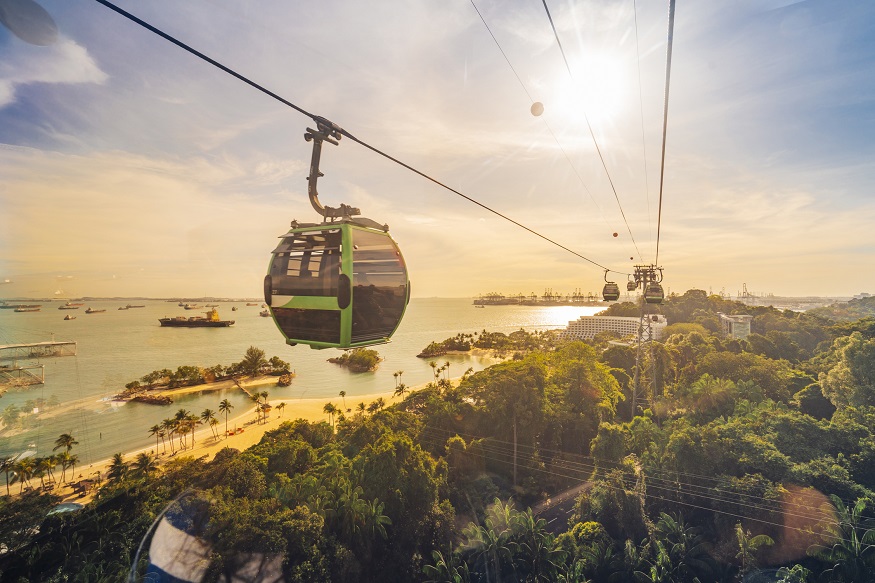
- Cable Cars
The cable cars provide an aerial link between mainland Singapore and Sentosa Island, with two lines — Faber Peak to get you off the mainland, and a separate Sentosa line to travel around the smaller resort island. A round-trip Sky Pass costs S$35 for adults and S$25 for children aged 4–12 (around £20 and £15).
- Beach Clubs, Bars and Restaurants
Sentosa has an array of places to eat, drink and socialise on or near to its great beaches. Tanjong Beach Club is the most exclusive with ‘Bali’ vibes in the afternoon through to evening. Siliso Beach has a variety of restaurants to grab breakfast and bars for drinks with Coastes and Bikini bar being amongst the favourites.
- Universal Studios
A theme park featuring rides across seven zones including Hollywood and The Lost World, located within Resorts World Sentosa. Tickets use dynamic, date-based pricing — typically S$76–83 for adults on off-peak dates, rising to around S$89 in peak periods (roughly £44–52), with child tickets (4–12) from S$62–69 (around £36–40).
- Skyline Luge
A wheeled gravity ride letting riders steer their sled down purpose-built tracks. Entry-level combo tickets (2 rides plus the chairlift back up) start from S$31.50 (around £18), with pricier ‘Peak’ time-slot tickets from 4pm onward.
- MegaZip
A 450-metre-long, 75-metre-high zip line through the jungle down to the beach, reaching speeds of up to 60km/h. It’s now mostly sold in bundles rather than as a single standalone ride — a popular combo is 3 Skyline Luge rides plus a MegaZip tandem ride for S$85 per person (around £49). Ask at the counter for a MegaZip-only rate if you’d rather skip the luge.
- Adventure Cove Waterpark
Slides, lazy rivers and marine life across 16+ attractions. Tickets use dynamic pricing from S$32 (around £18) and up depending on the date.
Best beaches in Singapore
- Tanjong Beach
Located on Sentosa. Tanjong is home to Singapore’s most exclusive beach club and large stretches of empty sand where you can park your towel. The views of the water are particularly nice from here.
- Palawan Beach
Also, on Sentosa, a large stretch of sand flanked with palm trees for that much needed shade. It’s a little further away from the bars, restaurants and beach clubs. Palawan Beach is connected by a wooden suspension bridge to a small island said to be the Southernmost Point of Continental Asia.
- Siliso Beach
Sentosa’s third beach and while it’s not as aesthetically pleasing, Siliso is one of the most popular as it has the biggest concentration of restaurants and bars. It’s a good place for brunch on the beach or to take advantage of happy hour drinks.
- Lazarus Island Beach
Lauded as Singapore’s best kept secret due to its idyllic white sandy beach and blue lagoon. Lazarus Island is accessed by boat from Marina South Pier. Pack supplies, there aren’t any shops or restaurants on the island.
Singapore Visa
Tourist visa
Most nationalities do not require a visa to enter Singapore, but check your own country’s official travel advisory for Singapore’s specific entry requirements before booking. What you will need is a passport valid for 6 months beyond your stay, confirmed onward travel tickets, and an SG Arrival Card.
All visitors must also submit an SG Arrival Card electronically within 3 days before arrival, via the Immigration & Checkpoints Authority’s official site (eservices.ica.gov.sg/sgarrivalcard). This replaced the old paper disembarkation card and is mandatory for entry.
Work visa
There are strict rules around working in Singapore. The Work Holiday Programme is for eligible students and young graduates aged 18–25 who want to work and holiday in Singapore for up to 6 months, with applications made through the Ministry of Manpower. Eligibility depends on being a graduate or undergraduate at a recognised university in a small set of partner countries, and places are limited each year, so apply early and check the current quota and eligible university list directly on the Ministry of Manpower’s website before applying, as both can change from year to year.
Travelling around Singapore
Public transport is incredibly cheap, clean, reliable and easy to use, and paying for it is now even easier than it used to be. The simplest option for most travellers: just tap your contactless Visa or Mastercard (or your phone, if it’s loaded into Apple Pay, Google Pay, or Samsung Pay) directly at the MRT gates and on buses. There’s no need to register or top up anything — fares are calculated and charged automatically, with only a small daily admin fee (around S$0.60) for foreign-issued cards. If you’d rather keep your transport spending separate from your bank card, or you’re travelling heavily and want unlimited rides, here are your other two options:
→ Singapore Tourist Pass: unlimited MRT, LRT and basic bus travel for a set number of days, from S$17 for 1 day up to S$45 for 5 days, no deposit required. Worth it if you’re taking 5+ trips a day; otherwise tapping your own card per ride usually works out cheaper.
→ EZ-Link card: a stored-value card costing S$10 (S$5 of which is a non-refundable card fee, S$5 is travel credit). Available at MRT ticket offices, Passenger Service Centres, and 7-Eleven stores. Mainly useful now if you don’t have a suitable contactless card, or just want a physical souvenir card. Note that paper single-trip tickets no longer exist in Singapore — you’ll need one of the three options above. The standalone EZ-Link mobile app was also discontinued in January 2026; all card management now happens through the SimplyGo app.
MRT stations will always be easy to find and there are bus stops aplenty. They are clearly named and numbered, and you will find several buses serve the most popular routes, meaning you’ll never be waiting too long.
Taxis are also a very affordable option. There are several local taxi firms that you can hail from the street and you’ll see designated taxi pick up points across the island. Alternatively, apps Grab and Gojek are very efficient and you often only have to wait one or two minutes for them to arrive. In these Singapore taxis the fare is agreed before pick-up and you may find that they are slightly cheaper too!
Singapore is very walkable, and it can be quicker to move between some neighbourhoods on foot. Don’t let the humidity and occasional downpour put you off, as you will see so much more by walking around. The pavements are in great condition, with many sheltered walkways to protect you from the weather. Street names are also clearly signposted and there is significantly less traffic than you would find in South East Asia’s other major cities.
I have lived here for a while now and still use the City Mapper app to help me navigate, particularly whilst on foot. It has local bus and train timetables built in and recommends various routes to get to where you want to be, from your exact location.
Cycling in Singapore
Singapore is very bike friendly with safe, well maintained roads and pavements along with a fantastic 300km Park Connector Network (PCN) that connects a number of parks and green spaces.
Singapore’s dockless bike-share firms, including oBike and Ofo, collapsed between 2018 and 2019 due to unsustainable business models and tighter government regulation, so renting a bike now generally means visiting a dedicated bike shop rather than picking one up on the street. If you’d rather cycle away from the city entirely, head to East Coast Park, where several bicycle hire vendors operate along the seafront.
Scooter Hire in Singapore
Electric scooters are a popular mode of transport in Singapore, and Neuron Mobility remains the main shared e-scooter platform, with rides typically costing around S$7 per hour. One important rule: since September 2019, e-scooters have been banned from all footpaths in Singapore — they’re restricted to cycling paths and the Park Connector Network only. Riding on a footpath can result in a fine, so check the surface you’re on before you ride.
Before you leave
Arrive at the airport with plenty of time to spare. Usually that advice is because the airport is grim, or queues at security are long, but not in this case. If Changi had an awards cabinet, it would need its own terminal! It’s consistently ranked as the world’s best airport for good reason. A number of services are automated meaning few queues and once ‘air side’ there are shops and restaurants galore, a free cinema, games consoles and even a butterfly garden. One of the airport’s standout features is Jewel, a mall and leisure destination linking three of Changi’s four terminals, which opened in April 2019 and remains one of the airport’s biggest draws. Jewel is a huge mall and leisure destination that links three of the four terminals at Changi. There are over 280 restaurants and stores as well as the HSBC Rain Vortex – the world’s tallest indoor waterfall alongside thousands of plants and trees.
Singapore Itineraries
Three-day itinerary
Don’t worry if you only have a short time to explore, you’ll get to see a lot. Here are the highlights to make for an epic three days:
Day One:
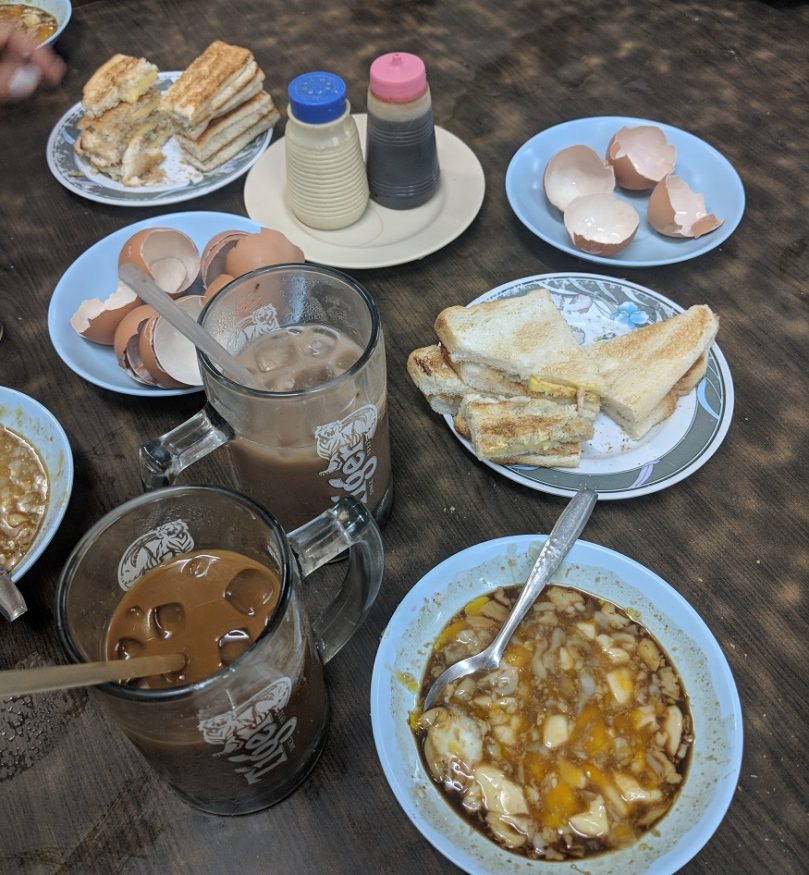
Immerse yourself in local culture and head for breakfast at a kopitiam (coffee shop). Kaya Toast and Eggs is a breakfast staple in Singapore and available across the island. Take the MRT to Outram Park and head to Tong Ah Eating House on Keong Saik Road. Note that Tong Ah relocated a short distance from its original, iconic red-and-white triangular shophouse building, so don’t be thrown if photos you’ve seen online show a different-looking building — it’s still on Keong Saik Road under the same name. A family run spot on one of Singapore’s most beautiful streets (you’ll find it behind the big yellow awning). Wash it all down with a local teh (tea) or kopi (coffee). The whole lot will cost you less than 5 SGD.
After breakfast explore Keong Saik and its neighbouring streets. Look out for the street art and there are some lovely photo opportunities of refurbished shop houses with modern skyscrapers in the background. From here take the short walk to Chinatown. Make sure to stop by Buddha Tooth Relic Temple, admission is free with English language tours at 2pm on Saturdays. The temple has five stories and houses a museum and tea house. Do bit of souvenir shopping at Chinatown Street Market before making your way to a Hawker Centre for lunch. You won’t be short of options, but Amoy Street Food Centre, Maxwell Food Centre and Chinatown Complex Food Centre are amongst the best in Singapore. Look for the stall with the longest line and join it!
After all that exploring and eating, jump on the MRT to Harbourfront, home to VivoCity, Singapore’s largest shopping mall and the gateway to Sentosa. From here you can take the Sentosa Express train (S$4) or buy a cable car Sky Pass (S$35 for adults, S$25 for children) but the cheapest way onto Sentosa is on foot. A walk along the Sentosa Boardwalk is free.
Nothing says holiday more than sunshine and having sand between your toes. Whether you want to read a book, nod off or party with your fellow travellers, Sentosa has three pristine beaches. Choose one or visit all three!
Tucked away at one end of the island is Tanjong Beach. Its home to Singapore’s most exclusive beach club, but also has stretches of empty sand where you can park your towel. The views of the water are particularly nice from here.
The next beach along the coast is Palawan Beach and here there is a large stretch of sand flanked with palm trees for that much needed shade. It’s a little further away from the bars, restaurants and beach clubs, so you may want to take a short walk to 7-eleven to grab a few cold ones and snacks. Palawan Beach is connected by a wooden suspension bridge to a small island said to be the Southernmost Point of Continental Asia, so take your camera.
Last but not least is Siliso Beach. Whilst it may not be as aesthetically pleasing as the other two, Siliso is one of the most popular beaches as it has the biggest concentration of restaurants and bars, with people flocking for brunch on the beach or to take advantage of happy hour drinks.
For the journey back to the mainland you can take the Sentosa Express from Beach Station back to VivoCity for your connection to Harbourfront MRT or bus services, there is no payment required to exit the island.
Splash out a little in the evening and cap a great day at 1-Altitude, on the 63rd floor of One Raffles Place — still the highest al fresco bar in the world. There’s a S$18 cover charge that includes your first drink (a beer, house wine, mixed drink, or juice); after that, beers run around S$12, spirits S$14, and cocktails from S$16. Get there for sunset to see daylight fade into the night skyline.
Day Two:
One of Singapore’s oldest housing estates Tiong Bahru has evolved as one of the coolest places to be. There is a great mix of old and new, where traditional restaurants sit next to hipster coffee shops, bakeries, boutique shops and bookstores. Grab a breakfast pastry from the much loved Tiong Bahru Bakery or stop off at Forty Hands, an Aussie style café serving up tasty egg dishes and good coffee. Then spend your morning following the Tiong Bahru Heritage trail around the neighbourhood.
Before you leave stop by Tiong Bahru Market and head up the escalator to one the best Hawker Centre’s in Singapore. Grab a fresh Sugar Cane Juice and a tasty snack, some of the stalls here have been cooking up the same dishes for over 50 years.
After experiencing the best of what Tiong Bahru has to offer take the bus or make your way on foot towards the Singapore River, joining near Kim Seng Road is a good place to start. From here you can follow the river towards the centre of the city. It’s a lovely walk along the water with shady trees lining your path and if you’re lucky you may catch a glimpse of Singapore’s family of otters, who live in and around the waterways. Keep the river to your right and you’ll pass Robertson and Clarke Quays before reaching the Central Business District, housing some of Singapore’s most historic buildings. If you don’t fancy the walk you can take a River Cruise (25 SGD).
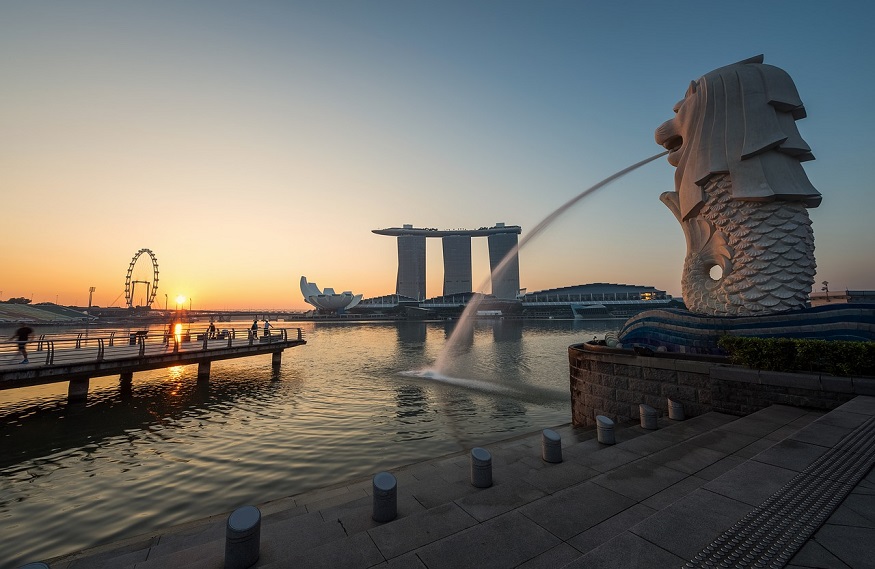
Grab an ice cream sandwich from one of the stalls next to Cavenagh Bridge, near the Fullerton Hotel then make your way along Queen Elizabeth Walk before joining Jubilee Bridge to take some stunning photos of the city. At the end of the bridge is the Merlion statue, a symbol of Singapore. With the body of a fish, representing beginnings as a fishing village and a lion’s head, a nod to the cities name ‘Lion City’ the Merlion is a 9 metre statue spouting water from its mouth, overlooking Marina Bay.
Marina Bay Sands is modern Singapore’s most iconic building, with three 55-storey hotel towers connected by a huge roof terrace, Sands SkyPark. The observation deck on Level 56 provides panoramic views across the bay; entry costs S$36 (around £21), and tickets are valid for entry between 11am and 4pm. Instead, head to Spago Bar & Lounge on Level 57, an elegant space with panoramic skyline views, for elevated bar bites and creative cocktails. The fixed happy-hour menu from a few years back is gone — pricing is now à la carte, with snacks from around S$19, burgers from S$26–34, and steaks from S$95, plus the prevailing 9% GST and 10% service charge. For the location this is extremely good value. You won’t regret ordering the grilled cheese sandwich either!
Round off the evening with Garden Rhapsody at Supertree Grove (see Best Places to Visit, above, for details) before heading to Satay by the Bay for dinner No tickets are required, entrance to Gardens by the Bay and the light show is free. Arrive before nightfall to appreciate the gardens in the daylight, then stay for the light show. If you’re hungry after the show, mosey over to Satay by the Bay for dinner and end the night with drinks by the water at Boat Quay.
Day Three:
Visitors to Singapore are often surprised by how green the island is. By now you will have appreciated that this is no concrete jungle. The climate helps, with the sunshine, high humidity and rainfall, allowing for an abundance of parks and gardens, some of which are even built on top of skyscrapers.
Escape the city for the morning and head to the OG of green space in the city – The Singapore Botanic Gardens, the only tropical botanic garden on the UNESCO’s World Heritage List. The MRT station is directly next to the gardens and opposite the entrance you’ll see Cluny Court, where you can pick up some breakfast. Over 150 years old, the 82 hectare Botanic Gardens are home to over 10,000 types of plants, ancient trees, orchids, lakes and a concert space. You’ll see plenty of wildlife too, including turtles and monitor lizards! There is no admission fee, except for the National Orchid Garden which costs 5 SGD.
To refuel, take the train to Telok Ayer MRT and stroll to Lau Pa Sat, a true Singapore landmark and easily the most handsome Hawker Centre on the island. After dinner you can make your way to Orchard Road to walk the 2.2km promenade and get lost in the vast malls.
Spend your evening in the Bugis area. Loof, Singapore’s original standalone rooftop bar, is still going strong on the rooftop of Odeon Towers, with quirky Southeast Asian-inspired cocktails and a nostalgia-themed souvenir corner called The Mama Shop. It’s open 5pm–1am Monday to Thursday and 5pm–2am Friday and Saturday, but closed on Sundays, so check the day of the week before you plan your evening around it. End the night on Haji Lane, this area is Singapore’s oldest urban quarter and now one of its trendiest spots with cool shops, bars and live music.
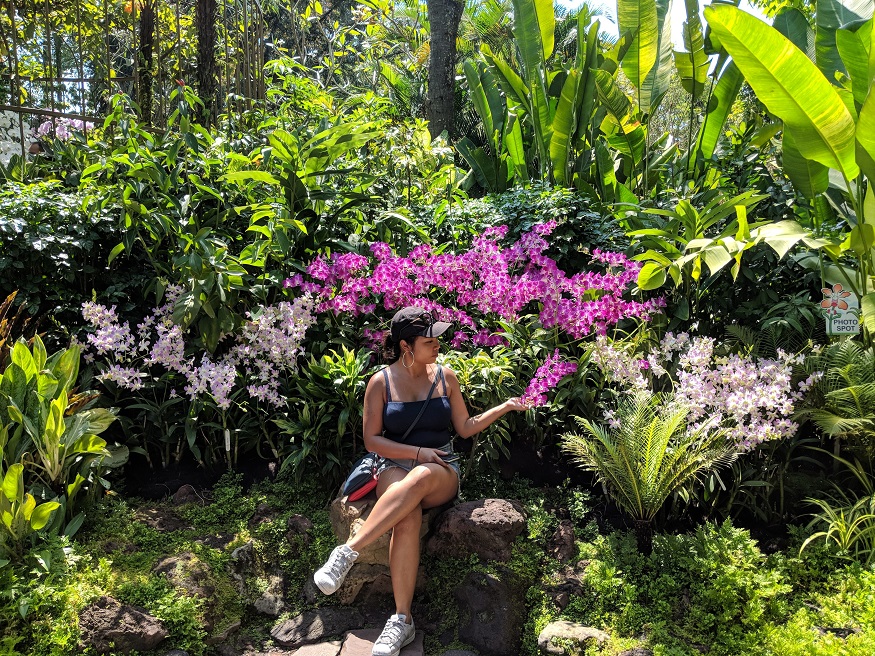
Botanic Gardens
Staying for a week?
If you’re lucky enough to be in Singapore a bit longer, here are some suggestions to supplement the Three-Day itinerary. Spend a week and you’ll have time to travel a bit further afield, sample a wider variety of cuisine, visit award winning animal parks and further immerse yourself in Singaporean culture:
Day Four:
Little India is one of Singapore’s most vibrant districts and has a very different feel from the rest of the city. Spend your morning exploring Serangoon Road and its neighbouring streets. Stop by at the Tekka Centre to browse the stalls and grab some Roti Prata and a milk tea for breakfast. Visit the beautiful Sri Veeramakaliamman Hindu Temple, which dates back as far as the 1800’s. If you really like to shop, the Mustafa Centre is open 24/7 and it sells everything, literally everything!
Day Five:
One of the country’s historical landmarks is Fort Canning Hill, located on the edge of the Central Business District. Entry is free. It was here that the British surrendered to the Japanese in World War II. Nowadays you can marvel at ancient artefacts, wander the immaculate lawns and gardens. The green also hosts theatre performances and music concerts throughout the year.
Singapore has a wide variety of high-quality museums to choose from, whether you want to supplement your culture fix or shelter from the rain for a few hours here are three of the best.
National Museum of Singapore is both the oldest and largest and it’s worth a visit purely for the building itself. Entry costs 10 SGD or 5 SGD if you have a student card. Inside the museum is split into two main galleries, with exhibitions taking place throughout the year. Since its restoration and refurbishment in 2006, the museum re-opened, offering a more immersive and interactive environment.
The ArtScience Museum is one of the more striking buildings in Singapore, with its design said to resemble a lotus flower. The museums mission is to explore where art, science, culture and technology come together. You’ll find it on the water, near to Marina Bay Sands and tickets cost 18 SGD or 13 SGD with a student card
If you’d like to expand your knowledge to other parts of Asia, then a trip to the Asian Civilisations Museum is in order. Here you’ll explore the artistic heritage of Asia and understand more about the ancestral cultures of Singaporeans. It’s in a great location next to Singapore River, opposite the Fullerton Hotel. Tickets cost 20 SGD or 15 SGD with a student card.
Spend early evening having a drink at Level 33 which is the world’s highest urban microbrewery, or the livelier Kinki’s Rooftop Bar which plays great music. Both have happy hour and drinks discounts running until 8PM.
After drinks, take in the second light show of your trip. In addition to the spectacular Garden Rhapsody at Gardens by the Bay is the Marina Bay Sands Light and Water Show. Spectra as it is known is also free and you can watch the dancing fountains, colourful projections and lasers from the Event Plaza, outside The Shoppes at Marina Bay Sands at 8PM or 9PM.
Days Six and Seven
Spend your remaining days eating your way across the city and re-visiting some of your favourite spots.
If you can’t get enough of city views, or a bit blurry eyed during your rooftop bar visits then take one last look with a ride on the Singapore Flyer, a giant observation wheel offering 360 views of Singapore and beyond. Tickets 33 SGD.
Have drinks on Ann Siang Hill and Club Street. In the evening the streets are pedestrianised, so you can pick a spot outdoors and take in the atmosphere. Drinks & Co and Operation Dagger are popular Singapore bars. You can even take in a movie at rooftop bar / theatre The Screening Room. You should know the drill by now, look out of happy hour offers which usually run early evening. If it’s Thursday, check out Highlander in the heart of Clarke Quay. They offer free flow deals for 30 SGD from 9PM.
Here for Two Weeks?
You lucky devil! If you’re here for around fourteen days then you can slow things right down, immerse yourself in nature and take day or overnight trips.
Day Trips from Singapore
Head to Changi Point Ferry Terminal and catch a bumboat to Pulau Ubin. Once there are 12 passengers, the boat will start the 15-minute journey. Cost is 3 SGD. Life on Ubin is a lot more rustic than mainland Singapore and you’ll feel like you have stepped back in time. The best way to explore the island is to hike or bike, the latter costs around 10 SGD.
Been to Malaysia yet? If not consider taking the four-hour coach ride to the UNESCO heritage city of Malacca. Like Singapore, Malacca is rich in history and as a former colony, has Dutch, Portuguese and British influences, as well as Malay. There are various coach companies to choose from, with journeys as cheap as 15 SGD each way. Due to the distance and coach timetable I would suggest an overnighter. Look for a hostel close to Jonker Street.
Although a flight away, Kuala Lumpur is certainly a do-able day trip option. The flight is less than an hour, so you’ll have a good amount of time to do some exploring in the Malaysian capital. A return flight will set you back around 80 SGD.
Did you know that Singapore consists of 63 islands? If you want to get away from the crowds and top up your tan, then Singapore Island Cruise offer ferry services from Marina South Pier. Tickets 18 SGD. Two of the best are St Johns Island and Lazarus Island. Lazarus in particular has been lauded as Singapore’s best kept secret due to its idyllic white sandy beach and blue lagoon. Lazarus Island is linked by causeway to St Johns so visit both in one trip. There aren’t any shops or restaurants on the island, so pack supplies so you can spend the day and enjoy a picnic on the beach.
Back on the mainland
Katong has rich peranakan history, housing a nice mix of western style cafes, eateries and local fare. Here is the best spot to eat Laksa. Be sure to take a walk down Joo Chiat Road to see the colourful shop houses.
Southern Ridges is a perfect opportunity to stretch your legs and burn off all that tasty Hawker food. This 10km raised trail allows you to walk amongst the trees, connecting three parks – Mount Faber, Telok Blangah and Kent Ridge. Part way through the trail and you’ll reach Henderson Waves, a spectacularly architectural pedestrian bridge. Take your camera and keep your eyes out for monkeys along the way. Join the trail at Gilman Barracks where there are a few cafes, restaurants and art galleries, accessible by taxi or bus. End at Mount Faber, where you can walk down to Harbourfront MRT to catch the train.
Equally impressive is the MacRitchie Nature Trail and Reservoir Park where you will find boardwalks around the reservoir and trails through the forest. It’s a really scenic spot around 30 minutes outside of the city. Whilst there is no MRT station you could take a bus or taxi here. MacRitchie feels much more natural than other parks in Singapore. There are facilities, but large parts of the rainforest are untouched and as such your chances of encountering a monkey or monitor lizard increase. Getting amongst canopy and taking the HSBC TreeTop Walk is a must.
If you’re like me and enjoy the novelty of watching a movie alfresco then look out for one of Singapore’s Outdoor Cinemas. Whilst they are not permanent there are various companies holding viewings throughout the year, such as Peroni Sunset Cinema, Popcorn and Films at the Fort. Tickets are usually around 20 SGD.

Singapore Accommodation
Hostels in Chinatown
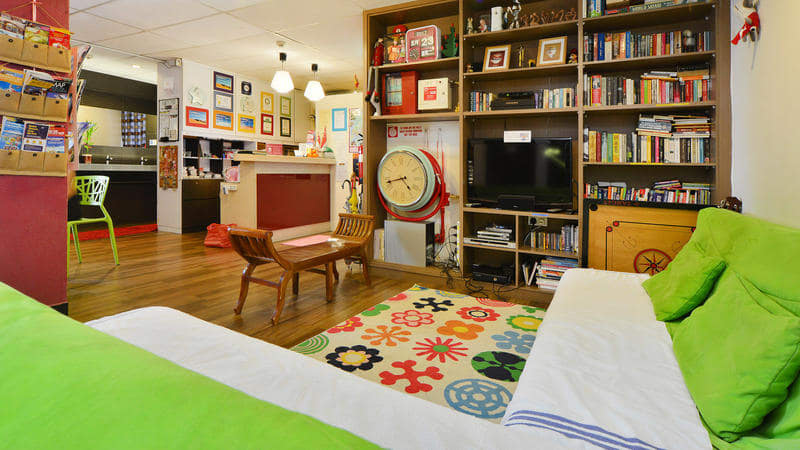
There are plenty of great Singapore hostels, but let us introduce you to the HOSCAR winner of the ‘Best hostel in Singapore’… AKA Tribe Theory. Not only will you have sweet dreams here, you’ll also meet inspirational people to help you bring your big business dreams to life. Tribe Theory is an entrepreneur centric hostel where you’ll meet likeminded individuals, who are both trying to see AND change the world with their big ideas! With a great social vibe, comfy capsule beds, ideal co-working spaces and a central location in Chinatown, it’s clear to see why Tribe Theory is an award-winning hostel.
If you want a fun, social hostel in Singapore, The Bohemian is the clear winner. In fact, it has been the HOSCAR winner of ‘most popular hostel in Singapore’ three years in a row, and for good reason. The facilities, atmosphere and location are fantastic, close to the station, Chinatown and all the main attractions of Singapore.
If you go down to the woods today Chinatown, you’ll find a great hostel called Beary Best! Located in a stunning restored heritage building featuring bright pastel-coloured windows, this hostel provides comfortable and good value accommodation in a friendly and bright environment. Oh, and there’s also a collection of fluffy teddy bears if you fancy a cuddle!
What do you call a posh hostel? A ‘poshtel’ of course! Now you know what a poshtel is, we can reveal that Adler Hostel & Coffee Bar is widely known as one of the top poshtels in Asia. You can expect beautifully decorated interior and big, comfy beds each with their own curtain for added privacy. Adler has chilled vibes, so if you’re looking to meet others or party, we’d recommend alternative hostels. But if you want a relaxed stay in a luxury hostel near Chinatown, Adler’s is the one for you.

Other top hostels in Singapore
The Pod – Boutique Capsule Hostel
The Pod boutique capsule hostel is a great option for travellers looking for stylish accommodation close to the bustling Haji Lane. This modern hostel doesn’t just provide private, clean, comfortable beds in an excellent location though – The Pod also provides a free hot buffet brekky which has been described as “superb, although they do serve some strange things like chicken nuggets!” In Singapore, it’s never too early for chicken nuggets!
Quarters Capsule Hostel caters for all. With private pod beds, each with their own curtain, you’ll sleep like a log. But if you’re keen to socialise, just stroll on down to the vibrant common room or kitchen to meet other explorers. If you’re looking for activities, you have Marina Bay within walking distance and many buzzing bars on your doorstep. If bars aren’t your thing, have a cosy night in playing board games (provided by the hostel) with your new hostel buddies!
River Inn is a family-owned hostel in the heart of Singapore, just minutes’ walk away from Singapore River. This friendly hostel is the perfect place to unwind, write your journal, talk to other travellers and share stories after a day exploring the different cultures and delights of Singapore. Perks include free brekky plus you’ll be an easy 15-minute walk away from Marina Bays Sands and Supertree Grove.
Singapore Food
If you like to eat then you’ll find it difficult to beat Singapore as a travel destination, as the locals are mad about food! It’s Chinese, Malay and Indian cultural influences has meant there is an overwhelming variety on offer and all at affordable prices. At around 3 SGD for a meal it’s the perfect place to live out your dream of having double dinner’s every day!
Singaporeans are immensely proud of their Hawker Culture, so much so they have nominated it for UNESCO heritage status. Hawker Centre’s are the hub of the community, it’s at these food courts where young and old, rich and poor come to eat, drink and hang out with their friends. Many stalls have been run by the same family for generations, each perfecting just a handful of dishes. You’ll find the tastiest, most authentic and affordable food here, or in small family run Kopitiams. Here’s my list of recommendations of the best food and drink to try and where to find them.
- Kopi (Coffee) and Teh (Tea) – and how to order it like a local!
If you can’t start your day until you’ve had your morning caffeine hit, you’ll need to know how to order like a local. It can be a little complex at first with so many different versions available, but you’ll soon get the hang of it. A basic cup of Kopi or Teh will come with condensed milk and sugar. I recommend you try this for starters. You can then play around with your preferences:
Kopi / Teh O – No milk
Kopi / Teh C – Switch condensed milk for evaporated (Carnation)
Add ‘Siew Dai’ for less sugar
Add ‘Kosong’ for no sugar
Add ‘Peng’ if you want it iced.
Don’t worry if you forget the above, you can order in English if you get stuck!
Where? – Get your beverage from any Kopitiam or drinks stall at a Hawker Centre. It might even come in a bag with a straw.
- Kaya Toast and Eggs
A breakfast staple, Kaya is a coconut jam, served on toast with soft boiled eggs. It might not look too appealing, but it’s all about the taste. Do what the locals do – crack your eggs into a dish and add a little soy sauce and white pepper, mix it all up and dip your toast.
Where? – Tong Ah Eating house, 35 Keong Saik Rd (behind the big yellow awning) or at franchises, such as Ya Kun Kaya and Fun Toast.
- Hainanese Chicken Rice
Probably Singapore’s most famous dish, Chicken rice is just that. Steamed or roasted chicken on a bed of rice cooked in chicken stock. It’s pretty simple but is full of flavour. It will come with some chili sauce on the side and a bowl of chicken broth.
Where? – It’s everywhere across Singapore. If you don’t mind queuing, then Tian Tian Hainanese Chicken Rice at Maxwell Food Centre is highly rated. Liao Fan Hong Kong Soya Sauce Chicken Rice & Noodle at Chinatown Complex received a Bib Gourmand in 2017 and has the title of the cheapest Michelin Starred food in the world.
- Char Kway Teow
A local favourite originating from Malaysia, Char Kway Teow is a dish of rice noodles stir fried with soy sauce, chili, beansprouts, prawns, cockles, Chinese sausage and fishcake.
Where? – Outram Park Char Kway Teow at Hong Lim Market & Food Centre.
- Hokkien Mee
Another popular noodle dish, this time originating from China. Hokkien Mee is a mixture of noodles stir fried with seafood, beansprouts and chili.
Where? – Nam Sing Fried Hokkien Mee at Old Airport Road Food Centre
- Carrot Cake
Not to be mistaken with the western dessert, this carrot cake is savoury and doesn’t actually contain carrot! It is a mix of rice flour and white radish, cubed, steamed and fried with garlic, soy sauce and eggs.
Where? – Zion Road Hawker Centre
- Laksa
A spicy soup stock with coconut milk typically served with noodles, beansprouts, prawns and fishcake. Laksa is a combination of Chinese and Malay flavours and there are a huge variety of versions to choose from.
Where? – 363 Katong Laksa, 29 Lor Liput (Near to Holland Village MRT)
- Curry Puffs
This mini pastry one of Singapore’s best-known snacks. The traditional filling is curry sauce with chicken and potatoes, if you’re lucky there could be some chopped egg in there too! There are also a variety of other fillings to choose from such as vegetables, fish or beef.
Where? – Tanglin Crispy Curry Puff at Maxwell food centre or franchises such as Old Chang Kee and Tip Top.
- Chili Crab
An iconic seafood dish in Singapore, Chili Crab has also been ranked in the world’s top 50 most delicious foods. The crab is stir fried with a sweet and spicy sauce, served with steamed buns. It gets messy and on the pricey side in comparison to other dishes on this list.
Where? – Keng Eng Kee Seafood, Bukit Merah or the Jumbo seafood restaurant chain.
- Curry Rice
Another Hainanese dish, curry rice is a much-loved comfort food. Rice is topped with a usually mild curry sauce, veggies and your choice of fried protein.
Where? – Loos’ Haianese Curry Rice, Seng Poh Road, Tiong Bahru
- Pau
A Pau is a steamed, filled Chinese bun and an extremely popular snack in Singapore. There is a vast array of fillings including minced chicken, char siew BBQ pork and red bean paste.
Where? – Tiong Bahru Pau at Tiong Bahru Food Centre or 237 Outram Road.
- Dim Sum
A traditional comfort food introduced to Singapore by migrants from Hong Kong. These bite sized parcels are served in steamer baskets and come with a variety of fillings. Usually paired with copious amounts of tea.
Where? – Restaurant chains Tim Ho Wan and Din Tai Fung are across the island. Both have Michelin stars, but remain affordable.
- Durian
Known as the stinky fruit, Durian divides opinion. It’s difficult to describe the smell, but the fact it’s banned on public transport will probably tell you it isn’t pleasant. A lot of locals are Durian connoisseurs and when the fruit is at its best, travel across the island to their preferred seller.
Where? – Head to any wet market and you’ll likely find grocers selling the fruit, already prepared. You are often given a pair of gloves to protect your hands from smelling for the rest of the day. Make sure you take some mints too!
- Roti Prata
An Indian flatbread that is crispy on the outside and soft on the inside, roti prata is often eaten with vegetable or meat curry. Nowadays a lot of vendors have branched out and offer an array of toppings including cheese, chocolate and banana.
Where? – Various stalls around Little India including Prata Saga Sambal Berlada or Mr and Mrs Mohgan’s Super Crispy Roti Prata, 300 Joo Chiat Road
- Paper Thosai
Originating from South India, paper thosai is a huge pancake much thinner than roti prata. Usually eaten at breakfast with a choice of dips such as curry and chutneys.
Where? – Komala Vilas, 76-78 Serangoon Road
- Chendol
A Malaysian dessert, the basic ingredients are shaved ice, coconut milk, palm sugar and jelly cubes. After that you can pimp your bowl with a huge variety of toppings to choose from, including fruit, red beans and sweetcorn.
Where? – Old Amoy Chendol at Chinatown Food Complex
Hawker Tips:
Get there early as you’ll probably need to queue for the more popular stalls. Particularly those a little further out of the city, will close once they have sold out.
If you notice packets of tissues or cards on tables, this is the local’s way of reserving or ‘choping’ a table. Feel free to follow suit.
Singapore Culture
Singapore history
The name Singapore comes from the Malay words “Singa” for lion and “Pura” for city. Legend has it that a Sumatran prince spotted a creature when landing on the island sometime during the 14th century and was told it was a lion.
Singapore’s location on the major sea route between India and China appealed greatly to the British, who in the early 19th century were looking for a trading post to support their interests in India and China. Sir Thomas Stamford Raffles saw potential in what was then a swamp-covered island. Singapore eventually became a crown colony and flourished as a trade hub under British rule, attracting immigrants from across the region. The influx of workers and traders from different countries caused some early friction, and the colony was split into ethnic residential areas — forming the basis of the neighbourhoods that still exist in Singapore today.
Singapore’s development as a trading hub led to the establishment of banks and other businesses, but progress halted when the country was occupied by Japan during World War II. Following the return of British rule and an unsuccessful merger with Malaysia, Singapore became an independent and sovereign democratic nation in 1965.
Since independence, Singapore has continued to thrive as one of the world’s leading players in global finance and trade. Its initial success was largely down to its geographic location, sustained since by heavy investment in economic growth and a highly skilled, multicultural workforce. Despite being one of the youngest nations in the world, Singapore is now recognised as one of its most successful.
Languages
Singapore has four official languages: English, Mandarin, Malay, and Tamil. English is the working language for government and business, so you’ll find you can have a conversation with the vast majority of locals you interact with. That said, there’s also an unofficial language known as “Singlish,” a hybrid that could leave you confused.
Singlish is commonly used by locals in social settings. Most Singaporeans speak more than one language, and while they’ve been schooled in English, their language at home might be, for example, Malay or one of several Chinese dialects — so some English sentences will come out shorter, or with words from another language swapped in or added on the end.
Singapore’s people
Singapore’s population breaks down into three main ethnic groups, plus a smaller “Others” category: Chinese (75.5%), Malay (15.1%), and Indian (7.6%), with the remainder mostly Eurasian. Buddhism is the largest religion overall, though each community has its own dominant faith — most Malay Singaporeans are Muslim, and most Indian Singaporeans are Hindu — which is why you’ll see religious festivals and clothing traditions threading through nearly every part of the culture below.
Chinese culture in Singapore
Chinese Singaporeans are the largest ethnic group in Singapore, making up around three-quarters of the population. Singaporeans of Chinese descent are grouped according to their ancestral origins, which can be told apart through dialect, custom, religious practice, and food. Most trace their roots to southern China, and the majority are Buddhist. Head to Chinatown for a taste of Chinese heritage.
Malay culture in Singapore
Malay Singaporeans are the second-largest ethnic group in Singapore, at around 15% of the population, and are recognised as the country’s indigenous community. Their culture closely mirrors that of mainland Malaysia. Most speak Malay with a dialect from southwest Malaysia, and the vast majority are Muslim. The Kampong Glam / Bugis area is the best place to immerse yourself in Malay heritage.
Indian culture in Singapore
Indian Singaporeans are the third-largest ethnic group, making up around 7.6% of the population. The community includes Tamil, Malayali, Punjabi, and Gujarati Singaporeans, most with roots in South India, and the majority are Hindu. Festivals like Deepavali (Diwali) and Thaipusam are celebrated with real enthusiasm, and Indian food, music, and dress are deeply woven into the culture, particularly around Little India, the best place to experience it firsthand.
Singapore traditional clothing
As you’d expect, traditional clothing in Singapore is shaped by its mix of cultures. You typically won’t see these worn day-to-day, but here are some of the outfits that come out for religious festivals or significant annual events.
Chinese Cheongsam – This elegant, colourful, figure-hugging dress with a high collar is made from cotton or silk. It’s worn for special occasions like family events and Chinese New Year, and is available across Singapore at every budget — try Chinatown for something more affordable, or a hotel or wedding boutique for a tailor-made piece.
Chinese Changshan – The male equivalent: a long shirt with a high collar, worn for formal events and celebrations, available off the shelf or custom made.
Baju Kurung and Baju Melayu – The national dress of Malaysia. A baju kurung is a loose-fitting, full-length dress in a range of colours and patterns; baju melayu is a loose, long-sleeved shirt for men, often paired with trousers and a sampin wrapped around the waist. Both can be custom made, with Arab Street having no shortage of tailors. Sales peak during Ramadan.
Sarong Kebaya – Traditionally associated with the Peranakan community, the kebaya is an embroidered blouse paired with a sarong. It’s common in both Singapore and Indonesia, and has even influenced the uniform designed for Singapore Airlines’ female flight attendants.
Sari – The glamorous, colourful sari is recognised the world over. Worn by the Indian community, it’s typically an everyday item, with special designs saved for religious festivals or significant occasions. Head to Little India to see them worn and to buy your own.
Singapore costs
Singapore Currency
The currency is the Singapore Dollar (SGD). Coin denominations are 1, 5, 10, 20 and 50 cents and 1 Dollar, while banknote values include 2, 5, 10, 50 and 100. At the time of writing, 1 SGD is equal to roughly 0.59 GBP or 0.77 USD — exchange rates move, so check a live converter closer to your trip for the most accurate figure.
Card or cash?
A mixture of both is recommended. Contactless card payment methods are available across the island, however you’ll need cash for purchases at smaller businesses, hawker centres, and in some taxis.
Is Singapore expensive?
The official answer is yes. It’s well documented that Singapore has consistently been ranked as one of the most expensive cities in the world. But that factors in costs like renting an apartment, buying a car and putting your kids through school — none of which you have to worry about when backpacking!
Sure, there are lots of opportunities to spend your hard-earned dough, with some of the world’s best bars, hotels, restaurants and shopping on your doorstep. But it’s also easy to explore for less and with little compromise. Here are some average costs:
- Travel on public transport (per one-way trip) – from S$0.92, rising with distance travelled
- Public transport from airport to city – 2 SGD
- Taxi from airport to city – 20 SGD
- Taxi (15/20 mins) – 8 SGD
- Meal in a Hawker Centre – 3 – 4 SGD
- Large Beer in a Hawker Centre – 7 SGD
- Local tea or coffee – 1.50 SGD
- Fresh juice – 3 SGD
- Meal in a mid-range restaurant – 20 SGD ++
- Beer / Wine in a mid-range restaurant / bar – 14 SGD ++
- Movie Ticket – 10 SGD
- Museum Ticket – 15 SGD
- Small bottle of water at 7-Eleven – 2.50 SGD
++ GST and Service charges
If you are quoted a price ++, this refers to Goods and Services Tax (currently 9%) and Service Charge (typically 10%). Most bars, restaurants and cafes will add this to your bill, so be mindful when checking the menu. You’ll avoid paying the extra 19% at hawker centres, food courts in malls, and most kopitiams.
GST on shopping at major retailers can be claimed back at the airport on departure under the Tourist Refund Scheme, as long as you’ve spent at least S$100 (including GST) at a single participating store — you can combine up to three same-day receipts from the same shop to hit that threshold. You’ll need to show your passport in person at the time of purchase (not a photo of it), and goods must leave Singapore with you via Changi or Seletar Airport within two months of buying them. A small handling fee is deducted from whatever you’re refunded.
Tips to save money in Singapore
Eat local – Singaporeans love their food and a visit here will certainly not leave you hungry. Avoid restaurants in the tourist hotspots and head to a hawker centre. These food courts house a variety of food stalls cooking up delicious local dishes with inspiration from across the region. There are over 100 hawker centres on the island to choose from, and not only is the food better, meals cost a fraction of the price. You’ll leave with a full stomach and an appreciation of just how multicultural Singapore is. Food courts in malls are also good options — they’re usually in the basement or on high floors. You’ll pay a little more for the air-conditioning and modern surroundings.
Drink smart – Whilst you can chow down on tasty food on the cheap, your beverage bill will be a little higher to say the least. The bar scene is strong in Singapore and nothing beats a warm evening sipping on your favourite tipple in nice surroundings. But alcohol is expensive, so you’ll need to play it smart and keep your eyes peeled for drinks offers. There are 1-for-1 discounts, free-flow deals and ladies’ nights available across the city — check current promotions directly with venues before you go, as happy hour structures and deals do change.
Use public transport – Hailing a cab is so convenient, and even more appealing if it’s cheaper than at home. But try to resist — public transport here is great, with MRT stations and bus stops within walking distance of most places where you’ll be spending your time.
Drink the water – You’ll get through plenty of H2O, and buying it from 7-Eleven every day will soon add up. The water here is clean and safe to drink, with water fountains available at most tourist attractions and malls. So bring a water bottle and you’ll be doing your bit for the environment too!
Singapore travel advice
Vaccinations
Aside from confirming that your vaccinations for life in your home country are up to date there are no courses or boosters usually advised for travel to Singapore.
Getting to and from the airport
You’ll fly in and out of the world’s best airport, Singapore Changi. It’s an attraction in itself but save exploring until your departure and head straight into town. The Changi Airport MRT station is located at Terminal 2 with trains to and from the city taking approximately 40 minutes.
Travelling to Bangkok?
Singapore is extremely well connected to the rest of South East Asia and beyond. If your next stop is Thailand’s bustling capital, the cheapest, quickest and most comfortable travel option is to fly. Plus, you’ll get to hang out at Changi Airport for a while. There are several budget airlines offering flights throughout the day. AirAsia, Scoot and JetStar are usually the cheapest carriers with prices starting around 75 SGD one-way. You’ll be in the air for two hours.
About the author….
Matt has been living and working in Singapore since January 2018, having relocated from the UK with his wife Hannah. He loves old skool Hip-Hop tunes, football (Wolves) and finding new rooftop bars that offer delicious food and tasty beverages. In his spare time you’ll find him exploring his new home or travelling South East Asia.
Download the Hostelworld app to start booking now


 Get the App.
Leave a Reply
You must be logged in to post a comment.