
10 Hidden Gems in Europe Worth the Detour
Europe isn’t just Paris, Rome, and Barcelona. Venture beyond the typical tourist trail and you’ll find a treasure trove of underrated cities, storybook villages, and wild landscapes waiting to be explored. These hidden gems in Europe offer all the history, culture, and adventure of the classics, but with fewer crowds and often a lower price tag. By seeking out Europe’s offbeat destinations, you’re not only treating yourself to unique experiences, but also traveling more sustainably by easing the strain on over-touristed hotspots. From medieval towns untouched by mass tourism to natural wonders known only to locals, here are 10 of Europe’s best-kept secrets. Pack your backpack, grab your Hostelworld app, and get ready to discover a different side of Europe – one authentic adventure at a time!
1. Ghent, Belgium – Medieval Charm Without the Crowds
Why Go
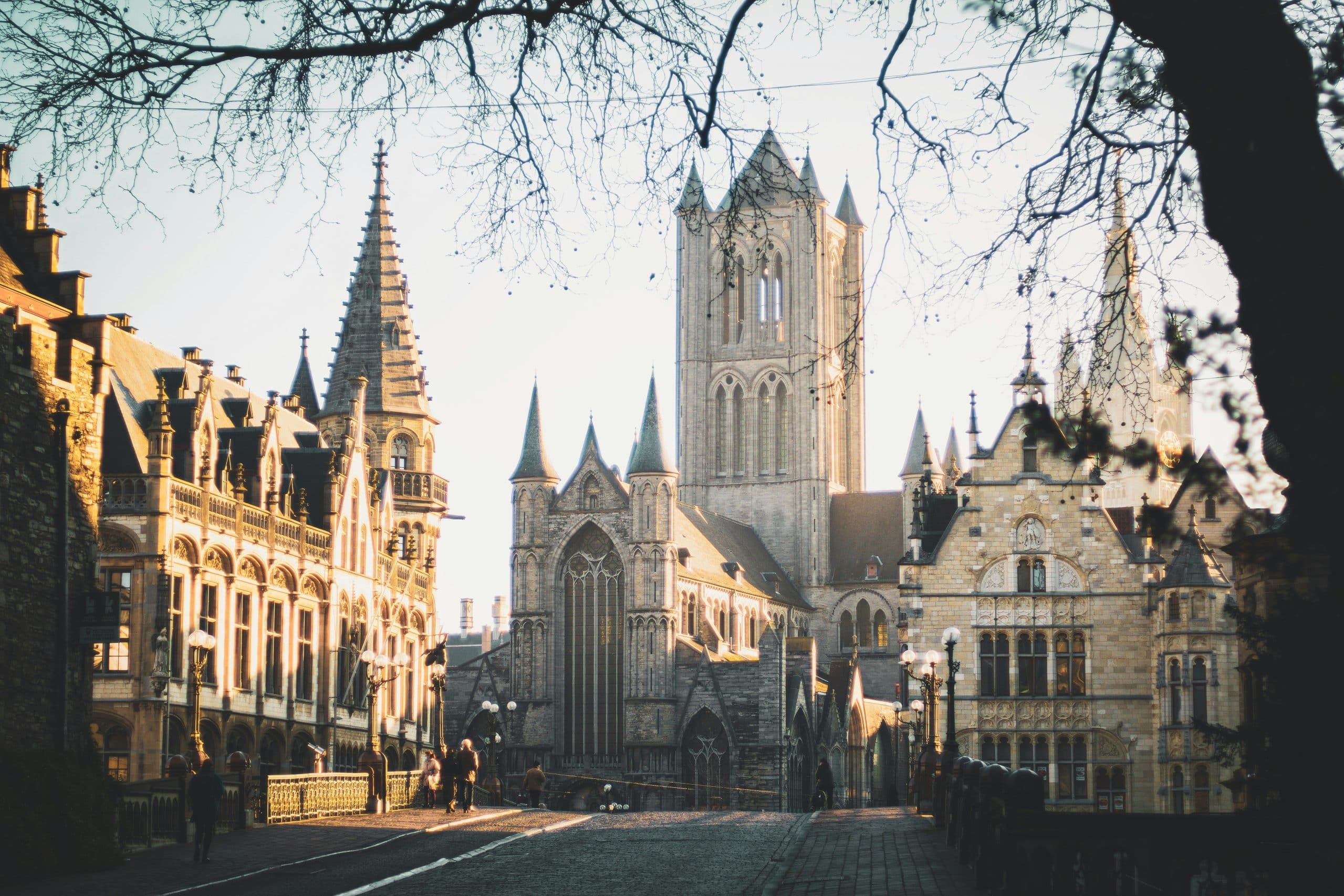
Often overshadowed by its famous neighbors Brussels and Bruges, Ghent is “one of [Belgium’s] hidden gems, often overlooked by travellers”. This canal-laced university city seamlessly blends medieval charm with a lively contemporary vibe. Picture elegant gabled buildings reflected in the Leie River, cyclists zipping over cobblestone bridges, and locals enjoying beers on sunny squares. Ghent was one of Europe’s richest cities in the Middle Ages, which blessed it with architectural marvels like the Gravensteen Castle and the trio of towering churches (St. Nicholas, St. Bavo’s Cathedral, and the Belfry) that dominate its skyline. Unlike heavily touristed Bruges, Ghent feels authentic and lived-in, you can wander its Graffiti Alley or vibrant Great Butchers’ Hall without jostling through selfie-sticks.
Top Highlights
Don’t miss the Ghent Altarpiece (Adoration of the Mystic Lamb), the world-famous 15th-century masterpiece by the Van Eyck brothers on display in St. Bavo’s Cathedral. Climb the Belfry for a panoramic view of Ghent’s spires and rooftops. Stroll the Graslei and Korenlei quays at twilight to see the medieval guild houses lit up, and take an evening canal cruise for a romantic perspective on the city’s beauty. By day, explore the medieval Gravensteen Castle, complete with dungeons and ramparts, then grab a cone of cuberdons (local berry jelly candies) from a street cart. Ghent’s youthful population ensures plenty of trendy cafés, craft breweries, and music venues tucked among the historic buildings, it’s a city with “old-world elegance and student-town energy”.
Hostel Recommendation – Hostel Uppelink
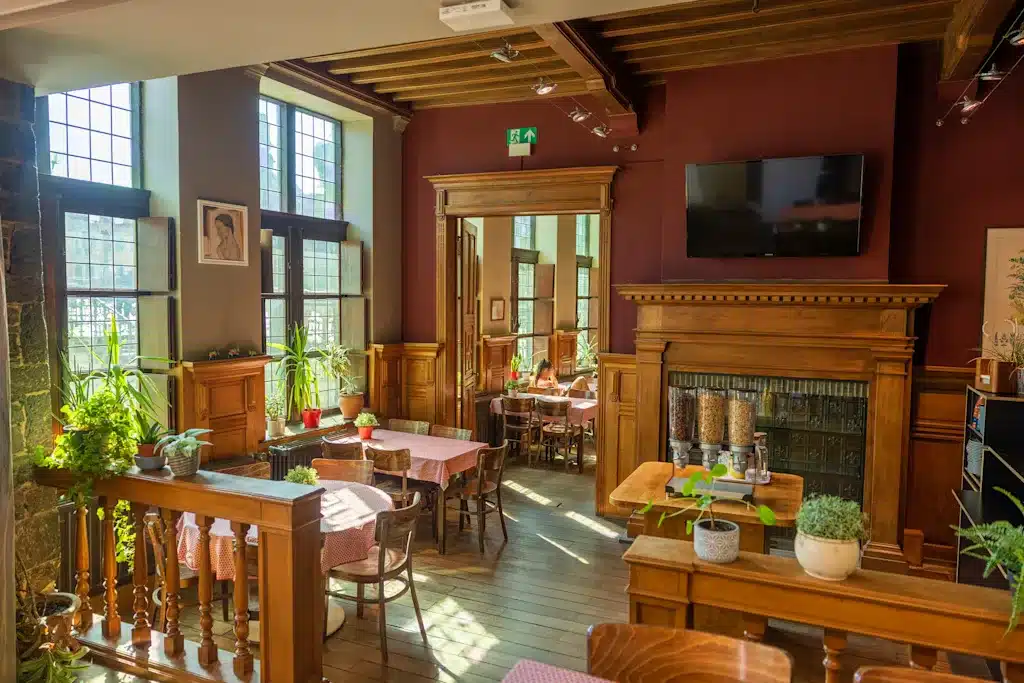
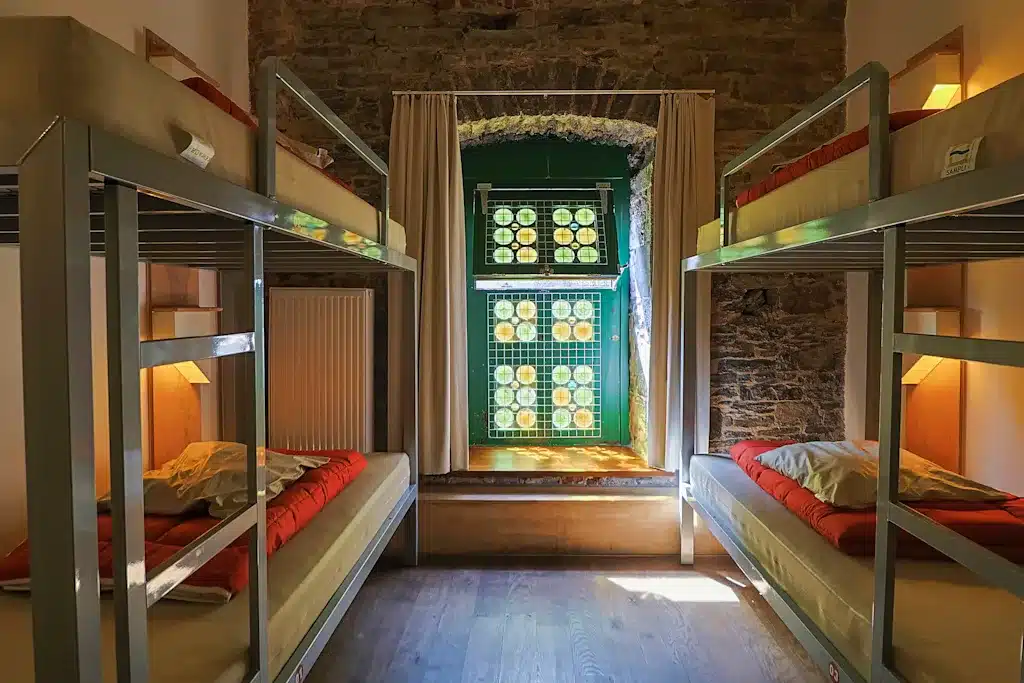
Stay right in the heart of the action at Hostel Uppelink, a top-rated, family-run hostel set in a historic building by Ghent’s old harbor. Guests love the cozy common room with panoramic river views and the social vibe – the hostel even offers free walking tours and kayak rentals so you can paddle through Ghent’s canals. With clean dorms and friendly staff, Hostel Uppelink’s location next to St. Michael’s Bridge (with postcard views of Ghent’s three towers) is unbeatable for exploring the city’s hidden corners.
2. Matera, Italy – Ancient Cave City Reborn

Why Go
Carved into a rocky ravine in southern Italy, Matera is a place like no other in Europe. Its Sassi districts, a maze of stone caves, houses and churches dug into the cliffs, are often called the “Subterranean City.” Inhabited for thousands of years, the cave dwellings of Matera are among the oldest human settlements in the world. For a long time, Matera was forgotten and fell into poverty (in the 1950s it was infamously dubbed “the shame of Italy”), but its story is one of dramatic rebirth. Today, Matera is a UNESCO World Heritage Site and was honored as a European Capital of Culture in 2019. Wandering Matera feels like stepping back in time: you’ll explore labyrinthine alleys, stone-cut stairways, and rupestrian (rock-hewn) churches adorned with ancient frescoes. It’s no wonder filmmakers use Matera as a stand-in for ancient Jerusalem, the atmosphere is profoundly historic and otherworldly.
Top Highlights
Wake up early to watch the sunrise turn Matera’s stone landscape golden. Visit the Casa Grotta museum to see how families lived in these one-room cave homes. The Sassi di Matera themselves are the main attraction, lose yourself in the winding paths of Sasso Barisano and Sasso Caveoso, peeking into rock churches like Santa Maria de Idris. Matera’s crown jewel is the Crypt of the Original Sin, often called the “Sistine Chapel of cave art,” for its stunning 8th-century frescoes inside a cliffside chamber. By night, Matera’s caves glow with soft light, an unforgettable sight when viewed from across the ravine at the Murgia Timone viewpoint. It’s hard to believe this hauntingly beautiful city of stone was largely unknown to travelers until recent years. As Smithsonian Magazine put it, Matera was “once the ‘shame of Italy’… now a hidden gem” of rebirth.
Hostel Recommendation – The Rock Hostel
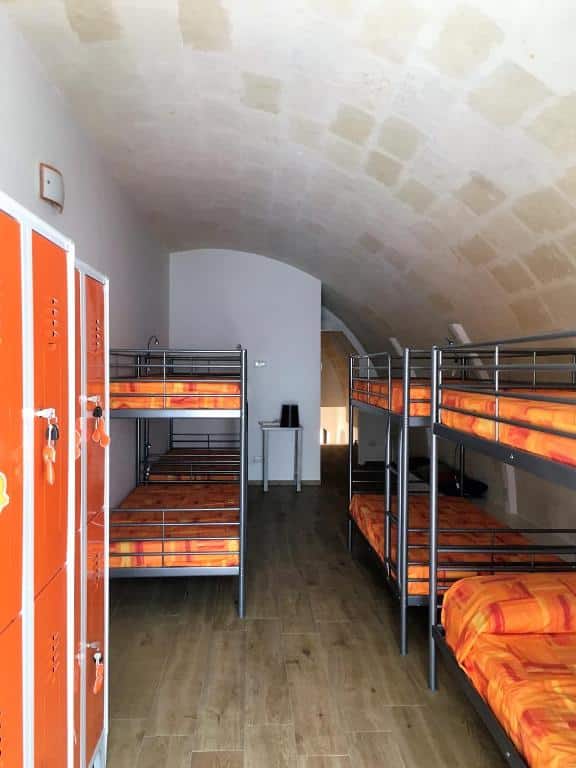
Immerse yourself in Matera’s cave culture by staying at The Rock Hostel, a cozy backpacker hostel located in a restored 19th-century lamione (stone farmhouse) in the old town. Rooms are built from local limestone, so you’re literally sleeping in a piece of Matera’s history. Guests praise the friendly atmosphere and modern comforts (soundproof dorms, a shared kitchen) within the rustic stone walls. Step outside and you’re just a 2-minute walk from the Sassi cave districts and Matera’s lively piazzas. If you’ve ever dreamed of waking up in a cave like a time traveler – but with hot showers and Wi-Fi – this is the place to do it!
3. Kotor, Montenegro – Medieval Marvel on a Fjord-Like Bay
Why Go
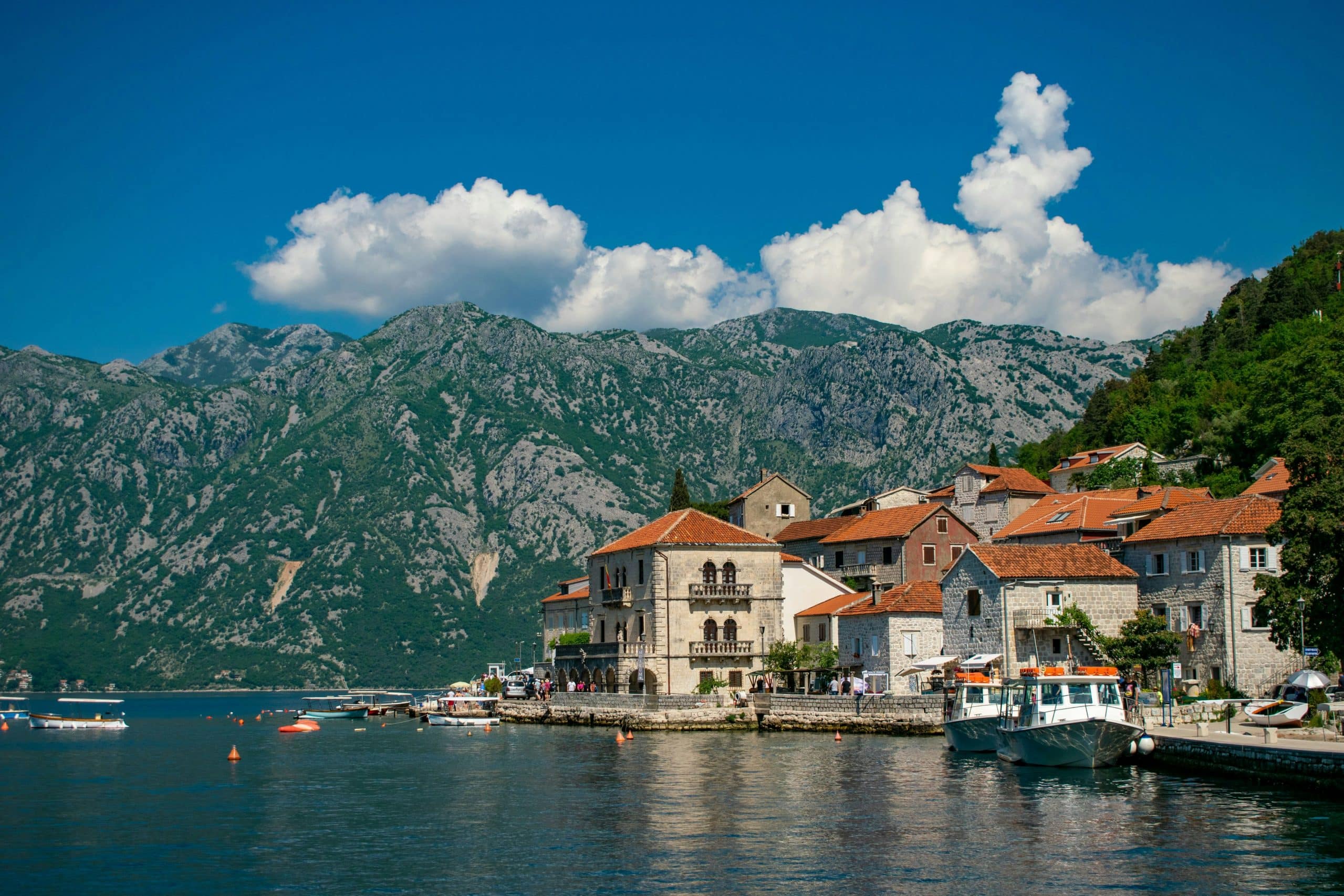
Tucked away in a corner of the Adriatic, Kotor sits at the end of a gleaming bay that often gets compared to a mini fjord. Encircled by steep mountains plunging into deep blue waters, Kotor’s setting will leave you breathless. The town itself is a tiny medieval jewel – a UNESCO World Heritage Site with cobbled lanes, stone churches, and cafe-filled squares behind sturdy Venetian-era walls. Time seems to slow down in Kotor. You might sip a coffee under an ancient plaza clock tower as cats (the unofficial city mascots) laze in the sun, or hear the melodious call of church bells echo off the cliffs. Despite its storybook scenery, Kotor remains a relatively quiet retreat except when cruise ships briefly dock. In the early morning or late evening, you’ll have its labyrinthine Old Town nearly to yourself – just you, the locals, and centuries of history.
Top Highlights
Hike up the 1,350 steps of the old fortress walls to St. John’s Castle for an absolutely jaw-dropping panorama of Kotor Bay’s “bay of wonders”. From the top, you’ll see the red-tiled Old Town far below, the sparkling bay, and misty mountains beyond – a view you’ll never forget (sunrise or sunset is magical up here). Back in town, wander the traffic-free alleys to discover gems like St. Tryphon’s Cathedral (a Romanesque basilica from 1166), the Maritime Museum (reflecting Kotor’s sailor heritage), and quirky finds like the Cats Museum. Take a boat trip to the postcard-perfect islets just offshore – particularly Our Lady of the Rocks, an island church with legendary origins. Kotor is also a great base to explore surrounding hidden gems: the quiet baroque town of Perast and its island monasteries, or the pristine beaches and blue cave at Lustica Peninsula. With its blend of dramatic nature and medieval charm, Kotor feels “like time stands still, inviting you to immerse yourself in its wonders”.
Hostel Recommendation – Old Town Hostel Kotor
Stay within Kotor’s centuries-old walls at Old Town Hostel, housed in a 13th-century former palace right in the heart of the Old Town. Dorm rooms feature stone walls and wooden beams that exude historical character. The hostel is famed for its social vibe – they organize group dinners, bay cruises, and guided hikes up to the fortress, making it easy to meet fellow travelers for adventures. With a cozy common room and helpful staff, Old Town Hostel lets you live the medieval town life (they even have a small pool to cool off on hot Balkan days!) while enjoying modern comforts. Step out the door and you’re seconds away from Kotor’s best cafés, pubs, and scenic squares.
4. Plovdiv, Bulgaria – Ancient City of the Seven Hills
Why Go
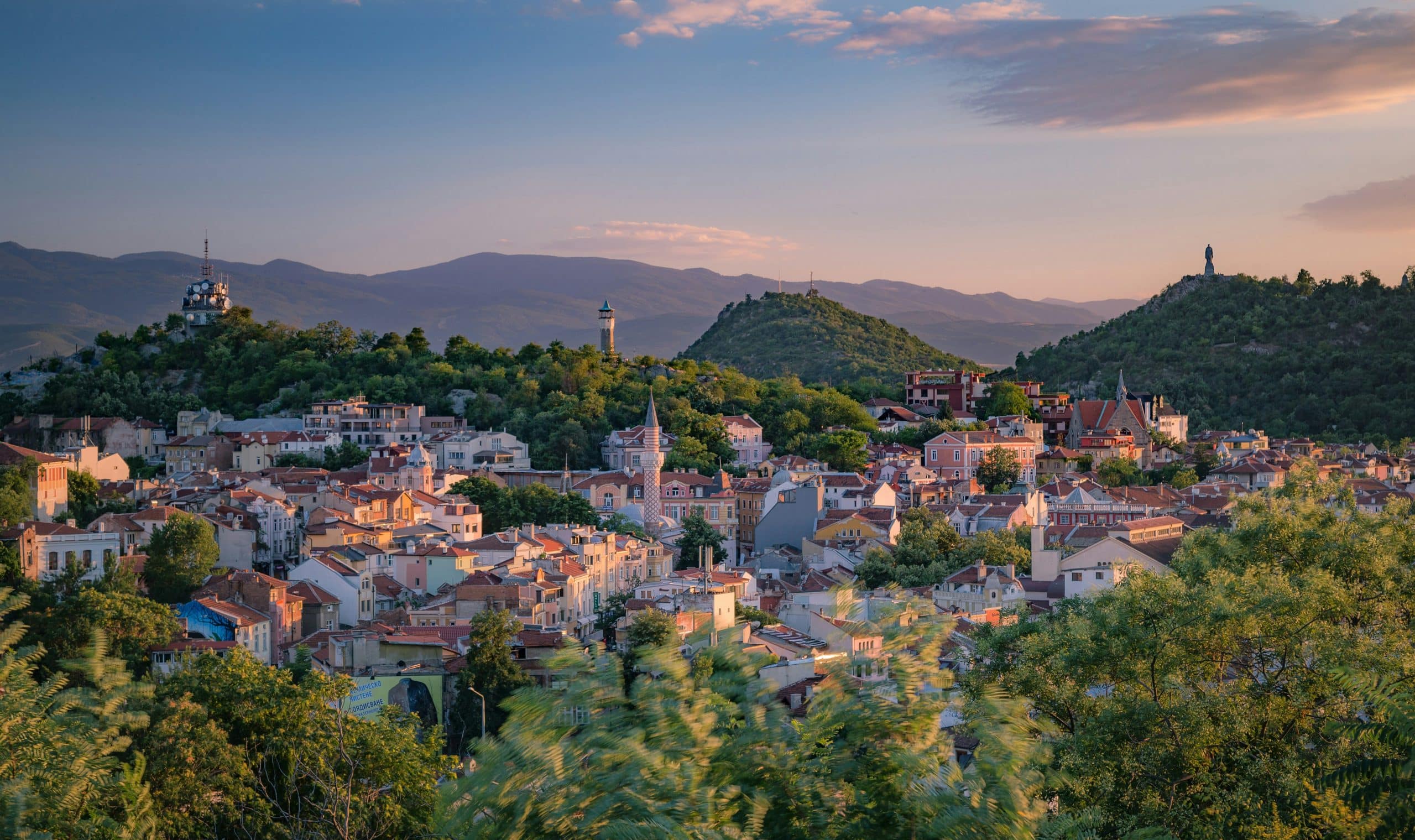
Did you know one of Europe’s oldest continuously inhabited cities lies in Bulgaria? Welcome to Plovdiv, a city with 8,000 years of history layered within its cobbled streets. Often bypassed by travelers rushing between Sofia and the coast, Plovdiv is “Europe’s most exciting hidden gem” with barely any tourists in sight. This is a place where you can stand in a Roman amphitheater from the 2nd century AD, then stroll to a hip artsy neighborhood for craft beer, all in one afternoon. Plovdiv’s Old Town is a museum of living history, from ancient Thracian fortress ruins to colorful Bulgarian Revival-era mansions (many now house galleries or B&Bs). Yet Plovdiv is no dusty relic: Bulgaria’s second-largest city hums with youthful energy, especially in the creative Kapana district, known as “The Trap,” full of street art, indie cafés, and nightlife. Having been named European Capital of Culture 2019, Plovdiv has confidently stepped onto the international stage, but still feels like a delightful secret you’ve just discovered.
Top Highlights
The star of Plovdiv is the Ancient Roman Theater, dramatically set into a hillside above the city. Remarkably intact, it still hosts concerts and opera performances today, imagine listening to music where Romans sat 2,000 years ago! For a peek at Plovdiv’s diverse history, explore the Old Town’s cobblestone lanes: visit the Ethnographic Museum inside a lavish merchant house, and the ancient Roman Stadium remnants tucked beneath the shopping street. Don’t miss the tiny Hisar Kapia gate, walking through this stone archway, you traverse layers of history (Roman foundations with a medieval and 19th-century arch above). Modern art lovers will enjoy the many galleries, and everyone loves Kapana district’s bohemian vibe. By night, its maze of bars and eateries come alive with live music and local craft brews. Finally, hike up Nebet Tepe, one of Plovdiv’s seven hills, during golden hour. Among ancient fortress ruins, you’ll catch panoramic views of the city’s tiled roofs and the distant Rhodope Mountains. As one travel guide noted, while tourists pack Prague and Budapest, “Plovdiv remains Europe’s best-kept secret”, and those who visit are richly rewarded.
Hostel Recommendation – Hostel Old Plovdiv
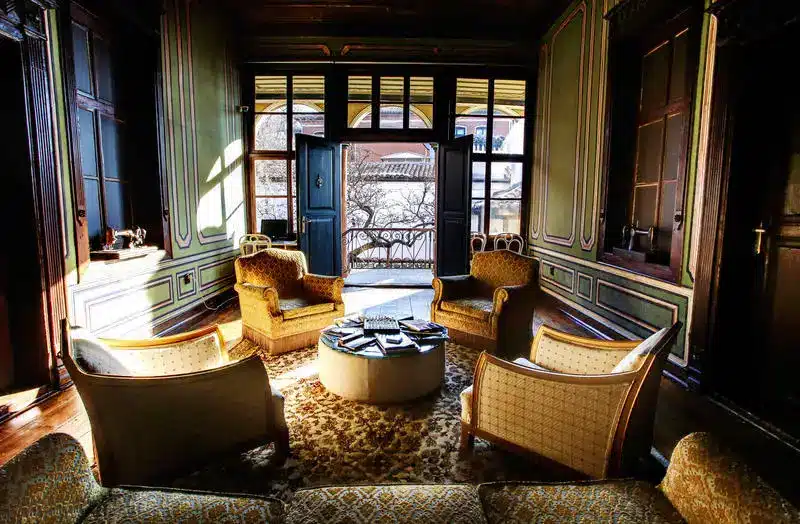
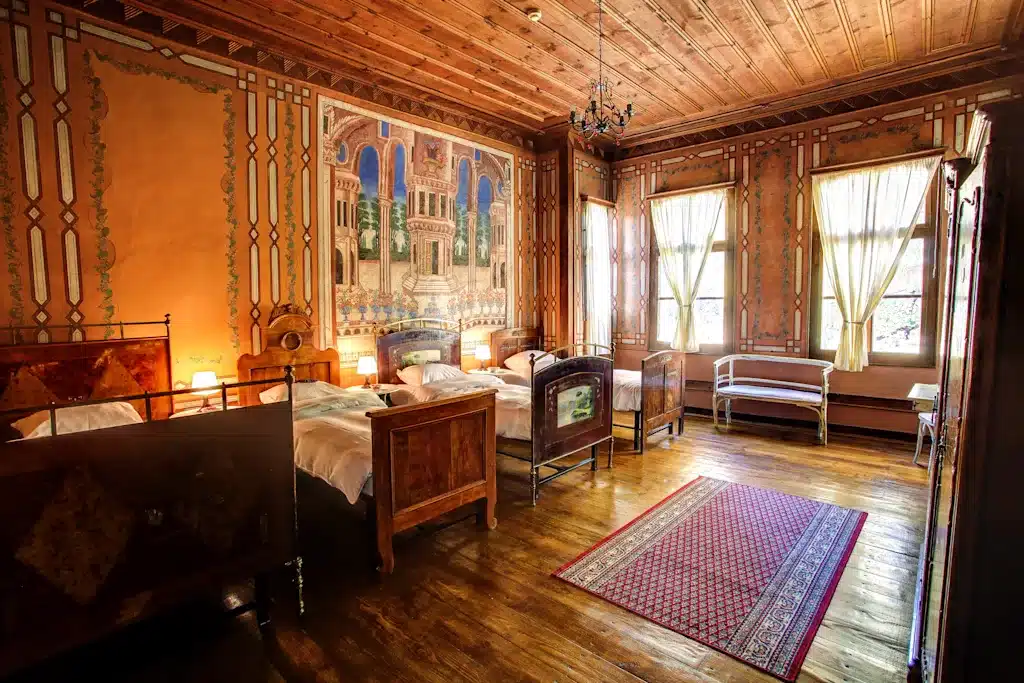
Step back in time with a stay at Hostel Old Plovdiv, a highly-rated boutique hostel set in an ornate 19th-century house in the Old Town. From the moment you walk in, you’re surrounded by antique furniture, vintage décor and even original Roman wall fragments on display. Rooms have high painted ceilings and hardwood floors, evoking a bygone era, yet backpackers consistently praise the modern comforts: spotless facilities, strong Wi-Fi, and a lovely garden for relaxing. The hospitable owners treat guests like family, serving free breakfast and insider tips. Staying here feels like sleeping in a museum (in the best way possible), and you’ll be just a short walk from Plovdiv’s Roman theater and all the old town sights.
5. São Miguel, Azores (Portugal) – The “Hawaii of Europe”
Why Go
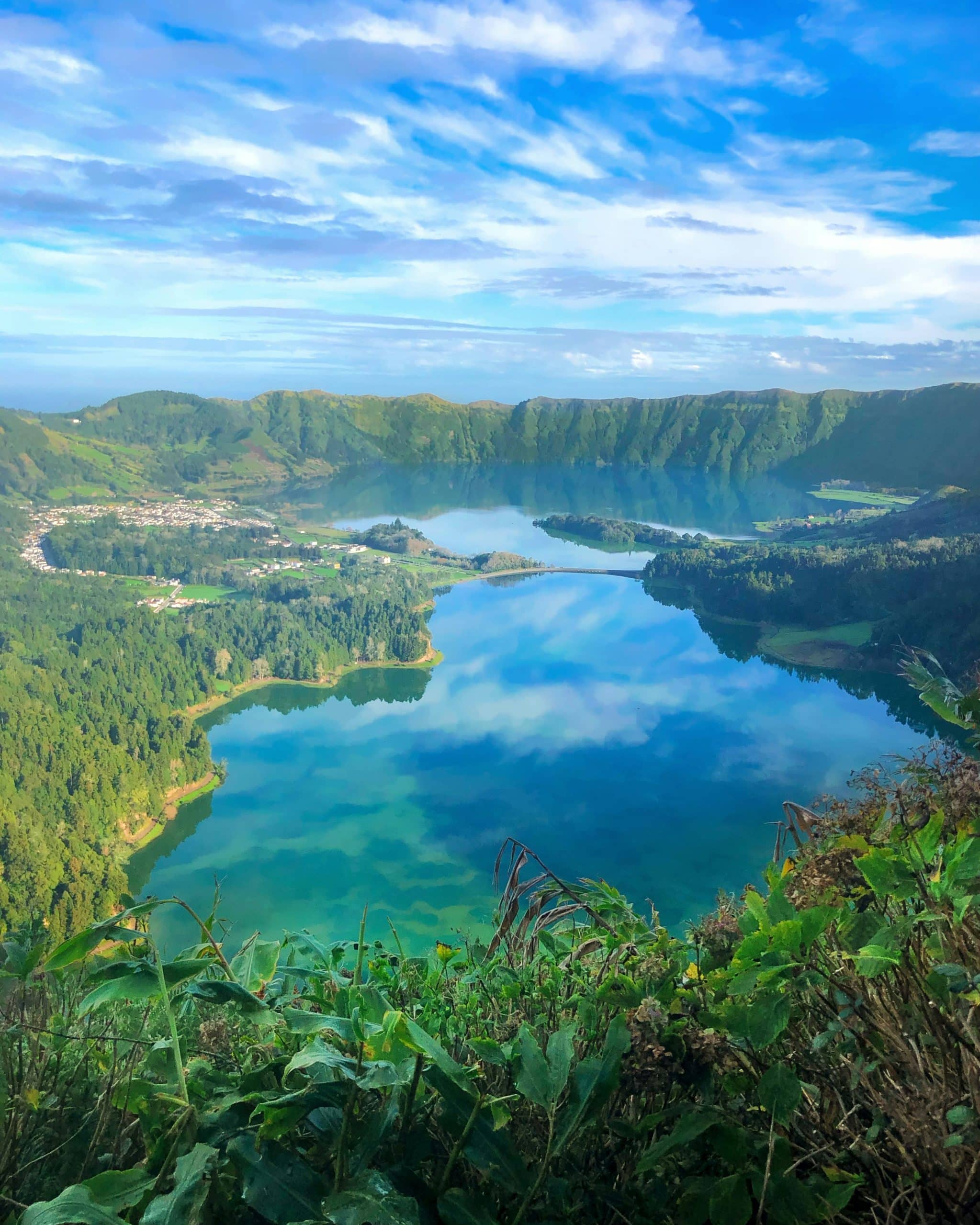
Dramatic volcanic craters filled with blue lakes, steamy hot springs in lush jungles, emerald-green coastal cliffs dropping to the Atlantic – welcome to the Azores, a remote Portuguese archipelago often dubbed “Europe’s Hawaii.” Lying ~1,400 km off mainland Portugal, the nine Azores islands are a paradise of raw nature and have miraculously remained off the mass-tourism radar. The largest island, São Miguel, offers an unbeatable sampler of the Azores’ wonders: from the twin lakes of Sete Cidades (one blue, one green, in a massive caldera) to the bubbling fumaroles and geysers of Furnas Valley, where locals cook stew in volcanic earth. Outdoor adventures abound, hiking to waterfalls, whale watching (the Azores are one of the world’s best spots for spotting whales and dolphins), surfing, or simply soaking in natural thermal pools under the stars. What’s more, the islands’ cultural charm matches their scenery: think quaint whitewashed villages, historic churches, and vineyards producing unique Azorean wines. The Azores truly are “a wild Atlantic paradise of volcanoes, lagoons, waterfalls, and untouched nature”, a hidden gem for those seeking adventure and tranquility in equal measure.
Top Highlights
On São Miguel, start with Lagoa das Sete Cidades, peering down from Vista do Rei viewpoint at the iconic twin lakes shimmering in shades of emerald and sapphire, an absolutely awe-inspiring sight. Hike the trails around the caldera or even kayak on the peaceful lake waters. At Furnas, marvel at burbling caldeiras and try cozido, a hearty stew slow-cooked for hours in volcanic heat underground. Then ease your muscles in the thermal baths of Poça da Dona Beija or Terra Nostra Garden, where you can soak in iron-rich hot springs surrounded by botanical gardens. Don’t miss the Miradouro da Boca do Inferno viewpoint for a jaw-dropping panorama of multiple lakes and ocean vistas. On the coast, Sete Cidades and Mosteiros offer black-sand beaches and natural swimming pools. And if you love tea, pay a visit to Gorreana Tea Plantation, Europe’s oldest tea plantation from 1883, still producing aromatic green and black tea on São Miguel’s verdant hillsides. Throughout your Azores adventures, you’ll likely be exclaiming that this is “Europe’s best kept secret.” In fact, Frommer’s once described the Azores as “one of the most offbeat travel experiences in Europe”, and you’ll quickly see why.
Hostel Recommendation – Out of the Blue Hostel
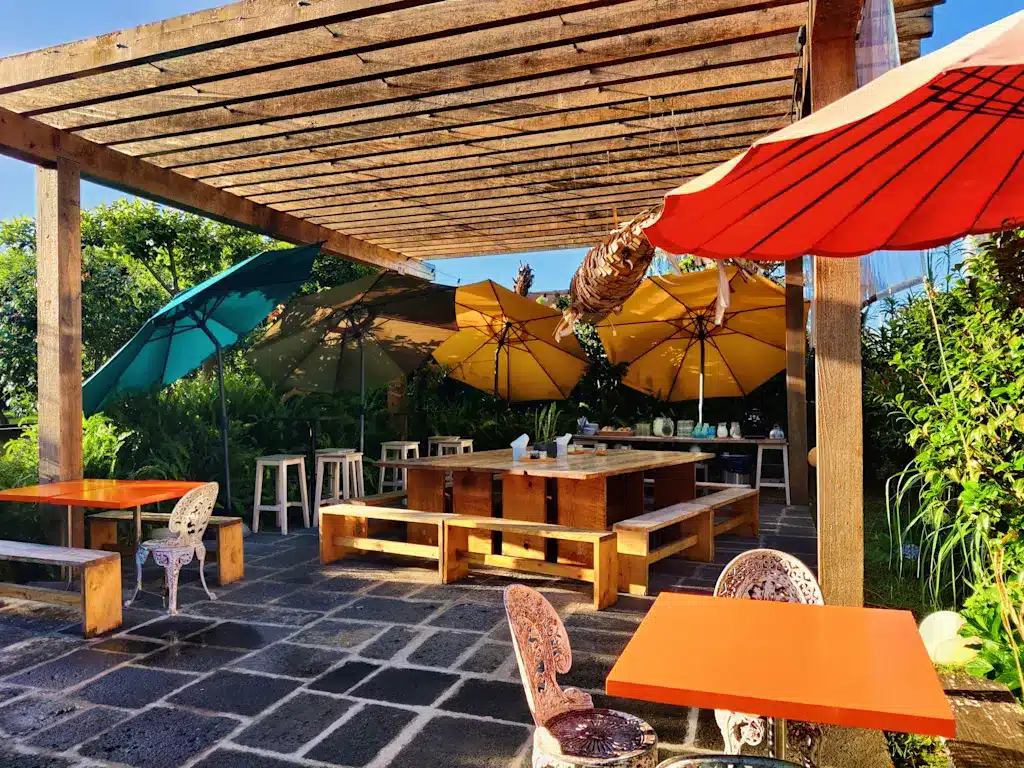
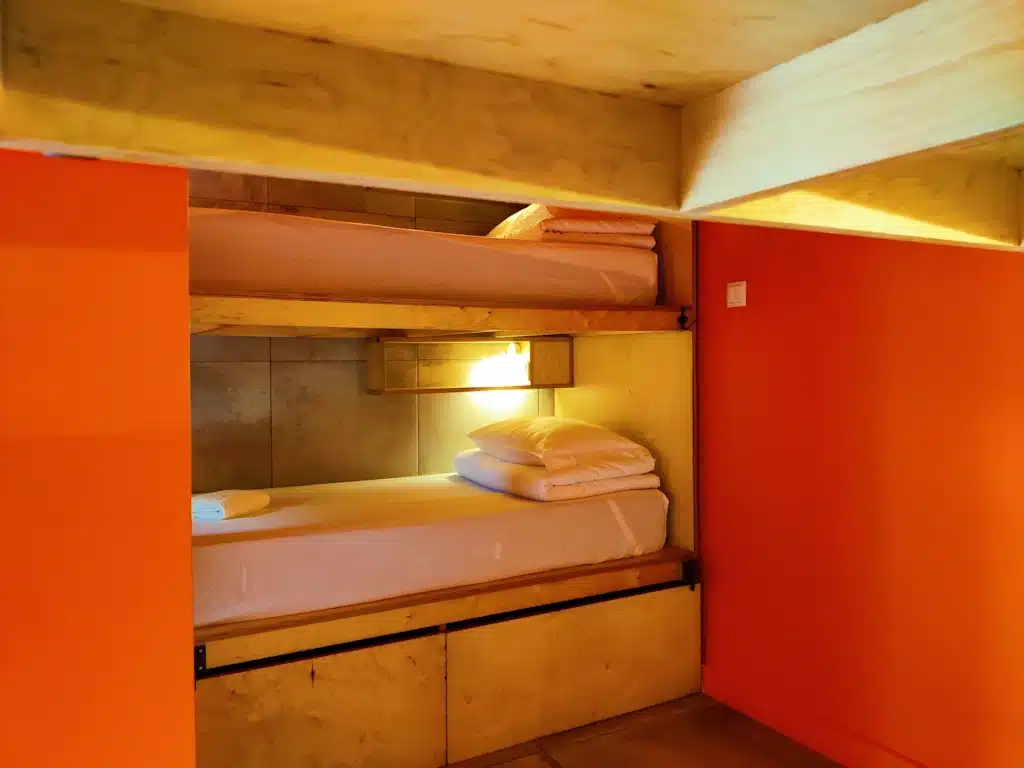
Base yourself in the Azores’ main town, Ponta Delgada, at Out of the Blue Hostel. True to its name, this stylish hostel feels like a hidden oasis, it’s set in a traditional manor house with a tropical garden courtyard complete with hammocks and a small pool. Each room at Out of the Blue is uniquely designed (some have fun themes and local art), and a delicious homemade breakfast is included to fuel your island explorations. The friendly staff organize group activities like lagoon tours and pub nights, making it easy to meet fellow travelers ready to hike a volcano or chase waterfalls with you. From the hostel’s central location, you can easily hop on public buses or tours to São Miguel’s must-see nature spots, then come “home” to chill under banana trees with a glass of Azorean pineapple liquor in hand.
6. Mostar, Bosnia & Herzegovina – Where East Meets West
Why Go
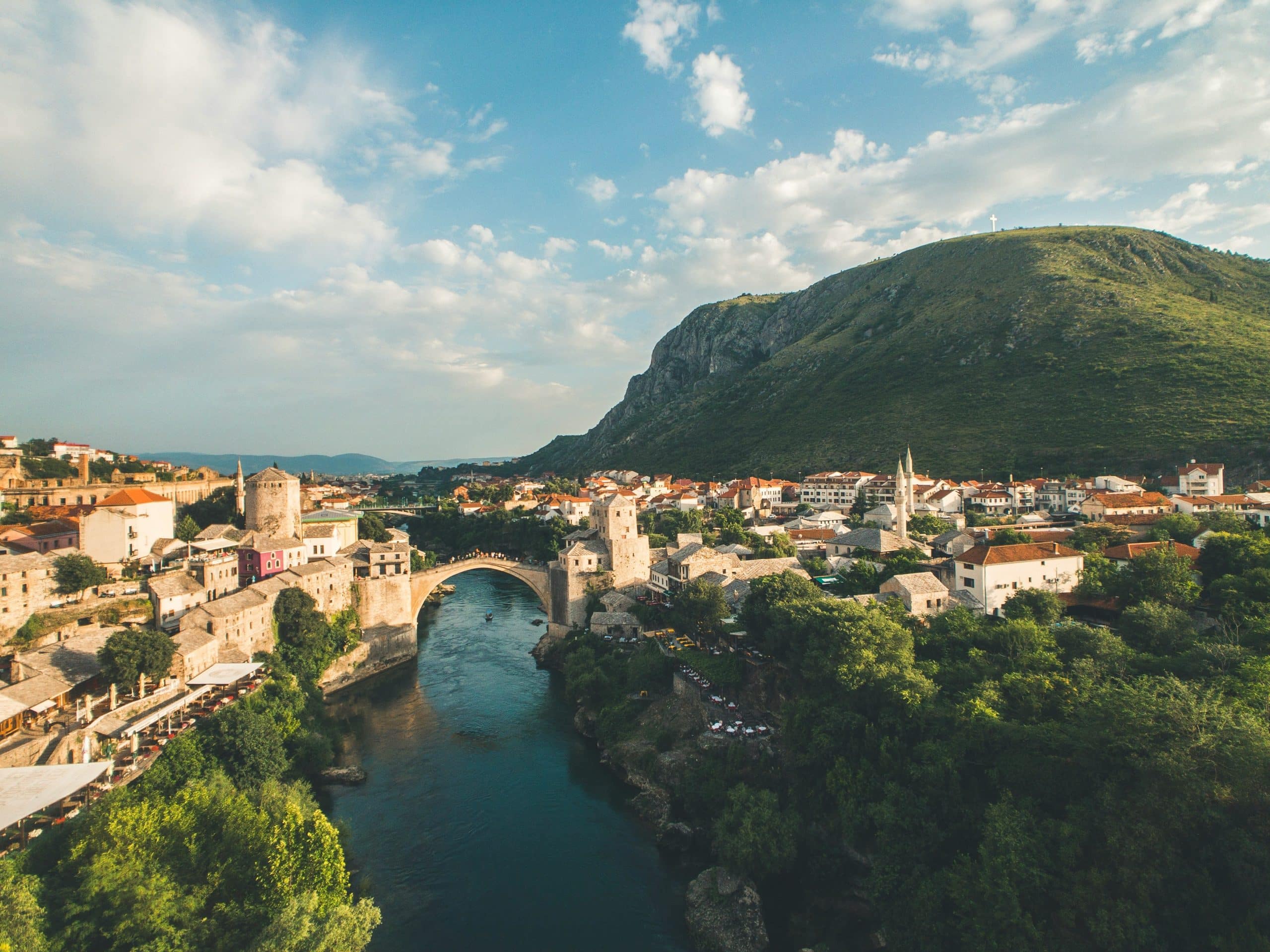
If you’re looking for a cultural hidden gem, Mostar is an absolute must. This small city in Bosnia and Herzegovina was a crossroads of empires, religions, and cultures, and it shows. Mostar’s Old Town straddles the emerald Neretva River, connected by the Stari Most (Old Bridge), an elegant single-arch bridge originally built in 1566. The bridge and surrounding Ottoman-style town earned UNESCO World Heritage status as “an outstanding example of a multicultural urban settlement”, showcasing pre-Ottoman, Eastern Ottoman, Mediterranean, and Western European architectural features all in one place. As you wander its narrow cobblestone lanes, you’ll pass mosques with slender minarets, churches, bustling bazaars, and traditional Turkish houses, all set against a backdrop of steep mountains. Mostar tragically suffered heavy damage in the 1990s Balkans conflict (the Old Bridge was destroyed in 1993), but the bridge has been rebuilt and the city has rejuvenated, now symbolizing reconciliation and hope. Today Mostar is lively and welcoming, yet still far quieter than other European historic towns. The blend of East and West, and the resilience of its people, give Mostar a soulfulness that leaves a deep impression on those who visit.
Top Highlights
Watching a daring local diver leap off Stari Most into the river 20 meters below is a Mostar tradition, if you’re lucky (and there are enough tips from tourists), you might catch the spectacle on a hot day. Walk across the iconic humpback bridge and imagine the caravans that crossed centuries ago. Explore the Old Bazaar Kujundžiluk, where vendors sell handmade copper crafts, rugs, and Bosnian coffee sets, and let the scent of grilled ćevapi and Bosnian pot stew lure you into a riverside eatery. Visit the Koski Mehmed-Pasha Mosque – you can climb its minaret for a stunning view of the bridge and cityscape. History buffs should stop by the small Museum of War and Genocide Victims for context on the city’s recent past. In the evening, as the call to prayer echoes and the stone alleys grow quiet, take a seat at a cafe with a strong Bosnian coffee. With the illuminated Stari Most in view and perhaps the sound of traditional sevdalinka music in the air, you’ll feel the magic of Mostar’s East-meets-West heritage. It’s a place that in one day can wow you with beauty and move you with its history – truly a hidden gem of the Balkans.
Hostel Recommendation – Hostel Majdas
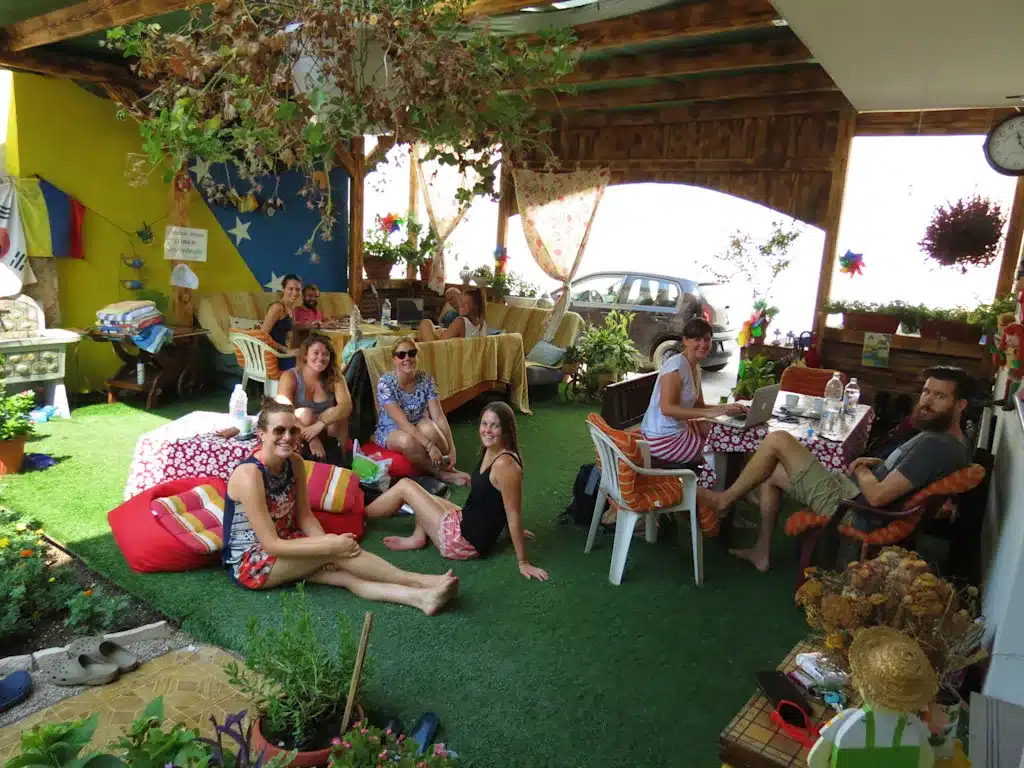
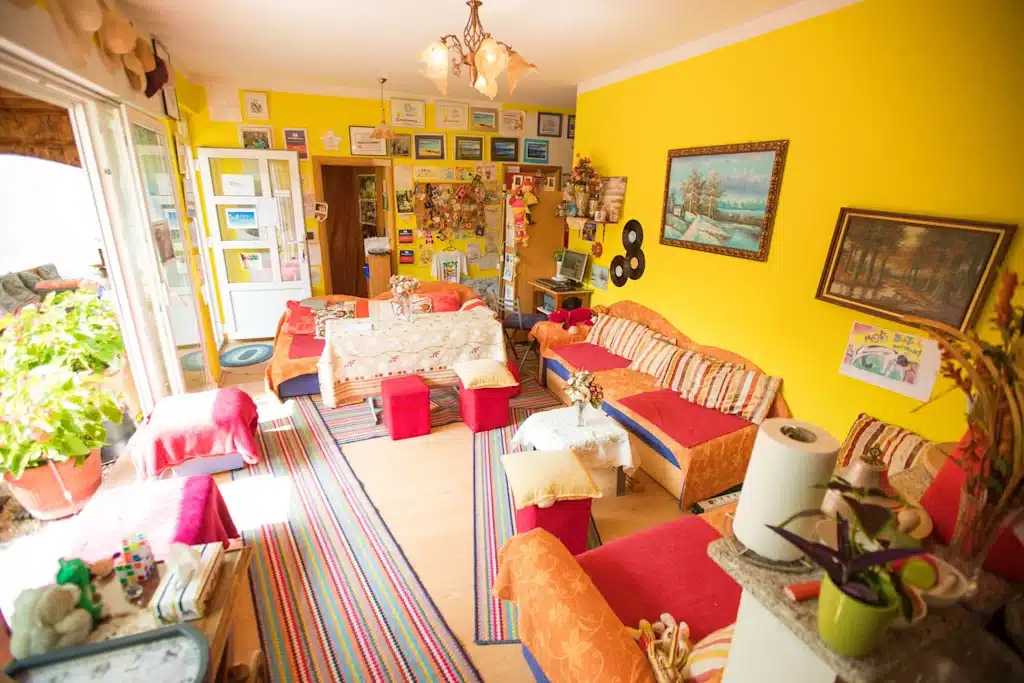
Experience famous Bosnian hospitality at Hostel Majdas, a family-run hostel in Mostar that has become a backpacker legend. Majda, the owner, welcomes guests with homemade lemonade and cake, and her brother Bata runs an amazing full-day tour of the region (visiting waterfalls, medieval villages, and giving rich insights into local history – a highlight for many travelers). The hostel itself is clean, cozy, and social, with a garden and common room that make it easy to meet others. Each morning, Majda cooks up a huge complimentary breakfast (think pancakes, eggs, Bosnian coffee – you won’t leave hungry!). Located a short walk from the Old Town and bridge, Hostel Majdas is a perfect home base to delve into Mostar’s wonders and connect with the local culture on a personal level.
7. Gothenburg, Sweden – Green, Gritty, and Cool
Why Go
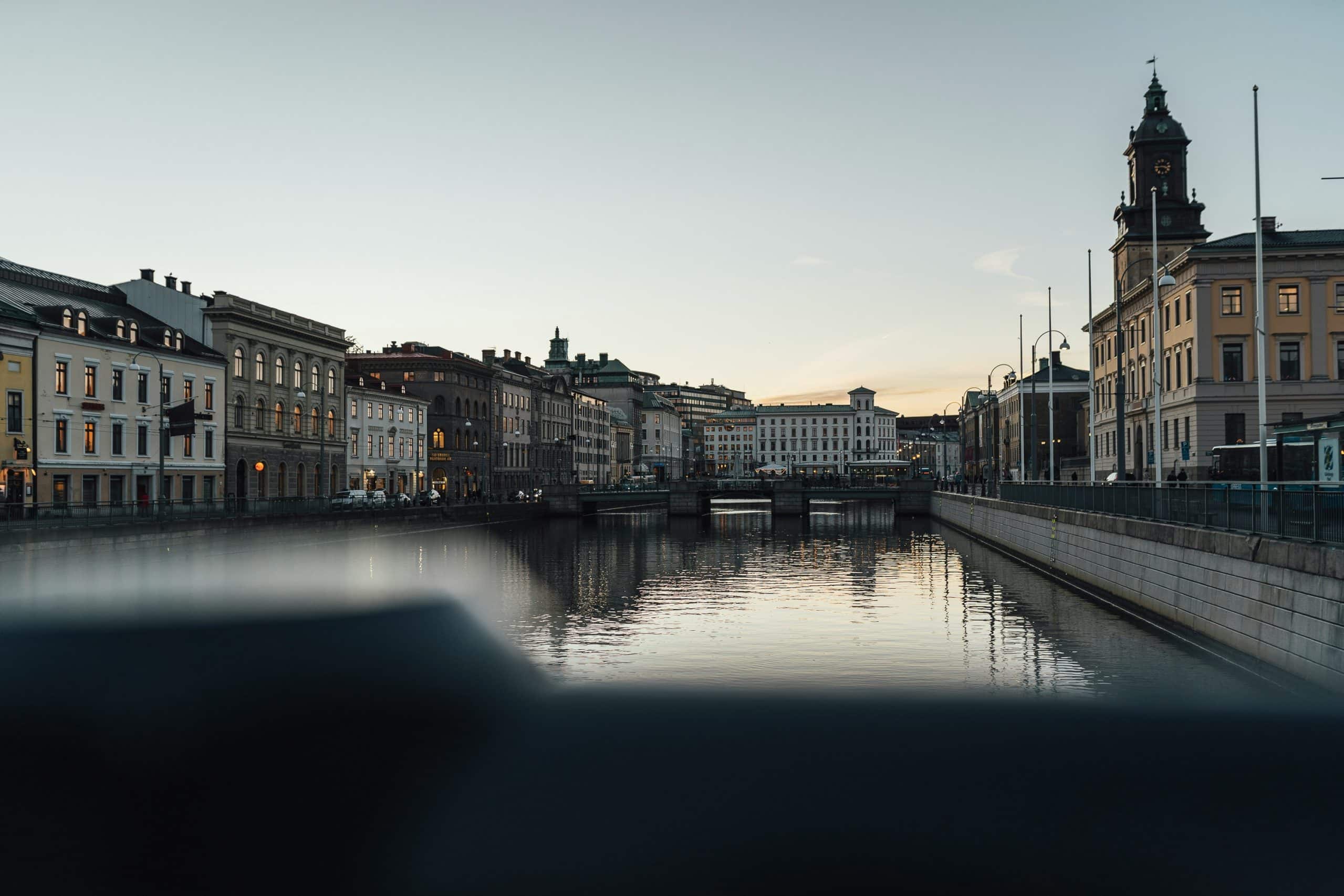
Sweden’s second city, Gothenburg (Göteborg), is sometimes skipped by travelers racing to Stockholm or the Arctic, but it deserves the spotlight as a Scandinavian hidden gem. Set on the west coast, this former shipbuilding hub has reinvented itself as a young, creative, eco-friendly city that’s just plain fun. Gothenburg boasts pretty canals and leafy boulevards (it was modeled after 17th-century Dutch towns), a vibrant street art and music scene, and lots of green space. In fact, Gothenburg has been named the world’s most sustainable destination every year since 2016, with 274 square meters of parkland per citizen on average! The city feels laid-back and livable, you’ll see locals relaxing in cafés or craft breweries, and students whizzing by on bikes. At the same time, Gothenburg has a gritty, maritime edge that gives it character: the old harbor areas have been transformed into trendy markets, art centers, and microbreweries in repurposed warehouses. If you’re into alternative culture, music festivals, or sustainable living, you’ll fall in love with Gothenburg’s progressive spirit. And seafood lovers, take note, this is one of the best places in Europe to feast on fresh prawns, oysters, and catch-of-the-day fish from the North Sea.
Top Highlights
Start by exploring Haga, the charming old quarter with wooden houses and cozy cinnamon bun cafés. Then head to Slottsskogen Park, Gothenburg’s big central park (part forest, part zoo, part picnic hangout), you might even spot moose and seals in the park’s free zoo. The city’s industrial past is on display at Göteborg Maritima (a floating ship museum) and the Volvo Museum (for fans of classic cars). For culture, check out the Fish Church (Feskekôrka), an indoor seafood market hall where you can sample smoked salmon or pickled herring to your heart’s content. Art aficionados shouldn’t miss the Göteborg Museum of Art, renowned for its Nordic and Impressionist collections. One of Gothenburg’s coolest areas is Långgatorna in the former working-class district: these “Long Streets” are now packed with indie boutiques, street art, live music venues, and craft beer bars that come alive after dark. And if you visit in summer, Gothenburg’s archipelago of islands is just a short ferry ride away, spend a day island-hopping, swimming off smooth granite rocks, and enjoying cinnamon buns in colorful fishing villages. Gothenburg’s mix of urban cool and sustainable living (not to mention being the hometown of climate activist Greta Thunberg) makes it a refreshing hidden gem of Northern Europe.
Hostel Recommendation – Slottsskogens Hostel

Book Slottsskogens Youth Hostel
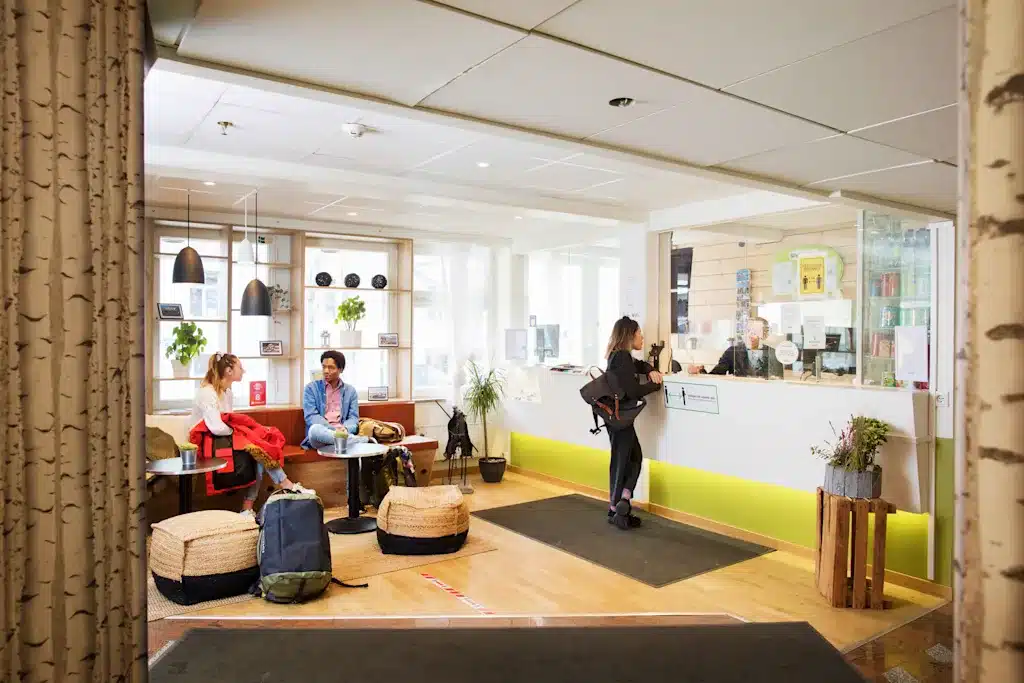
Embrace the social side of Gothenburg at Slottsskogens Youth Hostel, a popular choice located near the expansive Slottsskogen Park. This hostel is known for its welcoming, lively atmosphere – they organize events like pub crawls, quiz nights, and even the occasional sauna session (yes, they have a sauna on-site for guests to relax Swedish-style!). Rooms and dorms are clean and modern, and there’s a big communal kitchen if you want to cook. You’re within walking distance to Haga and the hip Linné neighborhood’s bars and cafés. With free Wi-Fi, friendly staff, and rental bikes available to zip around the city, Slottsskogens is the perfect base to experience Gothenburg like a local and meet other travelers to explore with.
8. Thessaloniki, Greece – Culture & Cuisine in the Second City
Why Go
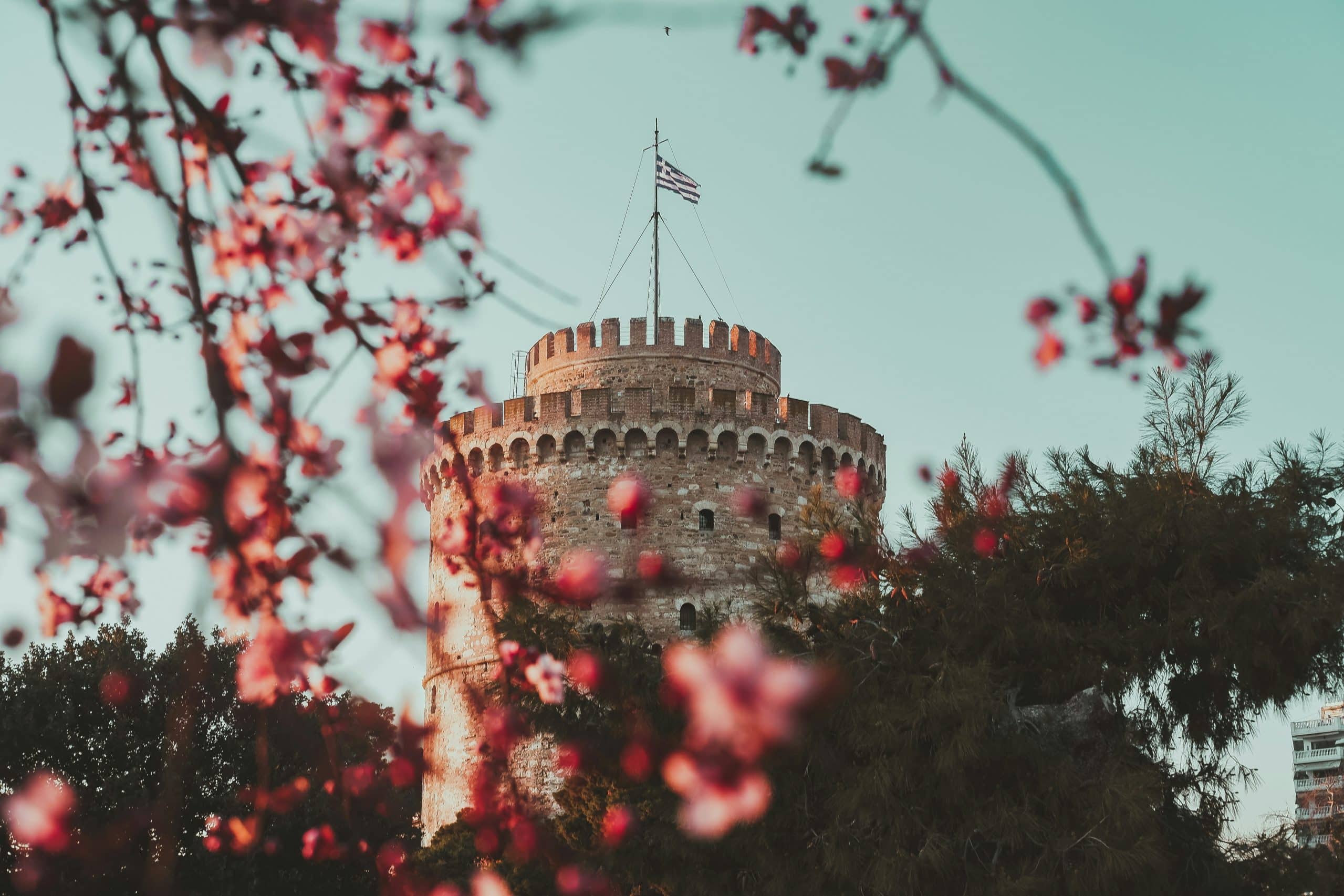
For an authentic taste of Greece far from the tourist crowds of Santorini or Mykonos, head north to Thessaloniki, the country’s vibrant “second city.” Set on the Aegean Sea with a long seaside promenade, Thessaloniki is a captivating mix of ancient history and modern energy. As a major port founded in 315 BC and later a key Byzantine city, Thessaloniki is filled with historical treasures: Roman emperor Galerius’s 4th-century palace ruins, Byzantine churches and walls (UNESCO-listed), and the famous White Tower guarding the seafront. But equally famous is Thessaloniki’s reputation as Greece’s food capital, a title well-earned by its mouthwatering street food, bustling markets, and restaurants blending Greek, Ottoman, and Balkan flavors. This city has a big student population and a reputation for never sleeping (locals joke about the late-night halara – relaxed – lifestyle). You’ll find streets packed with cafés, pastry shops, and ouzerias (taverns) where patrons spill out laughing into the wee hours. Despite being a large city, Thessaloniki remains under the radar for many travelers, making it a genuine hidden gem rich in culture, warmth, and unbelievably good food.
Top Highlights
Walk Nikis Avenue along the waterfront at sunset, with the Thermaic Gulf on one side and lively bars on the other, until you reach the White Tower, the city’s 15th-century emblem. Dive into history at the Rotunda (an enormous 4th-century domed structure that’s been a pagan temple, a church, and a mosque) and the Arch of Galerius, which together paint a picture of Roman Thessaloniki. The Ano Poli (Upper Town) is Thessaloniki’s most atmospheric district, wander its uphill stone lanes to discover colorful Ottoman-era houses, small Byzantine churches, and sections of the ancient city walls with panoramas over the city. Don’t miss the Archaeological Museum and Byzantine Culture Museum for world-class artifacts from Macedonia’s glory days. And for food, join the locals at Modiano Market or Kapani Market, chaotic indoor bazaars selling fresh feta, olives, spices, and seafood. Here you can snack on bougatsa (flaky pastry filled with custard or cheese) and sip Greek coffee. In the evening, Thessaloniki truly shines: head to the Ladadika quarter, once the old oil market, now a trendy nightlife zone. Under neon lights and old lanterns, enjoy live rebetiko music (Greek blues) in a taverna or sample the city’s diverse cuisine, from traditional tavernas serving meze to upscale spots reimagining Greek dishes. With its blend of heritage and hedonism, Thessaloniki will show you a side of Greece that’s as authentic as it gets, minus the tourist hype.
Hostel Recommendation – Zeus is Loose Hostel
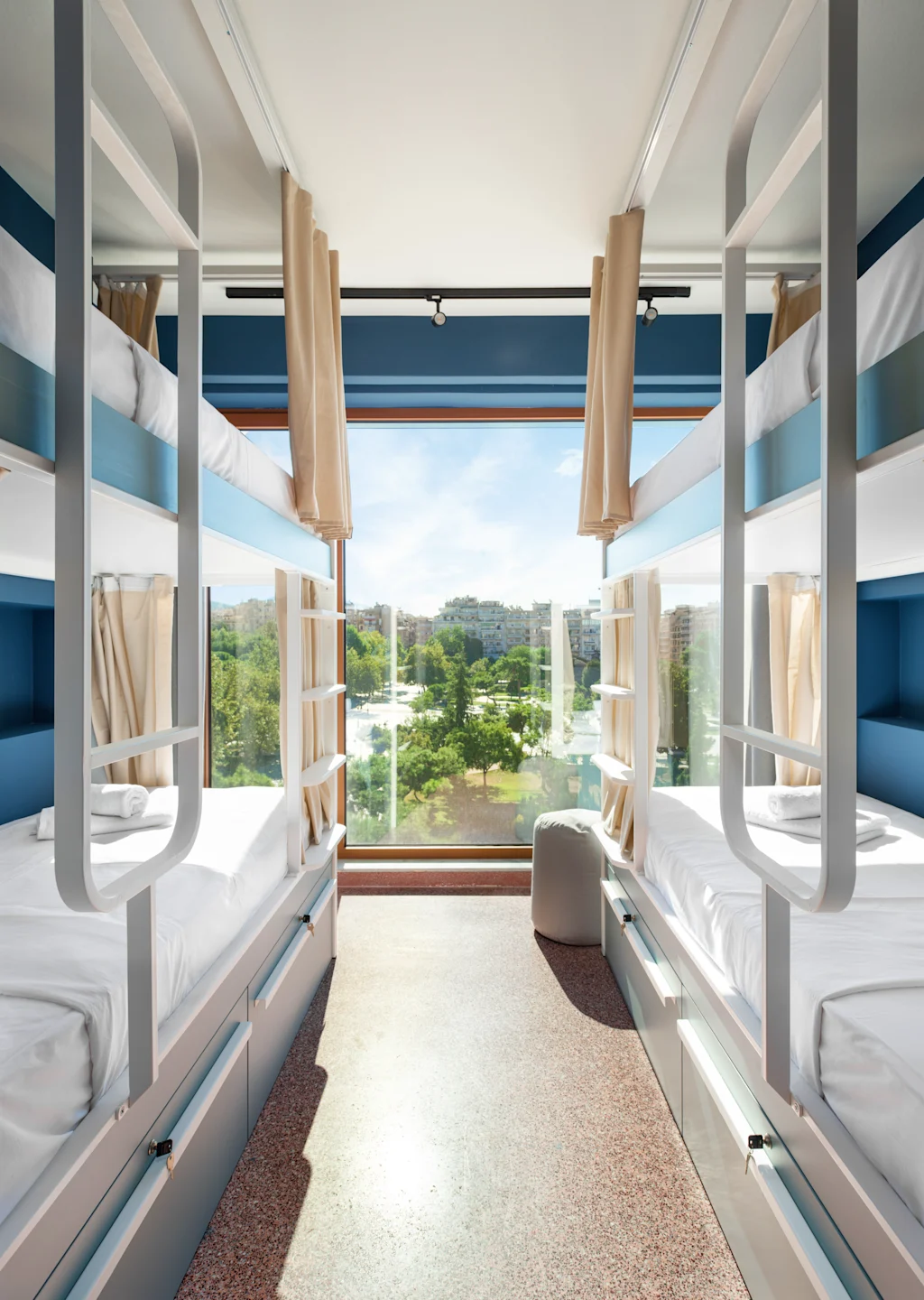
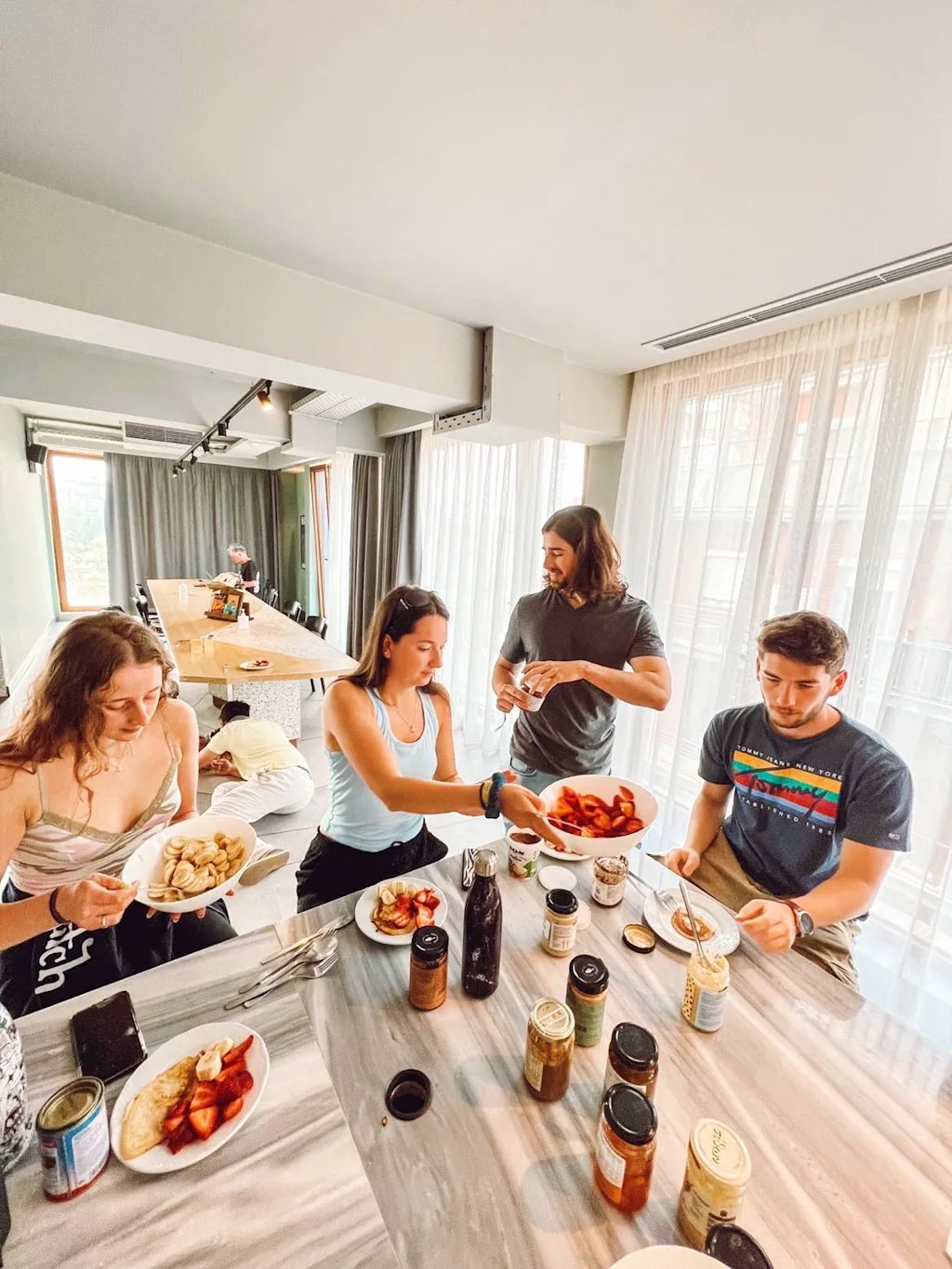
Located just steps from Aristotelous Square in downtown Thessaloniki, Zeus Is Loose Hostel offers a vibrant, stylish stay in the city center. Overlooking a UNESCO World Heritage site and one of Thessaloniki’s most iconic squares, the hostel immerses guests in both the ancient history and modern culture of the city. It even sports a two-meter-tall neon statue of Zeus, promising visitors they’ll “feel divine” as they settle into its playful mythological vibe. The friendly staff will help organize local events, day trips and tours so you can experience Thessaloniki like a true local.
9. Ljubljana, Slovenia – A Fairytale Capital in Miniature
Why Go
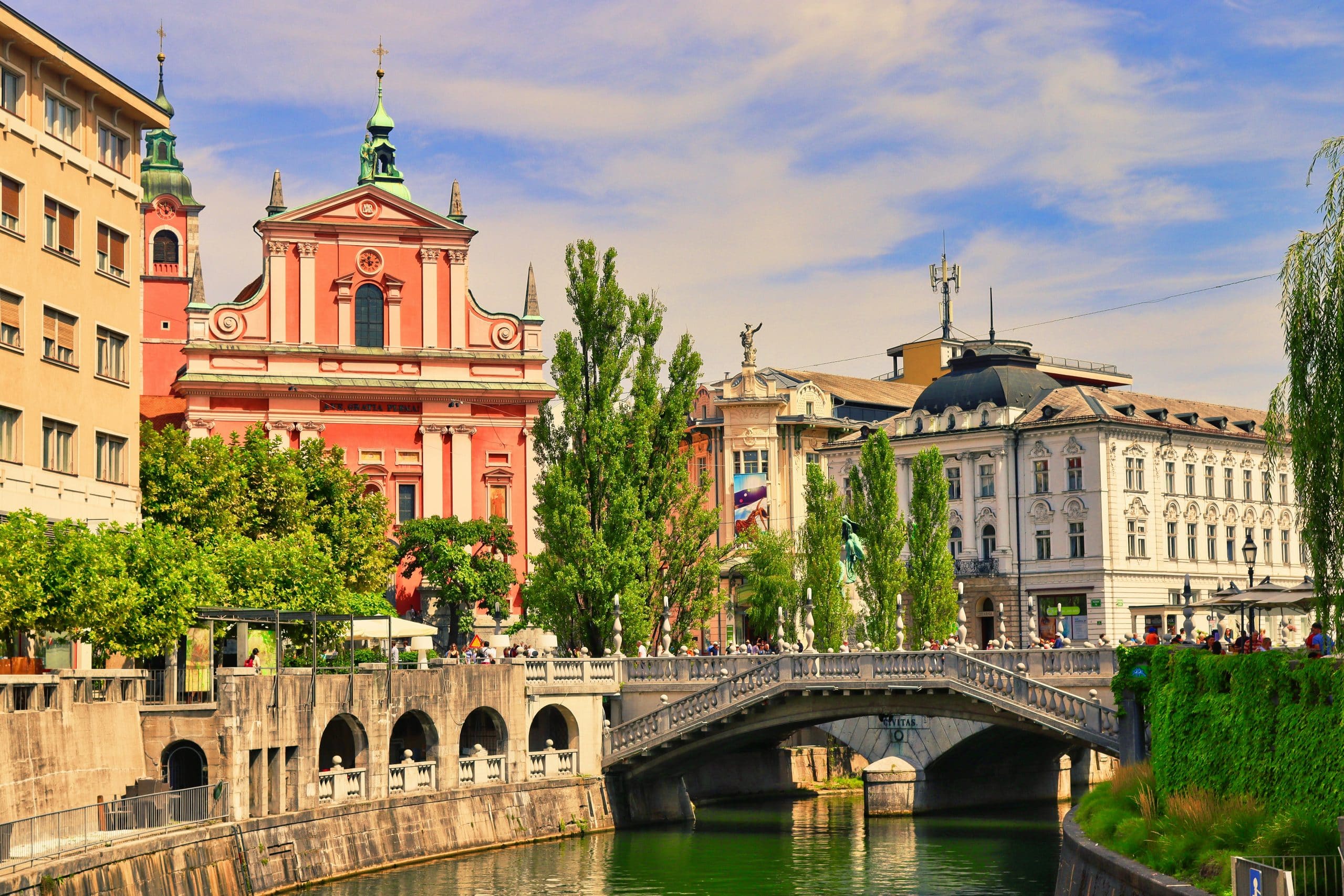
With its picture-perfect riverfront, castle on a hill, and café-lined squares, Ljubljana feels like a mini-Prague, without the tour groups. Slovenia’s tiny capital (population ~290,000) is undeniably one of Europe’s hidden gems, exuding storybook charm and a youthful, creative spirit. The entire center is pedestrianized and draped with Baroque and Art Nouveau buildings in shades of pastel. The Ljubljanica River winds through town, crossed by ornate bridges (including the famous Triple Bridge and a Dragon Bridge guarded by dragon statues, the city’s symbol). Overlooking it all is Ljubljana Castle, perched atop a forested hill, reachable by foot or funicular. Despite its old-world beauty, Ljubljana is very much alive: as a university city, it’s full of students and artists, and was even named Europe’s Green Capital thanks to eco-friendly practices and abundant green spaces. It’s “one of Europe’s most unexpectedly charming destinations,” to quote travel guru Rick Steves, and yet remains refreshingly relaxed and intimate. In Ljubljana, you can sip gourmet coffee by the river in the morning, go kayaking or stand-up paddleboarding through the heart of the city in the afternoon, and hit up alternative clubs in a former military barracks by night. All this, and still far fewer visitors than almost any other European capital, truly a secret delight.
Top Highlights
Start at Prešeren Square, the heart of the city, where locals meet by the statue of poet France Prešeren and the pink Franciscan Church. From here, take in the iconic view of the Triple Bridge and riverside. Stroll down the riverbank promenade, popping into artisan shops or stopping for gelato, then cross Dragon Bridge, snapping a selfie with the green dragons. Take the funicular (or hike) up to Ljubljana Castle, climb the watchtower for panoramic views of the red-roofed Old Town and distant Alps. The castle often hosts art exhibits and medieval reenactments, and in summer, outdoor movie nights. Back in town, visit the Central Market (open-air on weekdays, plus a gourmet “Odprta kuhna” food market on Fridays in summer) to taste local cheeses, honey, and food from around the world. Architecture buffs will appreciate the many buildings designed by Slovenia’s famous architect Jože Plečnik, including the National Library and the distinctive Cobblers’ Bridge. For an offbeat adventure, head to Metelkova Mesto, an alternative art commune in former army barracks covered in graffiti and funky installations; by night it’s the place for live music, DJ sets, and underground culture. Finally, if you have time, rent a bike (Ljubljana is super bike-friendly and flat) and cycle to Tivoli Park, a vast green oasis with walking trails and open-air photo exhibitions. Clean, green, and utterly charming, Ljubljana will make you feel like you’ve wandered into a fairytale, one that you’ll definitely want to tell your friends about (though maybe after it’s no longer a secret!).
Hostel Recommendation – Hostel Celica
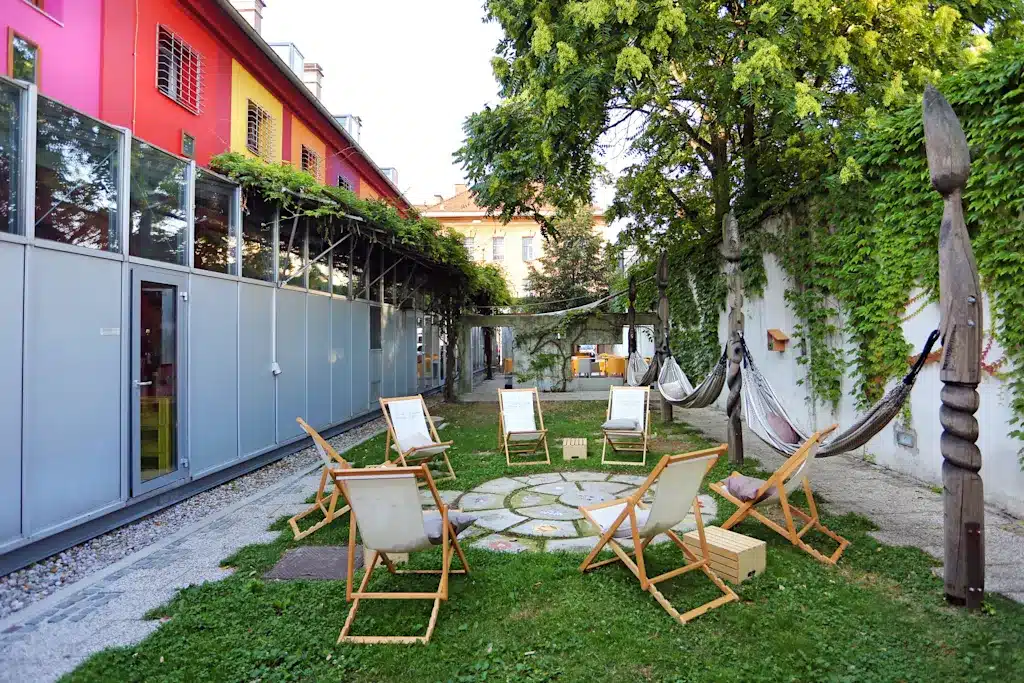
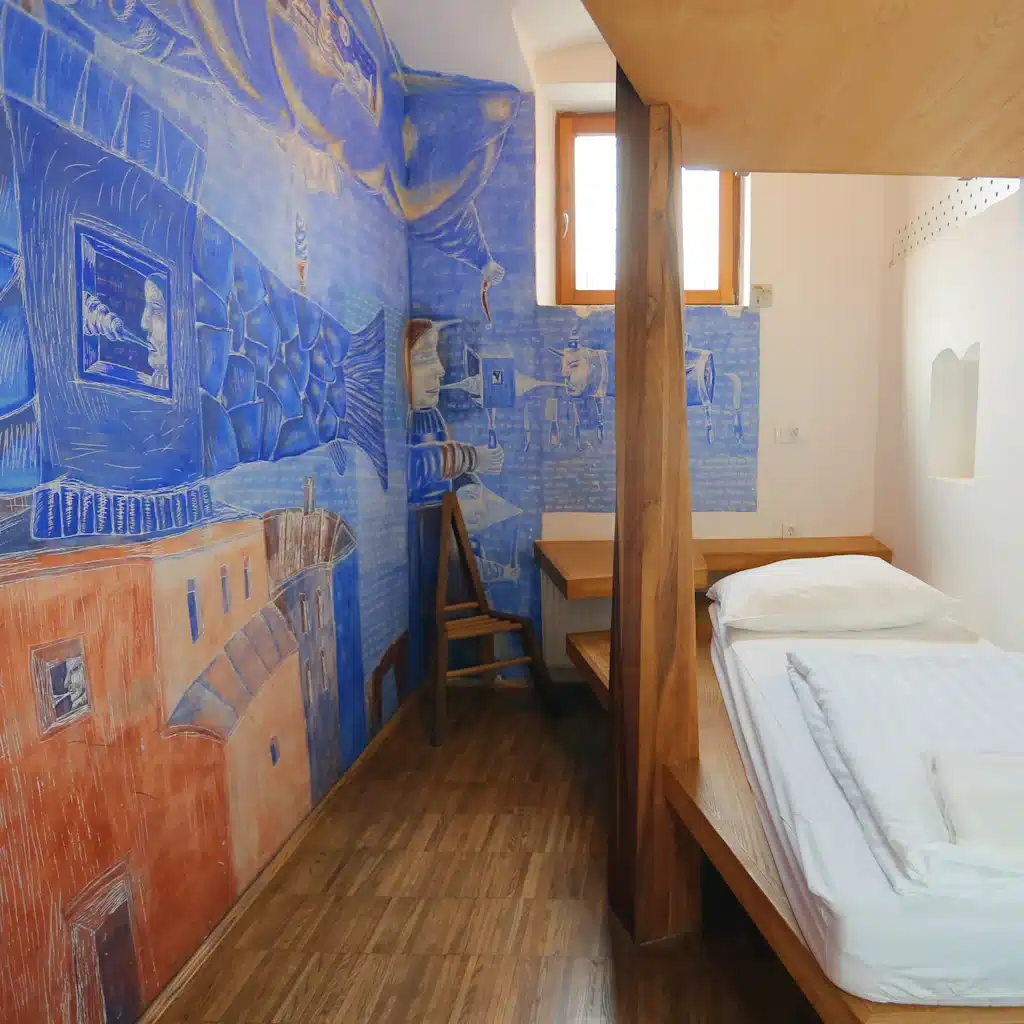
For one of Europe’s most unique hostel experiences, book a bed at Hostel Celica. This former military prison was transformed by local artists into a funky, award-winning hostel art hotel, and staying here is half the fun of visiting Ljubljana. Each room (or former cell) has been individually designed by artists, so you might sleep in a psychedelic painted cell or one with mosaics and poetry on the walls. Don’t worry, the heavy prison bars remain on the doors and windows for atmosphere, but the vibe is welcoming and comfortable with modern facilities. The hostel features a sociable bar and café (often hosting live music or poetry), and a chill garden area. It’s actually located in the edgy Metelkova art district, so you’re right in the middle of Ljubljana’s alternative nightlife scene, and just a 10-minute walk to Prešeren Square. Hostel Celica offers a perfect blend of history, art, and hospitality, a memorable stay in a city full of surprises.
10. Riga, Latvia – Baltic Beauty with an Artistic Soul
Why Go
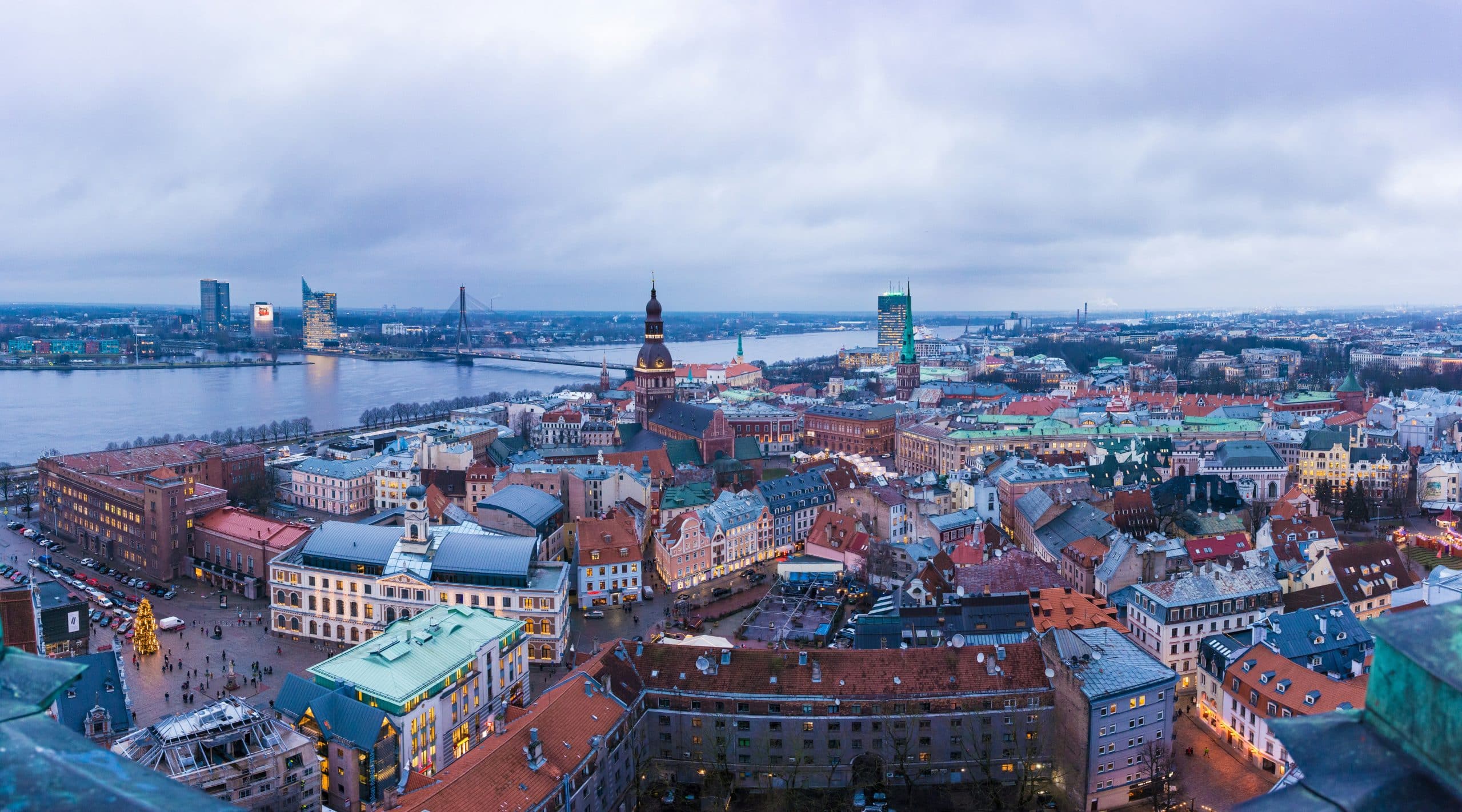
Among Europe’s capitals, Riga often flies under the radar, but this largest city in the Baltics is an absolute gem for those in the know. Riga’s Old Town is a UNESCO World Heritage site of colorful gabled houses, medieval church spires, and winding lanes, as pretty as Tallinn or Prague, yet far less crowded. But Riga’s charm doesn’t end at the Old Town. The city is famed for its Art Nouveau architecture, over one-third of the buildings in its central district are gorgeous Art Nouveau designs from the early 1900s, making it one of the best collections in Europe. As you stroll Alberta iela street, every facade is adorned with ornate faces, flowers, and curving lines, a paradise for architecture lovers. Riga also has a lively arts and nightlife scene, propelled by its youthful population. You’ll find hip cafes and street art in the Miera iela (Peace Street) quarter, and a plethora of bars and live music venues in restored warehouses and trendy lofts. History is around every corner too, from the Swedish Gate to remnants of the old city walls, to poignant reminders of 20th-century turmoil at the Occupation Museum. With its mix of Hanseatic history and cool modern edge, Riga feels both quaint and dynamic. Plus, prices are still very budget-friendly compared to Western Europe. It’s no surprise some call Riga “the Paris of the North” – but we’d rather call it what it is: an underrated European beauty waiting to be explored.
Top Highlights
Begin in Riga’s Old Town (Vecrīga), marveling at the fairy-tale silhouette of buildings like the House of the Black Heads, a Gothic Renaissance guildhall with an elaborately decorated facade. Snap a photo with the Three Brothers, a trio of 15th–17th century houses showcasing different periods of architecture side by side. Climb the tower of St. Peter’s Church for panoramic city views. Music lovers, don’t miss the Dome Cathedral – its massive organ (over 6,700 pipes) delivers an awe-inspiring sound at regular concerts. Next, venture to the Art Nouveau District (around Alberta iela and Elizabetes iela) to be astonished by buildings like the one at Albert iela 2a, festooned with blue peacocks and mysterious faces. The Art Nouveau Museum (set in a preserved 1903 apartment) gives a peek into that elegant era. For a change of pace, wander the vast Central Market, housed in old zeppelin hangars. Inside, vendors sell everything from fresh berries and smoked fish to Baltic amber jewelry. It’s a great spot to grab local snacks like pierogi or kvass (fermented bread drink). In the evening, Riga’s creative side shines. Check out Kalnciema Quarter (especially in summer) for open-air concerts and craft markets, or head to Tallinas kvartāls, a new hip enclave of food stalls and bars. Whether you’re admiring street musicians in the Old Town or dancing in an industrial-chic nightclub, you’ll sense the proud and playful spirit that makes Riga so special: a city with a past, heart, and plenty of soul.
Hostel Recommendation – The Naughty Squirrel Hostel
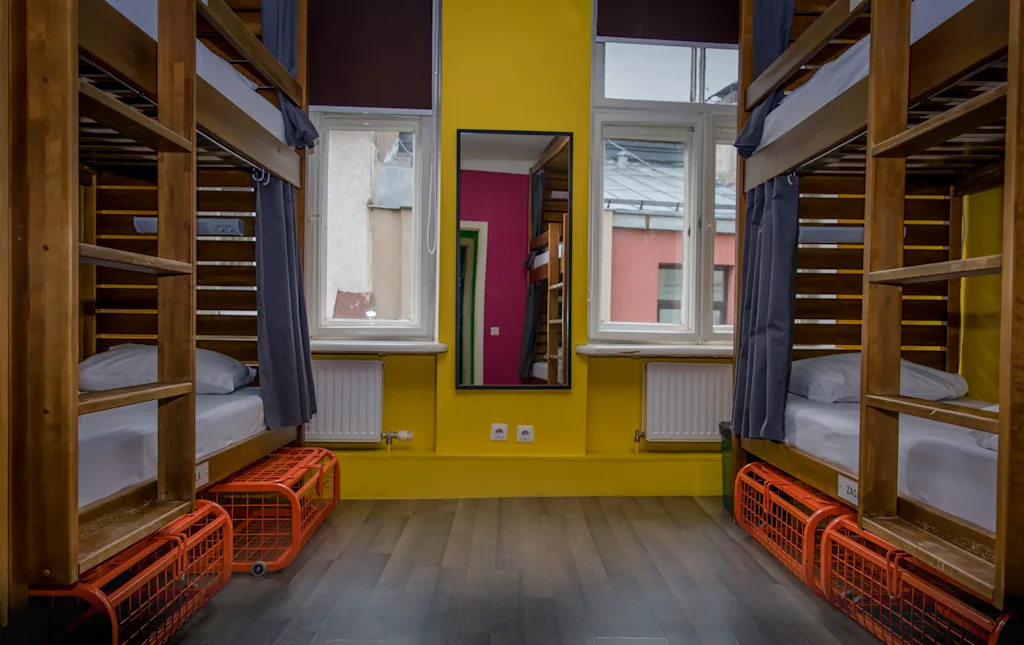
Book The Naughty Squirrel Hostel
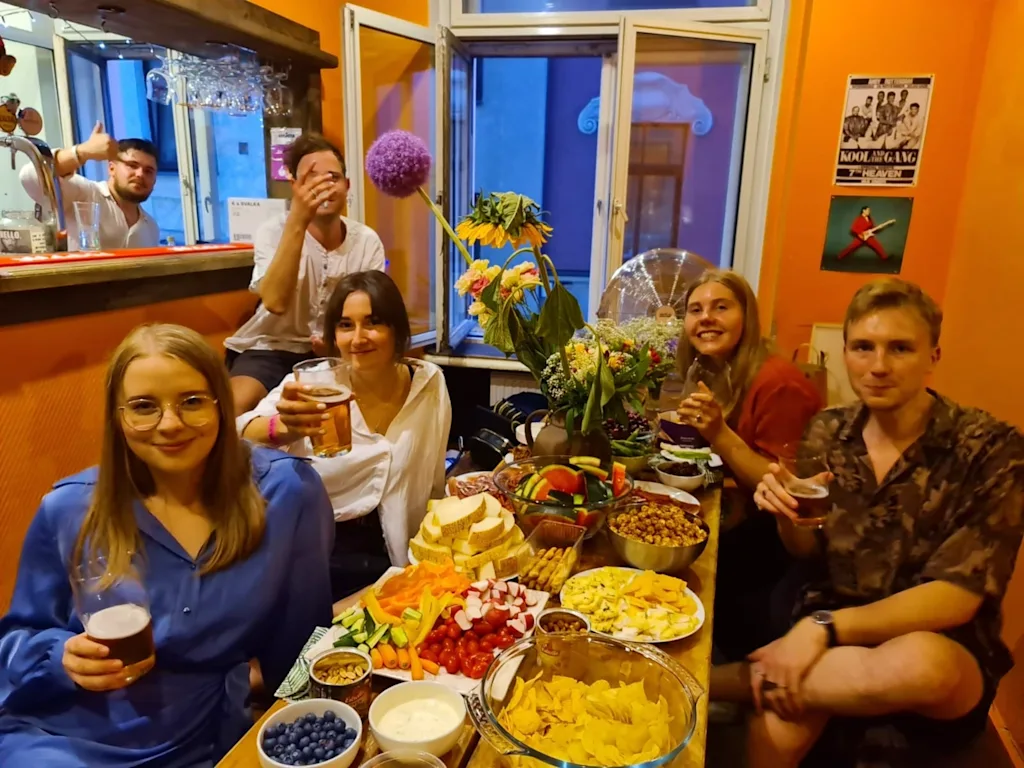
Consistently rated one of the top hostels in the Baltics, The Naughty Squirrel in Riga is a backpacker favorite known for its social atmosphere and awesome activities. The hostel is centrally located in Old Town, close to everything. Inside, it’s clean and modern with local Latvian touches (they even have a wall of traditional folk costumes you can try on!). The super friendly staff organize events like Latvian beer tastings, cooking nights, pub crawls, and even AK-47 shooting range trips for the adventurous. With a spacious common room, fully equipped kitchen, and no curfew, it’s easy to make friends here and dive into Riga’s nightlife together. Security is great (24-hour reception, lockers, key-card access) and they’ll even help arrange your bus to the next destination. Fun, safe, and in the middle of the action, The Naughty Squirrel makes your Riga stay unforgettable.
Ready to Roam? Discover Europe’s Hidden Gems for Yourself
These 10 destinations are just a taste of Europe’s offbeat delights. By stepping off the beaten path, you’ll find that Europe still holds countless unexpected wonders, places where you can connect more deeply with local culture, spend less money, and create unique memories far from the standard postcard scenes. Whether you’re exploring a cave city in Italy, island-hopping in the Atlantic, or enjoying a craft beer in a medieval square, you’ll experience the joy of discovery that comes with finding something special that few others have. Plus, you’ll be supporting local communities and reducing over-tourism by spreading your travel footprints more widely.
When you’re ready to plan, remember that Hostelworld has you covered for affordable, sociable accommodation in even these offbeat locales – from cave hostels to castle-view dorms. Grab your backpack and an open mind, and go write your own story in these hidden corners of Europe. Adventure awaits around every undiscovered turn. Happy travels (or as the locals might say in different tongues: ¡Buen viaje! Bon voyage! Srečen pot!). 🚀🌍
Download the Hostelworld app to start booking now


FAQ: Hidden Gems in Europe
Why should I travel to Europe’s hidden gems instead of famous cities?
Visiting hidden gems offers a more authentic and relaxed travel experience. You’ll encounter smaller crowds (no long lines or packed attractions), often lower prices for food and lodging, and a chance to interact more with locals since the places aren’t overrun with tourists. Hidden gems can also surprise you with unique history or scenery that you won’t find in guidebook staples. Additionally, by choosing offbeat spots, you help alleviate over-tourism in popular cities and support the economy of less-visited areas. It’s a win-win: you get a memorable trip and you travel more sustainably.
Are hidden gem destinations in Europe safe for travelers?
Yes – the vast majority of Europe’s less-touristed destinations are quite safe for travelers, including solo travelers. Places like Slovenia, Latvia, or Montenegro, for example, have low crime rates and are very accustomed to international visitors (even if in smaller numbers). As always, standard safety advice applies: be aware of your surroundings, especially at night, and take usual precautions with valuables. Sometimes in very small towns language barriers can occur, but younger Europeans often speak English. Travelers often report feeling welcomed and safe in these offbeat spots, finding that locals are curious and helpful when they realize you’ve ventured beyond the typical tourist route.
How can I find accommodations in offbeat European destinations?
Hostels are a great option, as they’re present not only in big cities but many smaller ones too. You can use the Hostelworld app or website to search hostels in any location – you’d be surprised that even tiny towns often have at least one hostel or guesthouse catering to backpackers. For example, Matera, Plovdiv, Kotor, etc., all have hostels (we recommended some in the article). Besides hostels, look for family-run guesthouses, B&Bs, or homestays which are common in less touristy areas. These can often be found on booking sites or local tourism websites. Planning ahead is wise for very small villages (as choices might be limited), but generally you’ll find a range of affordable accommodations even in hidden gem locales.
Which hidden gem city in Europe is best for food lovers?
Several underrated European cities are famous for their food scenes. Thessaloniki, Greece is often called Greece’s culinary capital, known for its diverse and delicious street food (like bougatsa pastries, souvlaki, and seafood) and vibrant café culture. Bologna, Italy (not in our top 10 list above, but a notable hidden gem) is nicknamed “La Grassa” (the Fat One) for its rich cuisine – think tagliatelle al ragù and parmesan cheese. San Sebastián, Spain is smaller than Barcelona/Madrid but renowned for pintxos and has multiple Michelin-starred restaurants. Among the ones we covered, Thessaloniki would be the top foodie gem, with honorable mentions to Riga (try Latvian dark bread, smoked fish, and hip Baltic-Nordic fusion spots) and Ljubljana, where you can enjoy hearty Slovenian fare and a great fresh market scene.
What is the best time of year to visit Europe’s hidden gems?
It depends on the destination, but generally late spring (May–June) or early autumn (September) are fantastic across most of Europe’s offbeat spots. In those shoulder seasons, you’ll enjoy mild weather and still thinner crowds (since even popular places are less busy, and hidden gems are pleasantly quiet). For northern destinations (like Sweden or Latvia), summer brings the warmest weather and long daylight hours – Gothenburg, for example, shines in summer with outdoor festivals. For Mediterranean gems like Kotor or Thessaloniki, spring and fall are ideal to avoid the peak summer heat and enjoy comfortable sightseeing temperatures. Winter can be magical in some places (imagine Riga’s Old Town under snow, or Christmas markets in Slovenia), but daylight is short in the north and some smaller tourist services may be closed off-season. Always check local events too: some hidden gems have amazing festivals (e.g., Plovdiv’s summer cultural events or Matera’s celebrations) that could enhance your visit.
Are hidden gems cheaper to visit than popular European cities?
Generally, yes. You’ll often find that accommodation, food, and activities cost less in lesser-known destinations compared to tourist hotspots. For example, hostel beds in cities like Skopje, Sofia, or Riga will be a fraction of the cost of those in Paris or Amsterdam. Meals in a place like Plovdiv or Mostar can be very affordable (a hearty local dinner for under €10 is common). Many hidden gems are in countries that are budget-friendly (Eastern/Southern Europe) or simply not overrun by high-paying tourists, so prices for museum tickets, tours, etc., remain reasonable. That said, “cheaper” is relative to Europe – Scandinavia’s hidden gems (like Gothenburg) will still be pricier than, say, the Balkans, because of the overall economy. But even in pricier countries, second-tier cities often cost less than capitals. Plus, with fewer must-see tourist traps, you might spend more time enjoying simple (and free) pleasures like nature walks, city parks, or local markets.
How do I travel between these off-the-beaten-path places?
Europe’s extensive train and bus network makes it fairly easy (and cheap) to reach most hidden gems. Many of these cities are well-connected: e.g., Ghent is an easy 30-minute train from Brussels; Plovdiv is 2-3 hours by bus or train from Sofia; Ljubljana, Zagreb, and even smaller Balkan towns have reliable buses between them. Check rail passes if you plan to do lots of train travel (Interrail/Eurail covers major lines, though buses are sometimes needed in the Balkans or Baltics). Budget airlines also fly to secondary cities – for instance, you might find a low-cost flight into Riga or Thessaloniki. In more remote areas (Azores, for example), you’ll need to fly from mainland Europe, as they’re islands. Once in-country, consider renting a car if you want to reach very small villages or natural sights off the main transit routes – driving gives flexibility (like exploring Montenegro’s bay villages around Kotor or Slovenia’s countryside around Ljubljana). But overall, public transport will get you to 90% of the hidden gems with a bit of planning.
Will language be a barrier in less-touristy European destinations?
In most cases, no, not a major barrier. English is widely spoken by younger generations across Europe, and even older folks often know some basics, especially in hospitality (hotels, tourism offices). In popular hidden gems like those listed, many restaurants and hostels have English-speaking staff. You might encounter less English in very rural areas or small villages, but with translation apps and some friendly hand gestures, you’ll usually manage just fine. It can be fun and respectful to learn a few local phrases (“hello”, “thank you”, etc.) in the local language – you’ll find people appreciate it. In places like the Netherlands or Scandinavia, virtually everyone speaks fluent English. In the Balkans or Baltics, younger people (and anyone in cities) will typically speak some English or German. Don’t let language worries stop you – locals are generally helpful and used to travelers, even if off the beaten path, and the universal languages of smiles and goodwill go a long way!
What should I pack for visiting hidden gems in Europe?
Packing for hidden gems is much like packing for any Europe trip, with a few extras:
Good walking shoes – many of these destinations have cobblestone streets, hills (Plovdiv’s hills, Kotor’s fortress climb), or nature trails.
Versatile clothing – layers for changing weather, and something modest for visiting churches or monasteries (a light scarf or shawl can cover shoulders if needed).
Travel adapters and chargers – Europe mostly uses Type C plugs (and Type G in the UK/Ireland). Hidden gems have electricity like anywhere else, but less touristy accommodations might have fewer spare adapters, so bring your own.
Daypack and refillable water bottle – you’ll be out exploring a lot. In many of these places tap water is safe (e.g., Slovenia, Sweden) or you can refill at public fountains (Italy’s old towns often have them).
Swimwear – some offbeat spots have great swim opportunities (thermal baths in Furnas, lakes in Slovenia, beaches in Montenegro).
Rain jacket or compact umbrella – weather can be unpredictable, especially in shoulder seasons or in Atlantic climates (Azores can have four seasons in a day).
Camera or smartphone with space – you’ll want lots of photos of these unique places!
An adventurous spirit – the most important thing! Be ready to embrace the unexpected, try new foods, say yes to invitations (maybe a local festival or a hostel group hike), and enjoy the journey even if things aren’t as “smooth” as in highly touristy areas. That’s part of the fun of hidden gem travel.
Do I need a visa or special documents to visit these lesser-known places?
If you’re traveling from outside Europe, the visa requirements for hidden gems are the same as for the rest of Europe – it depends on the country, not the city. Many of the destinations listed are in the Schengen Area (e.g., Belgium, Italy, Slovenia, Greece, Latvia, etc.), so if you’re eligible for visa-free entry or have a Schengen visa, you can travel to all those freely. Some, like Montenegro or Bosnia & Herzegovina, are not in Schengen but often allow visa-free short visits for many nationalities (or might require a separate visa if you needed one for Schengen). Always check the specific country’s entry requirements for your nationality. But once you’re in a given country, there’s no additional permit needed to visit a particular city. One thing to note: if you plan to rent a car and drive across borders (say, from Slovenia to Bosnia), ensure your rental company knows and provides a cross-border authorization and that you have any necessary insurance/greencard documents. Overall, paperwork for offbeat places is no different than for major ones – just have your passport (and visa if required for that country), and you’re good to go explore.
Can I use the euro and my credit cards in these hidden gem destinations?
Many hidden gem destinations are in countries using the Euro (e.g., Belgium, Italy, Slovenia, Greece, Latvia all use EUR). Others have their own currency: Montenegro uses the Euro unofficially (even though not an EU member), Bosnia uses the Convertible Mark (BAM), Sweden has the krona (SEK), Bulgaria the lev (BGN), etc. It’s wise to have some local cash for places like Bosnia or Bulgaria – small vendors or bus tickets may be cash-only. However, credit and debit cards are widely accepted in urban areas for hotels, restaurants, and larger shops, even in offbeat cities. In very small towns or family-run B&Bs, cash might be needed. ATMs are common in all but the tiniest villages, so you can withdraw local currency on arrival (usually at a fair exchange rate). Just inform your bank of your travel plans. Also note, some countries (like Sweden) are very card-friendly – even a street food cart might take cards or mobile payments, whereas in others (like Montenegro) cash is more common for small purchases. Having a mix of payment options (a little cash, a Visa/Mastercard, maybe a backup card) is a good strategy.
What about language differences – do these places have tours or info in English?
Yes, you can usually find English-language tours or information even in less touristic spots. Tourist information centers in cities like Ljubljana, Riga, or Thessaloniki provide maps and brochures in English and often offer guided walking tours in English at scheduled times. Many hostels will also organize local tours or have tie-ups with guides who speak English. For example, in Matera you can join an English tour of the Sassi caves; in Kotor many guides speak excellent English for bay boat tours or city walks. Museums typically have descriptions in the local language and English (and sometimes other languages). If you can’t find a formal tour, consider self-guiding with a good guidebook or using travel apps. But overall, don’t worry – tourism infrastructure in even hidden gems has evolved to cater to international visitors. The level might not be as robust as Paris or Rome, but part of the adventure can be exploring on your own or interacting with locals one-on-one. And if you ever need translation on the fly, smartphone apps (like Google Translate offline packs) can be very handy for signs or menus.
Can I visit multiple hidden gems on one trip, or should I focus on one area?
It depends on your time frame. If you have a few weeks, you can definitely string together multiple hidden gems as an interrail-style journey. For instance, a single trip could cover a route like: Riga -> (flight) -> Ljubljana -> (train) -> Plovdiv -> (bus) -> Thessaloniki, etc. Just be mindful of travel distances and transit connections, as offbeat places might require a bit more transit time. If you have only a week or less, you might pick one region and explore deeply. For example, spend a week in the Balkans visiting Kotor and Mostar (they’re in neighboring countries) plus perhaps Sarajevo or Dubrovnik en route. Or focus on the Baltic region (Riga, plus maybe Tallinn and Vilnius, which are all a bus ride apart). Open-jaw flights (arriving in one city, departing from another) can help maximize your route. Another strategy is to pair a popular city with a hidden gem nearby: e.g., do Budapest but also add a side trip to less-known Pécs or Eger in Hungary; or visit Florence but also see Siena and San Gimignano. Europe’s transport makes multi-stop trips easy, but to really enjoy each place, give yourself at least 2-3 days per city/town. Sometimes slowing down in one gem – sitting in that piazza with locals – yields more reward than racing through five capitals. So plan, but don’t overpack the itinerary. Each gem shines best when savored.
How can I respect local cultures when visiting offbeat places?
Great question! In places less accustomed to tourism, being a respectful traveler is even more appreciated. Here are some tips:
Learn a few words in the local language (hello, thank you). It shows you acknowledge their culture; a little goes a long way.
Dress appropriately at cultural or religious sites. For instance, have something to cover shoulders or knees for churches or mosques (e.g., in Mostar’s mosque or Orthodox churches in Montenegro).
Ask before photographing people, especially in small communities. Many locals will oblige if asked politely, but it can be sensitive if you snap pictures of, say, someone’s home or market stall without permission.
Support local businesses. Eat at family-run restaurants, shop at local markets or artisans, and consider local guides – it directly benefits the community.
Be mindful of noise and behavior, particularly where tourists are few. E.g., late-night loud parties on hostel balconies might disturb local neighborhoods more than in tourist zones; keep the peace so locals remain welcoming.
Learn about local customs. For example, in Bosnia, understanding a bit about recent history or religious mix can help you avoid faux pas. In Azores, stick to trails to protect fragile nature. In Sweden, know that queuing and punctuality are valued. Every place has its quirks.
Overall, the fact that you’re interested in hidden gems means you likely value genuine cultural exchange. Be curious, open-minded, and humble as a guest in their home, and you’ll find most locals are excited (and sometimes proud) to share their world with you.
What hidden gem would you recommend for nature lovers in Europe?
For nature enthusiasts, the Azores (Portugal) are a top recommendation – São Miguel’s volcanic lakes, hot springs, and hiking trails are incredible, and other islands like Pico or Flores have waterfalls, whale watching, and mountain climbs (Pico has Portugal’s highest peak). Slovenia in general is an unsung hero for nature: from Ljubljana you can reach Lake Bled, Lake Bohinj, and the Julian Alps easily – all gorgeous and less busy than, say, Switzerland’s tourist spots. Montenegro’s Durmitor National Park (beyond Kotor) is a hidden natural gem with hiking and Europe’s deepest canyon. Norway’s Lofoten Islands are increasingly known but still remote – staggering fjord and mountain scenery for the adventurous (though pricey). Poland’s Tatra Mountains near Zakopane or Slovakia’s High Tatras are fantastic for alpine scenery with fewer foreign tourists. If we stick to our list’s vicinity: Azores would be #1 for dramatic landscapes, but also consider a trip around Kotor’s bay and mountains, or Mostar + nearby Kravice Waterfalls (a stunning cascade in Bosnia). It’s hard to choose one – Europe’s diversity packs in a lot of nature. But for a single recommendation: the Azores truly offer a unique, uncrowded communion with nature unlike anywhere else in Europe.
Which of these hidden gems are good for nightlife and socializing?
You might think offbeat towns sleep early, but many have a youthful buzz after dark. Thessaloniki is famous for its nightlife – Greeks from Athens even admit Thessaloniki might party harder! You’ll find lots of bars, live music, and late-night cafes, especially in Ladadika or along Nikis Avenue. Riga has a great nightlife scene too, with everything from cozy pub venues to dance clubs in old warehouses (and since it’s a student city, there’s no shortage of weekday action as well). Ljubljana punches above its weight with nightspots – Metelkova Mesto is an alternative clubbing hotspot with something happening every night, and there are riverside bars for a more chill vibe. Gothenburg offers plenty of pubs and music venues (the city has a big craft beer scene and hosts festivals). Ghent in Belgium is actually known for being a student town with a lively bar scene – much more “authentic” than touristy Bruges or Brussels, with lots of craft beer bars in medieval settings and music events. Kotor is quieter in the off-season but in summer has fun hostel bar crawls and waterfront lounges (plus you can take a short bus to Budva for clubs). If you’re looking to meet fellow travelers, staying in social hostels (like the ones we recommended) is key – they often organize group outings at night. In summary, for big nightlife: Thessaloniki and Riga are top from our list; for a good bar scene: Ghent, Ljubljana, Gothenburg; for seasonal chill vibes: Kotor (summer) and Matera/Mostar are quieter but hostels fill the social gap with dinners or low-key hangs. Regardless, you won’t be bored in the evenings – hidden gem cities love to have fun too!
How do I say “cheers” in some of these countries?
What a fun question! Toasting with locals is a great way to bond. Here are a few “cheers” in languages of our hidden gems:
In Belgium (Dutch/Flemish): “Proost!” (rhymes with toast). In French (also used in Brussels): “Santé!”.
In Italy: “Salute!” or “Cin cin!” (chin-chin).
In Montenegro (and other ex-Yugoslav countries): “Živjeli!” (pronounced zhiv-YEH-lee) – literally “to life”.
In Bulgaria: “Nazdrave!” (naz-DRA-veh).
In Portugal (Azores): “Saúde!” (sah-OO-deh).
In Bosnia: they also say “Živjeli!” or sometimes “Merak!” (a Bosnian word for a state of bliss).
In Sweden: “Skål!” (skohl).
In Greece: “Yamas!” (YA-mas), meaning “to our health”.
In Slovenia: “Na zdravje!” (nah ZDRAH-vyeh). (Fun fact: same as in Latvian).
In Latvia: “Priekā!” (PREE-eh-kah). Actually, “Na zdravje” is used in some contexts too, but “Priekā” is common for cheers.
Saying cheers in the local language usually brings a smile (just make eye contact when you clink glasses – a common custom in Europe). Have fun, and na zdravje – to your health and happy travels through Europe’s hidden gems!
I’m traveling solo – are these hidden gems good for meeting people?
Absolutely. Many of these destinations have hostels known for their social atmosphere, which is the easiest way to connect with fellow travelers (e.g., Naughty Squirrel in Riga, Majdas in Mostar, Celica in Ljubljana all foster community). Also, because hidden gem travelers are a bit “offbeat” by nature, you’ll often find like-minded folks eager to share tips and stories. In smaller cities, locals might be more inclined to strike up conversations too, especially if they don’t see many tourists – don’t be surprised if someone in a café asks where you’re from and offers recommendations. There are also free walking tours in many cities where you can meet other visitors. If you use apps or forums (like Couchsurfing hangouts or Meetup), you may find language exchange events or pub nights in university towns (Ghent, Thessaloniki, etc.). Some places (like Kotor or Plovdiv) have popular day tours (to nearby sights or winetasting, etc.) that naturally bring solo travelers together. As with any travel, you need to take the initiative sometimes – join that hostel day trip, say hi to someone over breakfast, or go on that pub crawl. Once you do, you’ll often find you have instant friends to explore with. Solo travel in hidden gems can actually be less lonely than in huge cities: the paths are more likely to cross when the community is smaller.
How can I find more hidden gems in Europe beyond this list?
The curiosity has only begun – great! To find more hidden gems, consider these tips:
Follow travel blogs or Hostelworld’s blog (they often highlight underrated places, as in the examples we drew from). For instance, Hostelworld’s blog has posts on hidden gems in various countries and cities.
Travel forums (Lonely Planet’s Thorn Tree, Reddit r/travel or r/solotravel) – search or ask for favorite “underrated” spots; travelers love sharing recent discoveries.
Talk to locals or other backpackers on your trip. Often the best tips come from someone you meet on the road: e.g., a fellow traveler might say “if you loved Ljubljana, you should check out Lake Ohrid in North Macedonia” – which, by the way, is another fantastic hidden gem!
Use maps creatively: Pick a country you’re interested in and look at its map for medium-sized towns or green areas (national parks). Then Google those names to see if they could be of interest. Wikipedia or tourism board sites can quickly tell you if a place has something unique (e.g., “second largest canyon in Europe” or “historic capital of XYZ”).
Instagram/YouTube: Search hashtags or keywords like #HiddenEurope or “underrated Europe” to see where content creators have gone. Be cautious though – sometimes a “hidden” spot might be photogenic but not necessarily easy to reach or worth a big detour unless you’re passionate about that type of sight.
Ask hostel staff: People working in hostels are often seasoned travelers themselves. If you liked their city, ask “Where else would you go in this country or region that tourists don’t usually visit?” Locals love when visitors want to see more than just the obvious, and you might get a golden recommendation.
Every country has its hidden gems, so once you pick a country or route, dig a bit into each stop. For example, if you plan Poland, you might find out about Toruń (beautiful Gothic town) or Zakopane (mountain culture). If in Spain, maybe Girona or Cádiz. The more you explore, the more you realize how many treasures Europe holds beyond the headline acts. Happy hunting for those gems – and enjoy the journey of discovery as much as the destination!


 Get the App.