Denmark
Denmark country guide

Things To Do In Denmark

One of the most liveable countries in the world, and priced accordingly. Copenhagen on a bike, cinnamon buns for breakfast, and a design culture you notice in everything from chairs to bus stops.

€32
Dorm bed, from
49%
Of Copenhagen commutes by bike
444
Islands
€12
A bike for the day

A capital worth the money, and a country behind it

Copenhagen is one of the great small capitals: compact, flat, walkable, and organised around bicycles to a degree that reorganises how you move around a city. It is also expensive, and pretending otherwise helps nobody — this is a place where a beer costs €7 and a sandwich €10.

What you get for it is a city that works. Harbour swimming in clean water in the middle of town, Tivoli Gardens, a design and food culture that punches far above the population, and neighbourhoods — Nørrebro, Vesterbro — that are genuinely interesting rather than decorative.

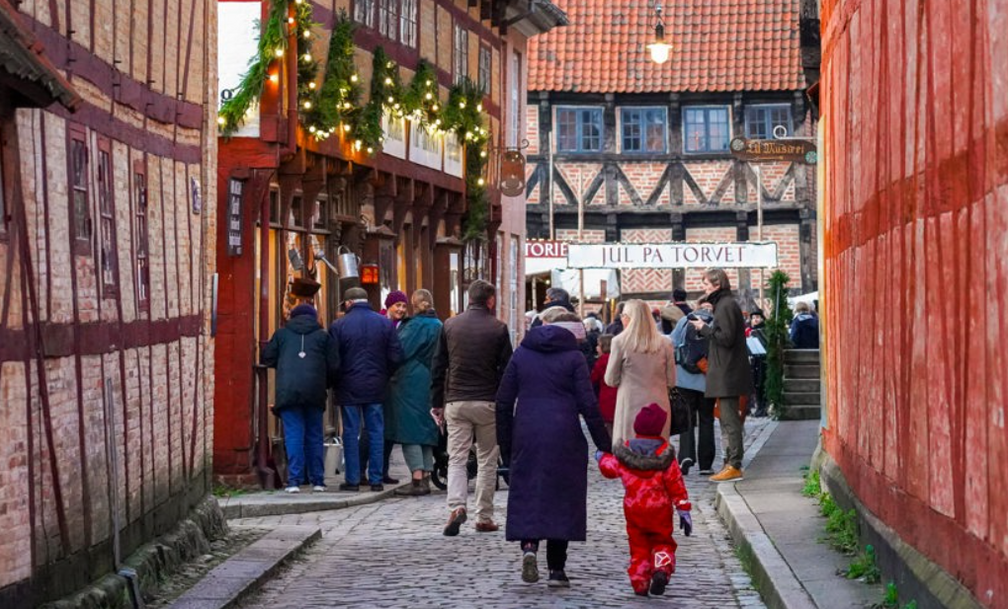
Outside the capital, Denmark is small and quiet. Aarhus is a student city with a fraction of Copenhagen's prices, the Jutland coast has wide North Sea beaches, and Bornholm in the Baltic is the summer island. Nothing is more than four hours away.

Where to go

Trains connect the three cities, and Skagen is the long ride north that people still make.

Copenhagen

Copenhagen

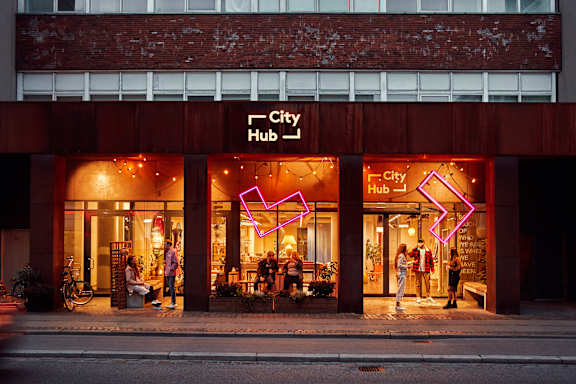
17 hostels · dorms from €16

Bikes, harbour swimming, Tivoli and the best food scene in Scandinavia.

Copenhagen is beautiful, laid back, and has plenty to offer from their food scene to the canals. Yes, things are a bit expensive here, but plan your trip accordingly and the visit is worth every dime.

A traveller, on Hostelworld
The Copenhagen guide
Aarhus

Aarhus

3 hostels · dorms from €26

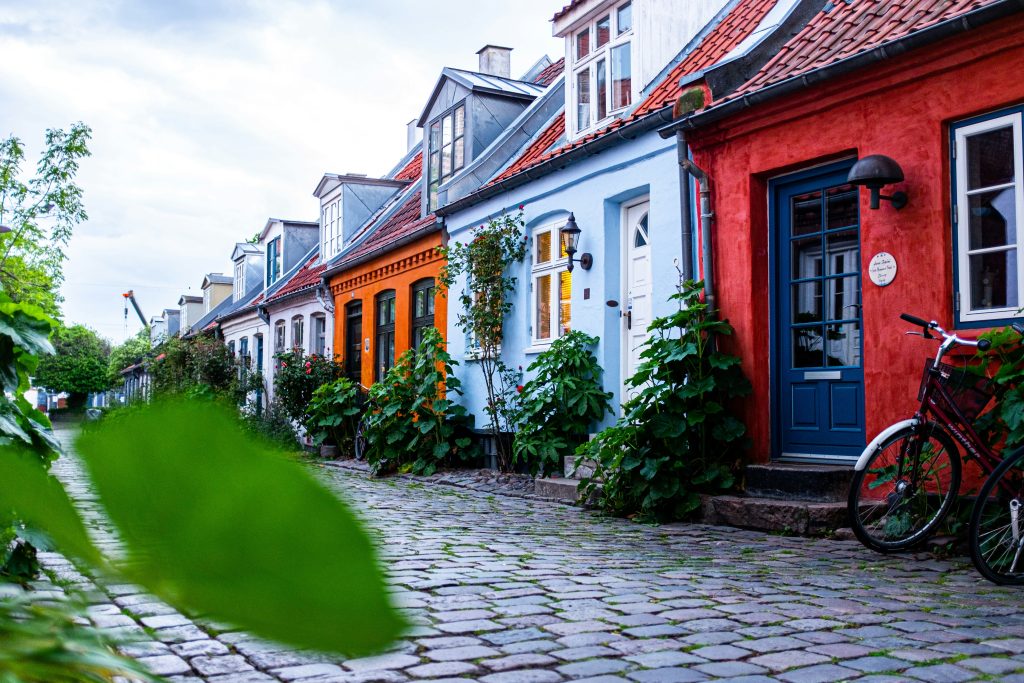
The second city: students, a museum with a rainbow walkway on the roof, and lower prices.

Beautiful city with a ton of great museums and good vibes. Loved my weekend away here, it felt like a fairytale!

A traveller, on Hostelworld
The Aarhus guide
Odense

Odense

Hans Christian Andersen's town, midway between the two, and a easy stop between them.

The Odense guide
Skagen

Skagen

The northern tip, where two seas meet and the light made a painting school. A summer town people stay in.

The Skagen guide

What kind of trip is this?

Denmark is a city-break country with a good summer coast attached.

City break in Denmark

Three or four days in Copenhagen, mostly on a bike.

What to do

  • Rent a bike on day one
  • Swim at Islands Brygge
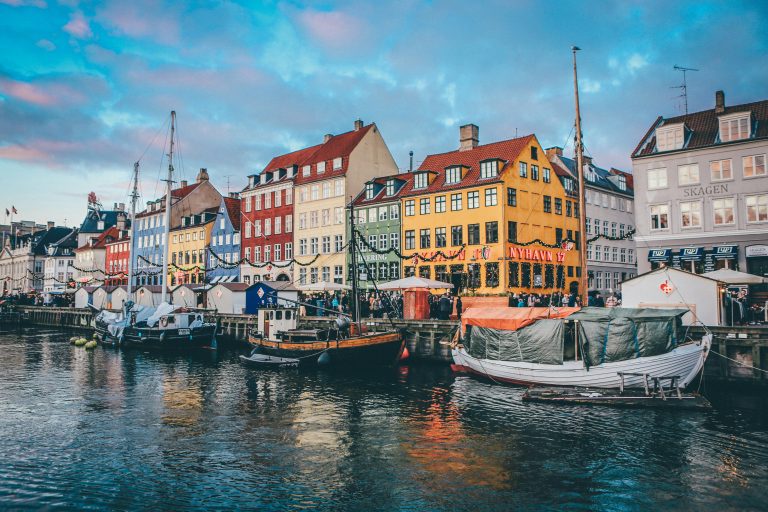
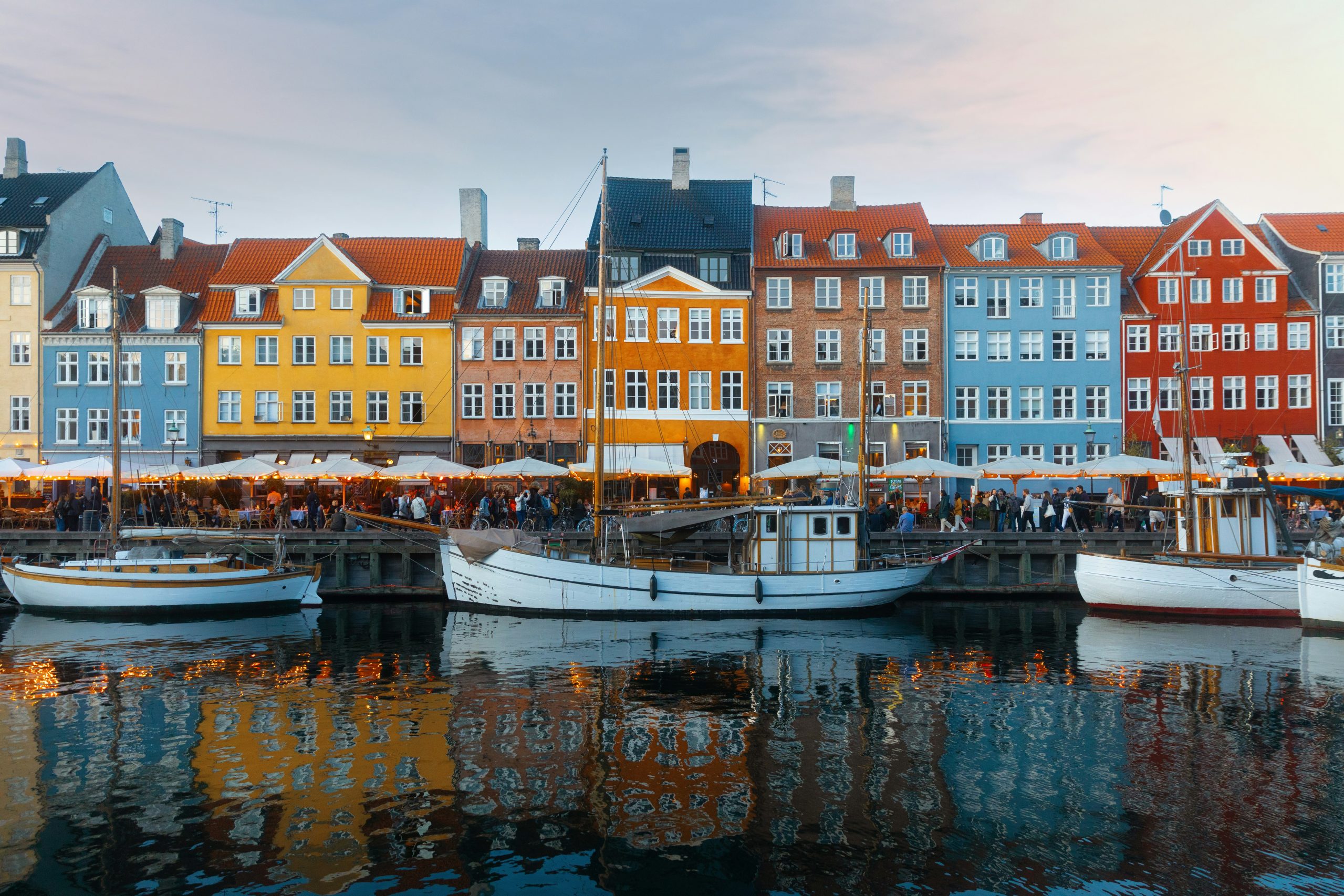
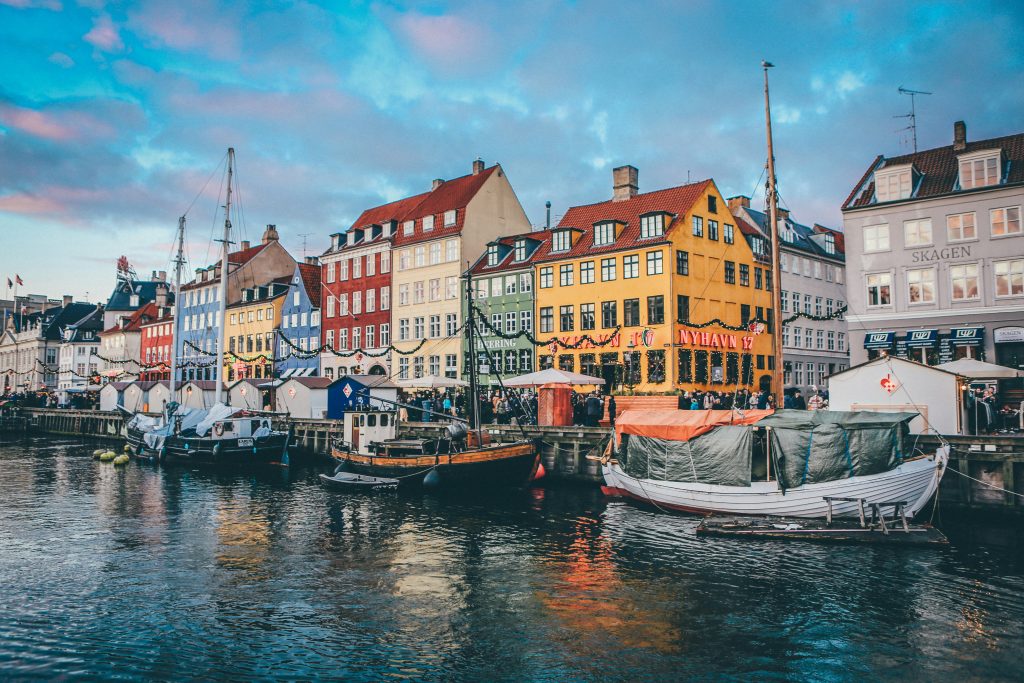
  • Walk Nyhavn early before the crowds

Spots to visit

  • Nørrebro
  • Vesterbro
  • Christianshavn

Best cities for it

Things to do

Things to do in Denmark

In Copenhagen, rent a bike on the first morning. It is how the city is designed to be used, it costs €12 to €20 a day, and it turns a compact capital into a very small one. The Louisiana Museum of Modern Art, 35 minutes north by train, is one of the best galleries in Europe and sits on a cliff over the sea.

Harbour swimming is free and the water in the middle of the city is clean enough for it — Islands Brygge and Kalvebod Bølge are the spots, and locals use them from May to September.

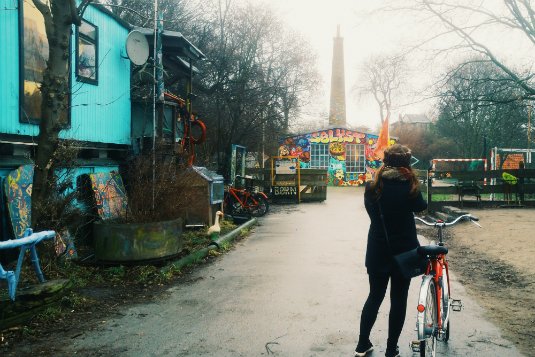
Tivoli Gardens, opened in 1843, is both a theme park and a garden, and pricier than it looks once rides are added. Christiania, the self-governing free town, is worth walking through. Residents dug up Pusher Street, its old cannabis market, in 2024, and ask visitors to check before photographing people or their homes.

Food and drink

Eating in Denmark

Denmark exported New Nordic cooking and the top end is famous and unaffordable. The everyday version is better value than expected: smørrebrød, open rye sandwiches, run €8 to €15 apiece and two make a lunch.

Street food markets are the answer for most travellers. Reffen in Copenhagen and Aarhus Street Food do proper meals for €10 to €15, which in this country counts as cheap.

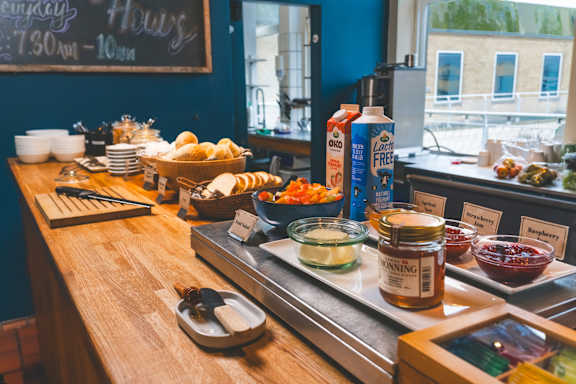
Bakeries are the genuine bargain. A cinnamon bun or a kanelsnegl is €3 to €4 and enormous, and Danish bakery culture is the thing people miss most when they leave. Supermarkets — Netto, Rema 1000, Fakta — make self-catering straightforward.

Nightlife

Going out in Denmark

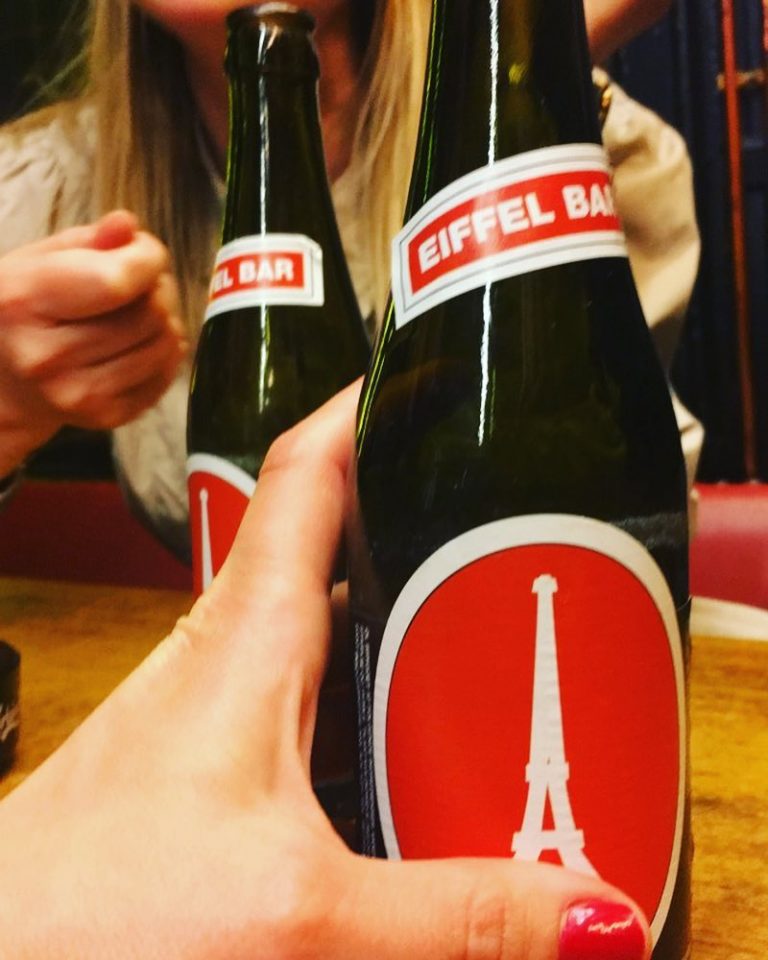
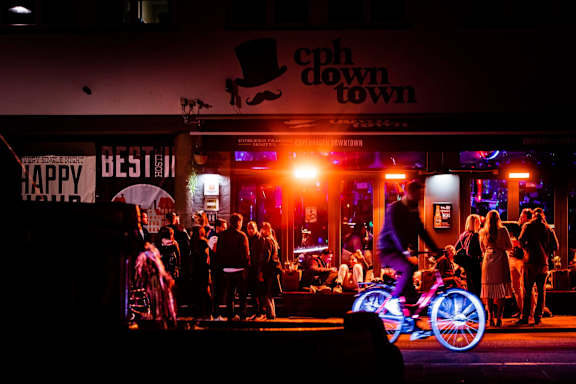
Copenhagen's nightlife centres on the Meatpacking District in Vesterbro — former slaughterhouses turned into bars and clubs — and on Nørrebro, which is younger and cheaper. It runs late, to five at weekends, and it is expensive: €7 to €9 for a beer in a bar.

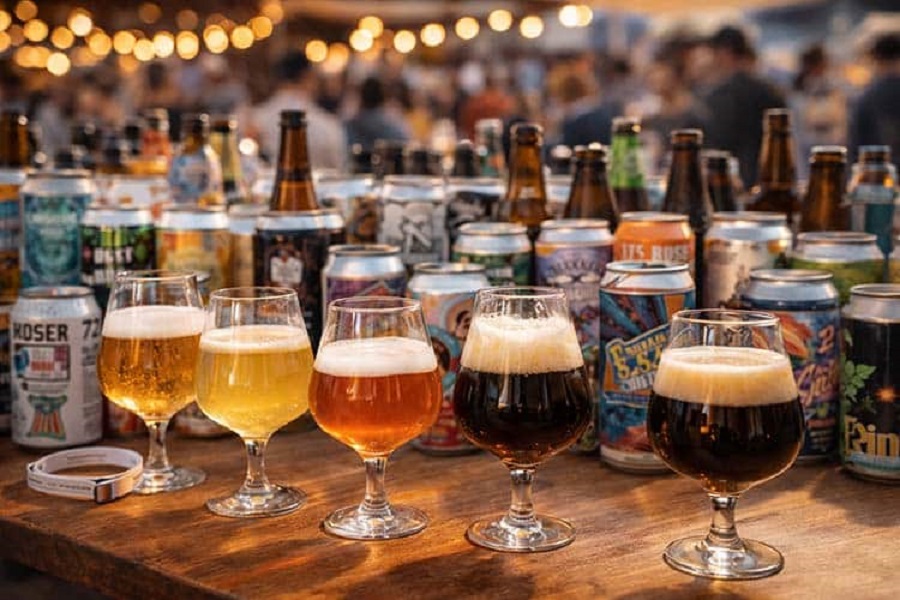
Pre-drinking from supermarket beer is standard practice among Danes for exactly that reason, and hostels here tend to have good bars because everyone is doing the same arithmetic.

Aarhus has the student population and prices maybe a fifth lower. Roskilde Festival in summer is one of the largest in Europe and turns the whole country into a festival for a week.

Getting around

Getting around Denmark

DSB runs the trains and the country is small enough that everything is within four hours. Copenhagen to Aarhus is about three hours; Orange tickets, released in advance, cut the fare sharply.

Copenhagen's metro runs 24 hours and the airport is thirteen minutes from the centre by train, which is among the best airport connections in Europe. The Rejsekort app covers everything, or buy tickets in the DOT app or at station machines. Bank cards cannot be tapped in and out.

But the real transport is the bicycle. Copenhagen has more bikes than people, the lanes are separated from traffic, and the etiquette is strict — signal with your hand, keep right, and never stop in a lane. Bornholm and the Jutland coast are laid out for cycling too.

Costs

What Denmark costs

Denmark is expensive and Copenhagen is the most expensive part of it. Dorms start around €32, a beer is €7 to €9, a restaurant main €25 to €35, and a museum ticket €12 to €20.

The controllable costs are food and drink. Supermarket lunches, bakery breakfasts, street food markets and pre-drinking are what locals do too, and they bring a day from €120 down to around €70.

Free things are genuinely good here: harbour swimming, the city's parks, the free walking tours, Christiania, and a lot of the design and architecture that people come to see is simply on the street.

Safety

Staying safe in Denmark

Denmark is among the safest countries in the world and Copenhagen is comfortable at any hour. Crime against visitors is rare and mostly limited to pickpocketing around the central station and Strøget, the main shopping street.

The practical hazard is the bike lane, as in the Netherlands. Stepping into one without looking is the most common way visitors get hurt, and Danish cyclists move fast and assume you know the rules.

Christiania's Pusher Street, for decades an open cannabis market, was dug up by residents in 2024 and the stall trade has gone, though individual dealers still operate. Cannabis is illegal in Denmark: do not buy, and ask before photographing residents or their homes.

Entry and documents

Entry and documents

Denmark is in the EU and the Schengen area but not the eurozone. EU citizens need an ID card; UK, US, Canadian and Australian passport holders get 90 days in any 180 across the whole Schengen zone.

Passports need three months' validity beyond departure and to have been issued within the last ten years. ETIAS has been delayed repeatedly — check the official EU site.

Greenland and the Faroe Islands are part of the Kingdom of Denmark but outside the EU and Schengen, with their own entry rules and currencies in practice. If either is on the itinerary, check them separately.

When to go

Denmark is a summer country. The daylight swing is severe, and the difference between a June evening and a December afternoon is the whole personality of the place.

3°
Jan
Dark and cold. Cheapest beds of the year
3°
Feb
Still winter. Good for museums
6°
Mar
Lengthening days, prices still low
11°
Apr
Spring arrives, Tivoli reopens
16°
May
Excellent. Harbour swimming starts, terraces open
20°
Jun
The best month. Light until 22:00, Roskilde Festival
22°
Jul
Peak. Danes on holiday, coast and islands busy
22°
Aug
Warm, and the water is at its best for swimming
18°
Sep
Quiet, golden, good value
13°
Oct
Cooling and cheap. Museum season
7°
Nov
Grey and dark. Lowest prices
4°
Dec
Tivoli's Christmas market is the reason to come in the cold
Bar height is temperature. Colour is how busy it gets: quiet busy peak

Average highs for Copenhagen. Daylight is the bigger factor: about 17.5 hours in June and under 7 in December.

What your trip will cost

Pick how you travel and how long for. Per night, for one person. Denmark rewards self-catering more than most countries in this guide.

Prices are in kroner locally; these are euro equivalents. A bike at €12–20 a day replaces most of the transport line in Copenhagen.

—
  • Beds—
  • Food and drink—
  • Getting around—
  • Doing things—
What's on

What is on while you are there

Roskilde is the one that fills the country. The rest are worth timing around.

Denmark travel questions

The ones we get asked most.

How many days do you need in Copenhagen?
Three is enough for the city itself, four if you want the Louisiana museum and a day trip. Five days lets you add Aarhus or the coast, since nowhere in Denmark is more than four hours away.
Is Copenhagen expensive?
Yes. Dorms from €32, beer at €7 to €9, restaurant mains €25 to €35. Self-catering, bakery breakfasts and street food markets bring a day from €120 down to around €70, which is what most travellers here do.
Should I rent a bike in Copenhagen?
Yes, on the first morning. It costs €12 to €20 a day, the lanes are separated from traffic, and it is how the city is designed to work. Learn the hand signals and keep right.
Does Denmark use the euro?
No, the Danish krone. Cards are used for essentially everything and cash is close to obsolete, so you may never need to change money at all.
Is harbour swimming really safe?
Yes. The water in central Copenhagen is clean and monitored, and Islands Brygge and Kalvebod Bølge are purpose-built for it. Locals swim from May to September, and it costs nothing.
Is Tivoli worth it?
It is a garden as much as a theme park, opened in 1843, and beautiful at night. Entry plus rides adds up, so treat it as an evening out rather than a full day, and go in December if you can.
What is Christiania?
A self-governing community in a former military area, established in 1971. Worth walking through for the architecture and the atmosphere. Residents dug up Pusher Street, its open cannabis market, in 2024. Cannabis remains illegal, so do not buy, and ask before photographing residents.

Say yes to hostels, meet the world

Compare hostels across Denmark — live prices, real reviews and free cancellation on most bookings. Then meet the people already there in the app.

Get the App. QRGet the App.
Get the App. QR  Get the App.
Scroll to Top