Indre By
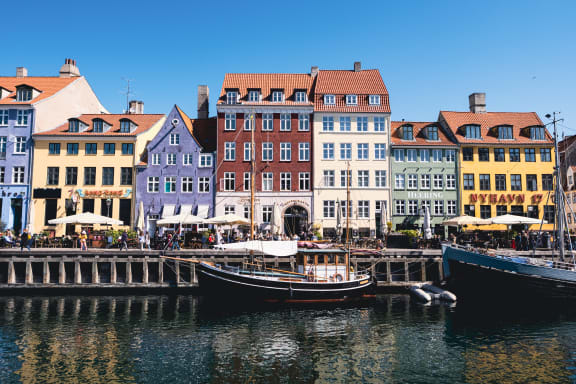
First-timersThe old centre: Strøget, Nyhavn, Rosenborg and the Round Tower. Walkable to everything and the priciest.

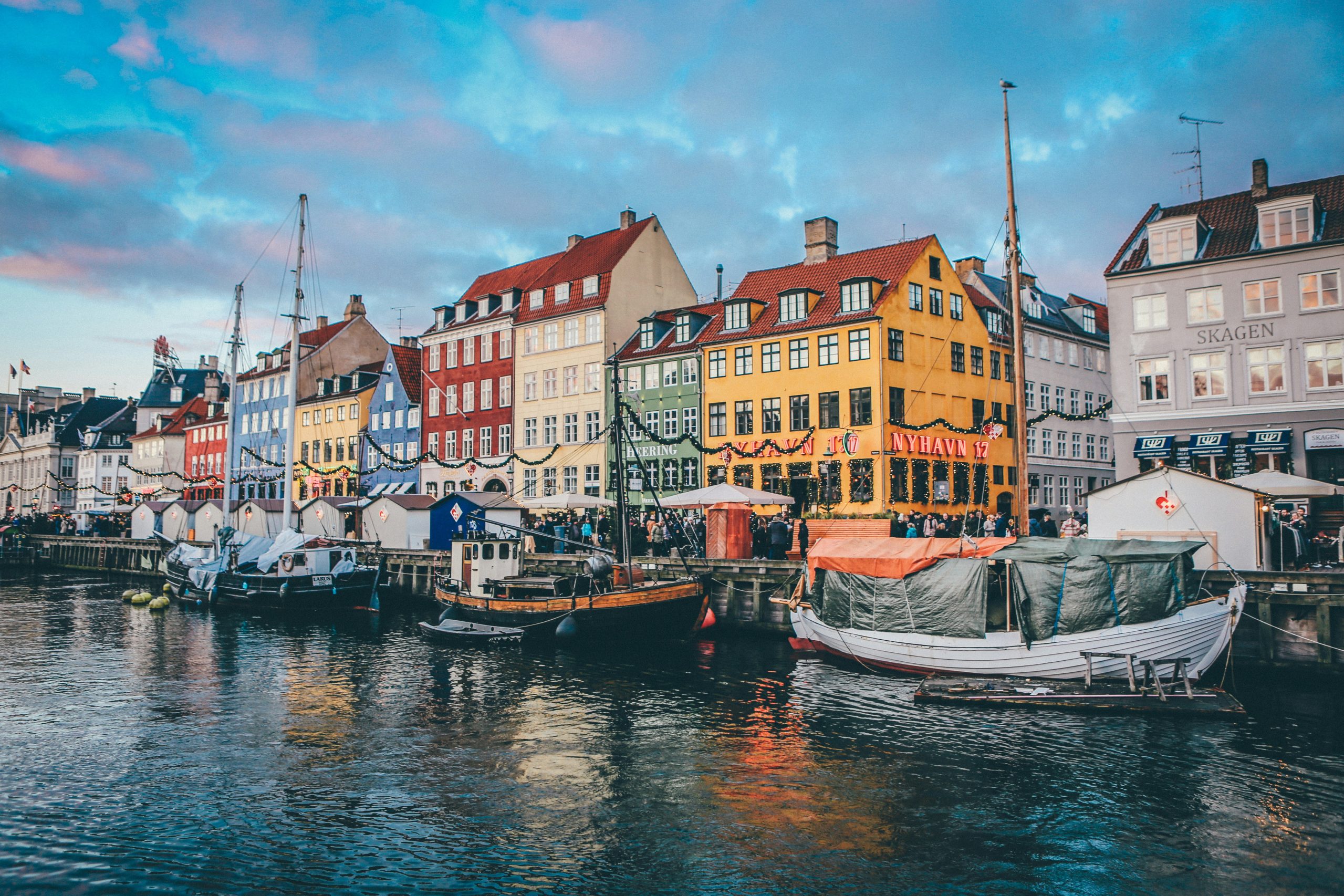
A capital where you swim in the harbour in the middle of the city, cycle more than you walk, and pay Scandinavian prices for the privilege.
Copenhagen spent thirty years rebuilding itself around bicycles and cleaning up its harbour, and both worked: more than sixty per cent of people cycle to work, and the water in the middle of the city is clean enough to swim in, with free harbour baths at Islands Brygge and Havnebadet Sluseholmen.
The old city is Renaissance brick and copper spires, the new bits are the architecture people fly in to look at, and Christiania — a self-governing commune in a former military barracks since 1971 — is neither.
It is also very expensive. A beer is €7 to €9, a main is €20 to €35, and dorms run €30 to €55. The compensations are that the best things here are free or cheap: the harbour, the parks, the bikes and the food markets.
Three days, four if you want a day trip.
A compact centre with distinct neighbourhoods either side of it, all cyclable in fifteen minutes.
The old centre: Strøget, Nyhavn, Rosenborg and the Round Tower. Walkable to everything and the priciest.
West of the station: the Meatpacking District, the best bars and restaurants, and most of the hostels.
North: the most diverse part of the city, Jægersborggade, Assistens cemetery and cheaper everything.
Across the water: canals, houseboats, the Church of Our Saviour spire and the Christiania commune.
South, along the water, with the harbour baths, a beach park and the airport metro line.
Orange labels are neighbourhoods, dots are the 12 top-rated hostels. Map © MapTiler © OpenStreetMap contributors.
Hire a bike on the first morning. The city is flat, the lanes are separated from traffic, and it changes how the whole place works — €12 to €20 a day, or use the city scheme.
Swim in the harbour. Islands Brygge is the famous one, five minutes from the centre, free, with water quality tested and posted. It runs June to August realistically, and Danes go in regardless.
Climb the Church of Our Saviour in Christianshavn: an external spiral staircase winding around the outside of the spire, 400 steps, and not for anyone who dislikes heights. About €10.
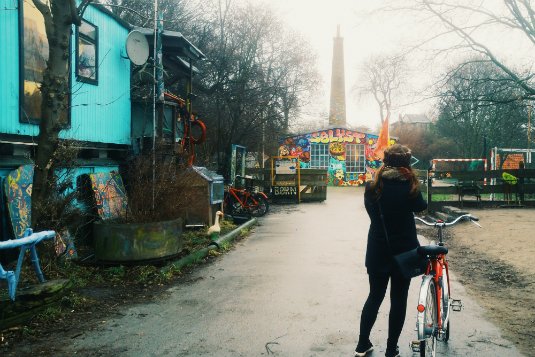
Christiania is a self-governing commune founded in a squatted barracks in 1971. It is free to walk into. Pusher Street, its open cannabis market, was closed by the residents themselves in 2024 after years of gang violence, and the commune is best treated as somebody's home rather than an attraction.
Tivoli, from 1843, is the second oldest amusement park in the world and is at its best after dark.
The harbour baths are free and so are the beaches at Amager Strandpark, twenty minutes out on the metro.
Nyhavn, the Superkilen park in Nørrebro, and the Assistens cemetery where Hans Christian Andersen and Kierkegaard are buried are all free, and the cemetery is used as a park.
Botanical gardens, the Marble Church, and the King's Garden at Rosenborg cost nothing.
Several museums are free on certain days: the National Museum is free year-round, and the SMK national gallery has free permanent collections.
The Little Mermaid is free, small, and consistently voted one of Europe's most disappointing sights — go if you must, it takes ten minutes.
This is one of the best food cities in the world and one of the most expensive. Restaurant mains run €20 to €35 before drinks.
Smørrebrød — open rye sandwiches with herring, roast pork or prawns — is the traditional lunch at €8 to €15 a piece, and two make a meal.
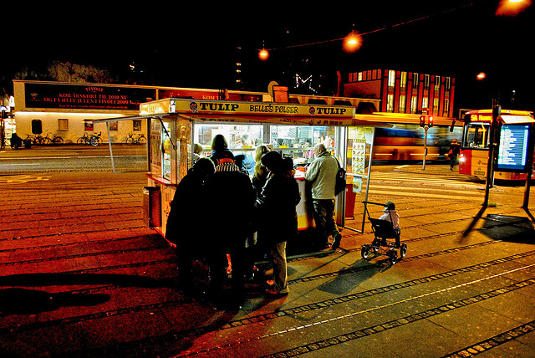
The cheap end is good: Reffen and Broens Gadekøkken street food markets, hot dogs from a pølsevogn at €4 to €6, and shawarma on Nørrebrogade.
Torvehallerne market is where to buy for a picnic.
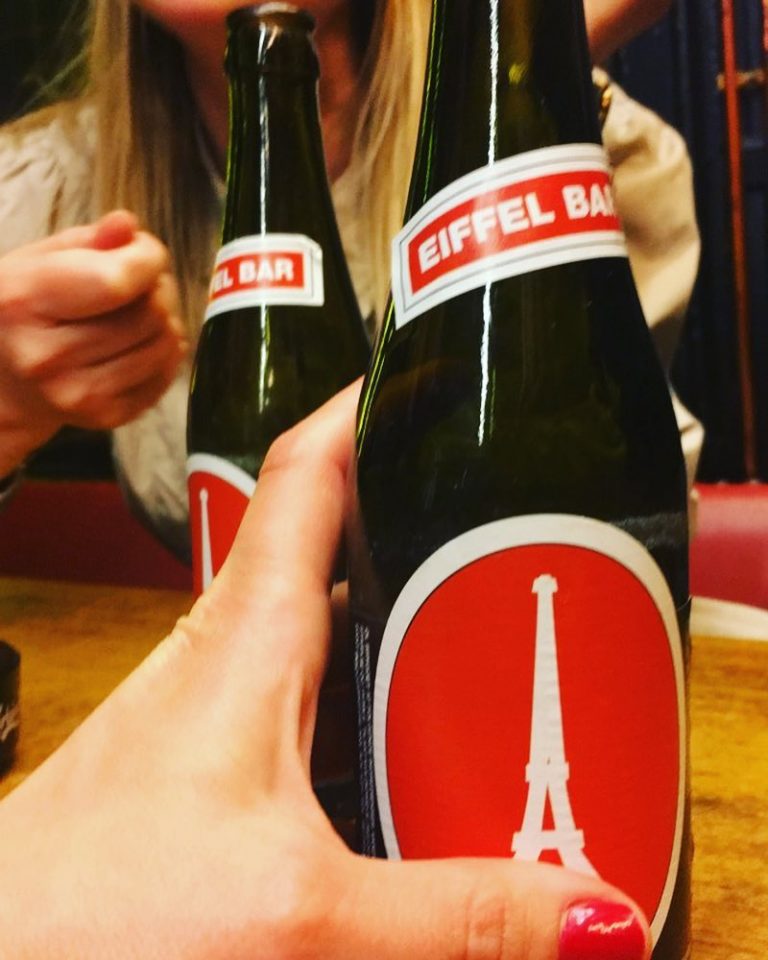
A beer is €7 to €9 in a bar, and buying from a supermarket before going to a park is completely normal here and legal.
The Meatpacking District in Vesterbro is the obvious one — former abattoir buildings now full of bars and clubs, busy from ten.
Nørrebro has the better neighbourhood bars, particularly around Jægersborggade and Elmegade, and a strong craft beer scene.
Culture Box and the clubs around Gothersgade run properly late, and Copenhagen's electronic scene is serious.
A beer is €7 to €9 and cocktails €13 to €18, so pre-drinking in a park or at the hostel is standard practice rather than a budget tactic.
In summer the whole city drinks outside, on the harbour and in the parks, and that is the best version of a night here.
Cycle. The city has more bikes than people, the lanes are physically separated from traffic, and everything is flat. Rental is €12 to €20 a day. Cycling rules are enforced: hand signals, lights after dark, and staying off the pavement.
Public transport is a single zonal system across metro, bus, S-train and harbour buses. A 24-hour City Pass is about €11, and the metro runs 24 hours.
The airport is 15 minutes by metro for about €4.50.
Harbour buses 991 and 992 are normal public transport on the water and cost a standard fare, which makes them the cheapest boat tour in the city.
Trains reach Malmö in Sweden in 35 minutes and Aarhus in three hours.
Expensive, and there is no way around that. Dorms are €30 to €55, a restaurant main €20 to €35, and a beer €7 to €9.
A day is €75 to €120.
What genuinely helps: cycling instead of transport, harbour swimming instead of paid attractions, street food markets and pølsevogn instead of restaurants, supermarket beer in a park, and the free museums.
Denmark uses the krone, not the euro, at around 7.45 to one. Cash is almost extinct — cards and MobilePay work everywhere including market stalls, so there is no need to carry any.
The Copenhagen Card at about €60 for 24 hours covers transport and most museums, and pays off only if you are doing several paid attractions in a day.
Copenhagen is a very safe city with low crime, and walking or cycling home at night is unremarkable.
The bike lanes are the thing visitors get wrong. Danes cycle fast and expect you to signal, keep right, and not stop in the lane — stepping into one while looking at a phone is the most common way tourists get hurt here.
Pickpocketing happens on Strøget, at the main station and in Nyhavn crowds.
In Christiania, residents closed Pusher Street, the cannabis market, in 2024 after years of gang violence. Cannabis is illegal in Denmark, buying it anywhere in the city carries real risk, and residents still ask that you do not photograph people.
Harbour swimming is safe at the marked baths and not elsewhere — there is boat traffic. Emergency number is 112.
Castles, an art museum on a cliff and another country, all within an hour.
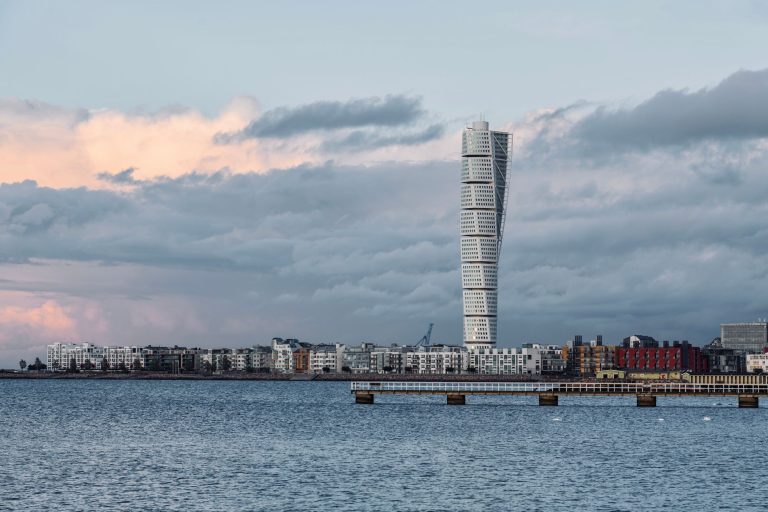
Another country over the bridge, with a twisting tower, a good food scene and lower prices.
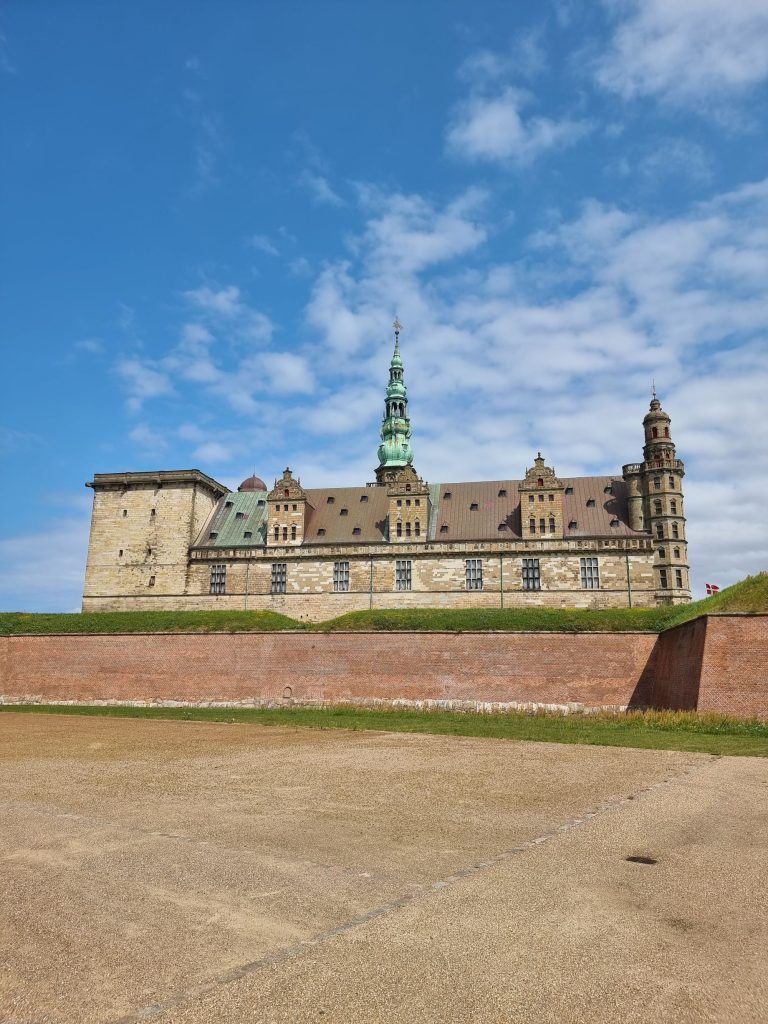
Hamlet's Elsinore, a Renaissance fortress on the narrowest point of the sound.
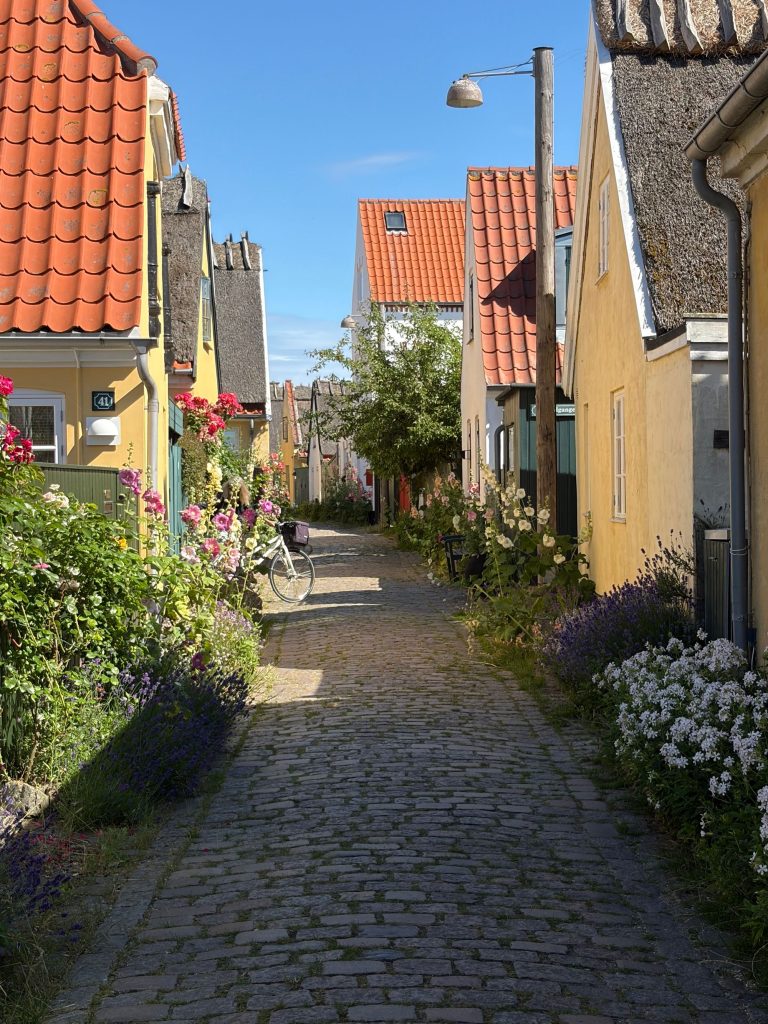
A preserved fishing village of yellow houses and cobbles, near the airport and almost unvisited.
A jazz festival in July and Tivoli at Christmas.
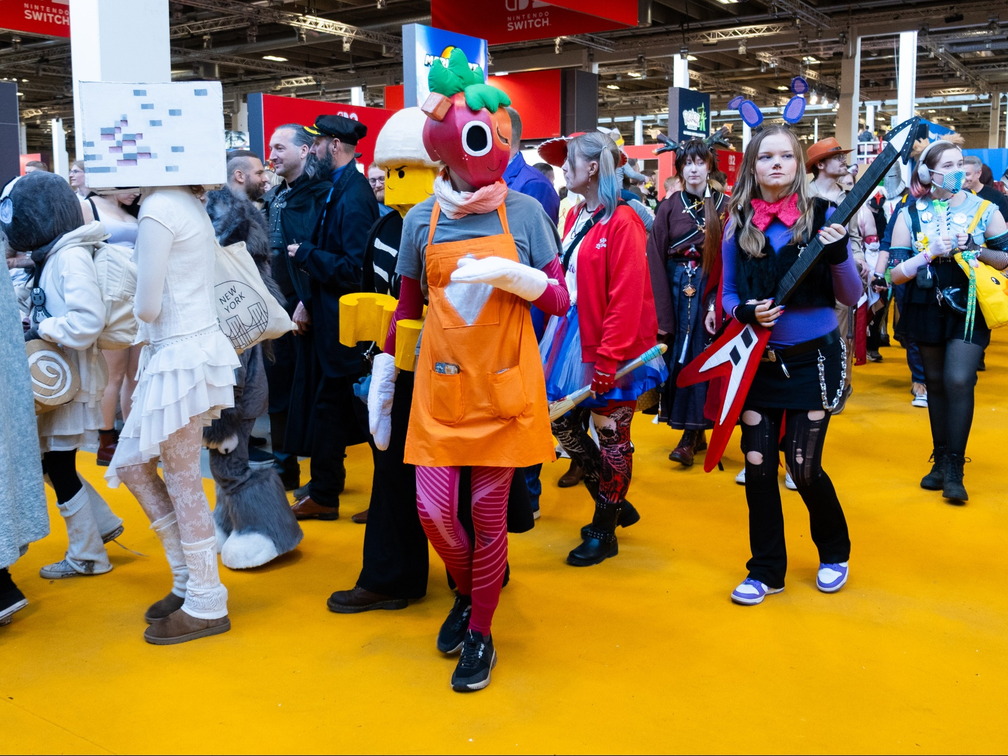 Staff pick
Comic Con Denmark is the country’s largest celebration of pop culture, uniting fans of films, TV series, gaming, and cosplay. Visitors can explore interactive…
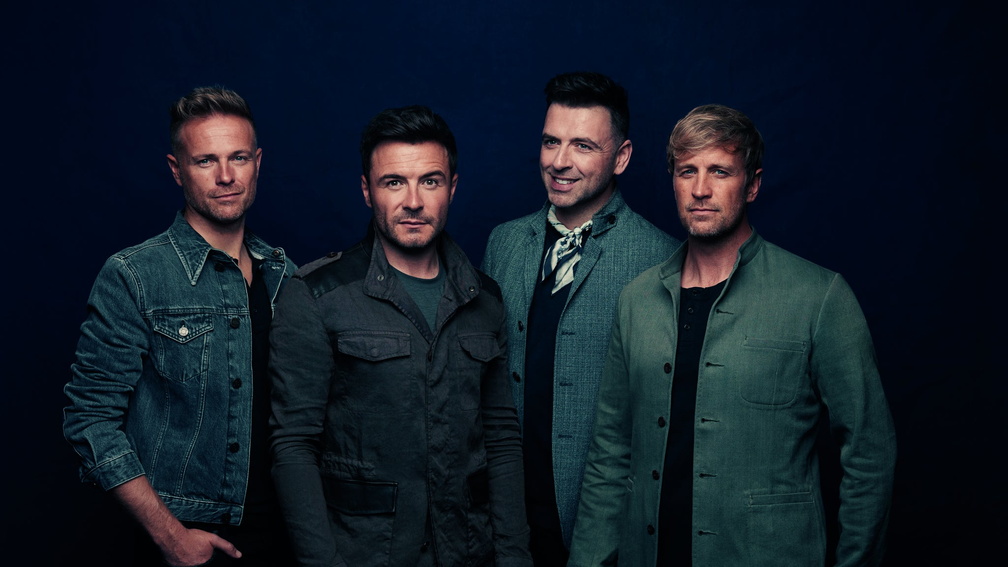 Staff pick
Westlife is an internationally acclaimed Irish pop group renowned for their powerful harmonies and chart-topping ballads. Since their debut in 1999, Westlife has sold…
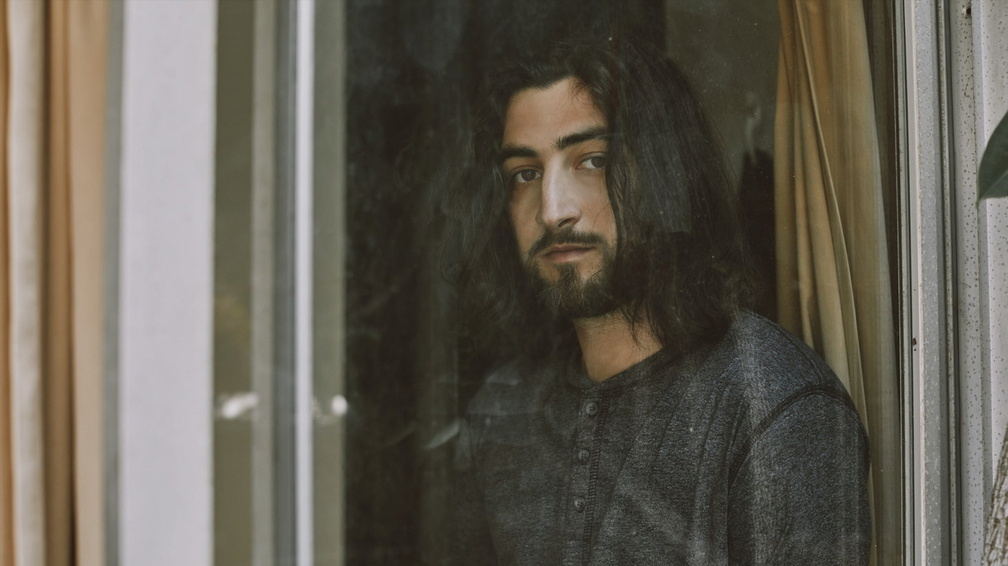 Staff pick
Noah Kahan is an American folk singer and songwriter signed to Republic Records in 2017. His debut EP, "Hurt Someone," was released in 2018.…

This event is an international football match between Denmark and Portugal as part of the UEFA Nations League. It offers fans the chance to…
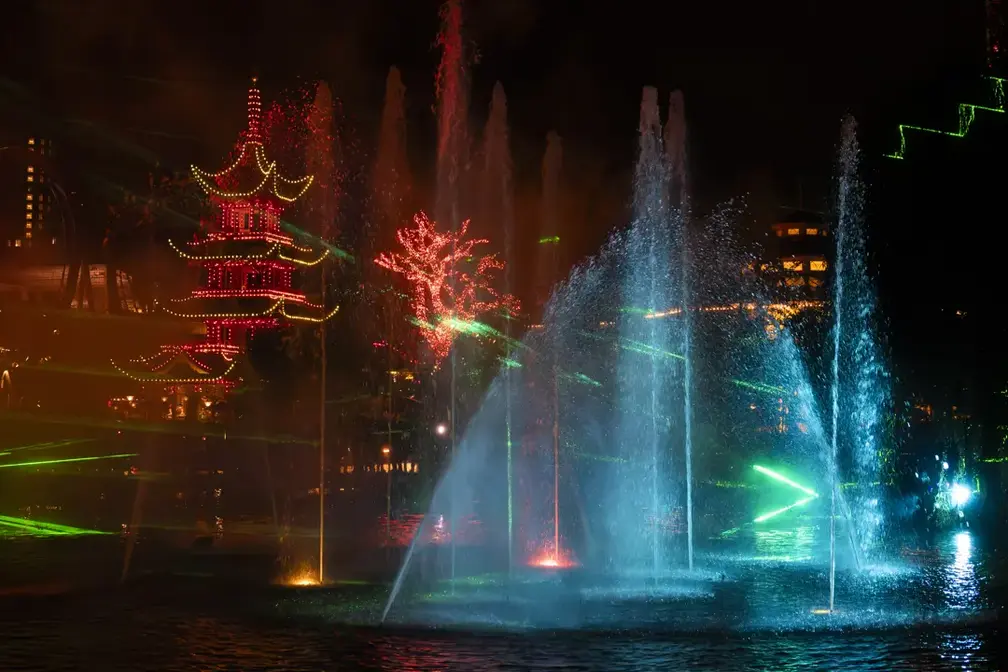
Every evening, the Tivoli Lake is transformed into the backdrop for the Halloween Illuminations featuring lasers, fire, smoke, and water set to music composed…
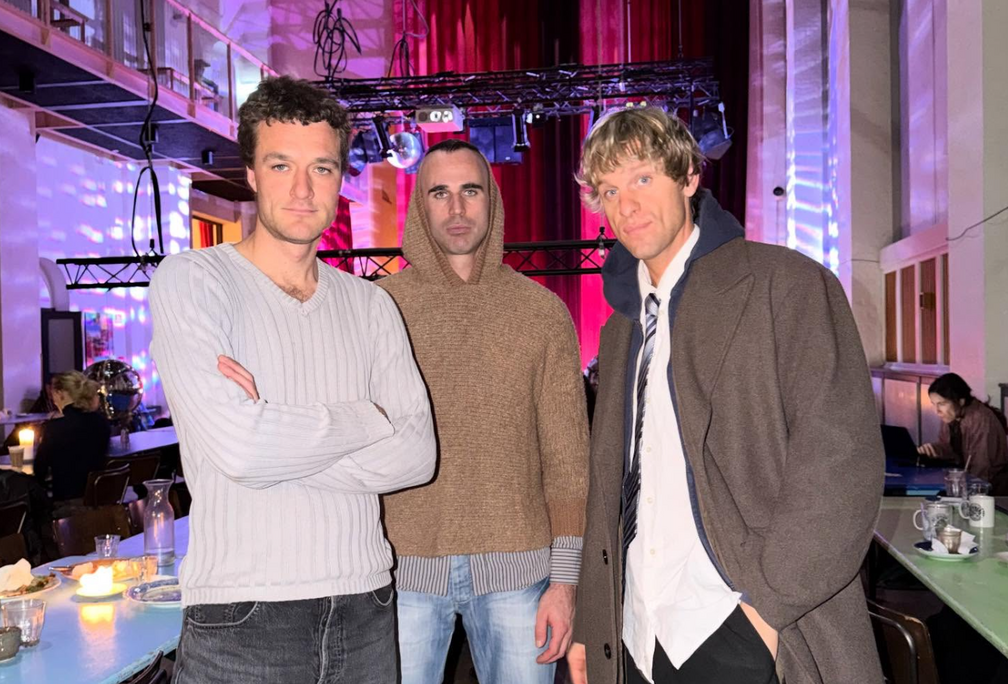
Scarlet Pleasure, the Copenhagen pop trio, is set to perform their biggest concert to date at Royal Arena. The show on October 3, 2026,…
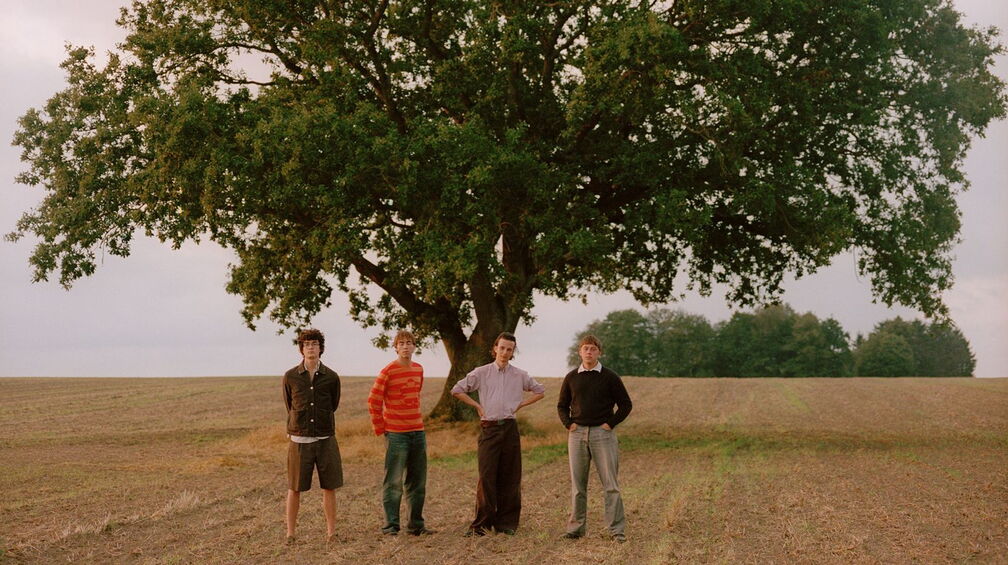
APHACA is a concert event held at Parken Stadion. The event is organized by United Artists and is scheduled for October 10, 2026, starting…

Niall Horan is an Irish singer-songwriter renowned for his distinctively emotive vocal stylings. Having achieved worldwide acclaim as a member of the British-Irish boyband…
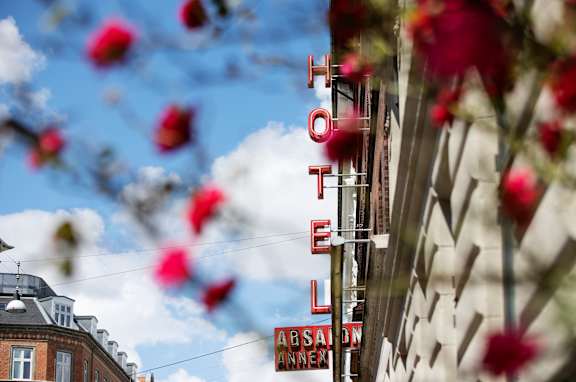
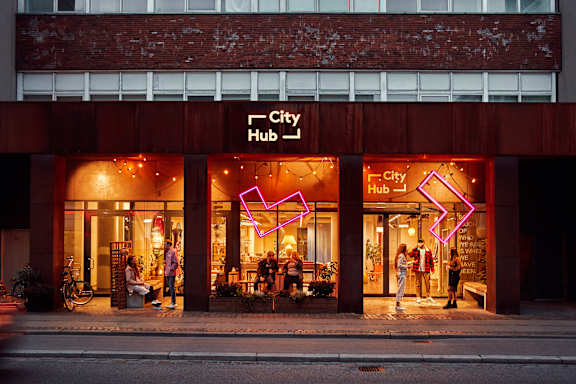
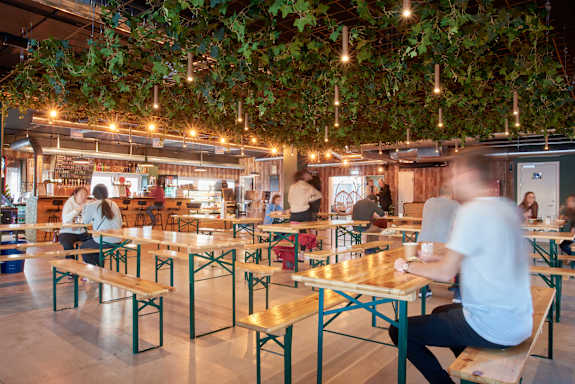
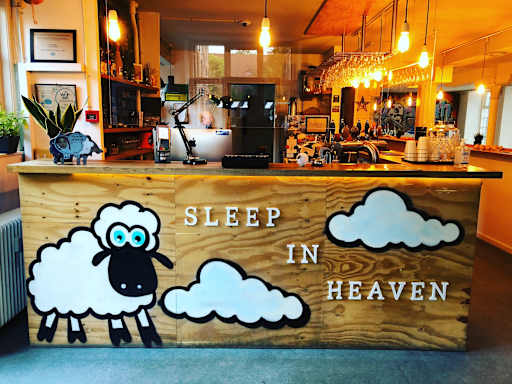
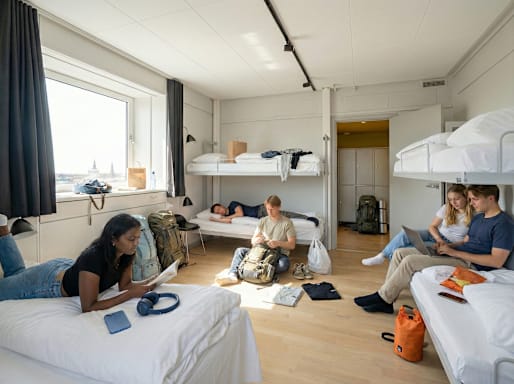
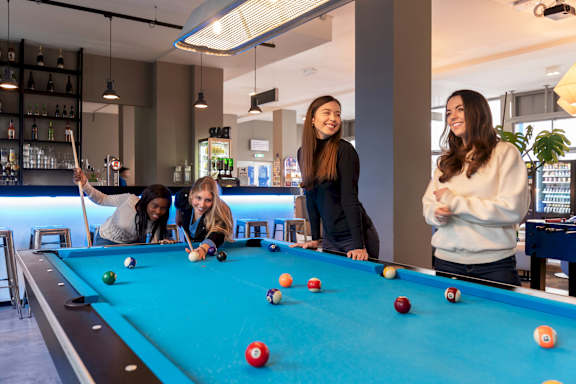
A strong scene with some of the best-designed hostels in Europe, concentrated in Vesterbro and near the station. Live from Hostelworld.
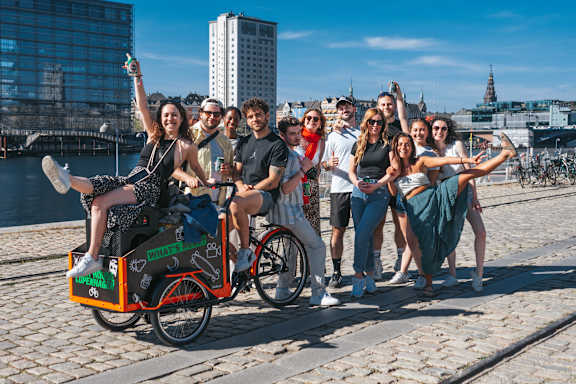 Sustainable

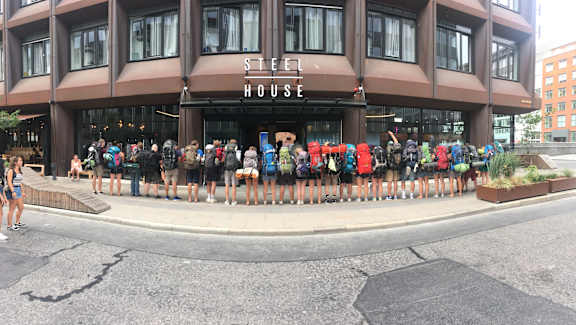 Sustainable
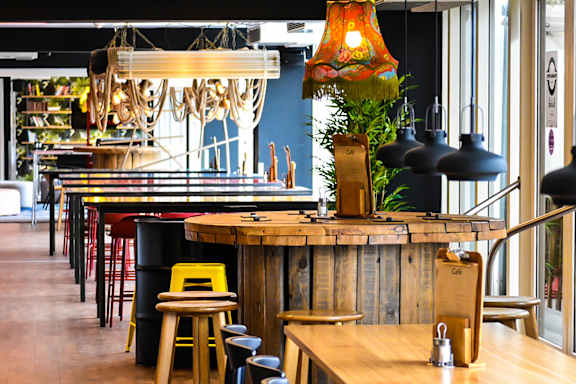
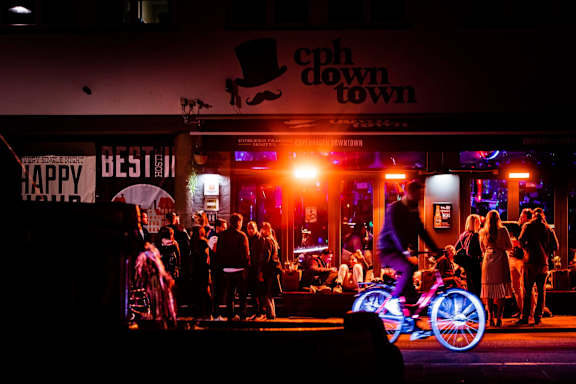
 Sustainable
May to September for daylight and harbour swimming. Winter is dark, and that is the whole point of hygge.
Average highs. The latitude is the thing: midsummer gives about seventeen hours of light and December about seven, which shapes the entire feel of the city either side of the year.
Pick how you travel. Per person per night, in euros.
Prices are in kroner on the ground, at about 7.45 to the euro. The transport line assumes a bike or the €11 day pass.
The ones we get asked most.

Compare Copenhagen hostels — live prices, real reviews and free cancellation on most bookings. Then meet the people already there in the app.

 Get the App.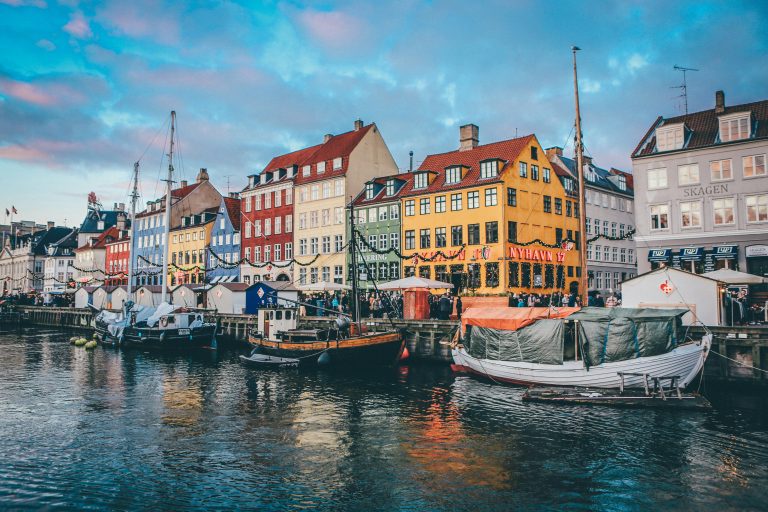

 Get the App.