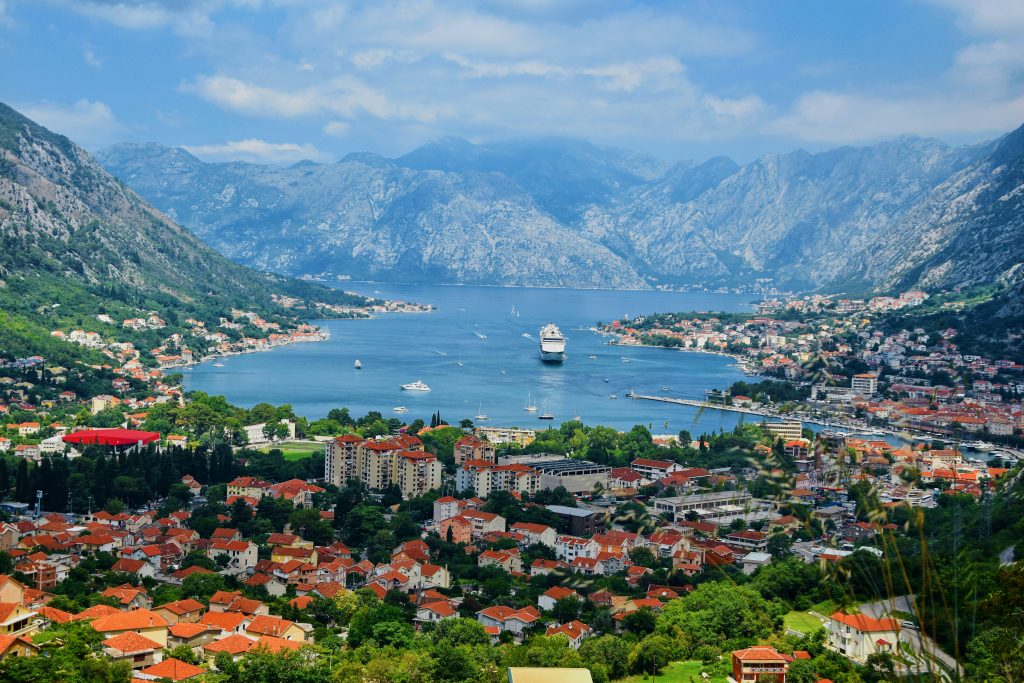
Kotor
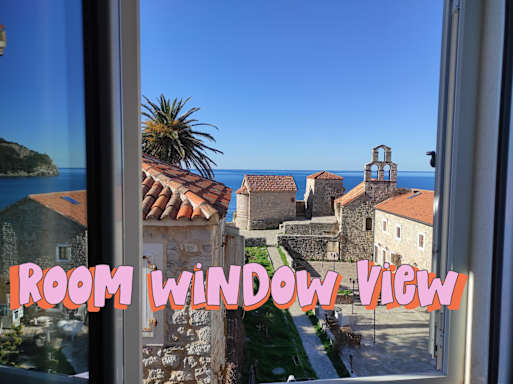
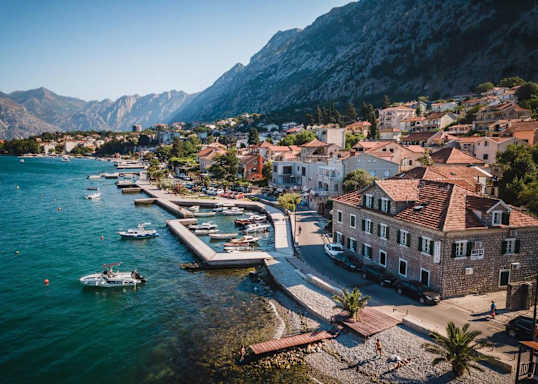
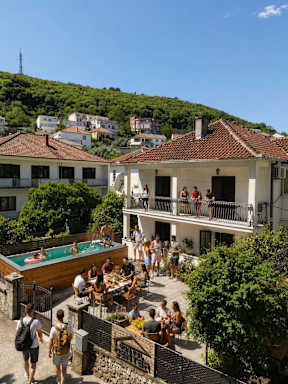
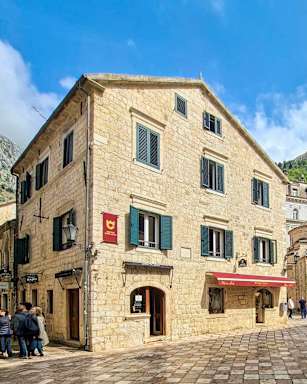
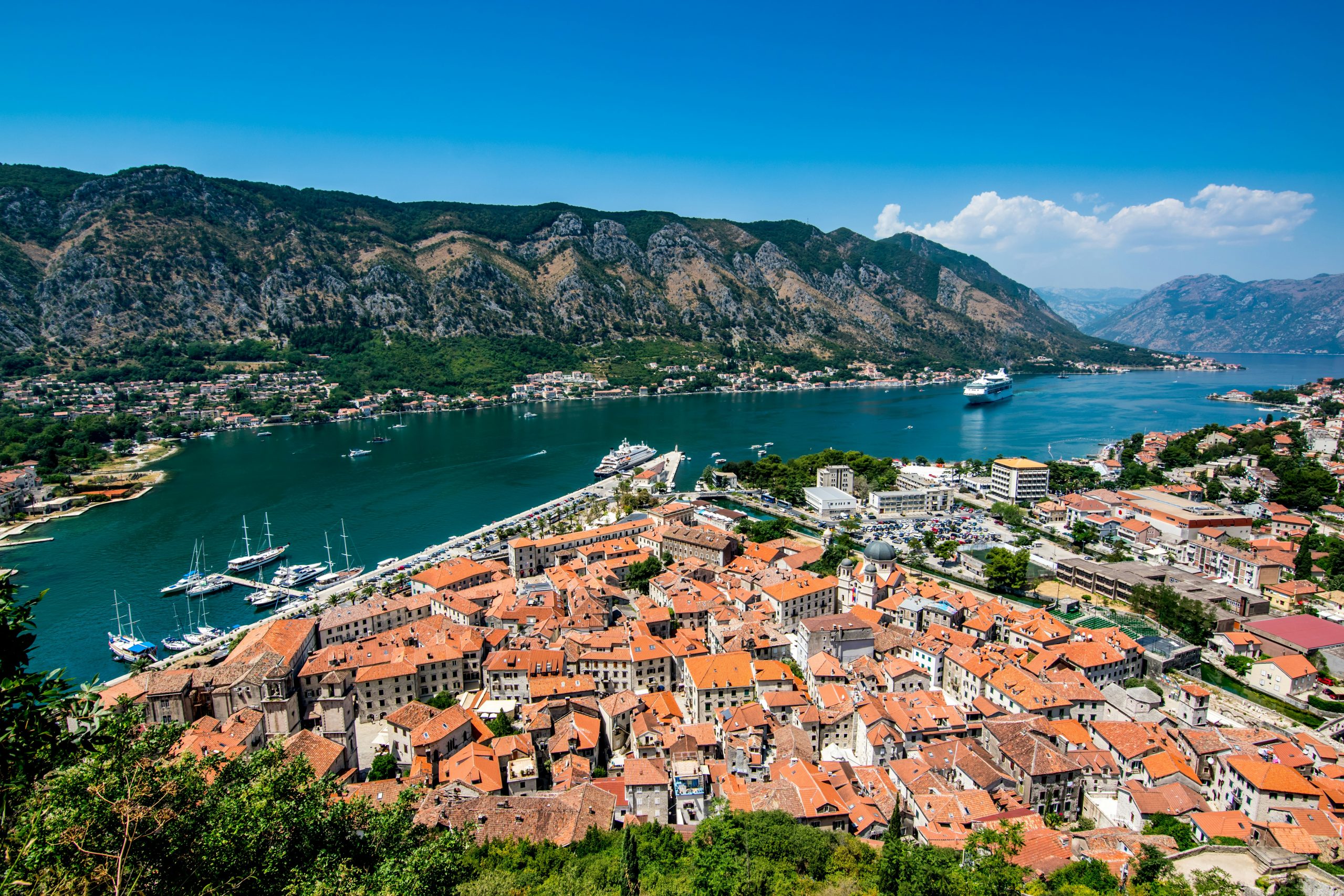
A Venetian walled town under a fortress, on a bay that looks like a fjord and is not one.
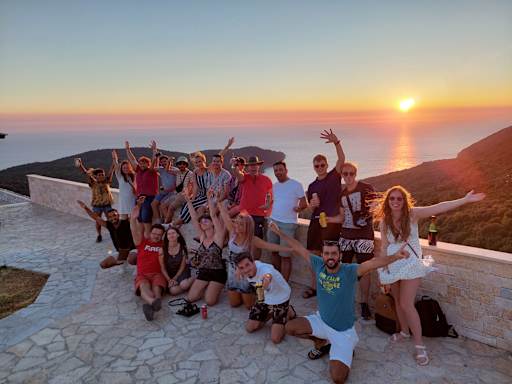
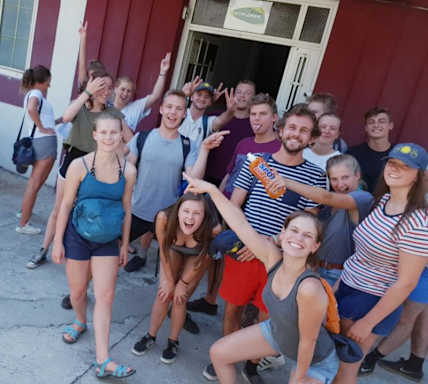
Kotor delivered a nice and calm as well as fun trip, would definitely come back again.
A traveller, on Hostelworld
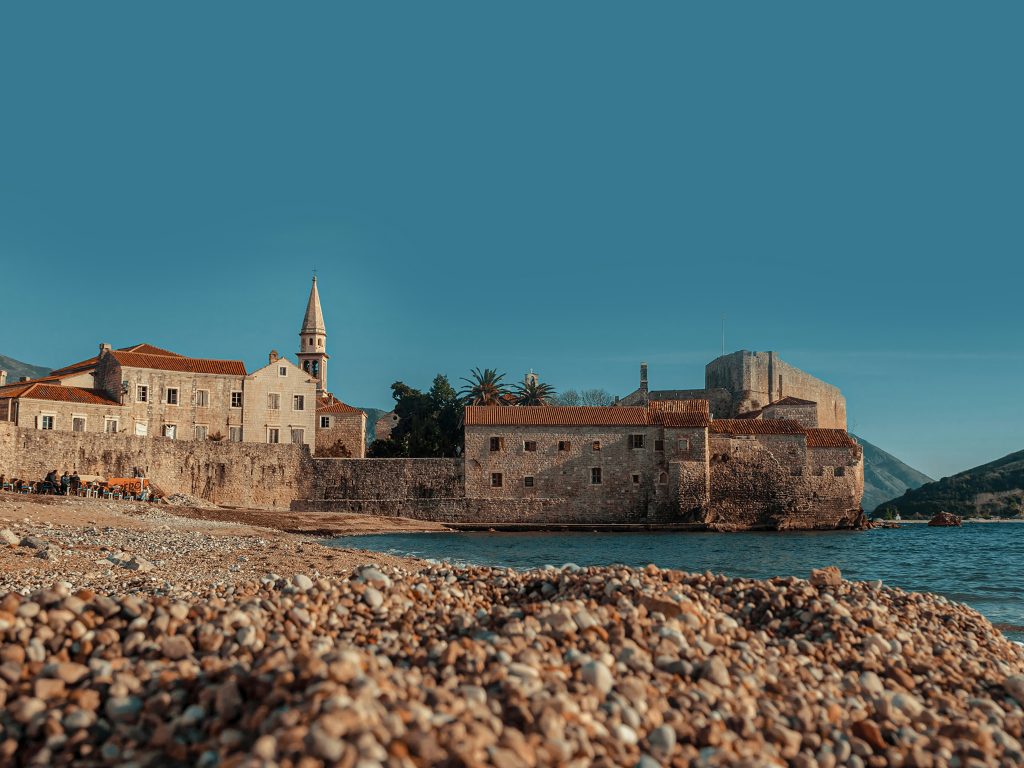
A country the size of Northern Ireland with a fjord-like bay, a Venetian walled town and mountains an hour inland. Small enough to see in five days and cheaper than Croatia next door.
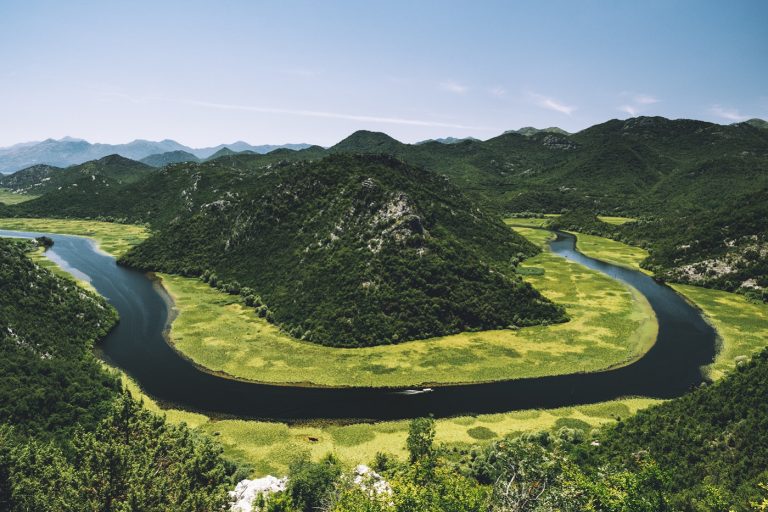
Montenegro is tiny — you can drive from the Adriatic to the Serbian border in three hours — and it packs in a disproportionate amount. The Bay of Kotor is a flooded river canyon that looks like a fjord, with Venetian towns around its edge and mountains rising straight from the water.
Kotor itself is the centrepiece: a walled old town below a fortress you climb for an hour to look down on the bay. It also takes cruise ships, so it is best early, late, or in the shoulder months.
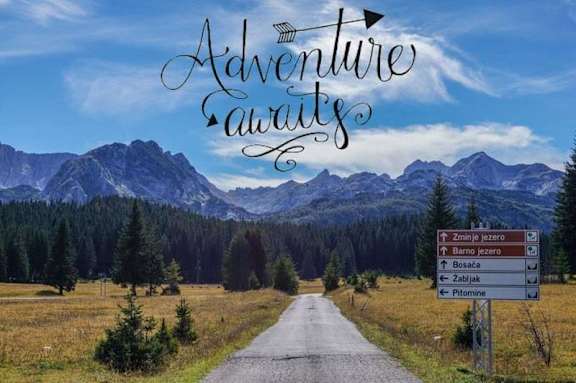
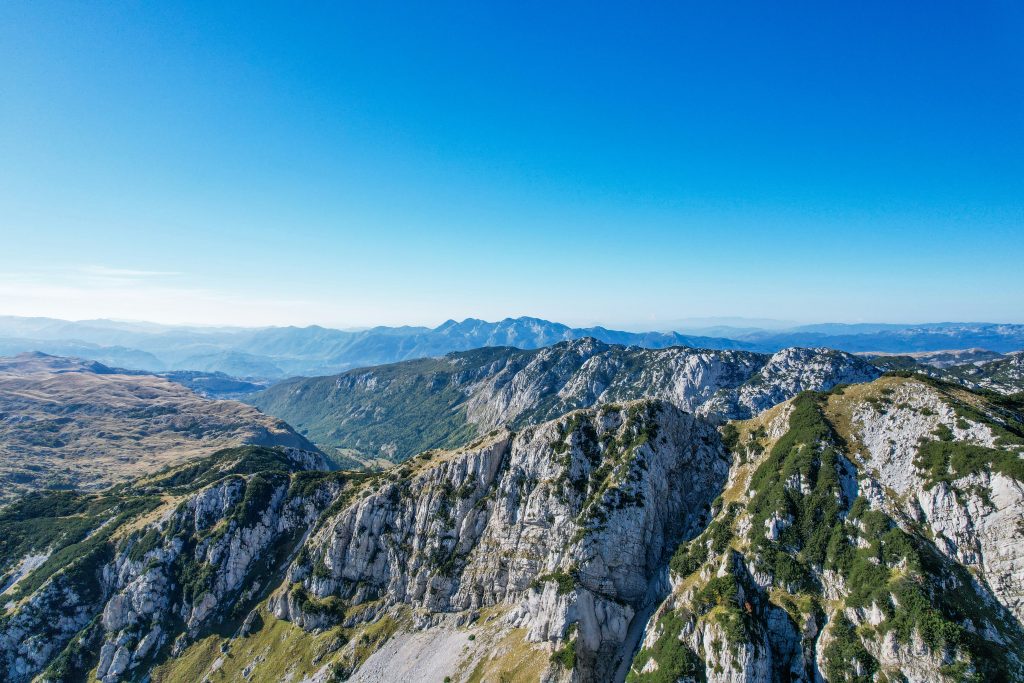
Inland is where fewer people go and where the country gets wilder. Durmitor National Park has the Tara canyon, the deepest in Europe, black pine forest and a ring road that is one of the best drives in the Balkans. Žabljak is the base, and it is cold and quiet compared with the coast.
The country is tiny. Kotor to Ulcinj is two hours, and the mountains are an hour inland.
A Venetian walled town under a fortress, on a bay that looks like a fjord and is not one.
Kotor delivered a nice and calm as well as fun trip, would definitely come back again.
A traveller, on Hostelworld
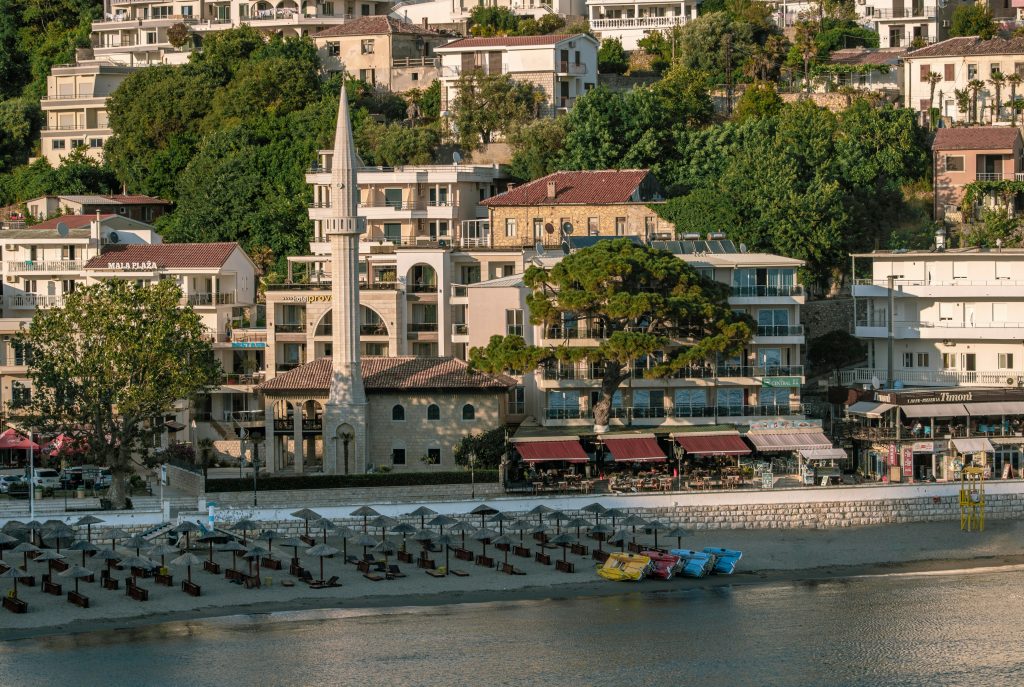
The party coast: old town, beaches, and clubs that run all summer.
Wow, Budva just amazes me. Everywhere cute little spots to explore, swim, eat and just live the best life. Friendly people everywhere and a very nice not to touristy vibe
A traveller, on Hostelworld
The Durmitor base: canyons, glacial lakes and the best hiking in the country.
The southern end, long sand beaches, and an Ottoman old town nearer Albania than Kotor.
Montenegro is coast and canyon, and you can do both in one short trip.
The Adriatic at lower prices than Croatia.
Durmitor, the Tara canyon and rafting through it.
Venetian, Ottoman and Orthodox, in a very small area.
Budva in summer, and very little elsewhere.
Cheaper than Croatia for the same sea.
Kotor's city walls climb 1,350 steps to the fortress of San Giovanni above the town, and the view down over the bay is the image of the country. Go at seven in the morning or after six in the evening — in July the middle of the day is brutal and the walls are full.
The bay itself is best seen from the water or from the old road up to Lovćen, which climbs in 25 hairpins with the whole bay opening below. Perast and the church on the island of Our Lady of the Rocks are a half day.
Inland, Durmitor is the other half of the country: glacial lakes, hiking between 2,000-metre peaks, and rafting the Tara canyon, the deepest in Europe at about 1,300 metres.
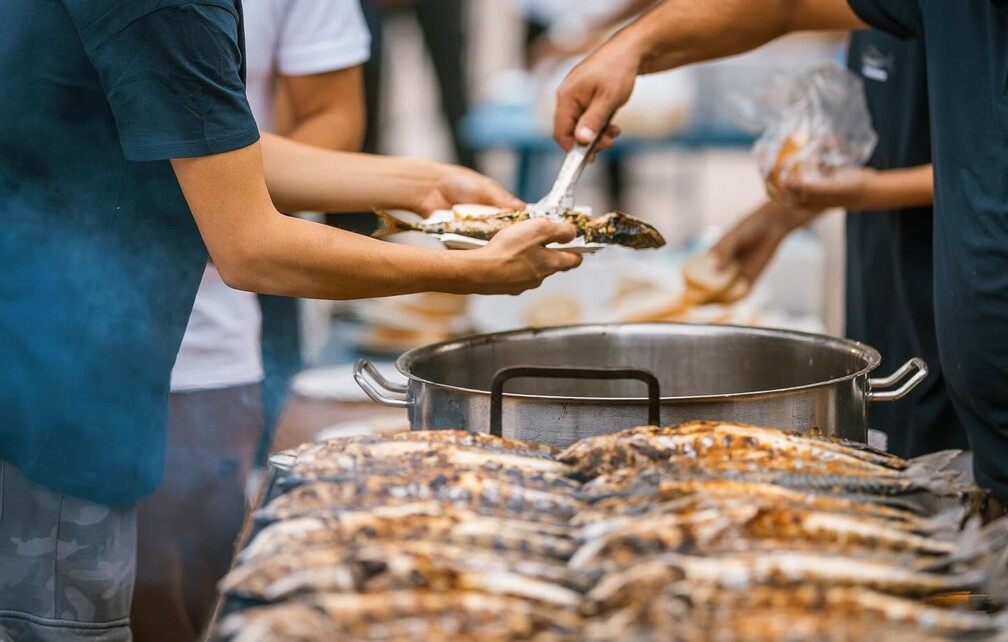
Coastal food is Adriatic: grilled fish, black risotto, octopus salad, and prices noticeably below Croatia for the same catch. Inland it turns Balkan and mountainous — lamb and veal cooked under a metal bell, smoked ham from Njeguši, and cheese that comes in oil.
Konobas are the family taverns and where you should eat. A full meal with a carafe of wine runs €12 to €18 on the coast and less inland.
Budva and the beach strips charge tourist prices for ordinary food. One street back, or in Kotor's less obvious corners, the same meal is a third cheaper and better.
Budva is the nightlife, and in July and August it is a full Adriatic party town: beach clubs, an old town of bars and a season that draws people from across the region. It is also the most expensive and the most crowded place in the country during those two months.
Kotor is the better balance — bars in the old town squares, a younger backpacker crowd because of the hostels, and prices well below Budva.
Outside summer the coast is quiet and the mountains are quieter still. Žabljak in winter is a ski town, and Podgorica has a student scene that few visitors ever see.
Buses connect the coast frequently and cheaply — Kotor to Budva is half an hour and a couple of euros — and reach inland towns including Žabljak a few times a day. The bus station website is unreliable; buy at the station or on the bus.
There is one scenic railway, Bar to Belgrade, which crosses the Mala Rijeka viaduct and is one of the great rail journeys in Europe, though timetables and reliability vary.
A car is the best way to see the country given how compact it is, and the Lovćen and Durmitor roads are the reason. Note the Sozina tunnel toll between the coast and Podgorica, and that the bay road is slow in summer traffic.
Montenegro uses the euro despite not being in the EU, and it costs noticeably less than Croatia for the same coastline. Dorms start around €14 in Kotor, rising to €30 or more in Budva in August.
Inland is cheaper again. Žabljak and Podgorica run well below the coast, and a full meal in a mountain konoba is €8 to €12.
The seasonal swing is sharp, as everywhere on the Adriatic: May, June, September and October give you the same sea at roughly half the July and August price, with far fewer people on the Kotor walls.
Montenegro is a safe country with low crime against visitors. Ordinary care applies in Budva's nightlife in August, which is busy and occasionally rowdy.
The risks are mostly outdoors. The Kotor walls are steep, uneven and exposed, and people get into difficulty in summer heat — take water and do not attempt it at midday in July. Durmitor is proper mountain terrain with fast-changing weather and limited mobile coverage.
Driving is the other one: the Lovćen serpentines and the old bay road are narrow with sheer drops and occasional tour buses coming the other way. They are manageable at low speed and unforgiving if rushed.
Montenegro is not in the EU or the Schengen area, though it uses the euro unilaterally. Time spent here does not count against the 90-day Schengen allowance.
EU, UK, US, Canadian and Australian citizens enter visa-free for 90 days in a 180-day period. Passports should be valid for the duration of the stay.
Borders with Croatia, Bosnia, Serbia, Kosovo and Albania are all used by regular buses and are straightforward, though the Croatian crossings can queue badly in July and August.
The coast runs May to October and the mountains June to September. July and August are hot, full and the only time the Kotor walls are unpleasant.
Average highs for Kotor. Durmitor at 1,450m is far colder, with snow from November to April and hiking generally June to early October.
Pick how you travel and how long for. Per night, for one person, outside July and August on the coast.
Excludes rafting and the Kotor walls entry. August coastal prices run roughly double these figures.
A short summer calendar, concentrated on the coast.
Staff pick
The Boka Marathon in Kotor, Montenegro, offers runners a unique opportunity to race along a super fast and flat AIMS-certified route stretching from Tivat…
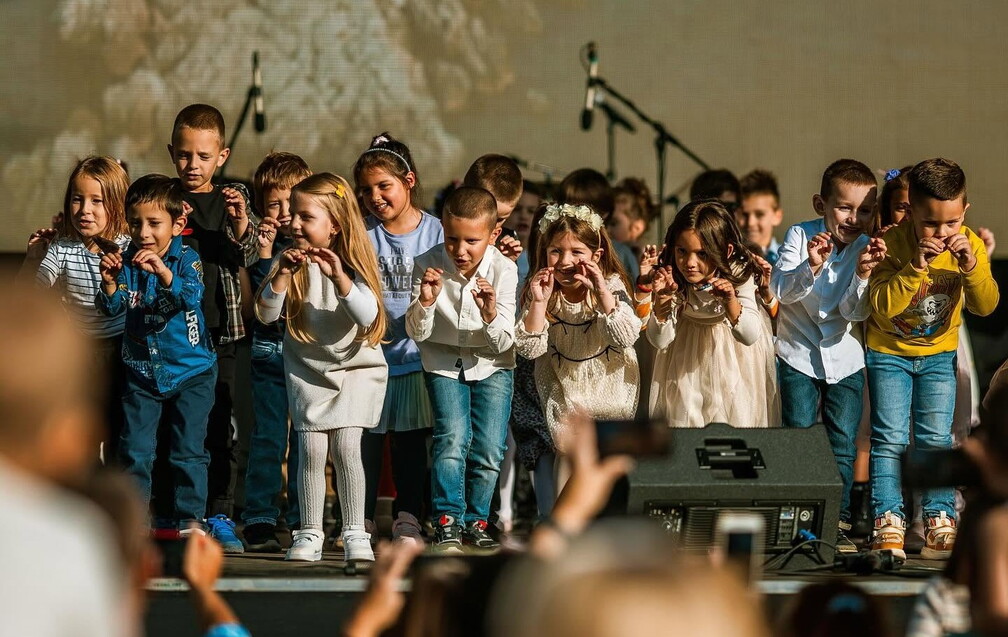
The 56th Dan Širuna is a long-standing city event in Budva celebrating local culture with children's and sports programs, musical performances, and free tastings…
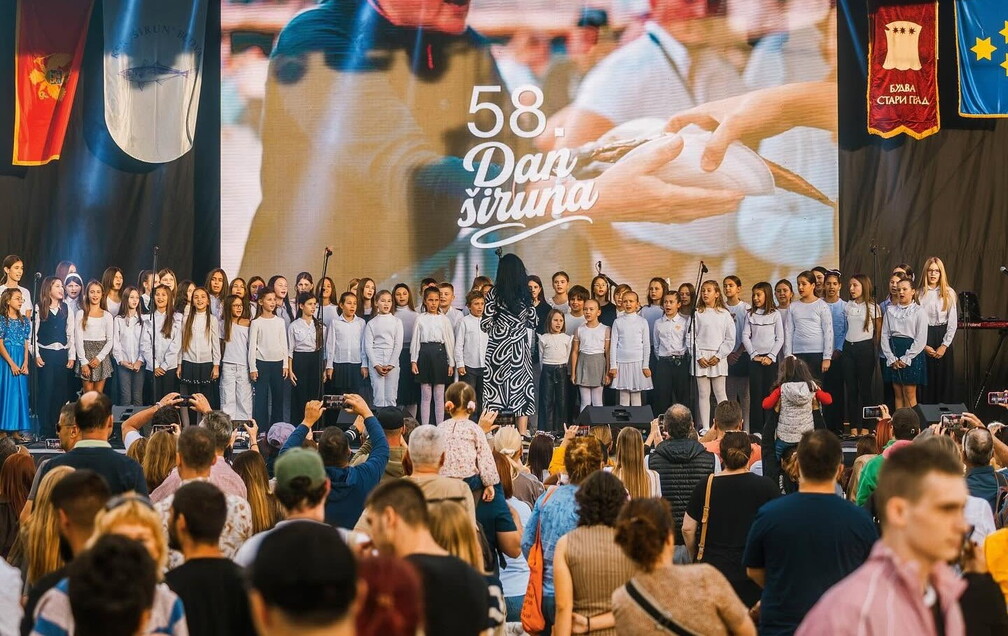
The 58th Dan Siruna is a lively celebration of fish, wine, and beer held in the square in front of the Old Town. The…
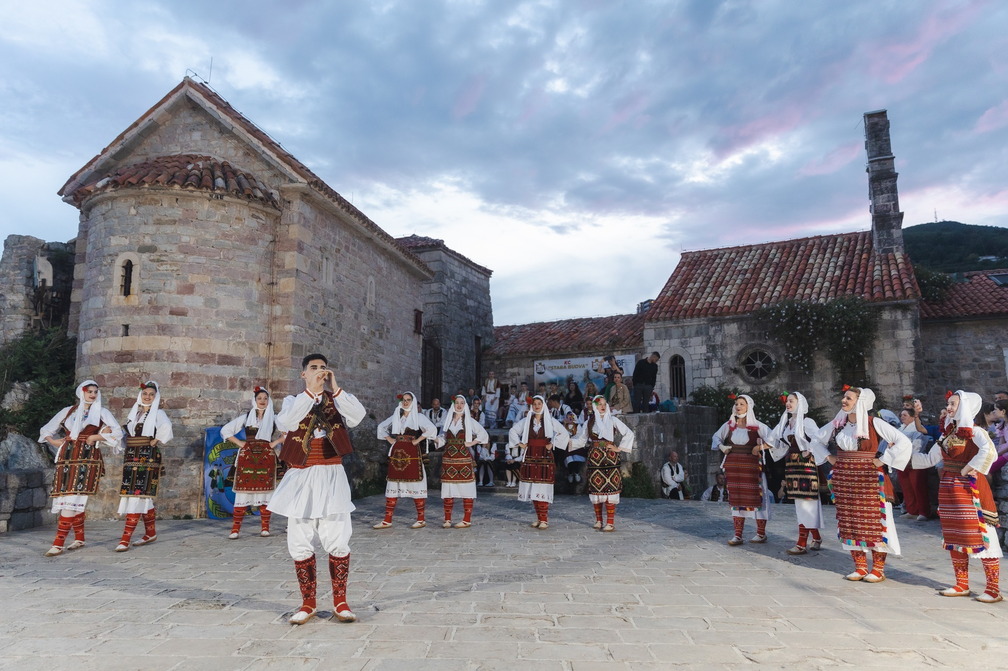
Folk groups, choral ensembles, orchestras, and majorette teams from around the world gather in Budva for this international celebration of cultural traditions through dance…
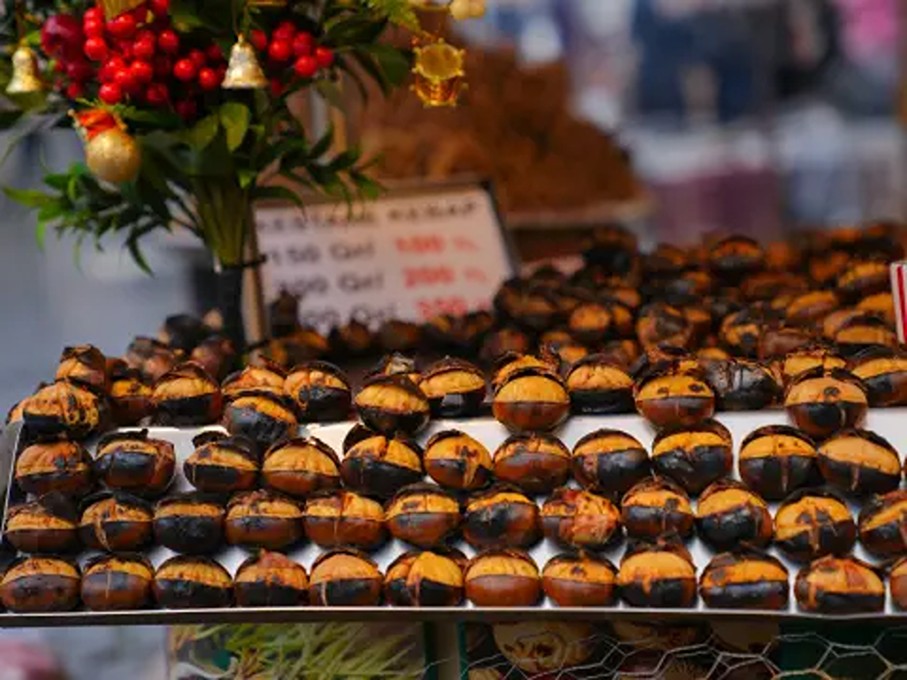
Every November, the sleepy bayside village of Stoliv wakes up for Kostanjada, a chestnut festival celebrating the harvest from the groves on the Vrmac…
Bulgarian singer Boris Nikolaienov performs live at Mediteranski Sportski Centar in Budva, Montenegro, on November 23, 2026. The concert is his first performance in…
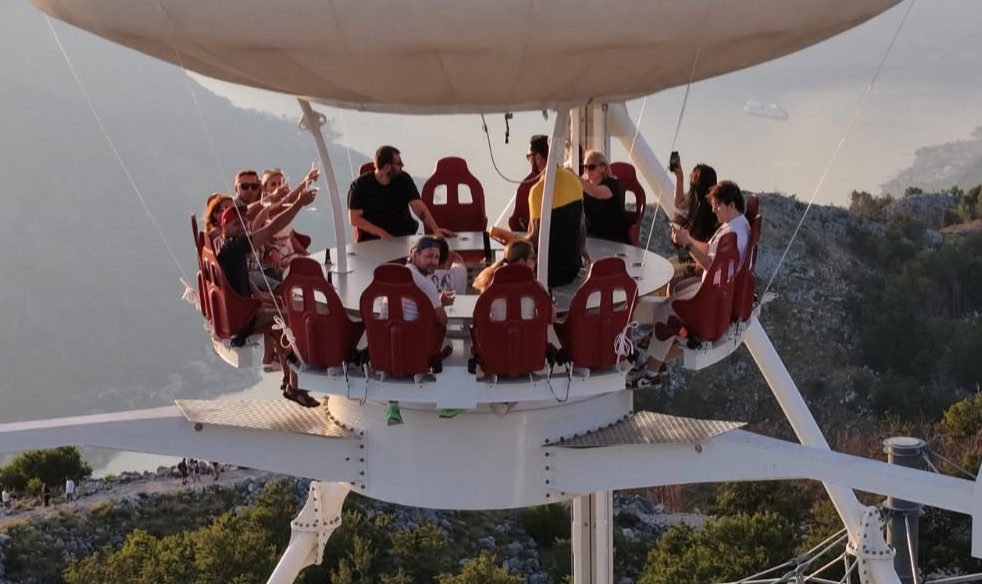
At 1,400 meters above sea level, this sunset experience pairs DJ beats with signature cocktails while you take in panoramic views of the Bay…
The 57th Dan Siruna is a traditional Budva festival celebrating fish, wine, and beer with a diverse program including children's activities, sports, gastronomy, and…
The highest-rated hostels in the country, live from Hostelworld. Kotor has the best backpacker scene; Budva is busier and pricier in summer.
The ones we get asked most.
Compare hostels across Montenegro — live prices, real reviews and free cancellation on most bookings. Then meet the people already there in the app.