Old town
First-timersThe walled town, car-free and compact.

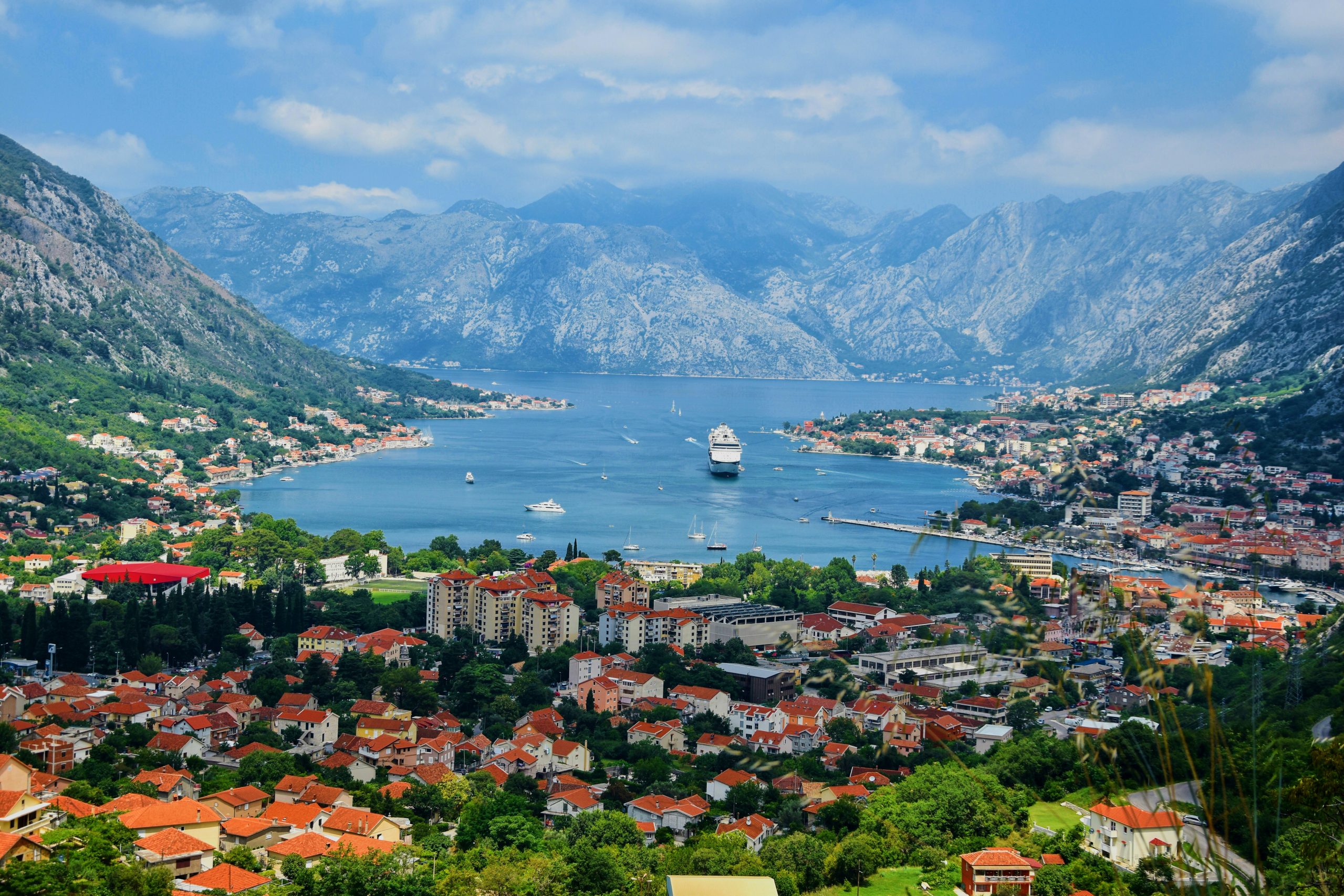
A Venetian walled town below a mountain fortress, at the end of a bay that looks like a fjord. The centrepiece of Montenegro, and best early in the morning.
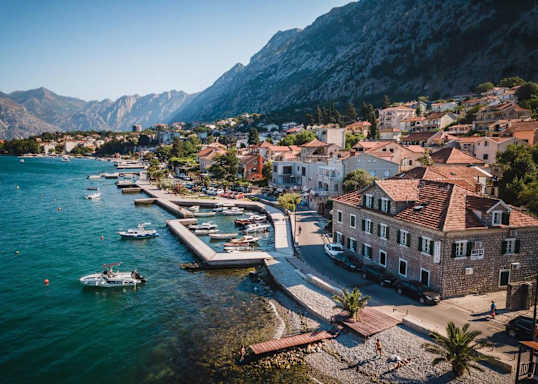
The Bay of Kotor is a flooded river canyon that winds twenty-eight kilometres inland from the Adriatic, with mountains rising straight out of the water. Kotor sits at its innermost corner, a triangle of old town squeezed between the water and a cliff, enclosed by walls that climb the mountain behind it to the fortress of San Giovanni.
The town was ruled by Venice for nearly four centuries, and its marble squares, churches and palaces show it. The old town and the bay are a UNESCO World Heritage Site.
Kotor is also a major cruise port, and in summer its lanes fill up by mid-morning. Stay the night and see it early and late. Two or three days covers Kotor and the bay, with Perast, Lovćen and Budva close by.
The old town is small and car-free. Dobrota and Muo, along the bay either side, are quieter.
The walled town, car-free and compact.
The waterfront village north of the old town, with stone palaces.
The village across the bay, with swimming spots.
Just behind the old town, residential and cheaper.
Orange labels are neighbourhoods, dots are the 6 top-rated hostels. Map © MapTiler © OpenStreetMap contributors.
Climb the walls to the fortress of San Giovanni, about 1,350 steps above the town, for the view over the bay. It costs €15, and it is brutal in the midday heat: go at seven in the morning or after six in the evening. The Ladder of Kotor, an old mule track that zigzags up the mountain from outside the northern gate, reaches the same fortress for free.
In the old town, the Cathedral of St Tryphon, consecrated in 1166, is the main church. The Maritime Museum tells the story of the bay's seafaring families. Kotor is also famous for its cats, which are everywhere; there is a museum to them.
Take a boat or bus to Perast, a small baroque town twenty minutes along the bay, and a boat to Our Lady of the Rocks, a church on an artificial island.
Drive or take a tour up the old road to Lovćen, which climbs in twenty-five hairpins above the bay, to the mausoleum of Njegoš, Montenegro's poet-prince, on the summit.
The old town is free to wander, and so are its squares and churches from outside.
The Ladder of Kotor, the old path up the mountain, is free, and reaches the fortress without the €15 ticket.
Walking along the bay to Dobrota and swimming off the rocks are free.
Kotor's food is Adriatic: seafood, grilled fish, black risotto with squid ink, and mussels cooked buzara style, with wine, garlic and breadcrumbs.
From the mountains come Njeguški pršut, the smoked ham of the village of Njeguši above the bay, and its cheese, served together as a starter.
Restaurants in the old town squares charge for the setting. The konobas outside the walls and along the bay are better value. A full meal costs €10 to €18.
Kotor's nightlife is in the old town squares, where bars stay busy in summer with a young, mixed crowd.
It is livelier than most of the bay and quieter and cheaper than Budva, which is half an hour away for bigger nights.
A beer is €2.50 to €4.
The old town is car-free and walkable.
Tivat airport is about eight kilometres away; Podgorica airport is about an hour and a half; Dubrovnik airport in Croatia is about two hours across the border.
Buses run to Budva in about half an hour for a couple of euros, and along the bay to Perast and Herceg Novi. The bus station is a short walk from the old town. Buy tickets at the station or on the bus.
The bay road is slow in summer traffic. For Lovćen, a car or a tour is easiest.
Kotor is cheaper than Croatia for the same coastline, but it is the most visited town in Montenegro and prices rise in July and August. Dorms start around €14 outside the peak.
A careful day is €35 to €50. The costs that add up are the walls, boat trips and eating in the old town.
The euro is the currency. Carry some cash; not every konoba takes cards.
Kotor is very safe.
The walls and the Ladder of Kotor are steep, rocky and exposed, with no shade and uneven steps. Climb early or late, wear proper shoes and carry water.
When several cruise ships are in, the old town is extremely crowded; watch your bag.
Emergency number is 112.
The bay has more than a day's worth of towns, islands and mountain roads.
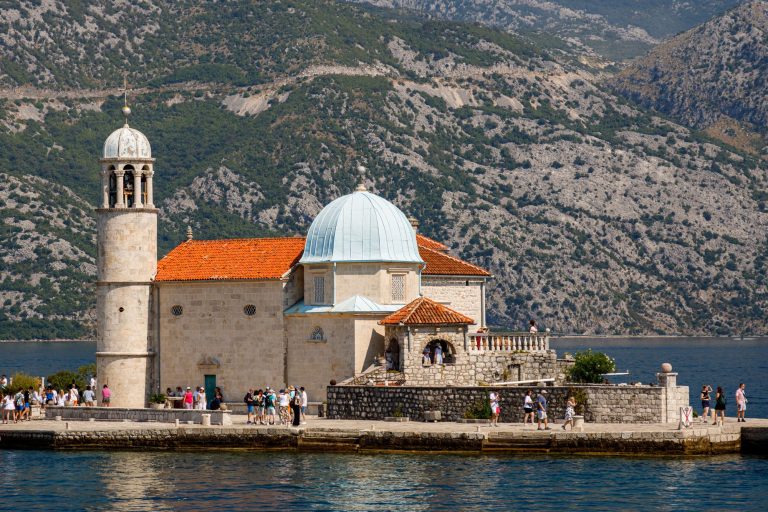
A small baroque town, and a boat to the church on its artificial island.
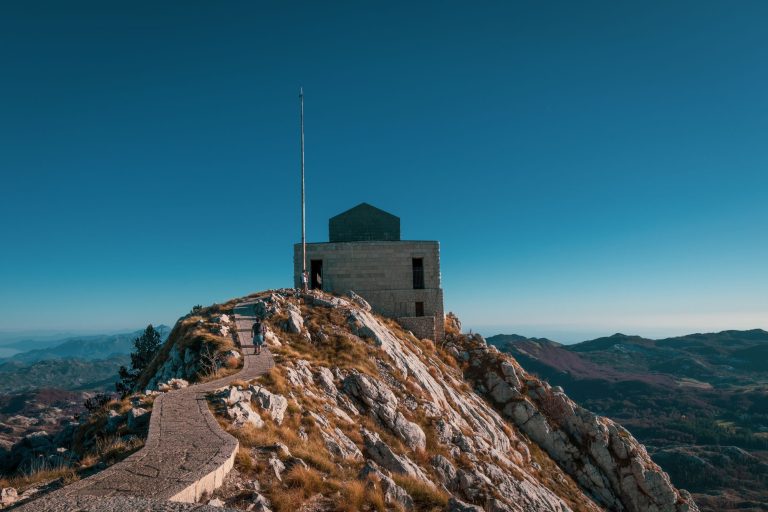
The serpentine road above the bay, the village of smoked ham, and Njegoš's mausoleum.
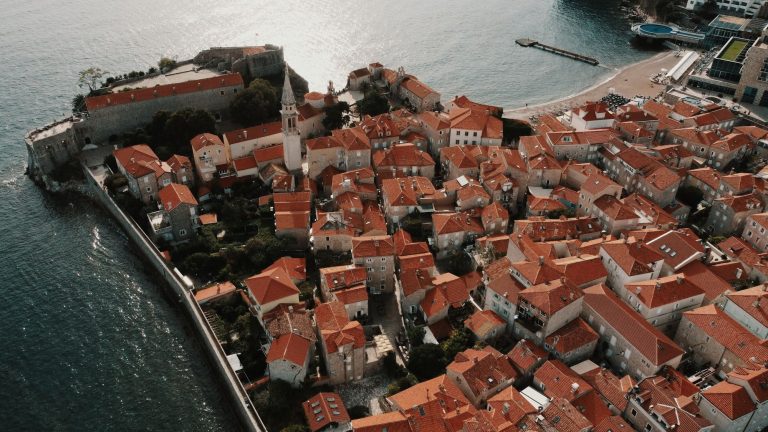
Beaches, a walled old town and the nightlife.
Kotor has a carnival in winter and a night of boats on the bay in summer.
 Staff pick
The Boka Marathon in Kotor, Montenegro, offers runners a unique opportunity to race along a super fast and flat AIMS-certified route stretching from Tivat…
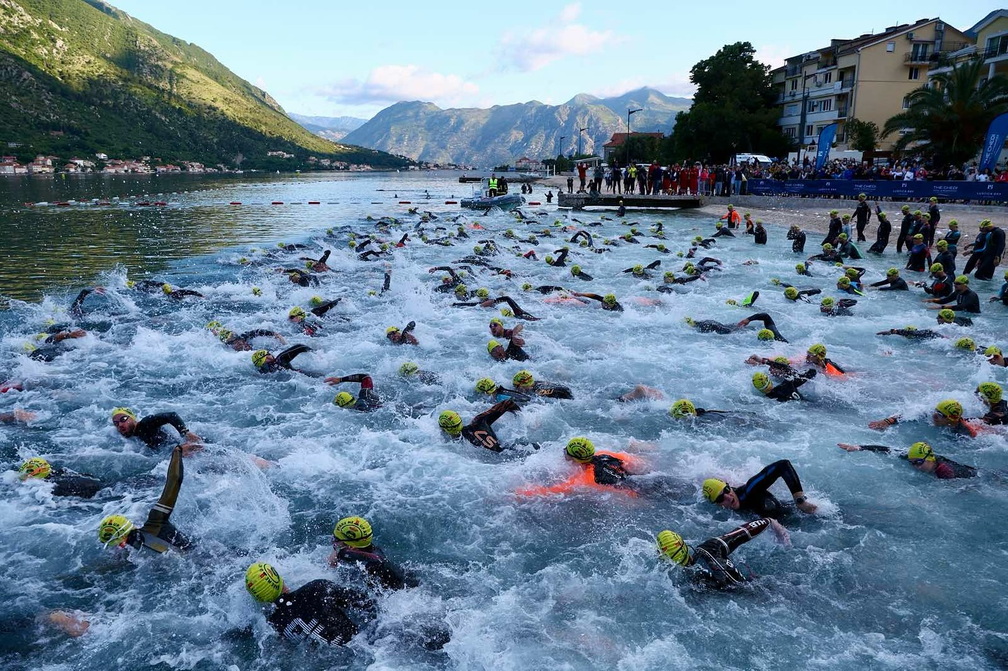
Ocean Lava Montenegro brings athletes to one of the Adriatic's most dramatic settings, where the Bay of Kotor meets ancient stone walls and mountain…

Ocean Lava Montenegro brings together swimmers, cyclists, and runners who share a drive to push past their limits in one of the Adriatic's most…

Kotor's medieval streets and Adriatic setting create the backdrop for this boutique tango marathon, where the focus stays on quality over quantity. Over three…
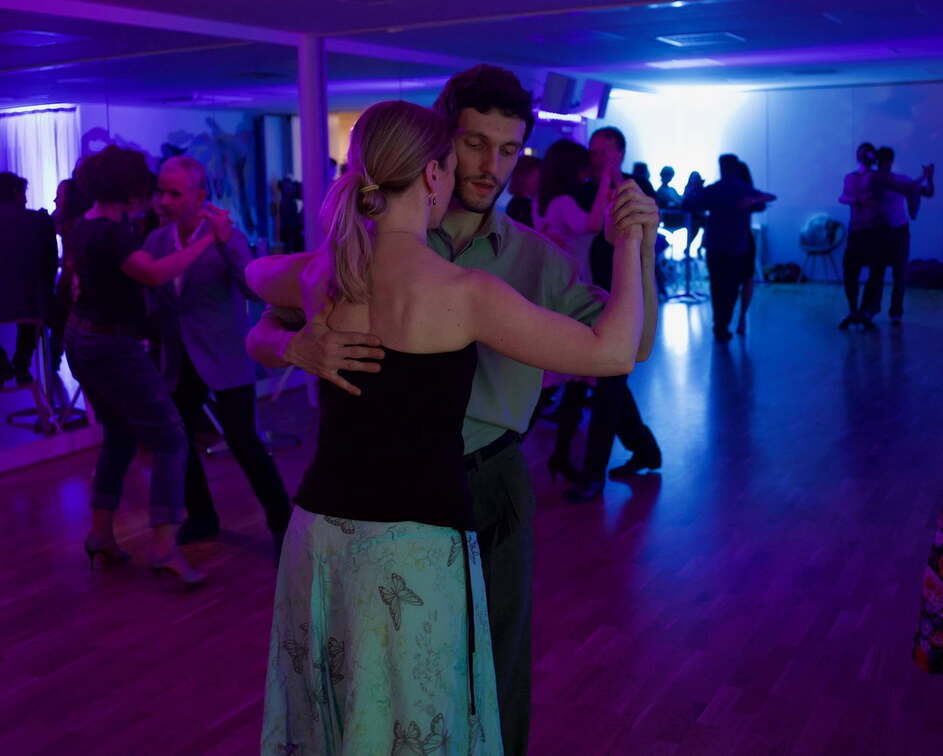
Kotor, a UNESCO World Heritage medieval city by the sea, sets the stage for this boutique tango marathon in October 2026. The weekend blends…
The top-rated places to stay in Kotor right now, live from Hostelworld.
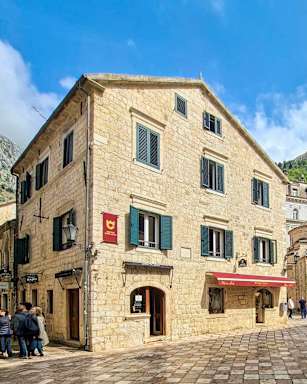
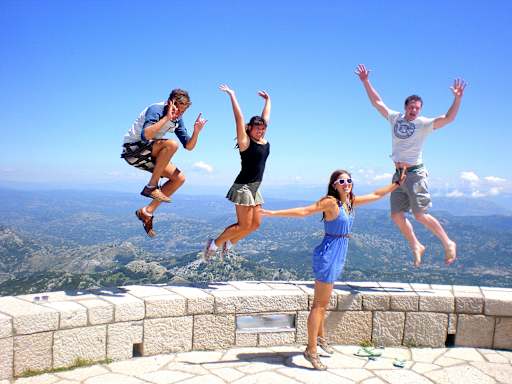
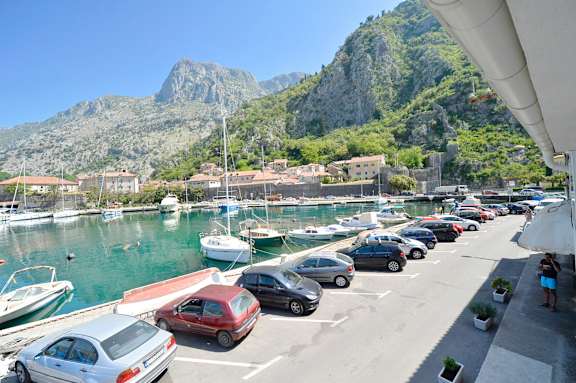
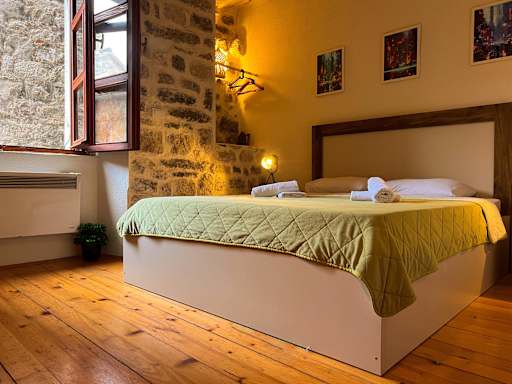
May, June, September and October are best. July and August are hot and crowded with cruise passengers.
Average highs. Winters are wet: the mountains above the bay are among the rainiest places in Europe.
Pick how you travel. Per person per night, in euros.
Excludes the €15 walls ticket and boat trips.
The ones we get asked most.

Compare Kotor hostels — live prices, real reviews and free cancellation on most bookings. Then meet the people already there in the app.

 Get the App.
 Get the App.