Tbilisi
Sulphur baths, crumbling balconies, Soviet brutalism and the best food and nightlife in the Caucasus.
Tblisi is one of my favorite city in my traving list.
A traveller, on Hostelworld
Eight thousand years of winemaking, the Caucasus mountains, and a visa policy that lets most nationalities stay a year. Tbilisi has become the place people go and then do not leave.
Georgia sits where Europe and Asia argue about the border, and it has spent three thousand years being invaded by both. The result is a country with its own alphabet, its own church, its own polyphonic singing and a wine tradition that predates almost everyone else's by several thousand years.
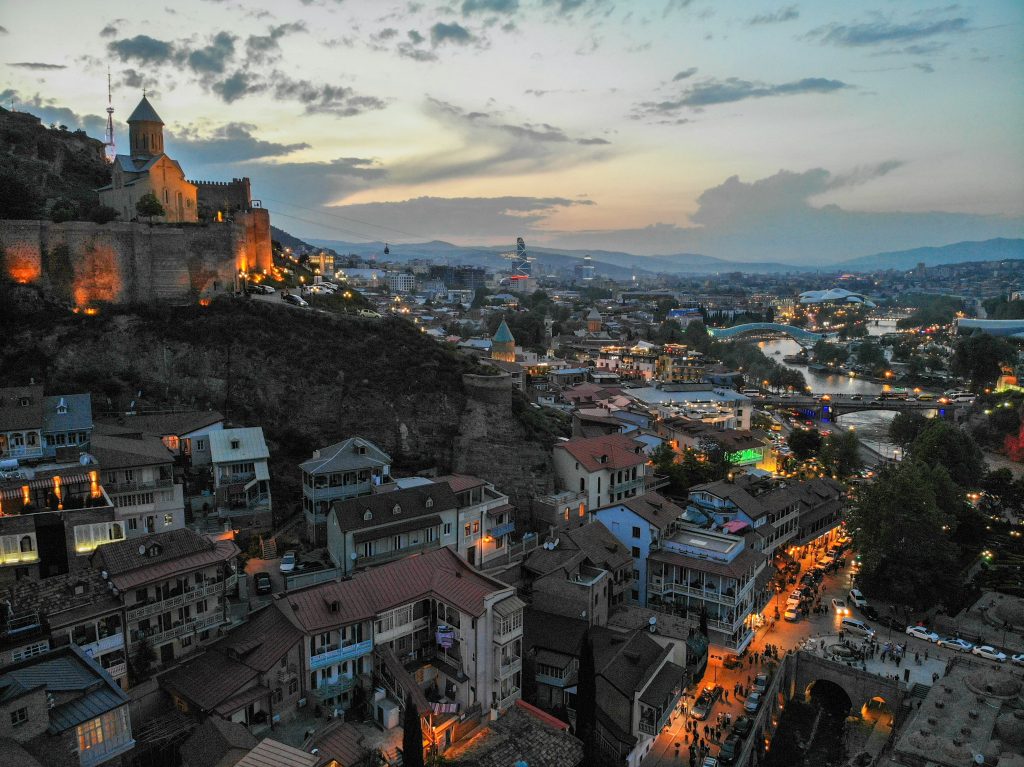
Tbilisi is the reason most people come. Sulphur baths under brick domes, wooden balconies falling off old houses, Soviet blocks, a brutalist ministry building people fly in to photograph, and a bar and club scene — Bassiani in particular — that gets written about across Europe. It is also extremely cheap.
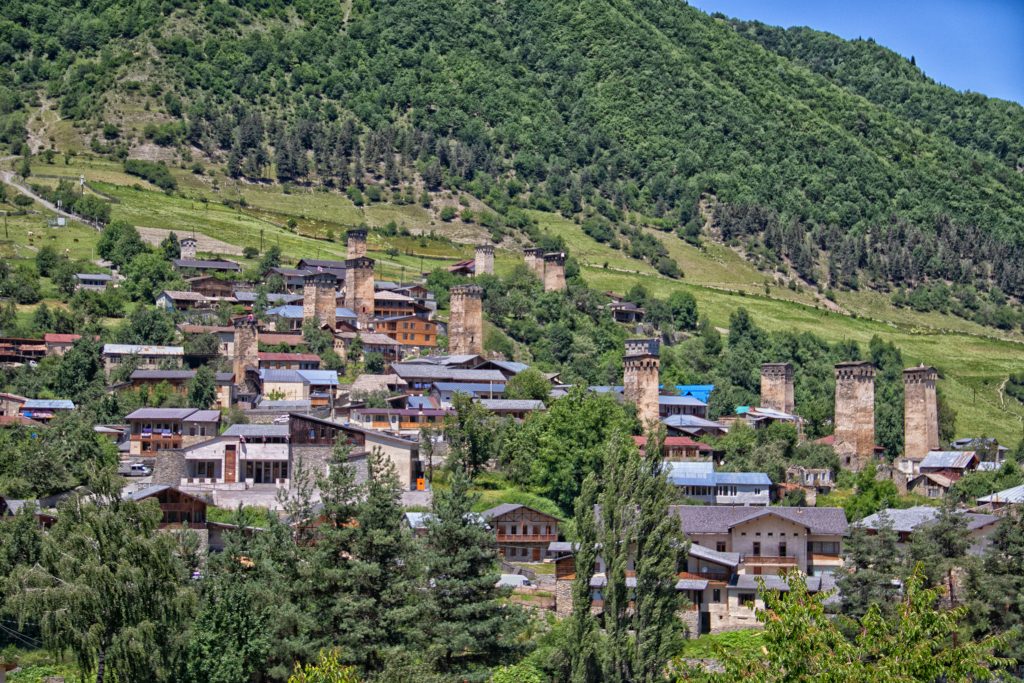
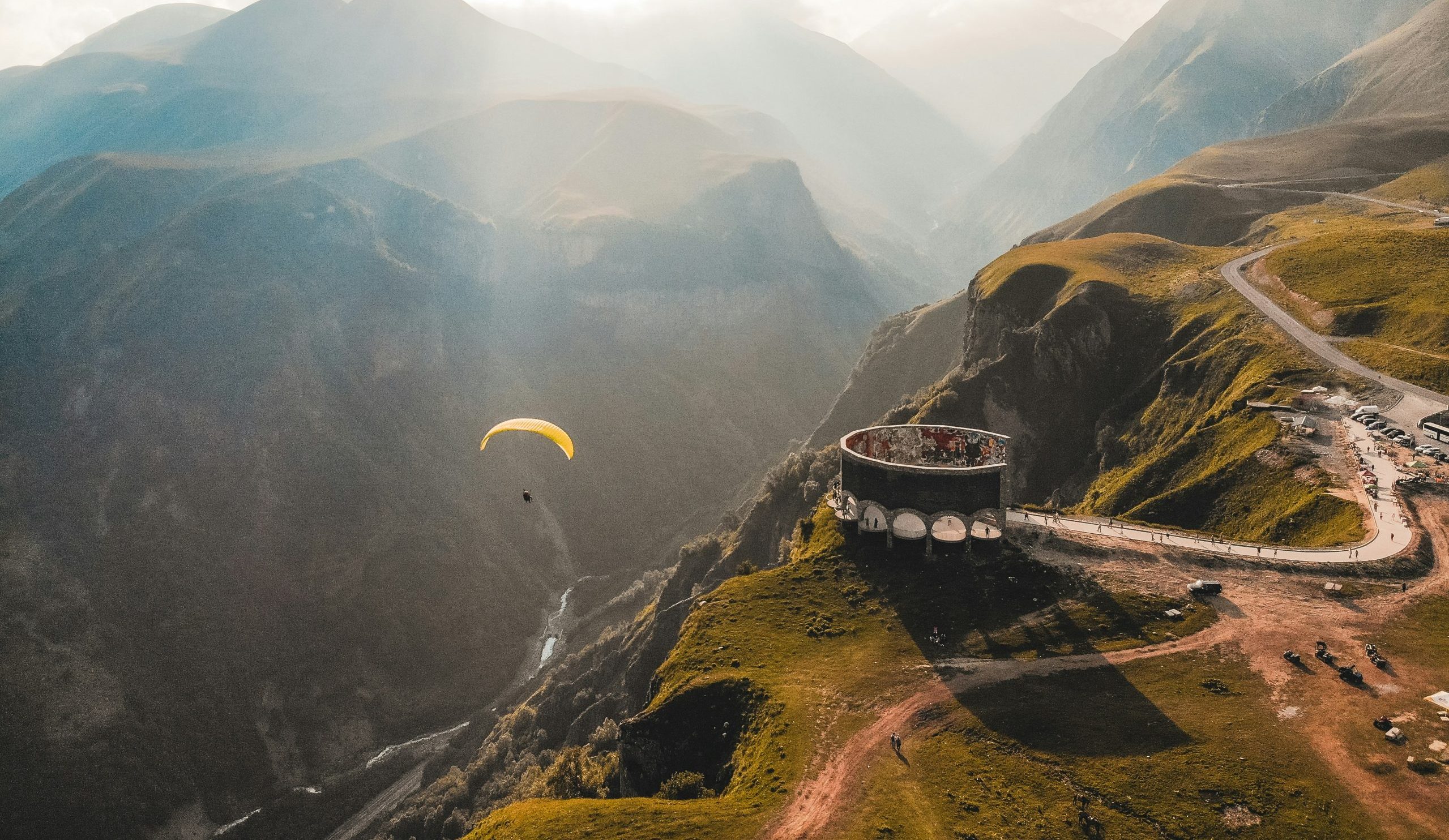
Behind it are the mountains. Kazbegi is three hours north with a church on a ridge under a 5,000-metre peak, and Svaneti, further west, has stone defensive towers in villages that were effectively unreachable until recently. Between them and the coast at Batumi, Georgia packs a great deal into a country the size of Ireland.
Marshrutka minibuses and trains link everything. Distances are short but mountain roads are slow.
Sulphur baths, crumbling balconies, Soviet brutalism and the best food and nightlife in the Caucasus.
Tblisi is one of my favorite city in my traving list.
A traveller, on Hostelworld
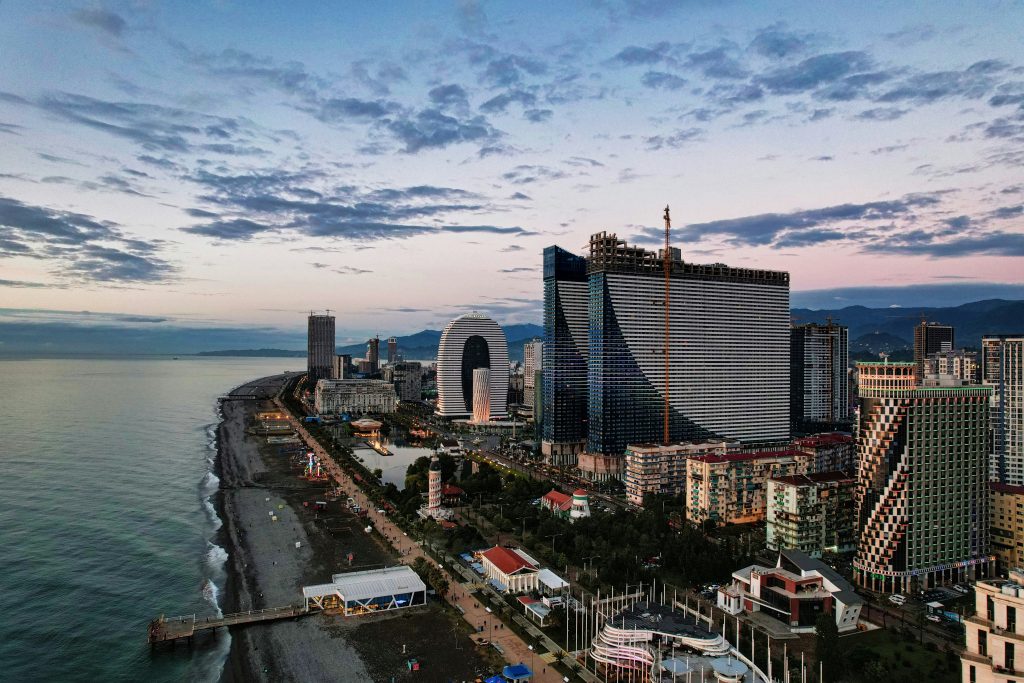
The Black Sea city: casinos, a pebble beach, botanical gardens and skyline that makes no sense.
What an experience, I am totally for the wow of the Boulevard but even more so if you take time to walk about through town and get a better feel for the culture and how it's developing at an enormous pace. Very impressed.
A traveller, on Hostelworld
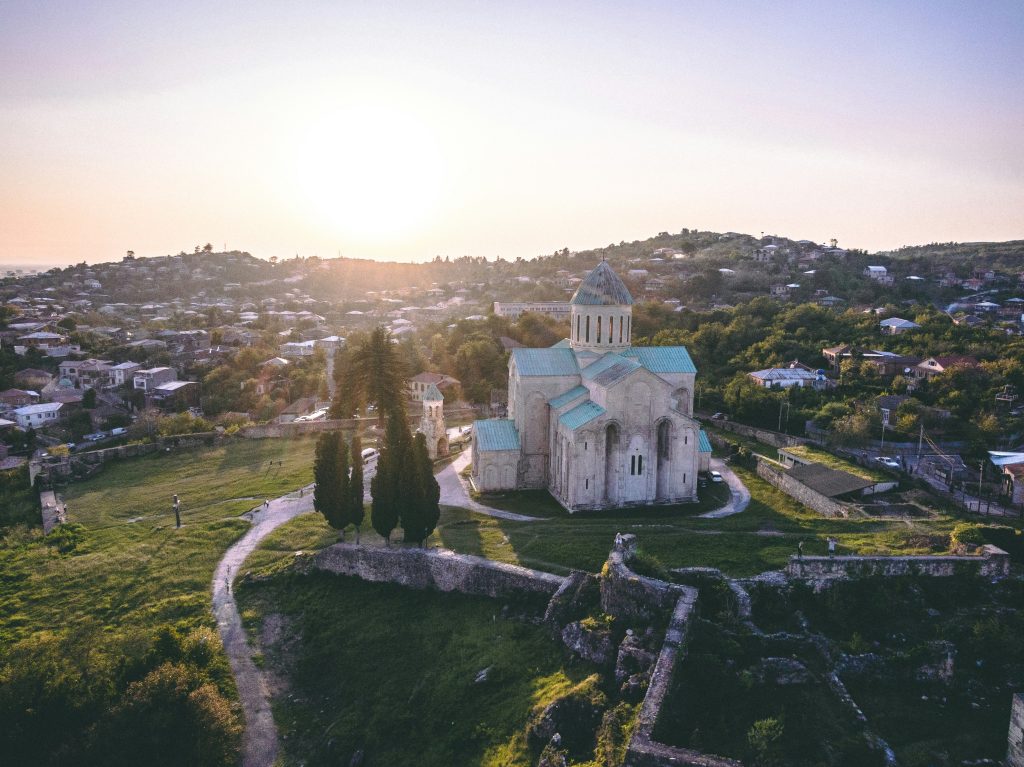
The cheap flight hub, with cave monasteries, canyons and a working city that is not built for tourists.
I would recommend people to visit Kutaisi. The locals are friendly and it's easy and cheap to get from Tbilisi using the train or the bus. There's a lot to see locally which you can do alone or with tours. The clubs are amazing also with good music.
A traveller, on Hostelworld
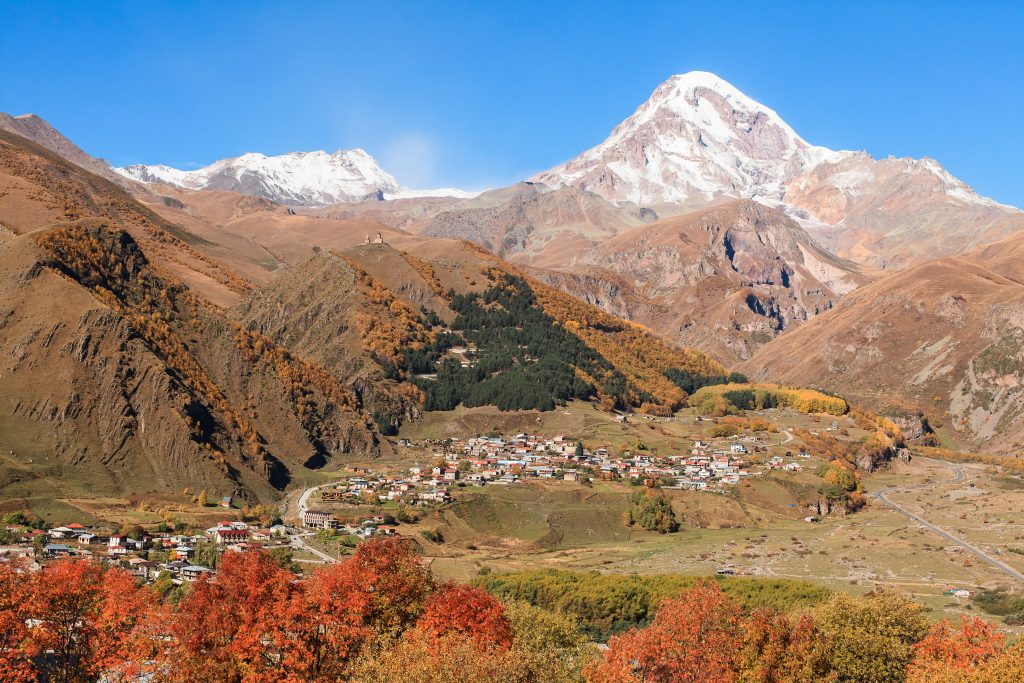
Stepantsminda, under a 5,000m peak, with Gergeti Trinity church above and hiking in every direction.
The Svaneti base: stone defensive towers, glaciers and the best trekking in the country.
The walled wine town in Kakheti, and where people stay to drink their way around the qvevri cellars.
Georgia does mountains, wine and one of the best nightlife cities in this part of the world.
The Caucasus, which are higher than the Alps and far emptier.
Khinkali, khachapuri and 8,000 years of wine.
Tbilisi has a techno scene with a European reputation.
Orthodox monasteries, Soviet concrete and cave cities.
One of the cheapest countries reachable from Europe.
The Black Sea at Batumi, which is pebbles and palm trees.
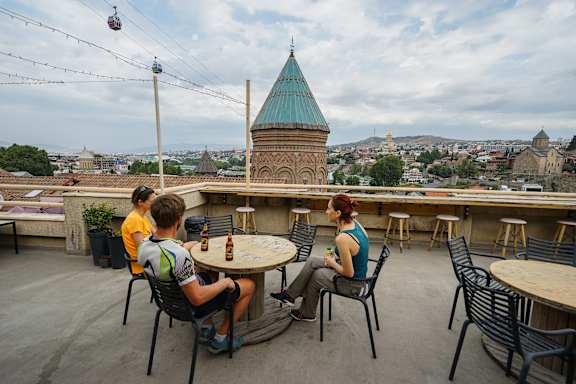
Tbilisi's sulphur baths in Abanotubani are the first thing to do: private rooms with hot sulphur water for €10 to €25 an hour, in brick domes the city was founded around. Above them, Narikala fortress gives the view; below, the old town's wooden balconies are collapsing picturesquely and being restored in patches.
Kazbegi, three hours north on the Georgian Military Highway, is the standard first trip out: Gergeti Trinity church on a ridge with Mount Kazbek behind it, walkable in a couple of hours from the town.
Svaneti is the serious one. Mestia to Ushguli is a four-day trek between villages of medieval stone towers, with guesthouses each night, and it is among the best walks in this part of the world. Kakheti, east of Tbilisi, is the wine region, where qvevri — clay vessels buried in the ground — have been used for 8,000 years.
Georgian food is one of the great cuisines and almost nobody outside the region knows it. Khinkali are soup dumplings held by the knot, bitten, drunk from and never eaten by the stalk. Khachapuri is bread and cheese in several regional forms, the Adjarian version arriving as a boat of molten cheese with an egg on top.
A supra is a feast with a tamada, a toastmaster, who structures the evening through toasts. Being invited to one is the best thing that can happen to you here, and the hospitality is not performative.
Wine is made in qvevri, clay vessels buried underground, in a method 8,000 years old and UNESCO-listed. It is cheap, often amber rather than white, and the family producers in Kakheti will pour you several glasses for the price of a coffee in Vienna.
Tbilisi has a techno scene with a genuine international reputation. Bassiani, in a former swimming pool under the national stadium, and Khidi, under a bridge, are written about alongside Berlin's clubs and take their door policies and their politics seriously.
Fabrika, a Soviet sewing factory turned into a hostel and courtyard, is where most travellers start the evening, and the surrounding Vera and Sololaki districts have the bars and natural wine places.
Prices are the other part: a beer is €1.50 to €3, a glass of good wine €2 to €4, and a night that would cost €100 in western Europe costs a fraction of it.
Marshrutkas — shared minibuses — go everywhere, leave when full and cost a euro or two for short hops, ten or so for the long ones. They are the transport and they are not comfortable.
Trains link Tbilisi with Batumi and Kutaisi and are slower, cheaper and considerably more pleasant; the overnight to Batumi saves a night's bed.
For the mountains, shared 4x4s run from Zugdidi to Mestia and from Mestia to Ushguli, and the roads are rough enough that nothing else attempts them. Renting a car is possible and driving standards are best described as assertive.
Georgia is one of the cheapest countries reachable from Europe. Dorms start around €9, a khachapuri is €2 to €4, a full restaurant meal with wine is €8 to €14, and a marshrutka across the country costs less than a coffee in Vienna.
Tbilisi is the most expensive part and has risen with the influx of remote workers, though it remains inexpensive by any European standard.
The lari is the currency. Cards work in Tbilisi and the cities; carry cash for marshrutkas, mountain guesthouses and markets. ATMs are widespread and fees vary, so withdraw larger amounts.
Georgia has low crime and travellers generally report feeling very safe, including women travelling alone in Tbilisi. Hospitality towards guests is a cultural obligation and it shows.
The genuine risks are roads and mountains. Driving standards are poor by European measures, mountain roads are unguarded, and marshrutka drivers overtake optimistically. In the Caucasus, weather changes fast, trails are less waymarked than in the Alps, and rescue is slower.
Politically, Abkhazia and South Ossetia are occupied territories that cannot be entered from Georgia proper, and the administrative boundary lines have seen detentions. Do not approach them, and check current advice, as the situation shifts. Large political demonstrations have taken place in central Tbilisi since late 2024; avoid them.
Georgia is not in the EU or Schengen, so time here does not count against the 90-day Schengen allowance.
Citizens of around 95 countries, including the EU, UK, US, Canada and Australia, can enter visa-free for a full 365 days, which is among the most generous policies anywhere and is why Tbilisi has a large population of long-stay remote workers. Check the official position before travel, as it can change. Since 1 January 2026, all foreign tourists must also hold health and accident insurance for their whole stay, with at least 30,000 lari of cover, and can be asked to show it at the border.
Passports should be valid for the length of the stay. Land borders with Turkey, Armenia and Azerbaijan are open and used by buses; the Russian border crossing at Verkhny Lars is open but conditions vary.
Spring and autumn are best overall. Mountain trekking runs June to September, skiing December to March, and Tbilisi in July and August is uncomfortably hot.
Average highs for Tbilisi, which sits in a valley and gets very hot in summer. Svaneti and Kazbegi are far colder, with trekking generally June to September.
Pick how you travel and how long for. Per night, for one person, at Georgian prices.
Prices are in lari locally; these are euro equivalents. Shared 4x4s into Svaneti and guided treks are the main extras.
The wine harvest is the one to plan around, and it doubles as the best month to be here.
Staff pick
The Kutaisi International Short Film Festival is a must-visit event for cinephiles around the world. With a diverse selection of short films from talented…
Tbilisoba takes over the historic heart of Tbilisi every autumn, turning ancient alleyways and city squares into a sprawling open-air celebration of Georgian culture,…
What started as a small memorial party has grown into one of the region's major festivals, built on the unity and shared values of…
Tatev Asatryan returns to Tbilisi for a second solo concert after overwhelming audience demand following her first show in the city. The evening promises…
Tbilisi's first hip-hop festival brings together music, street dance, and visual arts under one roof at Factory Tbilisi. The event celebrates urban culture across…
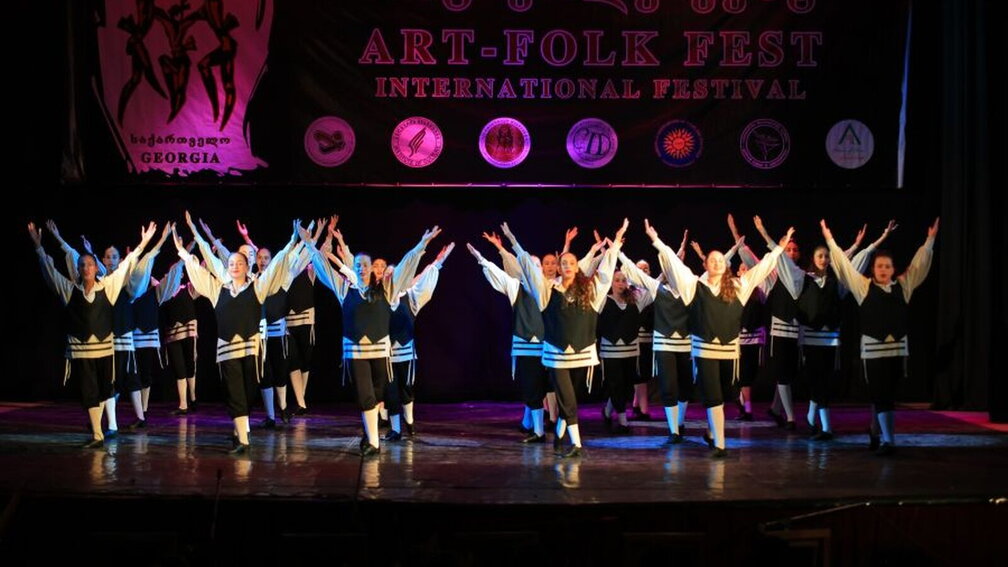
Folklore groups from across the globe gather in Tbilisi for five days of traditional dance, song, and handcraft exhibitions. Performers present short showcases in…
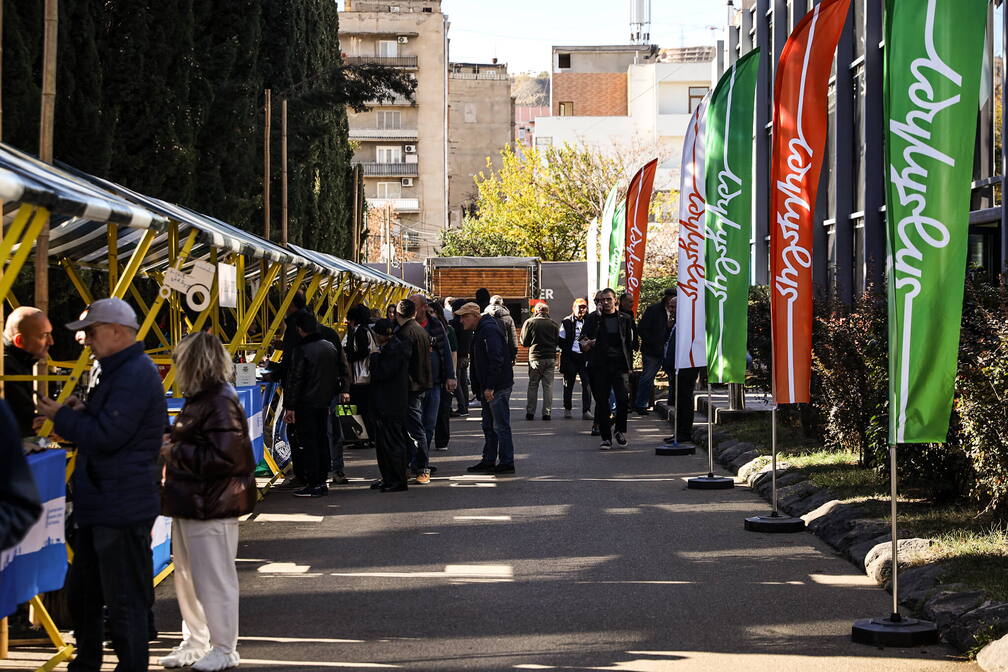
Agro Food Expo is a well-established event with over two decades of tradition, attracting professionals and experts from the agriculture and food industries. It…
Five women take the stage to share personal stories of survival, beauty, power, and memory in this theatrical fashion presentation from DZHABA. Rather than…
The highest-rated hostels in the country, live from Hostelworld. Tbilisi has the most and Fabrika is the best known; mountain guesthouses in Svaneti are booked directly.
The ones we get asked most.
Compare hostels across Georgia — live prices, real reviews and free cancellation on most bookings. Then meet the people already there in the app.