Old Town and Abanotubani
First-timersThe sulphur baths, the fortress, balconied lanes and most of the beds. Touristy and central.

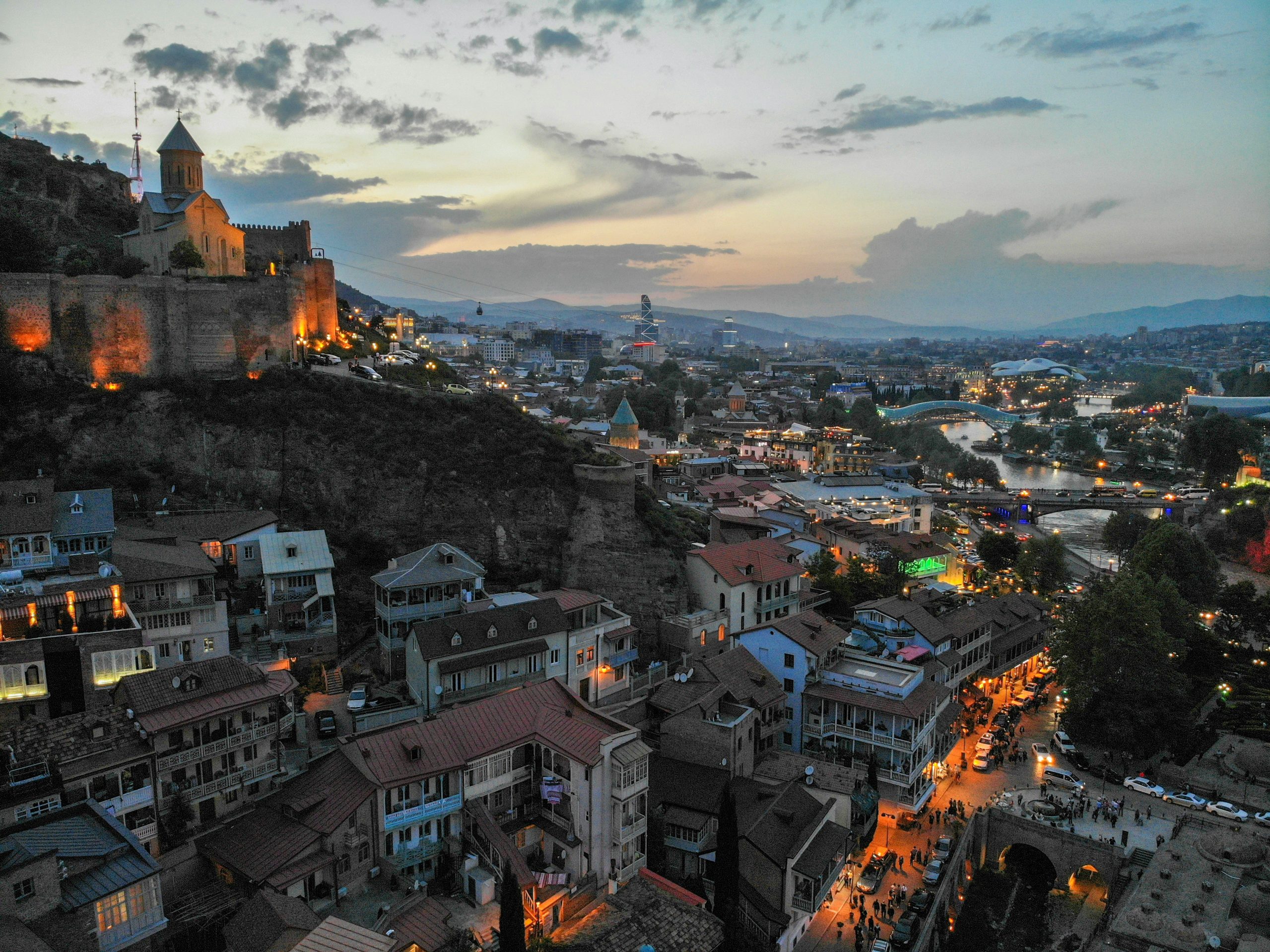
Sulphur baths under brick domes, crumbling wooden balconies, Soviet concrete, and the best food and nightlife in the Caucasus — at a fraction of European prices.
Tbilisi means roughly "warm place", after the sulphur springs the city was founded around in the fifth century. The domed brick bathhouses in Abanotubani still run on them, and an hour in a private room costs less than a restaurant meal.
The city has been sacked, occupied and rebuilt repeatedly — Persian, Russian, Soviet — and the result is a jumble that works: art nouveau facades with carved wooden balconies falling off them, Orthodox churches, a mosque, a synagogue, brutalist concrete, and a glass footbridge locals nicknamed after a sanitary product.
The food is the reason a lot of people extend their stay. Khachapuri, khinkali, walnut sauces, and a supra — the formal feast with a toastmaster running it — that is a cultural institution rather than a meal.
The nightlife is serious. Bassiani, in the basement of a football stadium, is one of the best-known techno clubs in the world.
It is cheap, it is friendly, and most nationalities get a year visa-free. Three or four days.
A river valley between two ridges, with the old town at the narrow end.
The sulphur baths, the fortress, balconied lanes and most of the beds. Touristy and central.
Just west: nineteenth-century apartment blocks with painted stairwells, quiet streets and good cafés.
North of the river: the main avenue, museums, restaurants and easy transport.
Across the river: a converted Soviet sewing factory, bars, hostels and the best going-out base.
Orange labels are neighbourhoods, dots are the 8 top-rated hostels. Map © MapTiler © OpenStreetMap contributors.
Book a sulphur bath. The domed bathhouses in Abanotubani sit over the springs the city was founded on, and a private room for a group runs about 60 to 120 GEL an hour, roughly €20 to €40 split between you. A scrub from an attendant costs extra and is worth it.
Take the cable car up to Narikala fortress, 2.5 GEL each way, for the fourth-century walls and the view down over the old town roofs and the river.
Walk Sololaki for the stairwells — nineteenth-century apartment buildings with painted and tiled entrance halls that are genuinely extraordinary and mostly unmarked. Some are open, some are not; be respectful, people live there.
The Dry Bridge market sells Soviet cameras, medals, crockery and other debris of a collapsed state, and is free to browse.
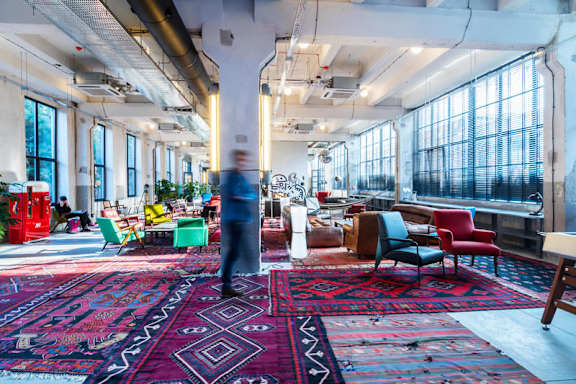
Fabrika, a Soviet sewing factory turned courtyard of bars and studios, is where the city's young crowd actually is.
The old town, Sololaki and the balconied streets cost nothing and are the main attraction.
The Chronicle of Georgia, a set of enormous black pillars carved with Georgian history on a hill above a reservoir north of the city, is free and largely empty of visitors — reachable by metro and a walk.
Mtatsminda park sits on the ridge above town; the funicular charges, but the walk up is free and the view is the same.
The Dry Bridge and Deserters' Bazaar markets are free to walk through, and the second is where the city actually shops.
Most churches are free, including Sameba cathedral, one of the largest Orthodox churches in the world, finished in 2004 and visible from most of the city.
Georgian food is its own tradition and one of the great underrated cuisines. It is also very cheap: a full meal with wine runs 30 to 60 GEL, about €10 to €20.
Khachapuri is cheese bread, and the Adjarian version arrives as a boat with an egg and butter on top that you stir in. Khinkali are soup dumplings, twisted at the top — you hold the knot, bite, drink the broth, and leave the knot on the plate. Eating the knot marks you as a beginner.
Badrijani nigvzit, aubergine rolls with walnut paste, and lobio, bean stew in a clay pot, are the vegetarian staples, and Georgia is unusually easy for vegetarians thanks to Orthodox fasting traditions.
Wine is made in qvevri, clay vessels buried underground, a method on UNESCO's intangible heritage list and around eight thousand years old. A glass is 5 to 12 GEL.
Chacha, the grape spirit, runs 40 to 65 per cent. Treat it with respect.
Out of proportion to the city's size, and internationally known. Bassiani, in the basement of the Dinamo football stadium, is among the most respected techno clubs anywhere, with a strict door policy and a political history — it was raided in 2018 and the response was a protest rave outside parliament.
Fabrika is the easier entry point: a converted Soviet sewing factory with a courtyard of bars, packed every night and free to walk into.
The bars around Marjanishvili and along the river carry the rest, and a beer is 6 to 12 GEL, roughly €2 to €4.
Nights start late — bars fill after eleven and clubs after one.
The scene is politically engaged and broadly progressive in a country where that is contested, which is worth understanding rather than just enjoying.
The metro costs 1 GEL a ride with a Metromoney card bought at any station, and buses the same. It is two lines, Soviet-built and very deep — the escalators at some stations take a while.
Bolt taxis are the practical way to move: a cross-city ride is typically 5 to 15 GEL, a few euros. Use the app rather than negotiating on the street.
The old town is walkable but steep and the pavements are uneven in places.
Marshrutka minibuses go everywhere in the country from Didube and Ortachala stations — Kazbegi three hours, Kutaisi four, Batumi six — and cost 10 to 30 GEL.
Trains are slower but more comfortable for Batumi and Kutaisi, and the overnight to Zugdidi connects to Svaneti.
One of the cheapest capitals in this part of the world. Dorms are 25 to 60 GEL, roughly €8 to €20. A full meal with wine is 30 to 60 GEL and a beer 6 to 12 GEL.
A day is €20 to €40.
The currency is the lari. Cards work across the city but cash matters outside it, and ATMs are widespread — take lari rather than paying in euros anywhere that offers.
The sulphur baths at 60 to 120 GEL an hour for a private room are the main spend and are worth it split between a group.
Marshrutkas make the rest of the country cheap to reach: Kazbegi is about 15 GEL and three hours.
Tbilisi is a safe city with low violent crime, and Georgians are famously hospitable to visitors.
Traffic is the real hazard. Georgia has one of the higher road fatality rates in Europe, driving is aggressive, and crossing roads requires more care than the traffic lights suggest. Marshrutka drivers in particular are not cautious.
Pavements are uneven, stairwells are unlit, and open holes and missing railings are common in the old town — a torch on your phone is genuinely useful at night.
Stray dogs are everywhere and mostly harmless; tagged ones have been vaccinated and neutered. They can form packs at night on the edges of the city.
Political demonstrations happen on Rustaveli Avenue and have at times been met with force. They are announced in advance — go around rather than through.
Chacha at 40 to 65 per cent is poured generously at a supra, and refusing a toast is difficult. Emergency number is 112.
A cave city, the old capital, and the wine country east.
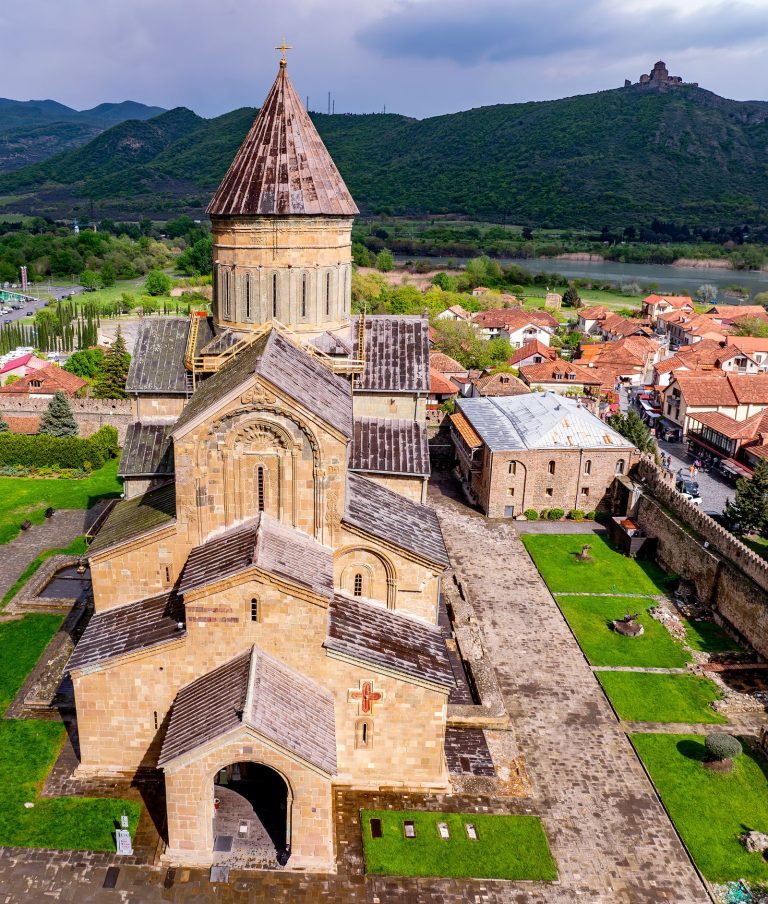
The old capital and the spiritual centre of Georgia, with two UNESCO-listed churches above the river junction.
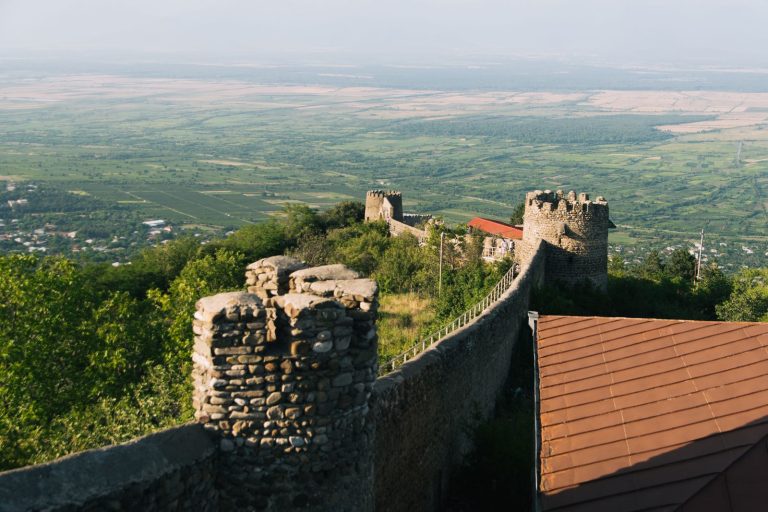
The wine region: qvevri cellars, a walled hill town and the Alazani valley under the Caucasus.
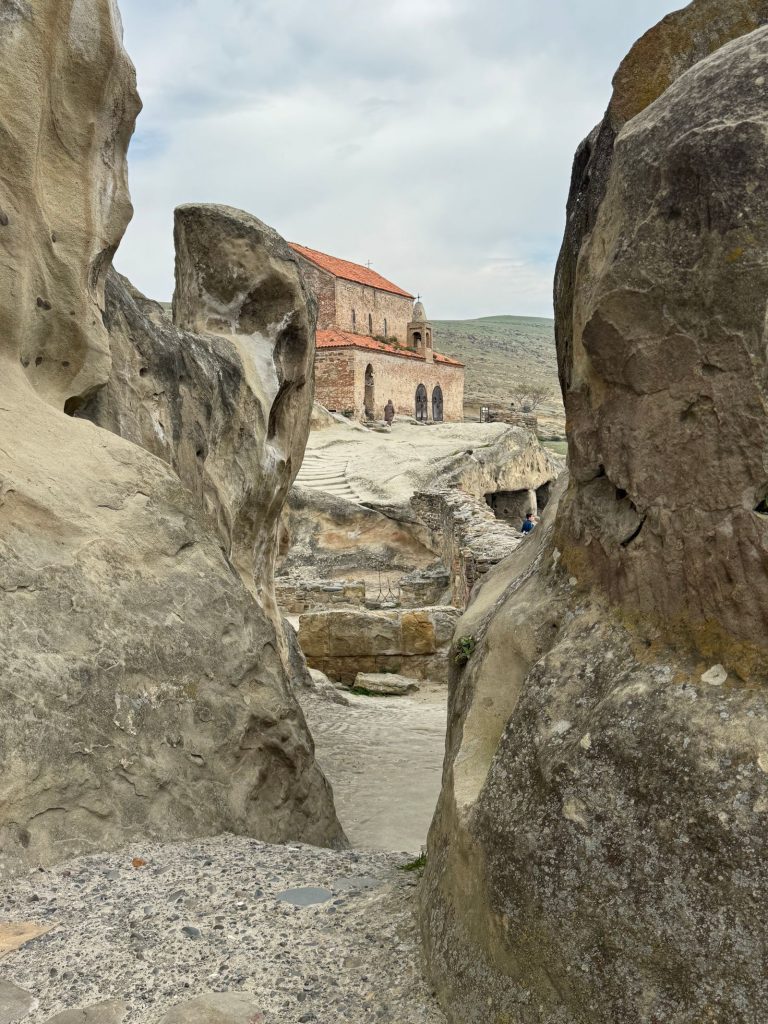
A cave city carved into rock, inhabited from the first millennium BC, with Gori and the Stalin museum nearby.
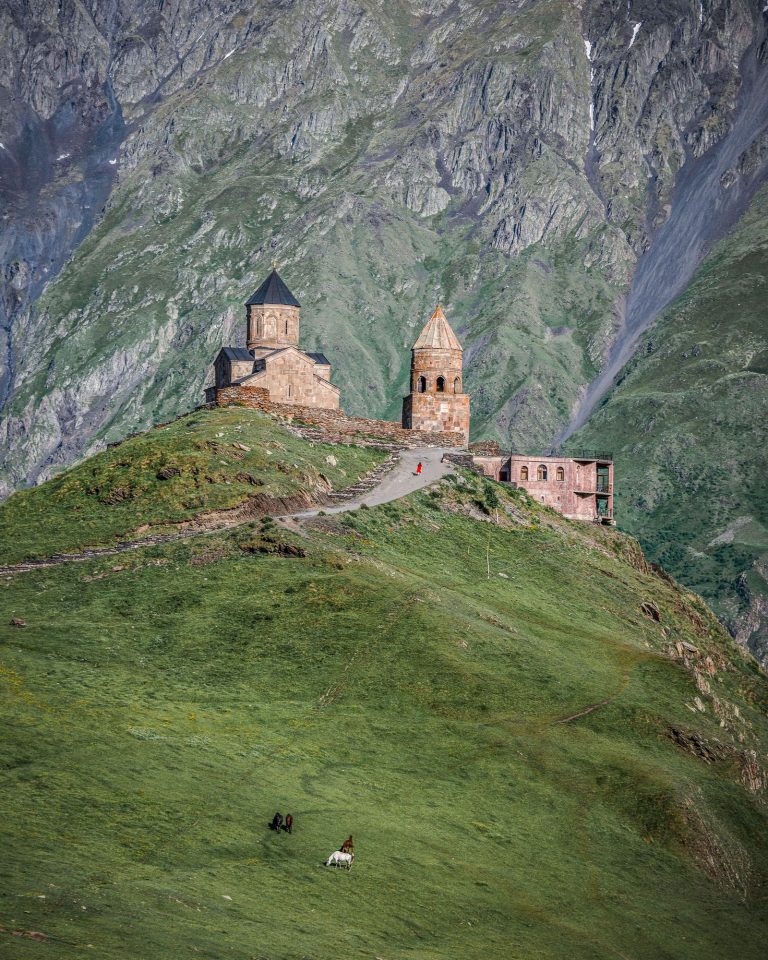
The Georgian Military Highway to a church at 2,170m under a 5,000m peak. Long as a day trip, better overnight.
A wine harvest in autumn, and a city that treats New Year seriously.
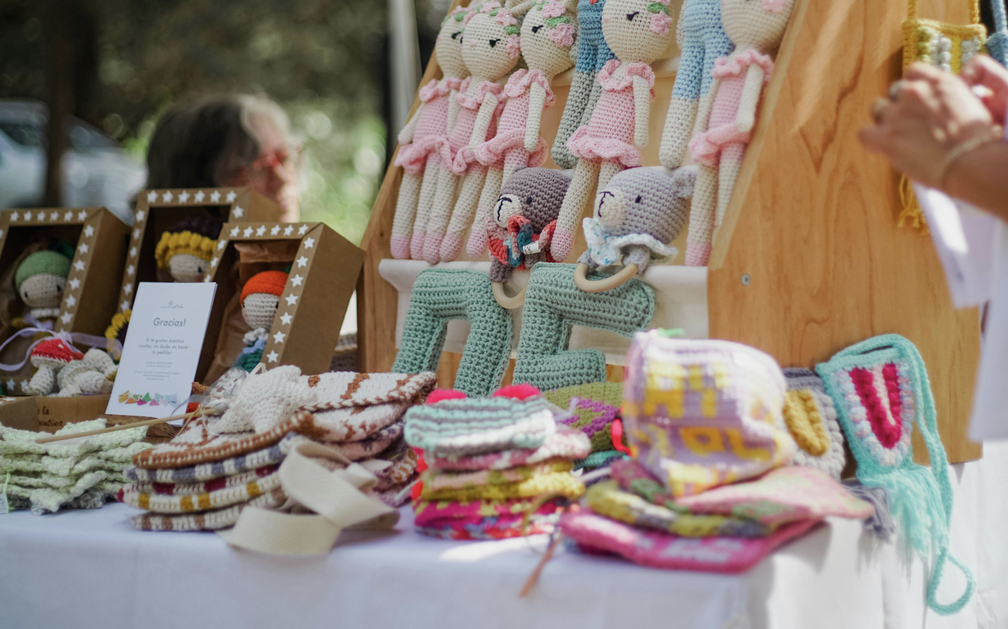
Tbilisoba takes over the historic heart of Tbilisi every autumn, turning ancient alleyways and city squares into a sprawling open-air celebration of Georgian culture,…
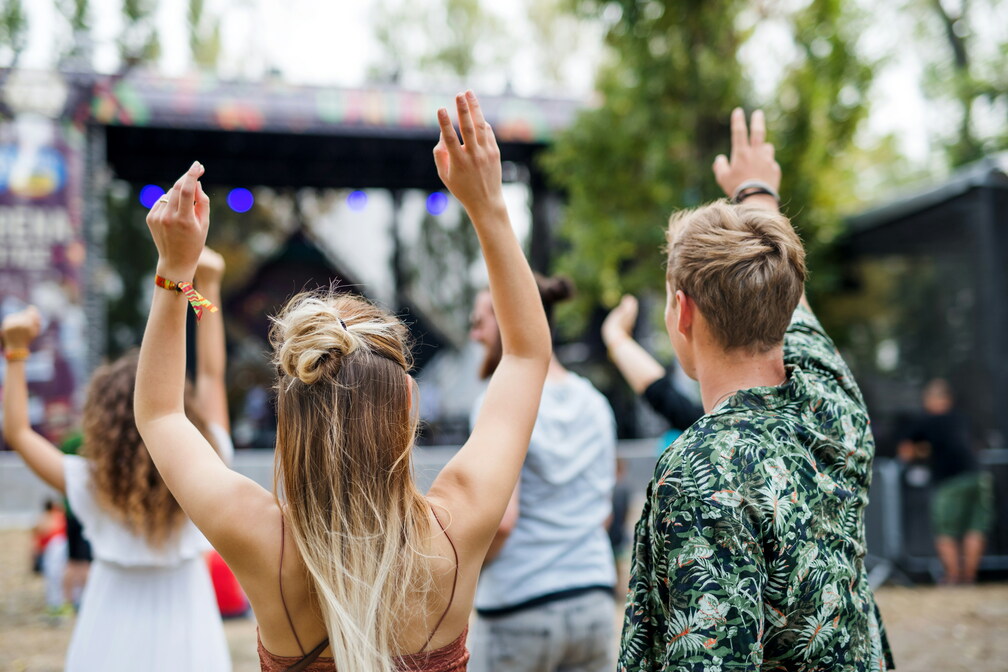
What started as a small memorial party has grown into one of the region's major festivals, built on the unity and shared values of…

Tatev Asatryan returns to Tbilisi for a second solo concert after overwhelming audience demand following her first show in the city. The evening promises…
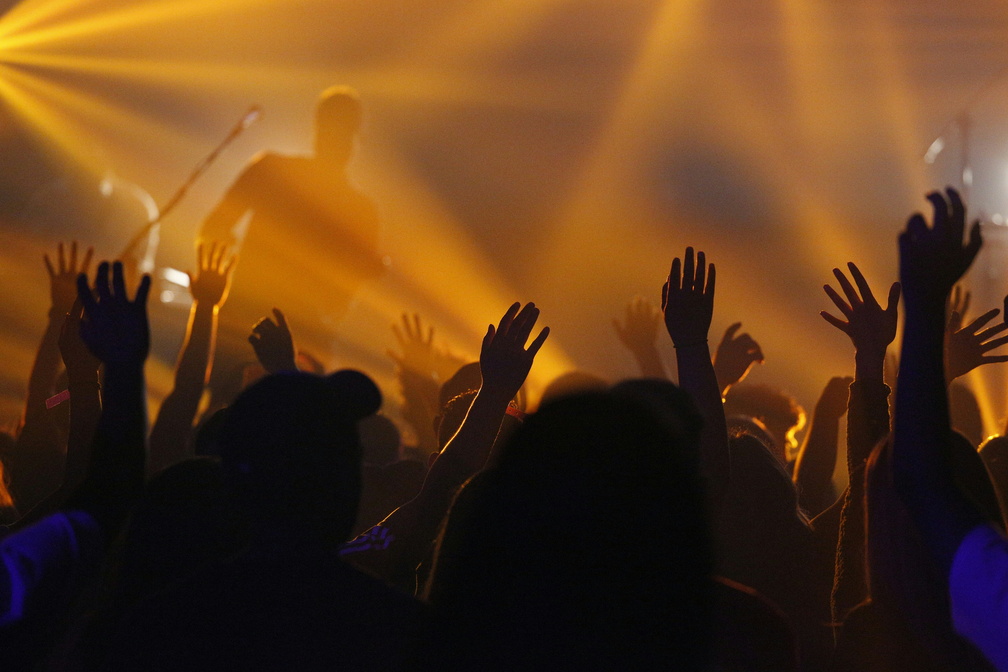
Tbilisi's first hip-hop festival brings together music, street dance, and visual arts under one roof at Factory Tbilisi. The event celebrates urban culture across…
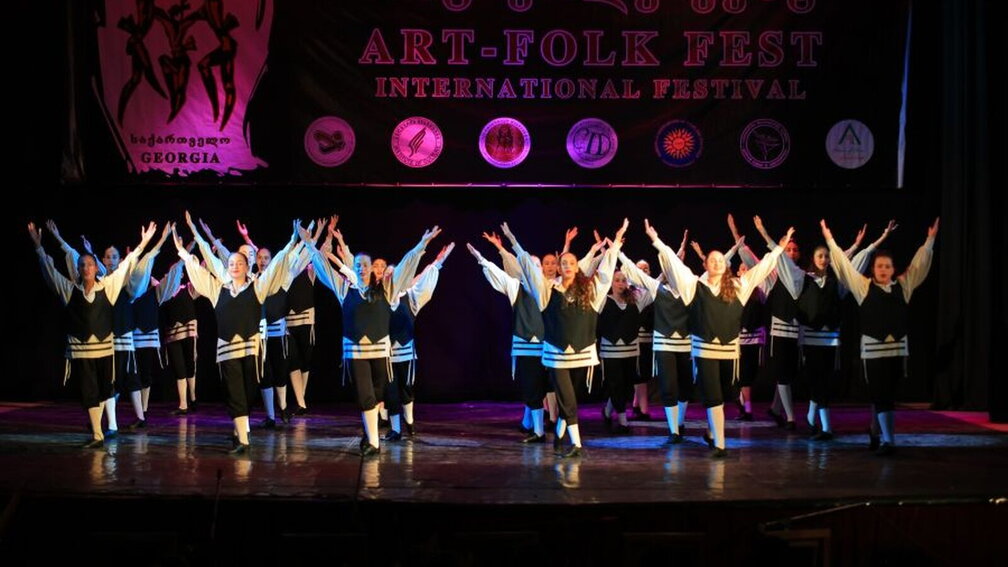
Folklore groups from across the globe gather in Tbilisi for five days of traditional dance, song, and handcraft exhibitions. Performers present short showcases in…
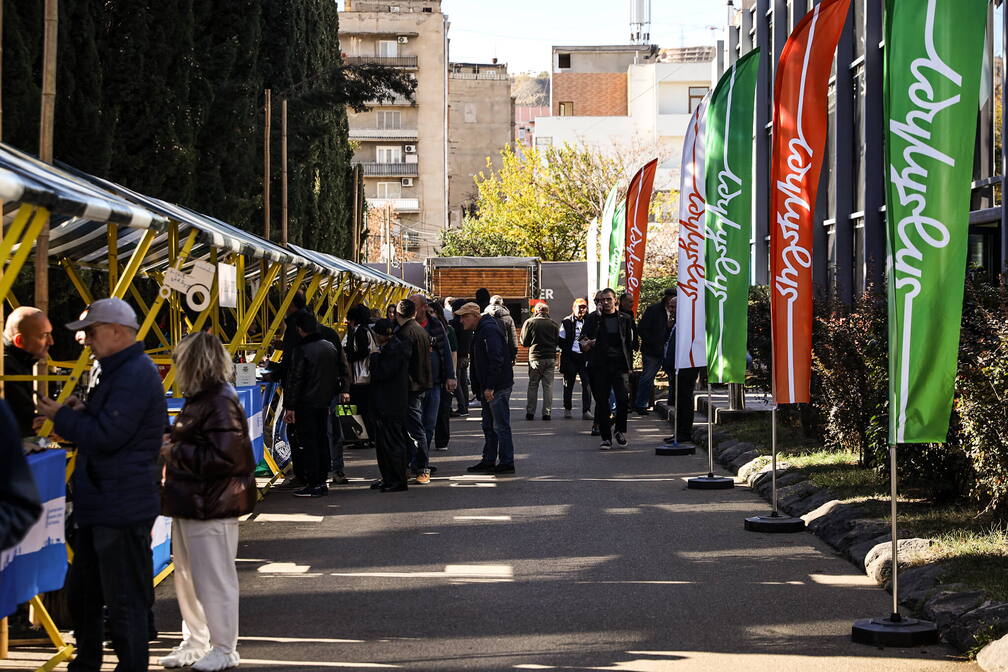
Agro Food Expo is a well-established event with over two decades of tradition, attracting professionals and experts from the agriculture and food industries. It…
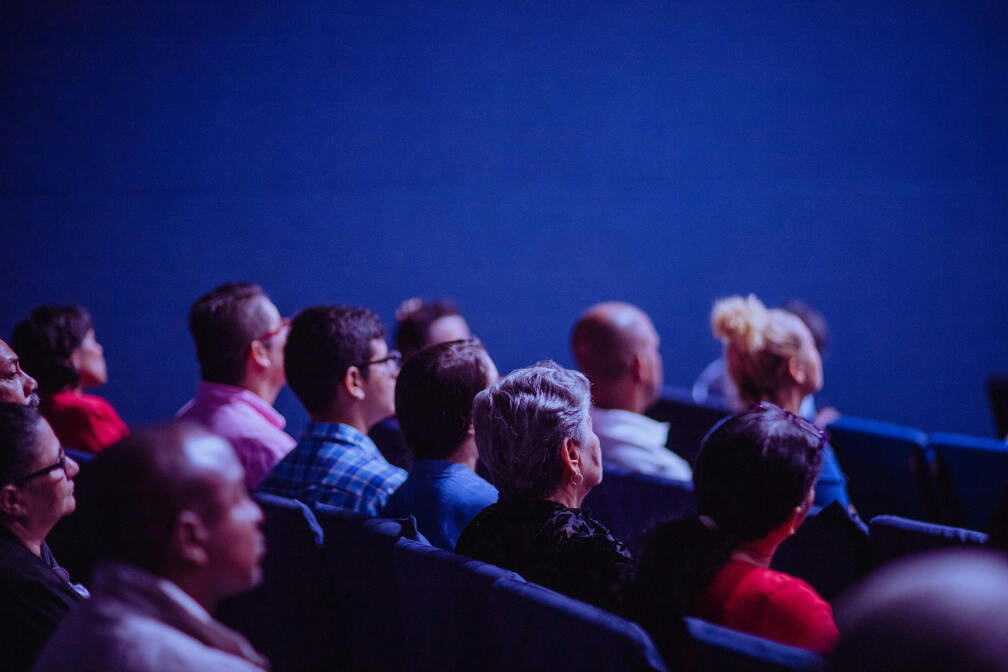
Five women take the stage to share personal stories of survival, beauty, power, and memory in this theatrical fashion presentation from DZHABA. Rather than…

Sasha Gagarin and Zhenya Pyankov bring their stripped-down duo project Sansara to Mechanica, performing songs and vocals backed by guitar and electric piano. Their…
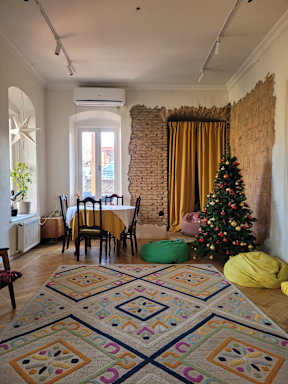
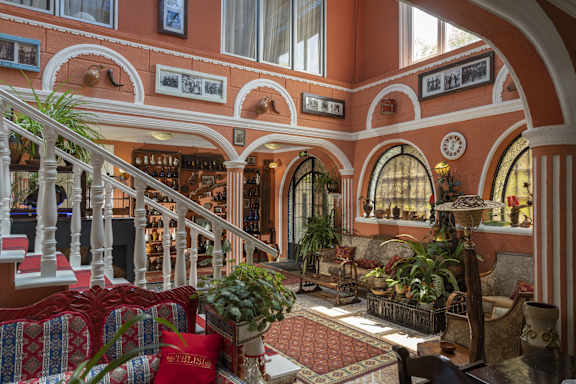
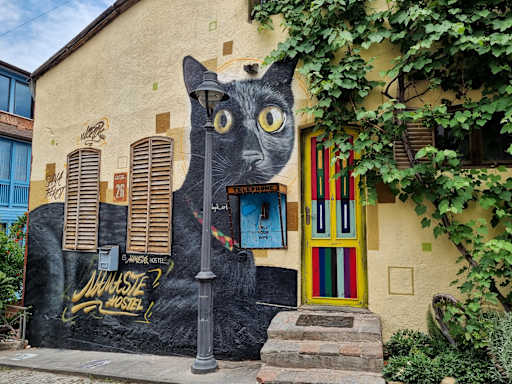
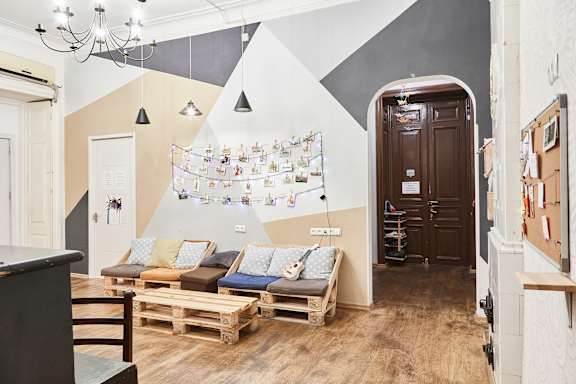
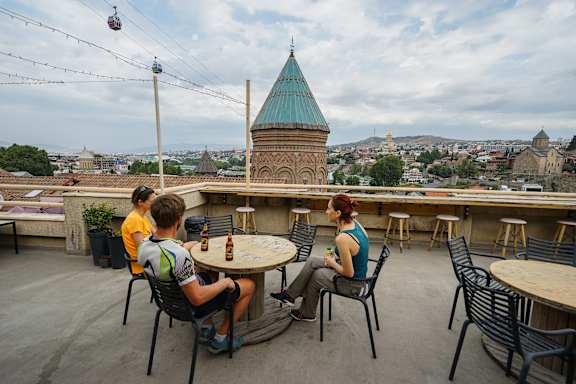
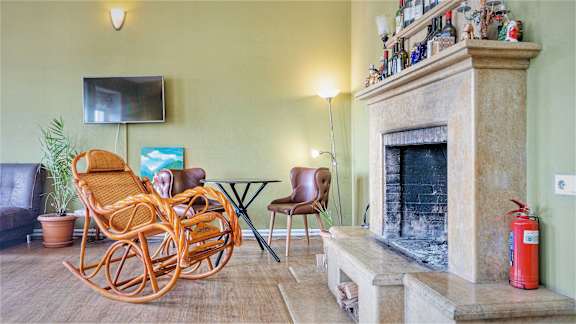
A good scene in the old town and around Fabrika, at very low prices. Live from Hostelworld.
May, June, September and October. July and August are very hot in the city.
Average highs. Tbilisi sits in a valley that traps heat — July and August regularly exceed 32°C and the city is genuinely uncomfortable, which is why Georgians leave for Kazbegi and Batumi.
Pick how you travel. Per person per night, in euros.
Prices are shown in euros for comparison, but you will pay in lari. A sulphur bath split between a group lands in the doing line.
The ones we get asked most.

Compare Tbilisi hostels — live prices, real reviews and free cancellation on most bookings. Then meet the people already there in the app.

 Get the App.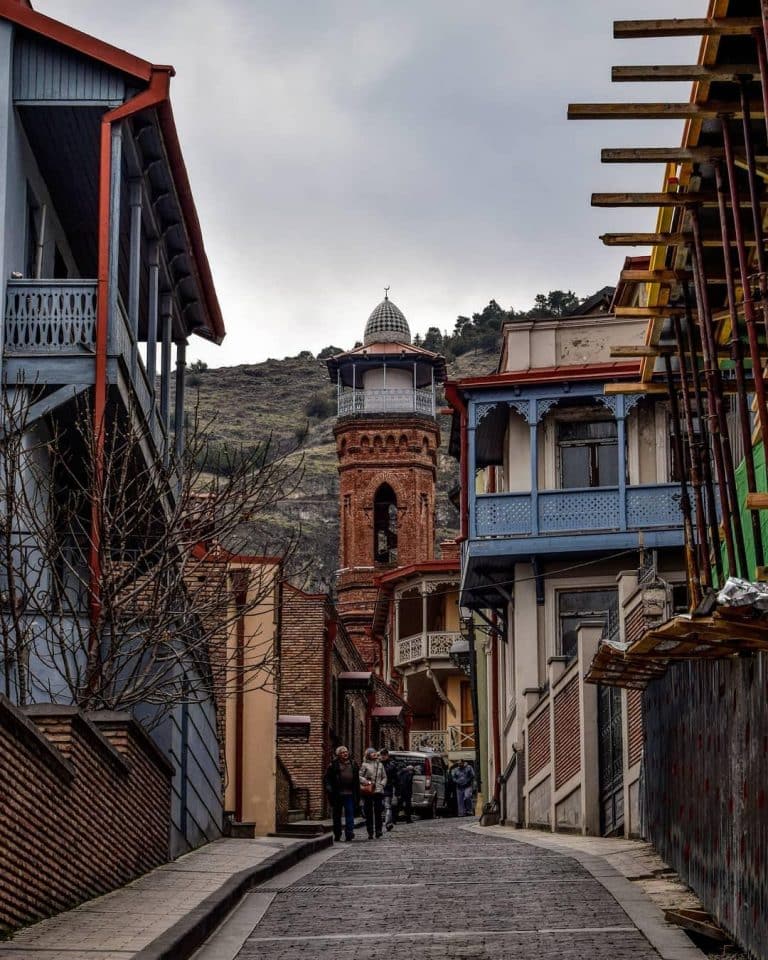
 Get the App.