Nepal
Nepal country guide

Things To Do In Nepal

Eight of the world's ten highest mountains, treks you can walk without technical skill, and a capital of temples and dust. The cheapest serious trekking country on earth.

€6
Dorm bed, from
8
Of the 10 highest mountains
€25
A day on a teahouse trek
8,849m
Everest

A country organised around mountains

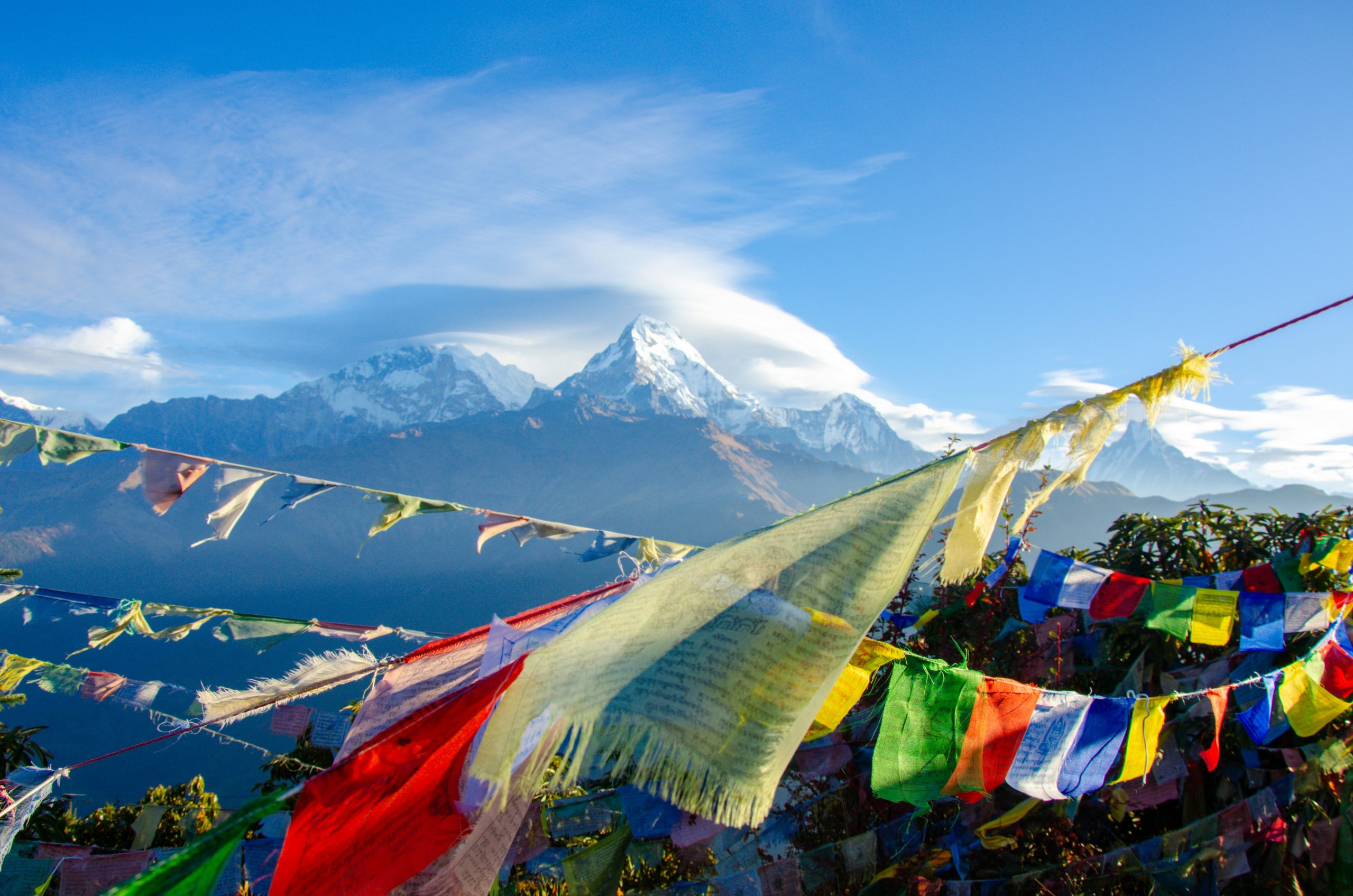
Nepal is where people come to walk. Eight of the world's ten highest peaks are here, and the trekking infrastructure — teahouses every couple of hours, marked trails, guides and porters available everywhere — means routes that would need expeditions elsewhere are walkable by anyone reasonably fit.

The two classics are the Everest Base Camp trek, around twelve to fourteen days from Lukla, and the Annapurna Circuit, ten to eighteen days depending on where you start and finish now the road has extended. Shorter options like Poon Hill take four or five days and still put you in front of the Himalaya.

Between treks, Kathmandu has the temples, Durbar squares and Boudhanath stupa, and Pokhara sits on a lake with the Annapurnas behind it and does very little, pleasantly. Chitwan in the south has rhinos and tigers and a completely different climate.

Where to go

Buses are slow and mountainous. Domestic flights save days but are weather-dependent.

Kathmandu

Kathmandu

104 hostels · dorms from €5

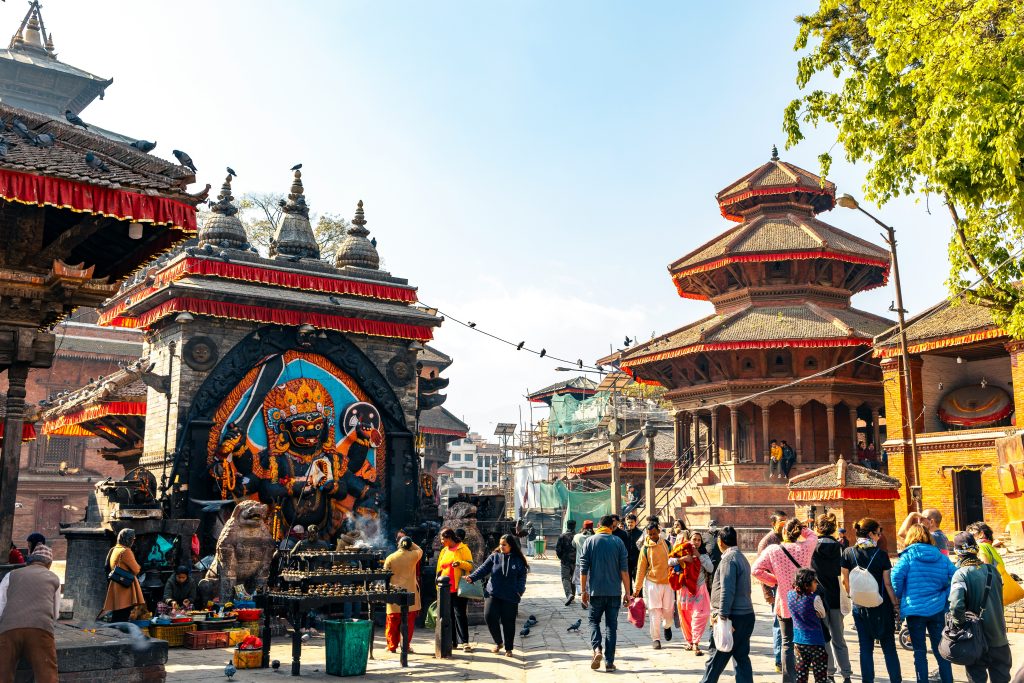
Temples, Durbar squares, Boudhanath stupa, and Thamel, where every trek is arranged.

Kathmandu is full of fascinating and ancient buildings. The shops and stalls sell beautiful and cheap handmade goods. Most of all, the people are very friendly, welcoming, and helpful. Their devotion to hospitality, and their religions is highly impressive. Come to Kathmandu! The best city in the world!

A traveller, on Hostelworld
The Kathmandu guide
Pokhara

Pokhara

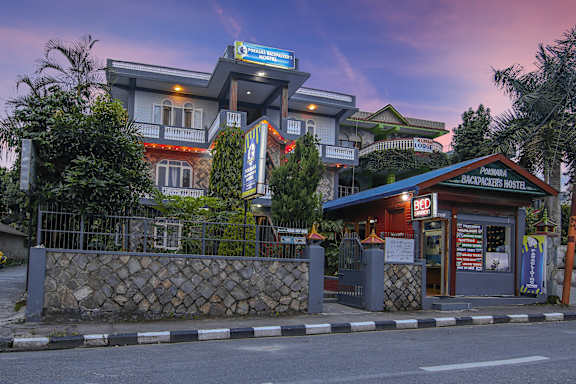
37 hostels · dorms from €6

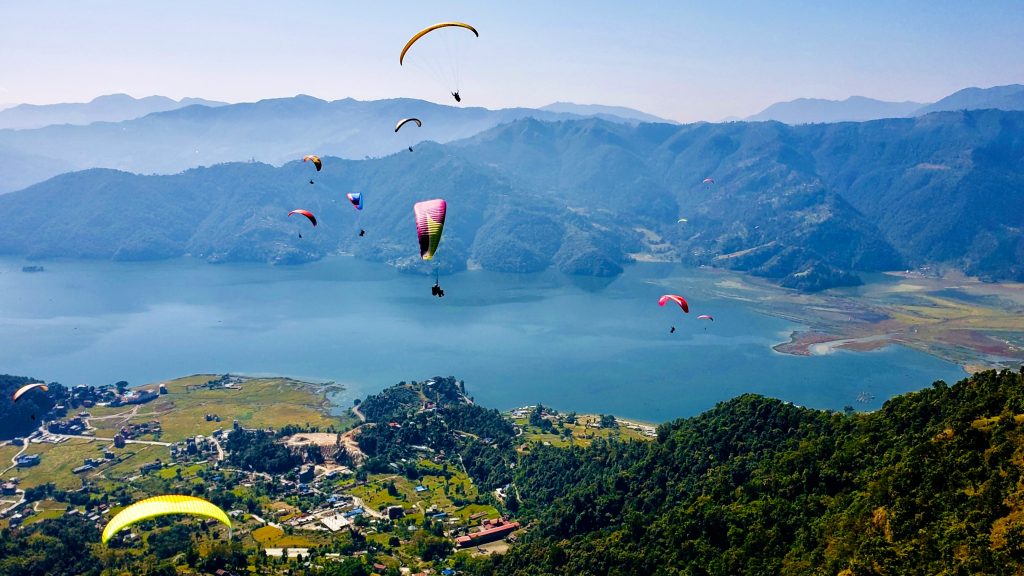
A lakeside town under the Annapurnas: paragliding, boats, and the start of most treks.

Pokhara is an amazing city next to magical lake Fewa. Many things to do like boating, visiting sacred places, paragliding and trekking. Food is good and people welcoming. Very recommended to visit.

A traveller, on Hostelworld
The Pokhara guide
Bhaktapur

Bhaktapur

5 hostels · dorms from €4

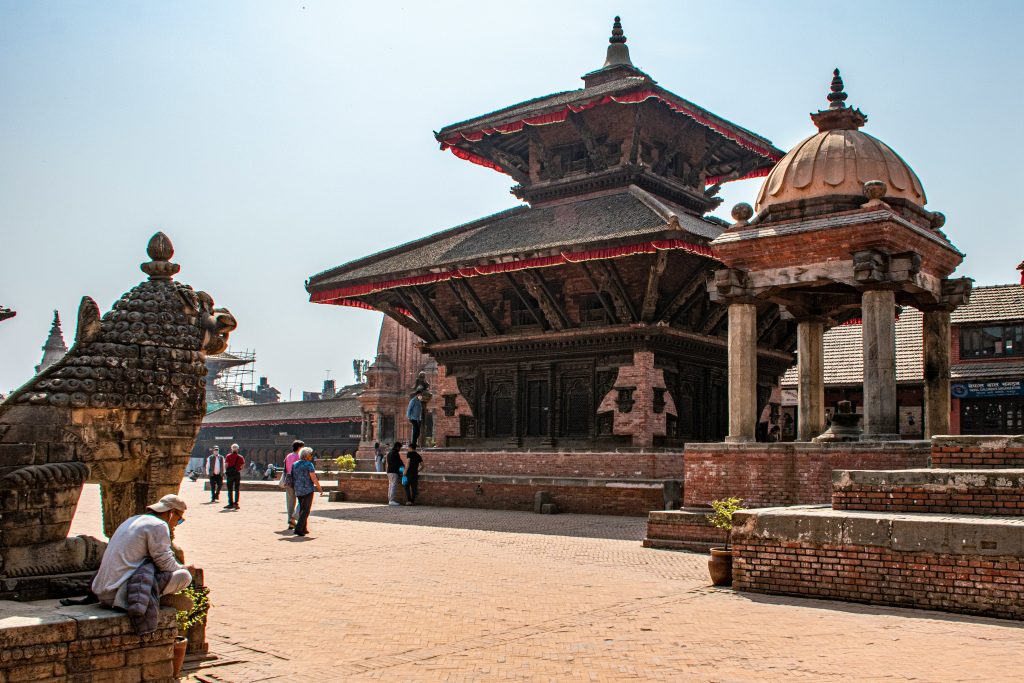
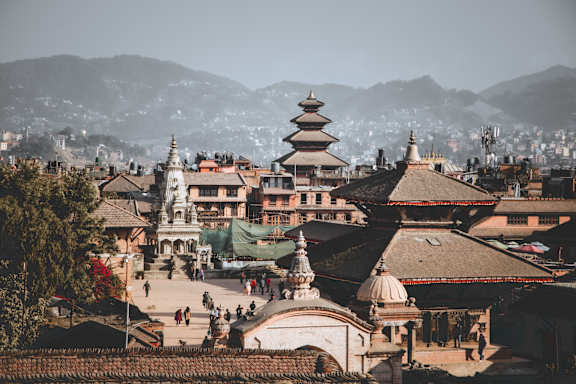
A preserved medieval city half an hour from Kathmandu, and the best-kept of the valley's old towns.

The Bhaktapur guide
Lumbini

Lumbini

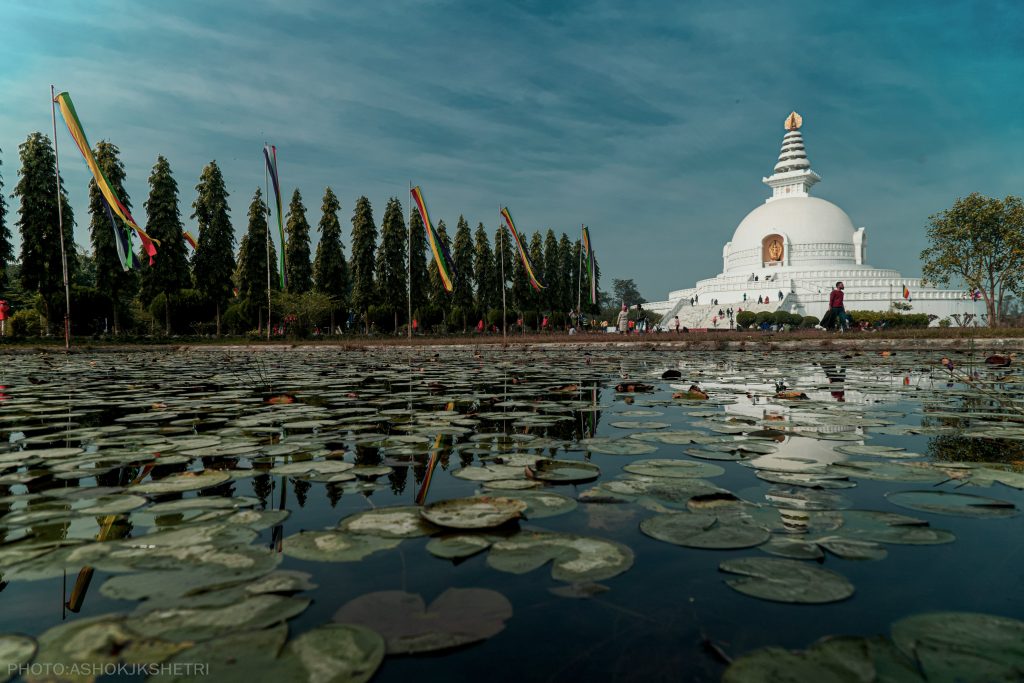
The birthplace of the Buddha, in the southern plains, with monasteries built by many countries.

The Lumbini guide

What kind of trip is this?

Nepal is a trekking country first, with temples, wildlife and adventure sports attached.

Adventure in Nepal

The reason everyone comes. Teahouse trekking at altitude.

What to do

  • Walk to Everest Base Camp
  • The Annapurna Circuit
  • Poon Hill in four days

Spots to visit

  • Everest region
  • Annapurna
  • Langtang

Best cities for it

Things to do

Things to do in Nepal

Trekking is the point. Everest Base Camp takes twelve to fourteen days and starts with a flight into Lukla, one of the more alarming airports in the world. The Annapurna Circuit is longer and more varied, crossing the Thorong La pass at 5,416 metres. Poon Hill, at four or five days, is the short version and still spectacular.

You do not need technical skill for any of these, but you do need to respect altitude: ascend slowly, take rest days, and know the symptoms of altitude sickness. Guides are now required on many routes, which has been enforced more strictly since 2023 — check the current rule before planning to go independently.

Off the trails, the Kathmandu valley has three medieval city centres in Kathmandu, Patan and Bhaktapur, plus Boudhanath, one of the largest stupas in the world, best at dusk when pilgrims circle it. Chitwan does jeep and walking safaris for rhino and, rarely, tiger.

Food and drink

Eating in Nepal

Dal bhat is the national meal and the trekking fuel: rice, lentil soup, vegetable curry and pickle, refilled until you stop eating, for €2 to €4 in town and more as you climb. Nepali guides eat it twice a day and will tell you it is the reason they can carry your bag.

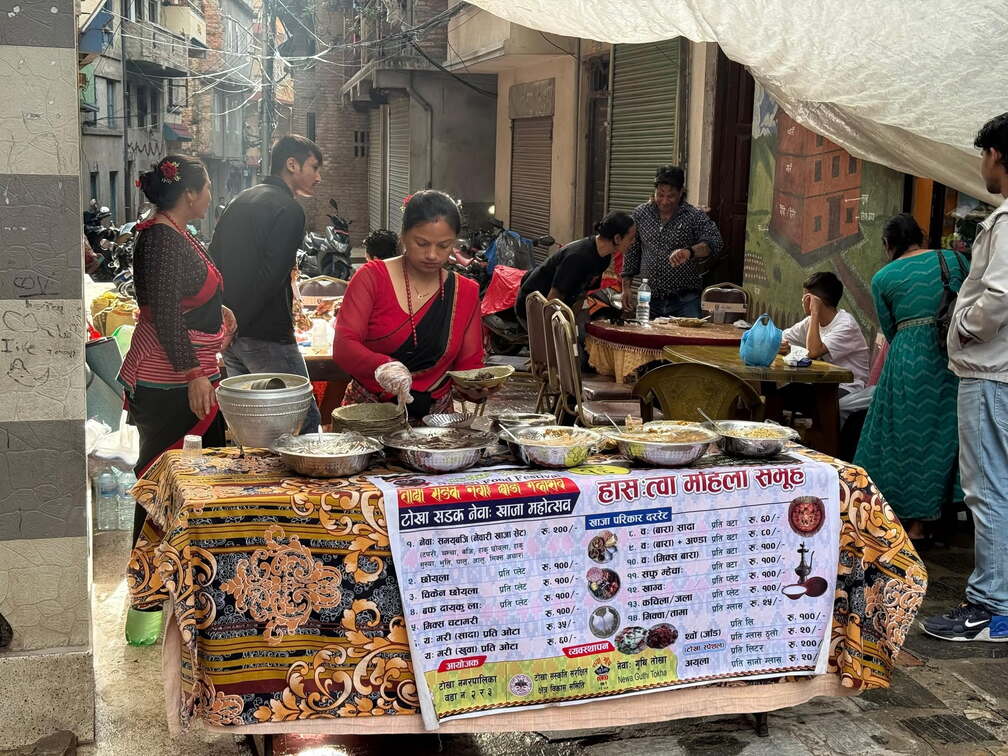
Momos — dumplings, steamed or fried — are the snack, at about a euro for a plate of ten. Newari cuisine in the Kathmandu valley is a distinct and spicier tradition worth seeking out.

On treks, prices rise with altitude because everything is carried or flown in, so a plate of dal bhat that costs €3 in Pokhara might be €8 at 4,500 metres. Bring water purification rather than buying bottled on the trail, where it is expensive and the plastic is a genuine problem.

Nightlife

Going out in Nepal

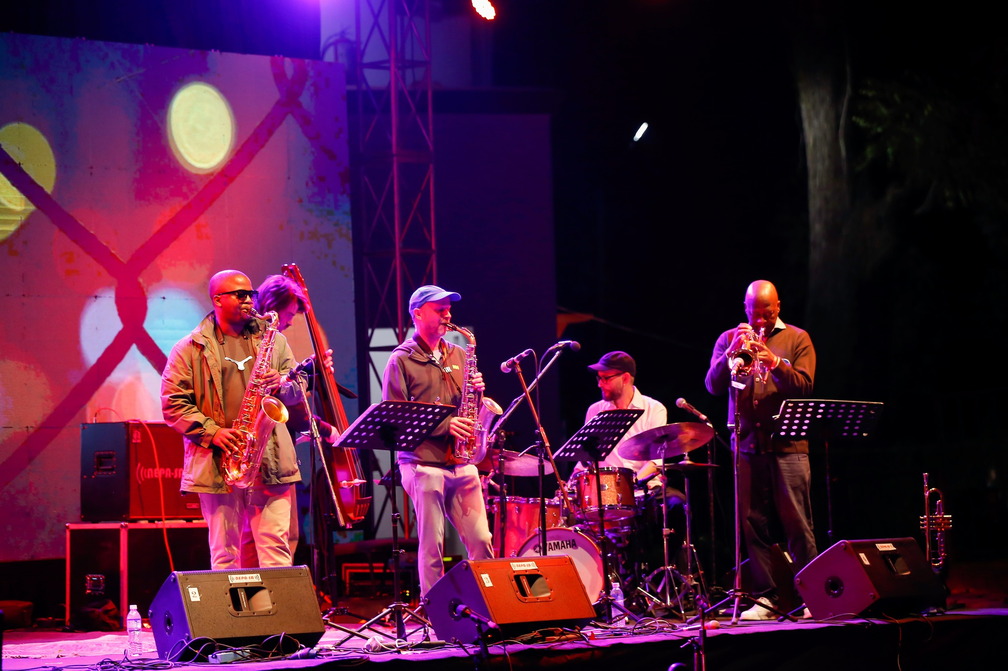
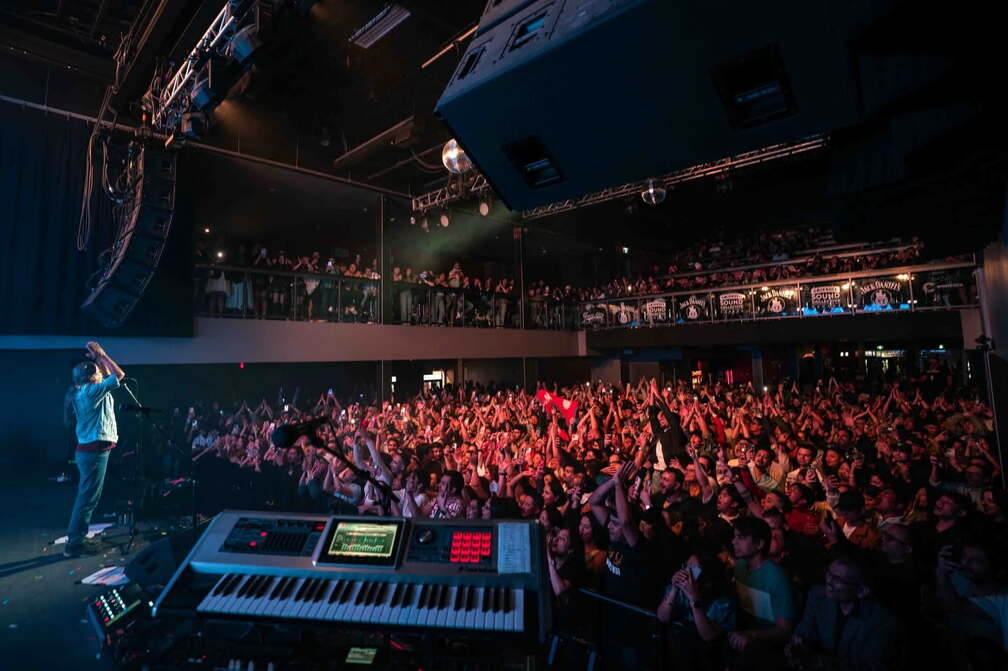
Thamel in Kathmandu is the tourist quarter and has the bars, live music and the post-trek celebration scene. It is cheerful, a little chaotic, and where most people spend their first and last nights in the country.

Pokhara's lakeside strip is the other one: bars with mountain views, live music and a crowd that is either about to walk or has just finished.

Nightlife elsewhere is limited, and on treks the evening is dinner in the teahouse dining room around a stove, in bed by nine, because you are walking at six. Alcohol at altitude is a bad idea and most guides will tell you so.

Getting around

Getting around Nepal

Roads are slow and mountainous. Kathmandu to Pokhara is 200km and takes six to eight hours by bus, with tourist coaches costing €10 to €20 and being considerably more comfortable than local buses.

Domestic flights turn that into 25 minutes and cost €80 to €120. Nepal's domestic aviation safety record is poor by international standards and several airlines are on the EU banned list, which is worth knowing when you weigh the bus against the flight.

The Lukla flight for Everest treks is its own case — short runway, mountain weather, frequent cancellations that strand people for days at either end. Build buffer days into any itinerary that includes it.

Costs

What Nepal costs

Nepal is cheap, and trekking is the cheapest serious mountain experience anywhere. Dorms start around €6, dal bhat is €2 to €4, and a teahouse trek costs roughly €25 to €40 a day including bed, food and permits once you are walking.

Guides run €25 to €35 a day and porters €18 to €25, which is money that goes directly into mountain communities and is worth paying properly rather than negotiating down.

Permits are the fixed costs: TIMS cards and national park or conservation area fees run €20 to €30 each, and the Everest region has an additional local fee. Flights to Lukla and back are the biggest single expense on an Everest trek.

Safety

Staying safe in Nepal

Nepal has low crime and travellers report feeling safe. The risks here are altitude, roads and air travel, and they are real rather than theoretical. Anti-government protests in September 2025 turned violent in Kathmandu and brought down the government; check current advice before travelling and avoid demonstrations.

Altitude sickness kills trekkers every season, and it is entirely preventable by ascending slowly and descending at the first serious symptoms. Headache, nausea and breathlessness at rest mean go down, not push on. Any trek above 3,000 metres needs insurance that explicitly covers high-altitude trekking and helicopter evacuation, which standard policies exclude.

Road accidents are common on mountain roads, and domestic aviation has a poor safety record. Nepal also sits on a major fault line — the 2015 earthquake killed nearly 9,000 people — and aftershocks and tremors are part of life.

Entry and documents

Entry and documents

Most nationalities get a visa on arrival at Kathmandu airport and main land borders, for 15, 30 or 90 days, paid in cash in dollars or by card. You can pre-fill the form online to save time in the queue.

Passports need six months' validity, and bring passport photographs — several permits and forms want them.

Trekking permits are separate from the visa: a TIMS card plus the relevant national park or conservation area permit, arranged in Kathmandu or Pokhara. Rules on trekking with a licensed guide have tightened in recent years, so check the current requirement for your route before assuming you can go solo.

When to go

October and November are the best trekking months, with March to May a close second. The monsoon closes most high routes and winter closes the passes.

19°
Jan
Cold and clear. High passes closed, low treks fine
21°
Feb
Cold, clear and quiet. Good for the valley
25°
Mar
Spring trekking season opens. Rhododendrons in bloom
29°
Apr
Excellent trekking, and the busiest spring month
30°
May
Hot below, good high up. Haze building
29°
Jun
Monsoon arrives. Most trekking stops
29°
Jul
Full monsoon. Leeches on the trails, cloud on the peaks
28°
Aug
Still monsoon. Cheapest month, and Upper Mustang is dry
28°
Sep
Rain ending. Trails reopening late in the month
27°
Oct
The best month. Clear skies, stable weather, peak crowds
23°
Nov
Excellent and slightly quieter. Cold at altitude
20°
Dec
Clear and very cold high up. Passes closing
Bar height is temperature. Colour is how busy it gets: quiet busy peak

Average highs for Kathmandu at 1,400m. Temperatures fall sharply with altitude — nights on the Everest trek go well below freezing even in October — and the monsoon closes most high routes from June to September.

What your trip will cost

Pick how you travel and how long for. Per night, for one person, in euro equivalents. Trekking days cost more than town days.

A teahouse trek runs €25–40 a day all in. Guides at €25–35 and porters at €18–25 are on top, as are Lukla flights for the Everest region.

—
  • Beds—
  • Food and drink—
  • Getting around—
  • Doing things—
What's on

What is on while you are there

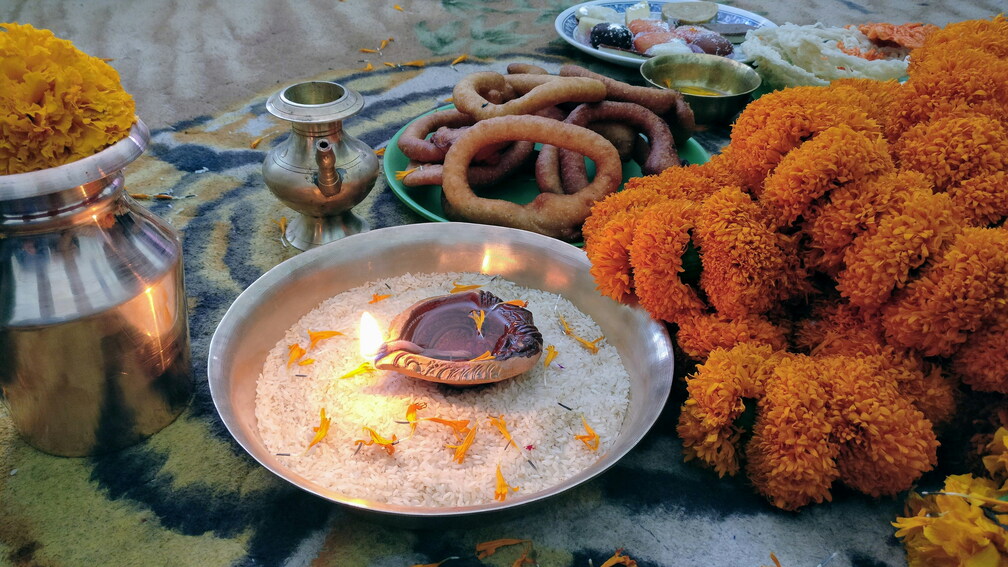
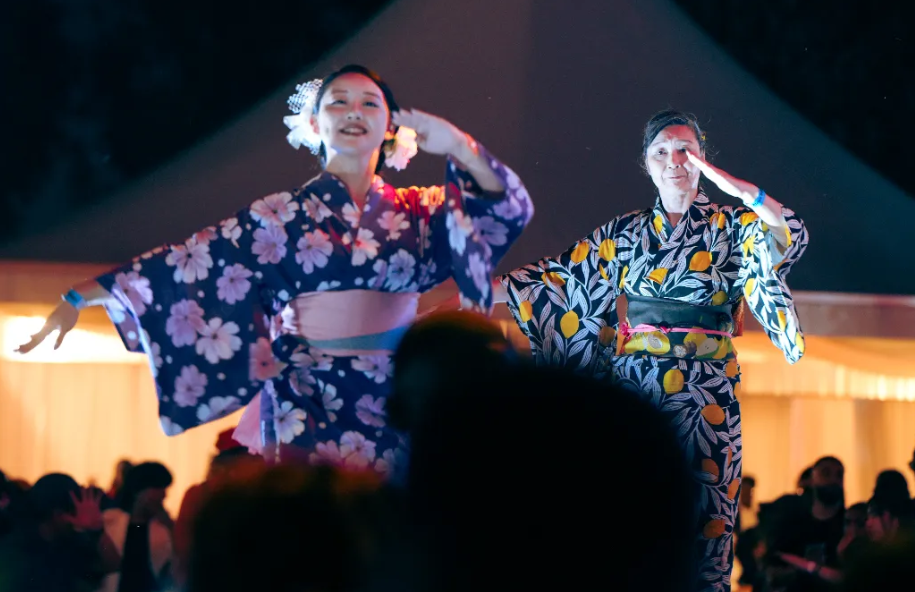
The festival calendar is Hindu and Buddhist and packed. Dashain in particular closes much of the country.

Nepal travel questions

The ones we get asked most.

Do I need to be an experienced trekker?
No. Teahouse treks like Everest Base Camp and the Annapurna Circuit need fitness and time rather than technical skill — you sleep in lodges and eat hot meals each night. What they do need is respect for altitude and a slow ascent.
How much does trekking in Nepal cost?
Around €25 to €40 a day once walking, covering teahouse, food and permits. A guide is €25 to €35 a day and a porter €18 to €25 — pay these properly rather than negotiating down, as it goes directly to mountain communities.
Do I need a guide?
On many routes, yes. Rules requiring licensed guides have tightened in recent years and enforcement varies, so check the current requirement for your specific trek before planning to go solo.
When is the best time to trek?
October and November for the clearest skies and most stable weather, or March to May for spring with rhododendrons in bloom. The monsoon from June to September closes most high routes.
How dangerous is altitude sickness?
It kills trekkers every season and is almost entirely preventable. Ascend slowly, take rest days, and descend at the first serious symptoms — headache, nausea or breathlessness at rest. Your insurance must cover high-altitude trekking and helicopter evacuation.
Should I fly or take the bus to Pokhara?
The bus takes six to eight hours on mountain roads; the flight takes 25 minutes. Nepal's domestic aviation safety record is poor and several airlines are on the EU banned list, which is a genuine factor in the decision.
Is Nepal cheap?
Very. Dorms from €6, dal bhat at €2 to €4 with unlimited refills, and trekking at €25 to €40 a day. The fixed costs are permits and, for the Everest region, the Lukla flights.

Say yes to hostels, meet the world

Compare hostels across Nepal — live prices, real reviews and free cancellation on most bookings. Then meet the people already there in the app.

Get the App. QRGet the App.
Get the App. QR  Get the App.
Scroll to Top