Thamel
First-timersThe travellers' quarter: hostels, gear shops and bars.

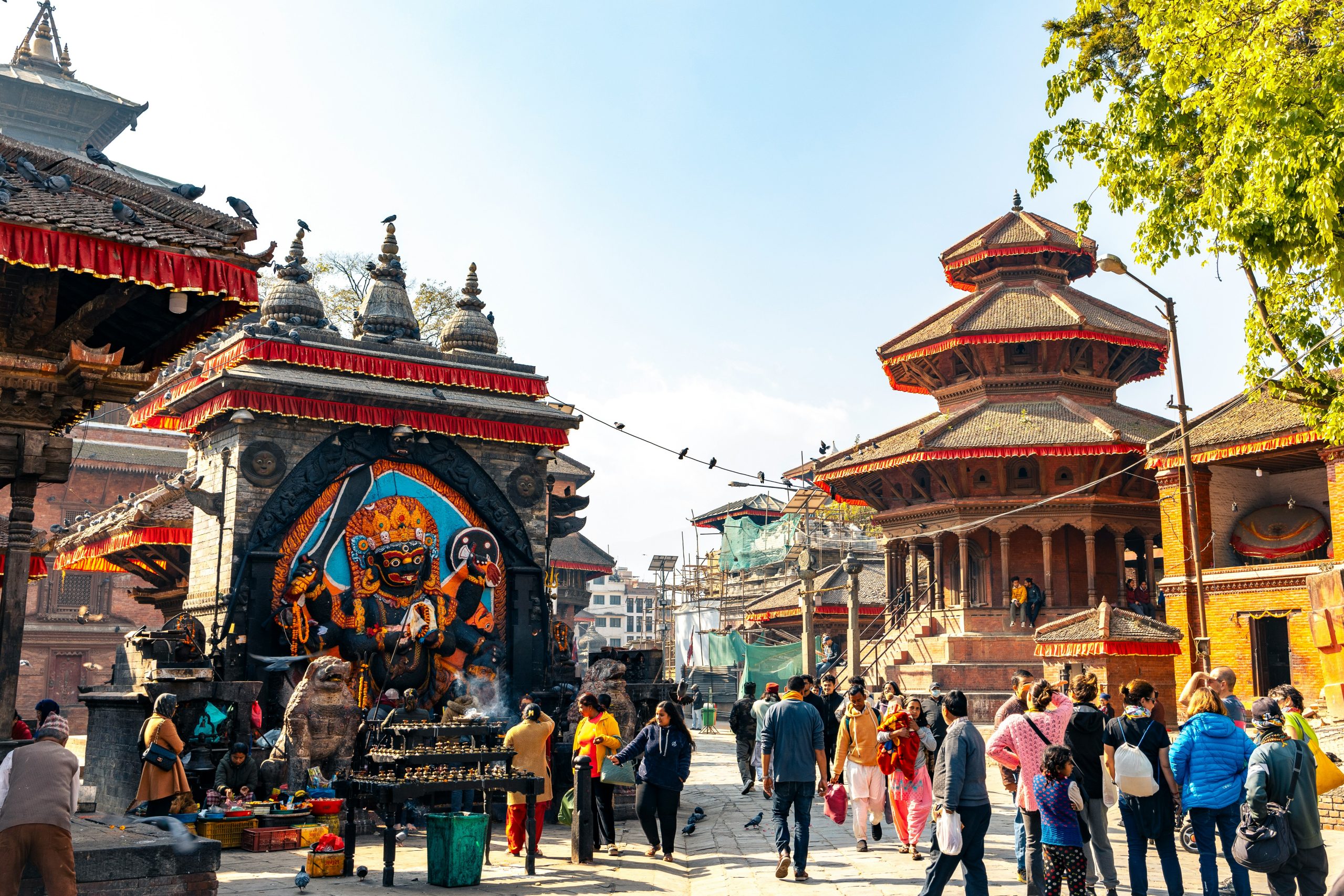
A chaotic, magical valley city of temples and stupas, where every trek is arranged in Thamel and three royal Durbar Squares lie within an hour of each other.
Kathmandu sits in a valley that was once three rival kingdoms, Kathmandu, Patan and Bhaktapur, and their royal squares, temples and stupas together form a UNESCO World Heritage Site. Many were damaged in the 2015 earthquake and have been painstakingly restored.
It is dusty, noisy and full of traffic, but also full of shrines, prayer flags and festivals.
Thamel, the travellers' quarter, is where treks are arranged and permits sorted. Three days is right before heading into the mountains.
Thamel is the travellers' quarter, with most hostels, gear shops, restaurants and bars, and it is walkable to Durbar Square. Boudha, around the great stupa, is calmer and more spiritual, with monasteries and guesthouses. Patan, across the river, is quieter and more local, with its own Durbar Square.
The travellers' quarter: hostels, gear shops and bars.
Guesthouses and monasteries around the great stupa.
A quieter city with its own Durbar Square, across the river.
Orange labels are neighbourhoods, dots are the 10 top-rated hostels. Map data from OpenStreetMap contributors.
The Kathmandu Valley holds seven UNESCO-listed monument zones, and the city is built around them. Boudhanath, one of the largest stupas in the world, is the centre of Tibetan Buddhism in Nepal: walk the kora, the clockwise circuit, at dusk with the pilgrims spinning prayer wheels, and climb to a rooftop café for the view (NPR 400).
Swayambhunath, the Monkey Temple, sits on a hill west of the city; climb the 365 steps of the eastern stairway for the view over the valley (NPR 200). Kathmandu Durbar Square, the old royal square, is still being restored after the 2015 earthquake; see the Hanuman Dhoka palace and the house of the Kumari, a young girl worshipped as a living goddess, who sometimes appears at her window (NPR 1,000).
Pashupatinath, on the Bagmati River, is Nepal's holiest Hindu temple; non-Hindus cannot enter the main temple, but can watch open-air cremations on the ghats from across the river, respectfully and without photographing mourners (NPR 1,000).
Patan, across the river, has the finest Durbar Square in the valley, with the excellent Patan Museum, and a quarter of Newar metalworkers. The Garden of Dreams, a restored neo-classical garden by Thamel, is a quiet escape.
For views of the Himalayas, go to Nagarkot for sunrise, or take a mountain flight past Everest.
Thamel's streets and Asan and Indra Chowk, the old market crossroads where spice, bead and pot sellers trade, are free and among the most atmospheric parts of the city.
Walking the lanes of the old town between Thamel and Durbar Square, with shrines and courtyards tucked into every corner, costs nothing. The Swayambhunath hillside is free to climb from the western side, though the stupa area charges, and the city's many smaller temples and bahals, courtyards, are free.
Dal bhat, rice with lentil soup, vegetable curry and pickle, is the national meal, eaten twice a day; refills are usually free, hence the saying 'dal bhat power, 24 hour'. Momos, dumplings filled with buffalo, chicken or vegetables, steamed or fried, are everywhere.
Newari food, from the valley's original people, is worth seeking out: bara, lentil pancakes, chatamari, rice flour crepes, and samay baji, a platter of beaten rice, meat and pickles. Thukpa, Tibetan noodle soup, is best around Boudha.
Thamel has every cuisine for travellers. A local meal is €1.50 to €4; a restaurant meal in Thamel €4 to €8.
Thamel has the city's nightlife: bars with live rock and cover bands, rooftop bars and a few clubs, busy with travellers before and after treks. Bars officially close around midnight.
Outside Thamel, the city goes to sleep early. Festivals such as Indra Jatra in September and Tihar's lights in October or November transform the evenings.
A beer is €2 to €4.
Tribhuvan International Airport is about twenty to thirty minutes from Thamel by taxi; fixed-price taxis are booked at the counter. Pathao and inDrive ride apps work in the city, and taxis should agree the fare first.
The old centre is best on foot; traffic is heavy and the roads dusty.
Tourist buses reach Pokhara in seven to eight hours and Chitwan in about six; flights to Pokhara take about twenty-five minutes. Buses and taxis reach Bhaktapur and Patan in under an hour.
Kathmandu is cheap. Dorms start around €5 and a careful day is €15 to €25.
The main sights charge foreigners entry fees: Kathmandu Durbar Square NPR 1,000 (about €6.50), Patan NPR 1,000, Pashupatinath NPR 1,000, Boudhanath NPR 400 and Swayambhunath NPR 200. Treks need permits and, in most areas, a licensed guide.
The currency is the Nepalese rupee (NPR); prices here are euro equivalents, at roughly 155 rupees to the euro. Cash is essential outside the cities and on treks; ATMs have low withdrawal limits and fees.
Kathmandu is generally safe. Anti-government protests in September 2025 turned violent in the city; check current advice and avoid demonstrations.
Traffic, dust and air pollution, worst from November to February, are the everyday hazards; a mask helps. Pickpockets work in crowded areas.
At temples, walk clockwise around stupas and shrines, remove shoes where asked, and ask before photographing people or ceremonies.
Emergency: 100 police, 102 ambulance. Tourist Police: 1144.
Medieval towns, Himalayan sunrise and a flight past Everest.
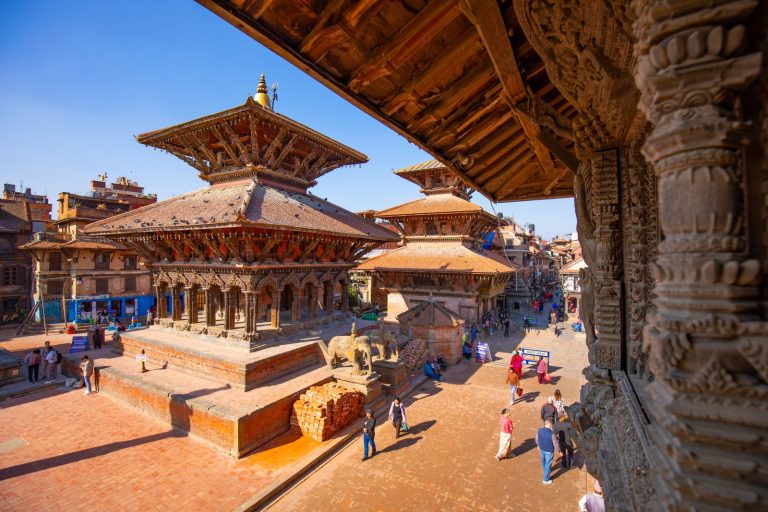
The finest Durbar Square in the valley and the Patan Museum.
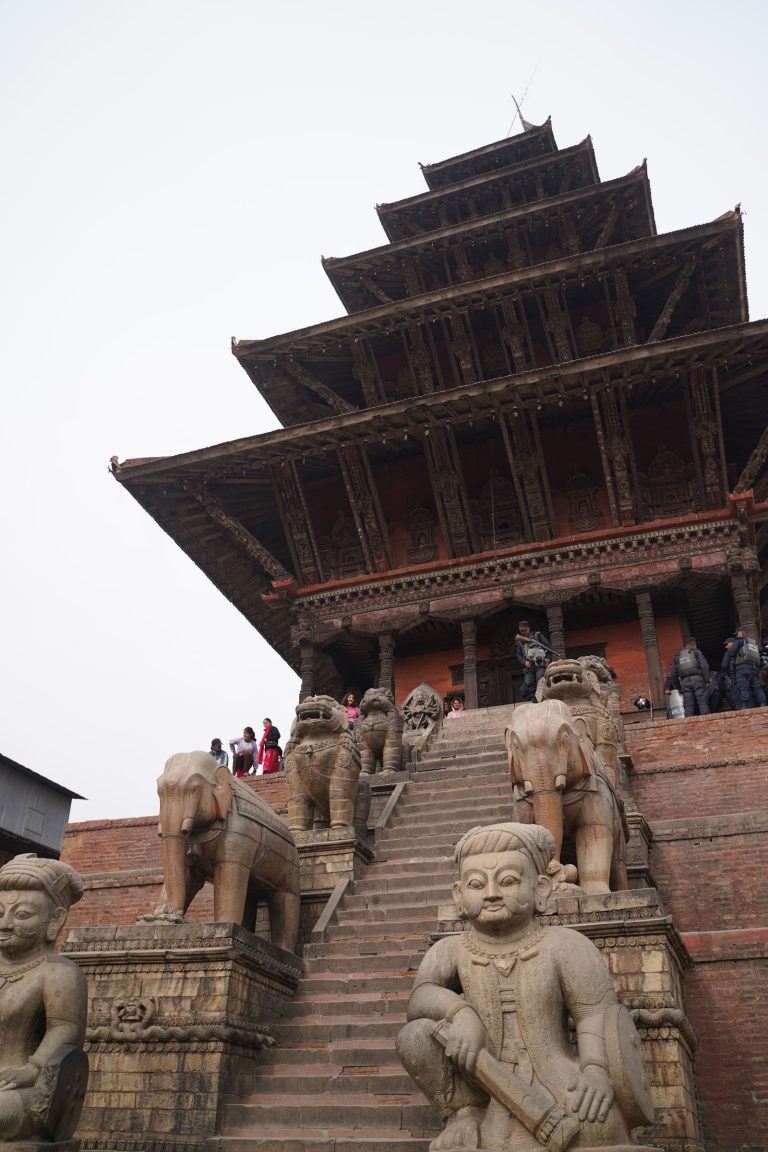
The best-preserved medieval town in the valley.
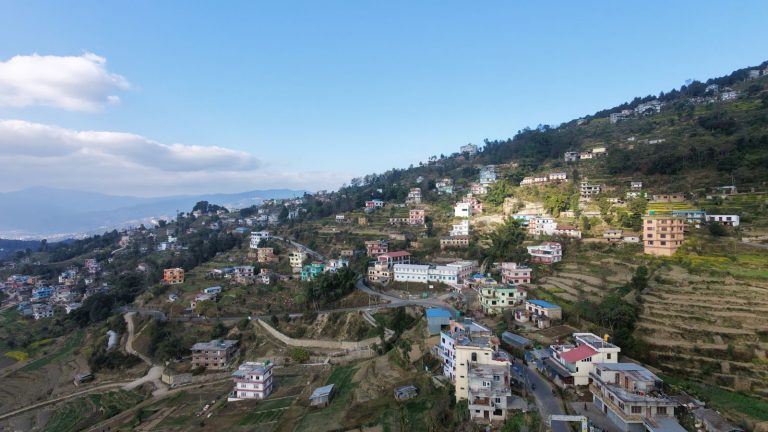
Sunrise over the Himalayas.
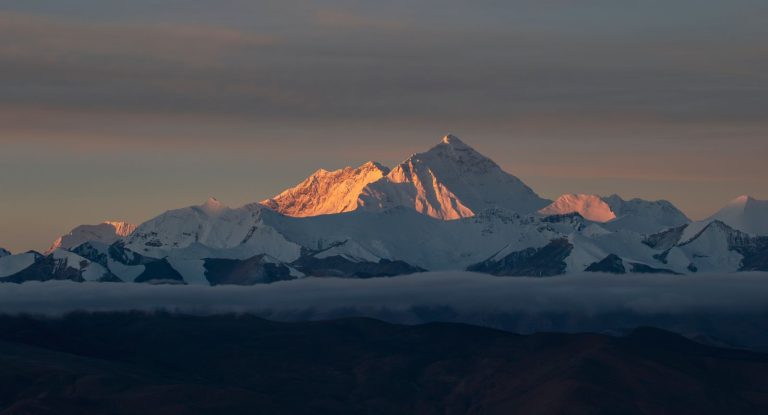
A mountain flight past Everest at dawn.
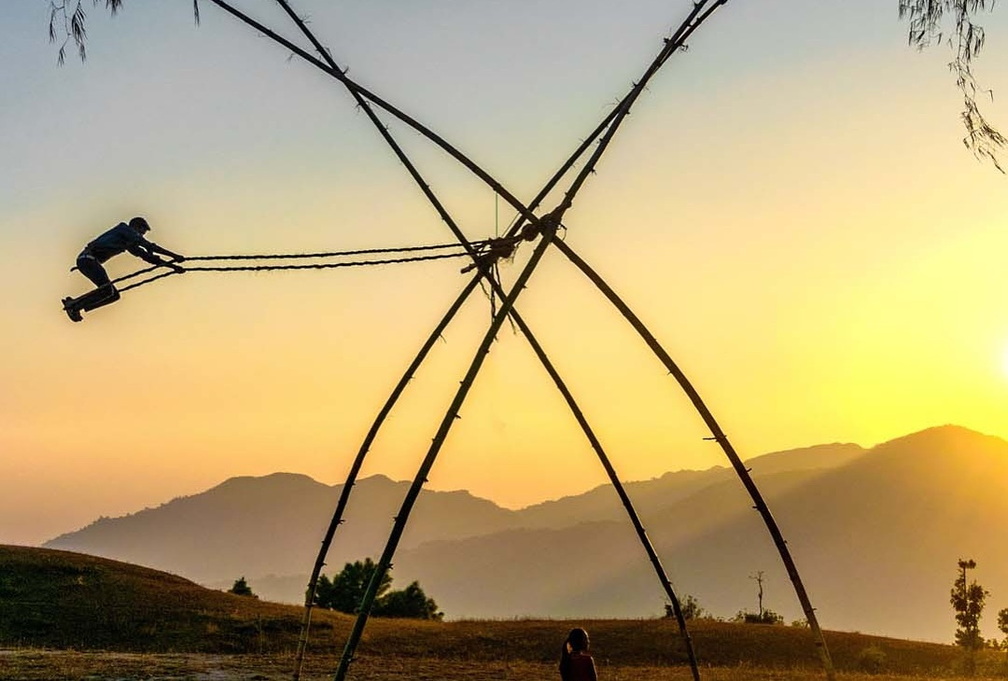
Dashain and Tihar are the biggest festivals of the year.
 Staff pick
Dashain Festival in Kathmandu, Nepal, is the most significant Hindu celebration in the country, drawing families together at historic sites like Hanuman Dhoka Palace.…
 Staff pick
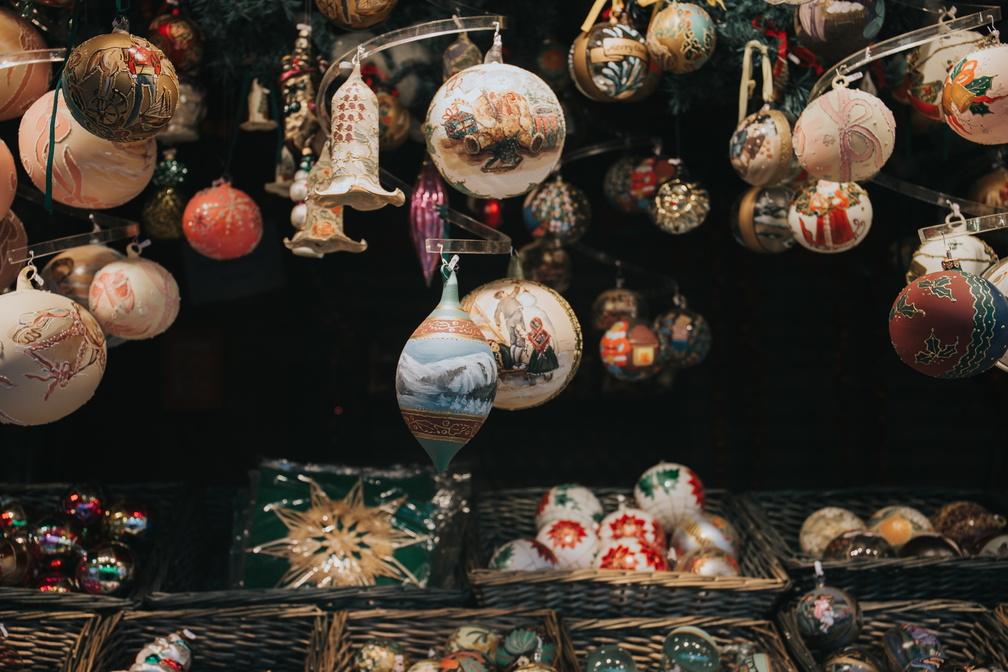
Christmas Day in Kathmandu, Nepal, is a joyful celebration that brings together locals and visitors in a unique blend of Western traditions and Nepali…
 Staff pick
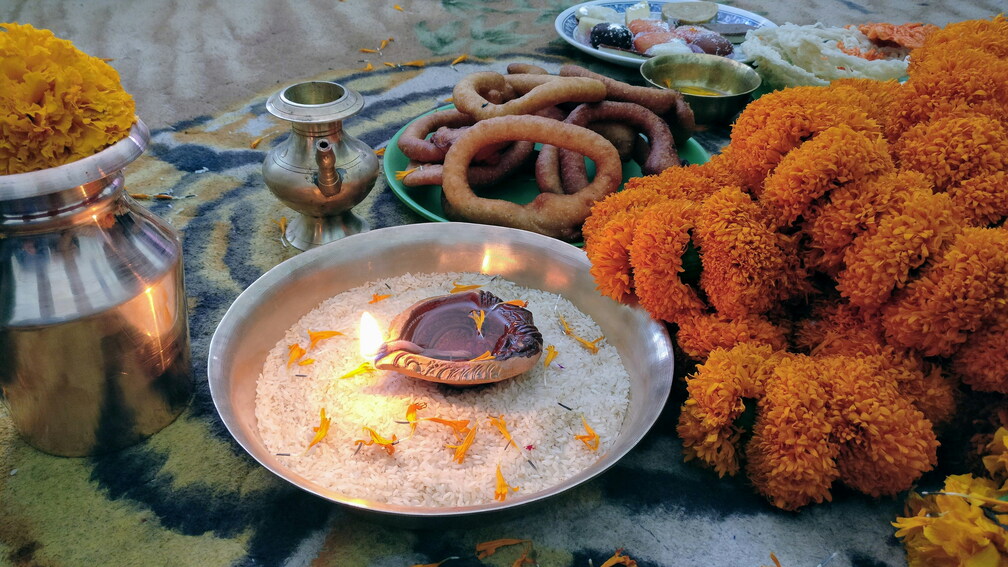
Tihar, also called the Festival of Lights, transforms Kathmandu, Nepal, into a dazzling celebration of color and tradition each year. Over five days, locals…
 Staff pick
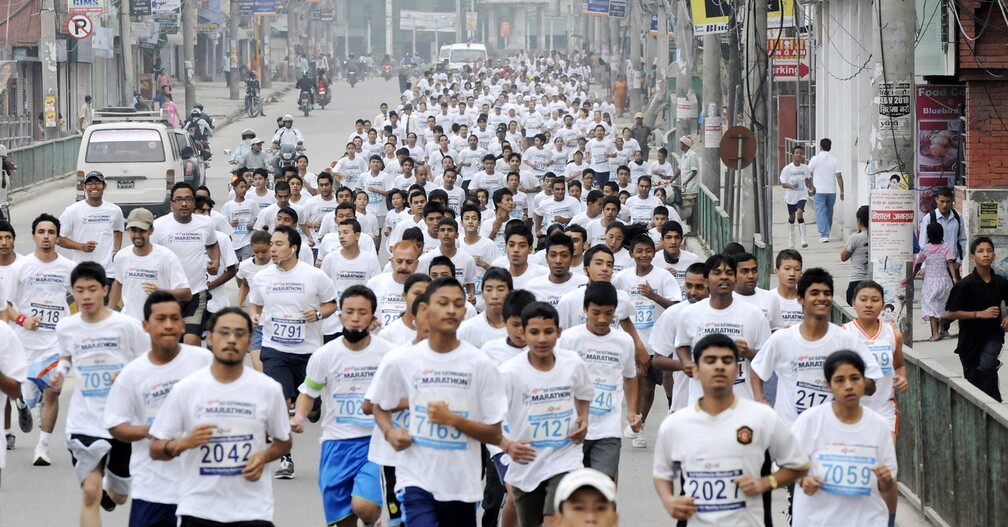
The Kathmandu Marathon, established in 2007, is a celebrated running event that brings together national and international participants in Kathmandu, Nepal. Hosted at the…
 Staff pick
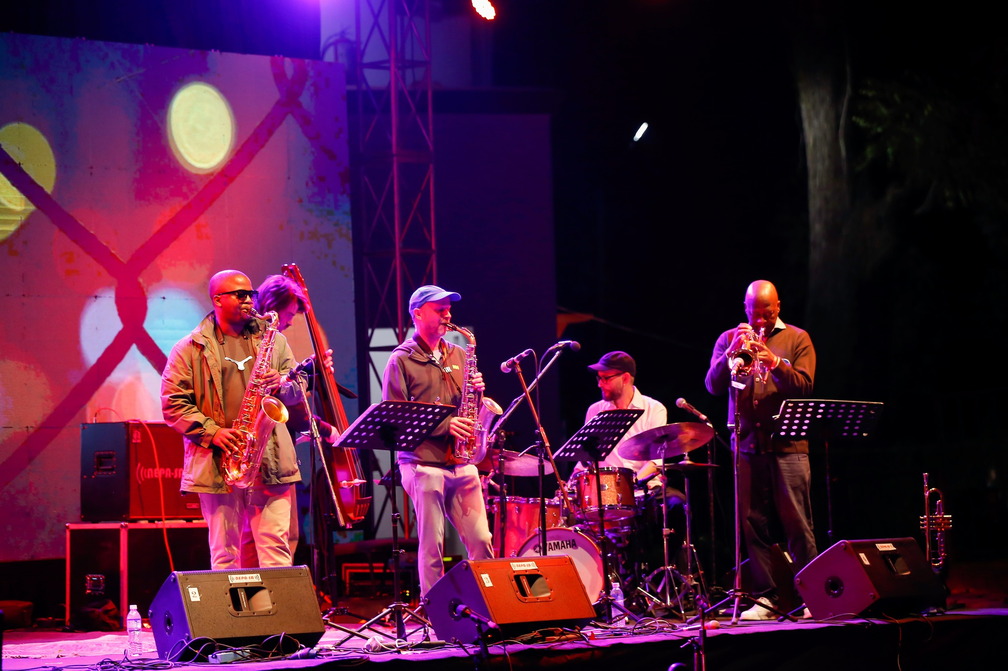
Jazzmandu, the Kathmandu Jazz Festival, is Nepal’s leading international music celebration, bringing together acclaimed artists from around the world alongside local talent. Hosted at…
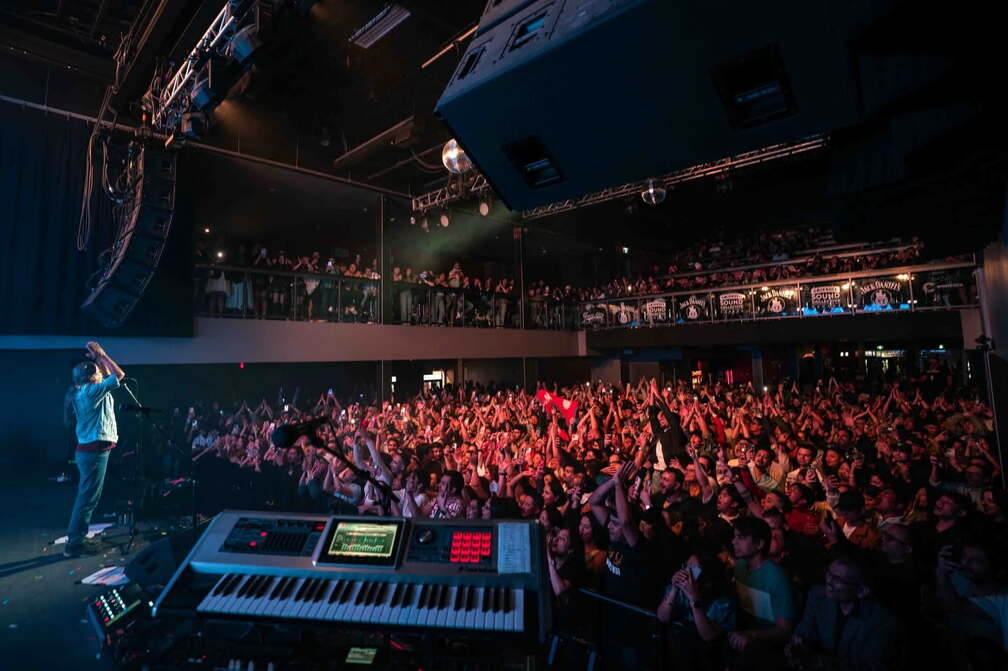
Nepathya Live in Kirtipur brings the iconic Nepali band to the Laboratory School Ground for an evening of music. The gates open at 4:15…
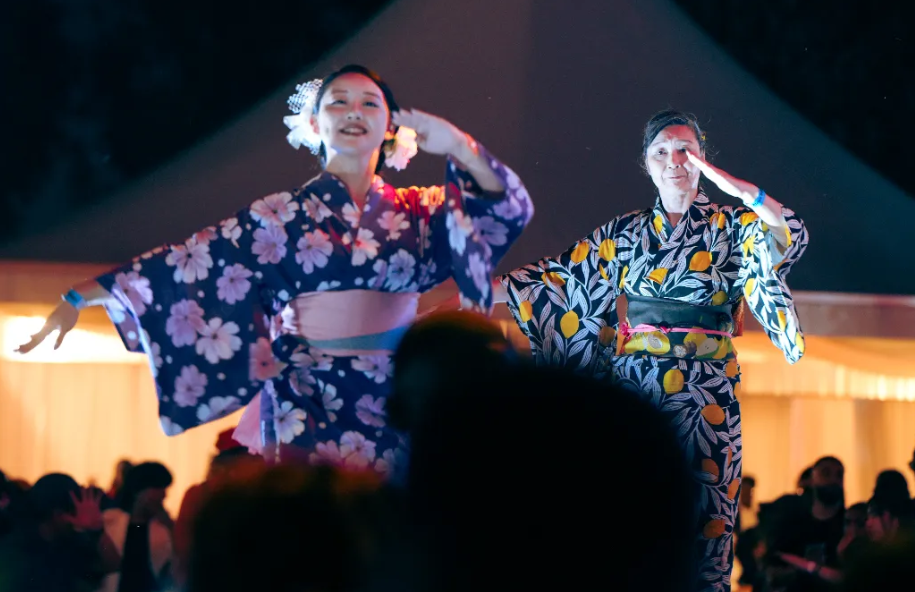
Marking 70 years of diplomatic ties between Nepal and Japan, this cultural festival brings together music, performances, and people-to-people exchanges on Durbar Marg. Japanese…
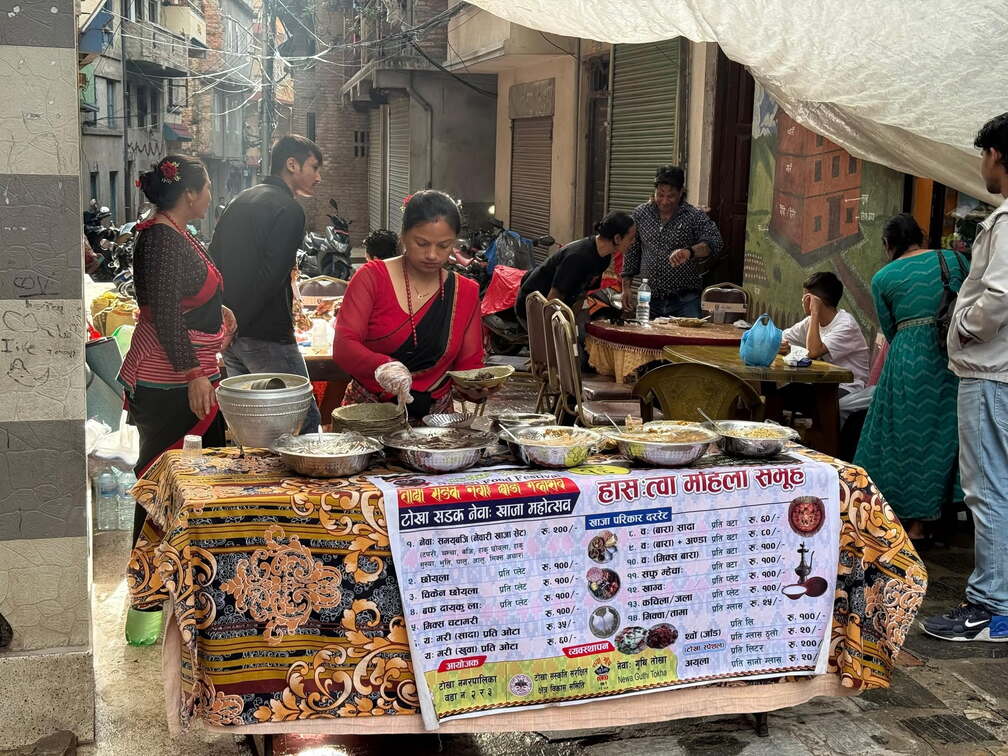
Every Saturday, the streets of Tokha come alive with a traditional Newari food market where you can sample dishes like Yomari, Bara, Chatamari, and…
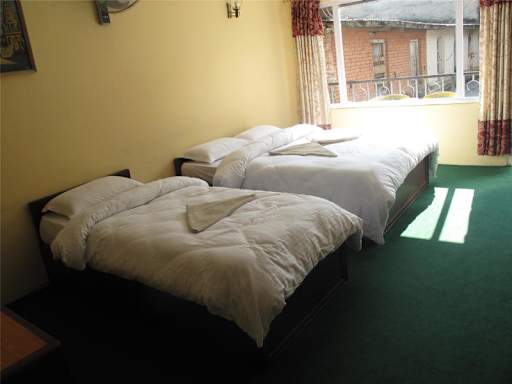
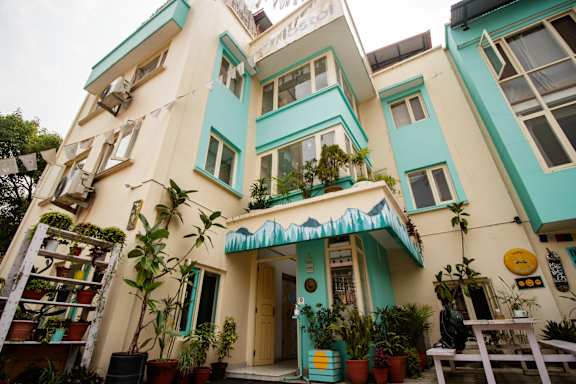
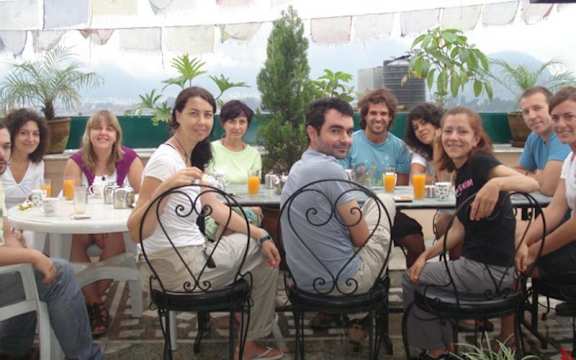
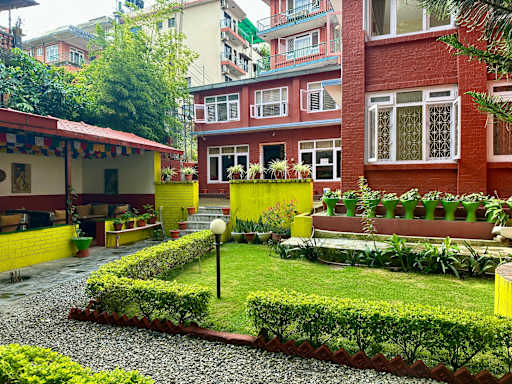
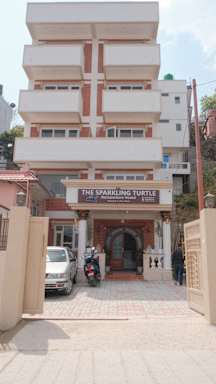
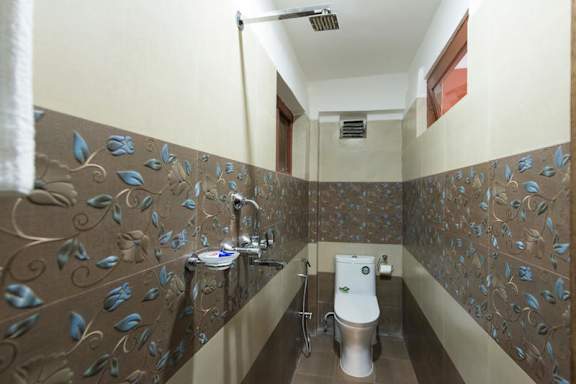
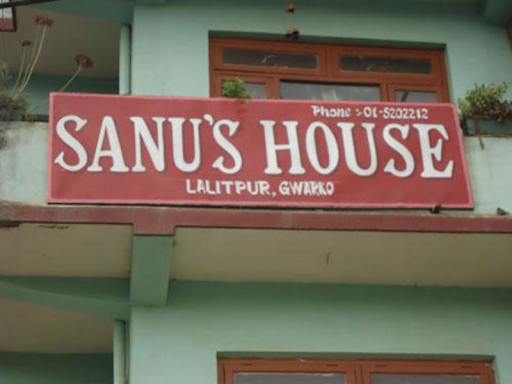
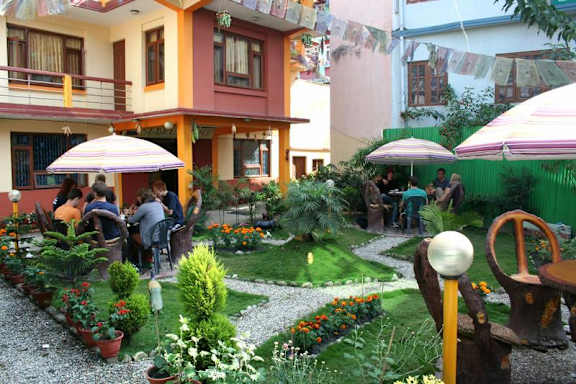
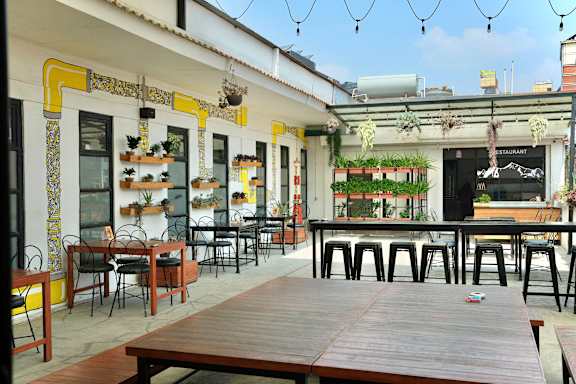
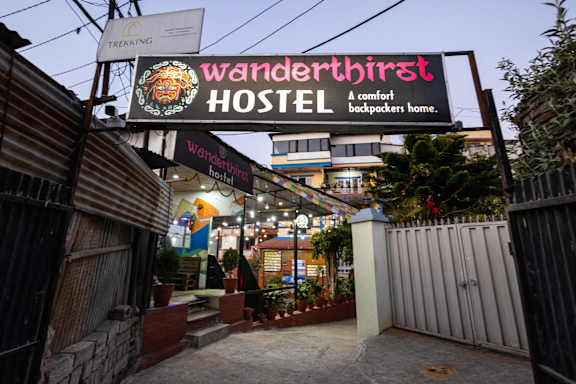
The top-rated places to stay in Kathmandu right now, live from Hostelworld.
October and November are clearest; March and April bring spring. The monsoon runs from June to September.
Average highs.
Pick how you travel. Per person per night, in euros.
Prices are in rupees locally; these are euro equivalents. Excludes sight fees.
The ones we get asked most.

Compare Kathmandu hostels — live prices, real reviews and free cancellation on most bookings. Then meet the people already there in the app.

 Get the App.
 Get the App.