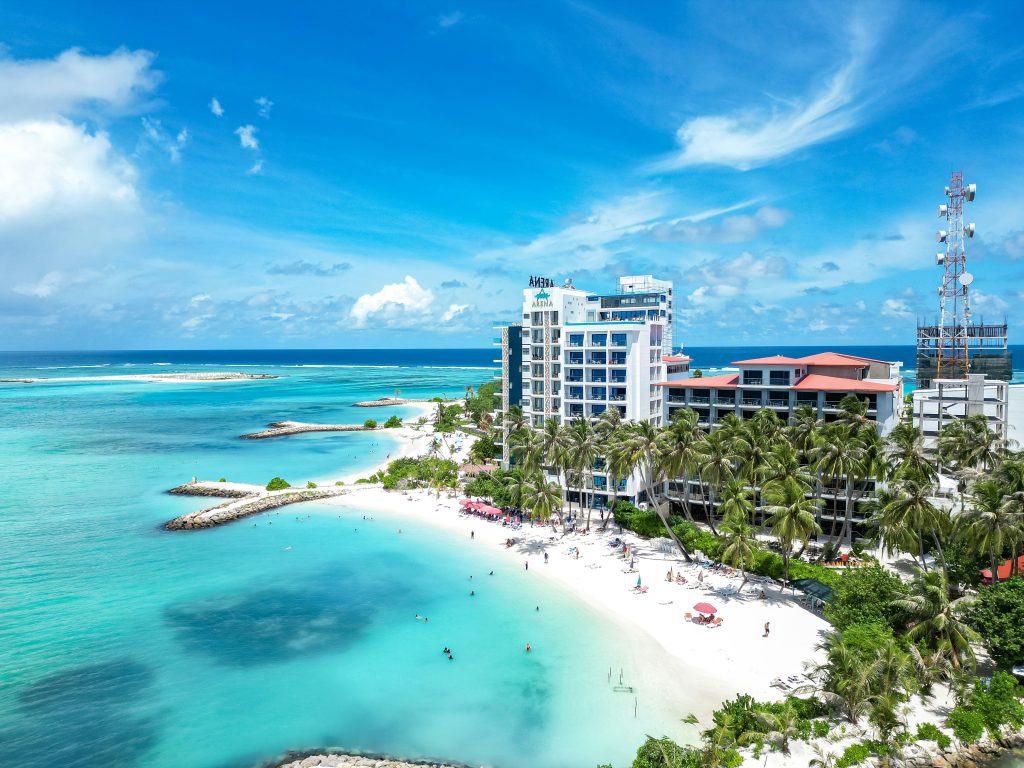
Maafushi
1 hostel
The biggest local-island scene, with a bikini beach, floating bars and boat trips every day.

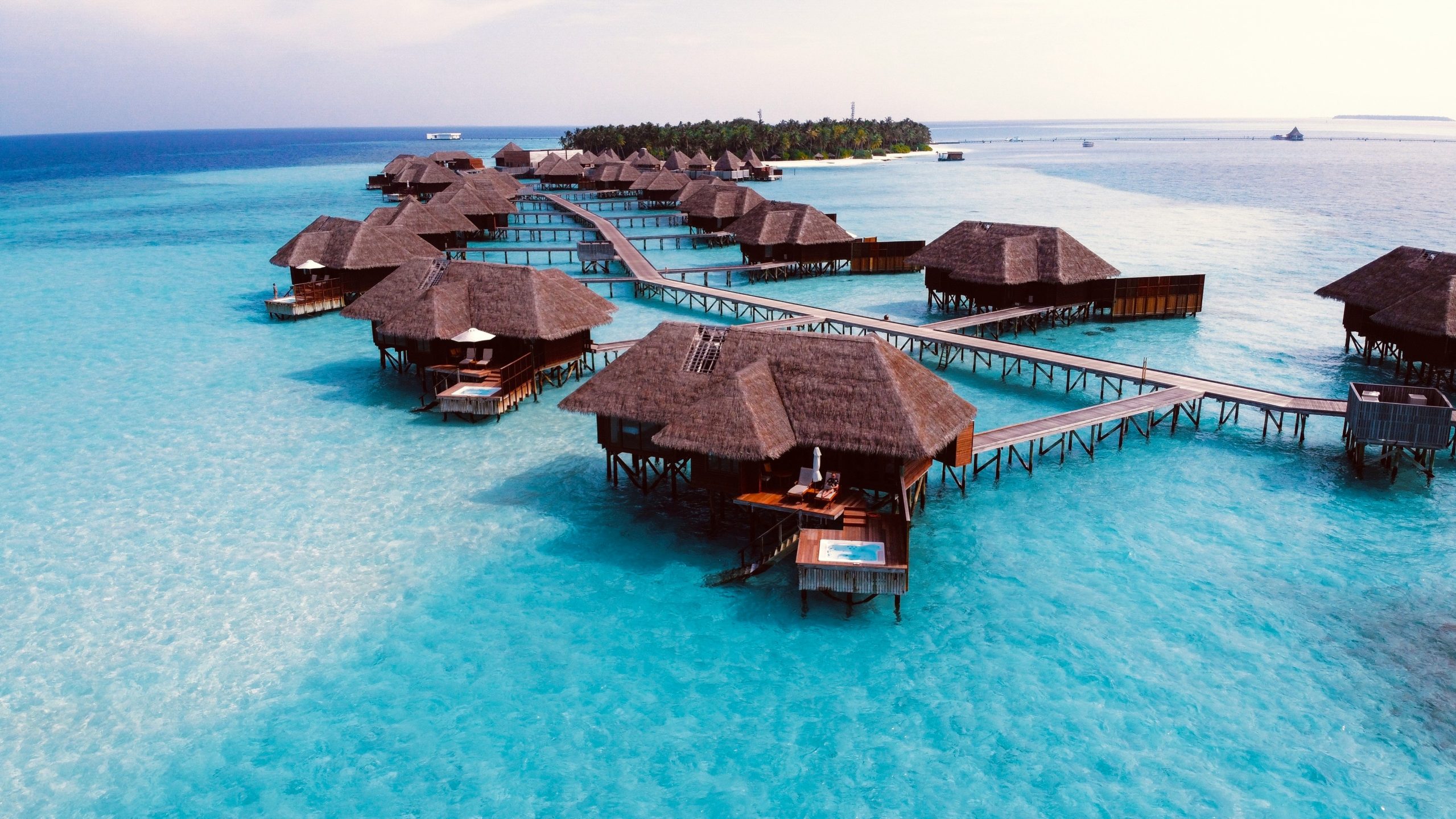
Twelve hundred coral islands in the Indian Ocean, and since local islands opened to guesthouses you no longer need a resort budget. Snorkel with turtles off the beach, swim with whale sharks and mantas, and sleep in a family-run guesthouse for a fraction of resort prices.
The Maldives is a chain of 26 coral atolls in the Indian Ocean, about 1,200 islands in all, none rising more than a couple of metres above the sea. For decades, tourists could only stay on private resort islands, which made it one of the most expensive destinations on earth.
In 2009 the law changed, and guesthouses opened on the inhabited local islands. Now travellers can stay among Maldivians, eat in local cafés, take the public ferry and reach the same reefs, sandbanks and marine life as the resorts, for a fraction of the price.
It is a Muslim country with its own rules: no alcohol on local islands, modest dress away from the designated bikini beaches, and quiet Fridays. Most people pick one or two islands and stay a week.
Most travellers fly into Malé and take a ferry or speedboat to one or two local islands. Pick islands close to the reefs and marine life you want to see, and do not try to hop too often: boats are the slow, expensive part.
The biggest local-island scene, with a bikini beach, floating bars and boat trips every day.
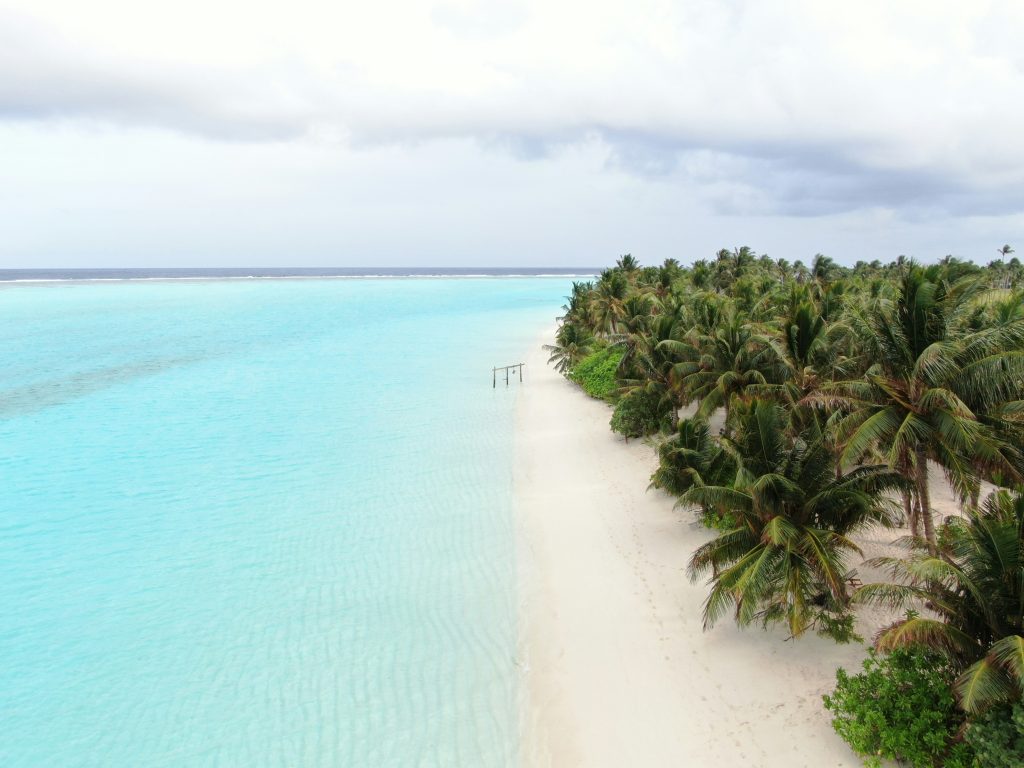
A quiet farming island with a long bikini beach and some of the best house-reef snorkelling.
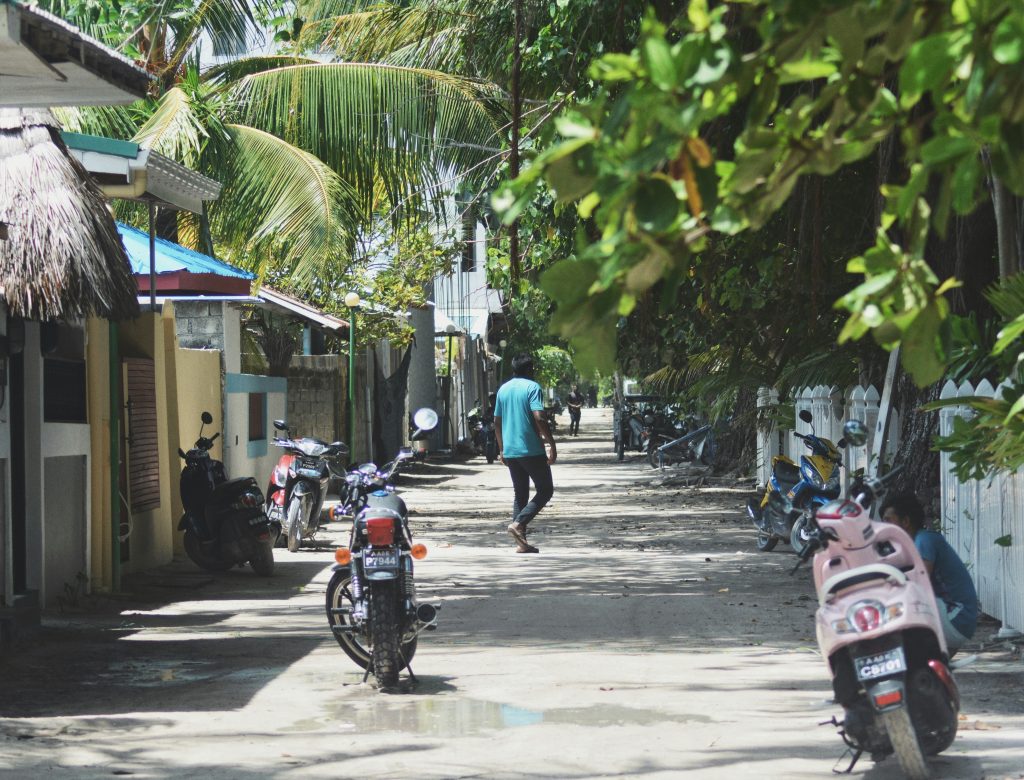
A small eco-minded island in Alif Alifu, with a clean beach and easy reef trips.
The Maldives is a beach and ocean country above all. The question is which island, and how much of the underwater world you want to see.
White sand and turquoise water, on a guesthouse budget.
Whale sharks, mantas and world-class diving.
Paradise without the resort bill.
A small Muslim island nation with its own language and traditions.
The reefs are the reason to come. On many local islands you can snorkel straight off the beach over coral with turtles, reef sharks and rays. Guesthouses run boat trips to sandbanks, reefs and resort islands for day visits.
South Ari Atoll, around Dhigurah, is one of the few places in the world where whale sharks are seen all year. In Baa Atoll, a UNESCO Biosphere Reserve, Hanifaru Bay gathers manta rays in huge numbers from roughly May to November.
Diving is world-class and cheaper from local islands than resorts. Surfers come from March to October for the breaks around Malé and Thulusdhoo.
In Malé, see the Old Friday Mosque, built of carved coral stone in 1658, the fish market and the National Museum, and walk the waterfront.
Maldivian food is built on tuna, coconut, rice and chilli. Mas huni, shredded tuna with coconut, onion and chilli, eaten with roshi flatbread, is the breakfast. Garudhiya, a clear fish broth, is the traditional meal, and hedhikaa, fried and baked short eats, are sold in every café in the afternoon.
On local islands, most travellers eat at their guesthouse or in a handful of cafés. Meals cost €5 to €15 in local places, far more on resorts.
There is no alcohol on local islands. Floating bars on boats offshore and resort day trips are the exceptions.
There is no nightlife in the usual sense on local islands: alcohol is not allowed, and evenings are for sunset on the beach, night snorkels, stargazing and dinner.
Some local islands, including Maafushi, have floating bars moored offshore where guests can drink legally. Resort day and evening passes include drinks, at resort prices.
If nightlife matters to your trip, the Maldives is the wrong choice. If a quiet night under the stars appeals, it is the right one.
Velana International Airport is on its own island next to Malé, linked to the capital by a bridge and a short bus or taxi ride.
Between islands, you have three options. Public ferries are very cheap, a few dollars, but slow and infrequent, running only some days of the week and rarely on Fridays. Shared speedboats run on fixed schedules to the popular local islands, usually €25 to €70 one way. Seaplanes and domestic flights reach the outer atolls and resorts, at a much higher price.
Plan boat connections before you book your flights: arriving after the last speedboat means a night in Malé or Hulhumalé.
On local islands, the Maldives is affordable. Guesthouse beds start around €30, meals are €5 to €15, and a careful day comes to €60 to €90 including a boat trip. Resorts start at several hundred euros a night.
Taxes add up: guesthouses on local islands charge a green tax of US$6 per person per night, and a 17% tourism tax applies to accommodation and tourist services. Check whether your quoted price includes them.
The costs that add up are excursions, speedboat transfers and diving. The currency is the rufiyaa, but US dollars are accepted almost everywhere; bring small notes, as cards are not taken everywhere on local islands.
The Maldives is safe, with low crime on the islands. The risks are the sea and the sun: currents in the channels between islands are strong, so snorkel with a guide or near the house reef, and never alone. The equatorial sun burns quickly.
Respect local laws and customs. On local islands, cover your shoulders and knees away from the designated bikini beaches, and do not bring alcohol, pork or drugs, which are illegal and severely punished. During Ramadan, avoid eating and drinking in public during the day.
Political demonstrations occasionally take place in Malé; avoid them. Emergency numbers are 119 for police and 102 for ambulance.
Every nationality gets a free 30-day tourist visa on arrival. You need a passport valid for at least a month beyond your stay, a return or onward ticket, and a confirmed booking for your accommodation.
All travellers must complete the IMUGA traveller declaration online within 96 hours before arriving, and again before departing.
Customs rules are strict: alcohol, pork products, drugs, pornography and religious idols for worship cannot be brought into the country.
December to April is the dry season, with calm seas and the best visibility. May to November brings the wet monsoon, lower prices, and the manta season in Baa Atoll.
Average highs for Malé. It is hot all year; the difference between seasons is rain and sea conditions.
Pick how you travel and how long for. Per night, for one person, on a local island.
Prices are euro equivalents. Excludes resort stays, the US$6 green tax and the 17% tourism tax where not included.
A short calendar. The seasons in the ocean matter more than the festivals on land.
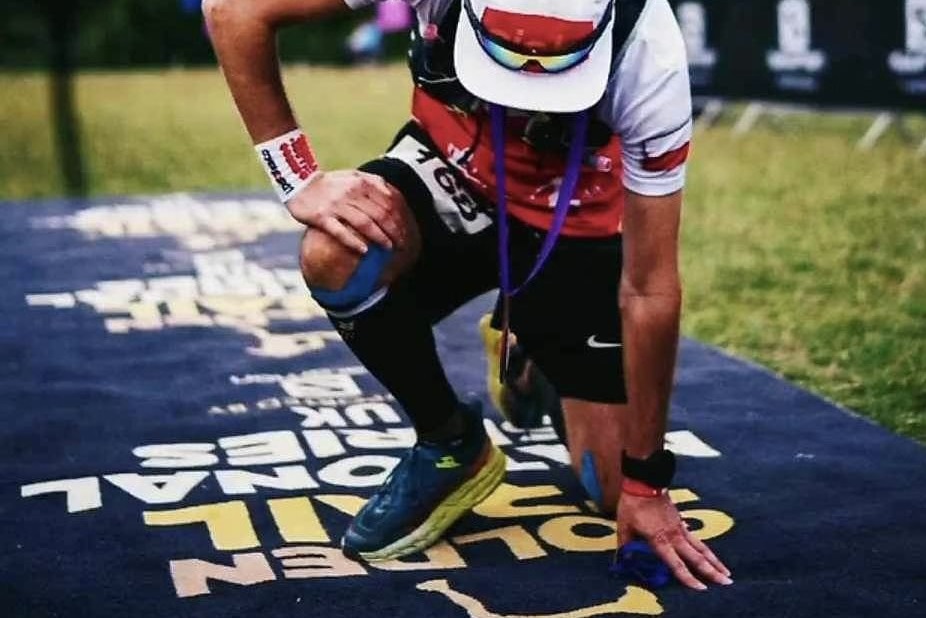 Staff pick
The Fulhadhoo Marathon is a must-attend event for running enthusiasts seeking a scenic and challenging race experience. Set against the breathtaking backdrop of the…
The highest-rated places to stay in the Maldives, live from Hostelworld.
The ones we get asked most.

Compare places to stay across the Maldives — live prices, real reviews and free cancellation on most bookings. Then meet the people already there in the app.

 Get the App.
 Get the App.