Dingle town
Pubs and musicThe harbour town, with its painted streets and pubs. Everything within a few minutes' walk.

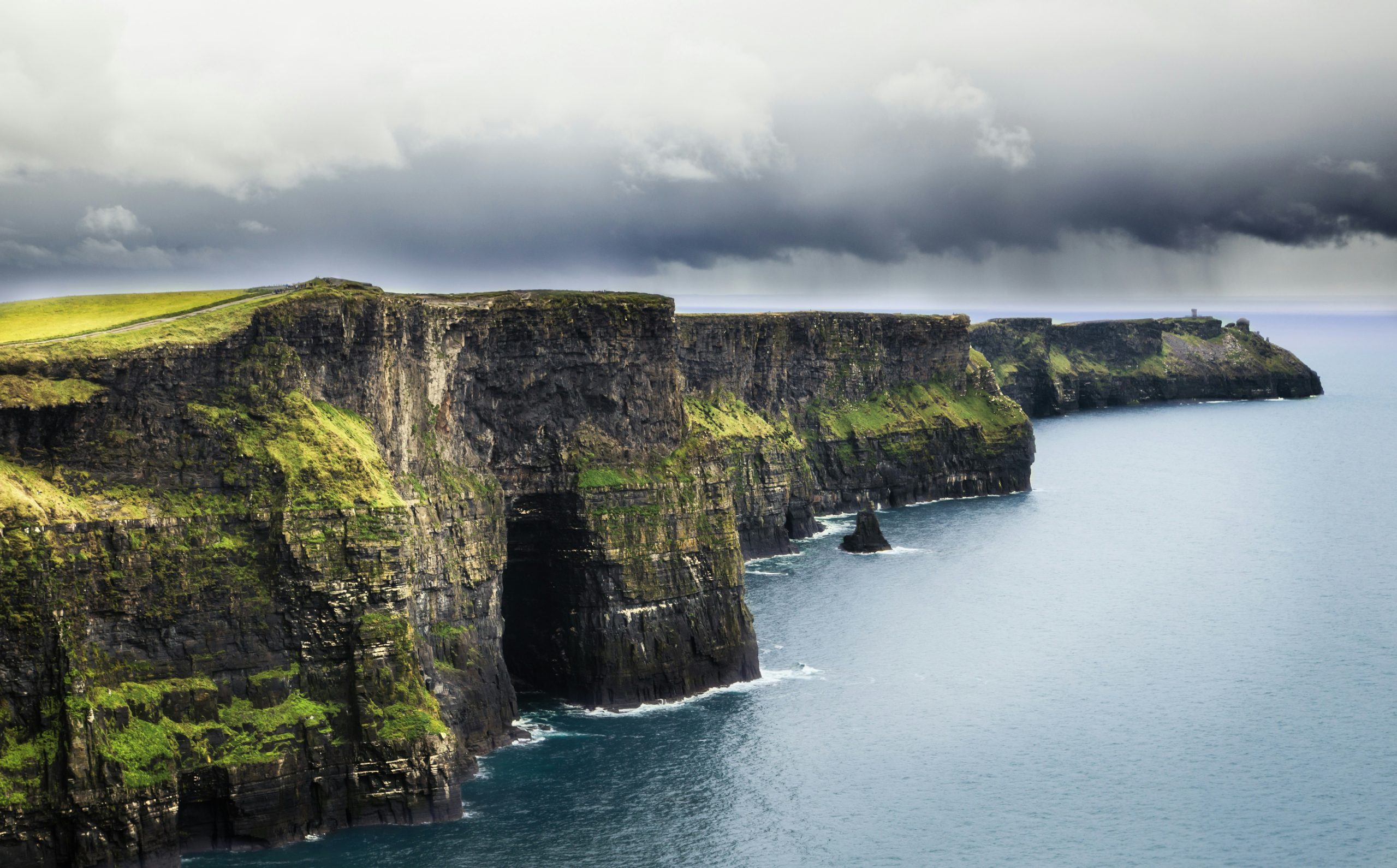
A harbour town of painted shopfronts and more pubs than seems possible, at the western edge of Europe. Irish is spoken on the peninsula, and the coastal drive beats the Ring of Kerry.
Dingle is a small fishing town on the peninsula of the same name, about as far west as you can go in Ireland. It has a population of around two thousand, a busy harbour, streets of brightly painted shops and a famous number of pubs, some of which still double as hardware shops.
The peninsula around it is part of the Gaeltacht, where Irish is the everyday language, and it is covered in the remains of early Christian Ireland: beehive huts, stone oratories and inscribed stones. Offshore, the Blasket Islands were home to a community of Irish-speaking writers until they were abandoned in 1953.
The Slea Head Drive around the tip of the peninsula is one of the great coastal roads in Europe, shorter and quieter than the Ring of Kerry. Three days is ideal.
Dingle town is small. Stay in town for the pubs, or out on the peninsula for the quiet.
The harbour town, with its painted streets and pubs. Everything within a few minutes' walk.
The quays and marina, with the fishing boats and the walk to the lighthouse.
A village with a long beach, ten minutes west of town on the Slea Head road.
The westernmost village, facing the Blaskets. Remote and very beautiful.
Orange labels are neighbourhoods, dots are the 2 top-rated hostels. Map © MapTiler © OpenStreetMap contributors.
Drive or cycle the Slea Head loop, about forty-seven kilometres west from town around the tip of the peninsula. It passes beehive huts, the Dunmore Head viewpoint over the Blaskets, and the beach at Coumeenoole. Go clockwise, as the signs suggest.
The Gallarus Oratory, a dry-stone church over a thousand years old, is still watertight. The Blasket Centre at Dunquin tells the story of the islanders and their writers, and boats run to the Great Blasket in summer, weather permitting.
For the view, drive over the Conor Pass, the highest mountain pass in Ireland, to the north side of the peninsula. It is narrow, single-track in places and closed to large vehicles.
Back in town, the Dingle Distillery makes whiskey, gin and vodka, and tours are worth it. Mount Brandon, one of the highest mountains in Ireland, is a serious day's climb along an old pilgrim path.
The peninsula is free. The Slea Head Drive, the beaches at Coumeenoole, Ventry and Inch, and the views over the Blaskets cost nothing but the petrol or the bike hire.
The walk along the harbour and out to the lighthouse at the mouth of Dingle Bay is free, and the best in the early evening.
The music is free, and in Dingle it is some of the best in the country. Most pubs in town have sessions in summer, many through the winter too.
Dingle eats very well for a town its size, and seafood is the reason. Fish comes straight off the boats in the harbour, and chowder, crab, mussels and fish and chips are everywhere.
Murphy's Ice Cream started here, and the sea salt flavour, made with salt from Dingle Bay, is the one to try.
The town is busy with visitors and restaurant prices follow, at €20 to €35 for a main. Pub food and fish and chips on the harbour are the cheaper options, and the Dingle Food Festival in October is the best time to eat.
Dingle has an extraordinary number of pubs for its size, and several are unusual: Dick Mack's was a leather and boot shop, Foxy John's is still a hardware store in the front, and both are pubs in the back.
Music is the night out. Trad sessions happen in many pubs every night in summer, and in some all year, and they are among the best in Ireland.
A pint is €5.50 to €6.50. Pubs close around 23:30 during the week and 00:30 at weekends.
Dingle town is tiny and entirely walkable.
Buses run from Tralee, which is linked by bus and train to Killarney, Cork and Dublin. The journey from Tralee takes about an hour and a quarter, and services are limited on Sundays and in winter. Kerry Airport, at Farranfore, is about an hour away.
The peninsula has almost no public transport, so a bike or a car is needed for Slea Head. Bikes can be hired in town; electric bikes make the hills much easier. Day tours also run from town in summer.
The Conor Pass is narrow and not suitable for large vehicles or nervous drivers.
Dingle is a popular town in a remote place, and it is not cheap. Dorms typically run €25 to €40, and fill quickly in summer.
A careful day is €55 to €75. The costs that add up are car or bike hire, boat trips to the Blaskets, and eating out.
Cook in the hostel, eat fish and chips on the harbour, and go to the pubs for free music rather than paid shows. Visit in May, June or September for lower prices and fewer people.
Dingle is very safe.
The risks are on the coast and the roads. Cliff edges on the peninsula have no railings, and Atlantic waves surge onto rocks without warning; stay back from edges and off wet rocks. Swim only on beaches with lifeguards in summer.
The Slea Head Drive and the Conor Pass are narrow, and busy with coaches and cyclists in summer. Drive slowly and use the passing places.
Mount Brandon is a serious mountain in poor weather. Emergency numbers are 112 or 999.
The peninsula is the trip. Most of these can be done by bike from town.
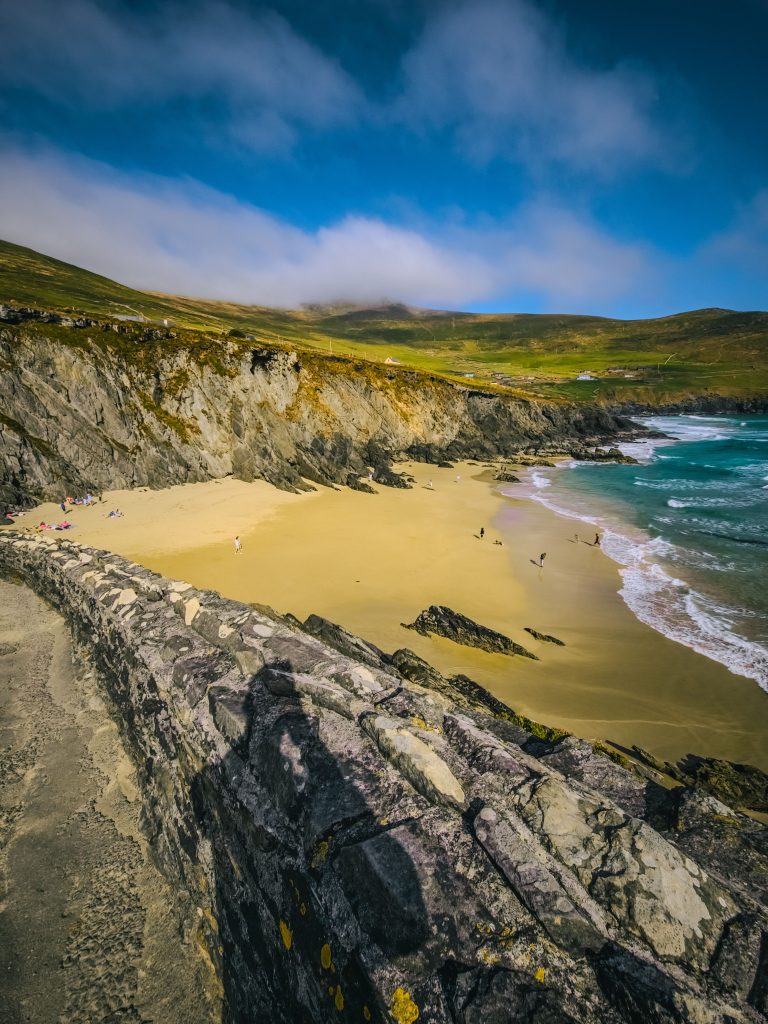
The loop around the tip of the peninsula, past beehive huts, beaches and the Blasket view.
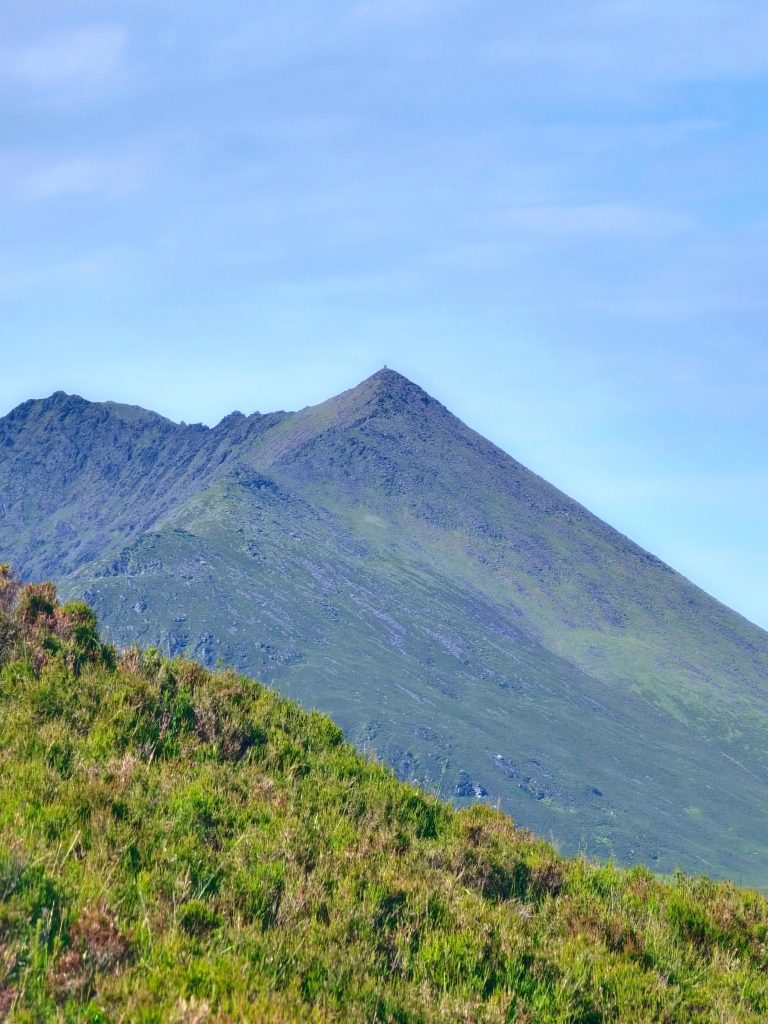
One of the highest mountains in Ireland, up an old pilgrim route. Only in good weather.
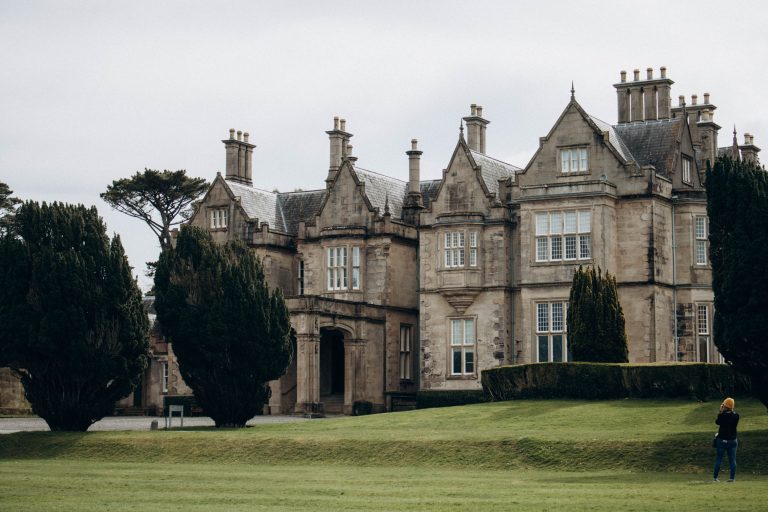
The national park and the base for the Ring of Kerry.
Dingle's calendar is full of local festivals, and St Stephen's Day is unlike anywhere else.
 Staff pick
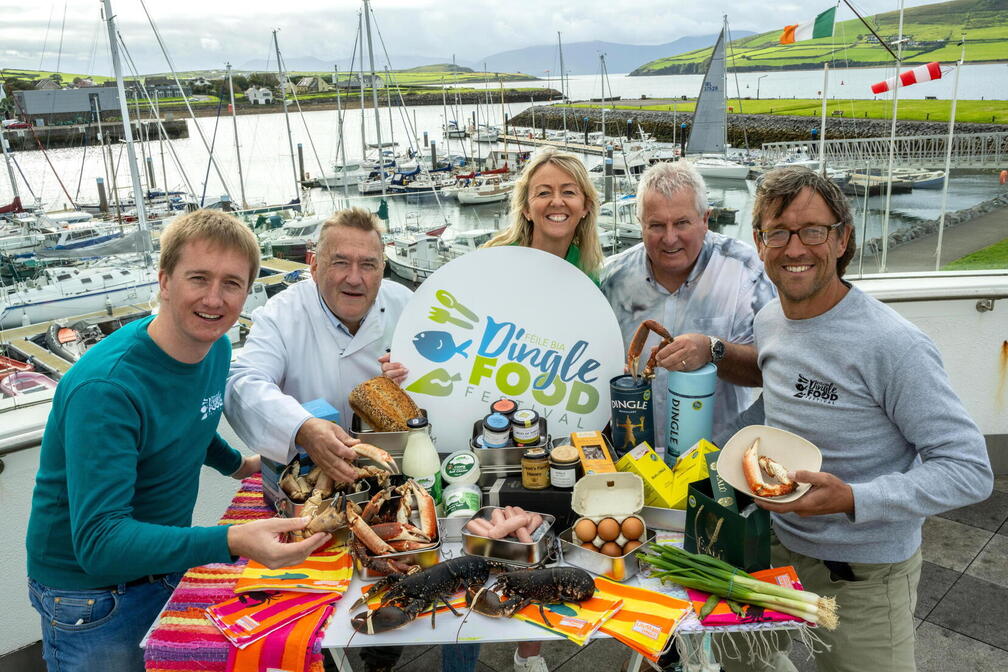
The Dingle Food Festival in Dingle, Ireland, is renowned for its commitment to sustainability, aiming to be the first Irish “Zero Landfill Waste” festival…
 Staff pick
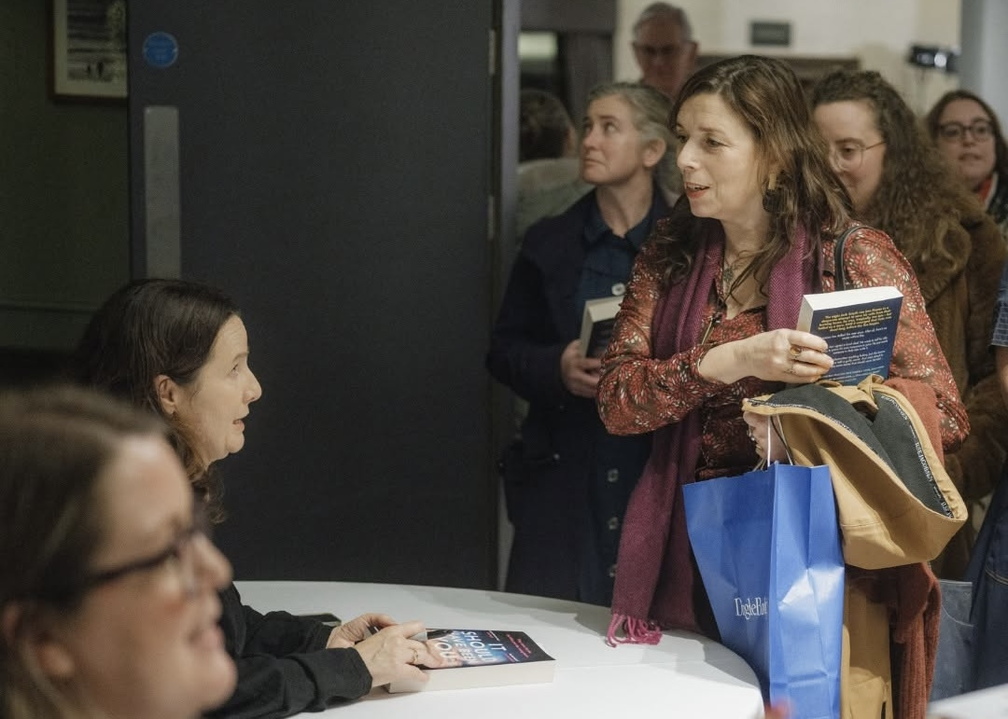
Dingle Literary Festival, set against the stunning backdrop of the Dingle Peninsula, is a unique celebration of literature and culture that brings together acclaimed…
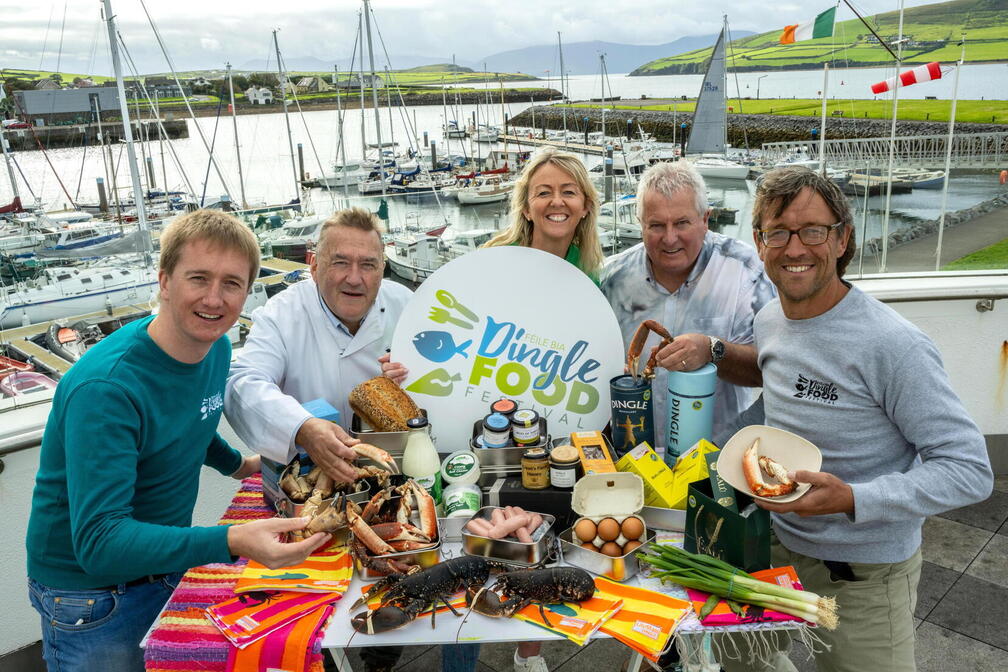
A weekend of food trails, market stalls, and workshops unfolds in this charming fishing town on the Wild Atlantic Way. The festival runs on…
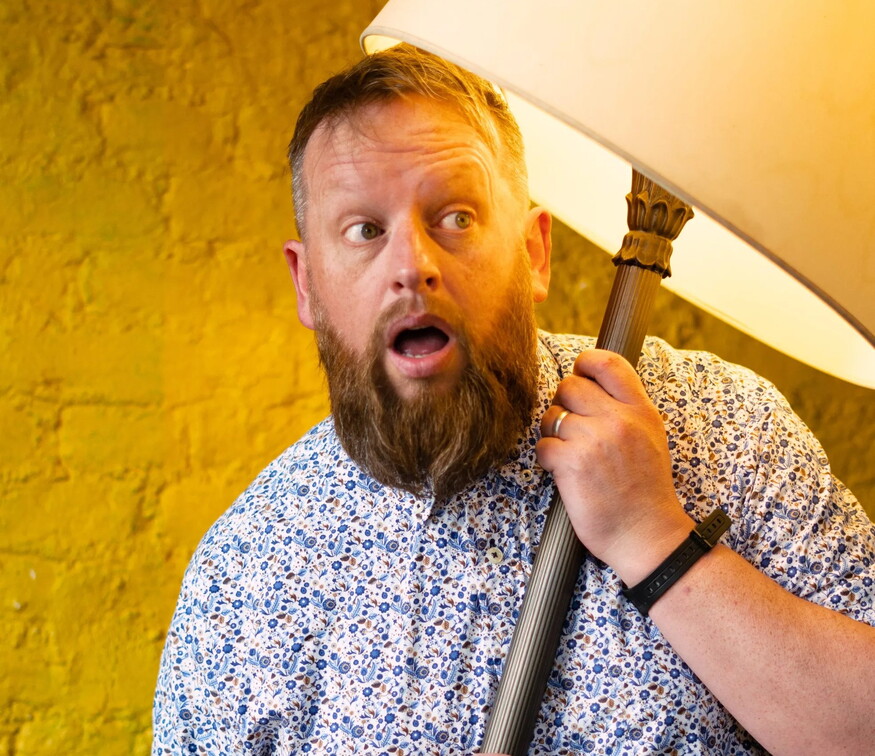
Cornelius Patrick O'Sullivan brings his Pull Hard Tour to Wave Dingle Theatre for a night of sharp wit and clever jokes. The show explores…
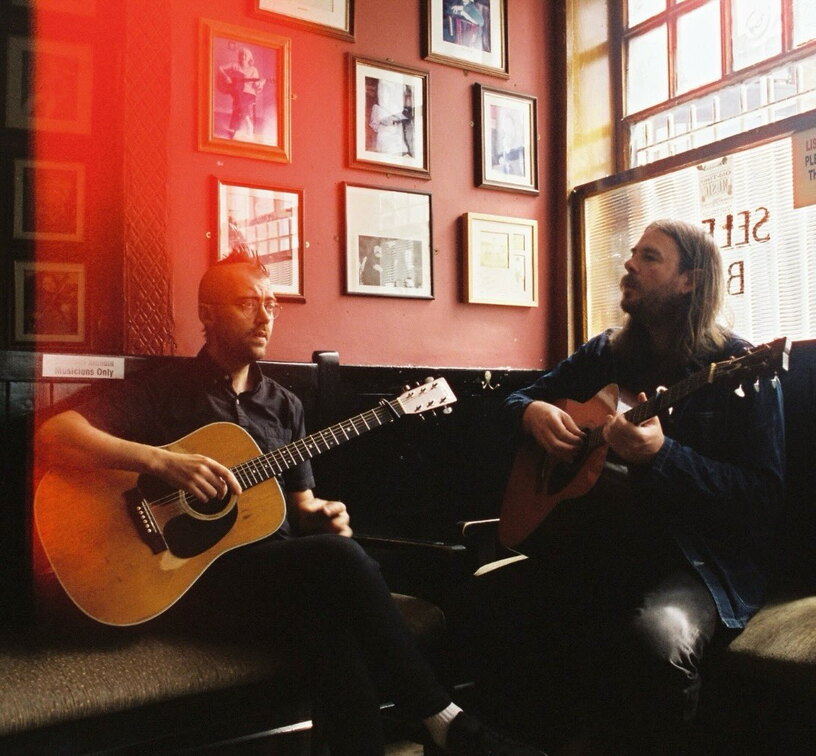
Paahto & The Bull is a guitar duo project featuring Patrick Cummins and John Francis Flynn, blending traditional and progressive folk music. Their sound…
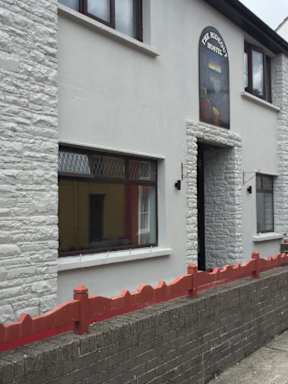
Dingle has a few hostels in and around town, and they fill up quickly in summer. These are the top-rated right now, live from Hostelworld.
May, June and September are ideal. July and August are busy; winter is wet, windy and quiet, but the pubs stay warm.
Average highs. The peninsula is mild all year but very wet and windy, especially in winter.
Pick how you travel. Per person per night, in euros.
Transport assumes bike hire for the peninsula. A Blasket boat trip adds significantly.
The ones we get asked most.

Compare Dingle hostels — live prices, real reviews and free cancellation on most bookings. Then meet the people already there in the app.

 Get the App.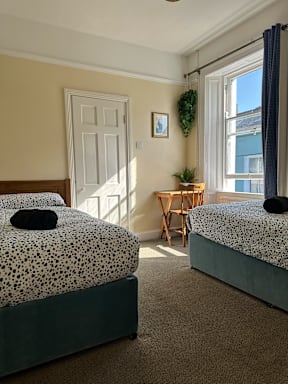
 Get the App.