Ladadika
Going outThe old port-side merchant quarter, now pedestrian lanes of bars and ouzeris. Loud at night.

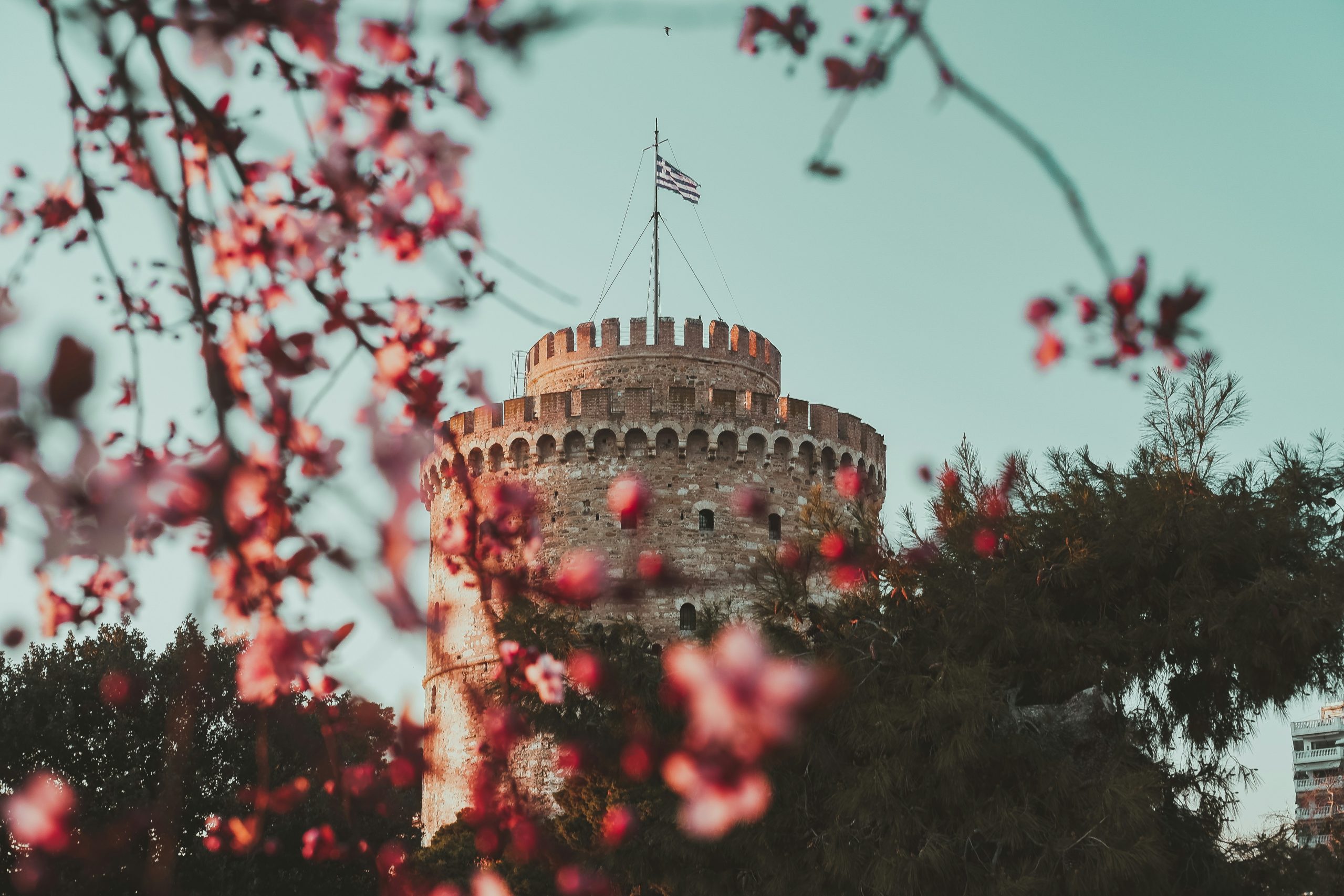
Roman arches, Byzantine churches, Ottoman baths and a seafront that the whole city walks at sunset. The best food in Greece and a student nightlife that outlasts Athens.
Thessaloniki is Greece's second city and it has never much cared about being the first. It sits on a long bay at the top of the Aegean, and its history is layered more thickly than anywhere else in the country: a Roman emperor's palace, Byzantine churches that are UNESCO-listed, five centuries of Ottoman rule, and one of the great Sephardic Jewish communities of Europe until it was destroyed in 1943.
The great fire of 1917 cleared most of the centre, which is why the lower city is laid out in straight lines down to the water while Ano Poli, the upper town inside the walls, is still a tangle of old lanes.
It is a student city, with the largest university in the country, and prices and hours follow from that. Two or three days is the right amount, and it is the natural base for Halkidiki, Mount Olympus and the Macedonian royal tombs at Vergina.
The centre runs in a strip along the seafront. Anywhere between Ladadika and the White Tower is walkable.
The old port-side merchant quarter, now pedestrian lanes of bars and ouzeris. Loud at night.
The grand square running down to the sea. Central to everything, with the markets two minutes away.
A grid of small bars that fills after midnight. Cheap, local and noisy.
Around the Arch of Galerius, with the university nearby. Cheap food and busy streets.
The old upper town inside the walls: lanes, views, quiet. A steep walk from everything.
Orange labels are neighbourhoods, dots are the 7 top-rated hostels. Map © MapTiler © OpenStreetMap contributors.
Walk the seafront from the port to the White Tower and on to the Umbrellas sculpture, and you have seen the modern city and its favourite habit. The White Tower itself is a museum of the city's history, with the best view along the bay from the roof.
The Roman city is inland and startlingly intact. The Arch of Galerius stands in the middle of Egnatia Street, where traffic still passes it, and the Rotunda beside it has been a mausoleum, a church and a mosque, and still has its minaret. The Archaeological Museum and the Museum of Byzantine Culture, next to each other, are two of the best in Greece.
The Byzantine churches are the thing to take time over: Agios Dimitrios, with its crypt, and Hagia Sophia are the big two, both free.
Then climb. Ano Poli, the upper town, has the old walls, the Trigonion tower with its view over the whole bay, and the Heptapyrgion fortress, used as a prison until 1989. Walk up and take a taxi or bus back down.
The Jewish Museum, on Agiou Mina Street, tells the story of the community that made up almost half the city before the war.
Most of Thessaloniki's best sights cost nothing. The Arch of Galerius, the Roman Forum from the street, and the Byzantine churches — Agios Dimitrios, Hagia Sophia, the Panagia Acheiropoietos — are all free to walk into.
The seafront promenade runs for kilometres, and the walk from the port past the White Tower to the Umbrellas at sunset is what the whole city does in the evening.
Ano Poli is free to wander, and the walls and the Trigonion tower give the best view of the bay. Go for sunset and come down through the lanes.
The markets are the other free show: Kapani and Modiano, in the centre, sell olives, spices, fish and cheese, and they are busiest and loudest in the morning.
State museums and sites are free on the first Sunday of the month from November to March.
Thessaloniki is the food capital of Greece, and Greeks say so without being asked. The cooking carries the city's history in it: Anatolian spices brought by the refugees of 1923, Sephardic dishes, and a mezze culture where the table fills up with small plates.
Start the day with bougatsa, the flaky pastry filled with custard, cheese or mince, from a specialist bakery, with a coffee. It is a Thessaloniki institution and a breakfast for about €3.
Lunch is at a mezedopolio or an ouzeri. Ladadika and the streets around the markets are full of them, and a table of shared plates with tsipouro or ouzo comes to €12 to €18 a head. Souvlaki and gyros are as cheap as anywhere in Greece.
Trigona Panoramatos, cone-shaped filo pastries soaked in syrup and filled with cream, are the dessert the city is known for.
Thessaloniki has the best-value nightlife in Greece, and the university keeps it busy every night of the week in term time.
Ladadika, the old oil-merchant quarter by the port, is the easy start: pedestrian lanes of bars and ouzeris. Valaoritou, a few streets up, is where the city goes later, with small bars playing everything from rebetiko to techno. Bit Bazaar, the flea-market square, turns into an outdoor bar at night.
The seafront bars fill at sunset and the rooftops around Aristotelous Square have the bay views.
Prices are lower than Athens across the board: a beer is €4 to €6, and a cocktail rarely passes €10. Nobody goes out before midnight.
The centre is walkable, and flat along the seafront. The upper town is a steep climb, and most people walk up and take a bus or taxi down.
The metro opened at the end of 2024 and runs under the centre from the New Railway Station to the east of the city. One 70-minute ticket costs €0.60 and works on both the metro and city buses, and a day ticket is €2.50.
From the airport, bus 01X runs to the centre every twenty to thirty minutes in about forty minutes, for €2 — a special fare the day ticket does not cover. The night service is 01N. Taxis run on a flat fare to the centre.
Line 50, the cultural route, loops past the main sights from the White Tower in about fifty minutes for €2, and is a good first-afternoon orientation.
The train to Athens takes about four hours, and KTEL buses go to Halkidiki, Olympus and Vergina.
Thessaloniki is noticeably cheaper than Athens, and one of the best-value cities in the eurozone. A dorm is typically €16 to €30, bougatsa breakfast €3, a mezze lunch €12 to €18, and a beer €4 to €6.
Transport barely registers: €0.60 a ride and €2.50 for a full day. A careful day comes in at €40 to €55.
The savings are structural. The Byzantine churches are free, the seafront and upper town cost nothing, and the ouzeri habit of ordering several small plates to share is the cheapest way to eat well anywhere in Greece.
Thessaloniki is a safe city with little violent crime. Pickpocketing happens on crowded buses and in the markets, and ordinary care is enough.
The seafront is busy and well lit late into the night. The area immediately around the railway station is the rougher end of the centre after dark.
Traffic is the underrated hazard: drivers treat crossings as optional and scooters come from every direction. Cross with the locals.
Summer heat is intense and the city has little shade in the lower grid. Emergency number is 112.
The city is the base for northern Greece. Beaches, the gods' mountain and a king's tomb, all within two hours.
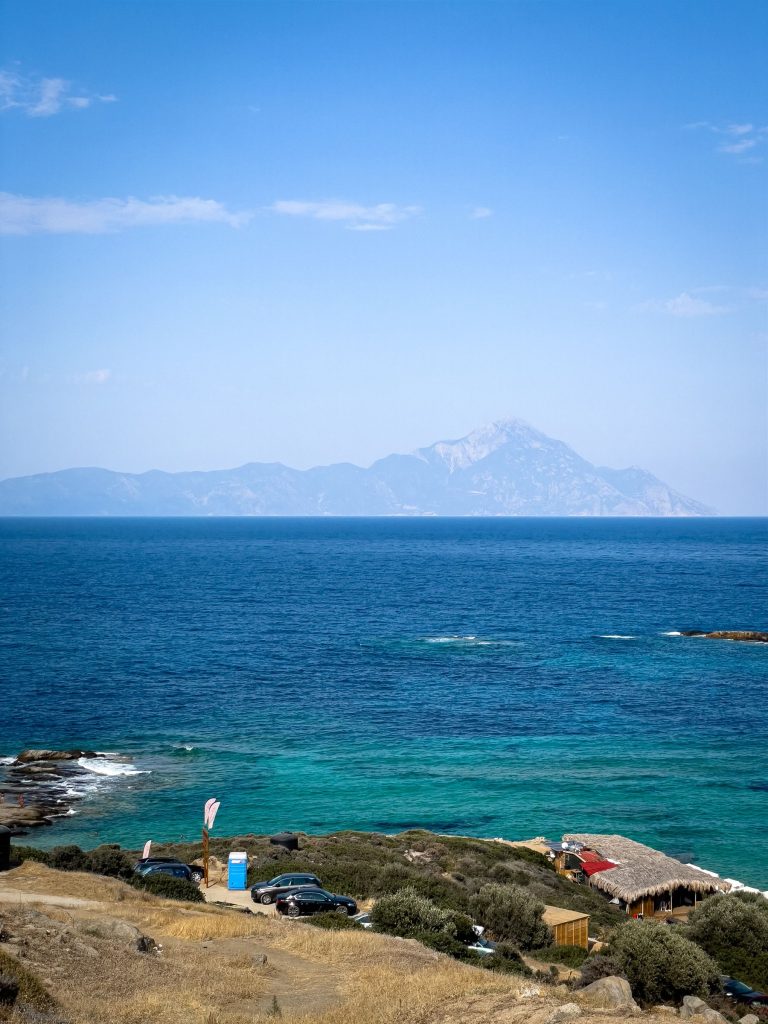
Three peninsulas of pine forest and clear water. Kassandra is the livelier, Sithonia the prettier.
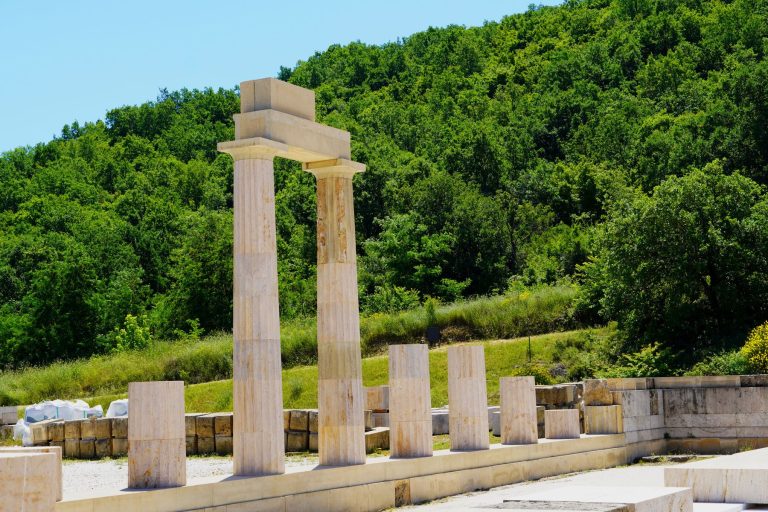
The underground museum built over the royal tombs, including that of Philip II, father of Alexander. One of the great sites in Greece.
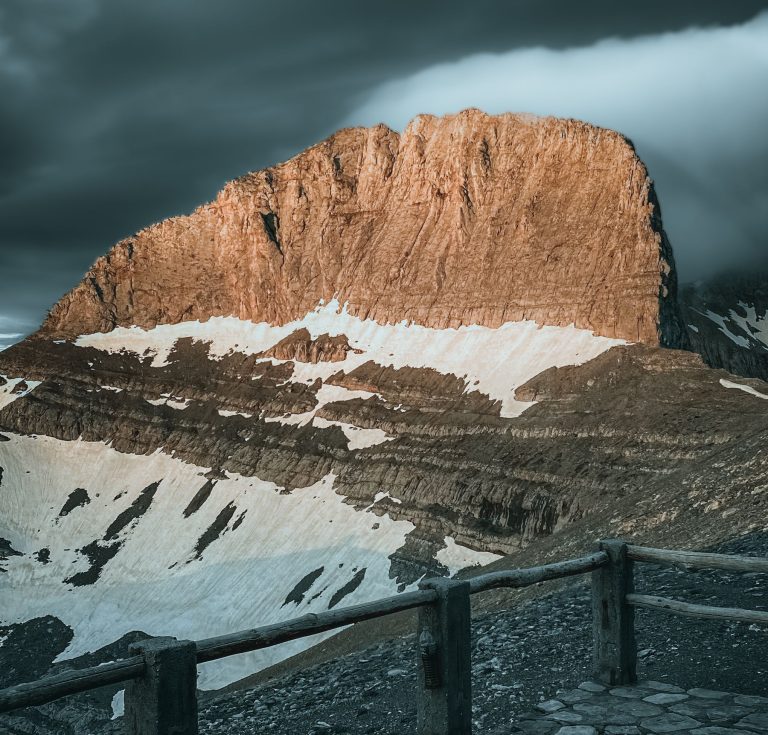
The home of the gods and Greece's highest mountain. The Enipeas gorge walk from Litochoro is an easy day; the summit takes two.
Autumn is when the city is at its busiest, with the fair, the saint's day and the film festival back to back.
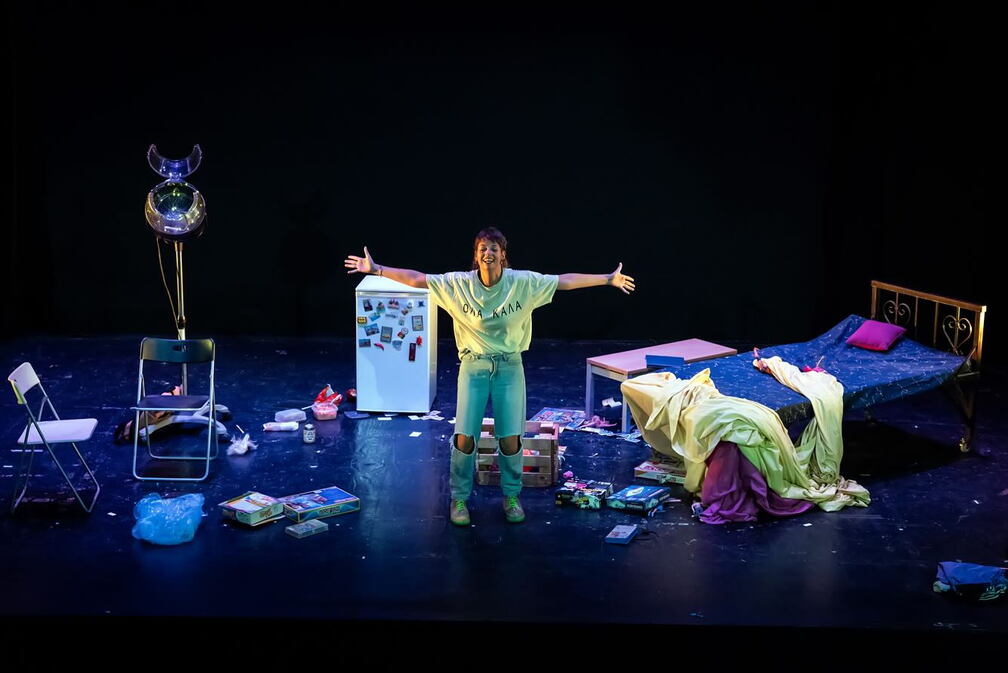 Staff pick
Thessaloniki Fringe Festival in Thessaloniki, Greece, is an annual celebration of independent performing arts, founded in 2023. Bringing together Greek and international artists, the…
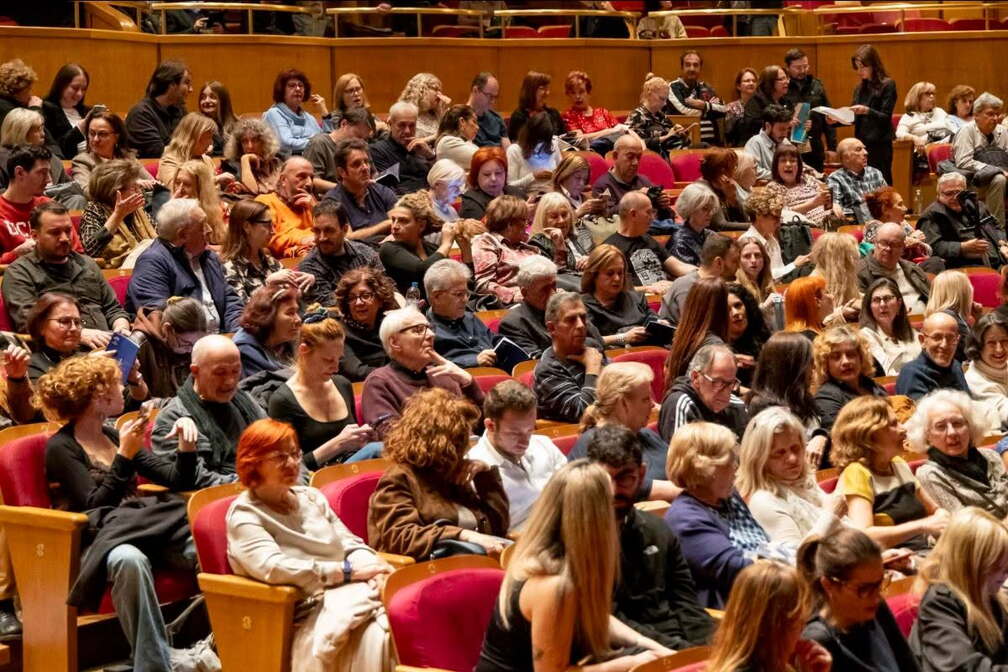
The Dimitria Festival, the largest cultural event in the city of Thessaloniki, will take place this year from October 1 to 24, 2026. The…
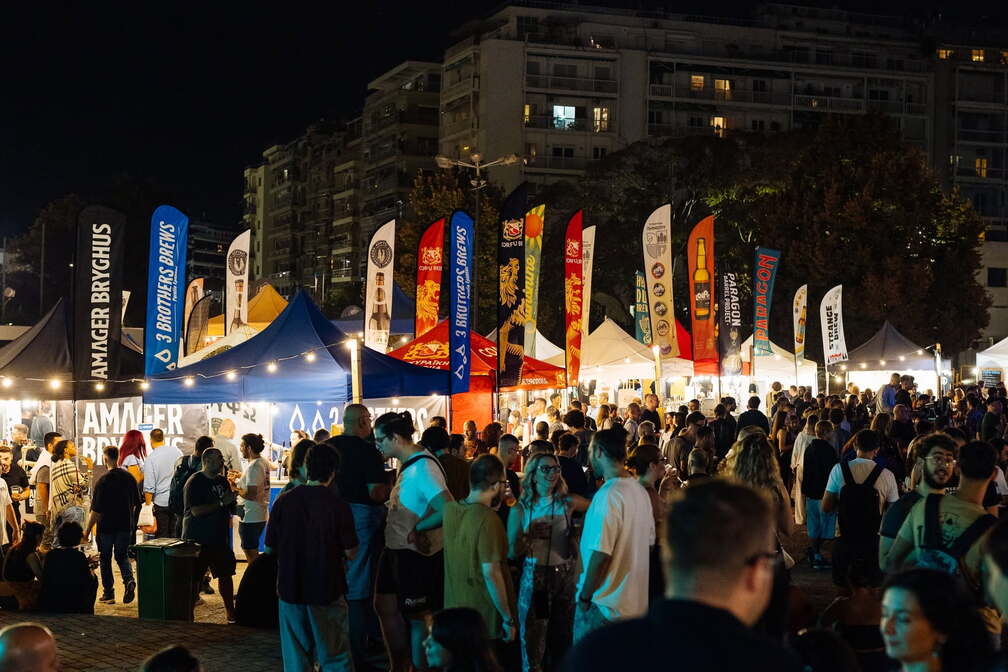
Thessaloniki transforms into a Bavarian beer garden for four days as Greece's biggest beer festival takes over pavilion 16 at the International Trade Fair.…
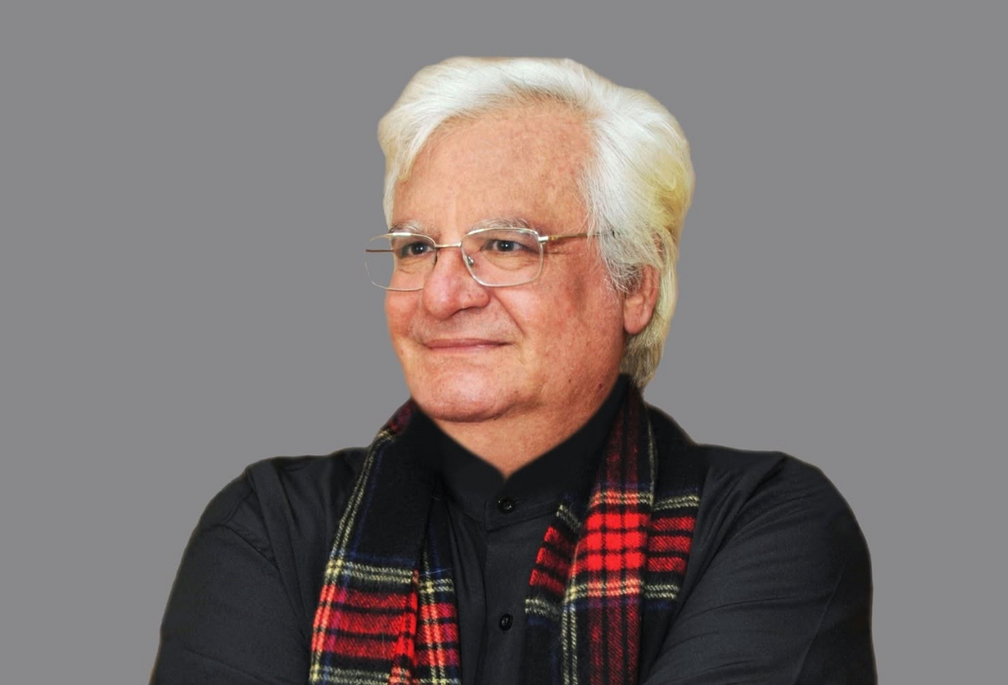
Two towering figures of Greek music, Manos Hadjidakis and Mikis Theodorakis, both born in 1925, reshaped the landscape of Greek song by drawing deeply…
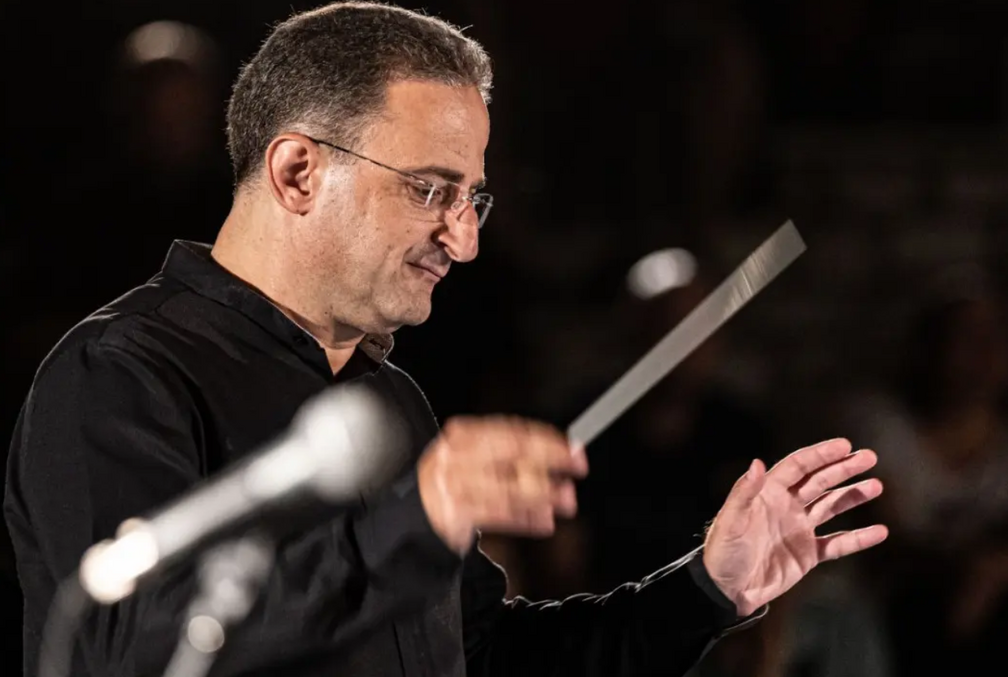
For the first time in thirty years, Giorgos Andreou and Paraskevas Karasoulos will perform their landmark album *Mikri Patrida* as a complete work. Released…

Dimitris Maramis brings his musical-theatrical trilogy to Thessaloniki, weaving modern composition with the haunting depths of Greek folk tradition. Based on masterpiece ballads like…

Dimitris Maramis presents his music-theatrical trilogy Stoiheiomenoi, blending modern composition with deep Greek tradition. The work draws inspiration from iconic folk songs and legends,…
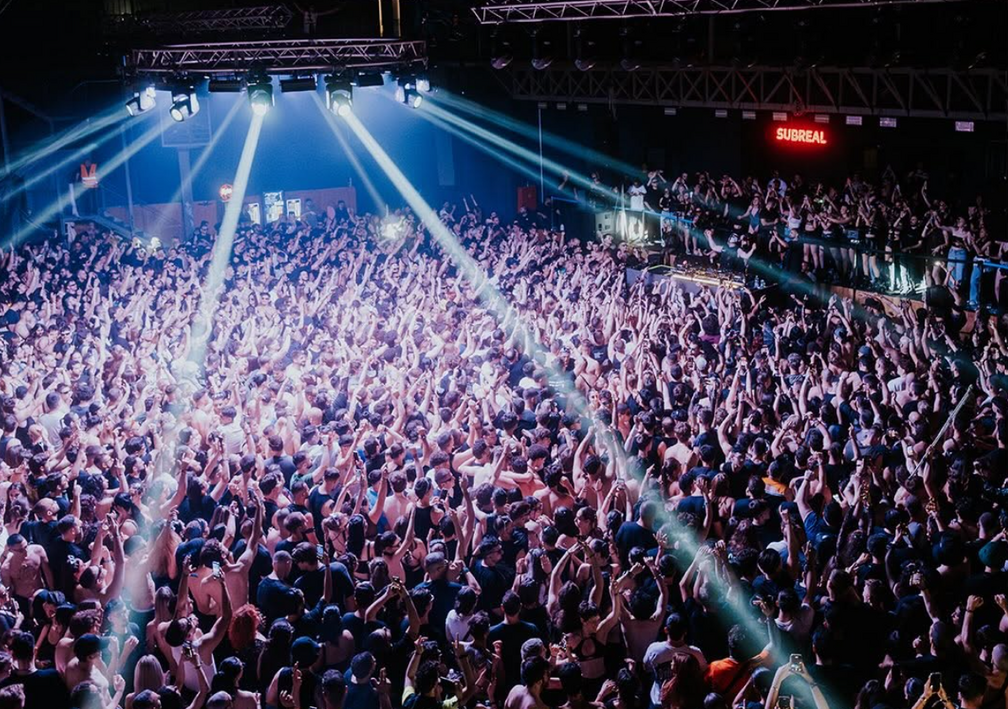
Subreal returns to Sonik Arena after a summer break to kick off a new chapter filled with music and dance. The event spans two…
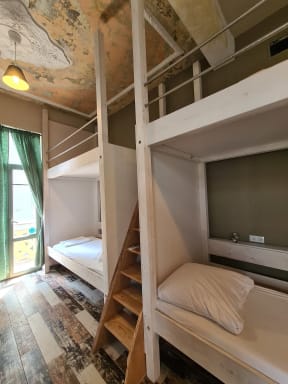
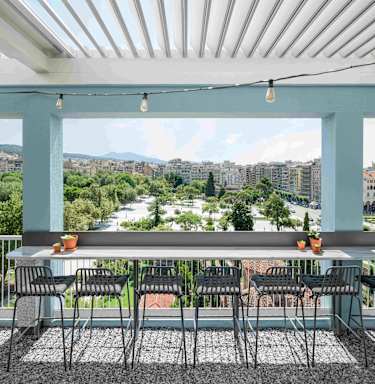
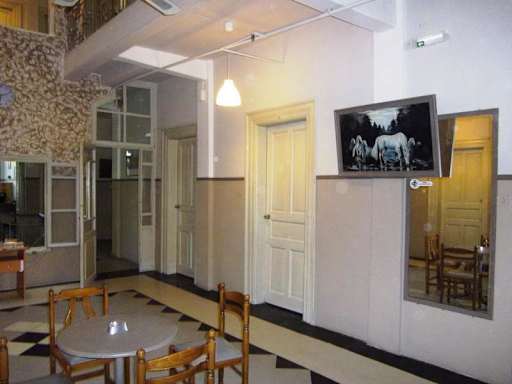
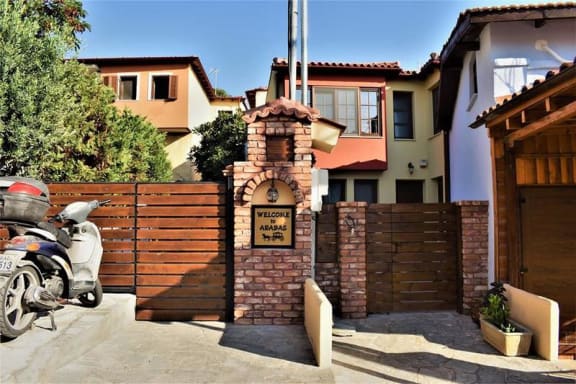
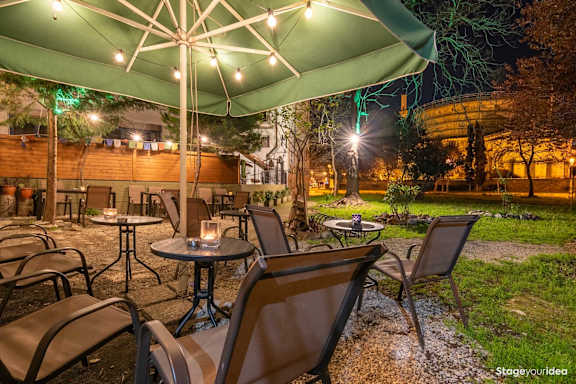
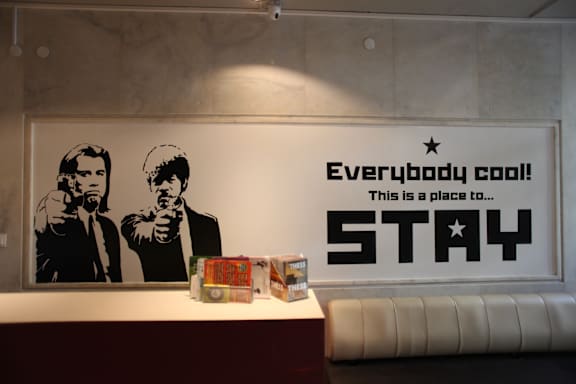
Thessaloniki has a small but good hostel scene in the centre, most within walking distance of the seafront. These are the top-rated right now, live from Hostelworld.

Spring and autumn are ideal. Summer is hot and humid, and winters are colder than southern Greece.
Average highs. Thessaloniki is colder than Athens in winter and the Vardaris wind makes it feel colder still.
Pick how you travel. Per person per night, in euros.
Transport assumes the €2.50 day ticket. The airport bus is €2 each way on top.
The ones we get asked most.

Compare Thessaloniki hostels — live prices, real reviews and free cancellation on most bookings. Then meet the people already there in the app.

 Get the App.
 Get the App.