Blloku
Nightlife and cafésThe former sealed party district, now the bar and restaurant quarter. Busy, central and the best base for going out.

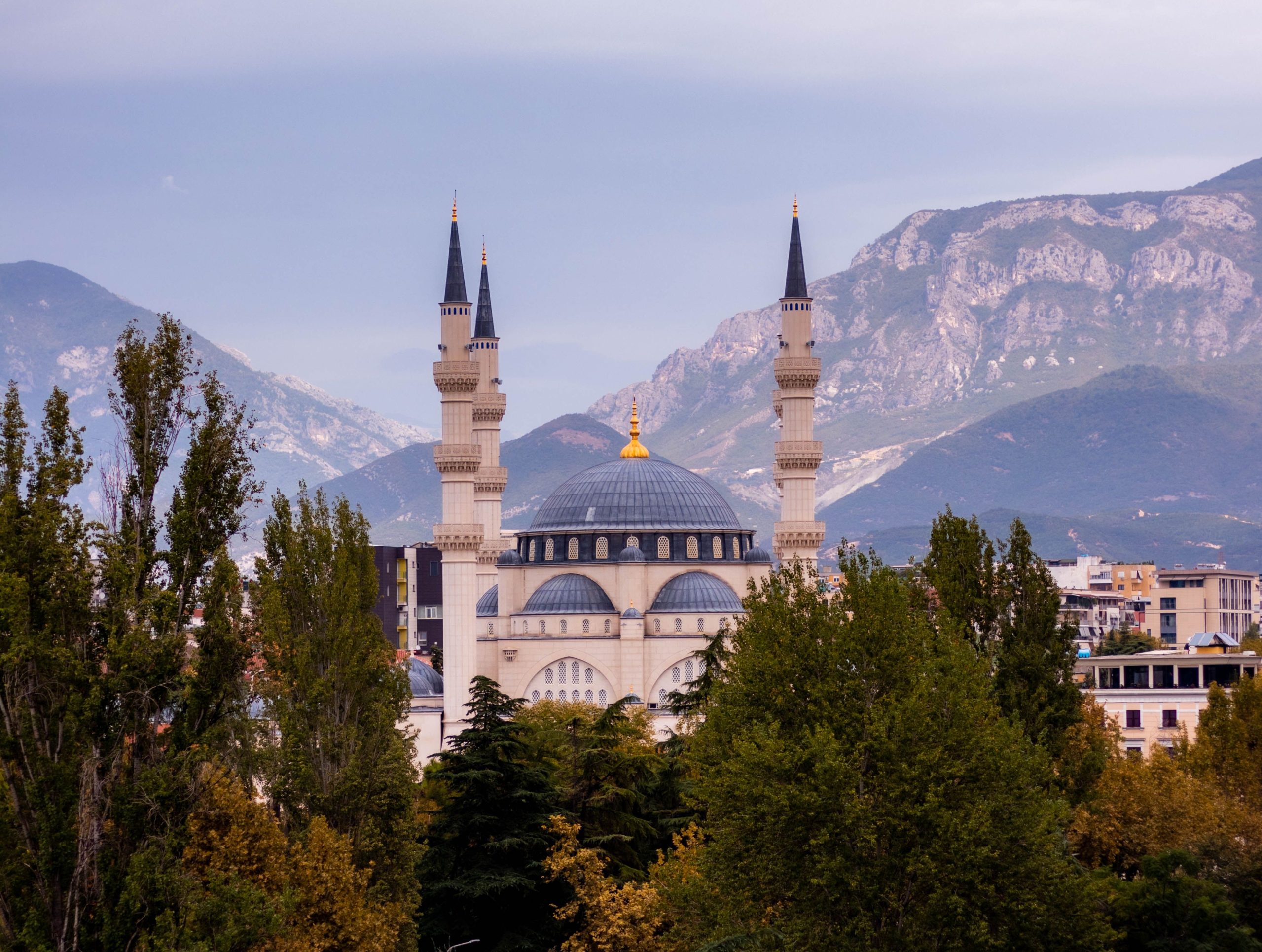
A capital that painted itself out of the grey years, with a communist bunker museum under the streets and a mountain at the end of a cable car.
Albania spent 45 years under one of the most isolated dictatorships in Europe, and Tirana still carries it: the Pyramid built as Hoxha's mausoleum, two enormous nuclear bunkers now museums, and a former sealed party district that is now the nightlife quarter.
What lifted the city out of it was paint. In 2000 the mayor started having the crumbling apartment blocks painted in bright colours and patterns, which did nothing structural and changed how the city felt about itself entirely.
It is cheap, loud and improving fast, and most travellers give it a night on the way to the coast or the mountains. Two days is better — there is more recent history here, told more directly, than anywhere else in the Balkans.
The centre is small and flat, and almost everything worth doing is within twenty minutes on foot.
The former sealed party district, now the bar and restaurant quarter. Busy, central and the best base for going out.
The centre: the mosque, the museums, the opera house and most of the hostels within five minutes.
The restored new bazaar, with the produce market, restaurants and a quieter feel a few minutes east.
West of the centre, residential, cheaper beds and a fifteen-minute walk into everything.
Orange labels are neighbourhoods, dots are the 12 top-rated hostels. Map © MapTiler © OpenStreetMap contributors.
Bunk'Art is the thing to do first. Hoxha built 173,000 bunkers across a country of three million people, and the two largest — a five-storey nuclear shelter under a hill on the edge of the city and a smaller one under the interior ministry — are now museums about the dictatorship and the secret police. Bunk'Art 1 is the bigger and better of the two, and takes two hours.
The House of Leaves, the former surveillance headquarters, covers the same period from the wiretapping side and is quietly devastating.
Skanderbeg Square is the centre, with the Et'hem Bey mosque, the National History Museum and the Pyramid nearby — the latter rebuilt in 2023 as a public space you climb.
The Dajti Ekspres cable car runs from the edge of the city up to about 1,050 metres in fifteen minutes, for the view back over the whole plain. The summit itself, at 1,613 metres, is a longer hike above the top station.
Climbing the Pyramid is free since its 2023 rebuild, and the view from the top is the best free one in the centre.
The painted blocks are everywhere and cost nothing to walk between. The Grand Park and its artificial lake, twenty minutes south of the centre, is where the city walks on a Sunday.
Skanderbeg Square, the Et'hem Bey mosque and the Postbllok memorial — a piece of the Berlin Wall next to a bunker and mine shaft timbers — are all free.
The new bazaar, Pazari i Ri, is free to wander and is the best place to see what the country grows.
Albanian food is Balkan and Italian at once, and cheap enough that eating badly here takes effort. A full meal with a drink runs €6 to €12, and a coffee is under a euro.
Byrek, a filo pastry with cheese or spinach, is the €0.50 breakfast. Tavë kosi — lamb baked in yoghurt and egg — is the national dish, and fërgesë is peppers, cottage cheese and tomato baked in a clay dish.
Italian influence runs deep from the years of illicit TV signals across the Adriatic, so the pizza and coffee are better than they have any right to be.
Raki is the spirit, homemade and offered constantly, and Korça and Tirana are the local beers at €1.50.
The Blloku is where it happens, and the history is the point: this was the sealed compound where the party elite lived, closed to ordinary Albanians until 1991, and it is now wall-to-wall bars.
It starts late, around eleven, and runs until three or four. A beer is €1.50 to €2.50 and a cocktail €4 to €6.
Coffee culture is the other half. Albania has more cafés per head than almost anywhere in Europe, and the afternoon xhiro — an evening walk when the streets close and the whole city strolls — is a genuine institution rather than a tourist observation.
Live music venues around the centre do jazz and Albanian folk, and the opera house on Skanderbeg Square sells cheap tickets.
The centre is flat and walkable — twenty minutes covers most of it. City buses cost 40 lekë, about €0.40, paid to a conductor on board.
The airport bus runs to the centre every hour for about €4 and takes 30 minutes. Taxis are €20 to €25 and Bolt works in the city at much less.
Furgons — shared minibuses — leave for the rest of the country from several informal departure points rather than one terminal, which is the single most confusing thing about Albanian travel. Ask your hostel which corner your furgon leaves from.
The Dajti cable car leaves from the eastern edge of the city, reachable by bus or a short taxi.
Tirana is among the cheapest capitals in Europe. Dorms are €9 to €18, a full meal is €6 to €12, a beer is €1.50, and a museum is €3 to €5.
A day is €25 to €40.
The country runs on cash. ATMs charge withdrawal fees on top of your bank's, so take out larger amounts less often, and check whether the machine offers a rate conversion — always decline it and let your own bank convert.
Euros are accepted in some tourist-facing places at rates that are never in your favour.
Tirana is a safe city and travellers consistently report feeling comfortable, including women travelling alone. Violent crime against visitors is rare and the centre is busy late.
Traffic is the real hazard. Albania only allowed private cars in 1991 and driving culture is still catching up: crossings are advisory, drivers do not stop, and you cross when the locals do.
Pavements are uneven and often parked on, and roadworks appear without warning or lighting.
Taxi overcharging is the common annoyance, solved by using Bolt. Emergency numbers are 129 for police, 127 for ambulance and 112 generally.
The mountains start half an hour away, and the coast is under two hours.
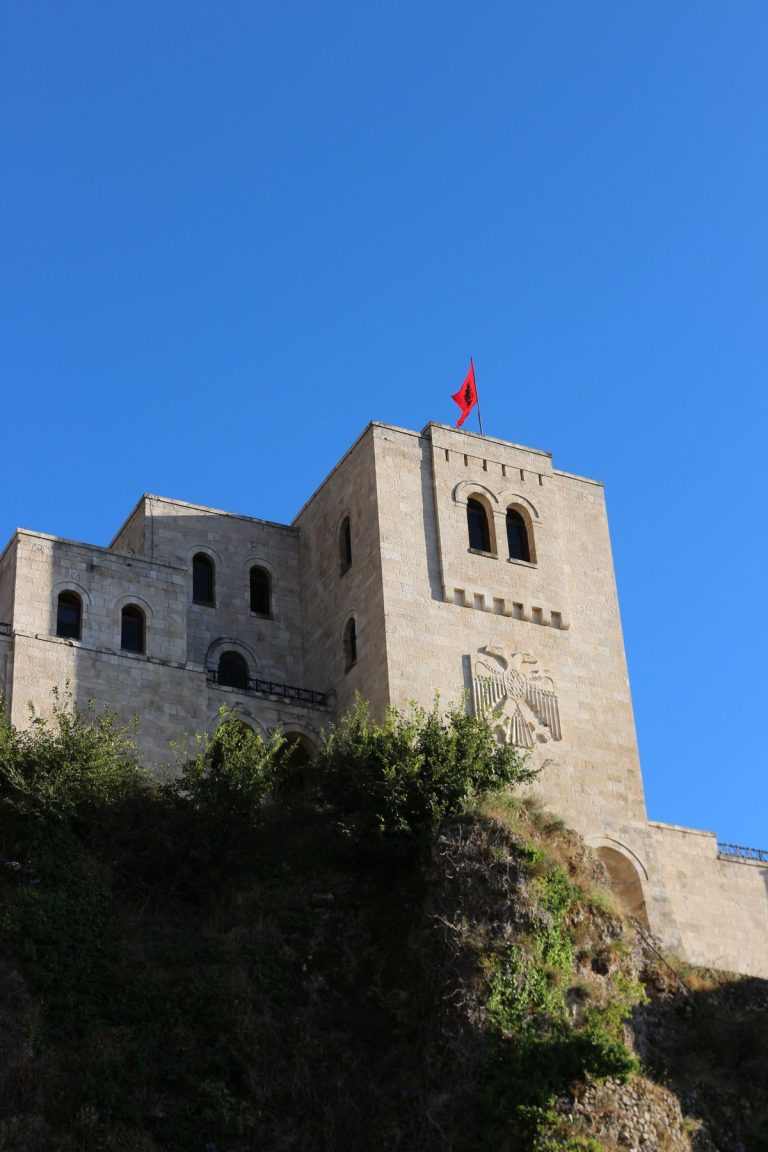
Skanderbeg's castle above a restored Ottoman bazaar, with a national hero museum inside the walls.
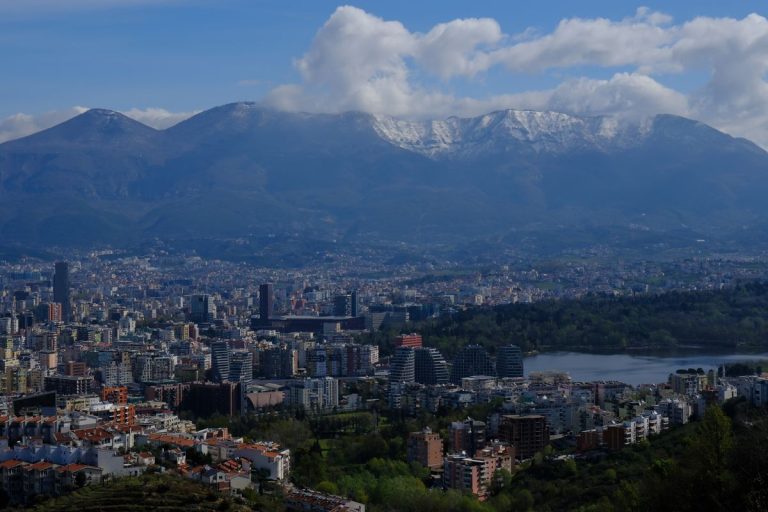
Fifteen minutes up to about 1,050 metres, with walking trails, a restaurant and the whole plain below.
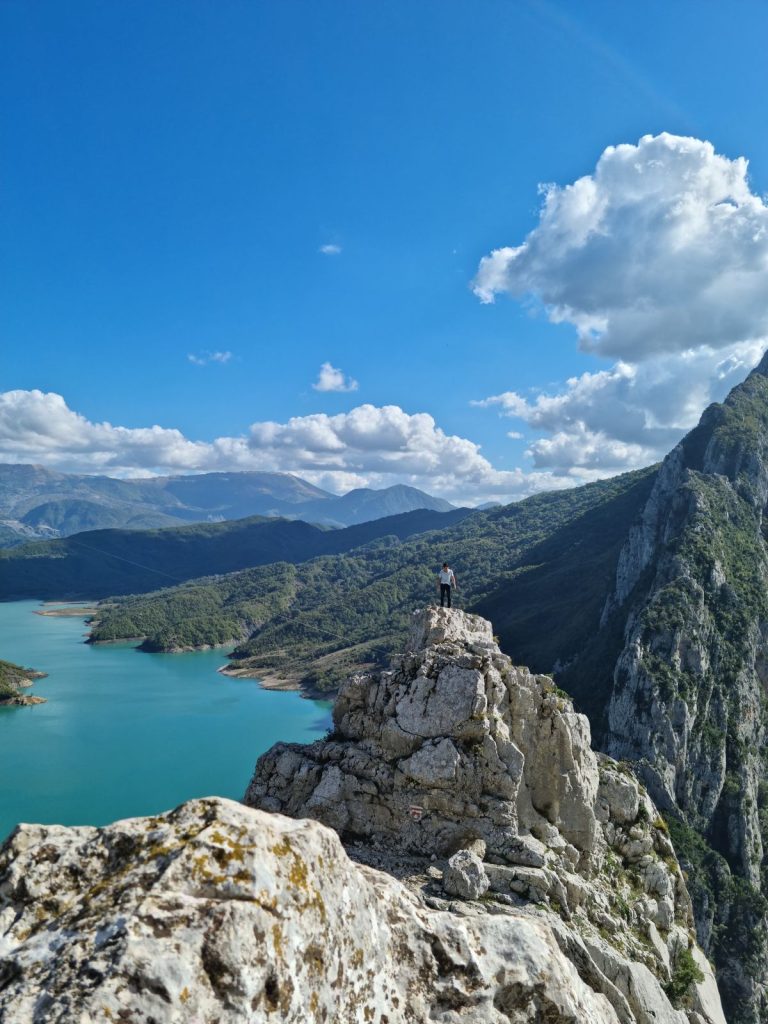
A turquoise reservoir under a limestone ridge, with a short steep climb to the viewpoint.
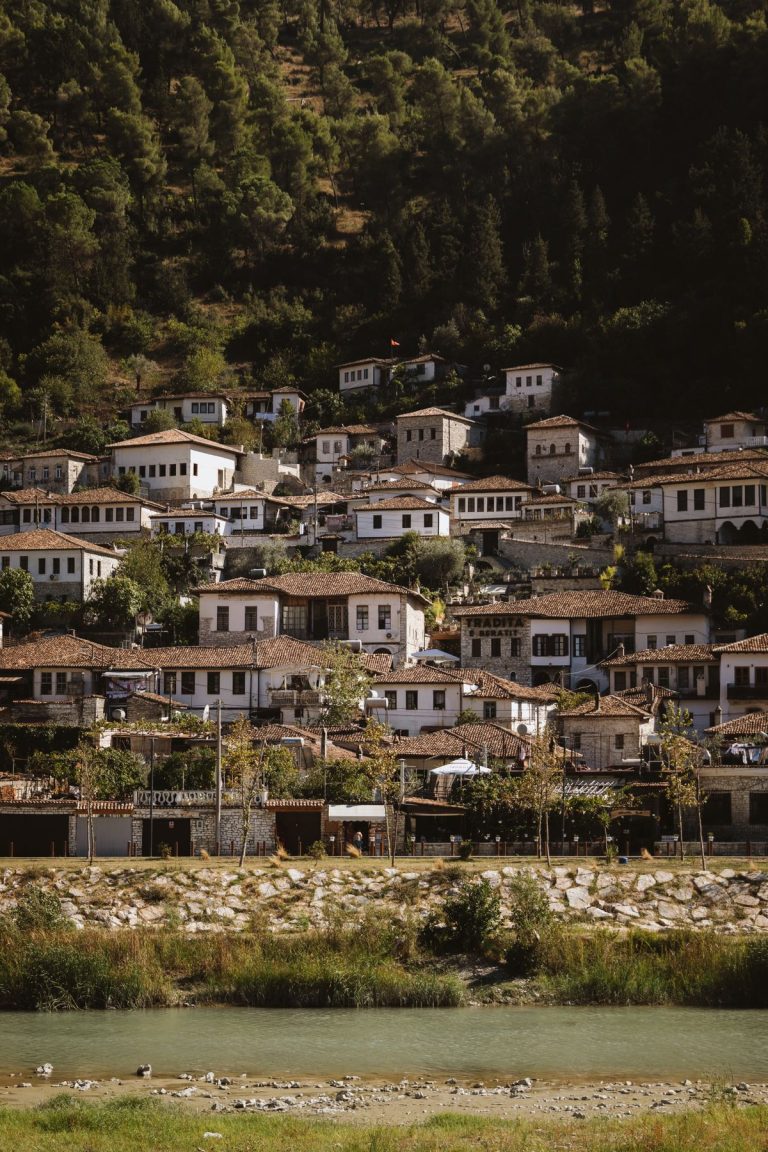
The city of a thousand windows, UNESCO-listed and worth an overnight rather than a day.
A young calendar in a city that has rebuilt most of its public life since 1991.
 Staff pick
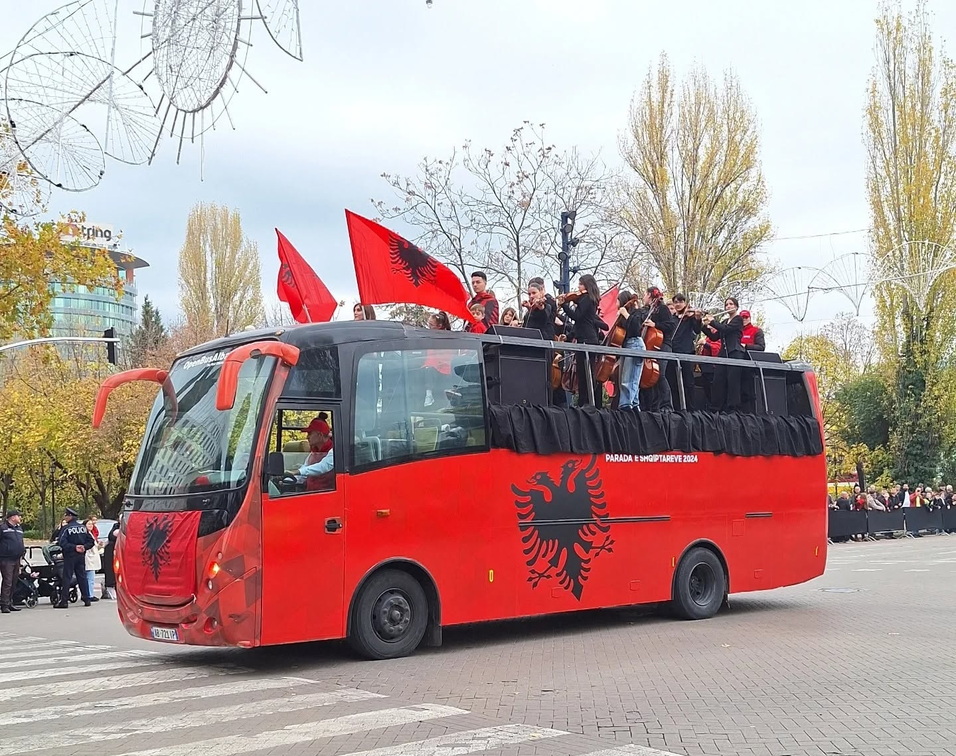
Come celebrate Albanian Independence Day in the vibrant streets of Tirana on November 28th. With a rich history and culture, this event attracts thousands…
 Staff pick
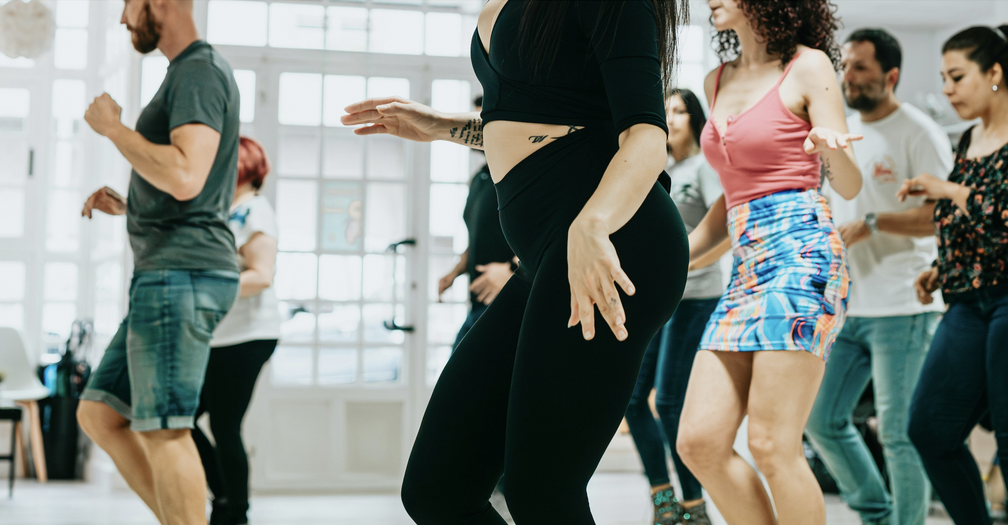
Tirana Dance Experience is an Afro-Latin dance festival in Tirana, Albania, that gathers dancers from Europe and beyond for a weekend of workshops, social…
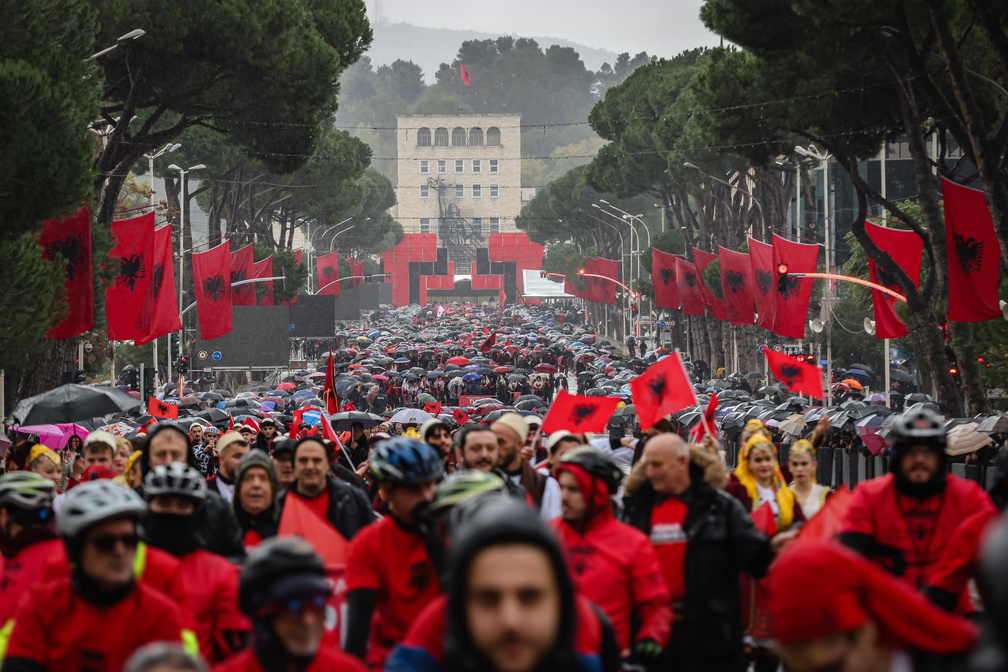
Independence Day Albania 2026 is a national celebration marking Albania's declaration of independence on November 28, 1912. The event features flag-raising ceremonies, traditional music,…
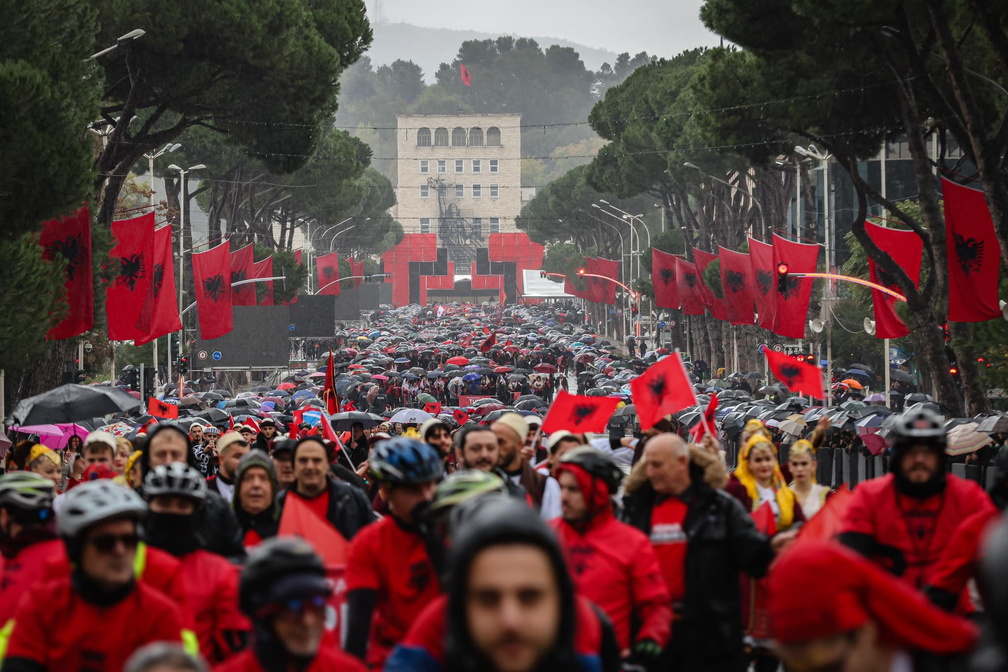
Independence Day Albania 2026 is a national celebration marking Albania's declaration of independence in 1912. The event features flag-raising ceremonies, parades, traditional music, fireworks,…
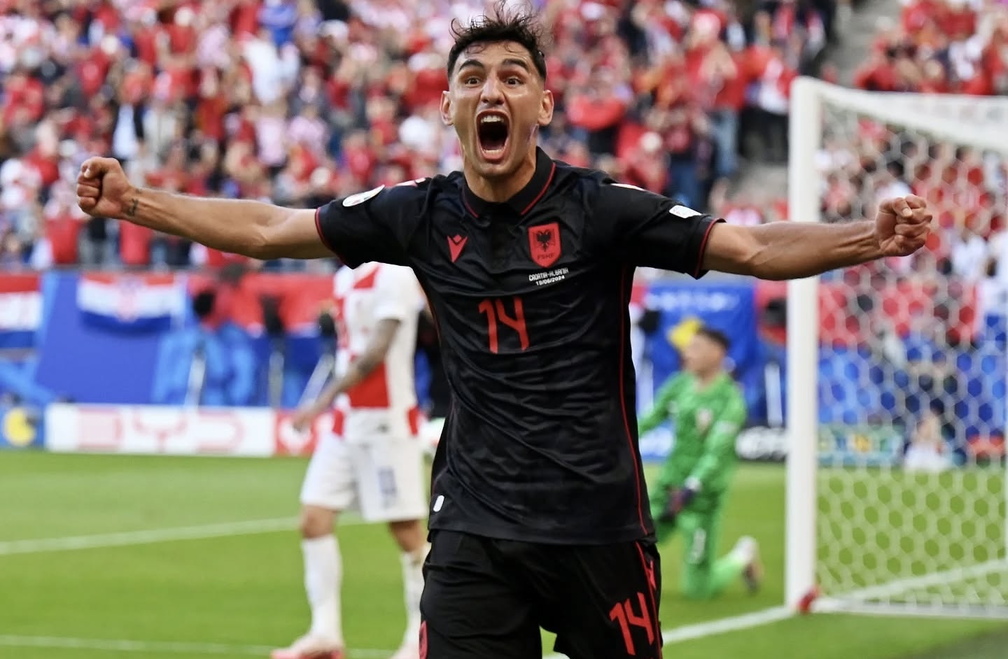
The Albania vs San Marino Nations League match is a football game where Albania hosts San Marino in the 2026-2027 season. You can find…
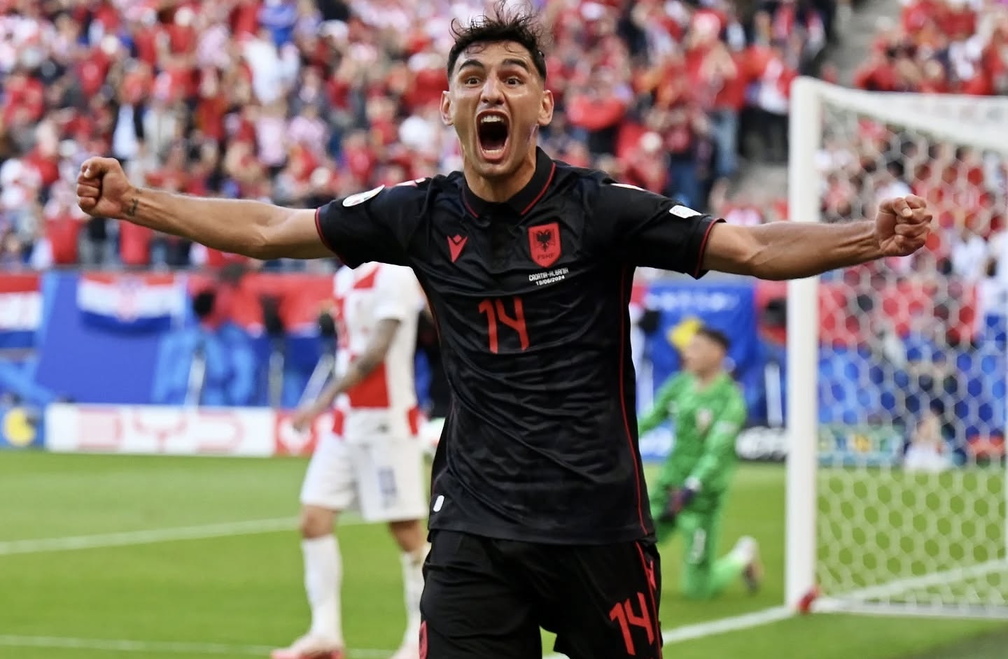
Albania hosts San Marino in the Nations League at Arena Kombëtare in Tirana. The match kicks off on Tuesday, 6 October 2026 at 8:45…
Albania will host Finland in a Nations League match during the 2026-2027 season. The game takes place at Arena Kombëtare in Tiranë, offering a…
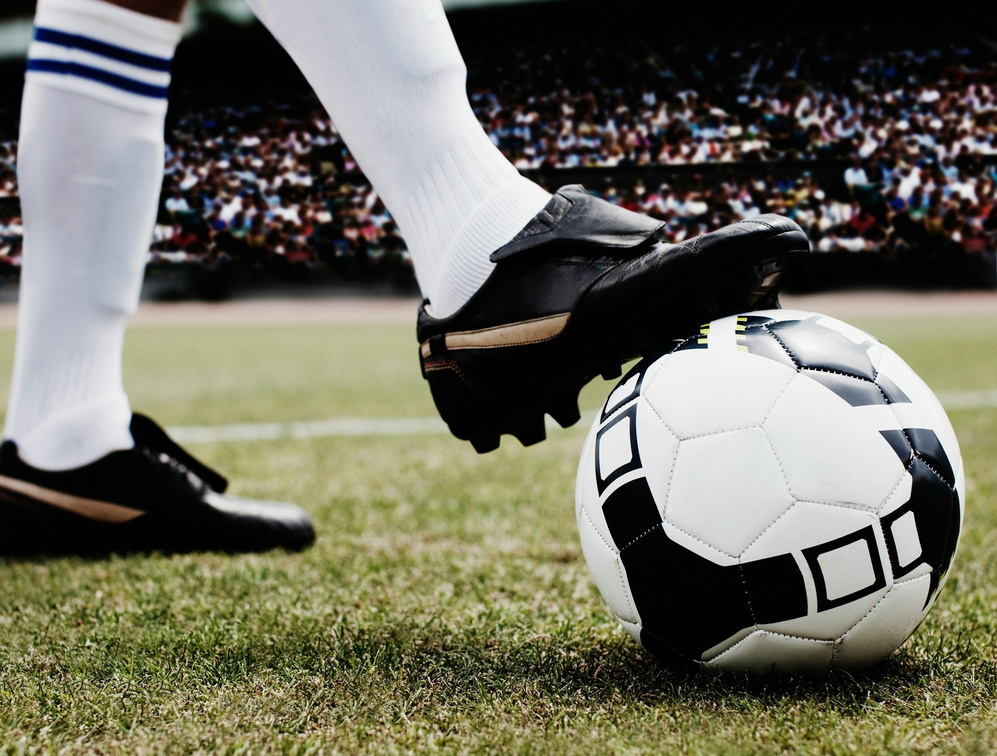
A football match between FK Partizani Tirana and KF Tirana takes place in the Kategoria Superiore league. The game is held at Kompleksi Partizani…
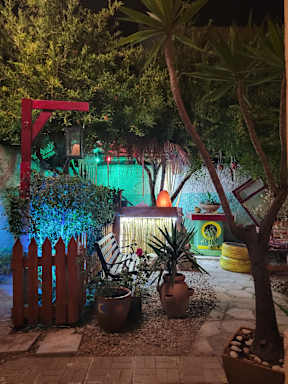
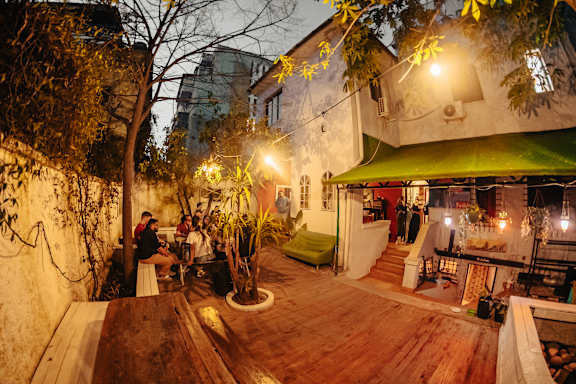
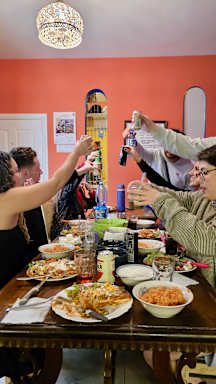
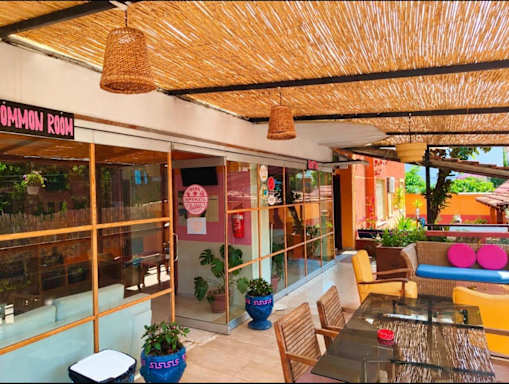
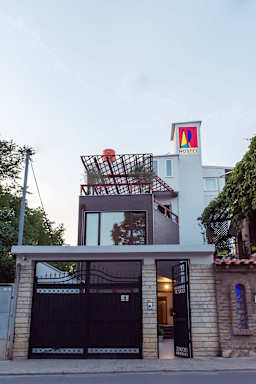
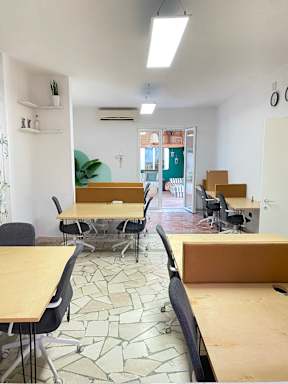
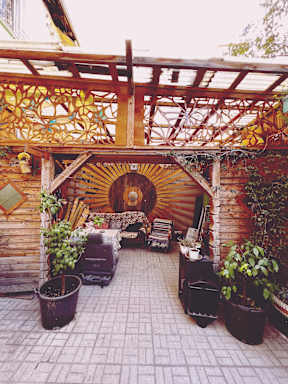
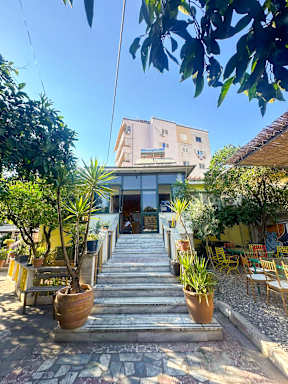
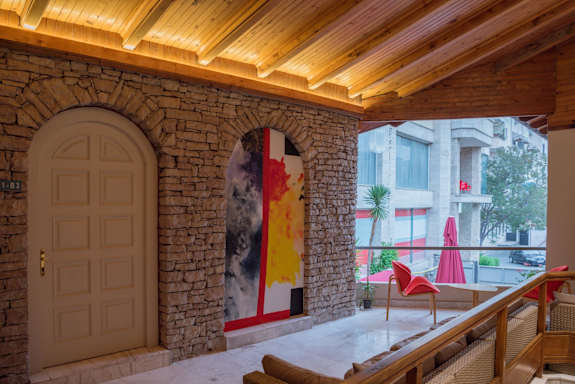
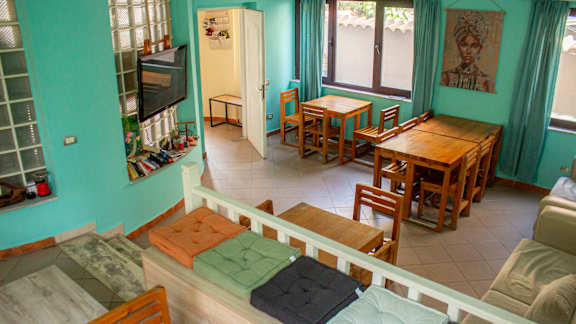
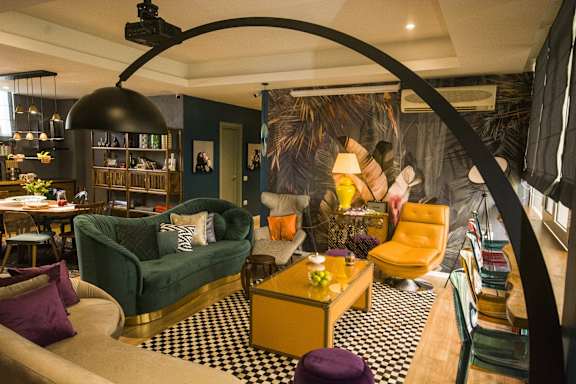
A small, cheap and sociable scene, most of it within ten minutes of Skanderbeg Square. Live from Hostelworld.
Spring and autumn. Tirana sits inland and summer is genuinely hot.
Average highs. Tirana is 30km inland and hotter than the coast in summer, with the mountains behind it holding snow into May.
Pick how you travel. Per person per night, in euros.
Prices are in lek on the ground. Museums are €3–5 each and the cable car about €10 return.
The ones we get asked most.

Compare Tirana hostels — live prices, real reviews and free cancellation on most bookings. Then meet the people already there in the app.

 Get the App.
 Get the App.