Albania
Albania country guide

Things To Do In Albania

The cheapest coastline in the Mediterranean, mountains most of Europe has never heard of, and a country that was closed to the world until 1991. It is having its moment for a reason.

€10
Dorm bed, from
450km
Of coastline
€2
A beer
1991
The year it opened to the world

The last cheap coast in Europe

Albania spent fifty years as the most isolated country in Europe, closed under Enver Hoxha, who built 170,000 concrete bunkers across it in case of an invasion that never came. It opened in 1991 and has been catching up at speed ever since.

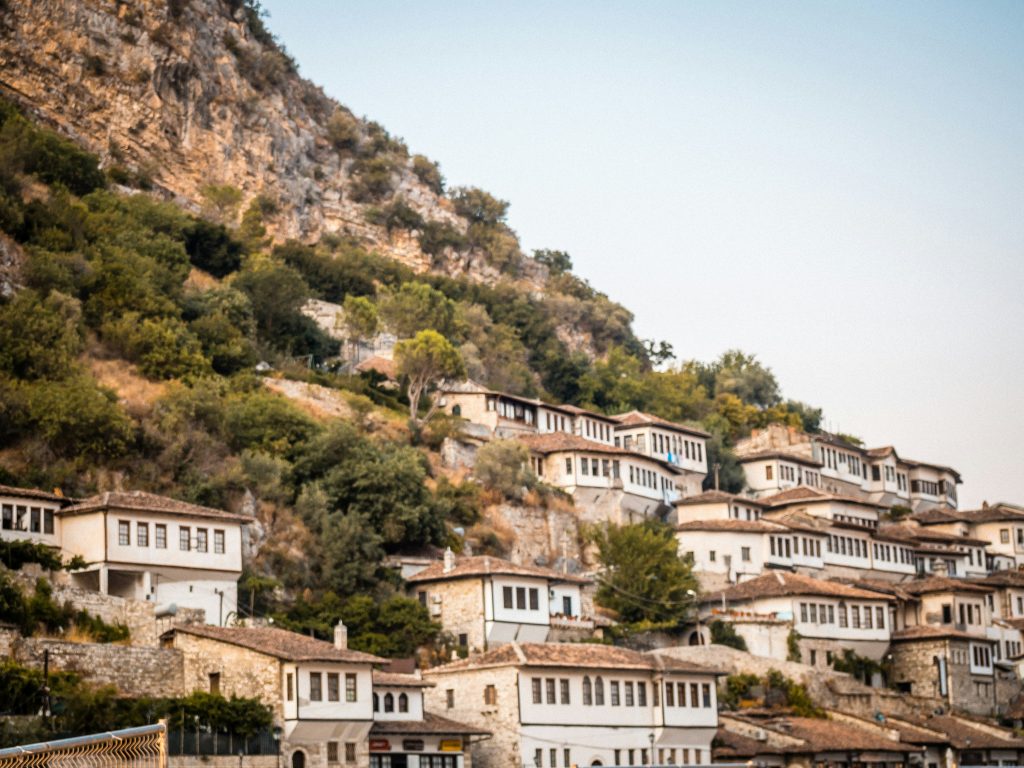
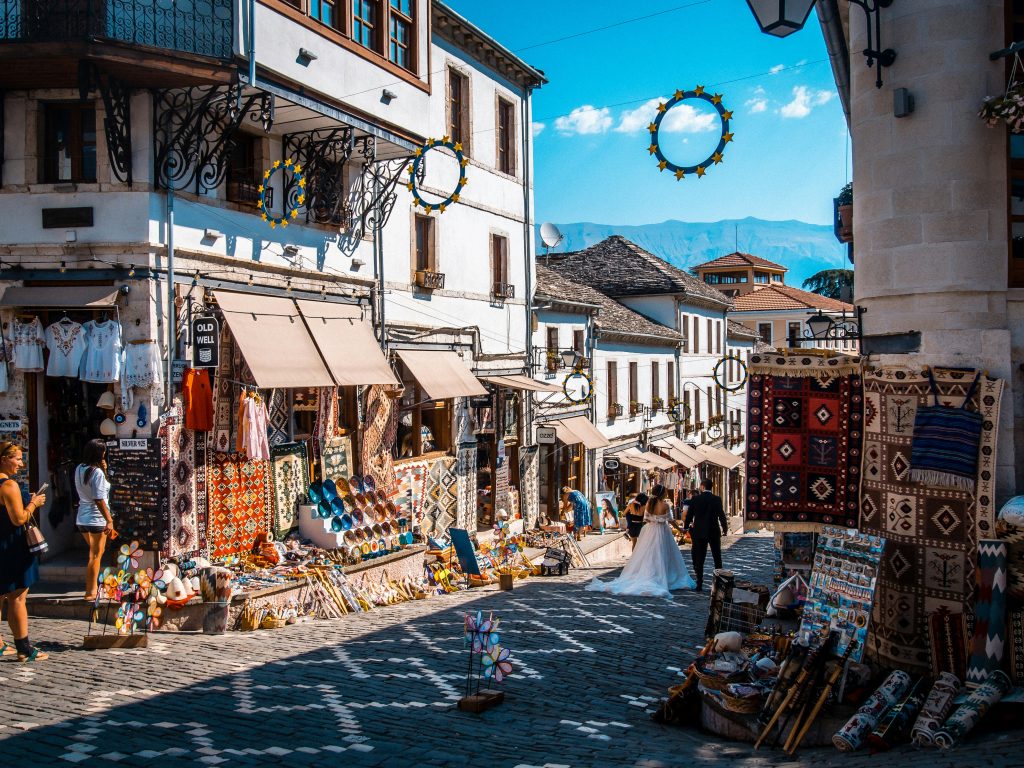
What that means for travellers is a Mediterranean coastline with Greek and Italian scenery at a third of the price, mountains in the north that are genuinely wild, and Ottoman towns — Berat and Gjirokastër — that are UNESCO-listed and receive a fraction of Dubrovnik's visitors.

It is changing fast. The Riviera in August is now busy and building, and prices on the coast have risen sharply in a few years. The north, the interior and the shoulder seasons are still the country people describe when they tell you to go before it changes.

Where to go

Furgon minibuses and buses cover the country cheaply, and the coast road south is the best of it.

Tirana

Tirana

38 hostels · dorms from €10

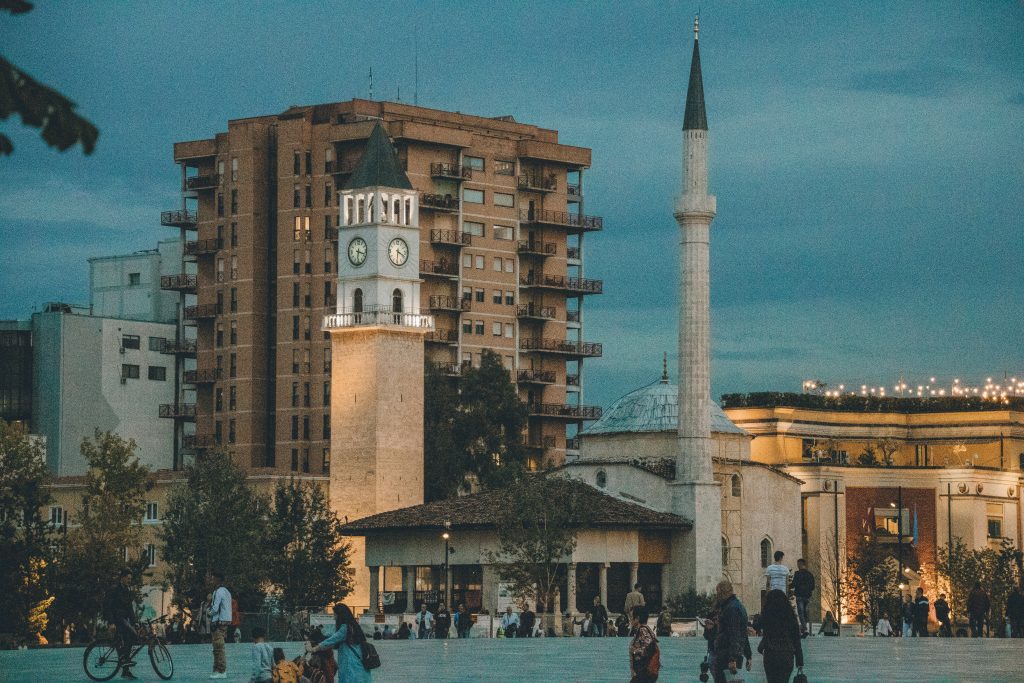
A capital painted in bright colours to lift it out of the grey years. Cheap, loud and improving fast.

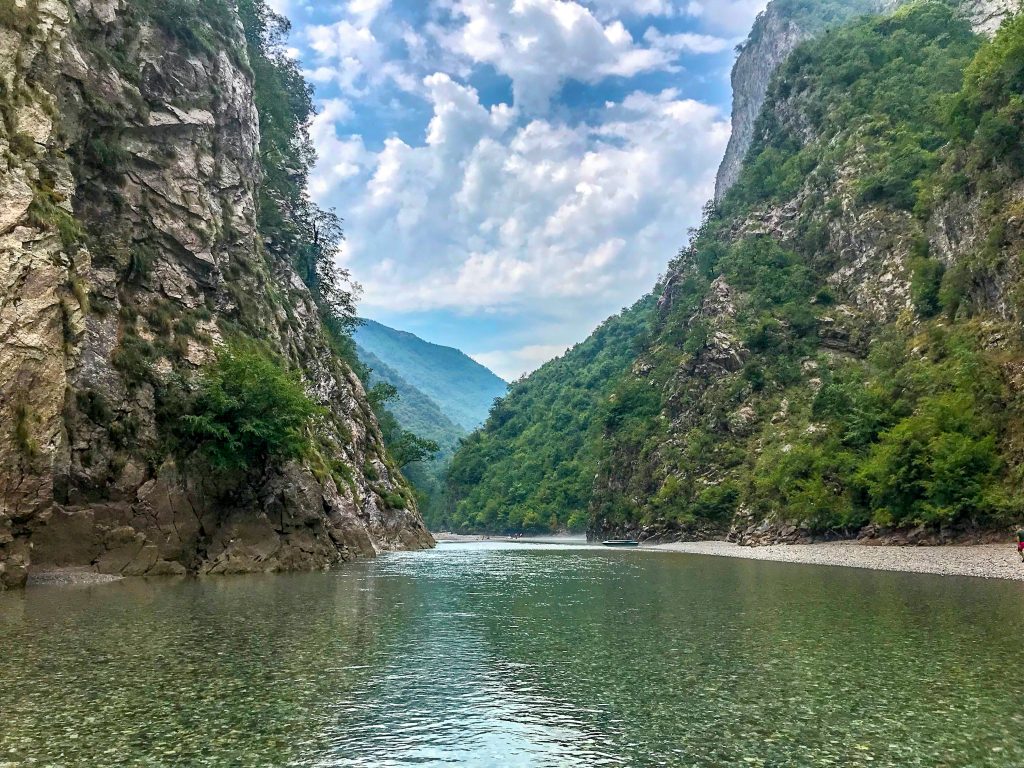
Tirana is a very interesting city that seems to be on the uprise. Historically there where lots of different influences and you can tell from the architecture and cultural vibes. The people are very friendly and as a solo female traveller I had no issues at all. I could even find nice places for vegan breakfast and dinner.

A traveller, on Hostelworld
The Tirana guide
Shkodër

Shkodër

22 hostels

The gateway to the northern mountains and the Koman ferry, with a lake and a bike-friendly centre.

So much culture, nice helpful people and great food. Cool secret spots as well!

A traveller, on Hostelworld
The Shkodër guide
Berat

Berat

10 hostels · dorms from €12

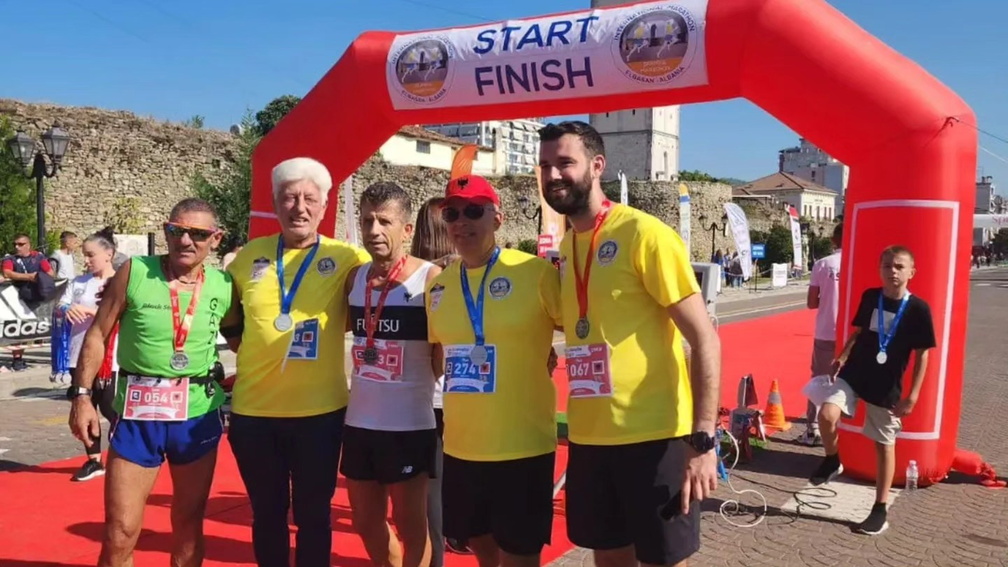
The city of a thousand windows: Ottoman houses stacked up a hillside, UNESCO-listed and still lived in.

Loved Berat. A smaller city, but for 1-3 days it's perfect and enough to see ( e.g. castle, canyon, hiking).

A traveller, on Hostelworld
The Berat guide
Gjirokastër

Gjirokastër

6 hostels

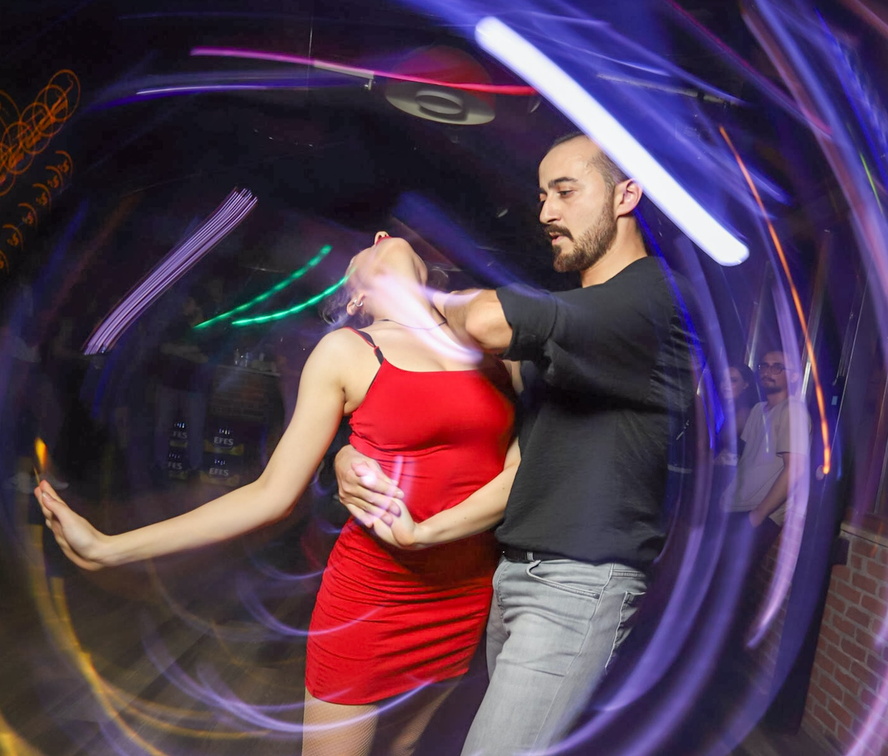
A stone city on a mountainside, UNESCO-listed, with a castle above and a slower pace than the coast.

Lovely town to explore and meet people, vibes were simply good.

A traveller, on Hostelworld
The Gjirokastër guide
Sarandë

Sarandë

13 hostels

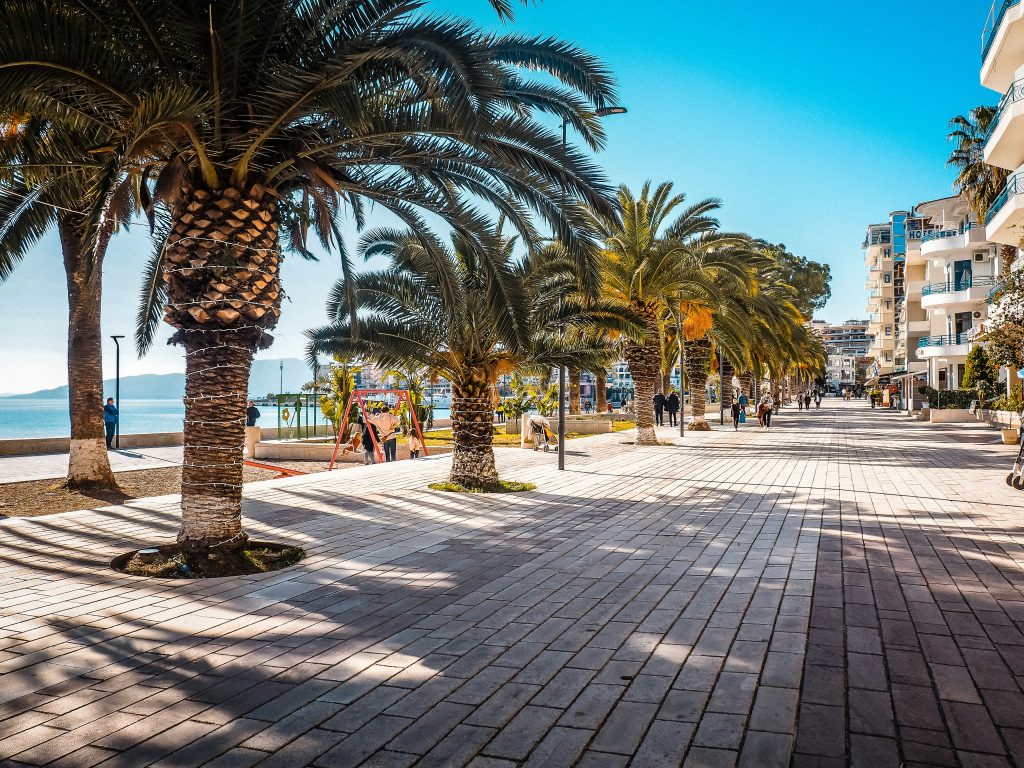
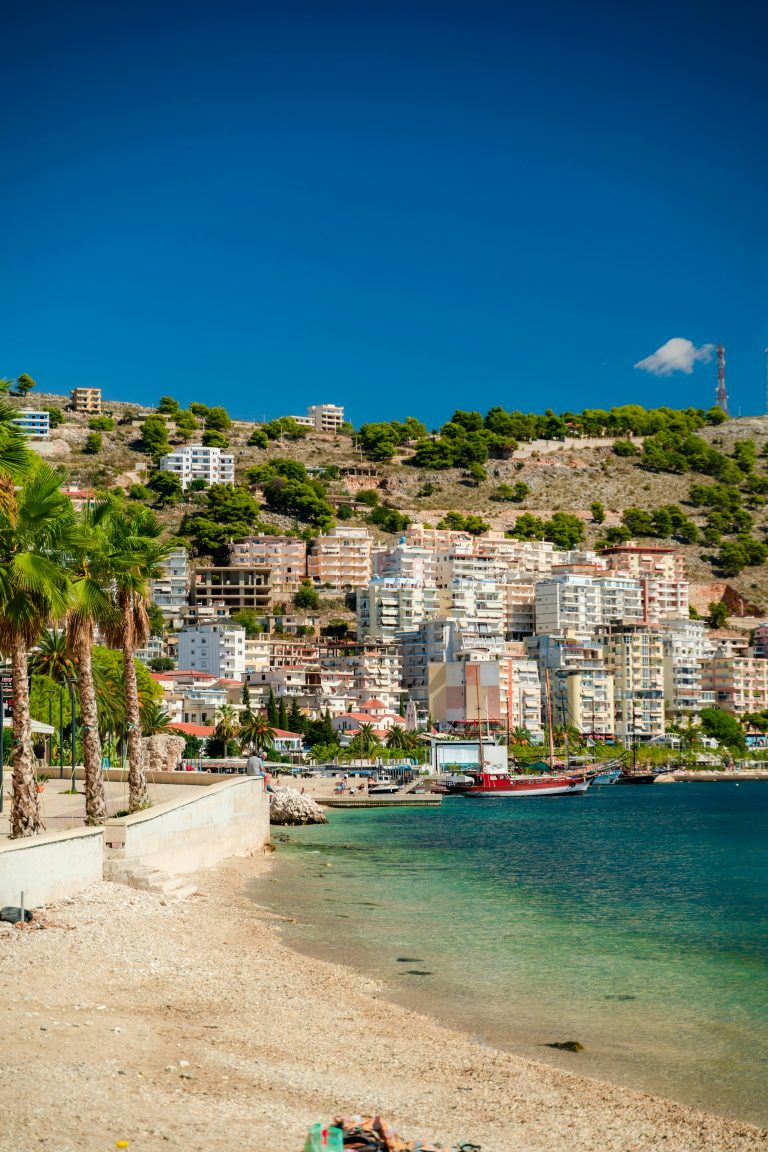
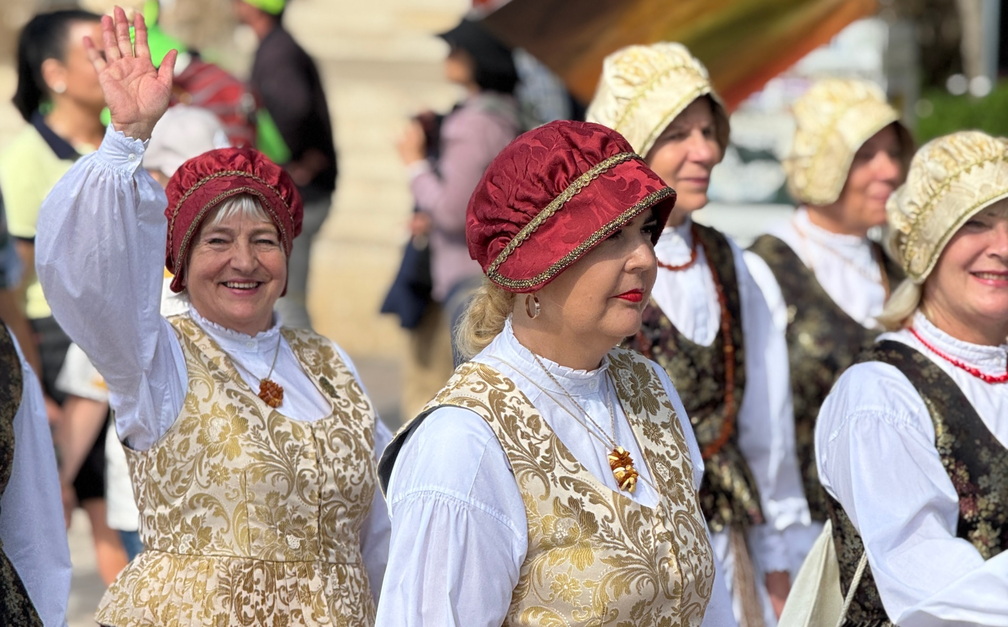
The southern Riviera hub, across the water from Corfu, and the base for Butrint and the beaches.

Beautiful place to visit. Great stop off point to get to Ksamil/Himare/Corfu etc! Loved walking on the promenade and taking in the beautiful views.

A traveller, on Hostelworld
The Sarandë guide
Himarë

Himarë

7 hostels

A Riviera town with the best beaches on the coast and less building than Sarandë.

If you planning to visit himare just stay longer than I did , especially if you found some cool people to hang out with . I prefer himare than sarande and i recommend more than any city or town in albania

A traveller, on Hostelworld
The Himarë guide

What kind of trip is this?

Albania is a beach country and a mountain country, and most trips are one or the other.

Beach in Albania

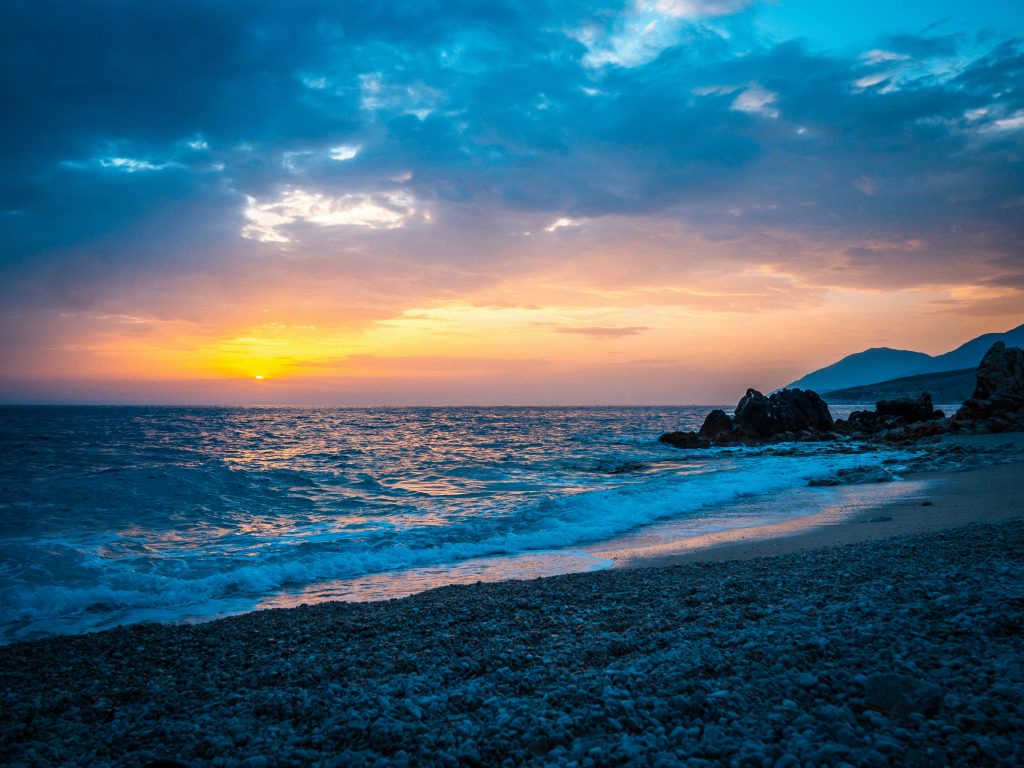
The Riviera, and water as clear as anywhere in the Med.

What to do

  • Swim at Ksamil
  • Boat to Gjipe beach
  • Drive the Llogara pass down to the coast

Spots to visit

  • Ksamil
  • Gjipe
  • Dhërmi

Best cities for it

Things to do

Things to do in Albania

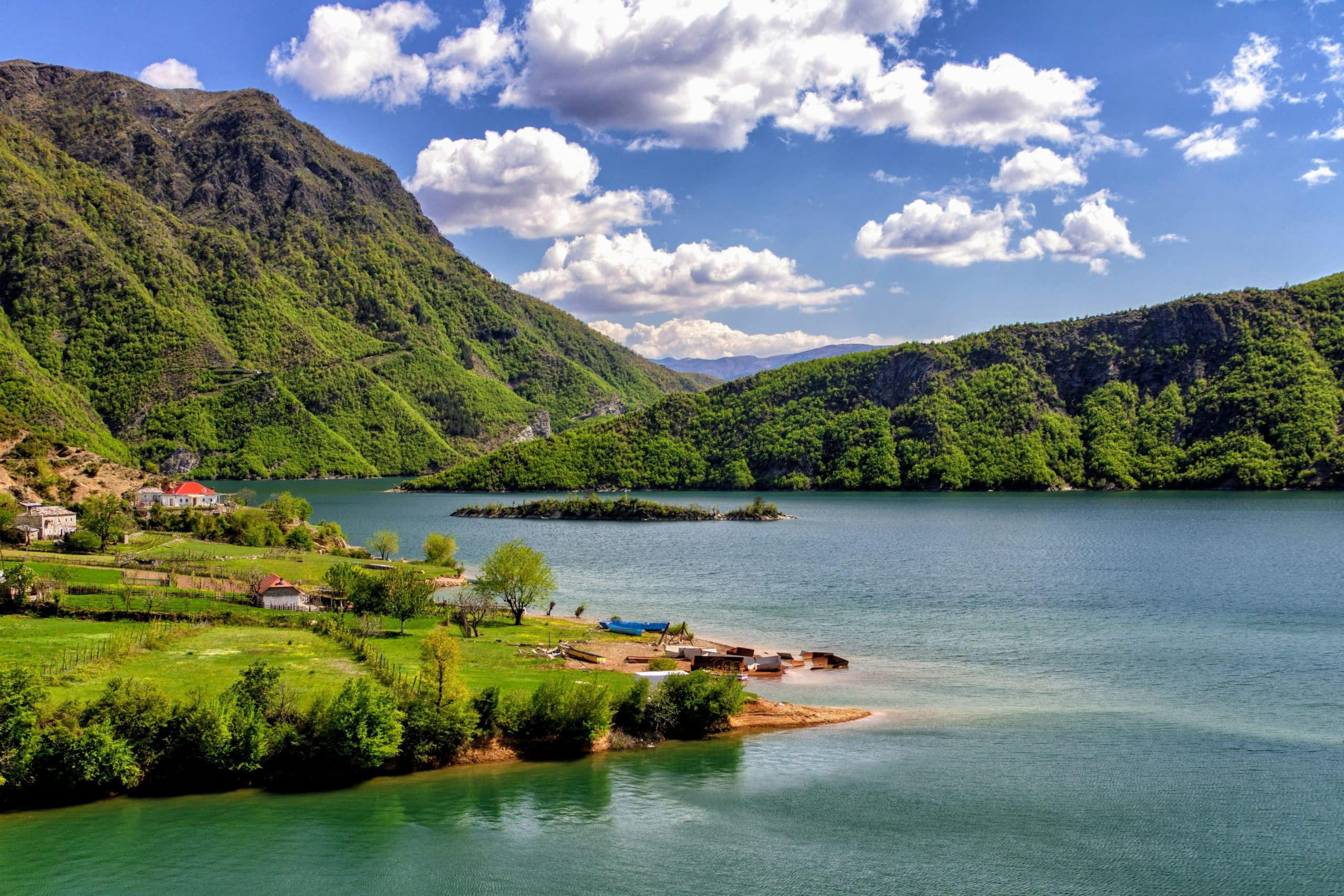
The Valbonë to Theth hike is the best thing in the country and one of the best in the Balkans: a day's walk over a pass between two mountain villages, reached by the Koman ferry through a flooded gorge that is worth the trip on its own. Guesthouses at either end feed you and cost €25 to €35 with dinner.

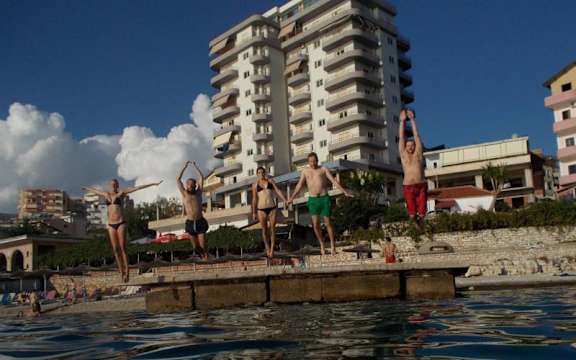
The Riviera runs from Vlorë south to Sarandë, over the Llogara pass and down to a string of beaches. Ksamil's water is the famous one; Gjipe, reached by boat or a walk down a canyon, is the one worth the effort.

In Tirana, Bunk'Art — a vast nuclear bunker built for the dictatorship and now a museum — is the most striking way to understand the Hoxha years. Berat and Gjirokastër are the Ottoman towns, both UNESCO, both a few hours away.

Food and drink

Eating in Albania

Albanian food is Mediterranean with Ottoman and Italian influence, and the produce is excellent because most of it is local by default. Byrek, a filled pastry, costs under a euro and is the everyday breakfast.

On the coast, grilled fish by the kilo is the thing to order, and it is a fraction of Greek or Croatian prices for the same sea. Inland, tavë kosi — lamb baked with yoghurt — is the national dish, and a full meal in a village restaurant runs €6 to €10.

Coffee is a genuine institution: Albania has more cafés per head than almost any country, an espresso costs €0.50 to €1, and sitting over one for an hour is the national pastime. Raki is the homemade spirit and is offered constantly.

Nightlife

Going out in Albania

Tirana's Blloku district was reserved for communist party officials until 1991 and is now the bar and restaurant quarter. Drinks are €2 to €4, the crowd is young, and it runs late every night of the week.

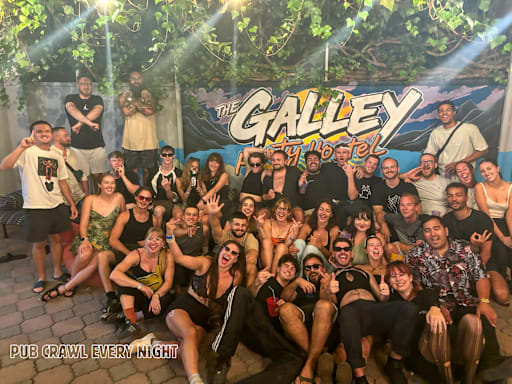
The Riviera in summer is the other scene: beach clubs at Dhërmi and Jala, and Sarandë's waterfront, busy from June to September and closed for much of the rest of the year.

Albania is cheap enough that a full night out costs what two drinks cost in western Europe, and the hospitality is disarming — being bought a raki by strangers is a normal part of an evening.

Getting around

Getting around Albania

There is effectively no passenger rail. Furgons — shared minibuses — and buses do everything, they leave when full rather than on a timetable, and they are very cheap: Tirana to Berat is around €4.

The roads have improved enormously but mountain routes are slow, and journey times are longer than the distances suggest. Tirana to Sarandë is around five hours for 280km.

Renting a car gives you the Riviera and the Llogara pass at your own pace, and driving is assertive rather than dangerous if you are used to Balkan roads. For the north, the Koman ferry is the transport as well as the attraction.

Costs

What Albania costs

Albania is one of the cheapest countries in Europe for most things. Dorms start around €10, a full meal is €6 to €10, a beer is €2, and a long bus ride costs a few euros.

The Riviera in July and August is the exception and prices there have risen sharply — Ksamil and Dhërmi in peak season now cost several times what the interior does, and building work has changed parts of the coast considerably in a few years.

The lek is the currency. Euros are sometimes accepted at unfavourable rates, and card acceptance is patchy outside Tirana and the main resorts, so carry cash and withdraw larger amounts to limit ATM fees.

Safety

Staying safe in Albania

Albania is safe for travellers and the hospitality is genuine — the tradition of besa, a word-of-honour duty to guests, is still meaningful in the north. Crime against visitors is rare.

The practical risks are roads and terrain. Driving standards are assertive, rural roads can be poor, and mountain weather in the north changes fast. The Valbonë to Theth path is well marked but it is a full mountain day, not a stroll.

Outside the main towns, medical facilities are limited, and travel insurance that covers evacuation is worth having for the mountains. Unexploded ordnance from the 1990s exists in a few clearly marked border areas — stay on marked paths in the far north.

Entry and documents

Entry and documents

Albania is not in the EU or Schengen, so time here does not count against the 90-day Schengen allowance — which makes it a popular reset point for long European trips.

EU, UK, Canadian and Australian citizens enter visa-free, generally for 90 days in a 180-day period, while US citizens can stay for up to a year. In recent years Albania has waived requirements for many nationalities seasonally. Check the official government position before travel, as the rules have shifted.

Passports should be valid for the length of stay. Land borders with Montenegro, Kosovo, North Macedonia and Greece are all straightforward and used constantly by buses.

When to go

The coast works from May to October and the mountains from June to September. July and August are hot, busy and the only time the Riviera feels crowded.

12°
Jan
Mild in Tirana, snow in the north, coast closed
13°
Feb
Quiet and cheap. Mountain passes shut
16°
Mar
Spring inland. Coast still waking up
19°
Apr
Excellent for Berat and Gjirokastër. Sea still cold
24°
May
The best month. Coast opening, mountains greening
29°
Jun
Hot, swimming season proper, hiking season opens
32°
Jul
Peak. Riviera busy and prices at their highest
32°
Aug
Busiest, and Albanians from abroad return home
28°
Sep
Superb. Warm sea, thinning crowds, prices falling
23°
Oct
Great value. Hiking still good, coast quiet
17°
Nov
Wet and cheap. Mountain routes closing
13°
Dec
Tirana only. Coast and mountains largely shut
Bar height is temperature. Colour is how busy it gets: quiet busy peak

Average highs for Tirana. The Riviera is warmer and the northern mountains considerably colder, with the Valbonë–Theth pass usually walkable from June to early October.

What your trip will cost

Pick how you travel and how long for. Per night, for one person, outside the Riviera in August.

Prices are in lek locally; these are euro equivalents. Riviera accommodation in July and August runs two to three times these figures.

—
  • Beds—
  • Food and drink—
  • Getting around—
  • Doing things—
What's on

What is on while you are there

A short calendar, and most of the summer action is on the coast.

Albania travel questions

The ones we get asked most.

Is Albania cheap?
One of the cheapest countries in Europe for most things: dorms from €10, a full meal for €6 to €10, a beer for €2, and a day around €30 to €40. The Riviera in July and August is the exception and has got considerably more expensive.
How many days do you need in Albania?
Ten days covers both halves: Tirana, Berat, the northern mountains around Theth and Valbonë, and a stretch of the Riviera. A week is enough for one half done properly.
Is Albania safe?
Yes, and safer than its outdated reputation. Crime against visitors is rare and hospitality is genuine. The real cautions are mountain weather, assertive driving and limited rural medical facilities.
What is the Valbonë to Theth hike?
A full day's walk over a pass between two mountain villages in the Accursed Mountains, usually walkable June to early October. It is reached by the Koman ferry through a flooded gorge, and guesthouses at either end include dinner for €25 to €35.
Does Albania use the euro?
No, the lek. Euros are sometimes accepted at poor rates. Card acceptance is patchy outside Tirana and the resorts, so carry cash and withdraw larger amounts because ATM fees are charged per transaction.
Does time in Albania count towards Schengen?
No. Albania is outside the EU and Schengen, so time here is separate — which is why it has become a popular place to wait out the 90-day limit.
When should I visit the Albanian Riviera?
June or September. July and August are hot, busy and the most expensive weeks of the year, with building work along parts of the coast. May and October are quiet and still warm enough to swim.

Say yes to hostels, meet the world

Compare hostels across Albania — live prices, real reviews and free cancellation on most bookings. Then meet the people already there in the app.

Get the App. QRGet the App.
Get the App. QR  Get the App.
Scroll to Top