Altstadt north
First-timersBelow the castle: the medieval lanes, the Dürer house, the main square and most of the atmosphere.

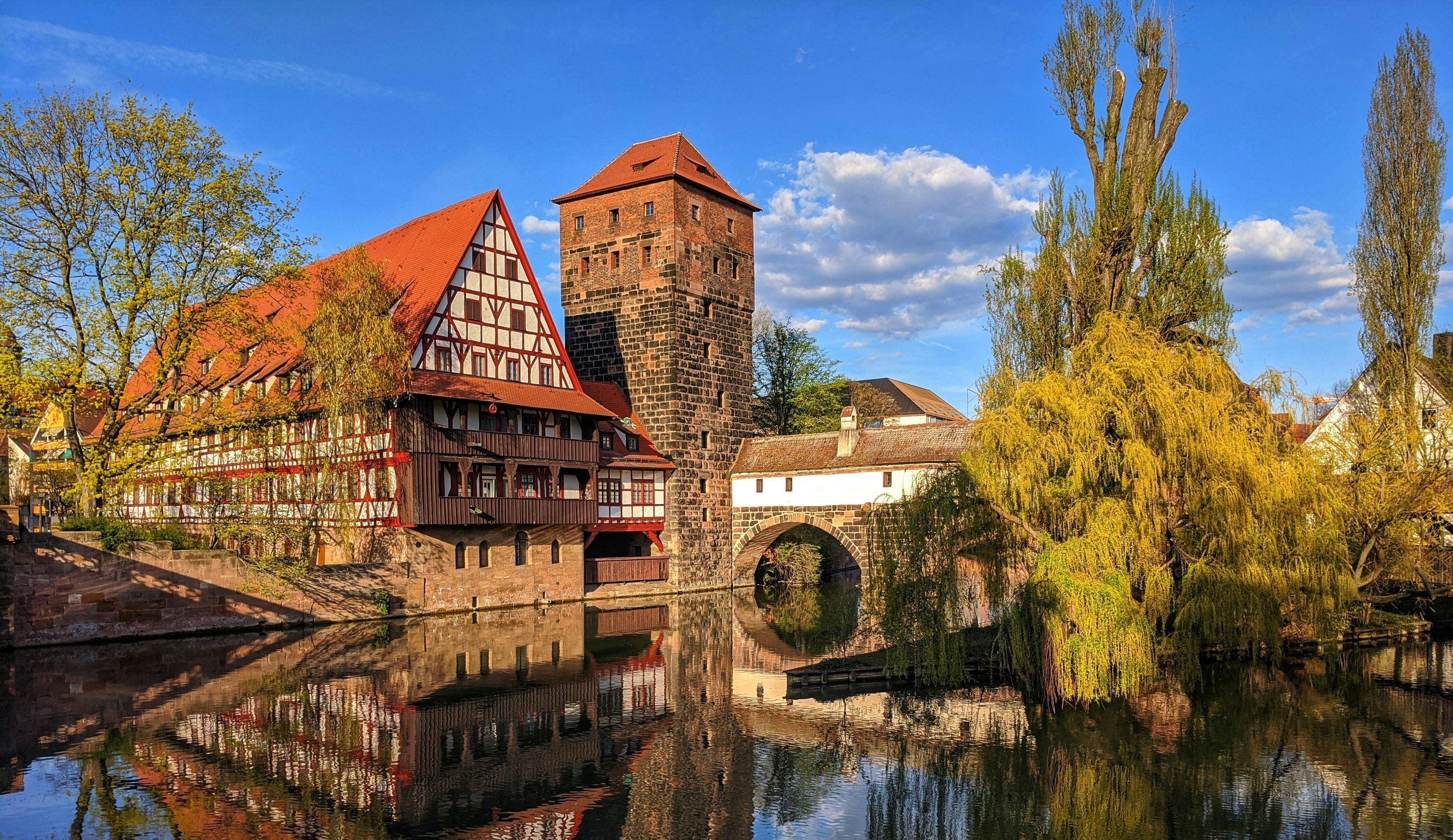
A reconstructed medieval core, the rally grounds where the Nazi party staged itself, the courtroom where its leaders were tried, and the most famous Christmas market in Germany.
Nuremberg was one of the great cities of the Holy Roman Empire, with Dürer, the first pocket watch and a castle on a sandstone ridge.
The Nazi party chose it for its rally grounds precisely because of that history, staging enormous annual gatherings here from 1933, and the city's name went onto the race laws of 1935. In January 1945 Allied bombing destroyed about ninety per cent of the old town in an hour.
The city rebuilt the medieval centre and, more slowly, learned to deal with the rest. The rally grounds are preserved rather than demolished, with a documentation centre inside the unfinished Congress Hall that is unflinching about what happened there. Courtroom 600, where the Nuremberg trials established the principle that individuals can be tried for crimes against humanity, is open as a museum.
The Christkindlesmarkt in December is the most famous in Germany.
Two days.
A walled old town split by a river, with everything inside it.
Below the castle: the medieval lanes, the Dürer house, the main square and most of the atmosphere.
Between the river and the station: cheaper beds, the craftsmen's courtyard and easy trains.
West outside the wall: a diverse district with cheap food, bars and no visitors.
Orange labels are neighbourhoods, dots are the 5 top-rated hostels. Map © MapTiler © OpenStreetMap contributors.
The Documentation Centre at the former rally grounds, about €6, is the most important thing here. It occupies part of the unfinished Congress Hall — a building modelled on the Colosseum and never completed — and covers how the Nazi party used the site, without euphemism. Afterwards, walk the grounds themselves: the Zeppelin Field grandstand is still there, decaying deliberately rather than restored, and you can stand where the films were shot.
The Memorium Nuremberg Trials, about €7, holds Courtroom 600, where the principal Nazi leaders were tried between 1945 and 1946. It is still a working court, so access depends on the calendar — check before going.
The Kaiserburg castle above the old town, about €7, gives the view over the roofs.
The Germanisches Nationalmuseum is the largest museum of German cultural history, at about €10.
And eat three small sausages in a roll from a street stand, which is the correct lunch here.
The rally grounds themselves are free to walk, including the Zeppelin Field and its grandstand. Only the Documentation Centre charges.
The city walls are free and about five kilometres of them survive, with towers and a dry moat you can walk in.
The Hauptmarkt with the Schöner Brunnen fountain, the Frauenkirche and the medieval lanes below the castle all cost nothing.
The Handwerkerhof, a reconstructed craftsmen's courtyard by the station, is free to walk into.
The Pegnitz river through the middle, with the covered Henkersteg bridge and the old wine depot, is the best free walk in the centre.
Nürnberger Rostbratwurst are small — finger-sized, protected by origin, and traditionally served three in a roll as Drei im Weggla for €3 to €4 from a street stand. Sit-down portions come as six, eight, ten or twelve on a pewter plate with sauerkraut, at €10 to €16.
Lebkuchen, the spiced soft gingerbread, has been made here since the Middle Ages and the good ones are Elisenlebkuchen with a high nut content.
Schäufele, roast pork shoulder with crackling, is the Franconian big plate at €14 to €20.
Franconia is a beer region in its own right and distinct from Bavaria proper — the local Rauchbier tradition sits mostly around Bamberg, an hour away, but Franconian beers are everywhere here at €3.50 to €5.
Gostenhof has the cheap international food at €8 to €14.
Modest and pleasant rather than remarkable. The old town has beer cellars and pubs, several in the sandstone tunnels cut beneath the city.
Gostenhof, west of the wall, has the alternative bars and the younger crowd.
A beer is €3.50 to €5 and cocktails €8 to €12.
The historic rock and beer cellars under the old town run tours, and a few function as bars — the sandstone ridge the city sits on is riddled with them, and they were used as air raid shelters and art stores during the war.
Nuremberg has a student population and a decent live music scene, but nobody travels here for the nightlife. December is the exception, when the Christmas market fills every evening for a month.
The walled old town is about a kilometre and a half across and walkable throughout.
The U-Bahn is driverless on two lines and a day ticket is about €9, though most visitors only need it for the rally grounds and the airport.
The airport is 12 minutes from the centre on the U2, which is one of the quickest airport links in Germany.
For the rally grounds, take tram 8 or the S2 to Dutzendteich — about fifteen minutes.
ICE trains reach Munich in an hour, Berlin in three and Frankfurt in two, which puts Nuremberg in the middle of everything.
Bamberg, a UNESCO-listed brewing town, is forty minutes by regional train.
Reasonable for Bavaria and much cheaper than Munich. Dorms are €20 to €38, a main €12 to €18, and a beer €3.50 to €5.
A day is €45 to €80.
The rally grounds, the walls and the old town are free. The paid sites are cheap — the Documentation Centre about €6, Courtroom 600 about €7, the castle about €7.
December is the exception. The Christkindlesmarkt is the most famous in Germany and beds rise substantially and book out well ahead for the whole month.
Sausages from a street stand at €3 to €4 are the cheapest good lunch in Bavaria.
Nuremberg is a safe city and crime against visitors is low.
Petty theft happens around the station and in the Christmas market crowds, which in December are dense enough that the Hauptmarkt becomes genuinely difficult to move through on weekend evenings.
At the rally grounds, be aware that this is a site of Nazi self-presentation and Germany takes its display seriously. Nazi symbols and salutes are criminal offences, tourists have been arrested and prosecuted for performing them at the Zeppelin Field, and it is not treated as a joke. Photograph the site, not yourself saluting in it.
The grandstand is deliberately unrestored and parts are fenced off because the concrete is failing. Stay outside the barriers.
Validate transport tickets — €60. Emergency number is 112.
A brewing town, a walled village and Franconian Switzerland.
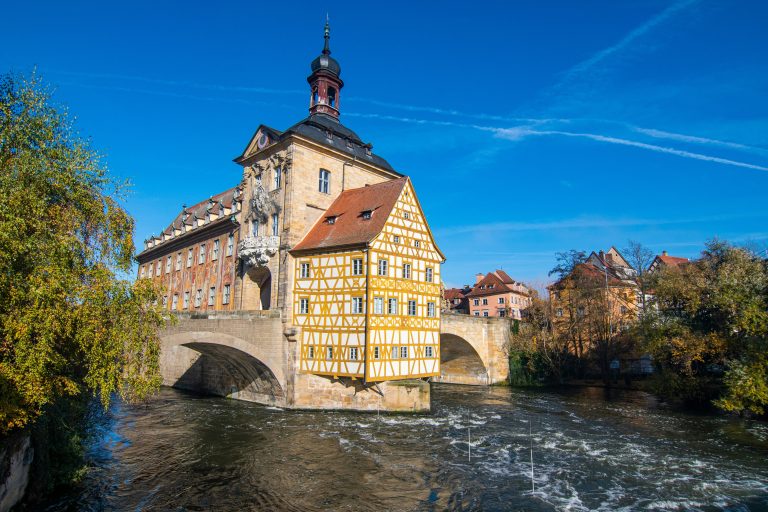
A UNESCO-listed town built on seven hills, with nine breweries and the smoked Rauchbier that divides everyone who tries it.
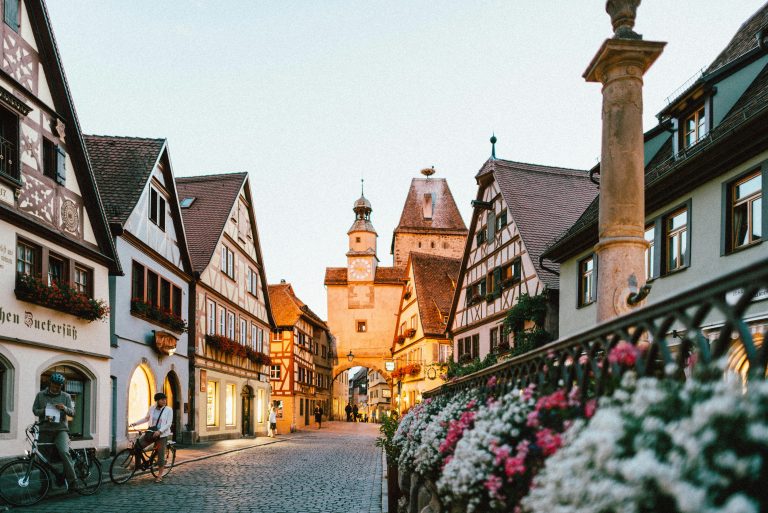
A completely walled medieval town on the Romantic Road. Very pretty, very visited, and best early or late.
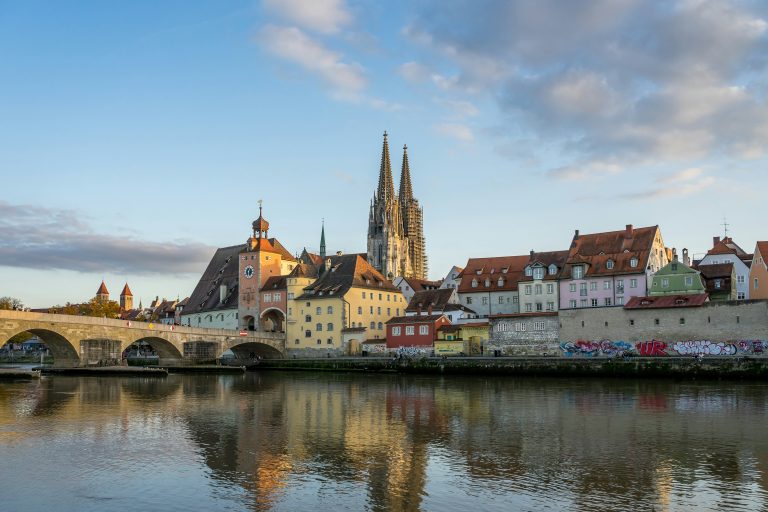
A medieval centre that escaped bombing entirely, with a twelfth-century stone bridge over the Danube.
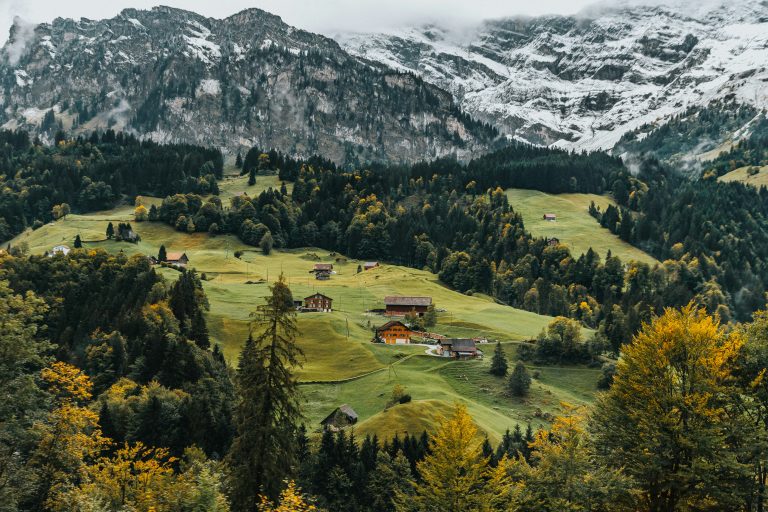
Limestone crags, caves and castles, with climbing and walking and a brewery in most villages.
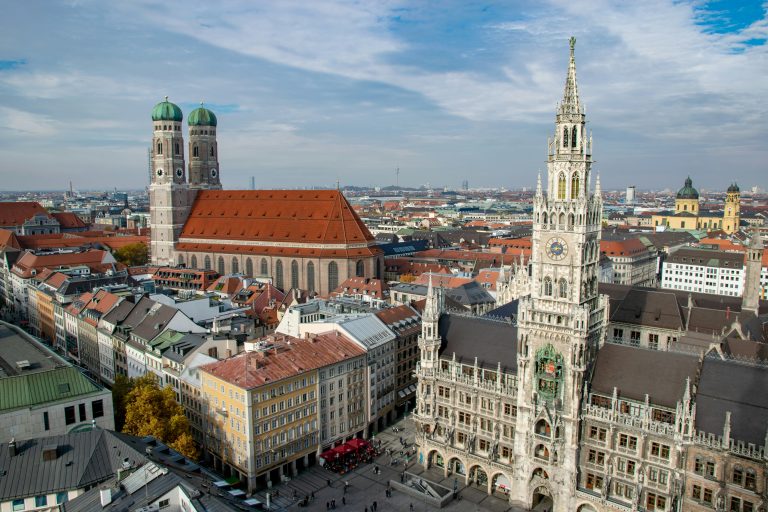
Bavaria's capital, and easy in either direction.
The most famous Christmas market in Germany, and a free music festival in July.
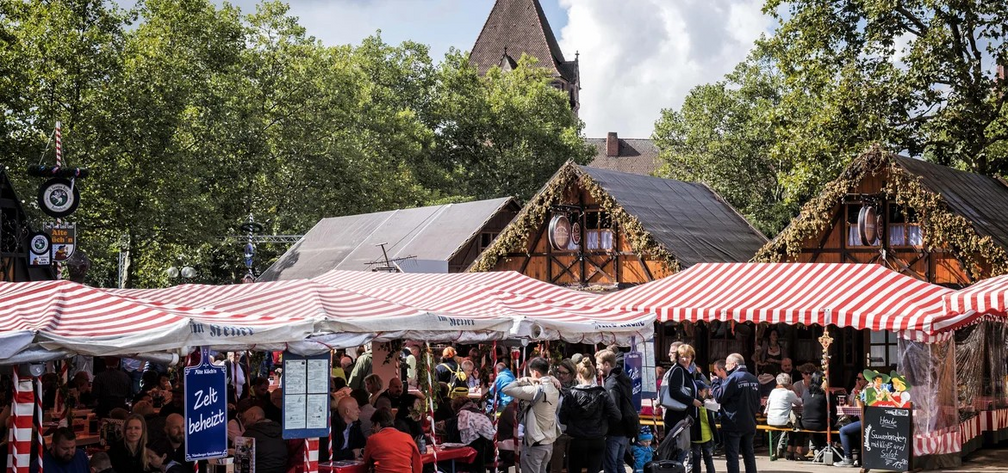 Staff pick
The Nürnberger Altstadtfest transforms Nuremberg into a celebration of Franconian culture, with two weeks of music, theatre, and culinary tradition in the heart of…
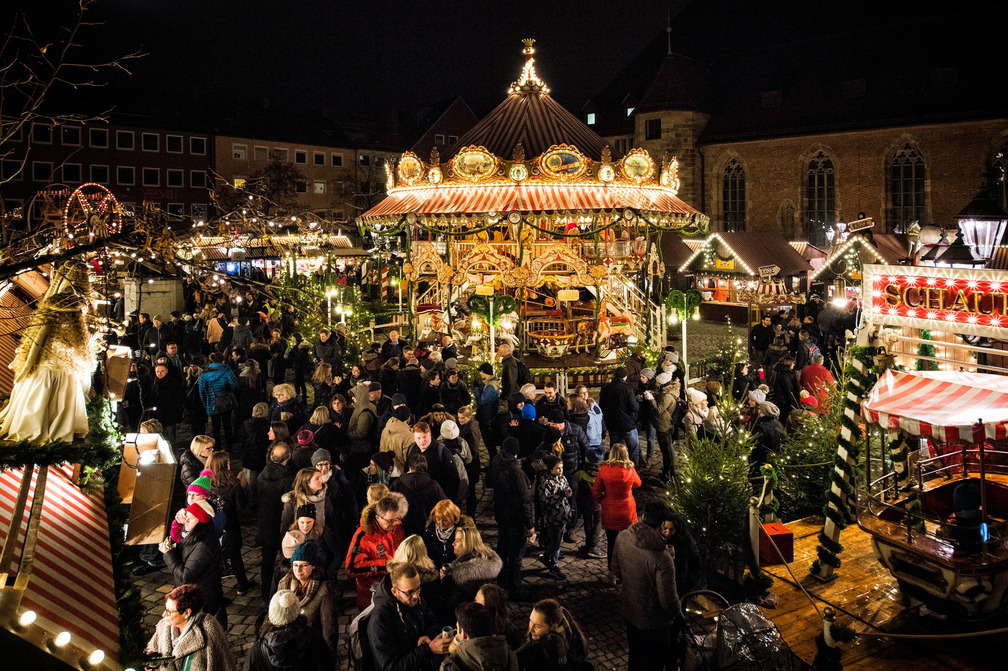 Staff pick
The Nuremberg Christkindlesmarkt is one of the oldest and most beloved Christmas markets in the country, with roots tracing back to the 16th century.…
 Staff pick
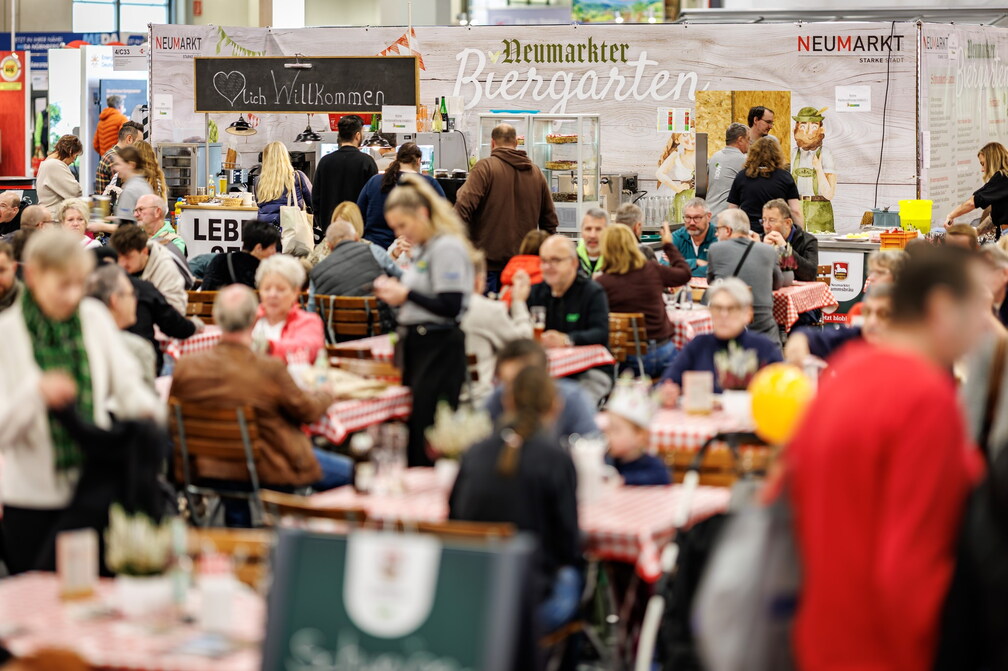
Consumenta in Nuremberg, Germany, is a popular consumer trade fair held at the NürnbergMesse, offering a diverse mix of themed worlds, interactive activities, and…
 Staff pick
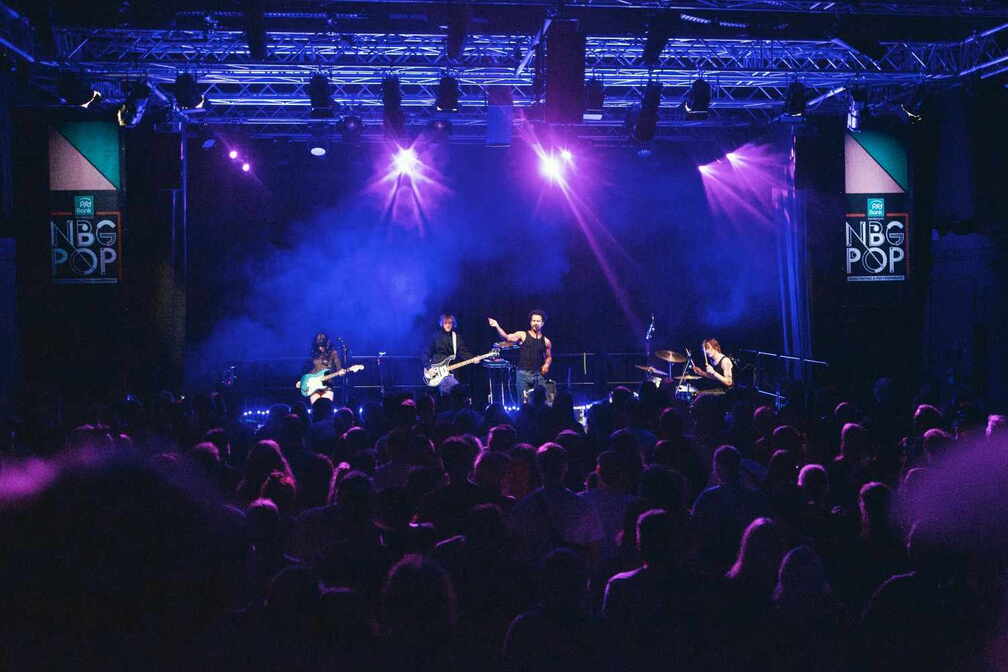
Nürnberg Pop Festival transforms Nuremberg, Germany, into a hub for music lovers, featuring a diverse lineup of bands across renowned venues like Club Stereo.…
 Staff pick
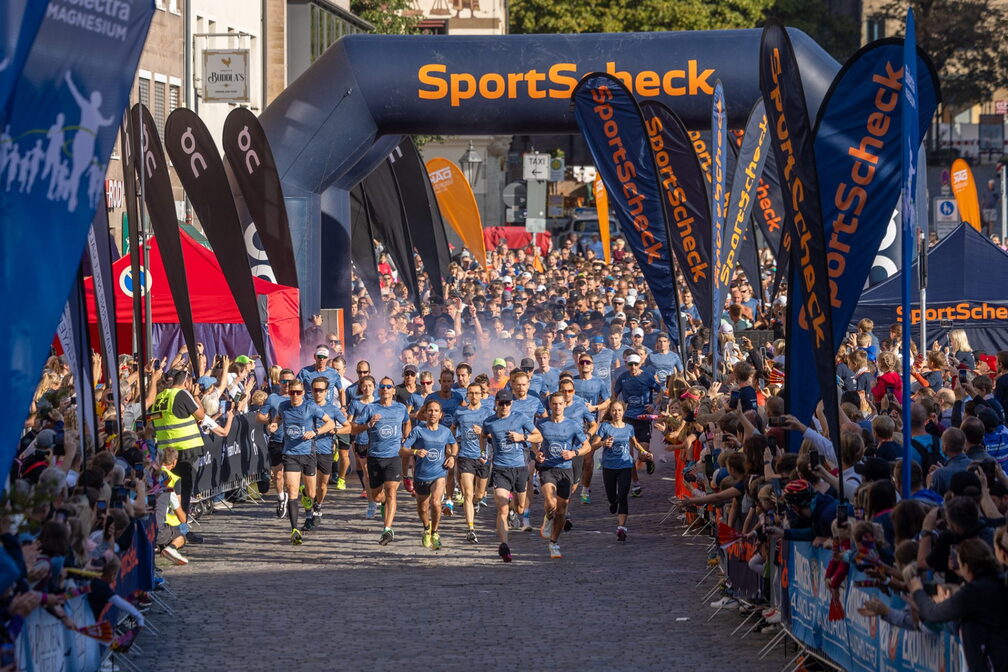
SportScheck RUN Nürnberg invites runners of all ages and skill levels to take part in a lively community race experience. The event features a…
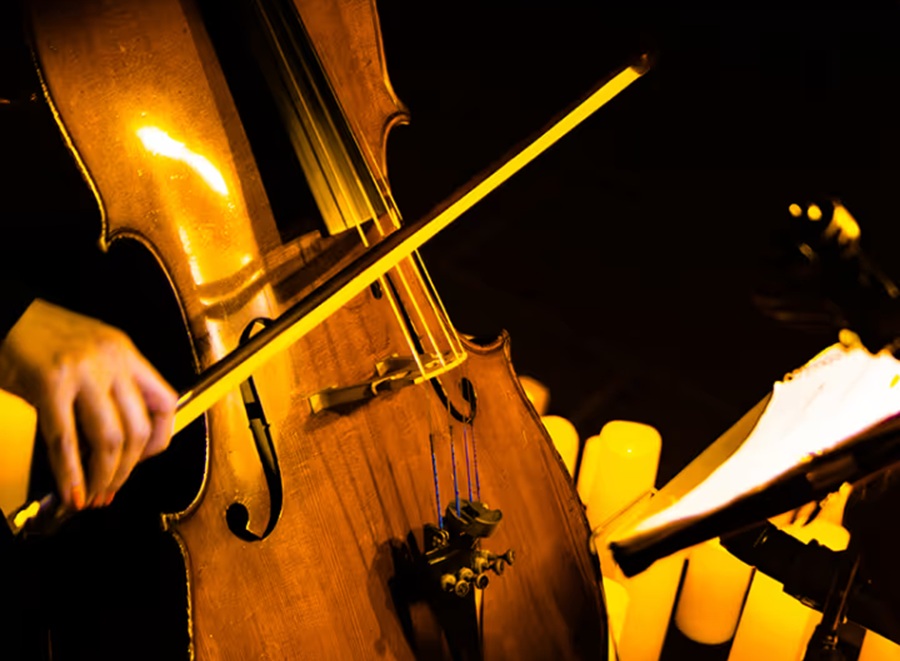
Candlelight: Ed Sheeran & Coldplay is a live music experience held at St Martha in Nuremberg. The Aeterna String Quartet performs a selection of…
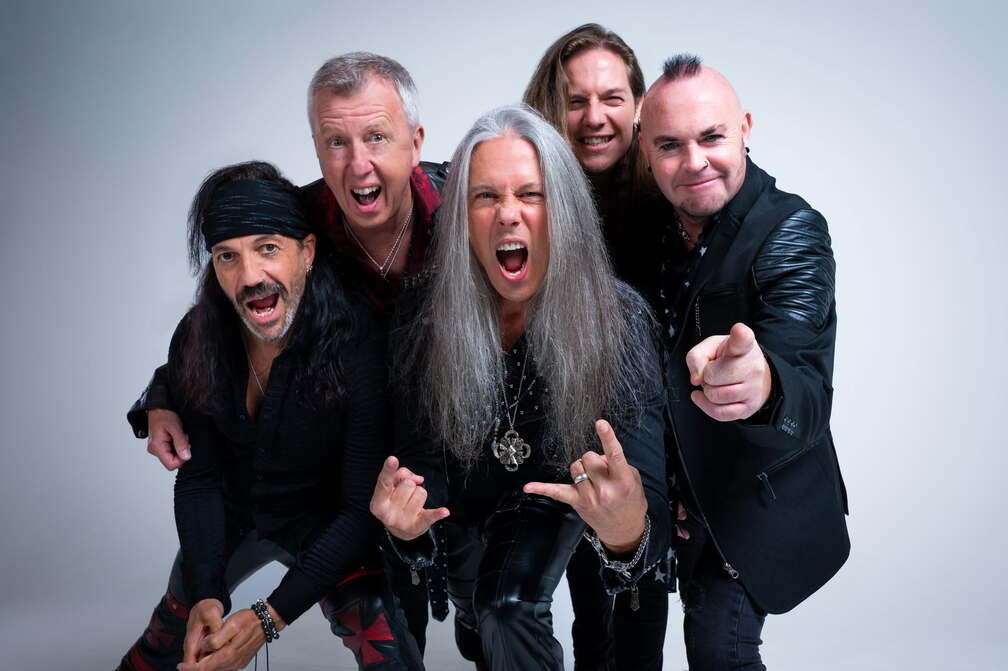
Rock fans will find a compelling night with Tyketto and Coreleoni on their Rock'n'Roll Salvation Tour 2026. The event highlights Tyketto's new album "Closer…
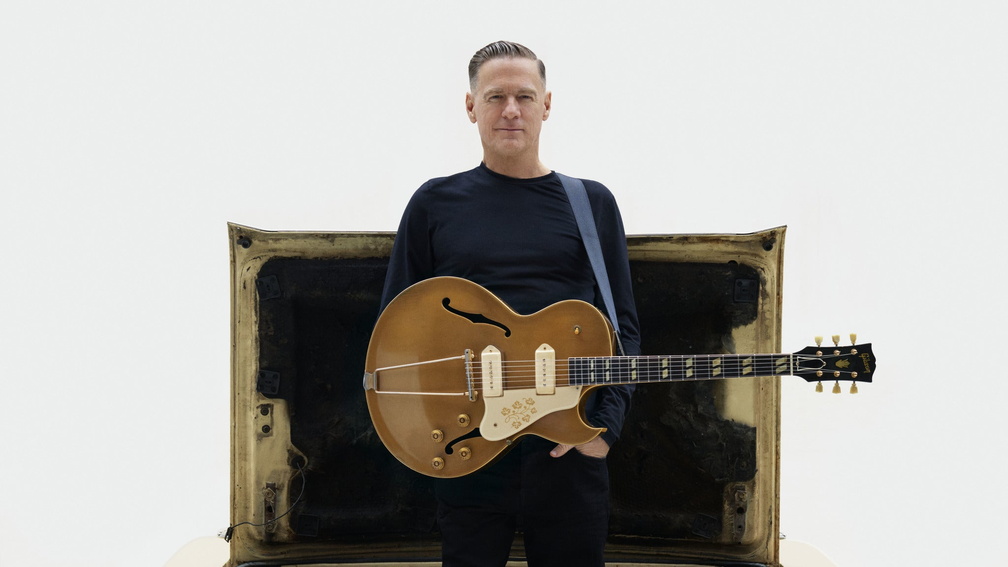
Bryan Adams is a globally renowned singer-songwriter, guitarist, composer and photographer from Canada. Selling 75 to 100 million albums and singles around the world,…
A modest scene inside the walls and near the station, tightest in December. Live from Hostelworld.
May to September for the city. December for the market, if you can stand the crowds.
Average highs. The Christkindlesmarkt runs from late November to 24 December and dominates the city entirely — the Hauptmarkt is shoulder to shoulder every weekend evening and beds rise for the whole month.
Pick how you travel. Per person per night, in euros.
December runs above these across the board. The doing line is low because the major sites here charge €6 to €7 rather than €20.
The ones we get asked most.

Compare Nuremberg hostels — live prices, real reviews and free cancellation on most bookings. Then meet the people already there in the app.

 Get the App.
 Get the App.