City centre
First-timersAround King's Parade and the market: the colleges, the Fitzwilliam and everything on foot.

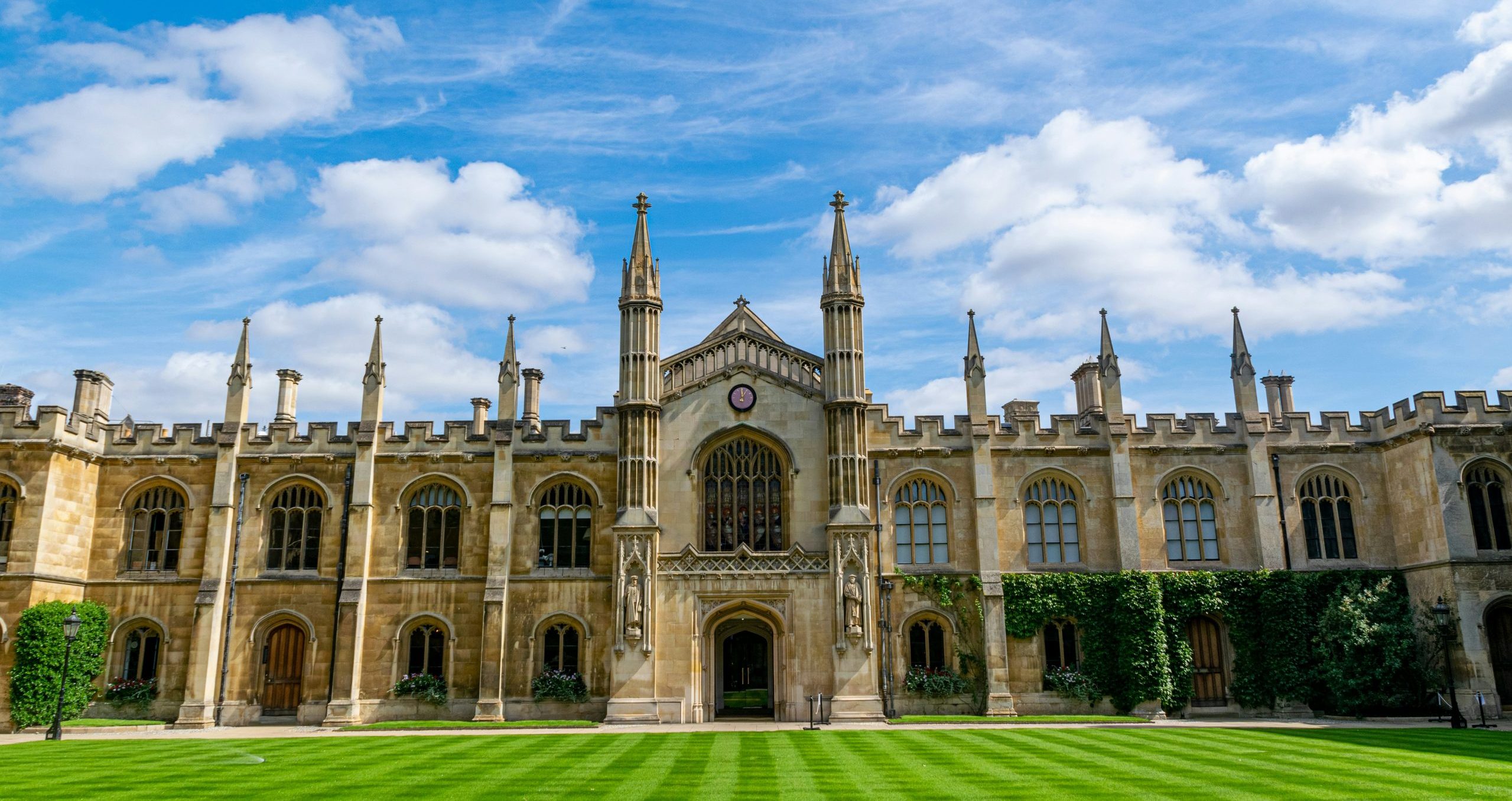
Thirty-one colleges along a river, punts under stone bridges, and the best small-city museums in England — nearly all of them free.
Cambridge has been a university since 1209, and the city is arranged around that fact. Thirty-one colleges, most of them enclosed courts you pay to enter or walk past for free, line the river and the streets behind it.
The Backs — the stretch of college lawns running down to the Cam — is the view everyone comes for, and it costs nothing to walk along Queen's Road and look across it.
King's College Chapel is the one building to pay for: Gothic fan vaulting, finished in 1515, and among the most impressive interiors in the country.
Punting on the Cam is the activity. Chauffeured is easier and about £25 a head; self-punt is cheaper, harder and much funnier.
It is flat, compact, full of bicycles and entirely walkable. One long day, or two.
A small centre, with cheaper beds a short walk or cycle out.
Around King's Parade and the market: the colleges, the Fitzwilliam and everything on foot.
Fifteen minutes south of the centre, with cheaper beds and fast trains to London and Stansted.
East of the station: the city's most diverse street, cheap food, independent shops and no tourists.
Orange labels are neighbourhoods, dots are the 3 top-rated hostels. Map © MapTiler © OpenStreetMap contributors.
King's College Chapel is the single thing to pay for, at about £15 including the college. The fan vaulting was finished in 1515 and is the largest of its kind anywhere; Evensong during term is free to attend and is the better way to see it.
Punt the Cam. Chauffeured trips run about £25 a head and take you under the Bridge of Sighs and the Mathematical Bridge; self-hire is around £30 for a boat and requires learning to steer in public.
Walk the Backs along Queen's Road for the view of the colleges from across their own lawns. Free.
The Fitzwilliam Museum is free and holds antiquities, Old Masters and an Egyptian collection that would be ticketed anywhere else.
The Cavendish Laboratory sites, the Eagle pub where Crick and Watson announced the structure of DNA, and Trinity's apple tree descended from Newton's are all free and all part of the same story.
The university museums are free and there are eight of them: the Fitzwilliam, Zoology, Archaeology and Anthropology, the Sedgwick Earth Sciences museum, the Whipple history of science collection and more.
The Backs are free from Queen's Road, and the walk along the river to Grantchester Meadows is about an hour each way through water meadows.
Several colleges are free to enter outside term or at quiet hours, and the ones that charge are still visible from the street.
Evensong in King's College Chapel during term is free and is the best way to experience the building.
The market square operates daily, the Botanic Garden charges a small entry but the Parker's Piece and Jesus Green open spaces do not, and the Eagle pub's RAF bar with names burned into the ceiling costs the price of a pint.
The centre is geared to visitors and priced for them. Mill Road, ten minutes east, is the opposite: Turkish, Bangladeshi, Korean, Caribbean and Portuguese at £8 to £14 a plate, and it is where people who live here eat.
The market square has food stalls doing lunch at £6 to £10, which is the cheapest good option in the middle.
The old pubs are the traditional evening — the Eagle, where Crick and Watson announced the DNA double helix in 1953 and where wartime airmen burned their squadron numbers into the ceiling, and the Free Press, which has no music and no phones.
A pub main is £14 to £19 and a pint £5 to £6.50.
Chelsea buns from Fitzbillies are the local sweet thing, at about £4.
Pub-led and quiet by city standards. The colleges run their own bars and events that outsiders largely cannot access, which shapes the whole scene.
The good old pubs are the point, and several are genuinely historic.
There are a couple of clubs aimed at students and one long-standing jazz and live music venue in the Corn Exchange area, but nobody travels here for nightlife.
A pint is £5 to £6.50 and cocktails £9 to £13.
Term time — roughly October to June, with three eight-week terms — is when the city has any energy at all. Out of term it is noticeably flat in the evenings.
Walk or cycle. The city is flat and about a mile and a half across, and cycling is the local default — hire is £15 to £20 a day.
Bikes have right of way in practice if not in law, they are fast, silent and numerous, and stepping into a cycle lane without looking is the most common visitor mistake here.
The station is fifteen minutes' walk south of the centre, with London King's Cross in 50 minutes and Stansted airport in 35.
Buses cover the outer areas at about £2.50, and the guided busway runs to St Ives.
Driving into the centre is pointless: much of it is closed to cars and parking is expensive.
Expensive for its size, with a strong free tier. Dorms are £22 to £40 and beds are scarce, a pub main £14 to £19, and a pint £5 to £6.50.
A day is £55 to £95.
The eight free university museums cover the daytime, and the Backs and the river walks cost nothing. King's at about £15 and punting at about £25 are the real spends.
Punt touts on King's Parade quote high and negotiate; the operators by the bridges are cheaper, and self-hire cheaper again if you can steer.
One of the safest cities in England, and the hazards here are mostly bicycles and water.
Bikes move fast and silently in both directions, often in contraflow lanes, and pedestrians stepping off kerbs without looking is the standard accident.
The Cam is shallow but cold, and people fall in off punts regularly — usually while standing up to take a photograph. Punt poles get stuck in the mud, and the correct move is to let go of the pole rather than hold on.
Bike theft is the most common crime in the city by a distance, so lock anything you hire properly.
Emergency number is 999, or 112.
A codebreaking estate, a cathedral on a hill and the Norfolk coast.
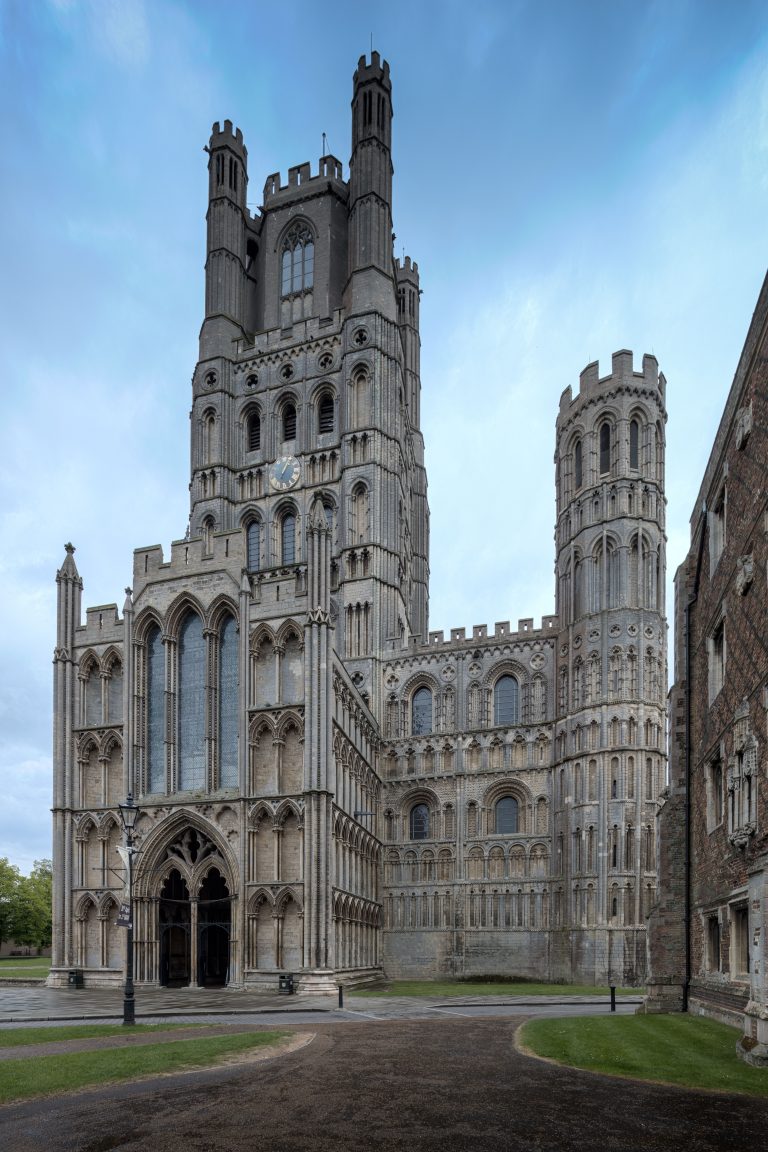
A cathedral known as the Ship of the Fens, visible for miles across flat country, in a small market town.
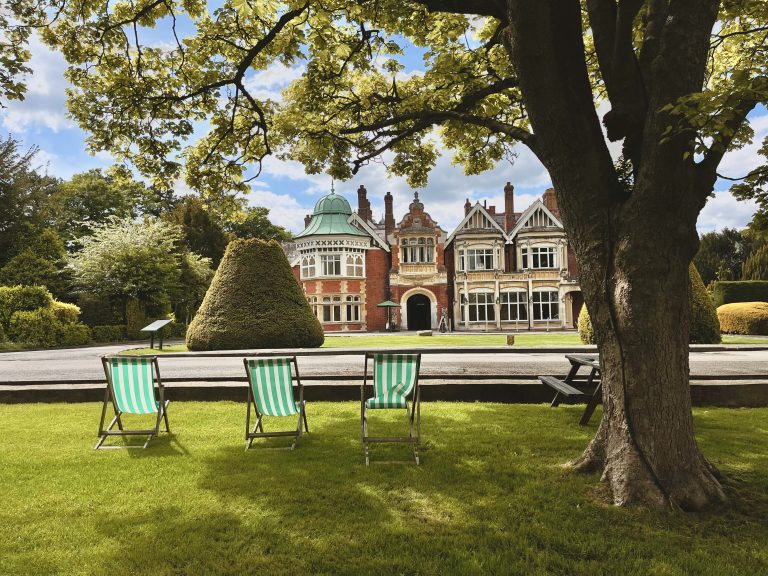
Where Enigma was broken. The huts and machines are preserved and the museum is excellent.
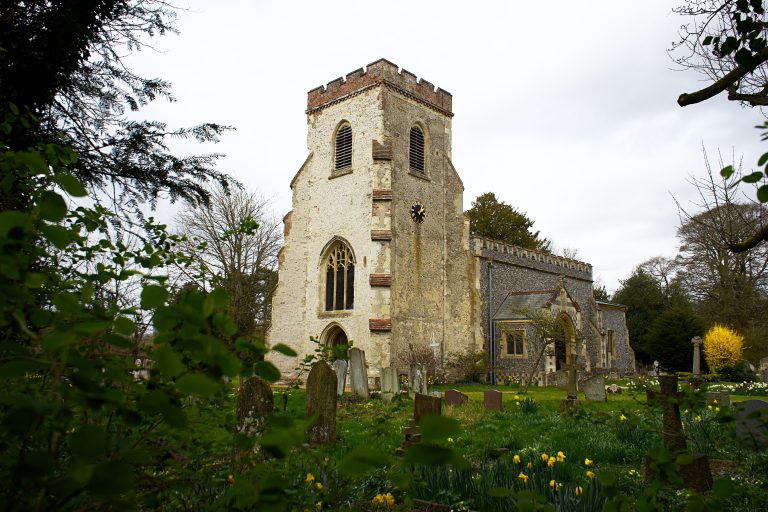
Water meadows along the Cam to a village with an orchard tea garden, a walk Rupert Brooke made famous.
Close enough to do in either direction from either city.
Rowing races in June, and a carol service broadcast worldwide at Christmas.
 Staff pick
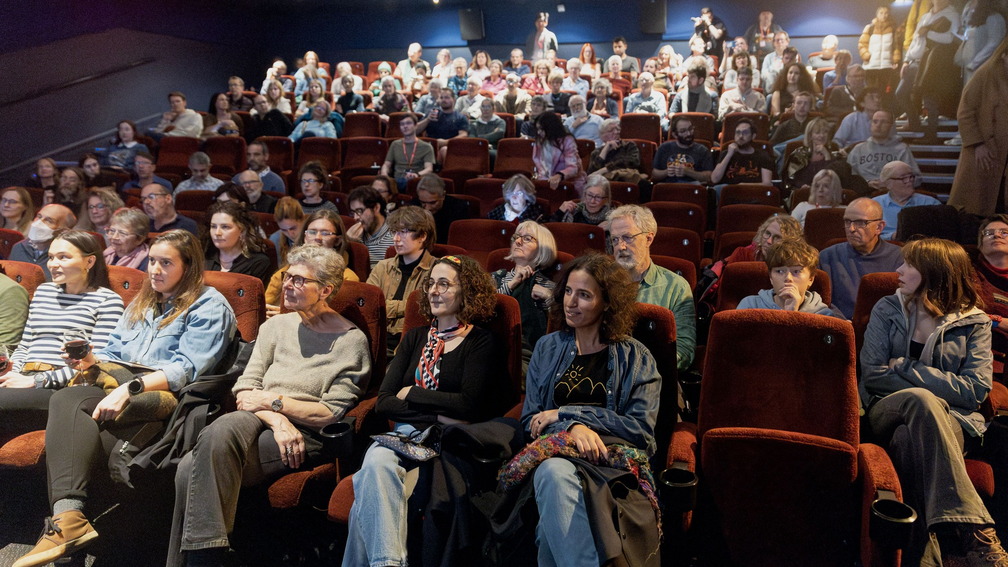
The Cambridge Film Festival is a celebrated showcase of independent and international cinema, bringing together film lovers and industry professionals each autumn. Founded in…
 Staff pick
Cambridge, United Kingdom, comes alive each year as over 25,000 people gather for Fireworks Night, a beloved tradition that lights up the city’s skies…
 Staff pick
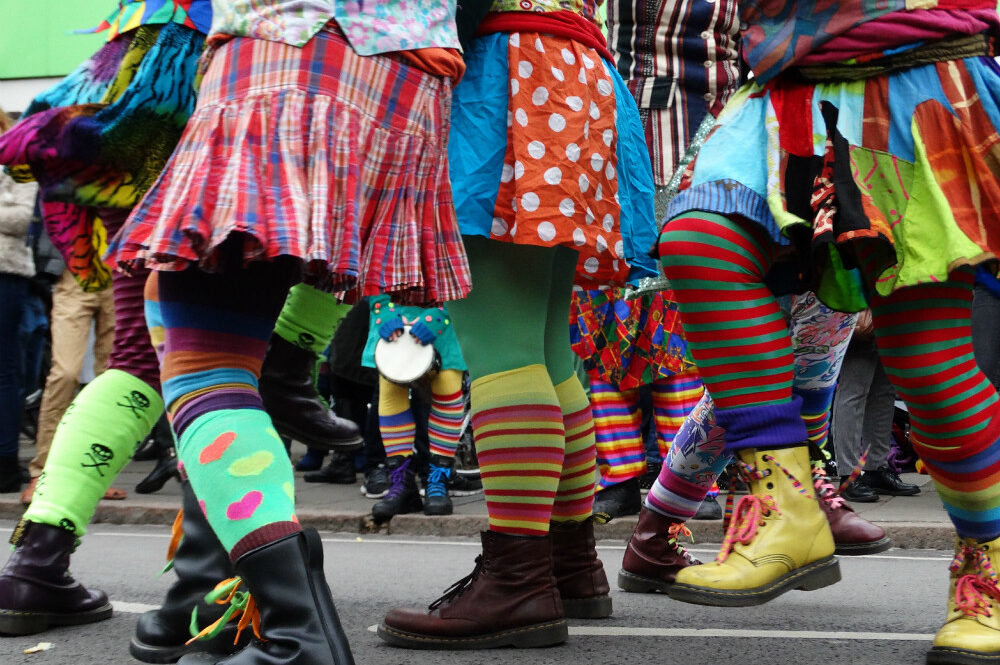
Mill Road Winter Fair in Cambridge, UK, is a lively celebration of the area’s rich cultural diversity, bringing together local businesses, artists, musicians, and…
 Staff pick
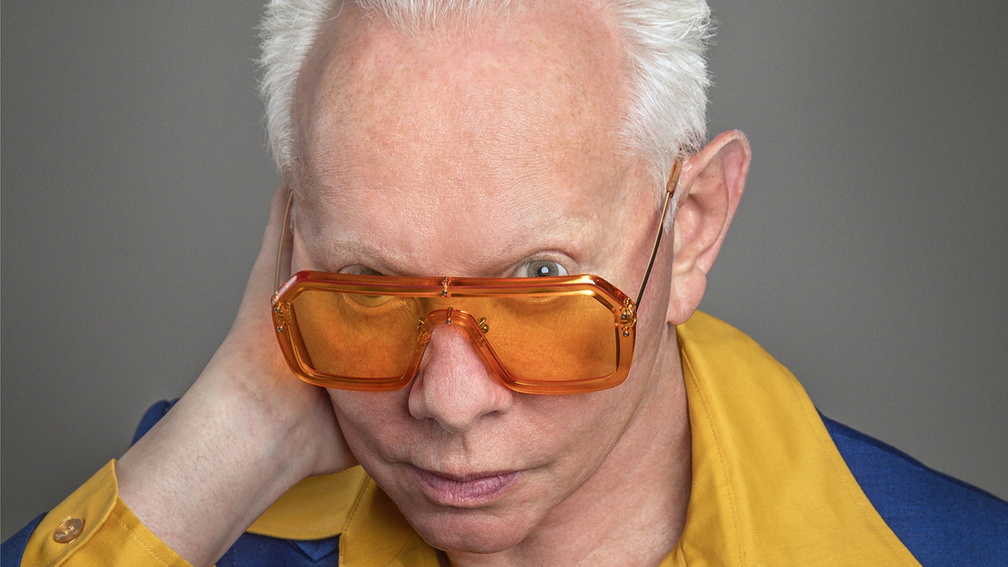
Joe Jackson is an English musician who spans genres from new wave and jazz to classical. He gained fame in the late 1970s with…
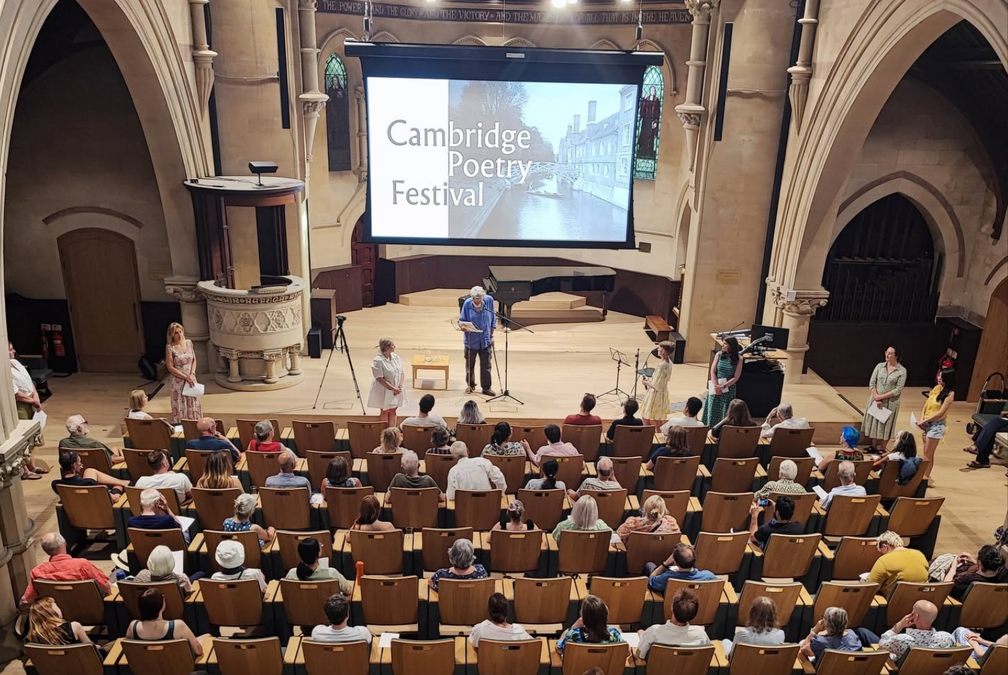 Staff pick
The Cambridge Poetry Festival is an international gathering that brings together poets, artists, and the local community for a unique celebration of creative expression.…
 Staff pick
Tony Blackburn is a legendary British radio DJ and presenter known for his long career on BBC Radio and his upbeat, nostalgic music sets.…
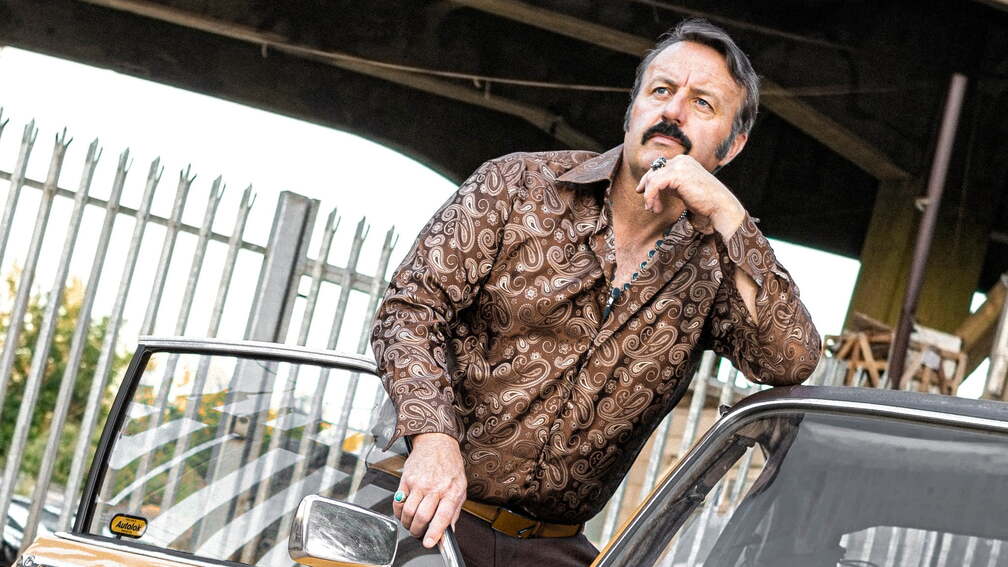 Staff pick
Mike Bubbins is a celebrated Welsh comedian, writer, and actor known for his sharp wit and charismatic stage presence. With a background in teaching…
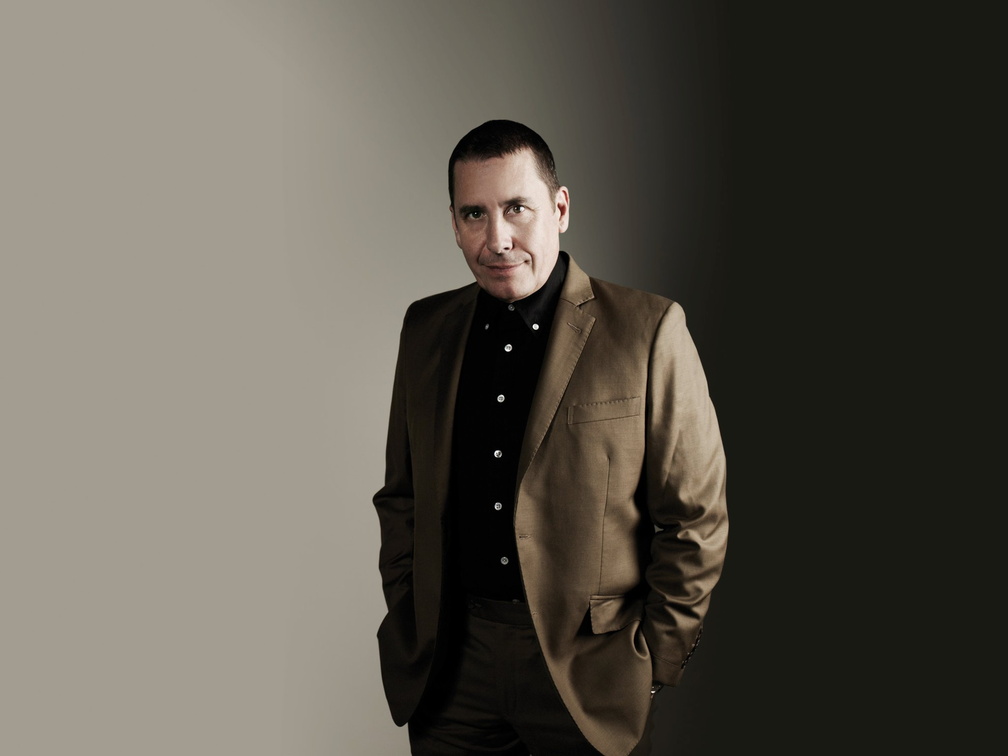 Staff pick
Jools Holland and His Rhythm & Blues Orchestra deliver lively shows filled with boogie-woogie piano, classic covers, and swinging brass. Led by the acclaimed…
A small scene for a city this visited, so book ahead — especially in June and for graduation weekends. Live from Hostelworld.
May and June for punting and term-time energy. Avoid exam season for college access.
Average highs. East Anglia is the driest part of England, and Cambridge gets noticeably less rain than the west — but it is flat, open country and the wind comes straight off the North Sea.
Pick how you travel. Per person per night, in pounds.
The doing line assumes King's at about £15 and a punt at about £25. The eight free museums are why it can be so low otherwise.
The ones we get asked most.

Compare Cambridge hostels — live prices, real reviews and free cancellation on most bookings. Then meet the people already there in the app.

 Get the App.
 Get the App.