Old town
First-timersChulia Street, Armenian Street and Love Lane.

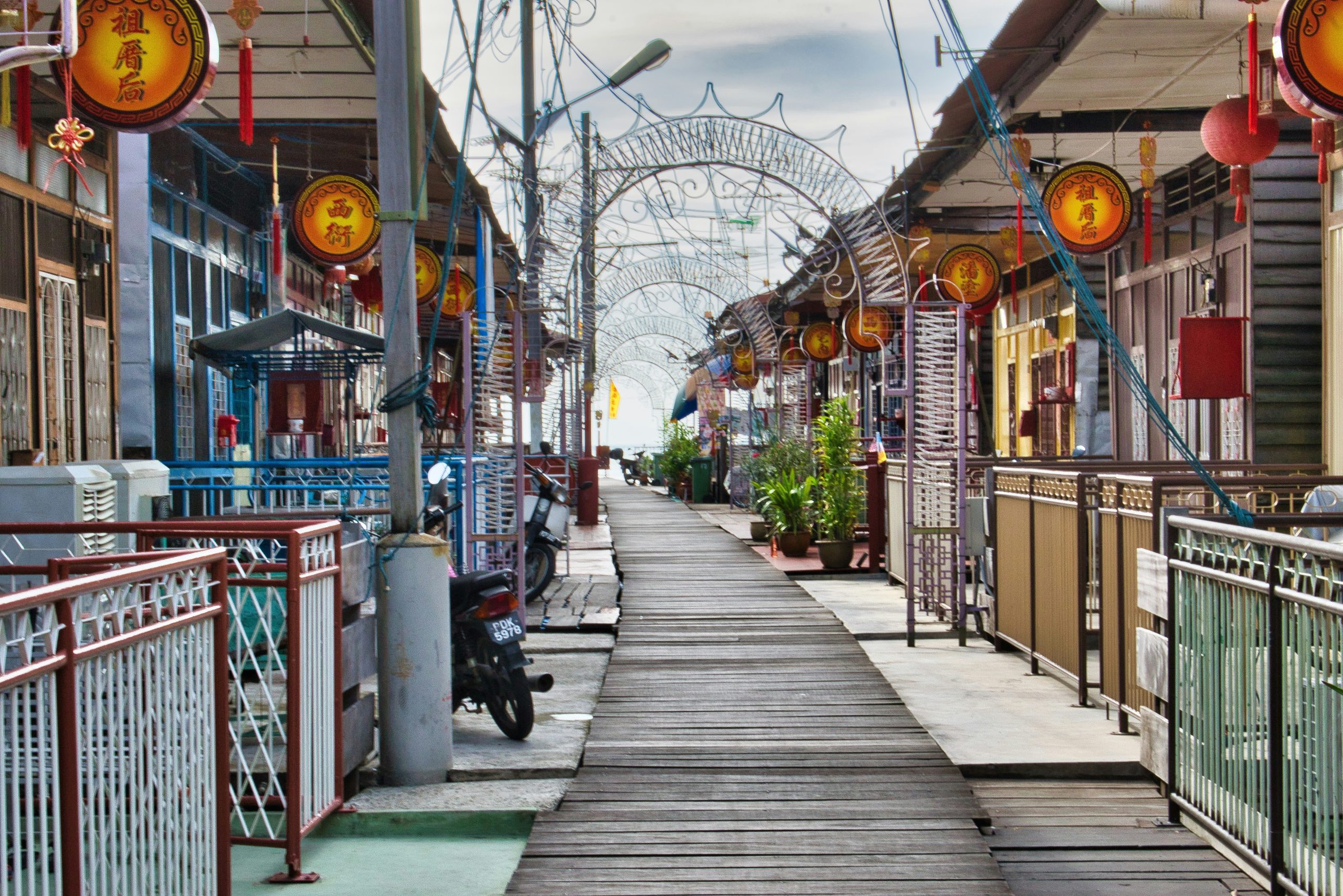
Penang's UNESCO-listed capital: Chinese shophouses, clan temples, stilt villages on the water, street art on every corner, and Malaysia's best hawker food.
George Town was founded by the British East India Company in 1786, and it grew into a trading port of Chinese, Indian, Malay and Peranakan communities. Its old town of shophouses, clan houses and temples is a UNESCO World Heritage Site, shared with Melaka.
Since 2012, murals and iron-rod sculptures have turned its lanes into an open-air gallery.
Most of all, George Town is famous for its hawker food, the best in Malaysia by common consent. Three days is right.
Stay in the UNESCO-listed old town, around Chulia Street, Armenian Street and Love Lane, where the hostels, street art and hawker stalls are all walkable. Batu Ferringhi, on the north coast, is the beach area, about 40 minutes away. Gurney Drive, north-west of the centre, has the malls and a famous hawker centre.
Chulia Street, Armenian Street and Love Lane.
Malls and a famous hawker centre.
The north-coast beach, 40 minutes away.
Orange labels are neighbourhoods, dots are the 12 top-rated hostels. Map data from OpenStreetMap contributors.
George Town, founded by the British in 1786, became a UNESCO World Heritage Site in 2008 for its mix of Chinese shophouses, clan houses, temples, mosques and colonial buildings.
Walk the old town to find the street art: the murals painted by Ernest Zacharevic in 2012, such as the children on a bicycle on Armenian Street, started a craze, and there are dozens more, alongside wrought-iron caricatures telling the history of each street.
Khoo Kongsi, the grandest of the Chinese clan houses, is covered in carvings and gold. The Cheong Fatt Tze Mansion, the Blue Mansion, built by a Hakka merchant, runs guided tours. The Clan Jetties are stilt villages over the water, still home to Chinese families; visit respectfully, as people live there.
Penang Hill, reached by a funicular railway, has views over the island and the strait. Kek Lok Si, at Air Itam, is one of the largest Buddhist temples in Southeast Asia, with a huge bronze statue of Guanyin. Penang National Park, in the north-west, has jungle trails to quiet beaches and turtle nesting.
The street art, the old town's lanes and its temples, mosques and churches are free to see. The Clan Jetties are free to walk, respectfully.
The free Central Area Transit (CAT) bus loops around the old town. Penang National Park is free to enter; you pay only for boats back from the beaches.
Penang is often called the food capital of Malaysia. Char kway teow, flat noodles fried in a hot wok with prawns and cockles, assam laksa, a sour fish-and-tamarind noodle soup, and nasi kandar, rice with a choice of curries, are the classics. Cendol, shaved ice with coconut milk, palm sugar and green jelly, is the dessert.
The hawker centres are the place to eat: Gurney Drive, New Lane, and the stalls along Chulia Street at night. Little India has banana-leaf rice and Indian sweets.
A hawker meal is €2 to €4.
Love Lane and Chulia Street have the backpacker bars, and a few rooftop and heritage bars are scattered around the old town. Batu Ferringhi has beach bars.
Alcohol is heavily taxed, so beer is pricey.
A beer is €4 to €7.
Penang International Airport is about 30 to 40 minutes from George Town by Grab or bus.
The old town is walkable, and the free CAT bus loops around it. Rapid Penang buses reach Penang Hill, Kek Lok Si, Batu Ferringhi and the national park; Grab is cheap.
The ferry crosses to Butterworth, where ETS trains run to Kuala Lumpur in about four hours. Buses reach Ipoh and the Cameron Highlands, and ferries run to Langkawi in about three hours.
George Town is cheap to mid-priced. Dorms start around €8 and a careful day is €20 to €30.
The Blue Mansion and Penang Hill's funicular are the main tickets, several euros each; most sights are free. A hawker meal is €2 to €4.
Foreign visitors pay a tourism tax of RM10 per room per night, added to accommodation bills.
The currency is the Malaysian ringgit (MYR or RM); prices here are euro equivalents, at roughly 5 ringgit to the euro. Cards and e-wallets work widely in cities; carry cash for hawker stalls and smaller towns.
George Town is safe. Traffic is the main hazard: footpaths are narrow or blocked, so walk carefully.
At the Clan Jetties and in temples, remember people live and worship there: dress modestly and ask before photographing.
Complete the Malaysia Digital Arrival Card online within three days before arriving.
Emergency number is 999.
Views, a vast temple and jungle beaches.
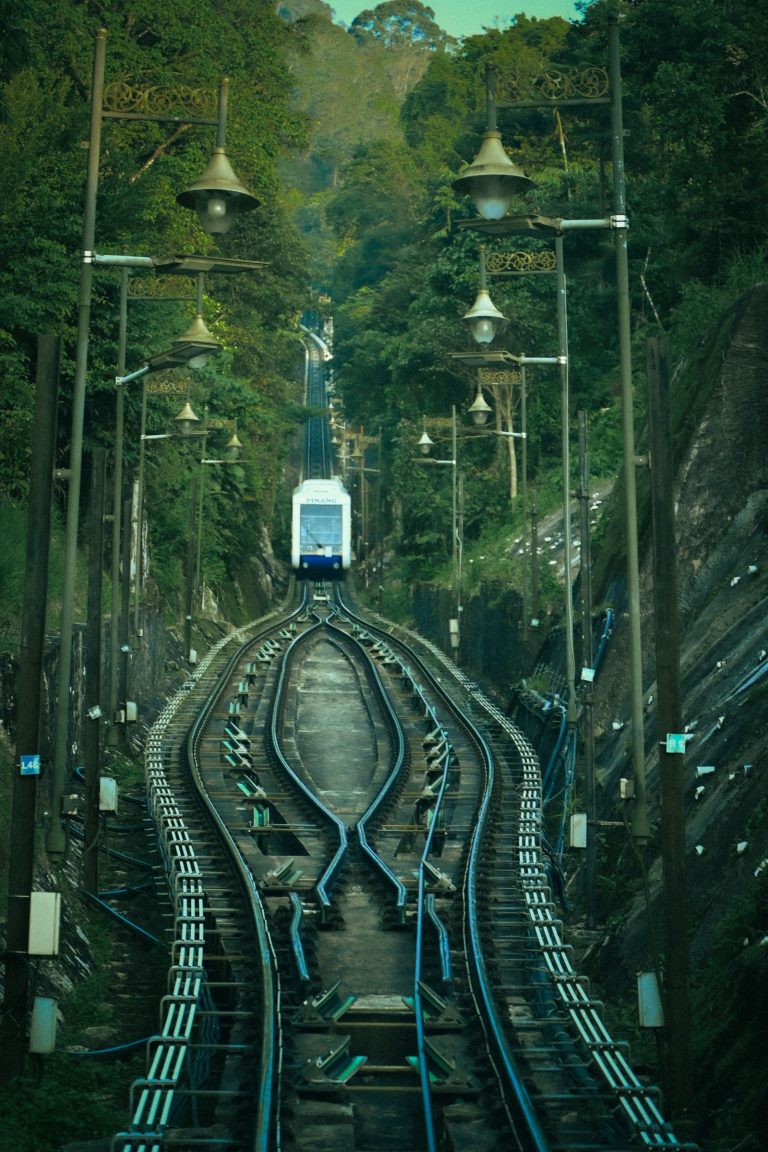
Views over the island and the strait.
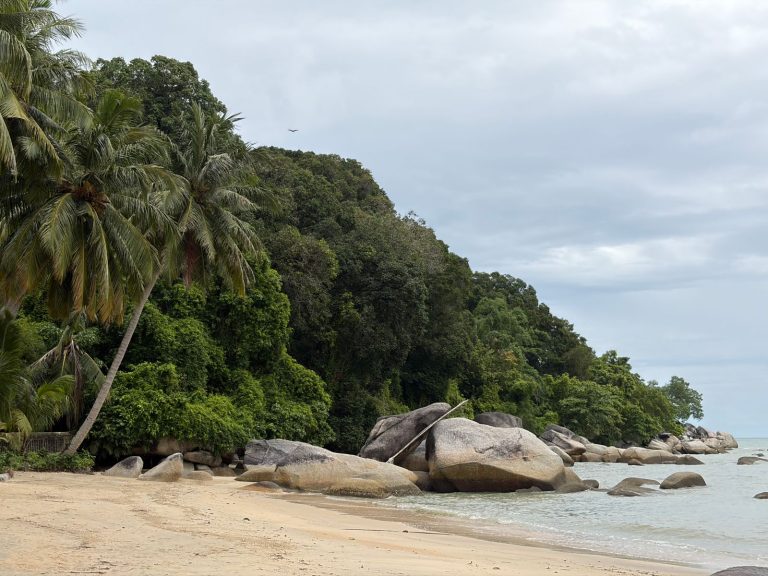
Jungle trails to quiet beaches.
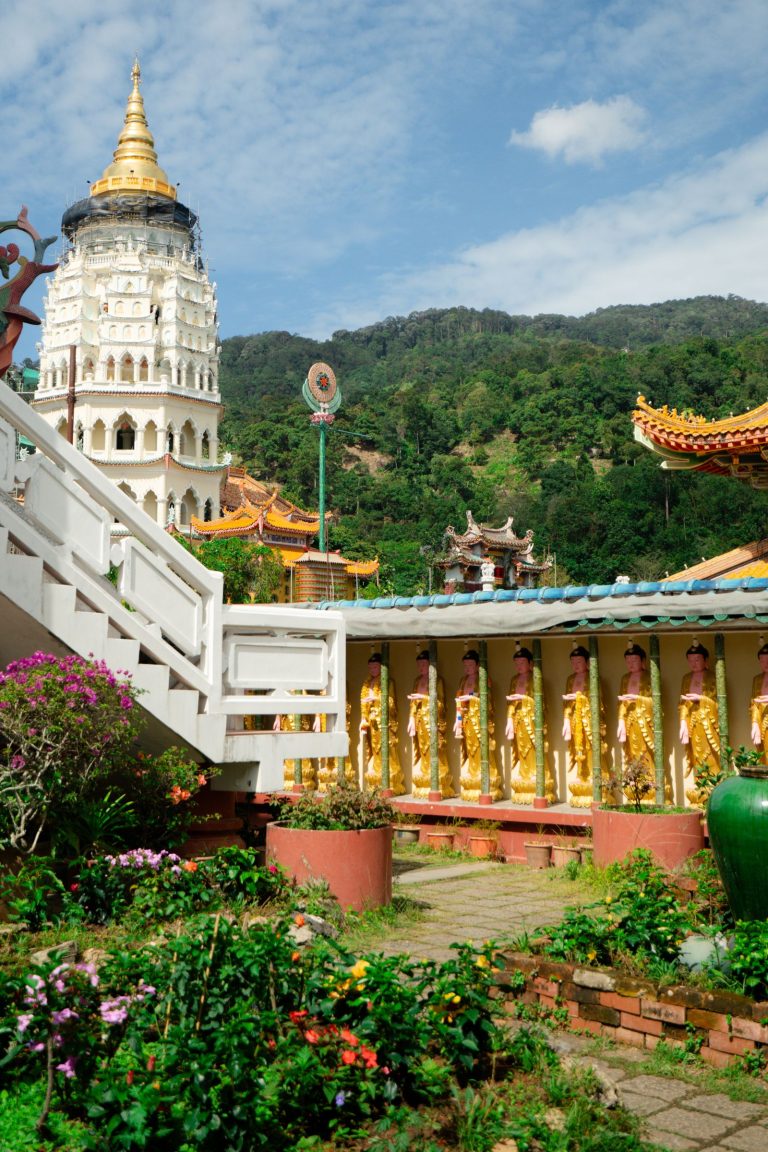
One of the largest Buddhist temples in Southeast Asia.
Chinese New Year and the George Town Festival are the big events.
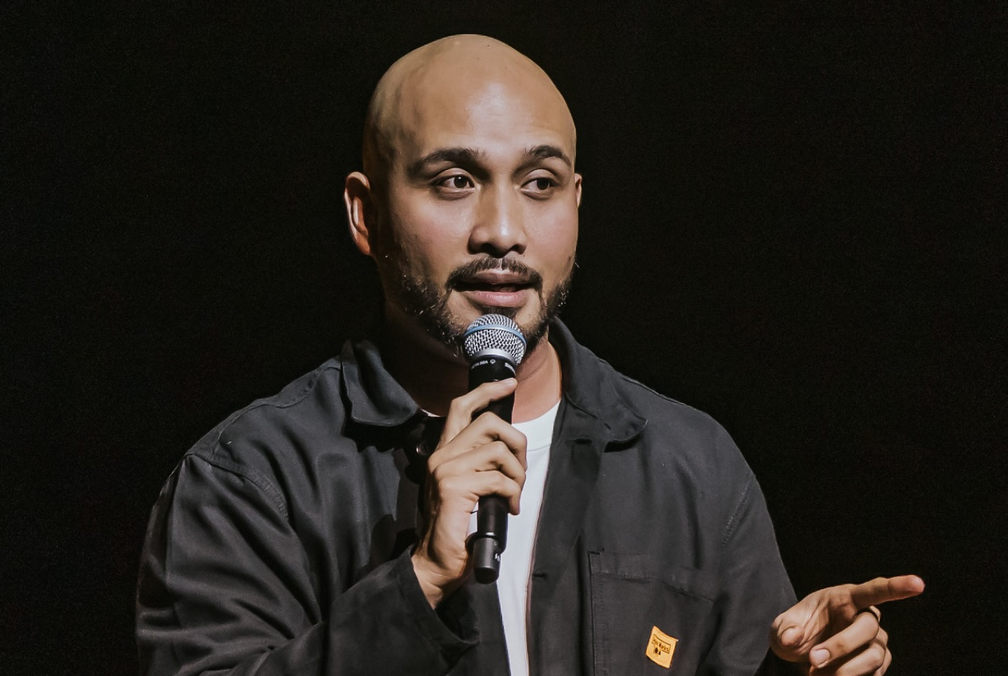
Fadzri Rashid hits 40 and does what any sensible person would do — turns the whole messy experience into a stand-up comedy special. His…
The top-rated places to stay in George Town right now, live from Hostelworld.
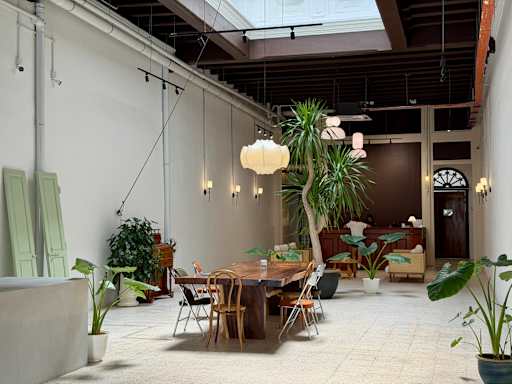 Sustainable
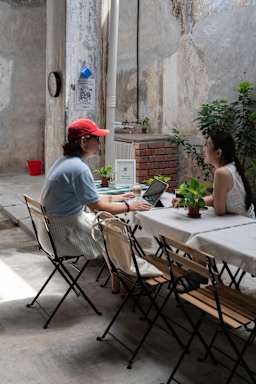
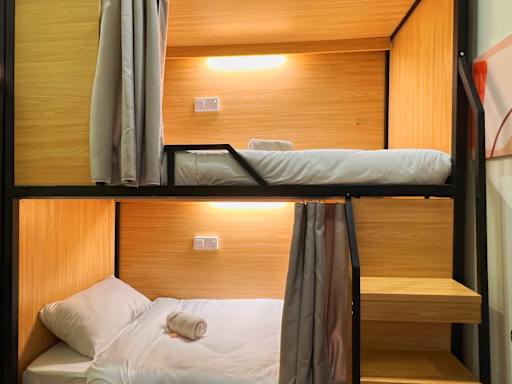 Sustainable
 Sustainable
 Sustainable
 Sustainable
 Sustainable
 Sustainable
 Sustainable
 Sustainable
 Sustainable
 Sustainable
December to March is driest. September to November is wettest.
Average highs.
Pick how you travel. Per person per night, in euros.
Prices are in ringgit locally; these are euro equivalents.
The ones we get asked most.

Compare George Town hostels — live prices, real reviews and free cancellation on most bookings. Then meet the people already there in the app.

 Get the App.
 Get the App.