Peace Park
First-timersNear the museum and Hondori, walkable.

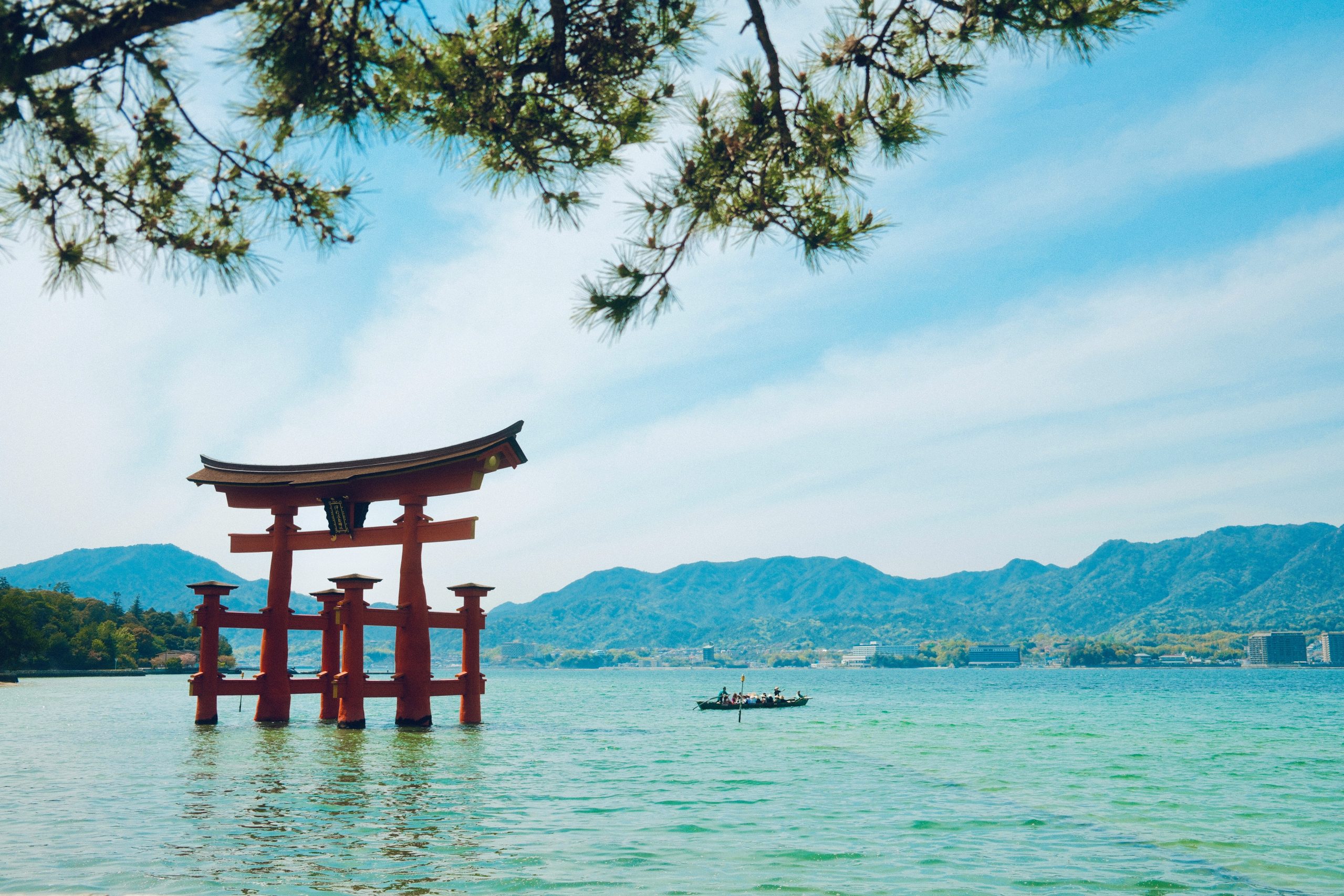
A city rebuilt around the Peace Memorial, with the A-Bomb Dome, layered okonomiyaki, and the floating torii gate of Miyajima island a short ferry away.
On 6 August 1945, Hiroshima became the first city destroyed by an atomic bomb. The ruin of the A-Bomb Dome has been left as a memorial, a UNESCO World Heritage Site, beside the Peace Memorial Park and Museum.
The city that was rebuilt around it is green, friendly and lively, known for its own style of okonomiyaki.
Miyajima, an island with a shrine whose great torii gate appears to float at high tide, is less than an hour away. Two days is right.
Most hostels are near the Peace Park and the covered Hondori shopping street, walkable to the main sights. Around Hiroshima Station, east of the centre, there are more hotels and direct trains to Miyajima and beyond.
Near the museum and Hondori, walkable.
The covered street and bars nearby.
Hotels and direct trains.
Orange labels are neighbourhoods, dots are the 8 top-rated hostels. Map data from OpenStreetMap contributors.
At 8.15am on 6 August 1945, the first atomic bomb used in war destroyed Hiroshima. The Peace Memorial Park, built over the old centre, is the city's heart.
The Peace Memorial Museum tells the story of that day and its aftermath through survivors' belongings and testimony; it is harrowing and essential, and costs ¥200. Allow two to three hours, and arrive early to avoid queues. The A-Bomb Dome, the ruined shell of a building almost directly below the blast, is a UNESCO World Heritage Site. At the Children's Peace Monument, strings of paper cranes are left in memory of Sadako Sasaki.
Shukkeien, a landscaped garden, and Hiroshima Castle, rebuilt after the war, are a short walk away. The city's streetcars include some that survived the bomb.
Miyajima, under an hour away by train and ferry, is home to Itsukushima Shrine and its great torii gate, which appears to float at high tide; check the tide times. Deer roam the island, and a ropeway and trail lead up Mount Misen for views over the Inland Sea. Visitors pay a small island entry tax.
The Peace Memorial Park, the A-Bomb Dome and the Children's Peace Monument are free. The Peace Memorial Museum costs only ¥200, one of the cheapest major museums in Japan.
Miyajima's streets and the view of the torii from the shore are free, apart from the island's small visitor tax.
Hiroshima-style okonomiyaki is layered rather than mixed: batter, cabbage, noodles, pork and egg, cooked on a hotplate in front of you. Okonomimura, a building of okonomiyaki stalls over several floors, is the place to try it.
Hiroshima is also famous for oysters, grilled on Miyajima, and momiji manju, maple-leaf cakes. A meal is €6 to €12.
Hiroshima has a lively, friendly nightlife around Nagarekawa, the bar district east of Hondori, with izakaya and small bars.
A beer is €4 to €6.
Hiroshima Station has shinkansen to Osaka in about one and a half hours and to Fukuoka in about one hour. Hiroshima Airport is about 50 minutes away by bus.
Streetcars cover the centre and run to Miyajimaguchi, for the ferry, in about an hour; the JR train is faster, about 30 minutes. The ferry crosses to Miyajima in ten minutes.
Hiroshima is mid-priced. Dorms start around €18 and a careful day is €40 to €60.
The Peace Memorial Museum is ¥200, about €1.20. Miyajima's visitor tax is ¥100, and the Mount Misen ropeway several euros. An okonomiyaki is €6 to €10.
Since July 2026, the international tourist tax added to flights out of Japan is ¥3,000.
The currency is the yen (JPY); prices here are euro equivalents. Cards and IC cards work widely in cities, but carry cash: small restaurants, temples and rural places are often cash-only. Convenience store ATMs (7-Eleven, Lawson, FamilyMart) take foreign cards.
Hiroshima is very safe.
The Peace Park and museum are places of memory: be quiet and respectful. On Miyajima, feeding the deer is banned, and they snatch food and paper; keep bags closed.
Emergency: 110 police, 119 ambulance and fire.
The floating torii, a cycling route and the rabbit island.
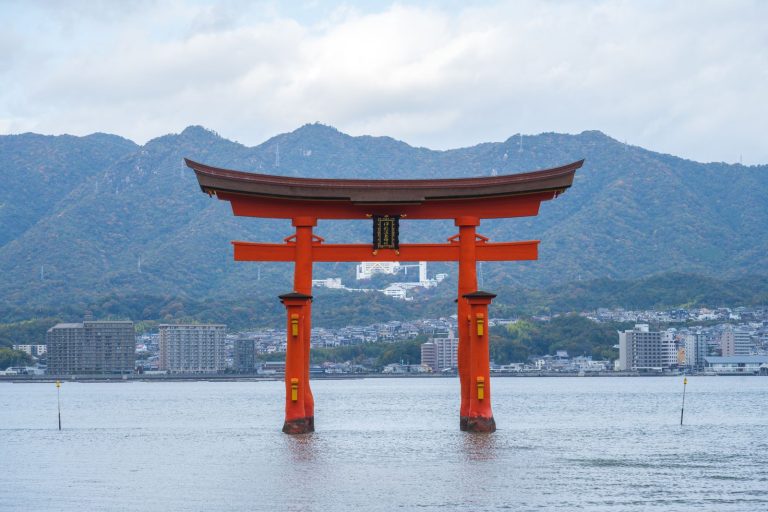
The floating torii and Mount Misen.
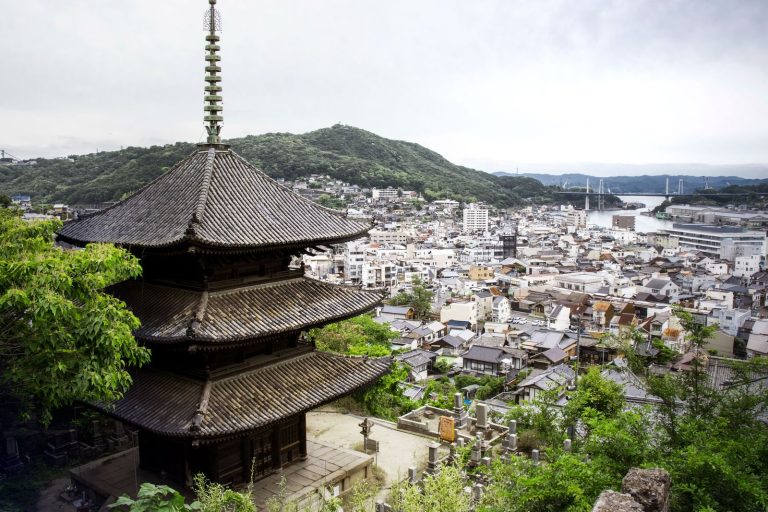
Temples, and the start of the Shimanami cycling route.
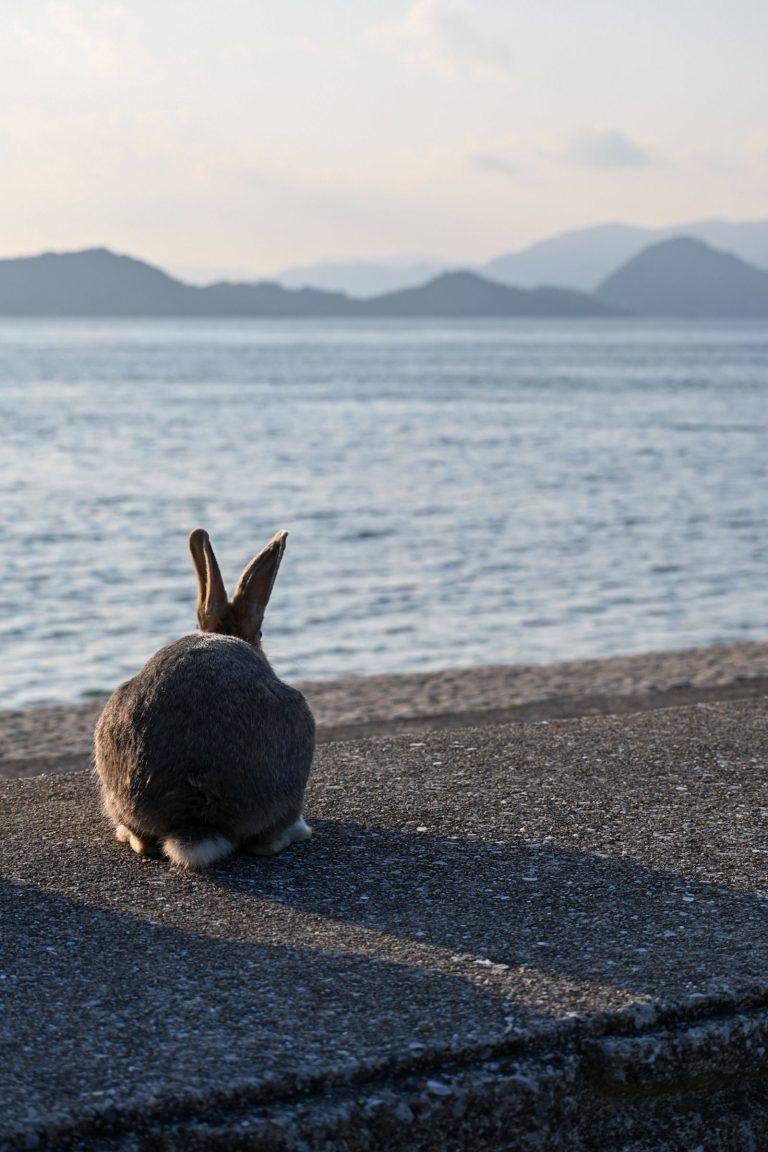
The rabbit island, with a wartime history.
On 6 August, the city holds its Peace Memorial Ceremony.
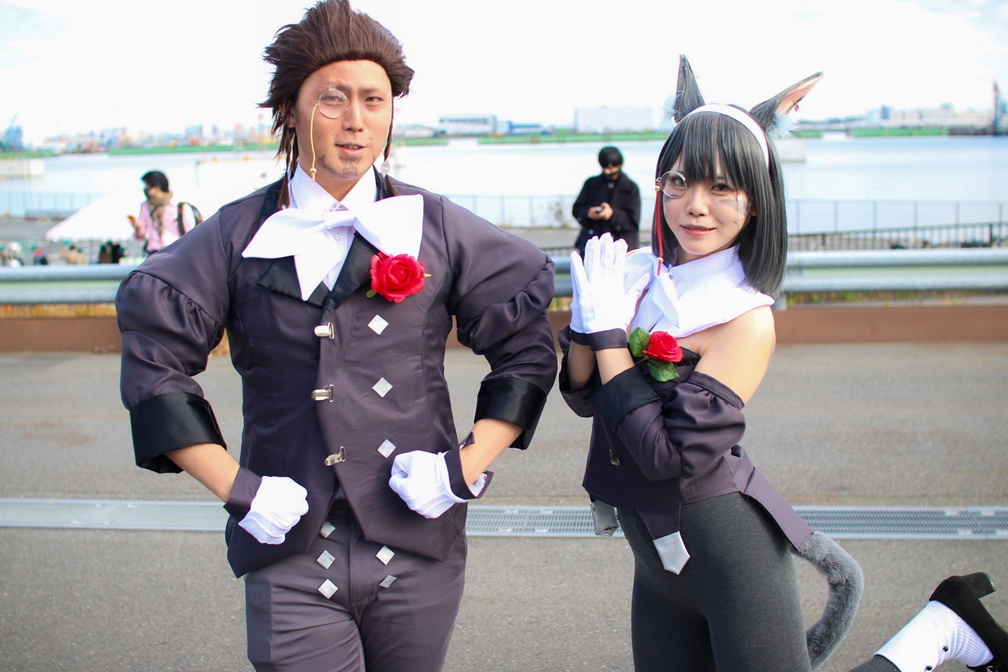 Staff pick
Hiroshima Comike, also known as Hiro-Comi, is a beloved doujinshi convention in Hiroshima, Japan, where fans and creators gather to share self-published anime, manga,…
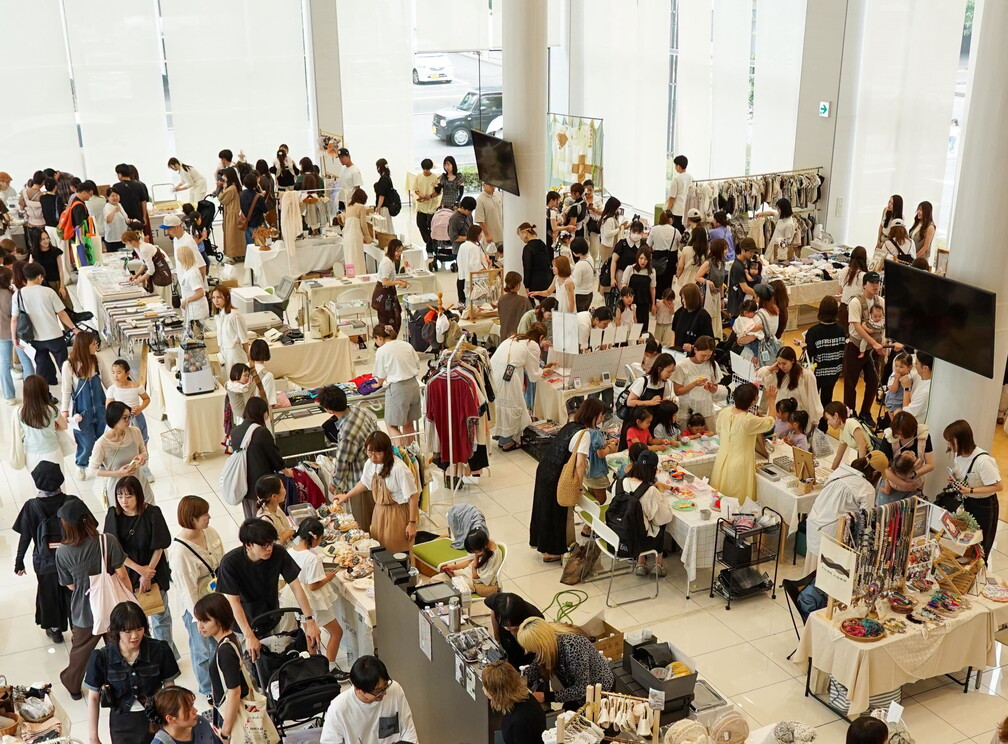
Celebrate a decade of CLiP HIROSHIMA with a special anniversary event on October 4, 2026. The day includes an interactive RPG-style walk rally called…

Leo Ieiri brings her powerful vocals and heartfelt songwriting to Hiroshima, performing the music that has made her one of Japan's most recognizable voices.…
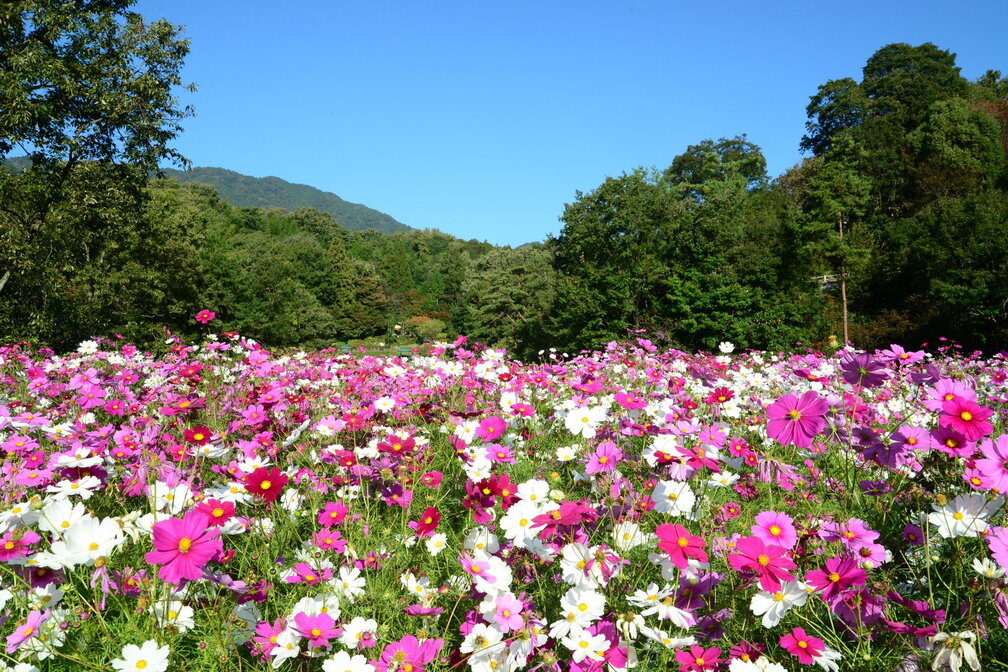
Over 2,100 cosmos plants transform the plaza beside the forest restaurant into a sea of autumn color at Hiroshima Botanical Garden. Pathways wind through…
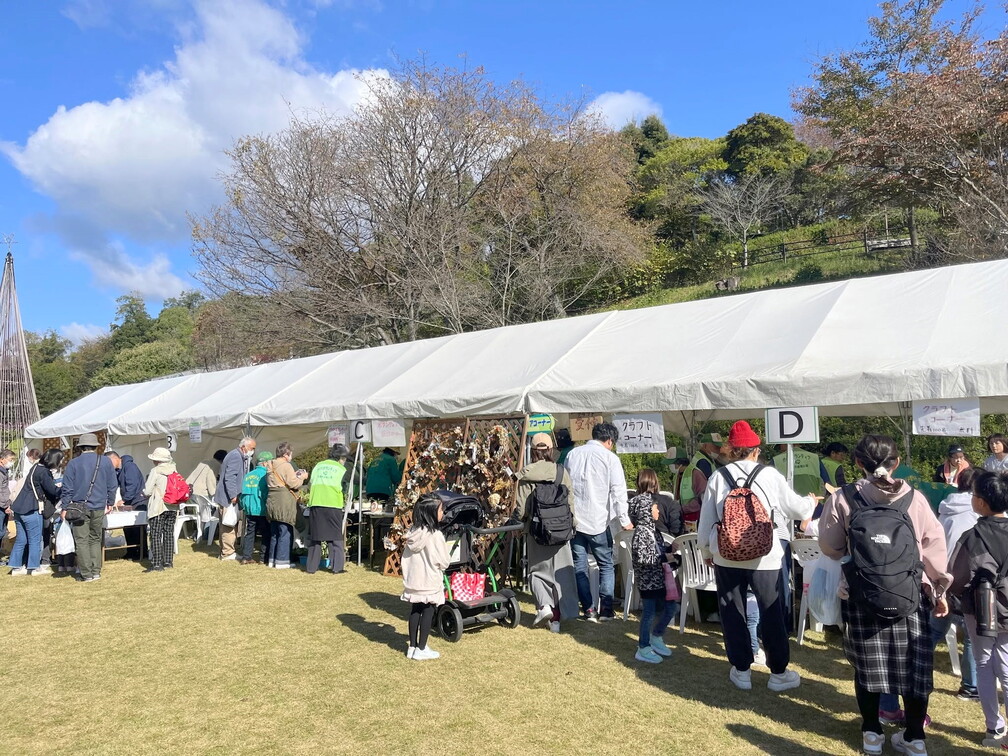
Hiroshima Botanical Garden hosts this seasonal autumn fair featuring activities and entertainment for visitors to enjoy while exploring the garden. The event takes place…
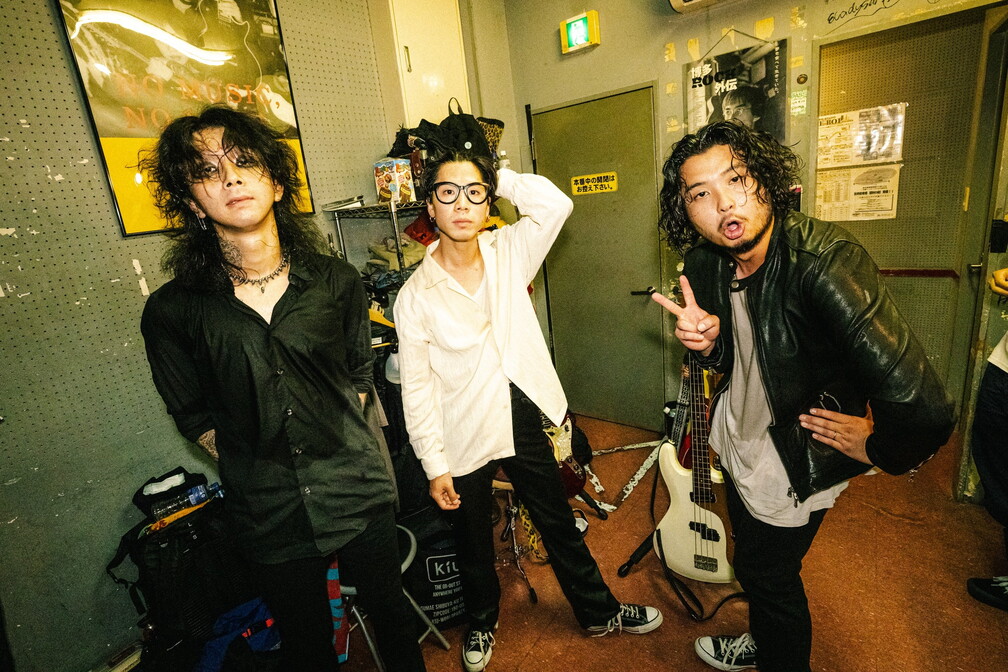
SIX LOUNGE is a three-piece Japanese rock band formed in 2012 in Oita City, Oita Prefecture, whose love song "Rika" went viral on social…
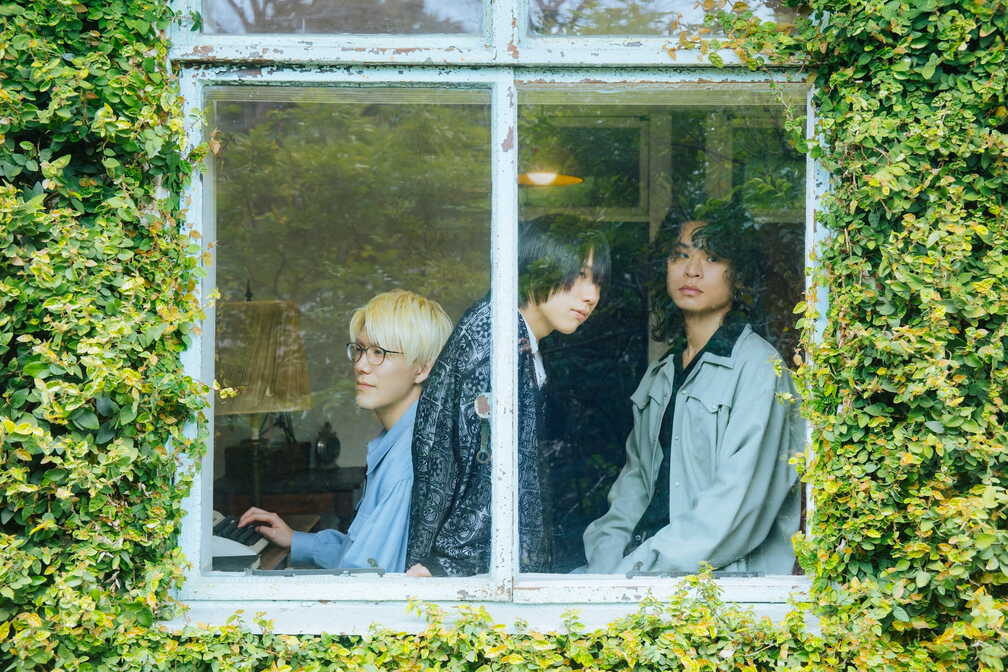
Oisicle Melonpan is a Tokyo-based rock band known for their "dark yet refreshing" three-piece guitar rock sound, and their live shows bring that dynamic…
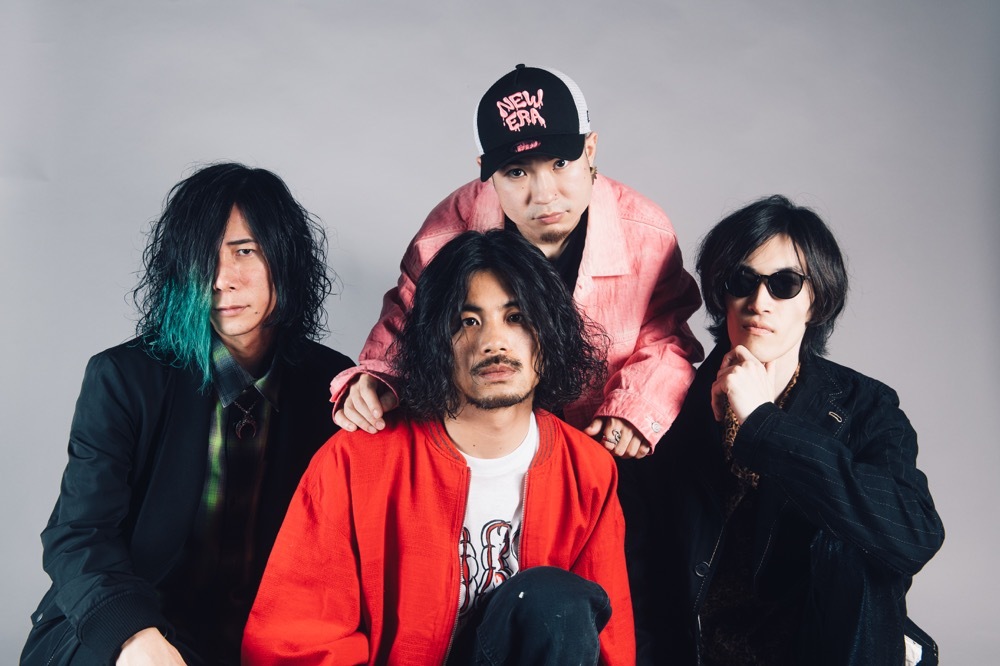
Goodbye My Roots Tour brings live performances by Suspended 4th and Itabame to the stage. The event starts at 19:00 with doors opening at…
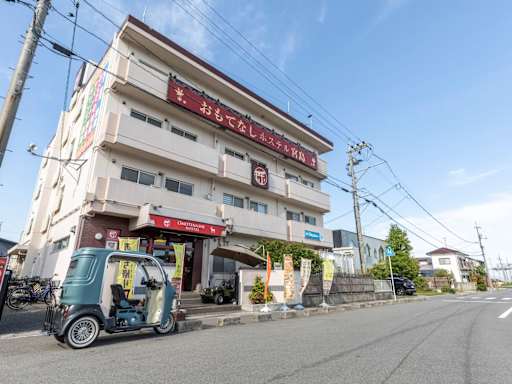
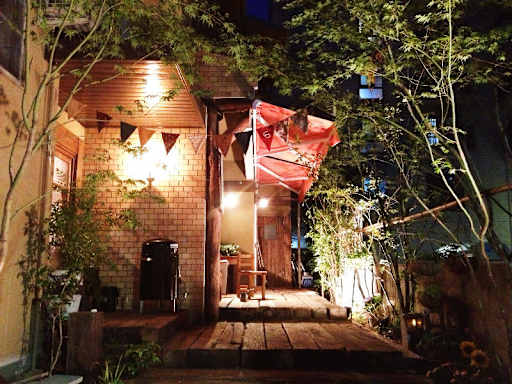
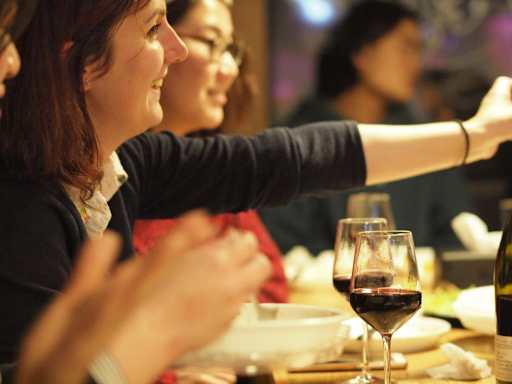
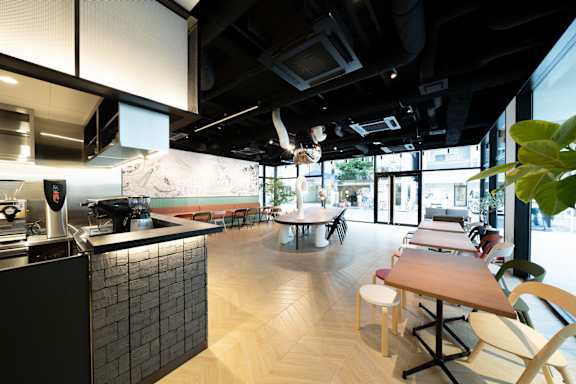
The top-rated places to stay in Hiroshima right now, live from Hostelworld.
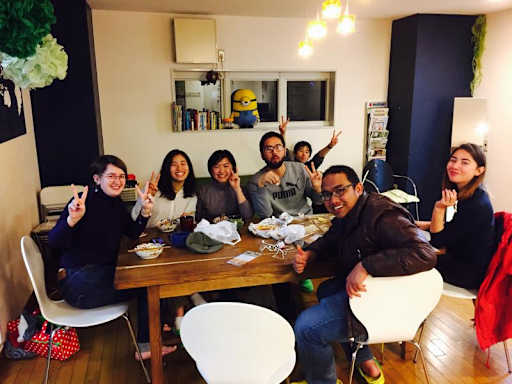
Spring and autumn are best.
Average highs.
Pick how you travel. Per person per night, in euros.
Prices are in yen locally; these are euro equivalents.
The ones we get asked most.

Compare Hiroshima hostels — live prices, real reviews and free cancellation on most bookings. Then meet the people already there in the app.

 Get the App.
 Get the App.