The Bund
First-timersThe riverfront.

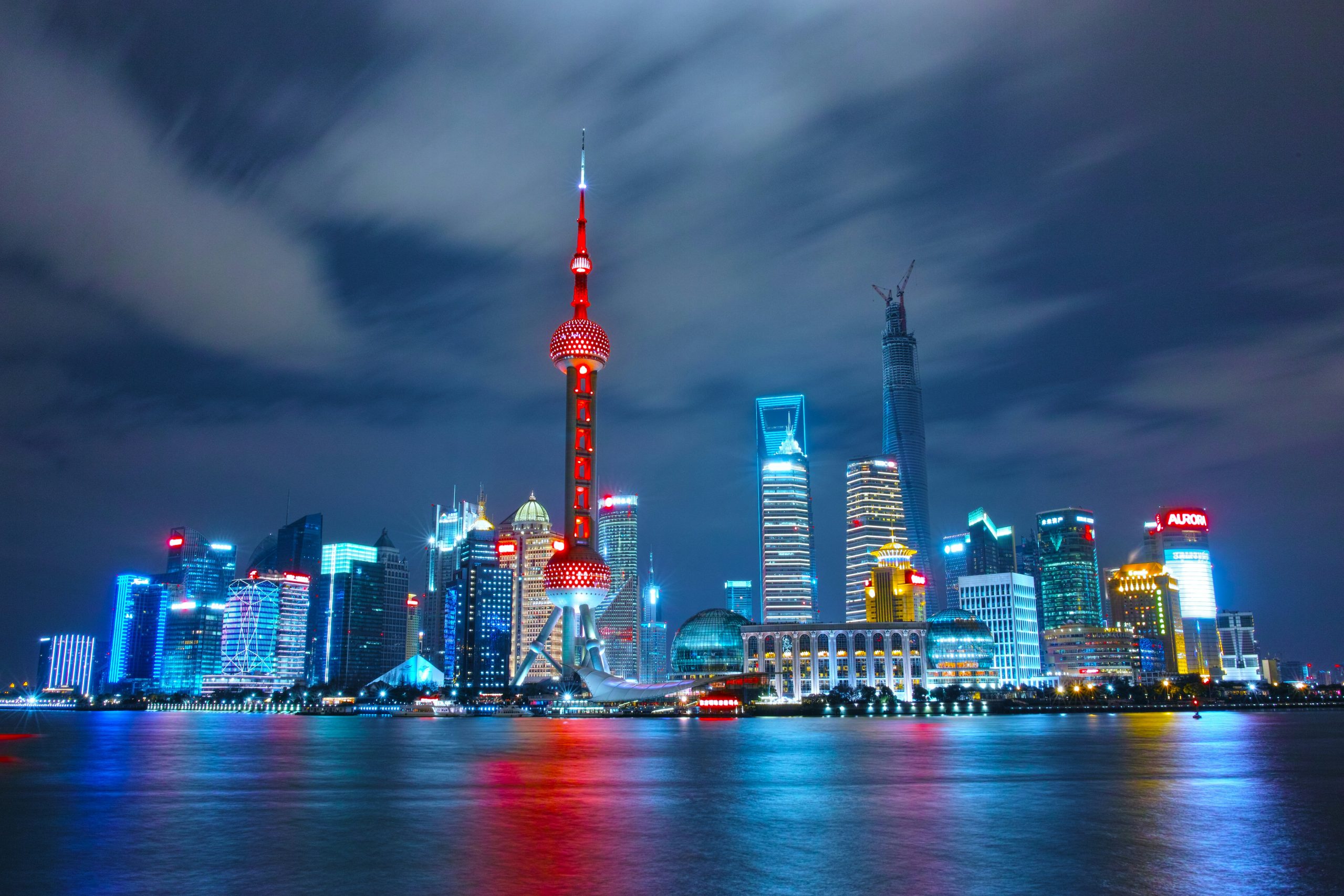
China's most international city: the colonial Bund facing a skyline of towers across the river, plane-tree streets of the old French Concession, and soup dumplings.
Shanghai was a small port until the nineteenth century, when foreign powers carved it into concessions and it became the busiest trading city in Asia. The banks and trading houses of the Bund, along the Huangpu river, date from that era.
Across the river, Pudong was farmland in 1990. It is now the skyline everyone recognises, crowned by the Shanghai Tower, the tallest building in China.
Shanghai is fast, modern and easy for first-timers, with the best nightlife and food scene in the country. Three or four days is right, with Suzhou and Hangzhou close by.
The Bund and around People's Square are the most central, with the river views, museums and metro. The former French Concession, west of the centre, has plane-tree-lined streets, cafés and bars, and is the most pleasant place to wander. Pudong, across the river, has the skyscrapers but is less lively at street level.
The riverfront.
Plane-tree streets.
Museums and metro.
Orange labels are neighbourhoods, dots are the 6 top-rated hostels. Map data from OpenStreetMap contributors.
Shanghai is China's biggest and most international city, where colonial-era buildings face one of the world's great skylines across the Huangpu river.
Walk the Bund, the riverfront promenade of 1920s and 1930s banks and hotels, at night, when the Pudong skyline across the water lights up. Pudong was farmland in 1990; the Shanghai Tower, at 632 metres, is the tallest building in China, with an observation deck on the 118th floor.
Yu Garden, a classical Ming dynasty garden in the old city, is surrounded by a busy bazaar. The Shanghai Museum, in People's Square, has superb collections of bronzes, ceramics and paintings, and a newer branch in Pudong.
The former French Concession is the best area to explore on foot: tree-lined streets, art deco villas, cafés, boutiques and the lanes of Tianzifang. Wukang Road's historic buildings are a favourite with photographers.
Suzhou's gardens are 30 minutes away by high-speed train, Hangzhou's West Lake an hour, and Zhujiajiao, a canal water town, about an hour by metro.
The Bund and the riverside promenades on both banks are free, and so are the French Concession's streets and Tianzifang's lanes.
The Shanghai Museum in People's Square is free, with a reservation. Fuxing Park and Jing'an Temple's surroundings are good free stops, and the ferry across the Huangpu costs about €0.30 for a skyline view.
Xiaolongbao, soup dumplings filled with pork and hot broth, are Shanghai's most famous food: bite a small hole, sip the soup, then eat. Shengjianbao, pan-fried pork buns with crispy bottoms, are the street favourite.
Shanghainese cooking is slightly sweet: hongshao rou, red-braised pork belly, and hairy crab in autumn. The city also has excellent food from every region of China and the world.
A street meal is €2 to €5; a restaurant meal €10 to €25.
Shanghai has the best nightlife in mainland China: rooftop bars on the Bund with skyline views, cocktail bars and speakeasies in the French Concession, craft beer, and big clubs.
A beer is €3 to €8; cocktails €10 to €15.
The Maglev runs from Pudong Airport at up to 300 kilometres an hour, reaching the edge of the city in about eight minutes, then connects to the metro. Hongqiao Airport, the domestic hub, is on the metro.
The metro covers the city, with signs in English. Didi is cheap for taxis.
High-speed trains from Hongqiao reach Suzhou in about 30 minutes, Hangzhou in about an hour, and Beijing in about four and a half hours.
Shanghai is the most expensive city in mainland China. Dorms start around €15 and a careful day is €40 to €60.
The Shanghai Tower's observation deck is about €25, Yu Garden a few euros, and the Shanghai Museum free. The Maglev is about €6 single.
The currency is the yuan (CNY), at roughly 8 yuan to the euro; prices here are euro equivalents. Almost everyone pays by phone: set up Alipay or WeChat Pay with a foreign card before you arrive, and carry some cash as a backup.
Shanghai is very safe.
Around the Bund and Nanjing Road, watch for the tea-house and art-gallery scams, where friendly strangers lead you to a huge bill. Google, WhatsApp and Instagram are blocked; use an eSIM with international roaming, and Amap or Baidu Maps for directions. Carry your passport: it is needed for trains, hotels and many sights, which are booked by real name.
Many nationalities can now enter China visa-free for up to 30 days, under a scheme extended to the end of 2026, and 240-hour visa-free transit covers many more; check the rules for your passport before you travel.
Emergency: 110 police, 120 ambulance, 119 fire.
Gardens, a lake and a water town.
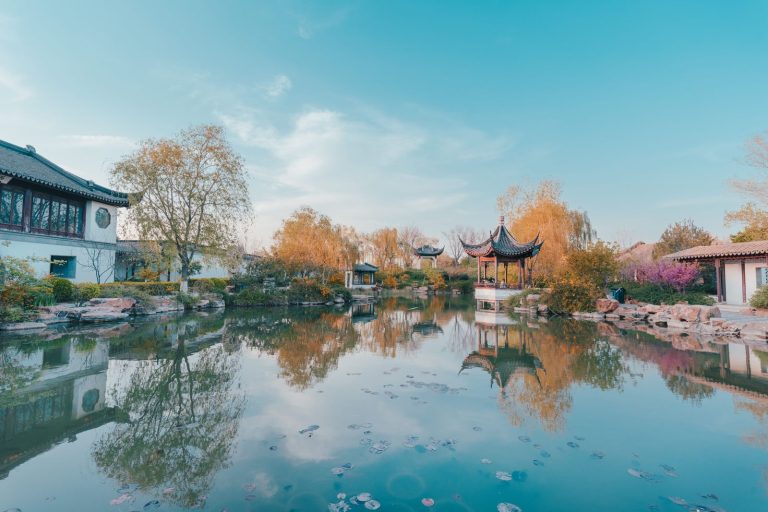
Classical gardens and canals.
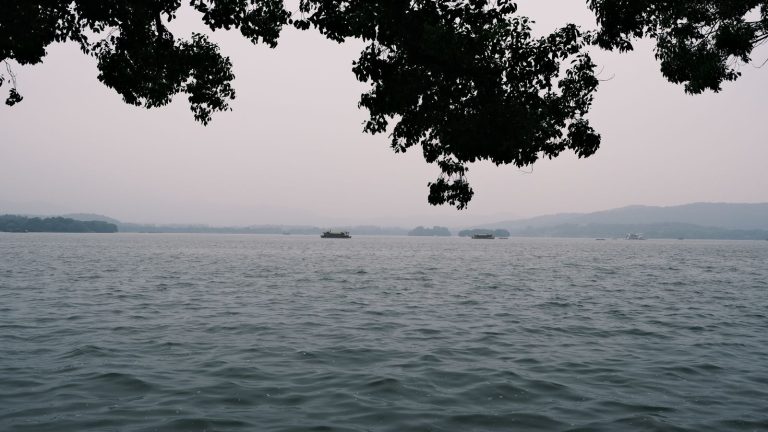
West Lake and tea villages.
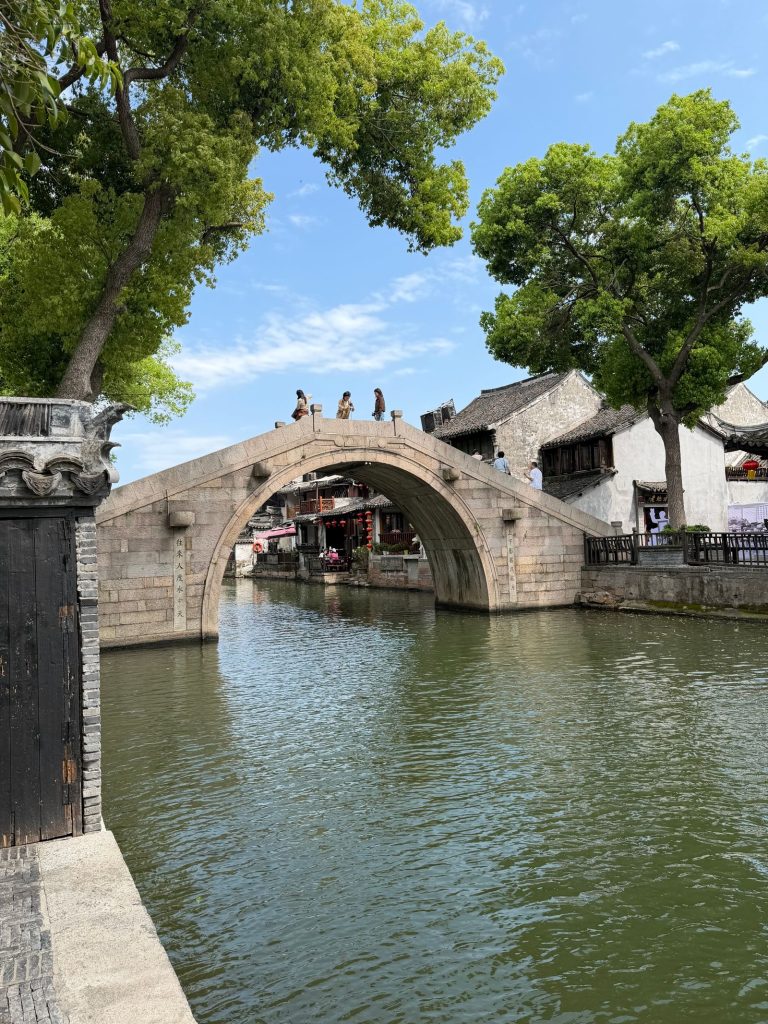
A canal water town.
The Lantern Festival ends Chinese New Year.
Lanterns in the old town.
National holiday crowds.
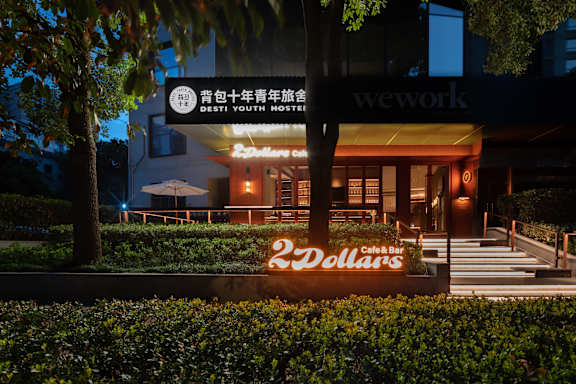
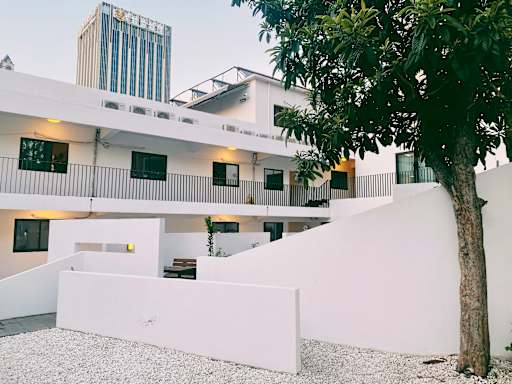
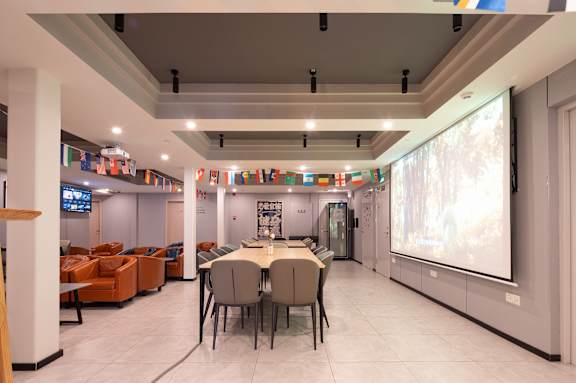
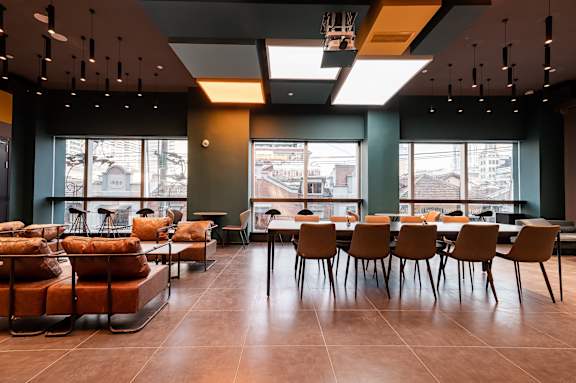
The top-rated places to stay in Shanghai right now, live from Hostelworld.
April, May, October and November are best. Summers are hot and humid. Avoid Golden Week (1–7 October) and Chinese New Year if you can, when the whole country travels.
Average highs.
Pick how you travel. Per person per night, in euros.
Prices are in yuan locally; these are euro equivalents.
The ones we get asked most.

Compare Shanghai hostels — live prices, real reviews and free cancellation on most bookings. Then meet the people already there in the app.

 Get the App.
 Get the App.