Central Ubud
First-timersNear the palace.

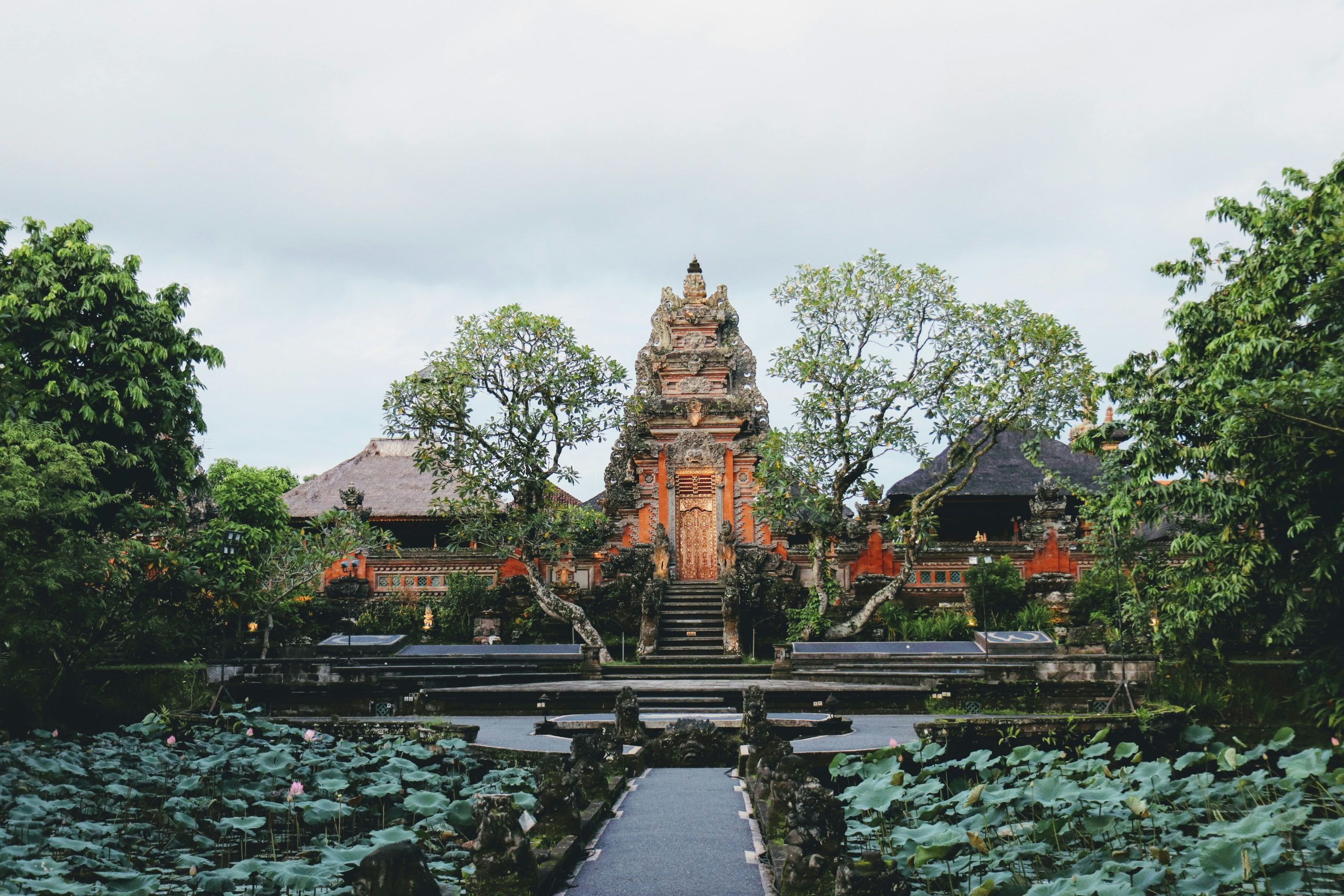
Bali's cultural heart, in the hills: rice terraces, temples, a monkey forest, dance performances every night and yoga everywhere. Cooler and greener than the coast.
Ubud has been Bali's centre of art and culture since the royal family welcomed painters in the 1930s. It sits among rice terraces and river gorges in the hills, and its palace, temples and nightly dance performances keep Balinese tradition alive.
It is also the yoga and wellness capital of Bali, with retreats and classes everywhere.
Ubud is busy with visitors but still green and beautiful. Three days is right.
Central Ubud, around the palace, the market and Monkey Forest Road, has most guesthouses and restaurants, all walkable, but busy with traffic. The rice fields around town, a short walk or ride out, have quieter guesthouses with paddy views. Penestanan, across the river, is calm and arty.
Near the palace.
Around town.
Across the river.
Orange labels are neighbourhoods, dots are the 12 top-rated hostels. Map data from OpenStreetMap contributors.
Ubud, in the hills of central Bali, is the island's centre of art, dance and crafts, surrounded by rice terraces, jungle gorges and temples.
The Sacred Monkey Forest Sanctuary, a forest temple full of long-tailed macaques, is in the centre of town. Walk the Campuhan Ridge, a grassy ridge between two valleys, at sunrise. See a traditional dance performance, Legong or Kecak, at the palace or a temple most evenings.
The Tegallalang rice terraces, twenty minutes north, are the most famous, though busy; for quieter terraces, go to Jatiluwih, a UNESCO-listed landscape further west. Tirta Empul, a temple with holy springs, lets visitors join the purification ritual in the pools, wearing a sarong.
Mount Batur, about two hours away, is a sunrise hike up an active volcano, starting around 2am, with breakfast cooked in volcanic steam at the top. Sidemen, an hour away, is a quiet valley of rice fields with views of Mount Agung.
Ubud is also Bali's centre for yoga, cooking classes and silversmithing, with workshops in the surrounding villages.
The Campuhan Ridge walk is free, and so are walks through the rice fields around town, such as the Kajeng rice field walk.
Ubud Palace is free to visit by day, and watching the morning offerings being laid out in the streets costs nothing. The Monkey Forest, Tegallalang and Tirta Empul charge small fees.
Babi guling, roast suckling pig with crackling and spiced rice, is a Balinese feast, and Ubud has famous warungs serving it. Bebek betutu, duck slow-cooked in banana leaves, and nasi campur, rice with several small dishes, are Balinese classics.
Ubud also has a huge range of vegetarian, vegan and healthy cafés. Cooking classes, often with a market tour, are a highlight. A warung meal is €2 to €5.
Ubud is quiet at night. Evenings are for dance performances, dinner and a few bars with live music. Most places close by 11pm.
A beer is €2 to €4.
Rent a scooter or use drivers; Grab and Gojek are restricted in parts of Ubud. Ngurah Rai Airport is about an hour and a half away.
The centre is walkable but traffic is heavy. Drivers can be hired by the day for Tegallalang, Tirta Empul and Mount Batur.
Foreign visitors to Bali pay a tourist levy of 150,000 rupiah, paid online before arrival through the Love Bali system or at the airport.
Ubud is mid-priced for Bali. Dorms start around €7 and a careful day is €20 to €35.
The Monkey Forest is about €5, Tegallalang a small fee, and a Mount Batur sunrise trek €30 to €50 with transport. A driver for the day is €30 to €45.
The currency is the rupiah (IDR), at roughly 17,000 to 18,000 rupiah to the euro; prices here are euro equivalents. Cards work in tourist areas; carry cash for warungs, boats and small islands, where ATMs are few.
Ubud is safe. The monkeys bite and steal; do not feed or touch them, and secure sunglasses and bags. Scooter accidents are the biggest risk to travellers in Indonesia. Only ride with a valid licence for motorbikes, insurance that covers it, and a helmet; police checks are common.
At temples, wear a sarong and sash, usually available to borrow, and do not climb on shrines. Balinese temples also ask women not to enter during menstruation.
Most visitors need a visa on arrival, best bought online as an e-VOA before you fly, and must complete Indonesia's online arrival declaration, All Indonesia, before landing; check the current rules for your passport.
Emergency number is 112.
A volcano sunrise, holy springs, rice terraces and a quiet valley.
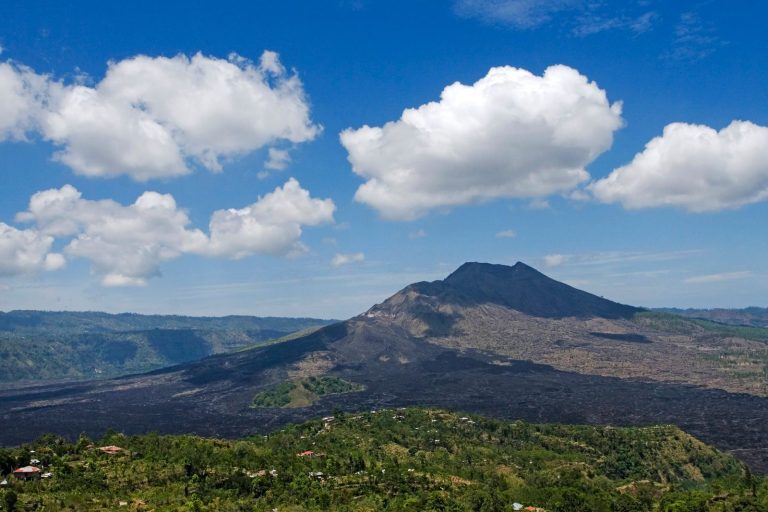
Sunrise volcano trek.
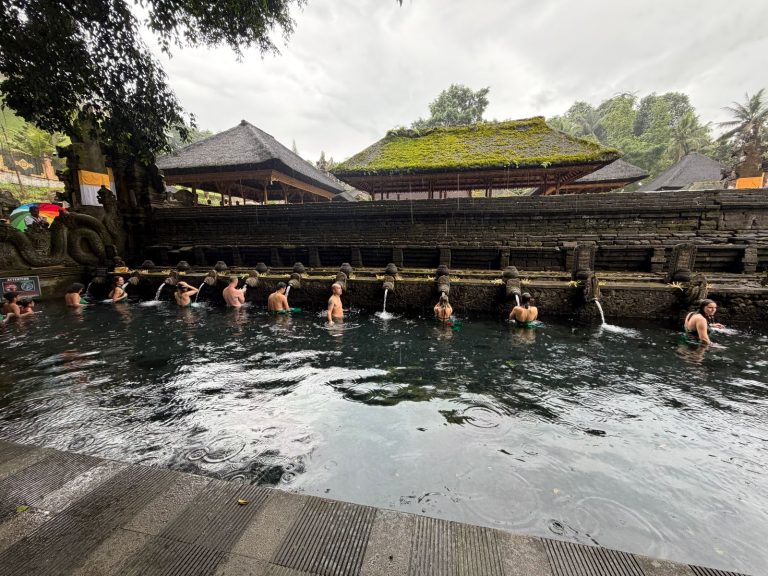
Holy springs.
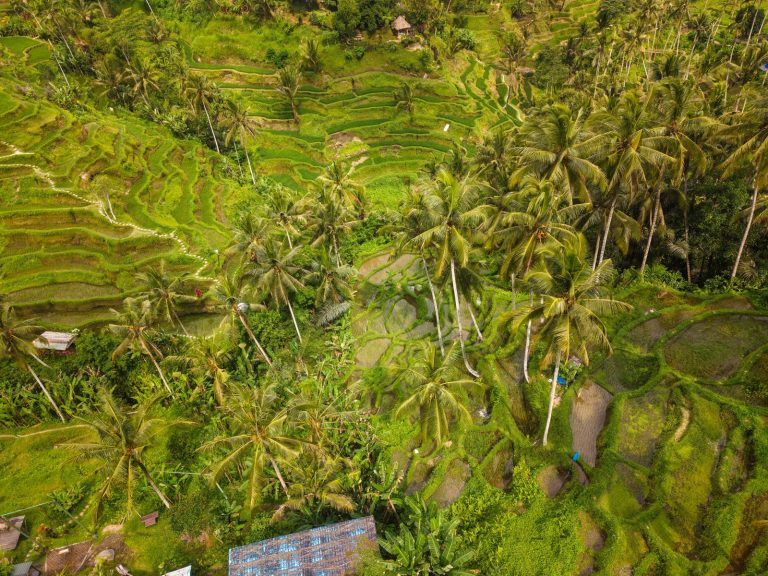
Rice terraces.
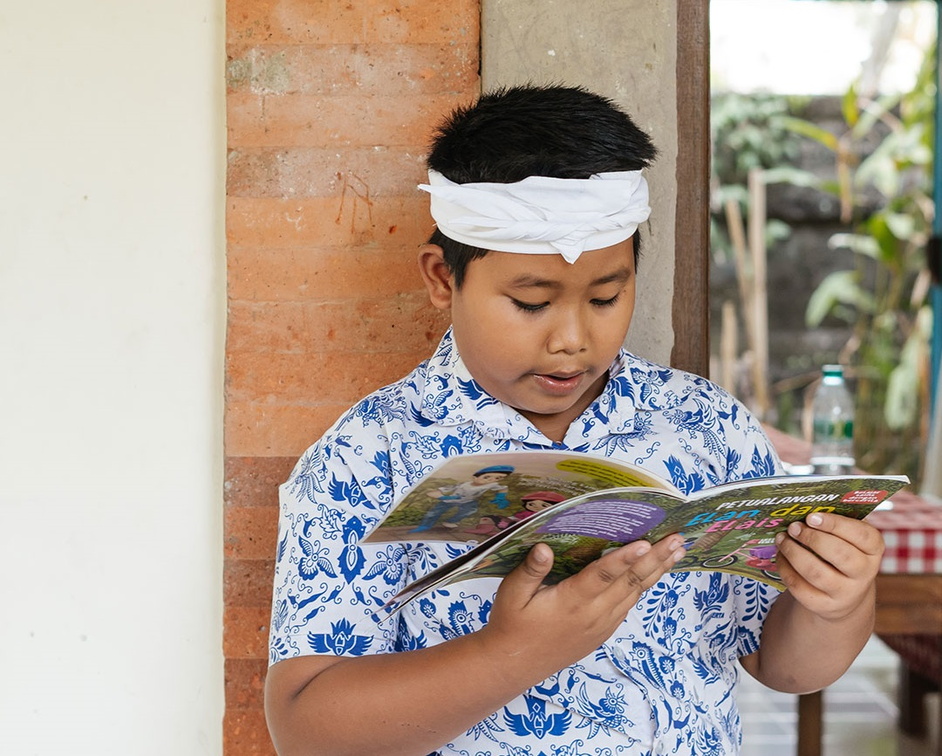
The Ubud Writers and Readers Festival fills the town in October.
 Staff pick
Ubud Writers and Readers Festival is a renowned literary event held in Ubud, Bali, that celebrates literature, creativity, storytelling, and the voices of diverse…
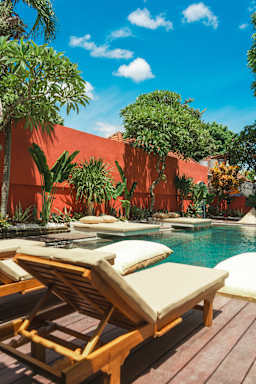
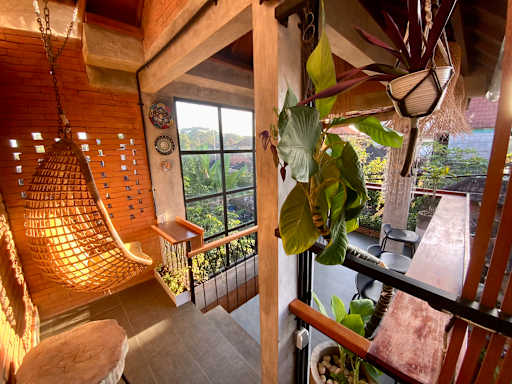
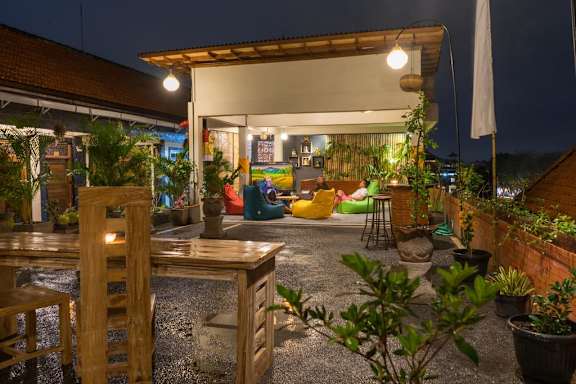
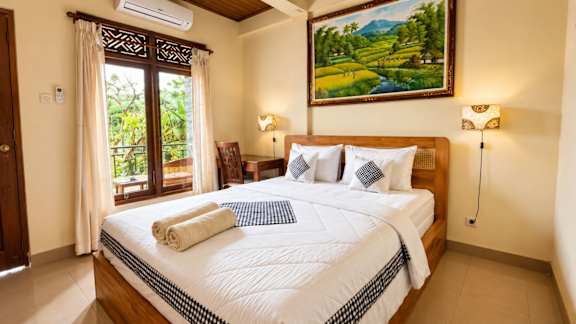
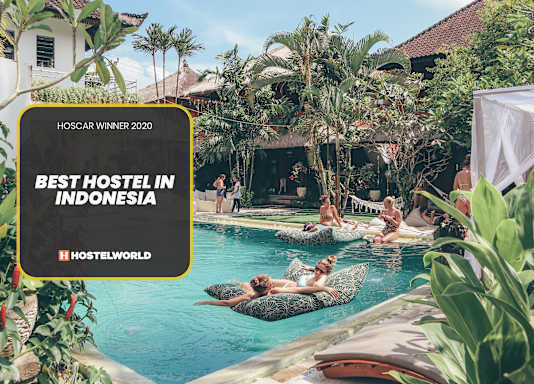
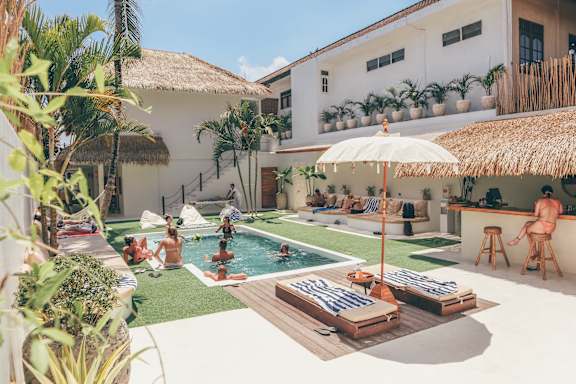
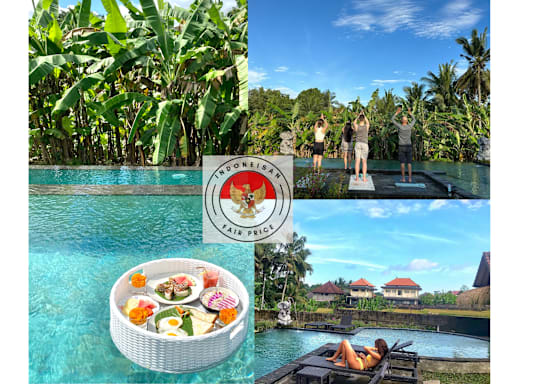
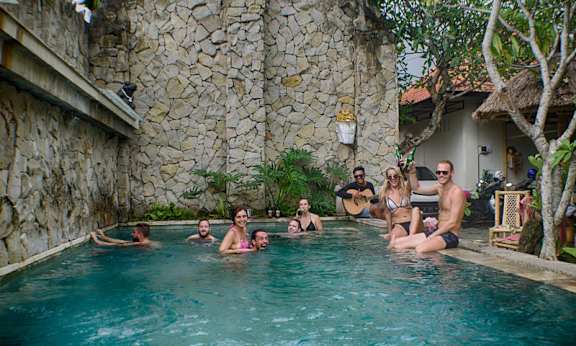
The top-rated places to stay in Ubud right now, live from Hostelworld.

 Sustainable
April to October is dry.
Average highs. Cooler than the coast.
Pick how you travel. Per person per night, in euros.
Prices are in rupiah locally; these are euro equivalents.
The ones we get asked most.

Compare Ubud hostels — live prices, real reviews and free cancellation on most bookings. Then meet the people already there in the app.

 Get the App.
 Get the App.