Hanga Roa centre
EverythingThe island's only town, with restaurants, shops and tour offices.

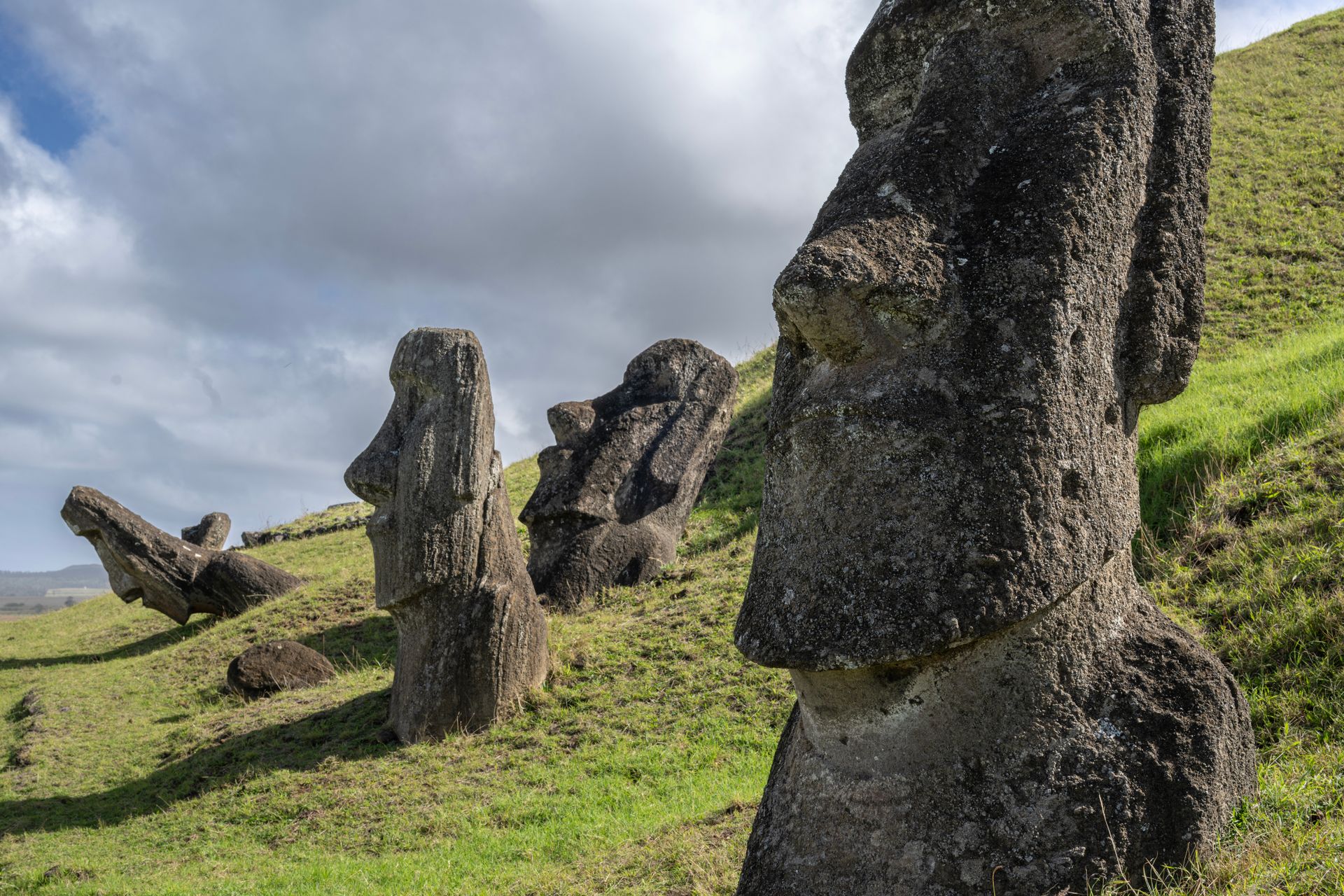
Rapa Nui, a tiny volcanic island in the middle of the Pacific, home to the moai: hundreds of giant stone figures carved by its Polynesian people. One of the most remote inhabited places on earth.
Easter Island, Rapa Nui to its people, lies around 3,700km off the coast of Chile, a five-hour flight from Santiago. Its Polynesian settlers arrived centuries ago and created an extraordinary culture, best known for the moai, massive stone statues carved from volcanic rock that stand on platforms called ahu around the coast, most of them with their backs to the sea, watching over the land.
The island is small, around 24km at its longest, and almost everyone stays in Hanga Roa, the only town. Much of the island is the Rapa Nui National Park, a UNESCO World Heritage Site managed by the Indigenous Ma'u Henua community, who use park fees to protect the sites.
Visiting takes planning. You need a return ticket, accommodation registered with the national tourism service and an online entry form before you fly, and stays are limited to 30 days. Give it four or five days to see the moai at different times of day, swim at Anakena beach and feel the island's slower rhythm.
Everyone stays in or around Hanga Roa, the island's only town, with restaurants, shops and tour offices.
The island's only town, with restaurants, shops and tour offices.
The north of town, near the Ahu Tahai moai.
Along the coast road, close to restaurants and the harbour.
Orange labels are neighbourhoods, dots are the 5 top-rated hostels. Map data from OpenStreetMap contributors.
Rano Raraku is the quarry where almost all the moai were carved, and its slopes are scattered with statues in every stage of carving, many buried to their shoulders. Nearby, Ahu Tongariki is the largest ceremonial platform, with 15 moai in a row, and sunrise there is the island's most famous sight.
Orongo, a ceremonial village on the rim of the Rano Kau volcano, was the centre of the birdman cult, and the view over the crater lake and the ocean is breathtaking. Anakena is the island's main white sand beach, with palm trees and moai on the sand. In Hanga Roa, Ahu Tahai is the classic spot for sunset with the moai silhouetted against the sky.
The park ticket gives access to the sites for 10 days, with a single visit allowed to Rano Raraku and Orongo, and visits to many sites must be made with a certified local guide. Diving and snorkelling in clear water, horse riding and hiking up Terevaka, the island's highest point, are other options.
Some sites near Hanga Roa, including Ahu Tahai, are outside the paid areas, and the sunset there is free and unforgettable. The town's waterfront, its small harbour with turtles in the water and its Catholic church with carvings mixing Christian and Rapa Nui imagery are free too.
The Rapa Nui museum near Tahai tells the story of the island and its people.
The night sky is extraordinary, as the island is far from any city light, and stargazing is free.
Fresh tuna and other fish are the island's staples, served as ceviche, in empanadas and grilled. Umu, a traditional feast cooked in an underground oven with hot stones, is prepared for special occasions and sometimes for visitors.
Almost everything is flown or shipped in, so food is expensive. Supermarkets in Hanga Roa have basics at high prices, and many travellers bring some food from the mainland, within the rules on what can be brought to the island.
Restaurants along the waterfront serve fish, seafood and Polynesian dishes, and sweet potatoes and bananas grow on the island.
Nightlife on Easter Island is small and relaxed. A few bars in Hanga Roa have live music, and traditional Rapa Nui dance shows, with music, chants and costumes, are a highlight for many visitors.
The pace is slow, and evenings are mostly about sunset at Tahai, dinner and the stars.
During the Tapati festival in February, the island celebrates with two weeks of competitions, music and dance.
Hanga Roa is walkable, and the island is small enough to explore by hired car, scooter or bike, or on guided tours. Remember that many sites require a certified guide.
Flights from Santiago take around five hours, and there are occasional flights from Tahiti. Before boarding, you must complete the online entry form and show a return ticket and a booking with registered accommodation.
The airport is on the edge of Hanga Roa, a few minutes from most accommodation.
Easter Island is expensive. Flights are the biggest cost, and accommodation, food and transport on the island cost more than on the mainland. Dorm beds and campsites are the budget options, from around €20 to €35.
The Rapa Nui National Park ticket for foreigners rose to US$100 in October 2025, valid for 10 days, and it must be bought before you visit the sites. Guided tours add to the cost.
Cards are accepted in many places, but bring cash too.
Easter Island is very safe. What matters most here is respecting the sites: never touch, climb on or stand on the moai or the ahu platforms, stay on marked paths, and follow your guide. Fines are serious, and the sites are sacred to the Rapa Nui people.
The sun is strong, so wear sun cream and a hat, and carry water when exploring. The sea can be rough; swim at Anakena and Ovahe beaches and the sheltered pools in town.
In an emergency, call 133 for police or 131 for an ambulance.
The whole island is one big open-air museum.
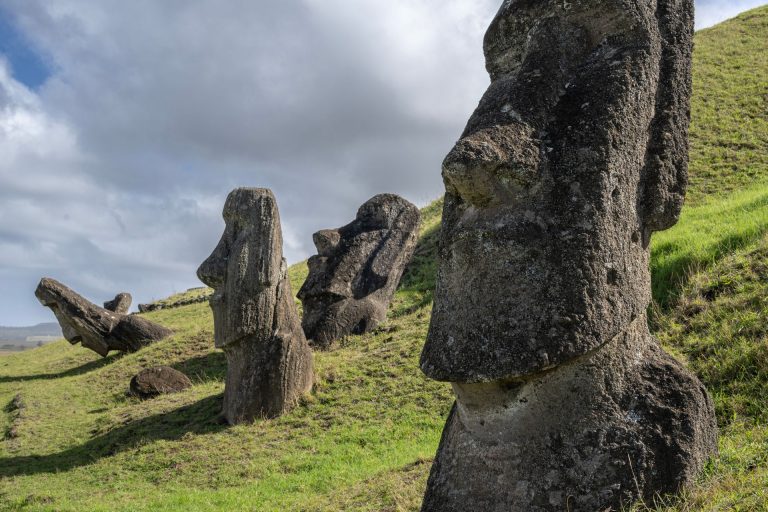
The moai quarry and the 15 moai platform.
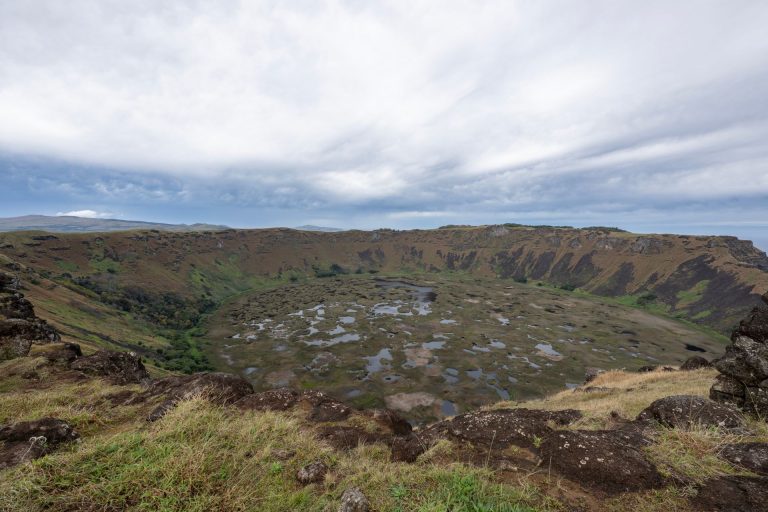
The birdman village on a crater rim.
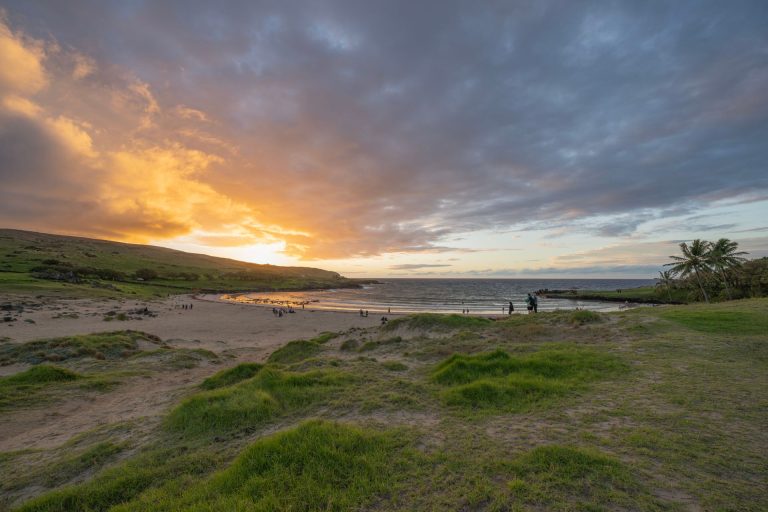
White sand beach with moai.
Tapati Rapa Nui is the big event of the year.
Two weeks of Rapa Nui competitions, music, dance and culture.
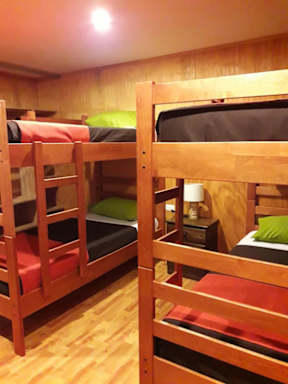
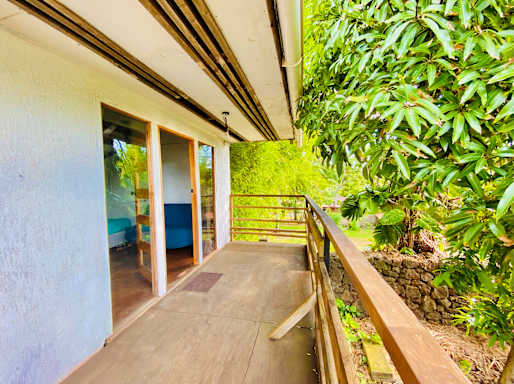
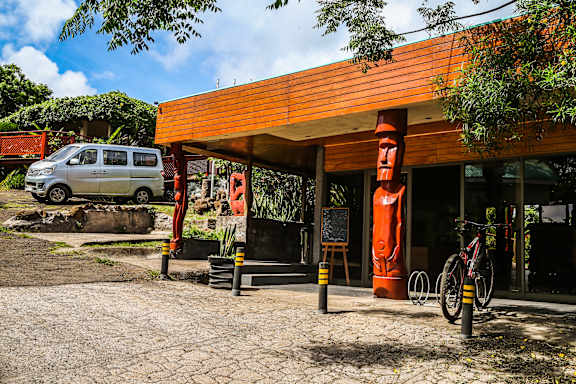
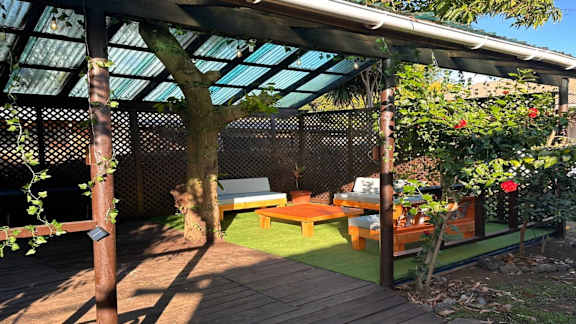
The highest-rated hostels on Easter Island, straight from Hostelworld. Prices and availability are live on each property page.
Easter Island is warm all year. January to March is the hottest and busiest time, with the Tapati festival in February; April to November is milder and quieter.
Average highs, rounded. Rain can fall in any month, often in short showers.
Per night, for one person, on the island. Flights are extra.
Treat these as a guide. The park ticket and tours cost extra.
The ones we get asked most.

Compare hostels on Easter Island: live prices, real reviews and free cancellation on most bookings. Then meet the people already there in the app.

 Get the App.



 Get the App.