Centre
First-timersAround Gospodska and the cathedral: cafés, restaurants, the fortress ten minutes away and most of the beds.

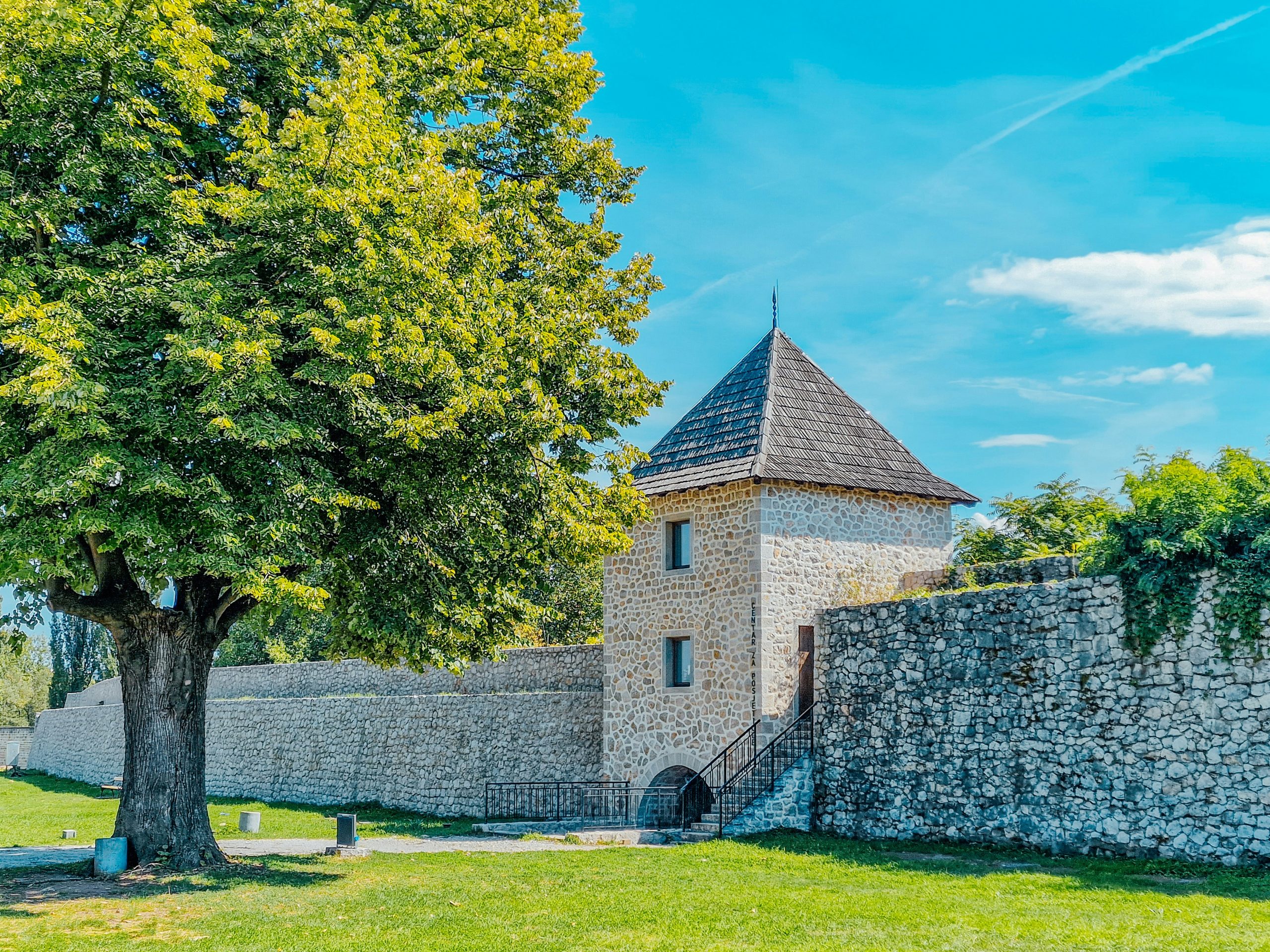
Bosnia's second city, on a green river with rafting above it, a fortress by the water and almost no foreign visitors at all.
Banja Luka is the largest city in Republika Srpska and the second largest in Bosnia and Herzegovina, and almost nobody visits it. There is no famous bridge and no siege tunnel, which is precisely why it feels like a normal city rather than a destination.
What it has is the Vrbas — a fast green river running through the middle, with a canyon above it that is one of the best rafting rivers in the Balkans — and a café culture that rivals anywhere in the region.
Kastel fortress sits on the riverbank on Roman foundations, and the Ferhadija mosque in the centre was destroyed in 1993 and rebuilt from recovered fragments, reopening in 2016.
The city is overwhelmingly Serb, and the political context in this half of the country is different from Sarajevo's. Worth knowing, not worth worrying about.
A day and a night, or two with rafting.
A compact centre on one bank, and the river running through it.
Around Gospodska and the cathedral: cafés, restaurants, the fortress ten minutes away and most of the beds.
The banks north and south of the fortress, with swimming spots, rafting bases and terraces over the water.
North-east of the centre, residential, cheaper, and a fifteen-minute walk or short bus in.
Orange labels are neighbourhoods, dots are the 1 top-rated hostels. Map data from OpenStreetMap contributors.
Raft the Vrbas. The canyon upstream has grade three and four water in spring and gentler runs in summer, it hosted the world championships, and a half-day trip is around €35 to €50 including gear and transport.
Kastel fortress sits at the confluence of the Vrbas and the Crkvena on foundations that go back to Roman times, and it is free to walk into. In summer it hosts concerts and there are cafés inside the walls.
The Ferhadija mosque, built in 1579 and dynamited in 1993, was rebuilt from fragments dredged from the river and rubble tips, reopening in 2016. It stands a few minutes from the Orthodox cathedral, which was also destroyed and rebuilt.
Beyond that, this is a city for sitting: Gospodska street is one long row of cafés and the local pastime is occupying one for hours.
Kastel fortress is free to enter and walk, with the river on two sides.
The Vrbas banks have free swimming spots in summer, and the water is clean and fast — locals swim from the rocks upstream of the centre.
The Ferhadija mosque and the Christ the Saviour cathedral are both free and both rebuilt, which is the city's recent history in two buildings.
Gospodska street and the park along the river cost nothing, and Banj Brdo, the hill above the city with a partisan monument on top, is a free walk with the whole valley below.
Banja Luka ćevapi are their own thing: served in fours joined together rather than as loose sausages, in a somun with onion, and locals will tell you at length why they are better than Sarajevo's. A portion is €4 to €6.
Grilled meat generally is the strength — pljeskavica, ražnjići, and whole lamb from a spit at roadside places outside the city.
A full meal is €8 to €14 and a coffee about €1, sat over for as long as you like.
Rakija is the spirit, usually plum, and the region makes decent wine. Nektar is the local beer at €1.50 to €2.50.
Better than a city this size has any right to be, and almost entirely local. Gospodska and the streets around it fill from ten, and the crowd is young because the university is here.
Splavovi — floating bars and clubs moored on the river — run through the summer and are the best of it.
A beer is €1.50 to €2.50 and a rakija less, which means a night out costs almost nothing.
Live music is common and turbo-folk is unavoidable at some point in the evening. Things run late, particularly at weekends.
The centre is walkable and flat. City buses cost about €1.
Long-distance buses run to Sarajevo in four to five hours over the mountains, Zagreb in about four and Belgrade in six. The Zagreb connection makes Banja Luka an easy first or last stop in Bosnia if you are coming from Croatia.
There is a small airport with limited connections, and Zagreb's is often the practical option.
For the rafting canyon and the surrounding monasteries you need a tour or a taxi, and both are arranged easily through accommodation.
Among the cheapest cities in Europe, and there is no tourist premium because there are no tourists. Beds are €8 to €18, a meal €8 to €14, a coffee €1 and a beer €1.50 to €2.50.
A day is €22 to €35.
Rafting at €35 to €50 is the one real expense, and it is the reason to be here.
The convertible mark is pegged at about 1.96 to the euro. Cards work in the centre, cash everywhere else.
Banja Luka is safe and quiet, with low crime and a centre that is comfortable at night.
The Vrbas is fast and cold, with strong currents in spring when the snow melts. Swim where locals swim and not above the weirs.
Rafting is properly organised here and the operators are experienced, but the spring grades are real whitewater rather than a float — book according to your experience.
The politics of Republika Srpska are contested and occasionally tense, and you will see flags and symbols that mean a great deal locally. Visitors are not affected, and discussing it is best done by listening.
Landmines remain in some rural areas. Emergency numbers are 122 police, 124 ambulance.
Canyons, waterfalls and monasteries, mostly within an hour.
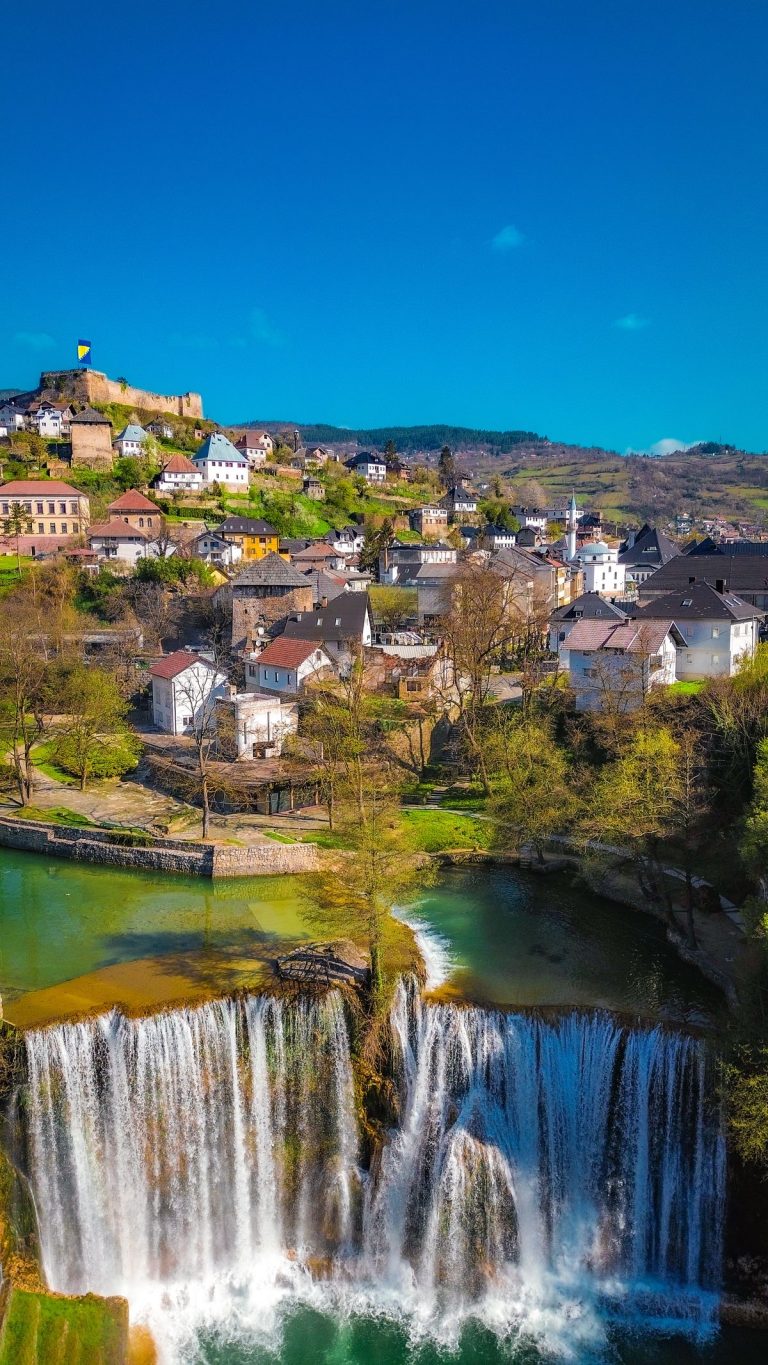
A waterfall in the middle of a town, a fortress above it and watermills on the lakes behind.
A river city calendar, built around the water and the summer.
Whitewater in spring and gentler runs through summer, on a river that has hosted the world championships.
Floating bars and clubs moored on the river, and the best nights of the year.
A festival for unsigned bands from across the region, held in the fortress.
Music inside the walls on the riverbank.
A long-running race through the city and along the river.
A very small scene at very low prices, mostly in the centre. Live from Hostelworld.
April to October. Spring for whitewater, summer for the river and the floating bars.
Average highs. Banja Luka is warmer than Sarajevo and sits lower, at about 160m, with hot continental summers and mild damp winters.
Pick how you travel. Per person per night, in euros.
Rafting at €35–50 sits outside these figures and is the main reason to come. Everything else here is genuinely cheap.
The ones we get asked most.

Compare Banja Luka hostels — live prices, real reviews and free cancellation on most bookings. Then meet the people already there in the app.

 Get the App.
 Get the App.