Canal ring
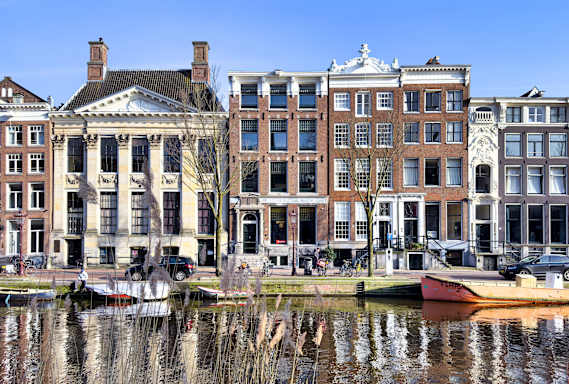
First-timersThe UNESCO canals, central and expensive.

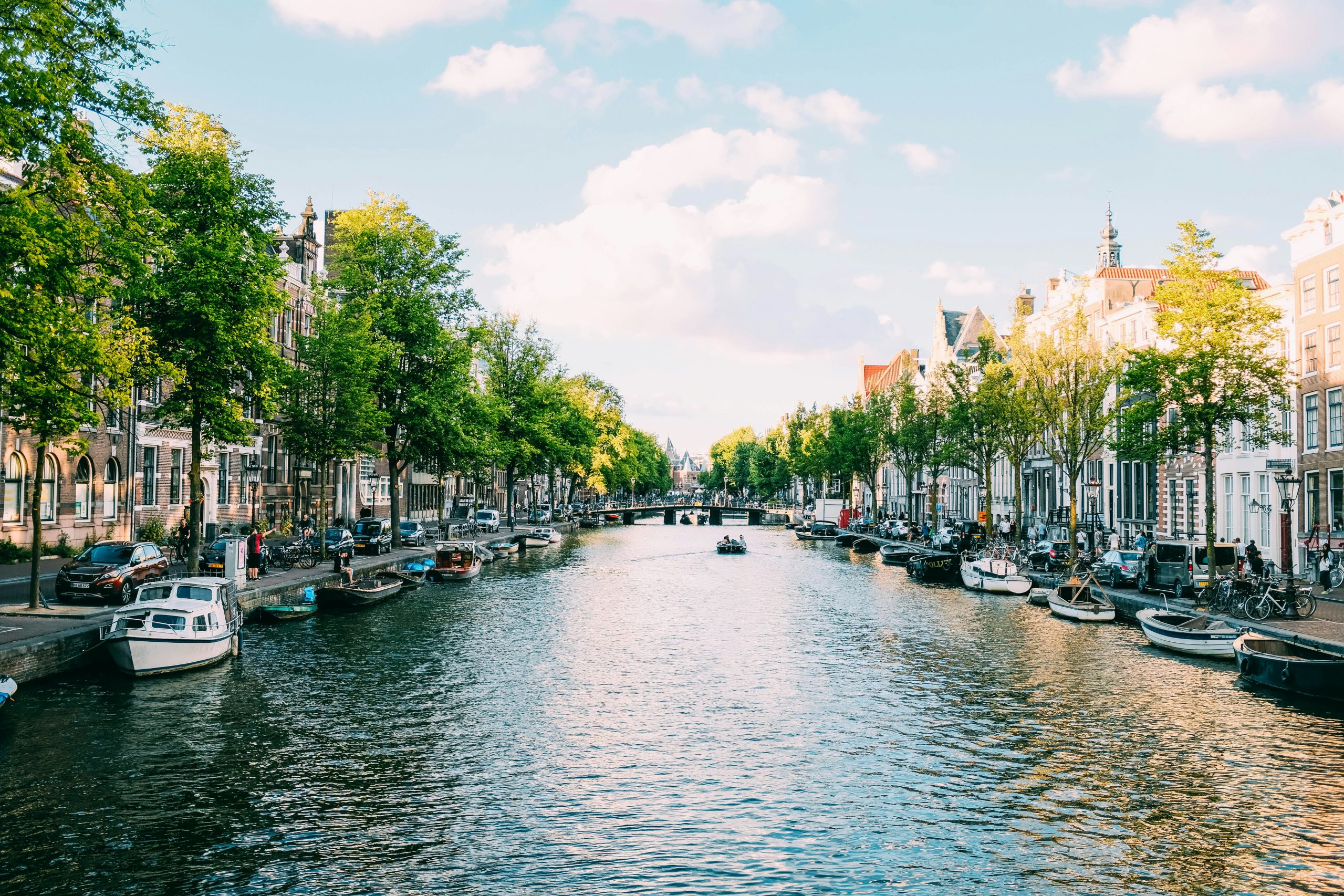
Canals, gabled houses, bicycles everywhere and three of the best museums in Europe within a short walk of each other. Beautiful, crowded, and priced accordingly.
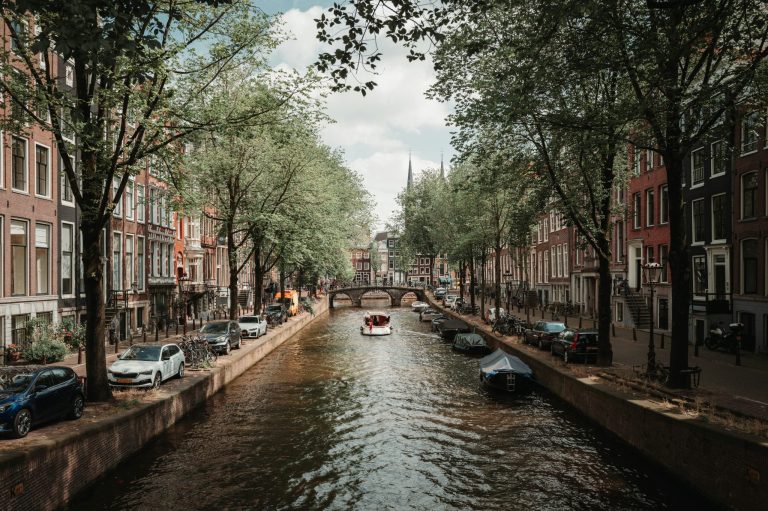
Amsterdam grew rich in the seventeenth century as the centre of a global trading empire, and it spent the money on the canal ring: three concentric canals lined with merchants' houses, dug in a single great plan and now a UNESCO World Heritage Site. It is still the defining image of the city.
It is small for a capital, and almost everything a visitor wants is inside or near the canal ring: the Rijksmuseum and the Van Gogh Museum on Museumplein, the Anne Frank House on the Prinsengracht, and the Jordaan, the old working-class quarter turned the prettiest neighbourhood in the city.
Amsterdam is also one of the most visited cities in Europe, and the city is actively trying to manage the crowds. Three or four days covers it, and staying in Haarlem or Utrecht is a good way to save money.
The canal ring is central and expensive. De Pijp, Oost and Noord are livelier and better value, and a tram or ferry ride from everything.
The UNESCO canals, central and expensive.
Narrow canals, brown cafés and markets.
South of the centre, around Albert Cuypmarkt.
East of the centre, near Oosterpark. Local and relaxed.
Across the IJ by free ferry: NDSM, the Eye and A'DAM Lookout.
Orange labels are neighbourhoods, dots are the 12 top-rated hostels. Map © MapTiler © OpenStreetMap contributors.
Book the big museums before you arrive, because almost all of them now sell timed tickets only. The Rijksmuseum, with Rembrandt's Night Watch and Vermeer's Milkmaid, costs around €25. The Van Gogh Museum, next door, has the largest collection of his work in the world. The Anne Frank House releases tickets six weeks ahead, and they sell out within days; there is no ticket office.
Walk the canal ring and the Jordaan, preferably early in the morning, when the water is still and the streets are empty. A canal boat is the classic way to see the city; the smaller open boats are better than the big glass ones.
Take the free ferry behind Centraal station across the IJ to Noord, a former industrial area with the A'DAM Lookout tower, the Eye Film Museum and NDSM, an old shipyard turned creative quarter.
The Vondelpark is the city's great park, and Albert Cuypmarkt in De Pijp its best street market.
The canals, the Jordaan and the city's streets are free, and they are the main attraction.
The ferries across the IJ from behind Centraal station are free, and so is the trip to Noord and NDSM.
The Vondelpark is free, with open-air performances in summer. The Begijnhof, a hidden courtyard of old almshouses, is free to enter quietly.
The public library, OBA, next to Centraal, has a free rooftop view over the city.
Dutch food is simple and best on the street: fresh herring with onions from a fish stall, frites with mayonnaise, bitterballen with a beer, stroopwafels warm from the market.
Amsterdam's colonial history left the rijsttafel, an Indonesian feast of many small dishes, and Surinamese roti shops, which are some of the best cheap meals in the city.
Foodhallen, in a converted tram depot in Oud-West, has stalls for every budget. Albert Cuypmarkt has cheap street food.
Eating out is expensive: a restaurant main is €18 to €28. Supermarkets and street food keep it down.
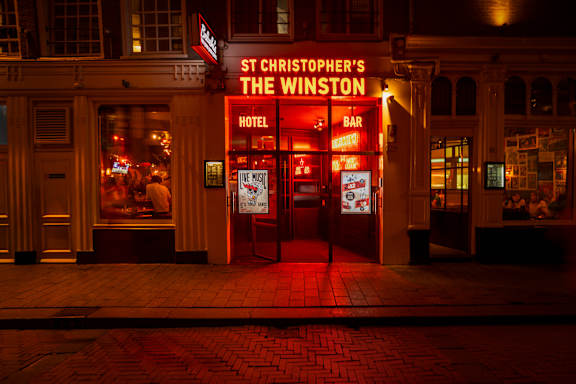
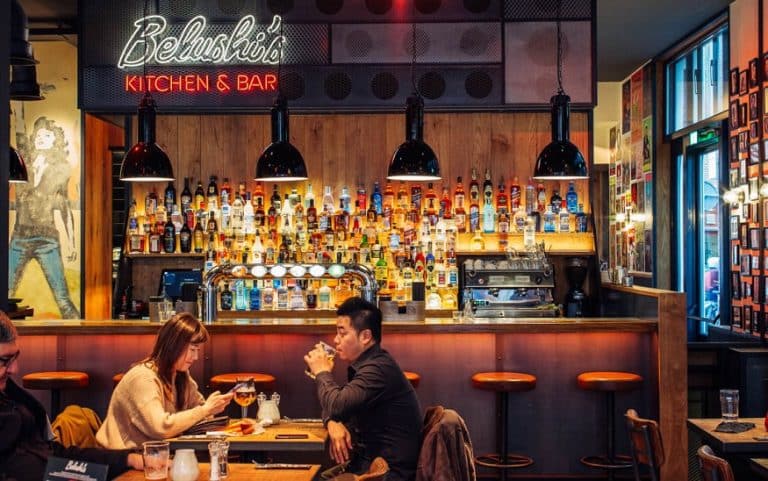
Amsterdam's nightlife ranges from brown cafés, the old wood-panelled pubs of the Jordaan, to some of the best clubs in Europe. Leidseplein and Rembrandtplein are the busy, touristy centres; De Pijp, Oost and the Jordaan are where locals drink.
The clubs are spread out, often in former industrial buildings, and several have 24-hour licences. Amsterdam Dance Event in October takes over the whole city.
The city has tightened the rules in the Red Light District: smoking cannabis in the street there is banned, and bars and windows close earlier than they used to.
A beer is €5 to €7.
Amsterdam is compact and best seen on foot or by bike. Hire a bike for €10 to €15 a day, lock it twice, and ride with the flow of locals.
Trams, buses, the metro and the ferries are run by GVB. A one-hour ticket costs €3.40, and GVB day tickets start at €10 for 24 hours. You can also tap a contactless bank card in and out, which charges by distance.
From Schiphol, trains run to Centraal in about fifteen to twenty minutes for about €6. Tap your card in and out at the gates.
Trains reach Haarlem in about fifteen minutes, Utrecht in about half an hour and Rotterdam in about forty minutes.
Amsterdam is expensive, and the bed is the biggest cost. Dorms start around €30 and rise sharply at weekends and in summer. The city's tourist tax is among the highest in Europe.
A careful day is €65 to €85. The museums, at around €25 each, add up; a Museumkaart can pay for itself if you visit several.
Staying in Haarlem or Utrecht and taking the train in is often cheaper, even after fares. Many places are card only; carry a debit card, as some do not take credit cards.
Amsterdam is safe. Pickpockets work Centraal station, the trams and the Red Light District crowds. Keep your bag closed.
Do not buy drugs on the street; street dealing is illegal and what is sold is often dangerous. Cannabis and edibles from coffeeshops are stronger than most visitors expect.
In the Red Light District, photographing sex workers is forbidden and causes trouble.
Bike theft is constant. Cycle lanes are for bikes, and bikes have priority. Do not walk in them, and look both ways before stepping off the pavement.
Emergency number is 112.
Most of the country is within an hour by train.
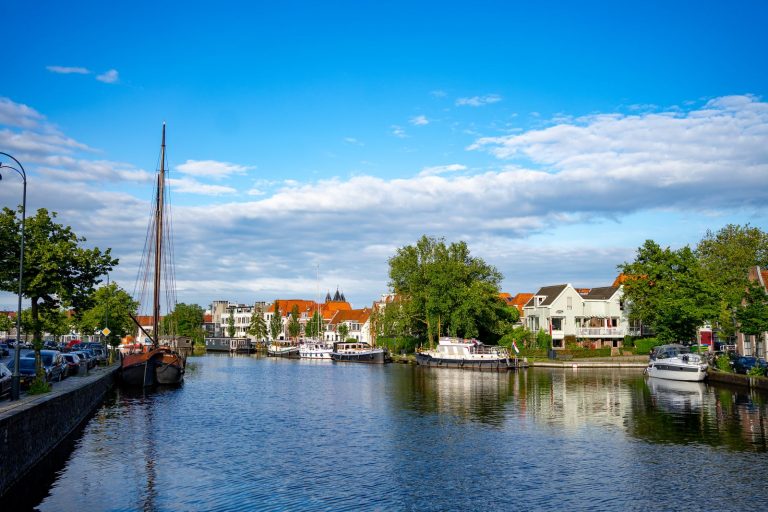
A smaller, quieter canal city with a great market square.
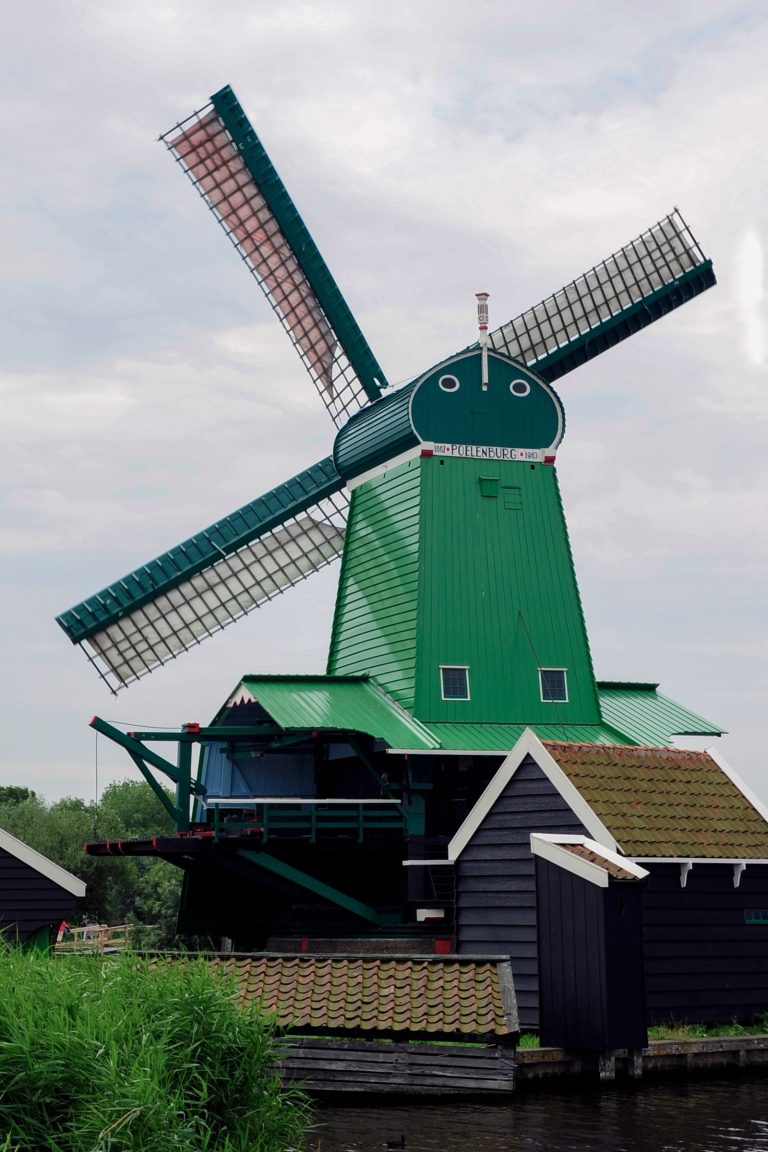
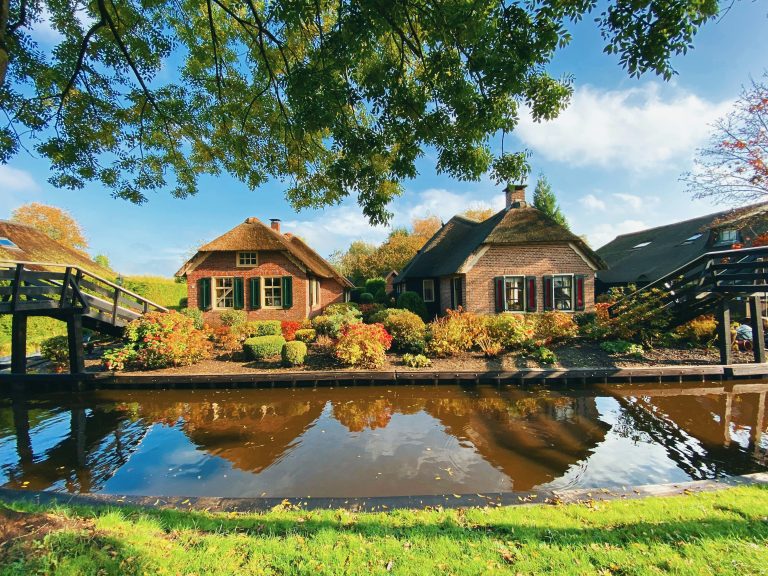
Working windmills and wooden houses on the river Zaan.
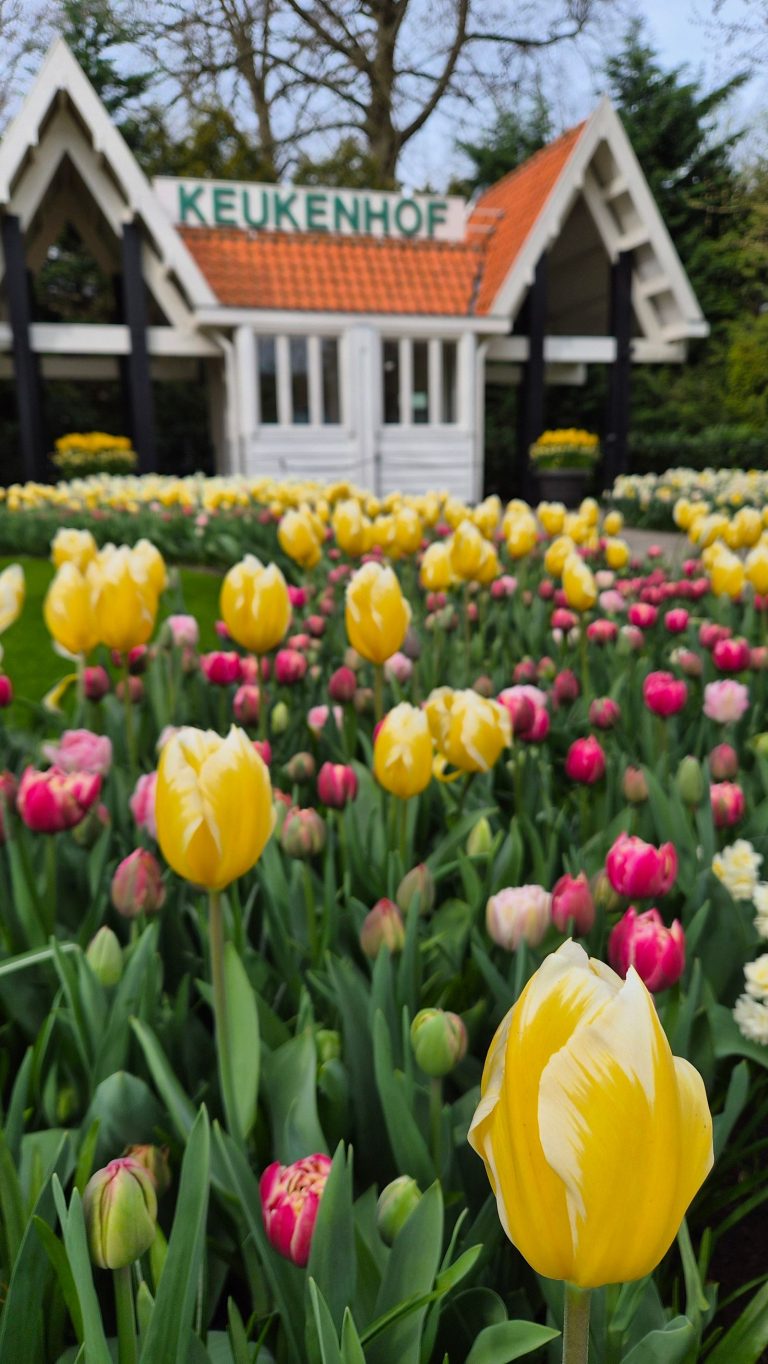
Seven million bulbs in the tulip season.
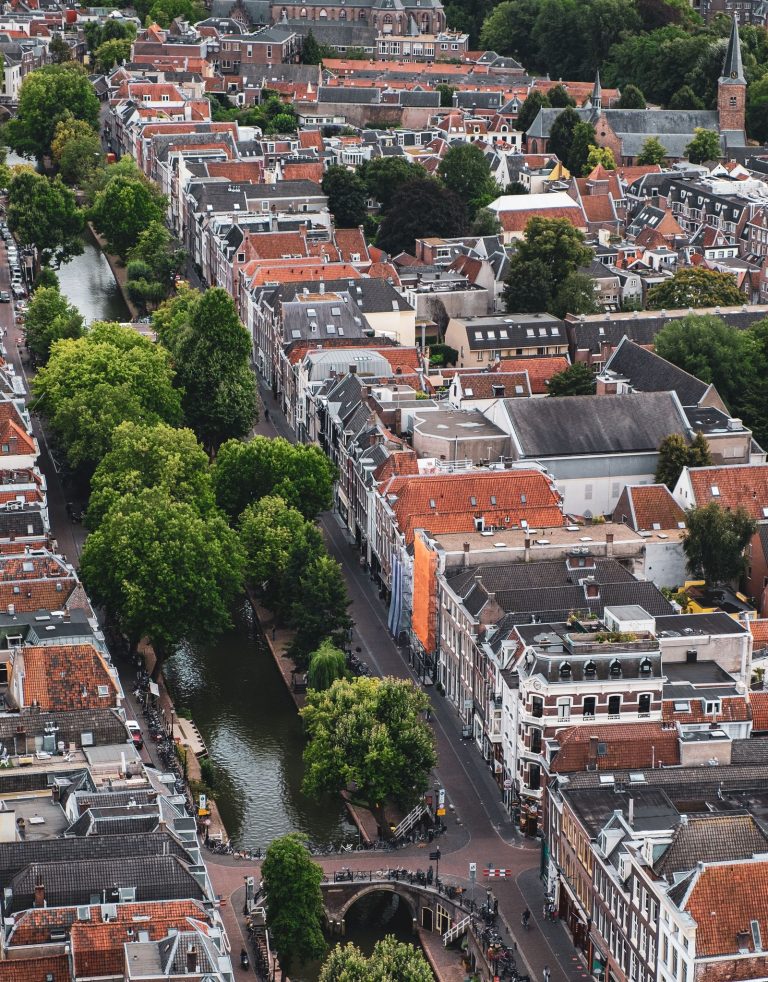
Canals with wharf-level terraces, and a student city.
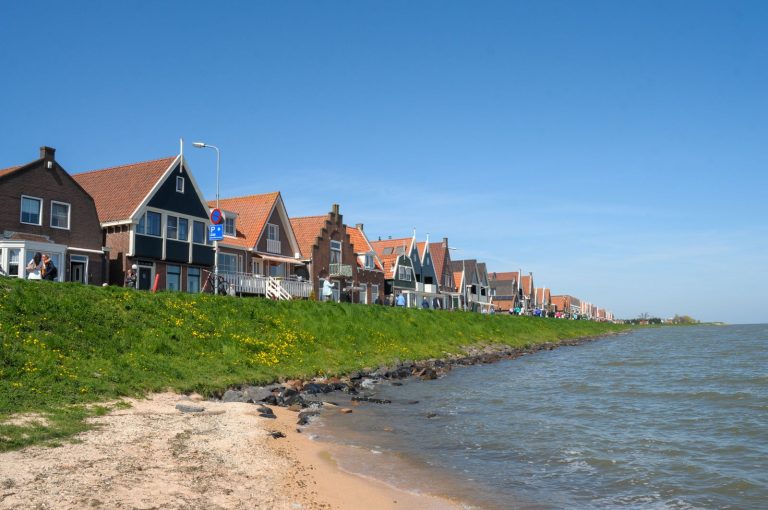
Old fishing villages on the former Zuiderzee.
Kingsday turns the whole city orange. Pride puts it on boats.
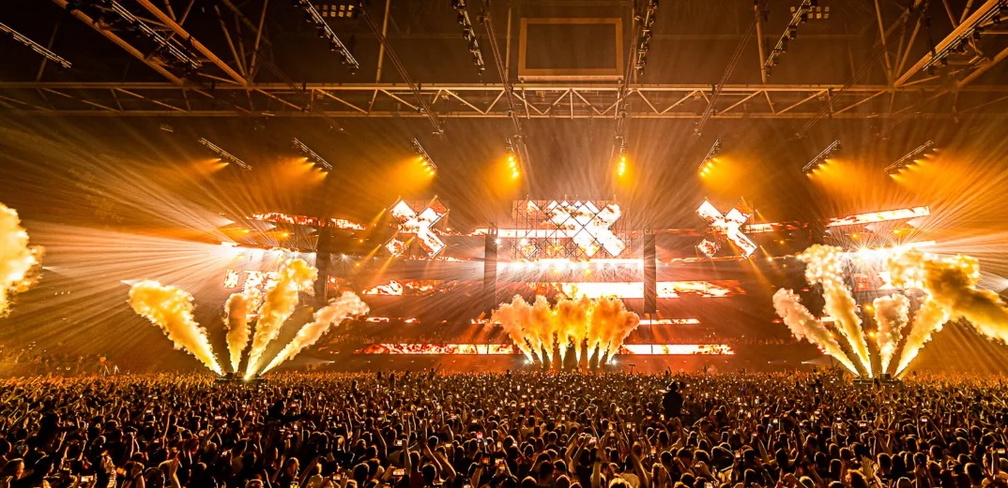 Staff pick
The Amsterdam Dance Event (ADE) is the world's leading electronic music conference and festival, attracting over 400,000 attendees annually. This five-day event features over…
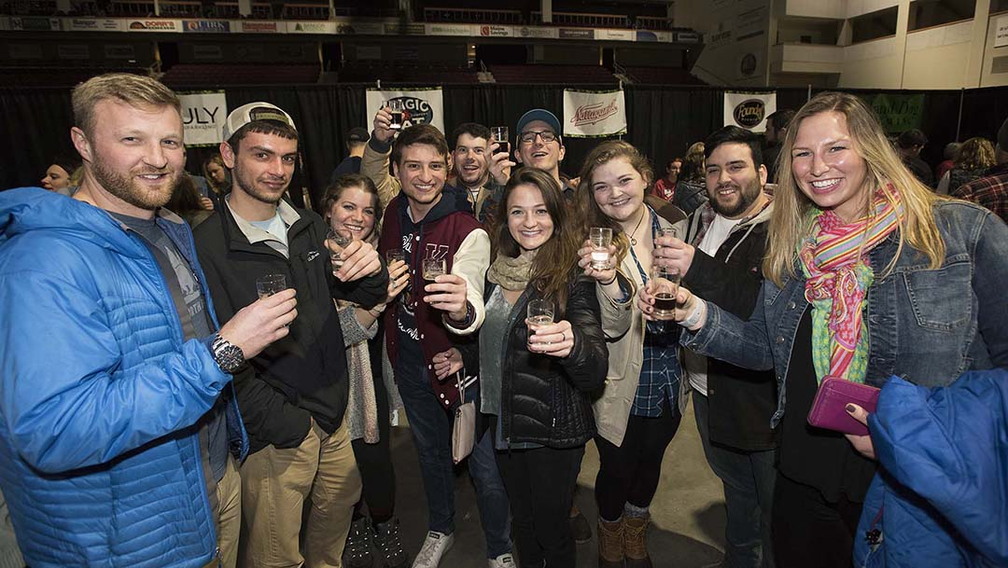 Staff pick
The International Documentary Filmfestival Amsterdam (IDFA) is one of the world’s premier showcases for documentary cinema, drawing filmmakers, industry professionals, and audiences from across…
 Staff pick
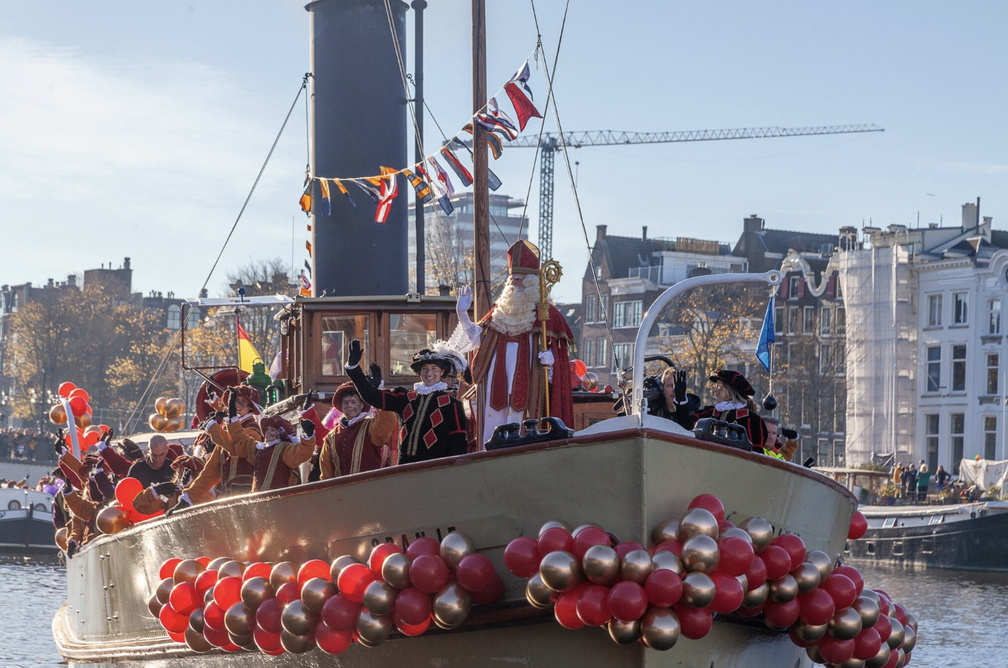
The Sinterklaas Parade in Amsterdam marks the start of the festive season with a vibrant celebration each November. Sinterklaas makes a grand entrance by…
 Staff pick
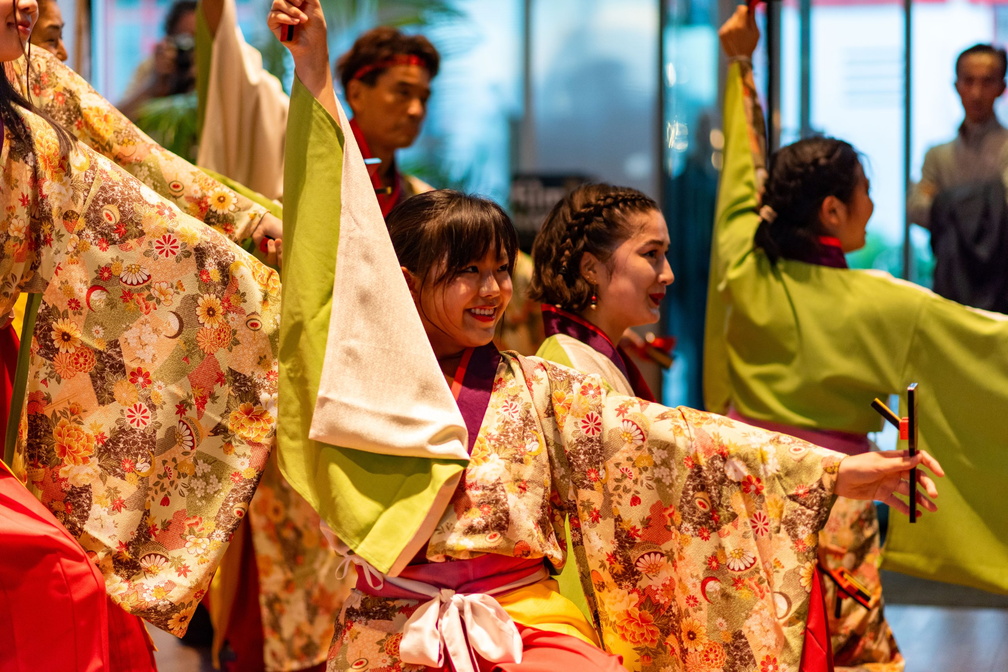
Camera Japan is a vibrant cultural festival, celebrating Japanese film and arts since 2006. While cinema takes center stage, the festival also showcases music,…
 Staff pick
Cinekid, held annually in Amsterdam and country-wide, is the world's largest international film, television, and new media festival for children. With over 60,000 expected…
 Staff pick
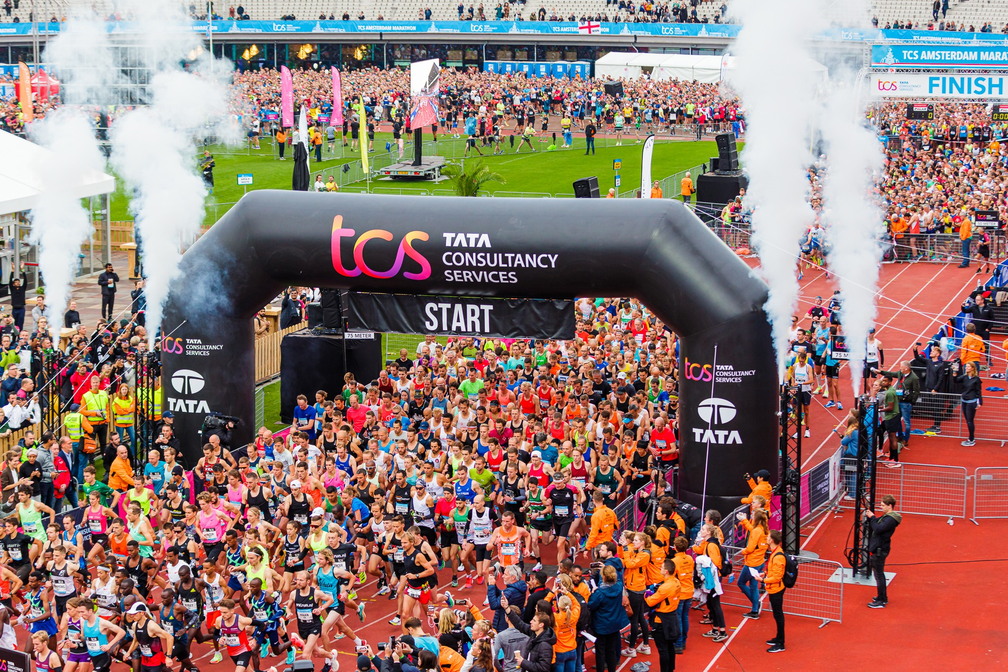
The TCS Amsterdam Marathon is renowned for its fast, scenic course and prestigious World Athletics Platinum Label status. Runners begin and end their journey…
 Staff pick
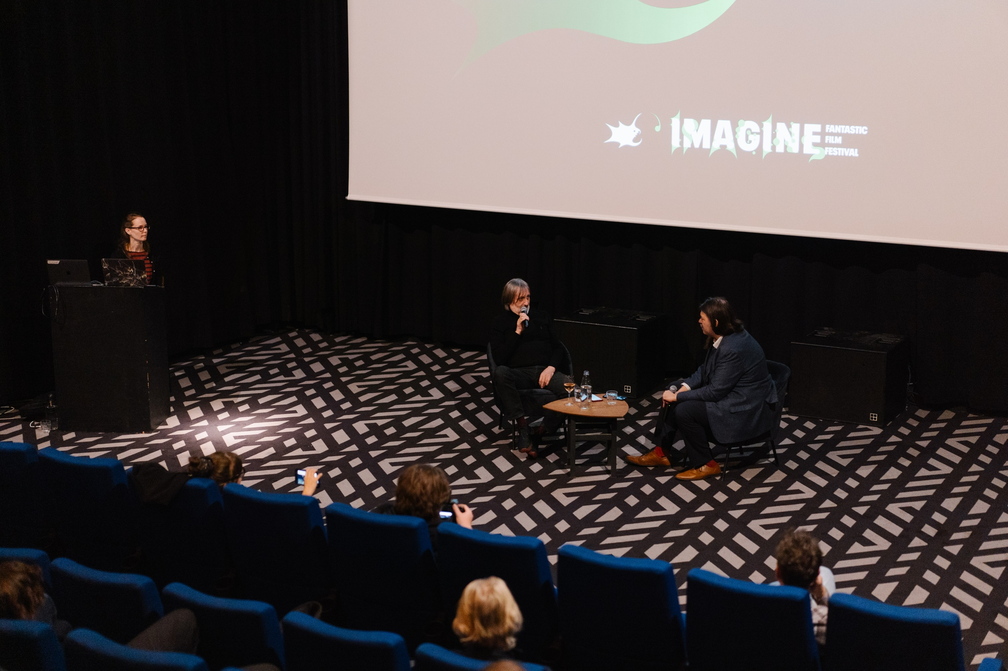
The Imagine Film Festival in the Netherlands is a premier celebration of fantastic cinema, showcasing the best in fantasy, science fiction, horror, anime, martial…
 Staff pick
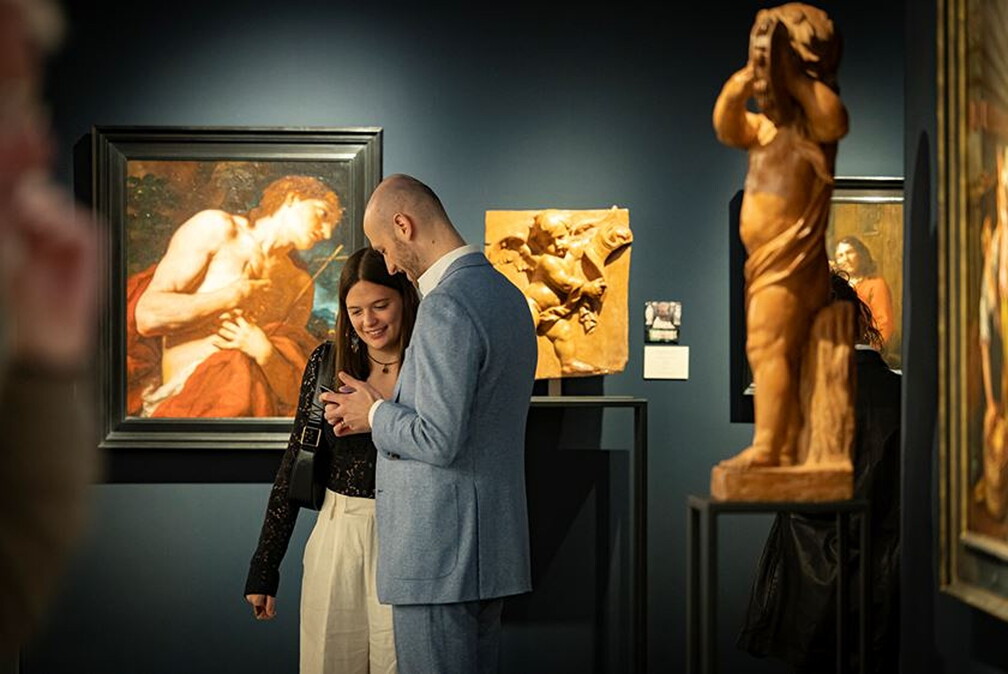
Pan Amsterdam is the Netherlands’ premier fair for art, antiques, and design, attracting tens of thousands of enthusiasts each year. The event showcases a…
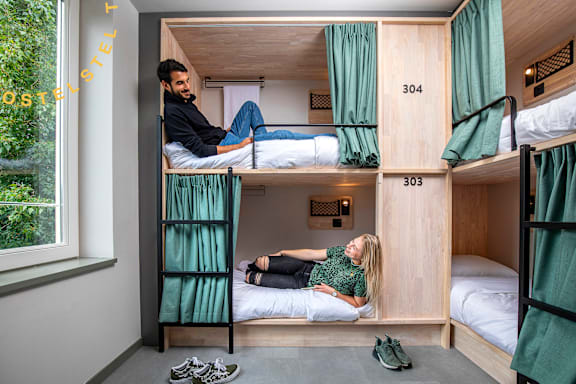
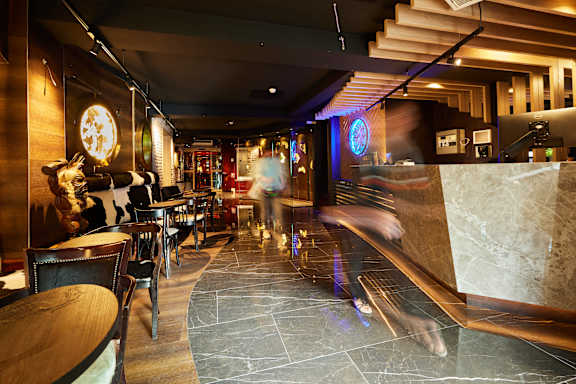
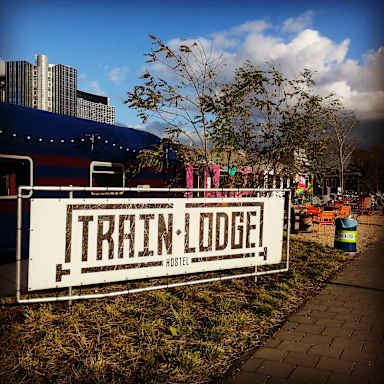
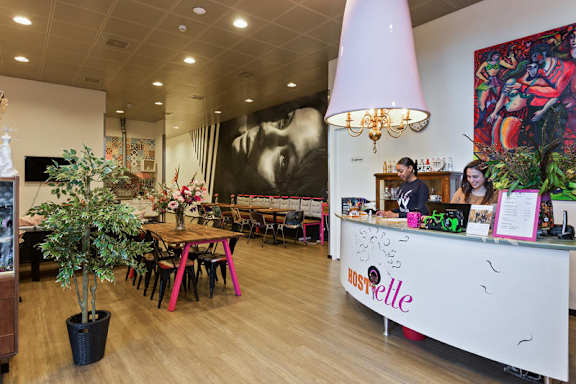
The top-rated places to stay in Amsterdam right now, live from Hostelworld.
 Sustainable
April to June and September are best. Kingsday and the tulip season make April the busiest month.
Average highs. It rains in every month, and the wind off the North Sea makes it feel colder.
Pick how you travel. Per person per night, in euros.
Transport assumes GVB tickets or tapping a bank card. Museums are around €25 each.
The ones we get asked most.

Compare Amsterdam hostels — live prices, real reviews and free cancellation on most bookings. Then meet the people already there in the app.

 Get the App.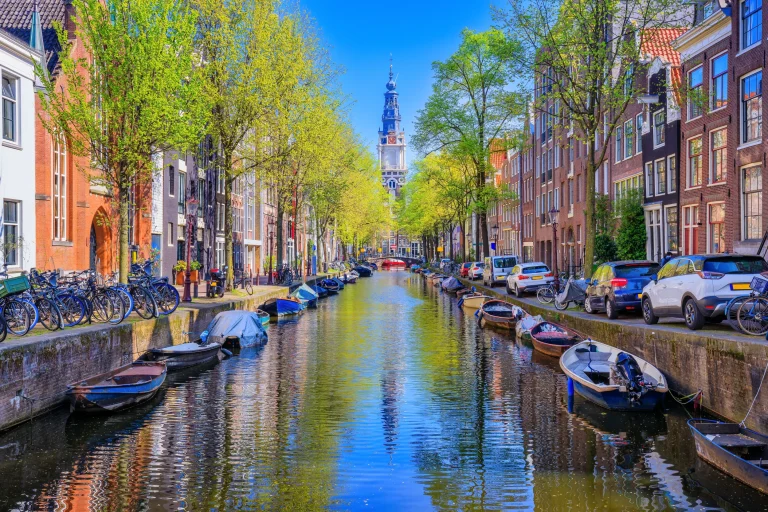


 Get the App.