The peninsula
Port, restaurants, hostelsThe tip of Punta, between the Mansa and Brava beaches, with the port and the lighthouse.

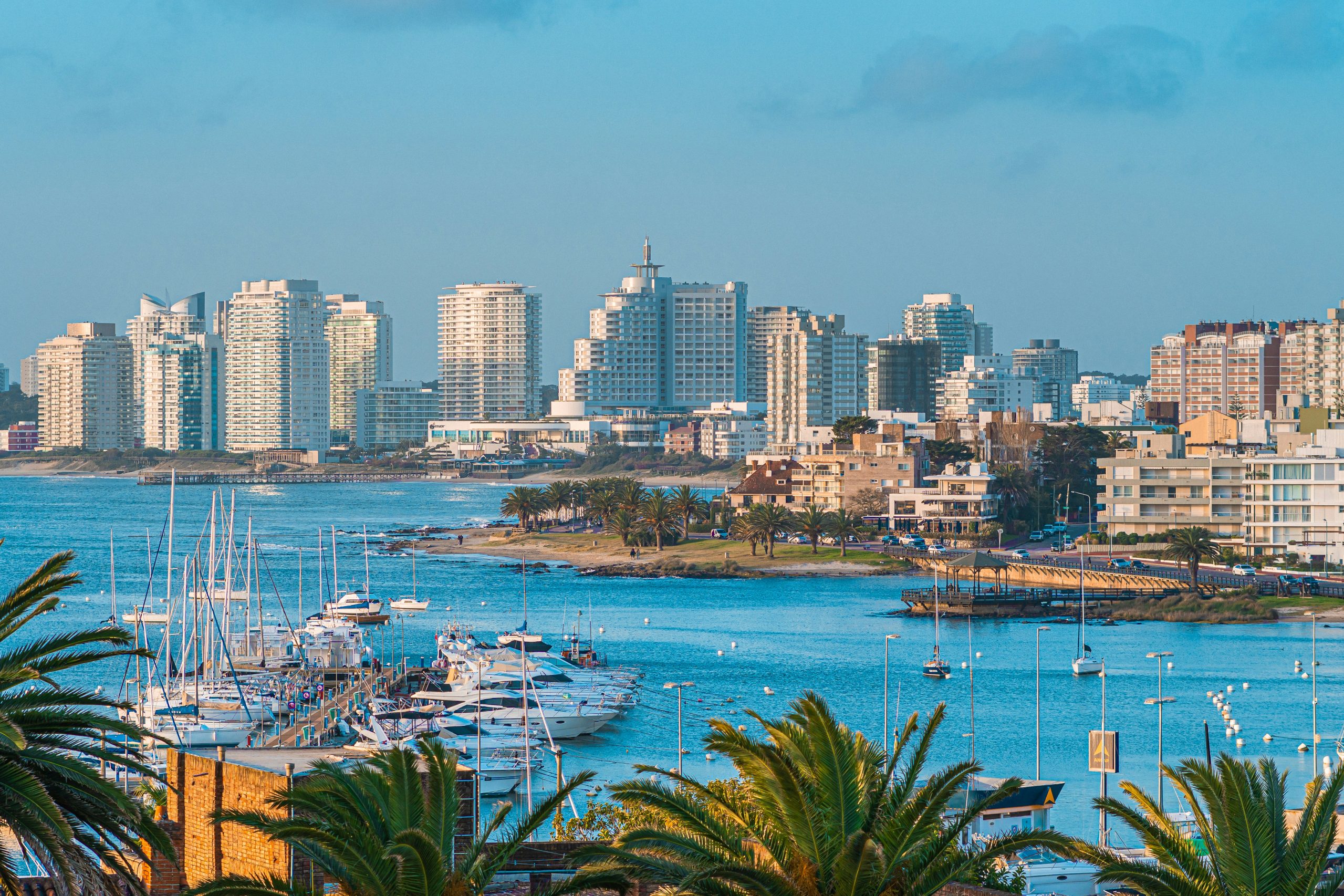
South America's glamorous beach resort, on a peninsula between a calm bay and the open Atlantic. Packed and pricey in January, relaxed and much cheaper the rest of the year.
Punta del Este sits on a narrow peninsula where the Río de la Plata meets the Atlantic, around two hours east of Montevideo. On one side is the Playa Mansa, the calm beach facing the bay, and on the other the Playa Brava, the wild ocean beach with the famous sculpture of a giant hand emerging from the sand. High-rise apartments line the shore, and the small port at the tip has sea lions waiting for scraps from the fishing boats.
In January and early February, Punta becomes the summer playground of Argentina, Brazil and Uruguay, with beach clubs, nightclubs, art galleries and some of the highest prices in South America. Outside the season it is quiet and much cheaper, with empty beaches and whales passing offshore from July to November.
Give Punta del Este two or three days. Visit Casapueblo, the white sculpted house-museum of the artist Carlos Páez Vilaró, take a boat to the sea lions of the Isla de Lobos, cross the wavy bridge to La Barra and continue to the village of José Ignacio.
The peninsula has the port, restaurants and most hostels. La Barra and Manantiales, east along the coast, have the beach clubs and nightlife in summer.
The tip of Punta, between the Mansa and Brava beaches, with the port and the lighthouse.
Across the wavy bridge east of town, with galleries, bars and summer clubs.
Further east, with Bikini beach and summer parties.
Orange labels are neighbourhoods, dots are the 6 top-rated hostels. Map data from OpenStreetMap contributors.
Start with the beaches. The Playa Brava, facing the ocean, has the sculpture of La Mano, the fingers of a giant hand rising from the sand, and is good for surfing. The Playa Mansa, on the bay, is calm and best for swimming and sunsets. At the port at the tip of the peninsula, sea lions gather by the fish stalls.
Take a boat trip to the Isla de Lobos, home to one of the largest sea lion colonies in South America, or to the closer Isla Gorriti, with pine forests and beaches. From July to November, southern right whales can often be seen from the shore and on boat trips.
Casapueblo, at Punta Ballena around 15 km west, is the white, cave-like house and museum of the artist Carlos Páez Vilaró, and the terrace is the place to watch the sunset. East of the peninsula, cross the wavy Puente Leonel Viera to La Barra, with its beach clubs and galleries, and continue to José Ignacio, a stylish fishing village with a lighthouse.
The beaches are free, from the Playa Mansa to the Playa Brava and the long stretches east of La Barra. La Mano and the port with its sea lions cost nothing to see.
Walk the Rambla around the peninsula at sunset. Whale watching from the shore, from July to November, is free.
The lighthouse on the peninsula and the sunset viewpoint near Casapueblo are free, though entry to the museum is not.
Seafood and parrilla dominate. Try grilled fish, rabas (fried squid) and chivitos, and look for cheaper parrillas away from the seafront. The port's fish stalls sell fresh catch.
In summer, Punta has some of the most expensive restaurants in South America, especially in La Barra and José Ignacio. Supermarkets and hostel kitchens help a lot.
Pay with a foreign card: in the summer season, restaurants charge foreign visitors no VAT.
In January, Punta has some of the biggest nightlife in South America, with beach parties at sunset, clubs in La Barra and Manantiales open until sunrise, and international DJs. Nights start very late.
The rest of the year, nightlife is quiet, with a few bars on the peninsula.
In summer, book big events and transport ahead, and use taxis or apps late.
The peninsula is walkable, and local buses run along the coast to La Barra, Manantiales and José Ignacio. Bikes are a good way to explore in summer.
Buses from Montevideo's Tres Cruces terminal take around two hours, and from Montevideo's airport there are direct services. Laguna del Sauce airport, around 20 minutes away, has flights to Buenos Aires, mostly in summer.
The bus terminal is just outside the peninsula.
Punta del Este is the most expensive place in Uruguay. In January, dorm beds can cost several times their off-season price, and the beds sell out early. The rest of the year, dorm beds start around €15 to €25.
Eat at supermarkets and simple parrillas to save. Island boat trips and Casapueblo charge fees.
Foreign visitors pay no VAT on accommodation, and in the summer season none in restaurants when paying by foreign card.
Punta del Este is safe. Take normal care with belongings on the beach and in crowded summer clubs.
The Atlantic beaches have strong currents, and lifeguards work only in season. Swim where there are lifeguards and flags, especially on the Playa Brava.
The sun is strong in summer, and the wind can be cold off season. In an emergency, call 911.
Islands, artists' houses and quieter beaches.
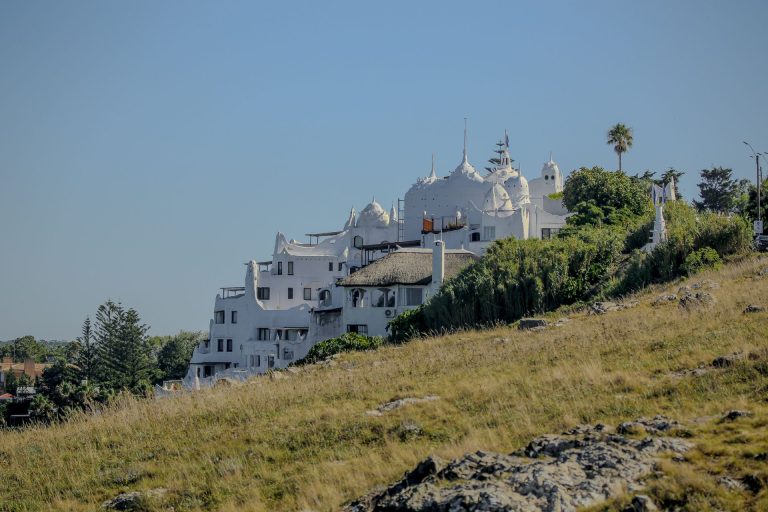
The white house-museum of Carlos Páez Vilaró.
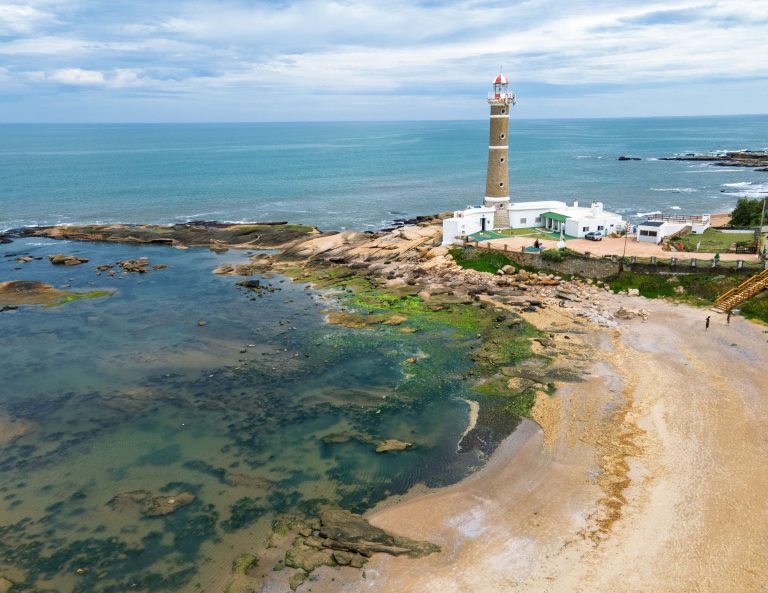
A stylish fishing village with a lighthouse.
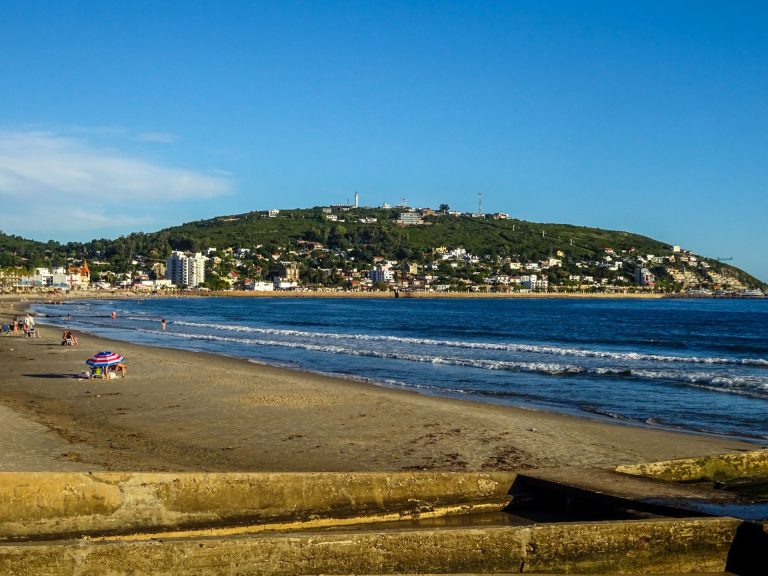
An old resort with a castle, a cable car and Cerro San Antonio.
Summer parties and whale season.
Beach parties, clubs and international DJs.
Southern right whales visit the coast.
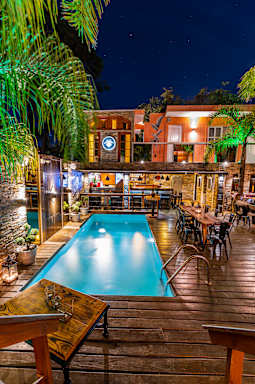
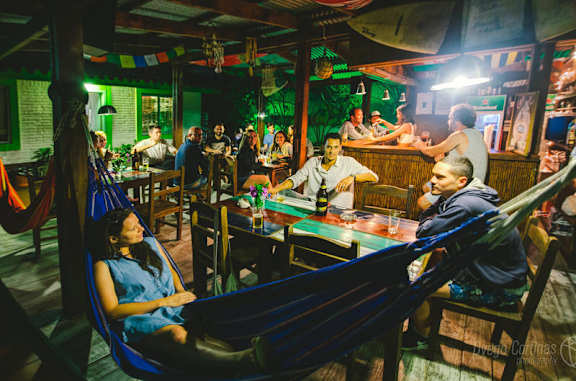
The highest-rated hostels in Punta del Este, straight from Hostelworld. Prices and availability are live on each property page.
January and early February are peak season, hot, packed and expensive. December, late February and March are warm and calmer. Winter is quiet and cold, with whales offshore from July to November.
Average highs, rounded. Sea breezes keep summer comfortable.
Per night, for one person, based on off-season Punta del Este prices.
Treat these as a guide. January prices are much higher.
The ones we get asked most.

Compare hostels in Punta del Este: live prices, real reviews and free cancellation on most bookings. Then meet the people already there in the app.

 Get the App.



 Get the App.