Around the lighthouse
Views, sea lionsThe rocky point with the lighthouse and the sea lion colony.

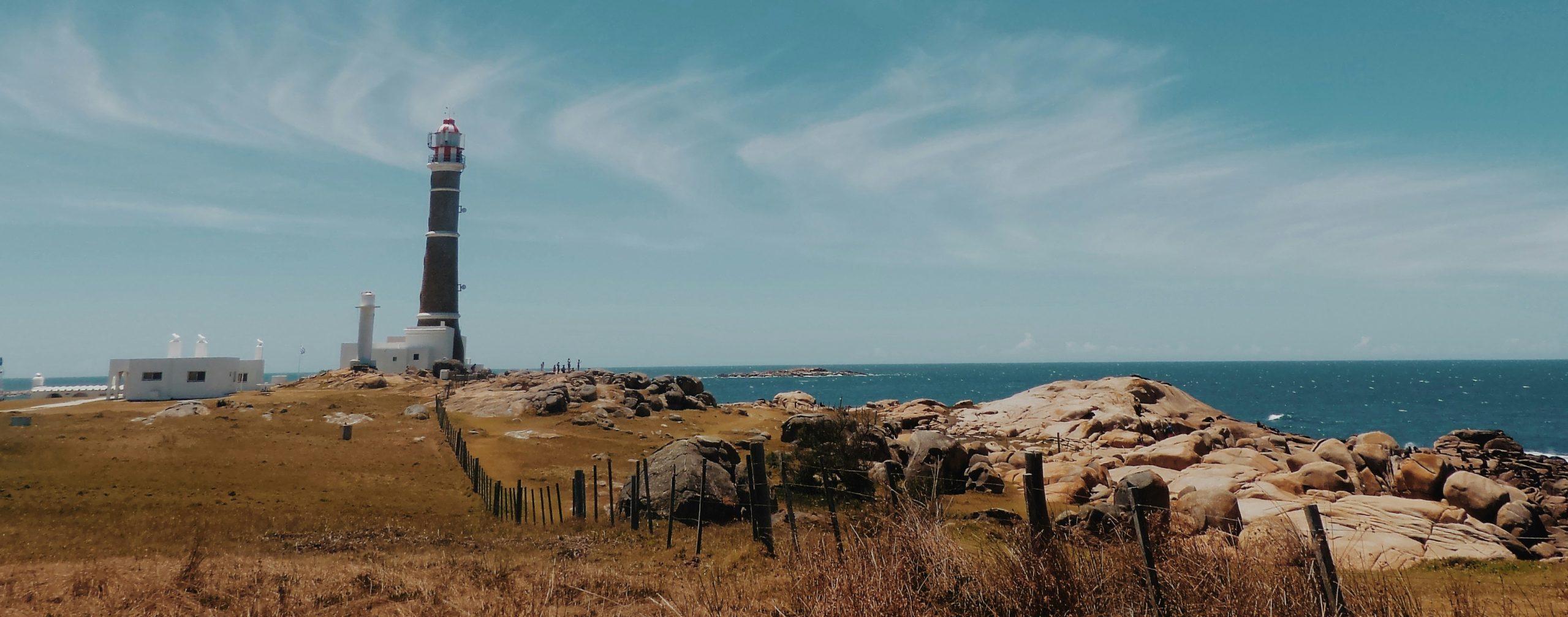
A village of colourful shacks among sand dunes on the Atlantic, with no road, almost no electricity, a lighthouse, a colony of sea lions and some of the darkest night skies in Uruguay.
Cabo Polonio is a tiny village on a rocky headland on the Rocha coast, around four and a half hours east of Montevideo. It sits inside a protected area of dunes and beaches, and there is no road: visitors leave cars and buses at the park entrance and ride a 4x4 truck across the sand. The village has no mains electricity, so power comes from solar panels, wind turbines and generators, and nights are lit by candles and the lighthouse beam.
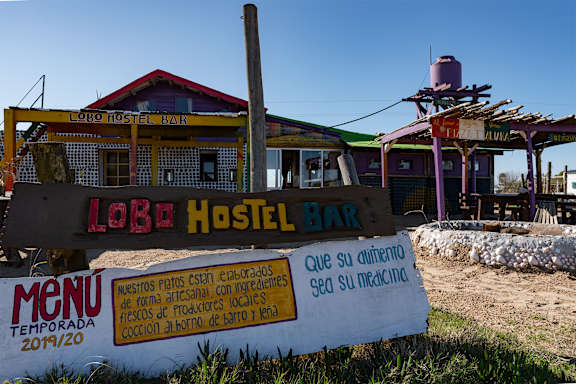
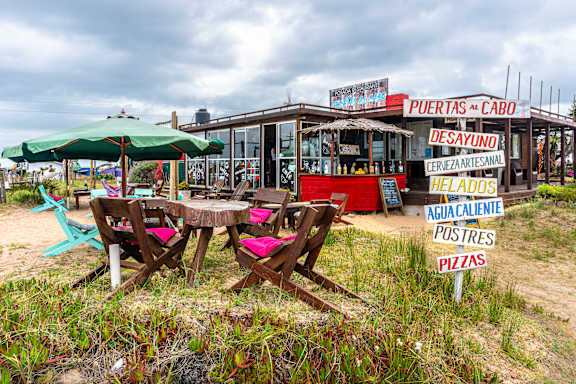
The village is a scatter of brightly painted wooden houses on the sand, with a few hostels, restaurants and bars. Below the lighthouse, rocks are covered with South American sea lions and fur seals, and the long empty beaches on either side are great for walking, with whales passing offshore from July to November.
Give Cabo Polonio two or three nights, ideally midweek. It is a place to slow down, watch the stars and walk the dunes. Bring cash, a torch and everything you need: there are no ATMs and only small shops.
The village is tiny. Stay near the lighthouse for the sea lions and views, or along the beaches for quiet.
The rocky point with the lighthouse and the sea lion colony.
Houses and hostels along the southern beach.
The long northern beach.
Orange labels are neighbourhoods, dots are the 3 top-rated hostels. Map data from OpenStreetMap contributors.
Climb the lighthouse for views over the village, the dunes and the islands offshore, and watch the sea lions and fur seals on the rocks below, best from the paths around the lighthouse. Keep your distance: they are wild and can bite.
Walk the beaches: the Playa Sur, south of the village, is quieter, and the Playa de la Calavera, to the north, is long and wild. Hike across the dunes to the Cerro de la Buena Vista for views, or along the coast to the village of Barra de Valizas, around three hours on foot across the dunes and beach. Check the route and tides at your hostel before setting out.
At night, with almost no light pollution, the stars are extraordinary. Watch the sunset from the rocks by the lighthouse, and from July to November look for whales offshore.
Almost everything in Cabo Polonio is free: the beaches, the dunes, the sea lions and the night sky. Sunset from the rocks by the lighthouse is the main event of the day.
The walk to Barra de Valizas across the dunes is free.
The truck ride in and out and the lighthouse climb cost money.
Fresh fish is the speciality. Try buñuelos de algas, seaweed fritters, a local favourite, and fish of the day grilled or fried, along with chivitos and empanadas.
Restaurants are few and fairly pricey because everything arrives by truck. Small shops sell basics, so bring supplies if you want to cook.
Many places only open in summer. Bring cash.
Nights in Cabo Polonio are about candlelit bars, live music and bonfires, with a relaxed, hippie atmosphere in summer.
Off season, the village is very quiet and most places close early.
Bring a torch: there are no streetlights.
The only way in for visitors is a 4x4 truck from the park terminal on Route 10, a bumpy ride of around 30 minutes across the dunes. Buy a return ticket at the terminal; trucks run often in summer and less in winter.
Buses from Montevideo's Tres Cruces terminal stop at the park terminal in around four and a half hours. Buses also run along the coast to La Paloma and Punta del Diablo.
In the village, you walk everywhere on sand. Bring a backpack rather than a wheeled suitcase.
Cabo Polonio is more expensive than you might expect for a village without electricity. Dorm beds start around €18, and more in January. Food costs more than on the mainland because everything arrives by truck.
The return truck ticket is the main fixed cost.
There are no ATMs, and card payment is not guaranteed, so bring enough cash for your whole stay.
Cabo Polonio is very safe and relaxed. Take normal care with belongings in hostels.
The Atlantic has strong currents, and lifeguards work only in summer. Swim only where locals do and where there are lifeguards.
Stay away from the sea lions, which can bite, and keep to the paths in protected areas. Carry water and sun cream on dune walks, and a torch at night. In an emergency, call 911.
More villages and beaches on the Rocha coast.
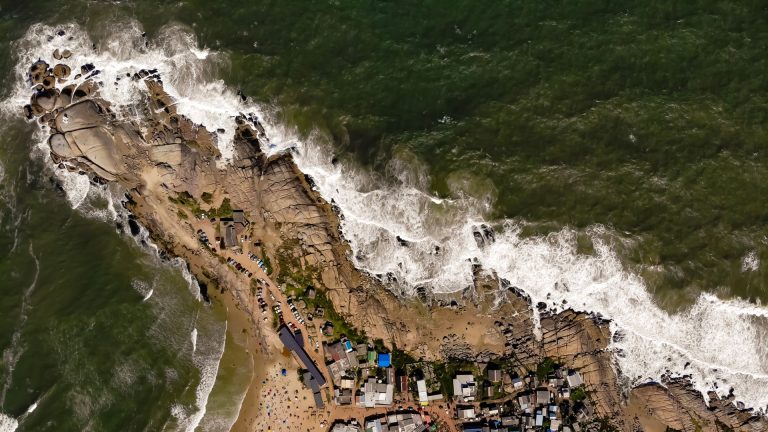
A surf and fishing village further north.
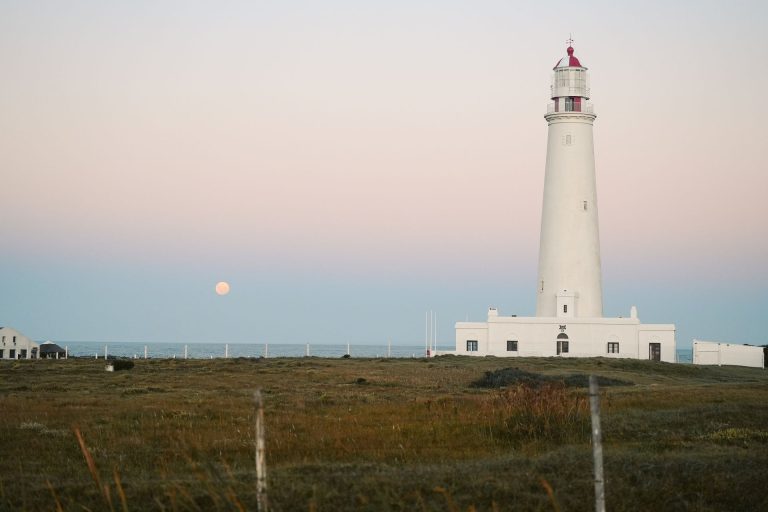
A surf town with a lighthouse.
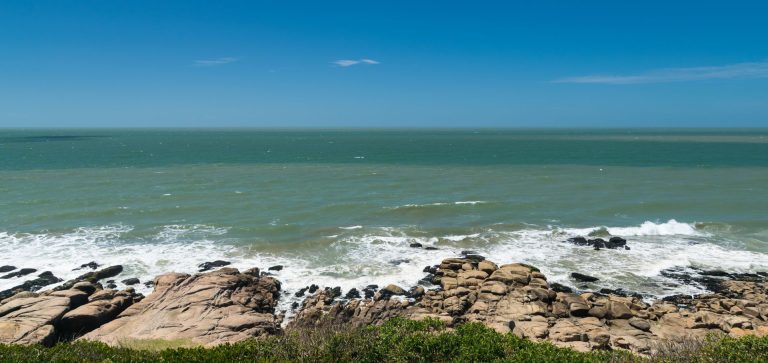
A fort, forests and beaches near the Brazilian border.
Summer life and whale season.
Bars, live music and full hostels.
Southern right whales offshore.
The highest-rated hostels in Cabo Polonio, straight from Hostelworld. Prices and availability are live on each property page.
January and February are busy, warm and lively. March and December are quieter and still warm. Winter is cold and windy, with few places open, but whales pass from July to November.
Average highs, rounded. Wind can make it feel cooler.
Per night, for one person, based on Cabo Polonio prices.
Treat these as a guide. January prices are higher.
The ones we get asked most.

Compare hostels in Cabo Polonio: live prices, real reviews and free cancellation on most bookings. Then meet the people already there in the app.

 Get the App.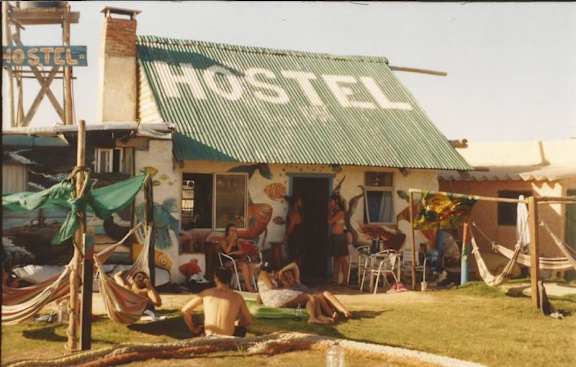




 Get the App.