El Salvador
El Salvador country guide

Things to do in El Salvador

World-class right-hand point breaks, volcanoes an hour from the capital, and the smallest country on the mainland. Transformed in a few years, and complicated.

€10
Dorm bed, from
$
US dollars since 2001
300km
Of Pacific coast
€2.50
A pupusa dinner

Small, surfing, and changed fast

El Salvador is the smallest country on the American mainland and for years travellers skipped it. That has changed sharply: since 2019 homicide rates have fallen dramatically under a mass-incarceration security policy, and visitor numbers have risen with them. The policy itself is internationally contested on human rights grounds, and both facts belong in the same paragraph.

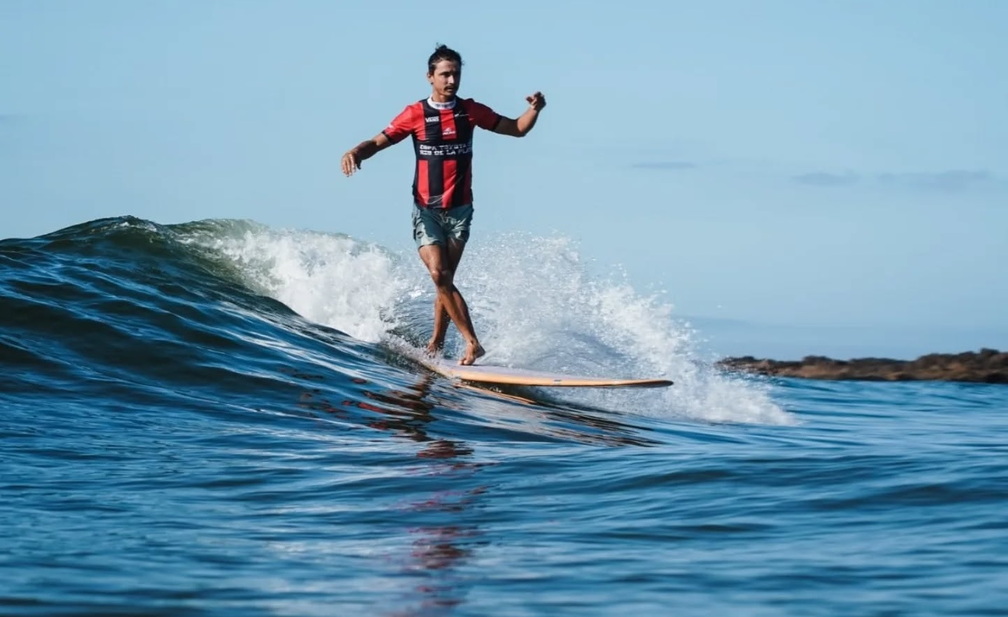
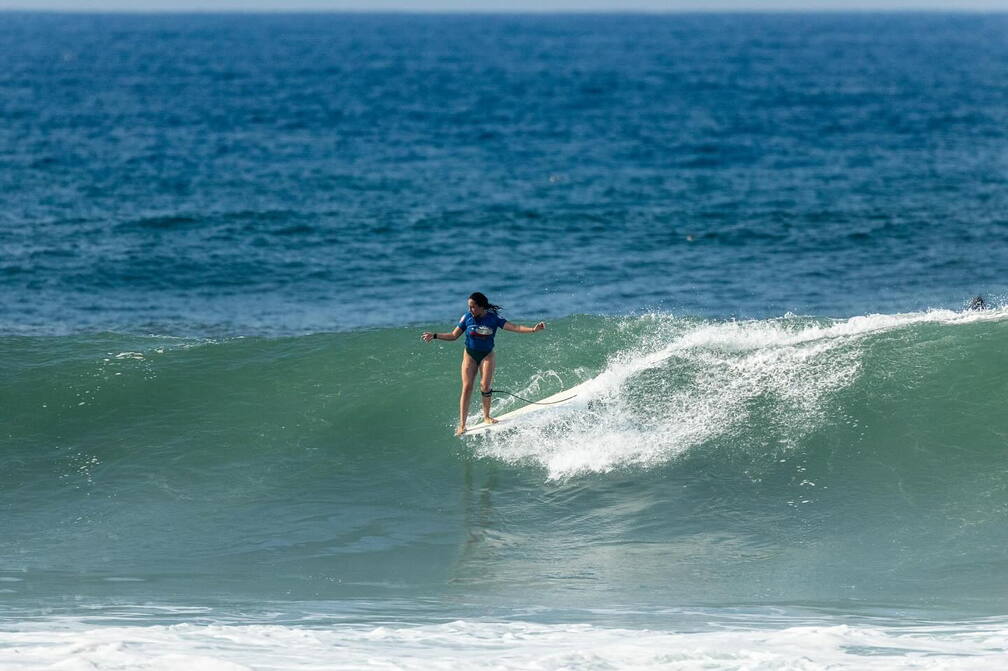
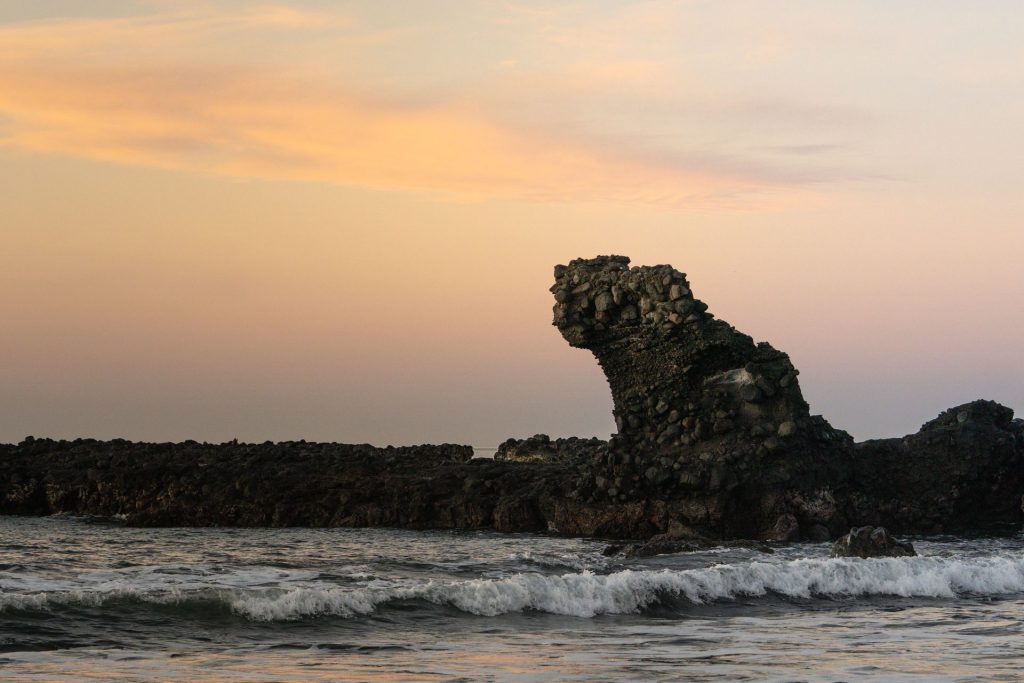
What draws people now is the surf. El Tunco, El Zonte and Punta Roca form a stretch of Pacific coast with consistent right-hand point breaks, and the country has hosted world championship events.

Inland, the Ruta de las Flores is a string of highland towns with weekend food festivals and waterfalls, Santa Ana has the best volcano hike in the country with a turquoise crater lake at the top, and Suchitoto is a colonial town above a lake.

Ten days to two weeks is plenty.

Where to go

The country is small — nothing is more than four hours from the capital.

El Tunco

El Tunco

13 hostels · dorms from $7

The surf town: black sand, a right-hand point break and the backpacker centre.

Lots of cool surfers, really good food, chill laid back beach vibe, beautiful scenic sunsets.

A traveller, on Hostelworld
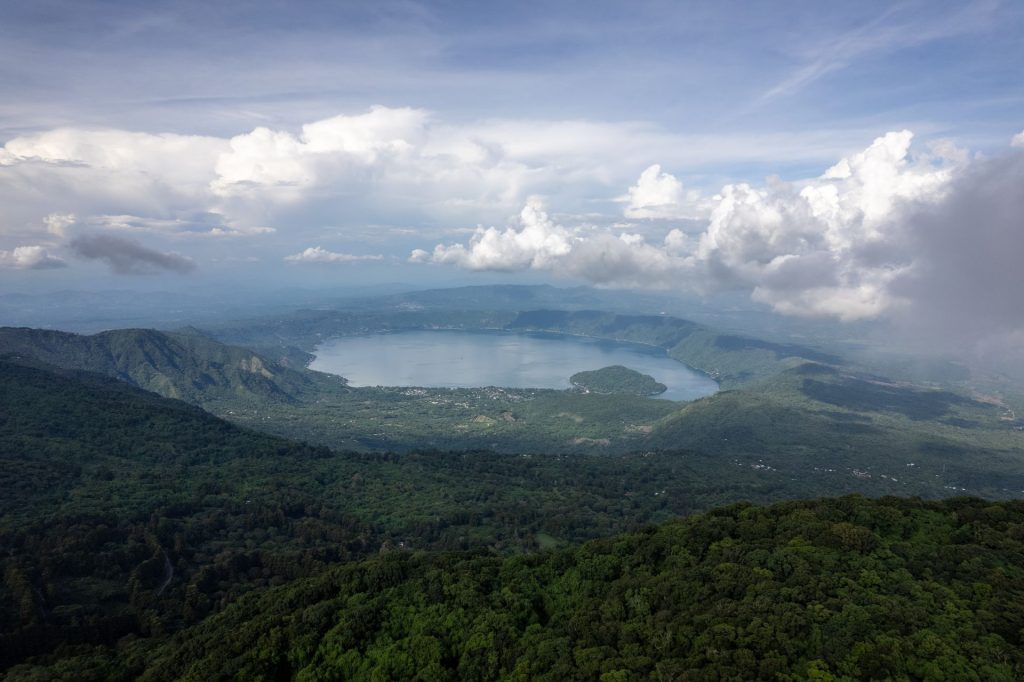
The El Tunco guide
Santa Ana

Santa Ana

27 hostels · dorms from $5

The second city, and the base for the volcano and Lake Coatepeque.

The people were super kind. There are lots of local hikes and viewpoints and lots of food options.

A traveller, on Hostelworld
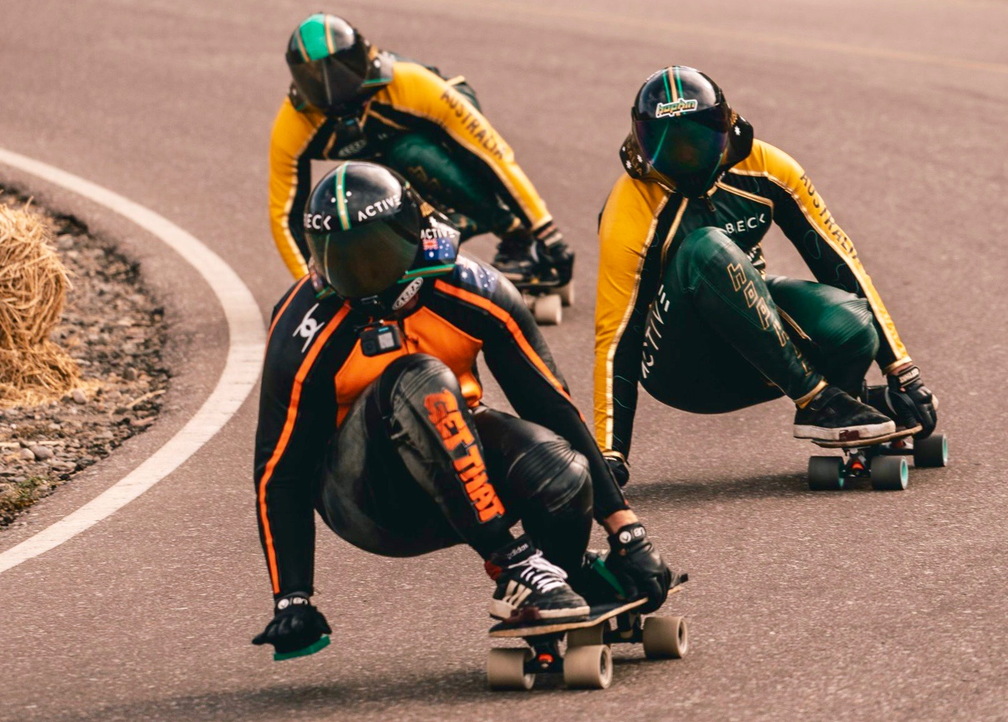
The Santa Ana guide
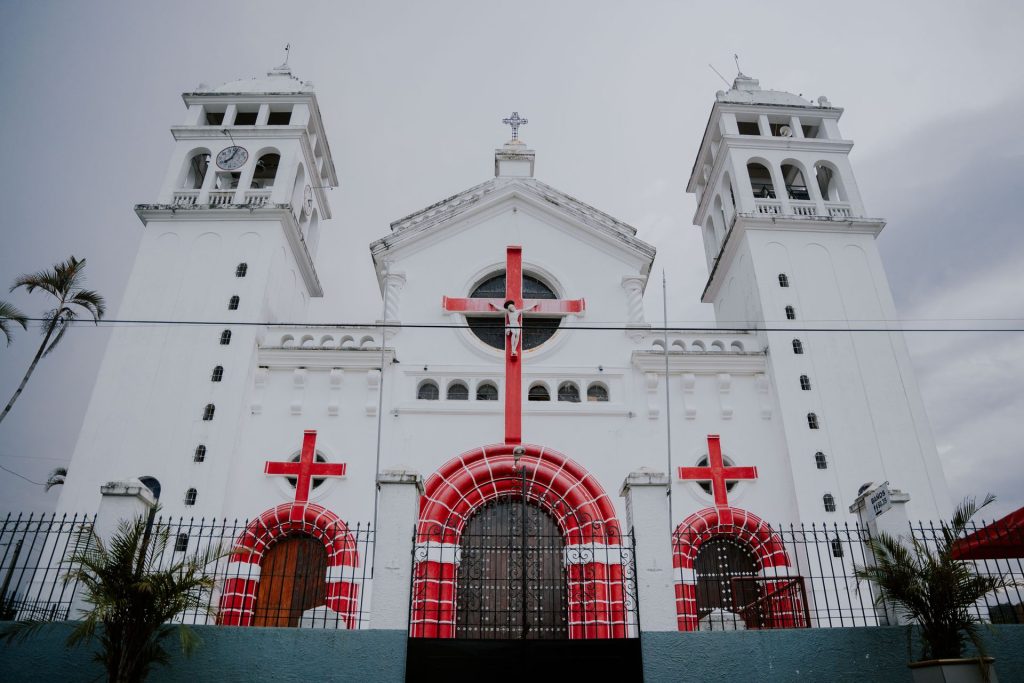
Juayúa

Juayúa

11 hostels

The heart of the Ruta de las Flores: a weekend food fair, waterfall hikes and coffee farms.

The Juayúa guide
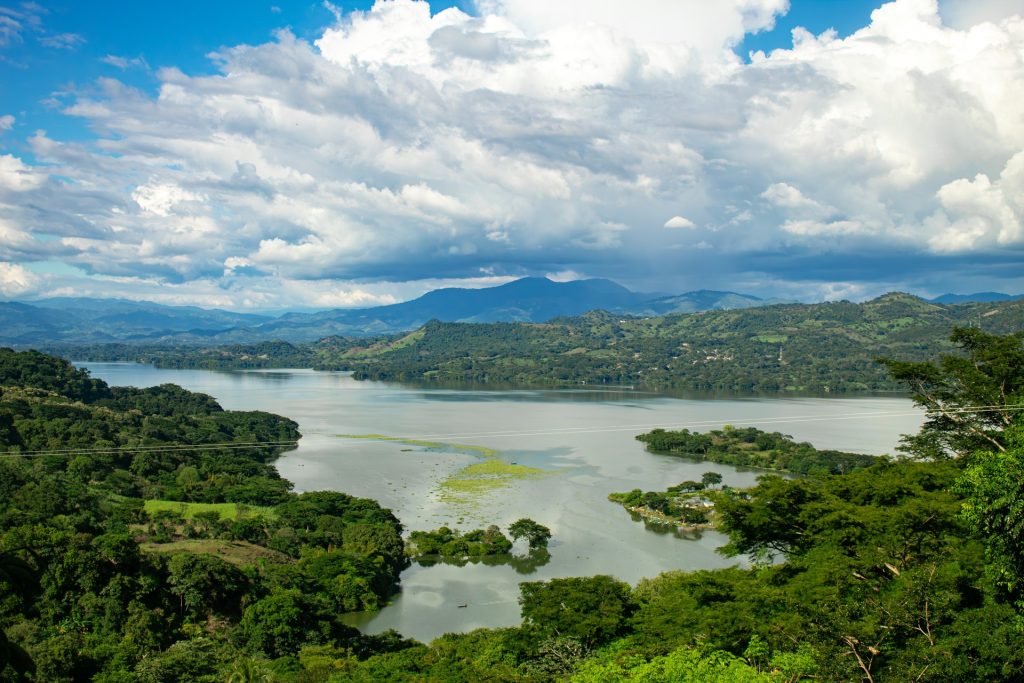
Suchitoto

Suchitoto

1 hostel

A colonial town above Lake Suchitlán, with cobbles and birdlife.

The Suchitoto guide
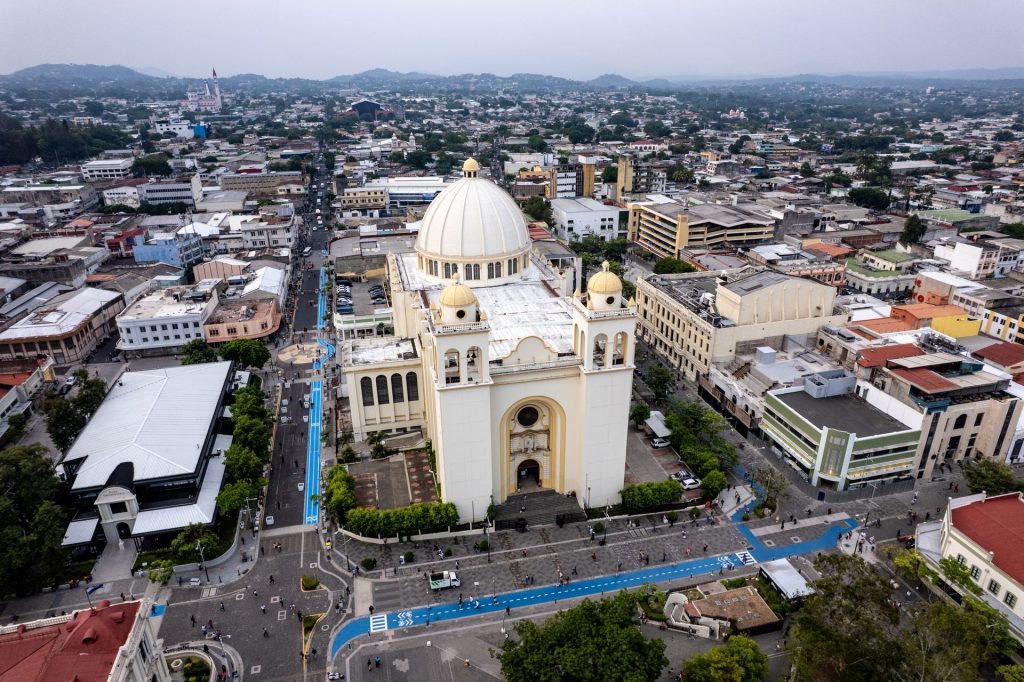
San Salvador

San Salvador

9 hostels · dorms from $8

The capital: museums, markets and the transport hub for everything.

Safe, safe, safe! Very nice landscape, several activities available, interesting cultural events, CHEAP, CHEAP, CHEAP!

A traveller, on Hostelworld
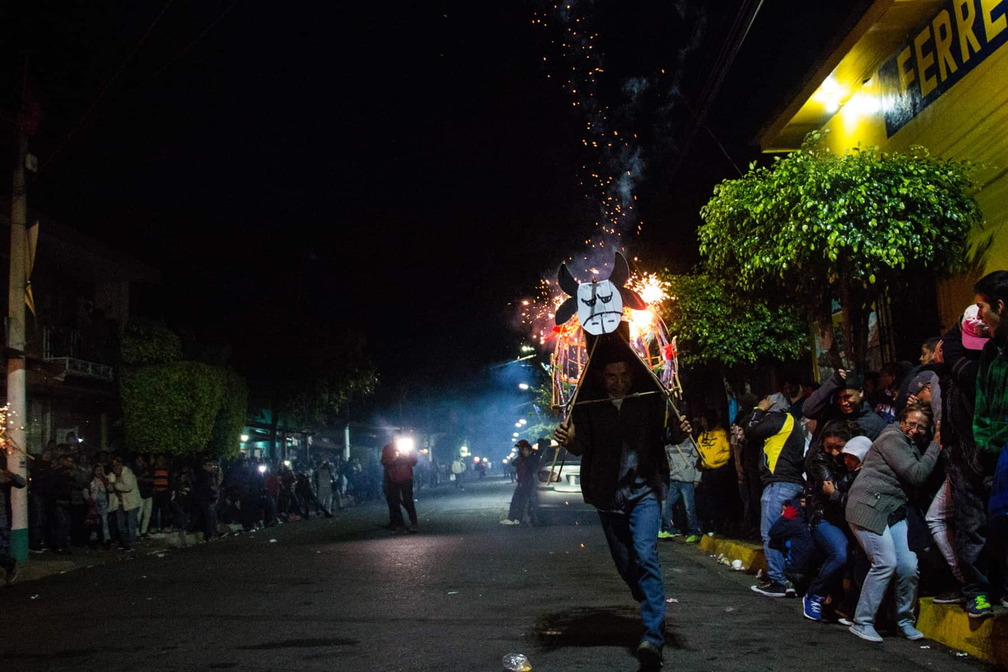
The San Salvador guide

What kind of trip is this?

El Salvador is a surf and volcano trip, and a short one by Central American standards.

Beach in El Salvador

Some of the best right-hand point breaks in the world.

What to do

  • Surf the point at El Tunco
  • A dawn session at Punta Roca
  • Sunset on black sand

Spots to visit

  • El Tunco
  • El Zonte
  • Punta Roca

Best cities for it

Things to do

Things to do in El Salvador

Surfing is the main draw. El Tunco is the backpacker base with a point break, board rental and schools; Punta Roca at La Libertad is the serious wave; El Zonte is quieter and where the Bitcoin Beach project started.

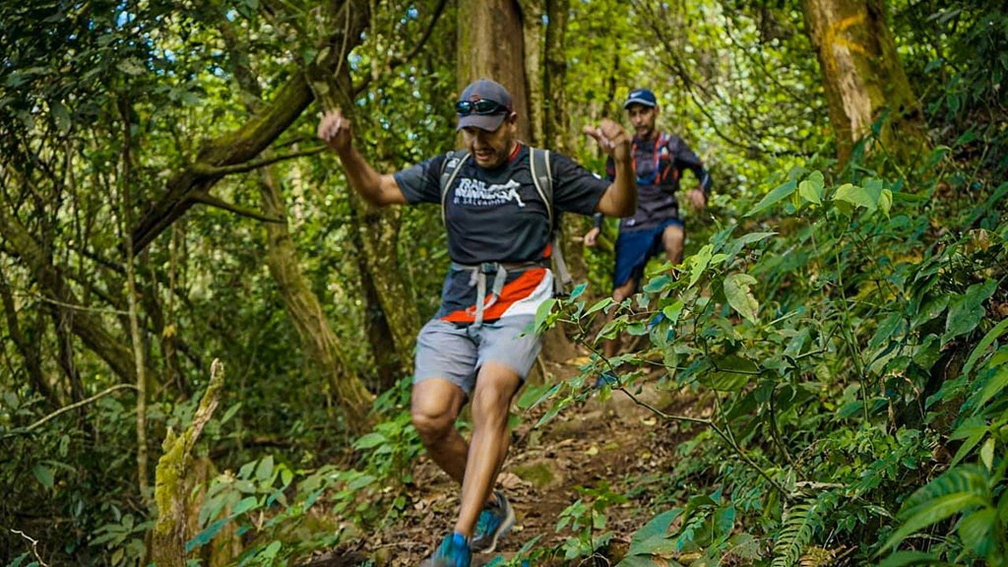
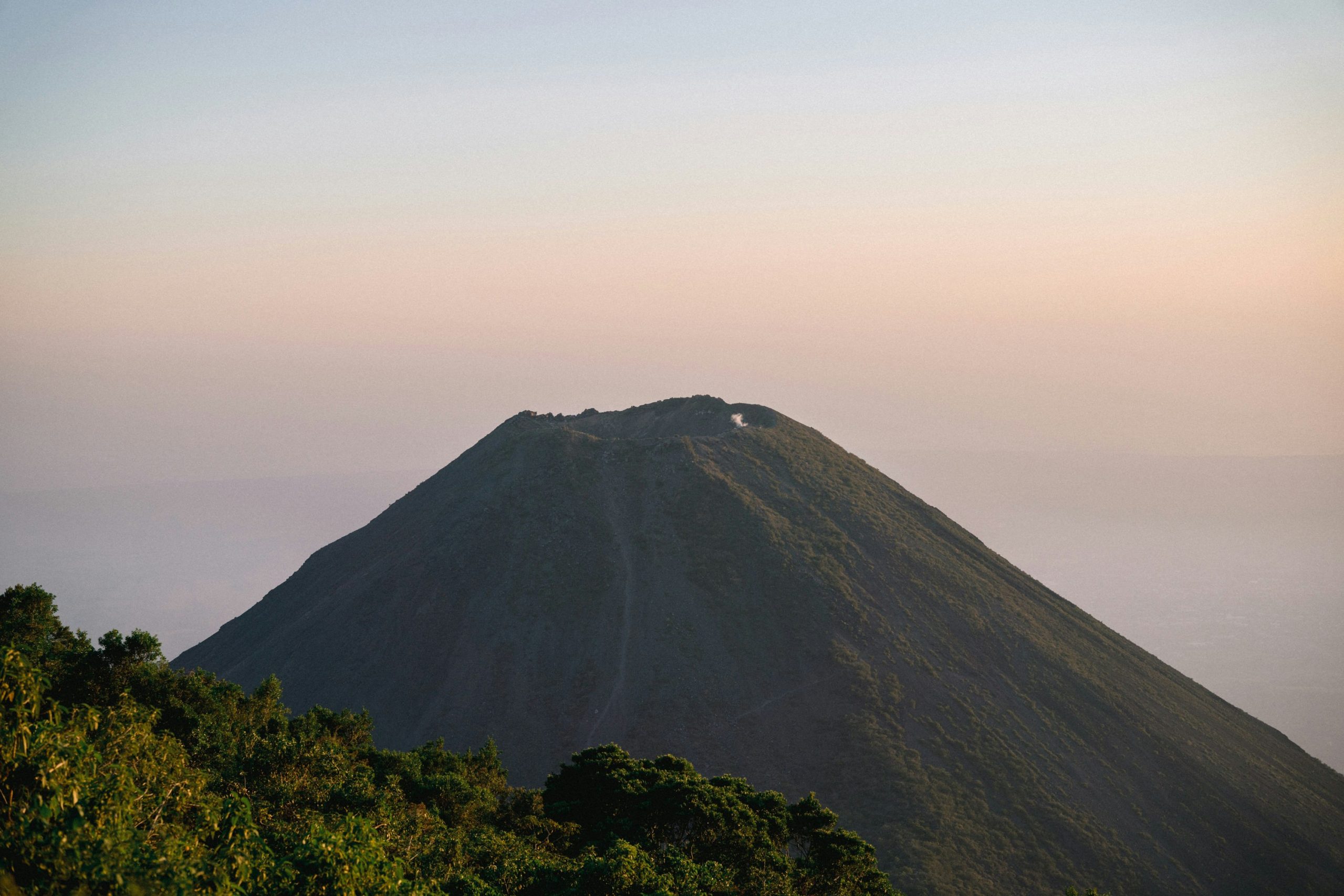
Santa Ana volcano — Ilamatepec — is the best hike in the country: a two-hour climb to a crater holding a turquoise sulphuric lake, done as a guided group departure each morning. The view takes in Izalco volcano and Lake Coatepeque below.

The Ruta de las Flores links highland towns along a mountain road, and Juayúa's weekend food fair is the reason to time a visit for Saturday or Sunday. Waterfall tours run from the same town.

Suchitoto is the colonial town worth an overnight, and Joya de Cerén is a farming village buried by ash in 600 AD and preserved — the Pompeii comparison is overused but apt.

Food and drink

Eating in El Salvador

Pupusas are the national dish and the national habit: thick corn tortillas stuffed with cheese, beans or pork, griddled and served with curtido, a pickled cabbage slaw. They cost €0.50 to €1 each, two or three is dinner, and pupuserías are everywhere.

Juayúa's weekend food fair on the Ruta de las Flores is the other food event, with grills set up across the square serving everything from rabbit to seafood.

The coast does seafood cheaply — ceviche, grilled fish and shrimp soup at La Libertad's fish market.

Coffee is grown on the highland slopes and is excellent, with fincas along the Ruta offering tours. Pilsener and Suprema are the beers, at €1 to €2.

Nightlife

Going out in El Salvador

El Tunco is the nightlife, such as it is: a handful of beach bars along one street, busiest at weekends when Salvadorans come down from San Salvador, and quiet midweek.

San Salvador has a real scene in the Zona Rosa and around Santa Tecla, aimed at locals rather than visitors, and it is where the country's actual nightlife happens.

Elsewhere, evenings are dinner and an early night — Santa Ana, Suchitoto and the Ruta towns all wind down early.

Beer is €1 to €2, and the sunset from the rocks at El Tunco with a cold Pilsener is the country's most reliable evening.

Getting around

Getting around El Salvador

The country is small enough that nothing takes long: San Salvador to El Tunco is an hour, to Santa Ana an hour and a half, to Suchitoto ninety minutes.

Chicken buses cover everything for well under a euro, and they are the standard local transport. They stop running around dusk, which shapes the day.

Tourist shuttles connect El Tunco, Santa Ana, Juayúa and the border crossings to Guatemala and Honduras, and cost €15 to €35 a leg.

Ride apps work in San Salvador and are cheap. Hiring a car is straightforward and roads are in better condition than in neighbouring countries, though driving after dark is generally discouraged.

Costs

What El Salvador costs

El Salvador is cheap. Dorms start around €10, pupusas are €0.50 to €1 each, a full meal is €4 to €8, and chicken buses cost pennies.

A day comes to €22 to €35.

The costs to plan for are surf lessons at €20 to €35, board rental at €8 to €15 a day, and the Santa Ana volcano hike with guide and transport at €15 to €30.

The country adopted the US dollar in 2001, which removes exchange questions. Bitcoin became legal tender in 2021 and the experiment has been scaled back since; in practice almost nobody uses it and dollars in cash are what you need, particularly outside San Salvador.

Safety

Staying safe in El Salvador

El Salvador's security situation has changed more dramatically than anywhere else in this guide. Homicide rates that were among the highest in the world have fallen sharply since 2019 under a security policy built on mass arrests, and a state of exception suspending certain constitutional rights has been in force since March 2022 and repeatedly extended.

That policy is internationally contested. Human rights organisations have documented arbitrary detention and deaths in custody, and both the drop in violence and those criticisms are real. Travellers should understand they are visiting a country under emergency powers.

In practice, travellers report feeling safe in the places they go — El Tunco, Santa Ana, the Ruta, Suchitoto — and government advice has been relaxed by several countries. Standard precautions still apply: avoid travelling between towns after dark, do not display valuables, and use ride apps in San Salvador.

Rip currents on the Pacific are strong and beaches have few lifeguards.

Entry and documents

Entry and documents

Most European, UK, US, Canadian and Australian citizens enter with a tourist card bought on arrival for around US$12, valid for 90 days.

El Salvador is part of the CA-4 agreement with Guatemala, Honduras and Nicaragua, so those 90 days are shared across all four countries and crossing between them does not reset the clock.

Passports need six months' validity. Land borders with Guatemala and Honduras are straightforward and used daily by shuttle services.

When to go

November to April is the dry season. Surfers should know that the biggest swell arrives in the wet season, from March to October.

32°
Jan
Dry season. Clear, hot and the best inland conditions
33°
Feb
Excellent. Dry and warm
34°
Mar
Hot and dry, and swell starting to build
34°
Apr
Very hot before the rains. Good surf
33°
May
Rains begin. Green, and the surf improves
31°
Jun
Afternoon storms and consistent swell
32°
Jul
A drier spell mid-season in some years
32°
Aug
Wet afternoons, and peak surf season
31°
Sep
Wettest month. Big swell, and roads can flood
31°
Oct
Still wet, easing at the end. Surf still good
31°
Nov
Dry season returns. Excellent all round
31°
Dec
Dry, clear and busy over the holidays
Bar height is temperature. Colour is how busy it gets: quiet busy peak

Average highs for San Salvador. The coast is hotter and more humid, the highland towns of the Ruta de las Flores are noticeably cooler, and the surf and dry seasons run opposite each other.

What your trip will cost

Pick how you travel and how long for. Per night, for one person, in US dollars, which is the currency here.

Surf lessons at $20–35, board rental at $8–15 a day and the Santa Ana volcano hike at $15–30 sit outside these figures.

—
  • Beds—
  • Food and drink—
  • Getting around—
  • Doing things—
What's on

What is on while you are there

The weekend food fair on the Ruta de las Flores runs all year and is the most reliable event here.

El Salvador travel questions

The ones we get asked most.

Is El Salvador safe now?
Homicide rates have fallen sharply since 2019 under a security policy built on mass arrests, and several governments have relaxed their travel advice as a result. A state of exception suspending certain constitutional rights has been in force since 2022, and human rights organisations have documented arbitrary detention and deaths in custody. Both things are true. Travellers generally report feeling safe in the places they visit; check your own government's current advice before booking.
What is the surf like?
Among the best right-hand point breaks in the world. El Tunco is the backpacker base with schools and rentals, Punta Roca at La Libertad is the serious wave, and El Zonte is quieter. The biggest swell runs March to October, which is also the rainy season.
How long do you need?
Ten days to two weeks. The country is small — San Salvador to El Tunco is an hour, to Santa Ana ninety minutes — so you can cover the coast, the volcano and the Ruta de las Flores without long travel days.
Is El Salvador cheap?
Yes. Dorms from €10, pupusas at €0.50 to €1 each, chicken buses for pennies, and a day around €22 to €35.
What are pupusas?
Thick corn tortillas stuffed with cheese, beans or pork, griddled and served with curtido, a pickled cabbage slaw. They are the national dish and the national habit, and two or three makes dinner for about €2.50.
Can I pay with Bitcoin?
Legally yes, since 2021, but in practice almost nobody does and the programme has been scaled back. The country runs on US dollars, and cash is what you need outside San Salvador.
Is the Santa Ana volcano hike hard?
Moderate — about two hours up on a guided morning departure, ending at a crater holding a turquoise sulphuric lake, with Izalco and Lake Coatepeque in view. It is the best hike in the country and costs €15 to €30 with transport.

Say yes to hostels, meet the world

Compare hostels across El Salvador — live prices, real reviews and free cancellation on most bookings. Then meet the people already there in the app.

Get the App. QRGet the App.
Get the App. QR  Get the App.
Scroll to Top