Downtown
History, food, ferriesBay Street, the forts, the Straw Market and the cruise port.

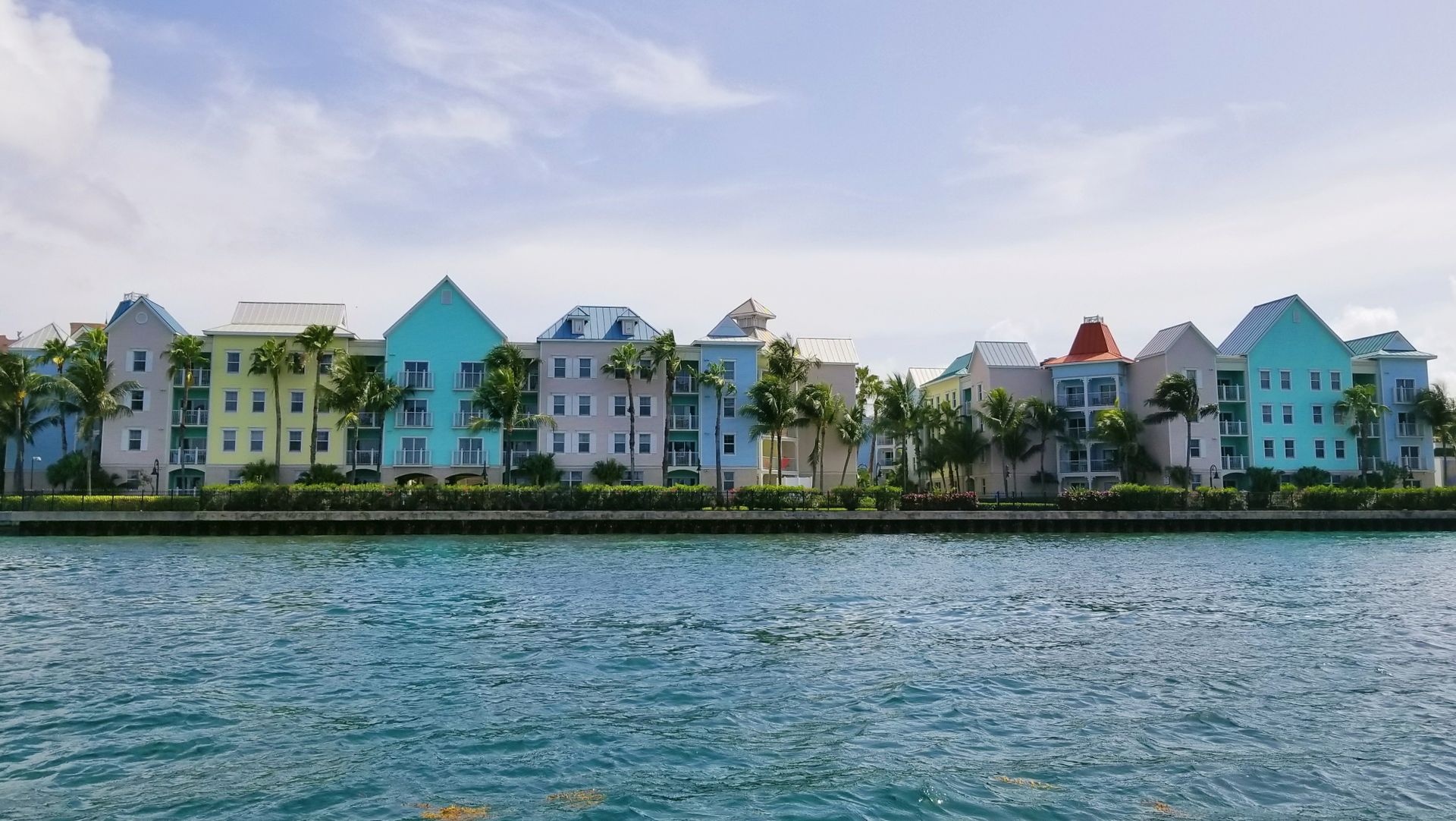
The Bahamian capital beyond the cruise port: pink colonial buildings, forts and the Queen's Staircase, conch salad and Kalik at the Arawak Cay fish fry, Junkanoo, and white-sand beaches a jitney ride away.
Nassau, on the small island of New Providence, is home to most Bahamians and the arrival point for almost every visitor. Cruise ships dock right in front of downtown, and on busy days the streets around Bay Street and the Straw Market fill with day-trippers. Step a few blocks back, though, and you find pastel colonial buildings, old forts, churches and local life.
The history is everywhere: the pink government buildings of Parliament Square, the Queen's Staircase carved out of limestone by enslaved people in the late 1700s, and forts built to guard the harbour against pirates and rival navies. In the evenings, Bahamians gather at the fish fry at Arawak Cay, a strip of colourful shacks serving conch salad, fried snapper and cold Kalik beer. At Christmas and New Year, Junkanoo fills Bay Street with costumed parades from the early hours.
The beaches are close: Junkanoo Beach is next to downtown, Cable Beach is along the north coast to the west, and Cabbage Beach on Paradise Island is public, even though it sits next to the resorts. Give Nassau two or three days, then use it as the hub for flights, fast ferries and mail boats to the Out Islands.
Downtown for history, food and ferries, Cable Beach for a long beach on the jitney route, or Paradise Island for resorts and Cabbage Beach.
Bay Street, the forts, the Straw Market and the cruise port.
A long beach west of downtown, with hotels and restaurants.
Across the bridge from downtown, with public beaches.
Orange labels are neighbourhoods, dots are the 2 top-rated hostels. Map data from OpenStreetMap contributors.
Start downtown at Parliament Square and its pink colonial buildings, then walk up to the Queen's Staircase, 66 steps cut into the limestone, and Fort Fincastle at the top, with views over the harbour. Fort Charlotte, west of the centre, is the biggest of the forts, with dungeons and tunnels.
Learn about the city's past at the Pirates of Nassau museum and the National Art Gallery of the Bahamas, in a restored mansion. See how rum is made at John Watling's Distillery, in an 18th-century estate. Browse the Straw Market for crafts, but compare prices. Clifton Heritage National Park, on the west of the island, has plantation ruins, a slave history trail and snorkelling.
Spend an afternoon at Cable Beach or Cabbage Beach, and take a boat to Rose Island or a full-day trip to the Exuma Cays. In the evening, eat at the Arawak Cay fish fry.
All beaches in the Bahamas are public, so Junkanoo Beach, Cable Beach and Cabbage Beach on Paradise Island are free, even next to the resorts.
The Queen's Staircase, Parliament Square and the downtown streets cost nothing. Watching the cruise ships, the harbour and the Junkanoo parades on Bay Street is free.
The fish fry at Arawak Cay is free to wander, and the food is the cheapest in town.
Conch is the national food: try conch salad, chopped raw with lime, tomato, onion and peppers, made in front of you; cracked conch, fried; and conch fritters. The Arawak Cay fish fry is the place to try it, along with fried snapper, peas and rice, and Bahamian macaroni and cheese, a baked dish you cut into slices.
For breakfast, locals eat boil fish or chicken souse with johnnycake. Guava duff is the classic dessert.
Kalik and Sands are the local beers. Restaurant meals carry 10 per cent VAT, and many add a service charge of 15 per cent or more, so check the bill before tipping.
The fish fry at Arawak Cay is Nassau's best night out, with music, food and Kalik, busiest on Friday nights. Downtown has a few bars, and Paradise Island has casinos and resort bars at resort prices.
Rake and scrape, Bahamian music played with a saw, goatskin drum and accordion, turns up in local bars.
Junkanoo, on Boxing Day and New Year's Day, starts at around 2am and runs until after sunrise. Use taxis at night.
Lynden Pindling International Airport is about 25 minutes west of downtown by taxi. Taxis are not metered for most trips; fares are set by zone, so agree the price before you get in.
Jitneys, the local minibuses, run from downtown along the main roads, including to Cable Beach, during the day. They are cheap and paid in cash, and stop running in the early evening. Water taxis cross to Paradise Island.
Flights, fast ferries and mail boats to the Out Islands leave from Nassau. Driving is on the left.
Nassau is expensive, because almost everything is imported. Dorm beds start at around €40 a night, and are the cheapest beds in the country. Restaurant mains cost €22 to €40, plus VAT and service.
The savings are real but limited: eat at the fish fry and takeaway shacks, use jitneys rather than taxis, and buy groceries.
The Bahamian dollar is fixed one to one with the US dollar, and both are used everywhere. Change often comes in Bahamian dollars, which are hard to exchange outside the country.
Downtown, the waterfront, Cable Beach and Paradise Island are generally fine by day. Some neighbourhoods have high crime rates, especially south of downtown in the area known as Over the Hill, and several governments warn about them. Avoid walking at night and use taxis after dark.
Jet ski rentals have a long record of disputes and injuries; avoid them or book through your accommodation. Agree taxi fares before the ride.
Hurricane season runs from June to November. In an emergency, call 911 or 919.
Boat trips and the Out Islands.
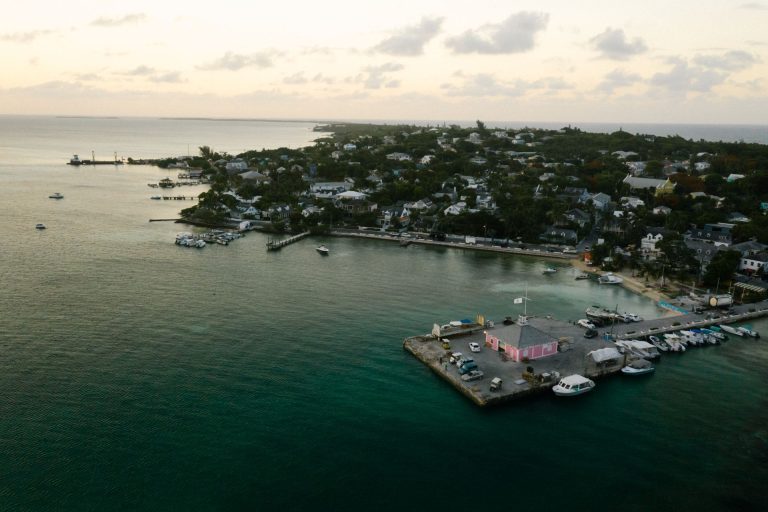
Pink sand and the Glass Window Bridge.
Junkanoo, the fish fry and regatta season.
Costumed parades with drums, cowbells and brass from around 2am.
Nassau's best value night out.
Celebrations for independence in 1973.
What is bookable in Nassau, live from Hostelworld. Prices and availability are live on each property page.
December to April is the dry season, sunny and comfortable, and the busiest and most expensive. Spring break fills Nassau in March. Hurricane season runs from June to November, peaking in September and October.
Average highs for Nassau, rounded. Warm all year.
Per night, for one person, based on Nassau prices.
Treat these as a guide. Boat trips and flights to the Out Islands cost extra.
The ones we get asked most.

Compare places to stay across the Bahamas: live prices, real reviews and free cancellation on most bookings. Then meet the people already there in the app.

 Get the App.




 Get the App.