Quepos
Hostels, cheaper foodThe port town.

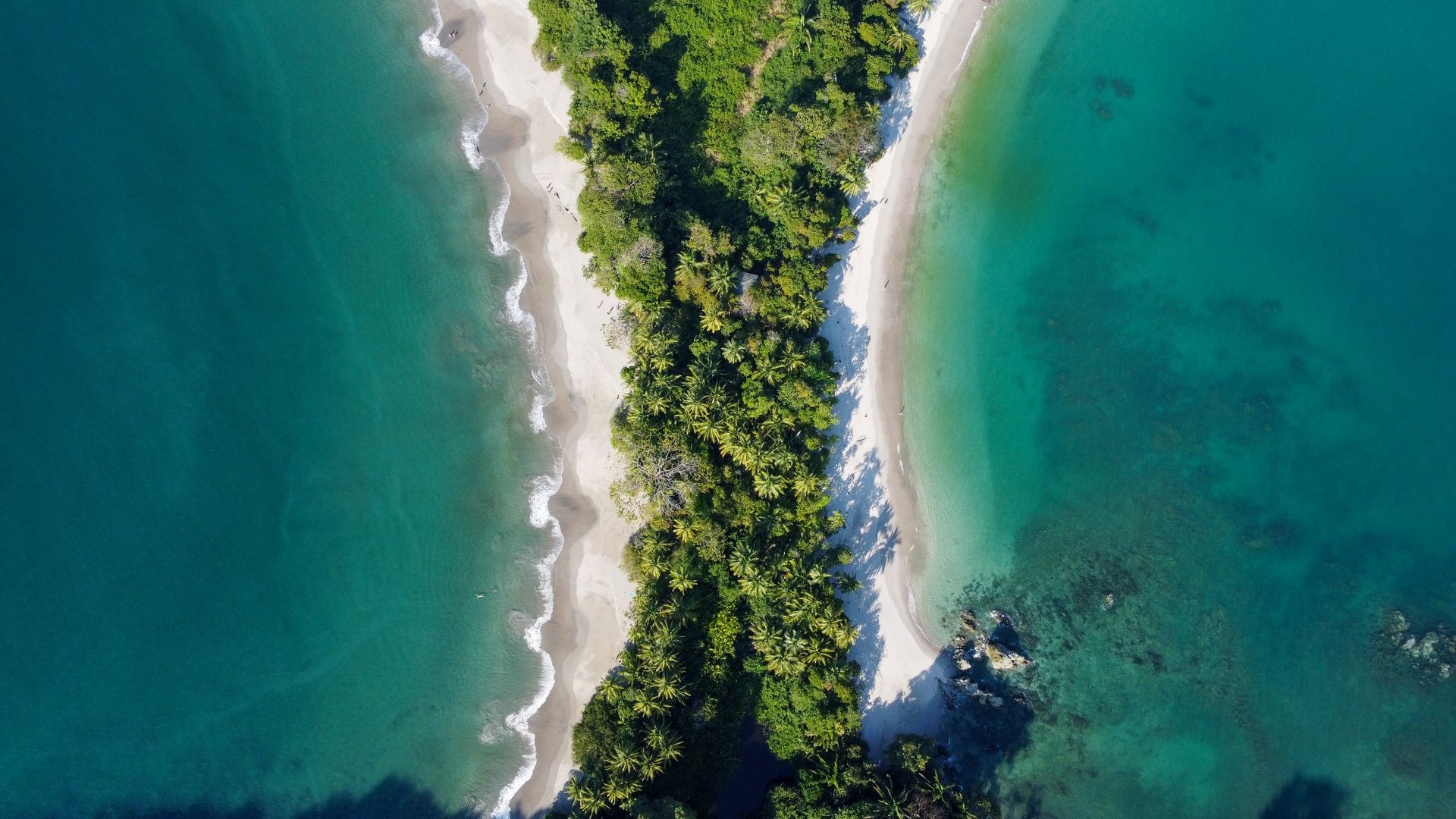
A small national park where rainforest meets white-sand beaches: sloths, capuchin and squirrel monkeys, iguanas and coatis, coves for swimming, and the town of Quepos for food and boat trips.
Manuel Antonio National Park is one of the smallest national parks in Costa Rica, and one of the most visited. In a small area on the central Pacific coast, it combines rainforest trails, rocky points and some of the prettiest beaches in the country, and it is one of the easiest places to see wildlife: sloths, capuchin and squirrel monkeys, iguanas, coatis and many birds.
The park is closed on Tuesdays, caps daily visitors and must be booked online in advance. A guide is worth it, as they spot animals you would otherwise walk past.
The area outside the park has a road of hotels, restaurants and bars climbing the hill between the park and Quepos, a working port town with cheaper food and accommodation. Boat trips, mangrove kayaking, rafting and sportfishing leave from Quepos. Give Manuel Antonio two or three days.
Quepos for hostels and cheaper food, the hill road for views, or near the park entrance for early starts.
The port town.
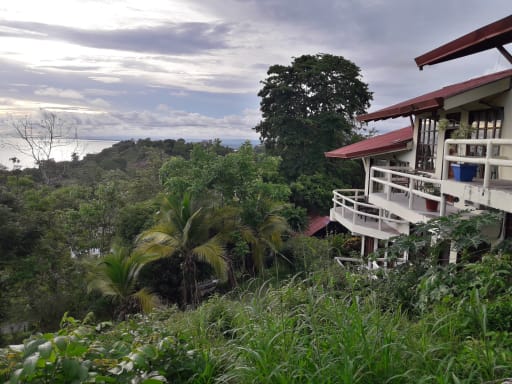
Hotels and restaurants on the hill.
By Playa Espadilla.
Orange labels are neighbourhoods, dots are the 7 top-rated hostels. Map data from OpenStreetMap contributors.
Visit Manuel Antonio National Park early in the morning, with a guide, to see sloths, monkeys and birds, then swim at Playa Manuel Antonio and Playa Espadilla Sur inside the park. Walk the trail to Punta Catedral for views.
Spend an afternoon at Playa Espadilla, the public beach outside the park. Take a catamaran trip along the coast, kayak through the Damas Island mangroves, or raft the Savegre or Naranjo rivers.
In Quepos, walk the marina and eat at the local sodas.
Playa Espadilla, outside the park, is a public beach and free. Watching the sunset from the beaches or the hill costs nothing, and monkeys and sloths are often seen in the trees along the road.
The Quepos marina and town are free to explore.
The national park charges about €16 for foreign adults.
Quepos has the cheapest food, with sodas serving casados and fresh fish for €6 to €10. The hill road has restaurants with views, at higher prices.
Try ceviche, fresh tuna and mahi-mahi.
Restaurant bills add 13 per cent tax and a 10 per cent service charge, so check whether menu prices include them; an extra tip is optional.
Manuel Antonio has a handful of bars on the hill road and in Quepos, some with live music, and it is known for its LGBTQ+-friendly scene.
Sunset drinks with a view are the main event.
Cocktails cost €6 to €10.
Public buses run from San José to Quepos and Manuel Antonio in around three to four hours, and shuttles cost €45 to €70. Small planes fly to Quepos.
A local bus runs along the hill road between Quepos and the park entrance every few minutes.
Parking near the park is limited; the bus is easier.
Manuel Antonio is expensive, but Quepos is cheaper. Dorm beds start at around €15 to €25 a night. Casados cost €6 to €10.
Park entry costs about €16, guides around €25 to €40, and boat trips €60 to €90.
US dollars are accepted everywhere alongside colones.
Manuel Antonio is generally safe. Never leave belongings on the beach; theft is common, and monkeys and raccoons also steal food and bags. Do not feed wildlife, as it has made some animals aggressive.
Playa Espadilla has strong rip currents; swim near the lifeguards.
Beware of unofficial 'guides' and parking touts near the park entrance; book guides through your accommodation or official operators. In an emergency, call 911.
Rivers, mangroves and coast.
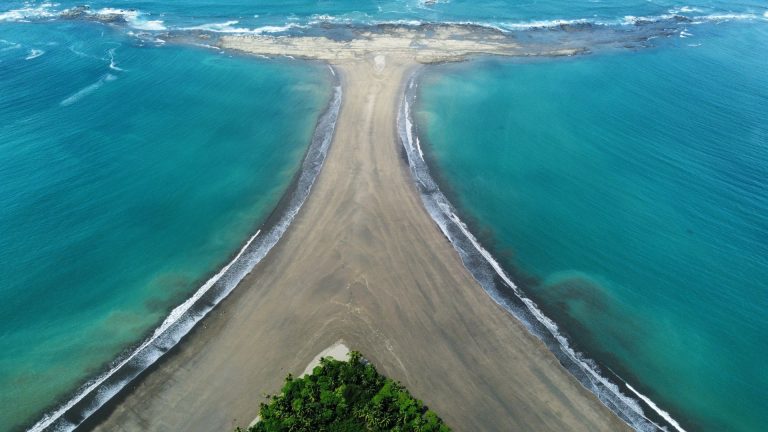
The whale-tail beach.
Whale season and the dry season.
Sunny and busy.
The busiest week of the year.
The highest-rated hostels in Manuel Antonio, live from Hostelworld. Prices and availability are live on each property page.
 Sustainable
December to April is the dry season, busiest and most expensive. The green season, from May to November, brings afternoon rain and fewer crowds. September and October are the wettest months.
Average highs, rounded. Hot and humid.
Per night, for one person, based on Manuel Antonio prices.
Treat these as a guide. Park entry and tours cost extra.
The ones we get asked most.

Compare hostels across Costa Rica: live prices, real reviews and free cancellation on most bookings. Then meet the people already there in the app.

 Get the App.



 Get the App.