Tortuguero village
Hostels, foodThe village between the sea and canal.

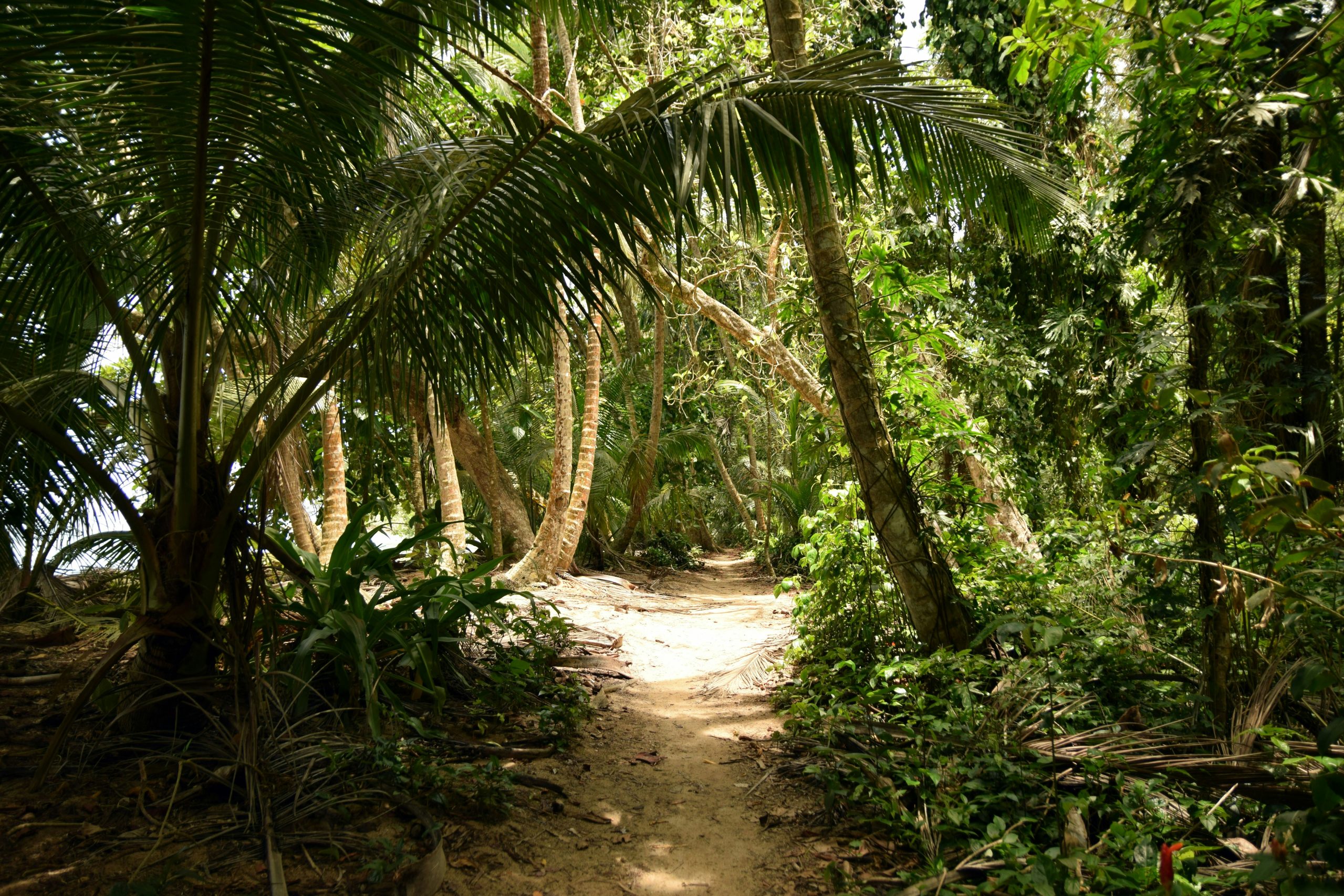
A village on the Caribbean coast reached only by boat or plane: canals through the rainforest full of monkeys, caimans and birds, and one of the most important nesting beaches for green sea turtles in the world.
Tortuguero is a small village on a strip of land between the Caribbean Sea and a network of canals and lagoons, in the north-east of Costa Rica. There are no roads: everyone arrives by boat or small plane, and the village has sandy paths instead of streets.
Its name means 'turtle catcher', and Tortuguero National Park protects one of the most important nesting beaches for green sea turtles in the Western Hemisphere. From July to October, thousands of turtles come ashore at night to lay their eggs, and leatherbacks nest earlier in the year. Visitors can watch only on guided night tours, following strict rules.
The rest of the year, the canals are the attraction. Early morning boat and canoe tours glide through the rainforest past howler and spider monkeys, sloths, caimans, river otters and herons. The park must be booked online in advance. Give Tortuguero two or three nights.
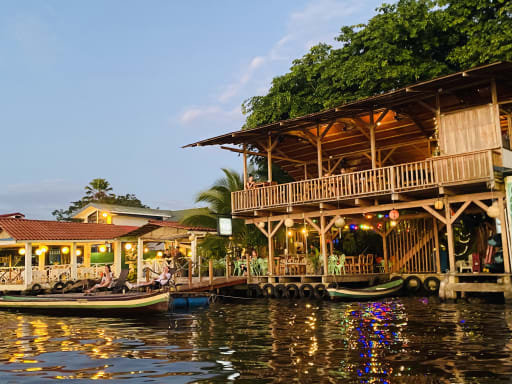
In the village for hostels and cheaper food, or in lodges across the canal for packages with tours.
The village between the sea and canal.
Lodges with tour packages.
Orange labels are neighbourhoods, dots are the 5 top-rated hostels. Map data from OpenStreetMap contributors.
Take an early morning boat or canoe tour through the canals of Tortuguero National Park, when wildlife is most active, to see monkeys, sloths, caimans, otters and birds. Walk the park's short land trail, wearing rubber boots.
Between July and October, join a guided night tour to watch green turtles nesting, and from late February to April, look for leatherbacks. Visit the Sea Turtle Conservancy's visitor centre to learn about the turtle research that started here in 1959.
Hike Cerro Tortuguero, a small hill with views over the canals and sea, and walk the village and its beach.
Walking the village and the beach outside the park is free, though swimming is dangerous here.
Wildlife is often seen around the village.
The national park, guided tours and turtle tours are paid.
Food in the village is Caribbean: rice and beans in coconut milk, fish and chicken in Caribbean sauce, and fresh bread. Sodas serve plates for €6 to €10.
Lodges usually include meals.
Restaurant bills add 13 per cent tax and a 10 per cent service charge, so check whether menu prices include them; an extra tip is optional.
Nightlife is a couple of small bars in the village. Most people are in bed early for morning tours, or out on turtle tours.
The village is quiet and friendly.
No lights or flash photography are allowed on the beach at night during nesting season.
Tortuguero has no road access. The classic route is a bus from San José to Cariari and La Pavona, then a boat up the canals, taking most of a day; shuttle and boat packages make it easy. Small planes fly from San José.
In the village, everything is on foot.
Book the national park and turtle tours in advance.
Hostels and guesthouses in the village start at around €12 to €22 a night. Lodges with packages cost much more.
Park entry costs about €15, canal tours about €20 to €35, and turtle tours about €25 to €35.
Bring enough cash; there is only one cash machine, which can run out.
Tortuguero is very safe. The sea is not: strong currents and rip tides make swimming dangerous, so do not swim at the beach.
Do not swim in the canals, where caimans and crocodiles live.
Follow turtle tour rules: no lights, no flash and keep your distance. In an emergency, call 911.
Turtle seasons.
Thousands of green turtles nest at night.
The largest sea turtles.
The highest-rated hostels in Tortuguero, live from Hostelworld. Prices and availability are live on each property page.

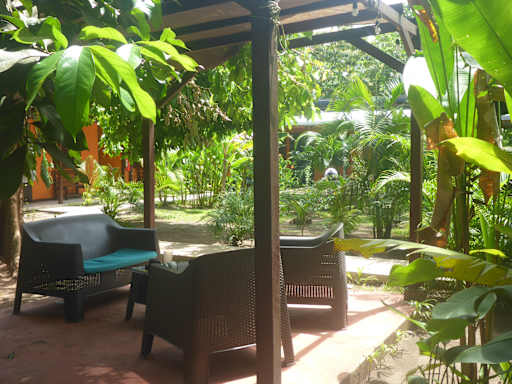
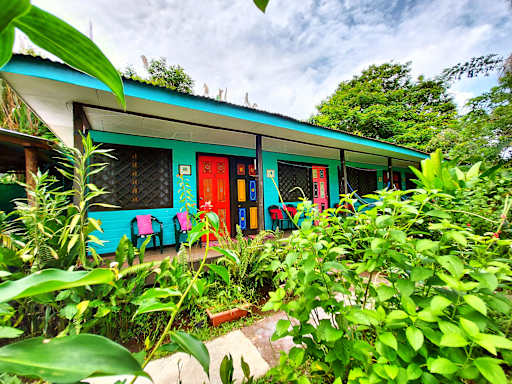
Tortuguero is wet all year. July to October is green turtle season, and the busiest time. February to April is drier, with leatherbacks nesting. December and January can be very wet.
Average highs, rounded. Rain is possible every month.
Per night, for one person, based on Tortuguero prices.
Treat these as a guide. Tours and park entry cost extra.
The ones we get asked most.

Compare hostels across Costa Rica: live prices, real reviews and free cancellation on most bookings. Then meet the people already there in the app.

 Get the App.



 Get the App.