Zona 10 and 14
Restaurants, safetyThe upmarket south.

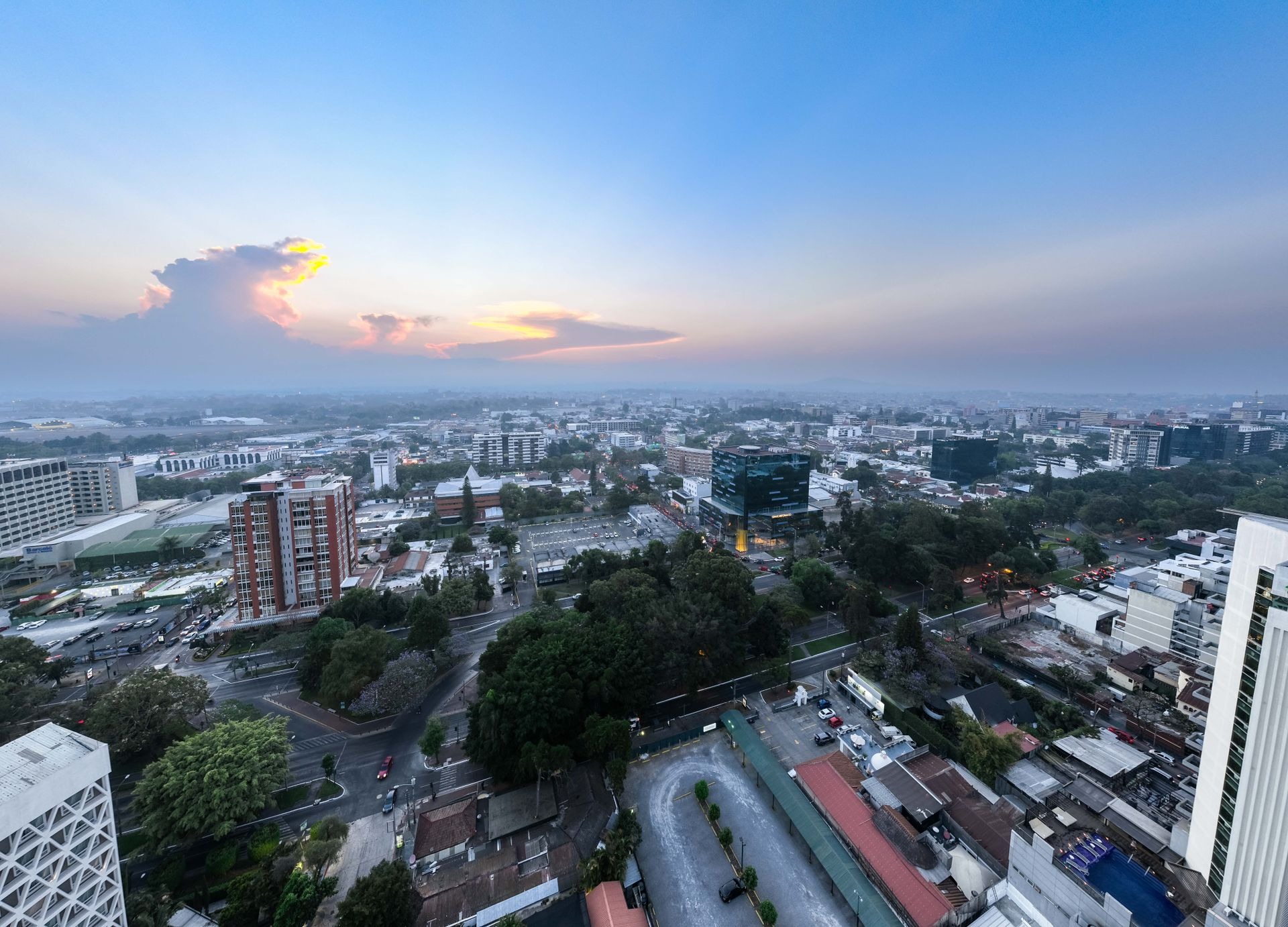
Central America's largest city, and the country's main gateway: the Palacio Nacional and the pedestrian Sexta Avenida, the Maya treasures of the Popol Vuh and national archaeology museums, a giant relief map, and the restaurants of Zona 4 and Zona 10.
Guatemala City, called Guate by Guatemalans, is the capital and the largest city in Central America, home to around three million people in its metropolitan area. It has a reputation for crime, and most travellers head straight from the airport to Antigua, but a day or two in the right areas shows a different side of the country.
The Centro Histórico in Zona 1 has the Palacio Nacional de la Cultura, the cathedral, the Mercado Central and the Paseo de la Sexta, a pedestrianised avenue. In Zona 2, the Mapa en Relieve is a huge outdoor relief map of the country, built in 1905.
The best museums for Maya history are here: the Museo Popol Vuh and the Museo Ixchel of textiles, and the national archaeology museum. Zona 4 has been revived with cafes, galleries and bars, and Zona 10 has the city's restaurants and nightlife. The airport is in the city, so it is convenient for the first or last night. Give it one or two days.
Zona 10 and Zona 14 for restaurants and safety, Zona 4 for cafes and bars, or near the airport in Zona 13 for early flights.
The upmarket south.
The revived arts district.
Near La Aurora airport.
The Centro Histórico.
Orange labels are neighbourhoods, dots are the 6 top-rated hostels. Map data from OpenStreetMap contributors.
Visit the Centro Histórico by day: the Palacio Nacional de la Cultura, with its murals and courtyards, the Catedral Metropolitana and the Mercado Central for textiles and crafts. Walk the Paseo de la Sexta, and see the Mapa en Relieve, a giant relief map of Guatemala.
Spend an afternoon at the Museo Popol Vuh and the Museo Ixchel, side by side on a university campus in Zona 10, and at the national archaeology museum near the airport. Visit Kaminaljuyú, the remains of an early Maya city now surrounded by the capital.
In the evening, eat and drink in Zona 4's Cuatro Grados Norte or Zona 10's Zona Viva.
Walking the Paseo de la Sexta, the main square and the cathedral costs nothing by day.
The Mercado Central is free to browse, and Zona 4's street art is free to see.
The Palacio Nacional, the museums and the relief map charge small fees.
Guatemala City has the best restaurants in the country, in Zona 10, Zona 14 and Zona 4. Comedores and markets serve set lunches for €3 to €5, and Pollo Campero, the Guatemalan fried chicken chain, is a national institution.
Try pepián, chuchitos and shucos, Guatemalan hot dogs.
A 10 per cent tip is customary in restaurants, and is sometimes already added to the bill.
Zona 10's Zona Viva has clubs and bars, and Zona 4's Cuatro Grados Norte has craft beer, cocktail bars and live music, popular with young Guatemalans.
Use Uber or a booked taxi at night; do not walk between areas.
Beer costs €2 to €4.
La Aurora International Airport is in the city, about 15 to 30 minutes from Zona 10 by Uber or taxi, depending on traffic. Shuttles go straight to Antigua in about an hour.
Use Uber or booked taxis rather than city buses. The TransMetro bus lines are safer than ordinary buses, but crowded.
Traffic is heavy at rush hour.
Hostels and guesthouses start at around €10 to €20 a night. Comedor lunches cost €3 to €5, and restaurant meals in Zona 10 €10 to €20.
Museums cost a few euros each, and Uber trips across the city a few euros more.
Cards work in most places.
Guatemala City has high levels of crime, including armed robbery. Stay in Zona 10, Zona 14, Zona 4 or near the airport, visit the Centro Histórico by day, and do not walk at night.
Use Uber or booked taxis, never ordinary city buses, and keep phones and valuables out of sight. Do not resist if robbed.
Do not drink the tap water; bottled and purified water is cheap everywhere. In an emergency, call 110 for the police, or 1500 for PROATUR, the tourist assistance line.
Antigua, volcanoes and the lake.
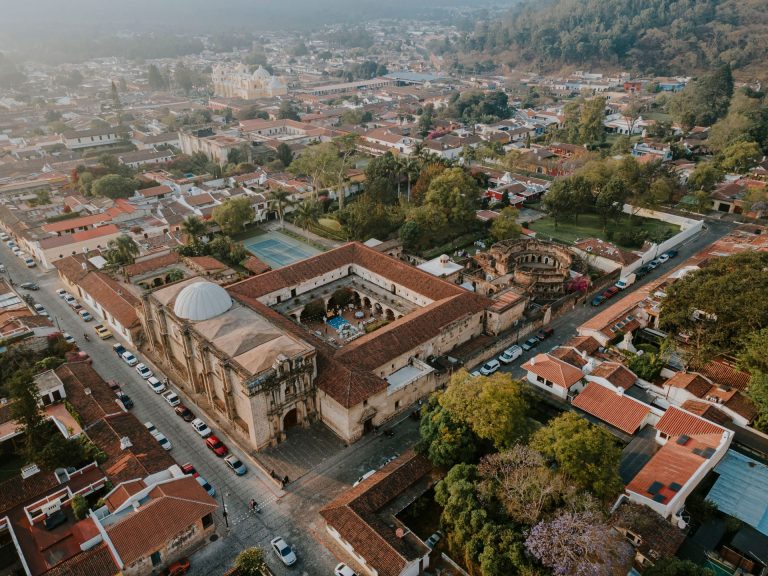
Colonial town.
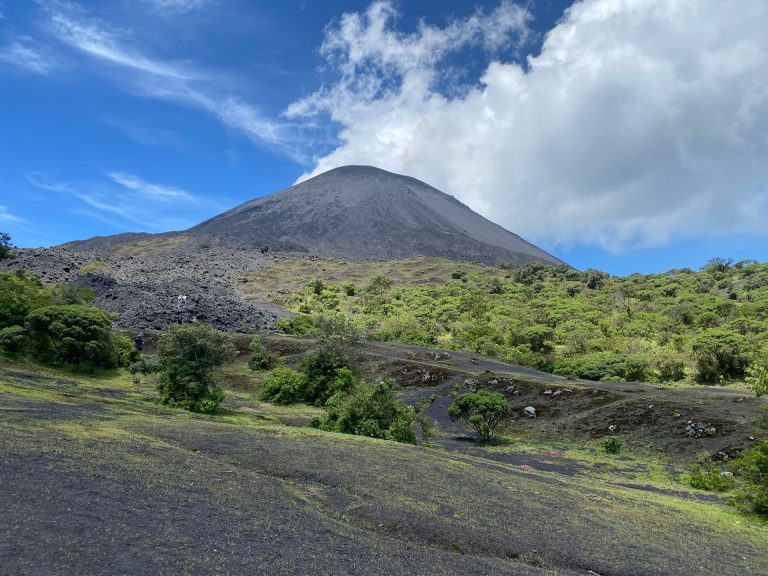
An active volcano.
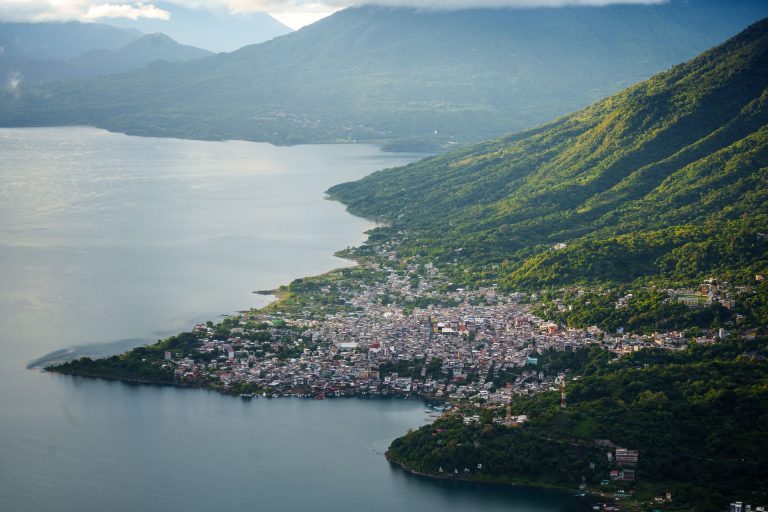
Villages and boats.
Festivals and holidays.
Torch runners and parades.
Processions in Zona 1.
Bonfires to burn the devil.
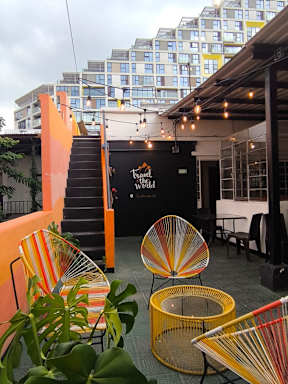
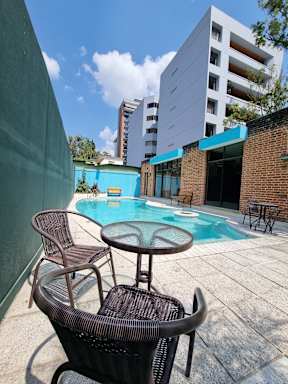
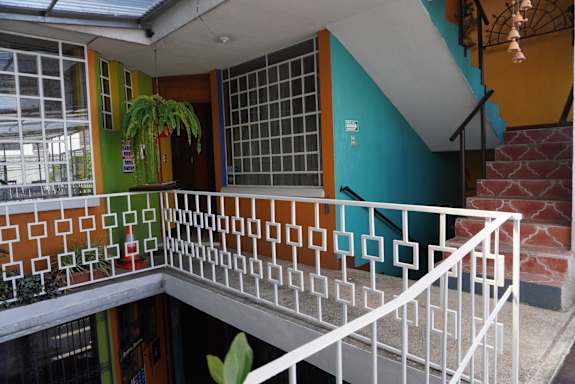
The highest-rated hostels in Guatemala City, live from Hostelworld. Prices and availability are live on each property page.

November to April is the dry season. May to October brings afternoon storms. The city has a mild climate all year.
Average highs, rounded. Mild, with cool nights.
Per night, for one person, based on Guatemala City prices.
Treat these as a guide. Uber trips cost extra.
The ones we get asked most.

Compare hostels across Guatemala: live prices, real reviews and free cancellation on most bookings. Then meet the people already there in the app.

 Get the App.



 Get the App.