Woodbrook
Bars, foodAround Ariapita Avenue.

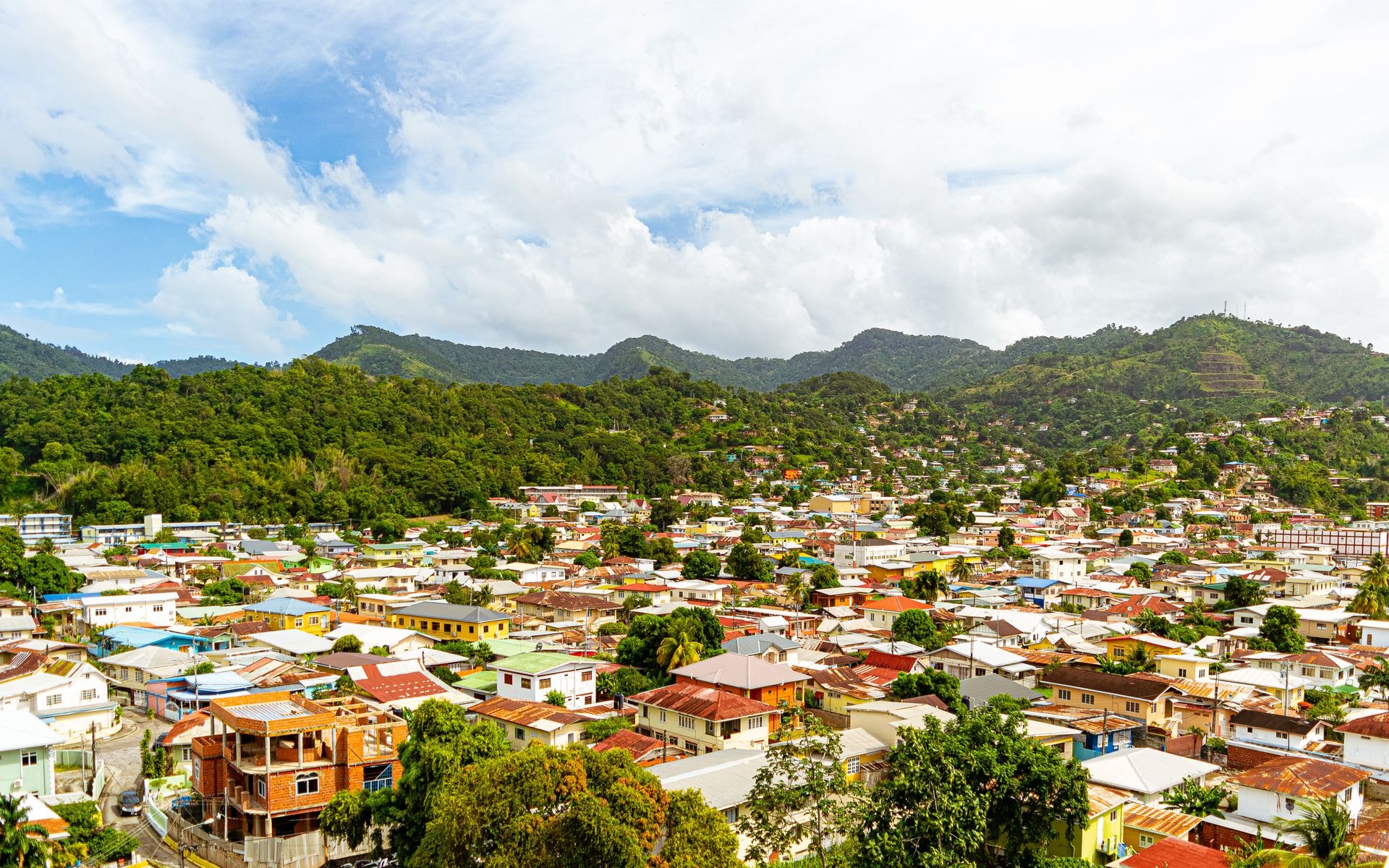
Trinidad's capital and the home of the Caribbean's biggest carnival: steelpan in the panyards, doubles for breakfast, bars along Ariapita Avenue, scarlet ibis at Caroni Swamp and bake and shark on Maracas Bay.
Port of Spain is the capital of Trinidad and Tobago, on the Gulf of Paria in Trinidad's north-west. It is a busy, working city rather than a resort, and its people, food and music reflect a mix of African, Indian, European, Chinese and Middle Eastern heritage.
It is the centre of Carnival, which builds from January with fetes, calypso shows and steelband rehearsals, and peaks on the Monday and Tuesday before Ash Wednesday with J'ouvert at dawn and the parade of the mas bands. Steelpan, the only acoustic instrument invented in the 20th century, was born in the city's yards.
The best day trips are close: Maracas Bay over the Northern Range, and Caroni Swamp for the scarlet ibis at dusk. Give Port of Spain three days, or a week at Carnival.
Woodbrook, around Ariapita Avenue, for bars, food and guesthouses; St Clair and the area around the Savannah for quieter streets.
Around Ariapita Avenue.
Leafy streets west of the Savannah.
Around Queen's Park Savannah.
North of the city, towards Maracas.
Map data from OpenStreetMap contributors.
Walk around the Queen's Park Savannah, the heart of Carnival, past the Magnificent Seven, a row of grand colonial mansions, and into the Royal Botanic Gardens. Climb to Fort George for views over the city and the gulf.
Visit a panyard to hear a steelband rehearse, especially in the weeks before Carnival. Eat your way through the city's street food, and spend an evening on Ariapita Avenue.
Take a boat through Caroni Swamp at dusk to watch thousands of scarlet ibis, the national bird, fly in to roost. Drive over the mountains to Maracas Bay for a swim and bake and shark, and visit Chaguaramas for its boardwalk and boat trips to the islands Down the Islands.
The Savannah, the Botanic Gardens and the Magnificent Seven are free to see. Listening to panyard rehearsals costs nothing.
Maracas Bay is a public beach, with a small parking fee.
Caroni Swamp tours, fetes and Carnival bands charge.
Doubles, curried chickpeas between two pieces of fried bara bread, cost €1 to €2 and are eaten for breakfast; ask for slight pepper. Try roti, pholourie, corn soup at night around the Savannah, and bake and shark at Maracas Bay for €5 to €8.
Restaurant mains cost €12 to €25.
The local drinks are Carib and Stag beer, rum punch and anything with Angostura bitters. A 10 to 15 per cent tip is usual in restaurants; check the bill first, as some add a service charge.
Ariapita Avenue in Woodbrook is the bar and restaurant strip, busy from Thursday to Saturday. In Carnival season, from January, fetes, large outdoor parties with soca, run most weekends; many are all-inclusive.
A beer costs €2 to €4.
Carnival tickets and fetes sell out fast; buy through official sellers.
Piarco International Airport is about 30 to 60 minutes from the centre, depending on traffic. Use a registered airport taxi or a pre-arranged driver.
Maxi taxis (minibuses colour-coded by route) and route taxis (shared cars with H number plates) are cheap; avoid unmarked cars. Take arranged transport after dark.
The inter-island ferry and flights connect with Tobago.
Guesthouse rooms and the few hostel beds start at around €25 to €50 a night, outside Carnival. Doubles cost €1 to €2, and a local meal €5 to €10.
A Caroni Swamp tour costs about €12 to €20, fetes €50 to €125 each, and a Carnival costume €380 to €1,000. At Carnival, rooms cost several times more and book a year ahead.
The currency is the Trinidad and Tobago dollar (TT$); prices here are converted to euros at roughly TT to €1. Cards work in most places; carry cash for street food and maxi taxis.
Trinidad has high levels of violent crime, mostly between gangs, but visitors can be affected. Avoid Laventille, Beetham, Sea Lots and the east of the city, do not walk around at night, and use arranged transport after dark. A state of emergency was in place for much of 2026; check the latest advice.
At Carnival, crowds are huge and pickpockets work them; carry little and stay with friends. Rip currents at Maracas Bay are strong; swim near the lifeguards.
Tap water is generally safe, but many people drink bottled water, especially after heavy rain. In an emergency, call 999 for the police, 990 for the fire service or 811 for an ambulance.
Birds, beaches and the Northern Range.
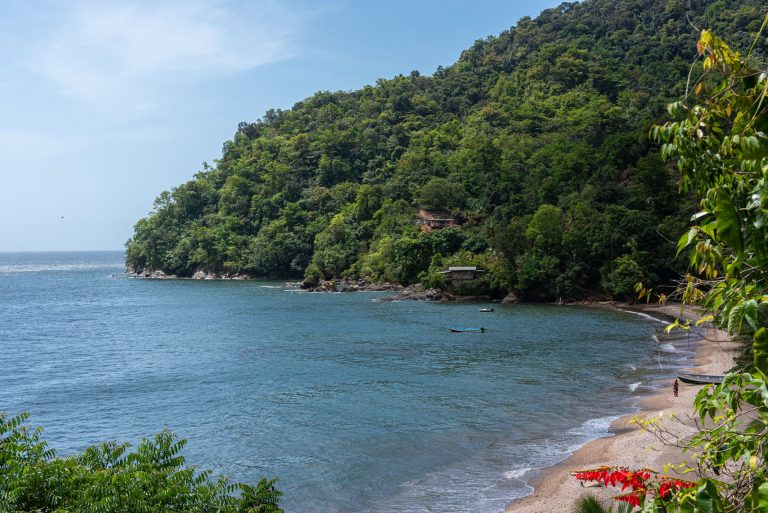
Beach and bake and shark.
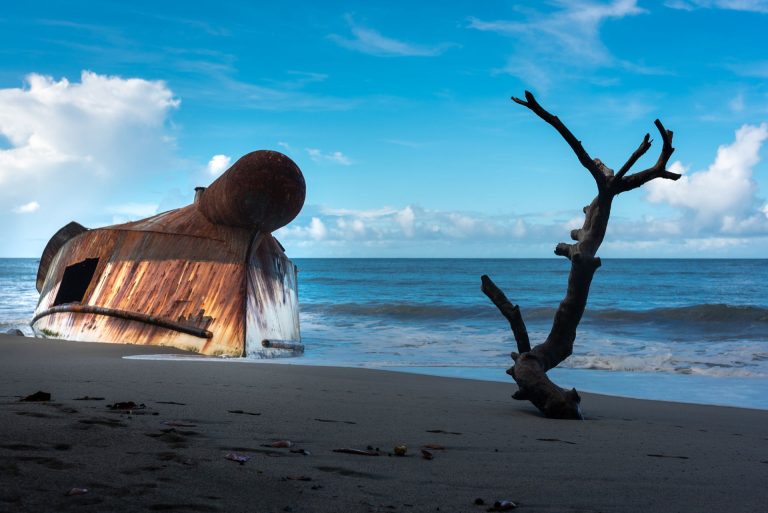
Leatherback turtles.
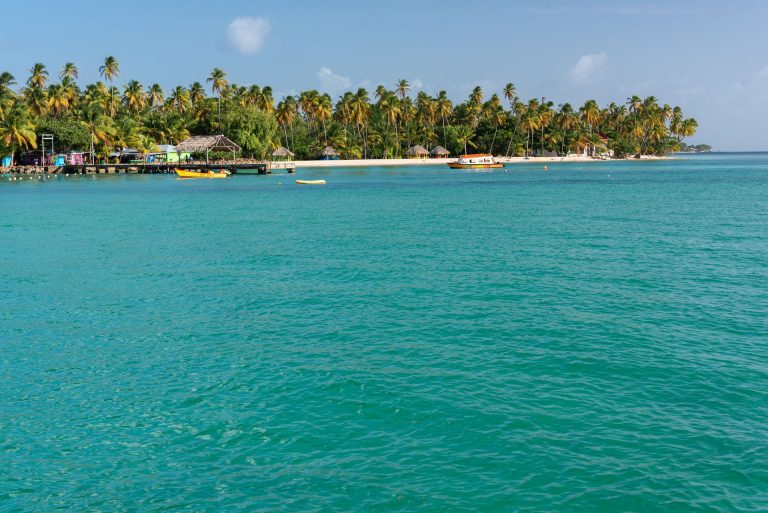
Beaches and reefs.
Carnival and the festival calendar.
J'ouvert at dawn, then two days of mas bands.
The national steelband competition.
Processions and celebrations.
Lights across the country.
January to May is the dry season, and Carnival falls in February or March. June to December is wetter. Trinidad lies south of the main hurricane belt and is rarely hit.
Average highs, rounded. Hot all year.
Per night, for one person, based on Port of Spain prices.
Treat these as a guide. Carnival prices are far higher.
The ones we get asked most.

Compare places to stay across Trinidad and Tobago: live prices, real reviews and free cancellation on most bookings. Then meet the people already there in the app.

 Get the App.



 Get the App.