Kuata and Waya
Hiking and quick accessSouthern islands, closest to Nadi, with hills and reefs.

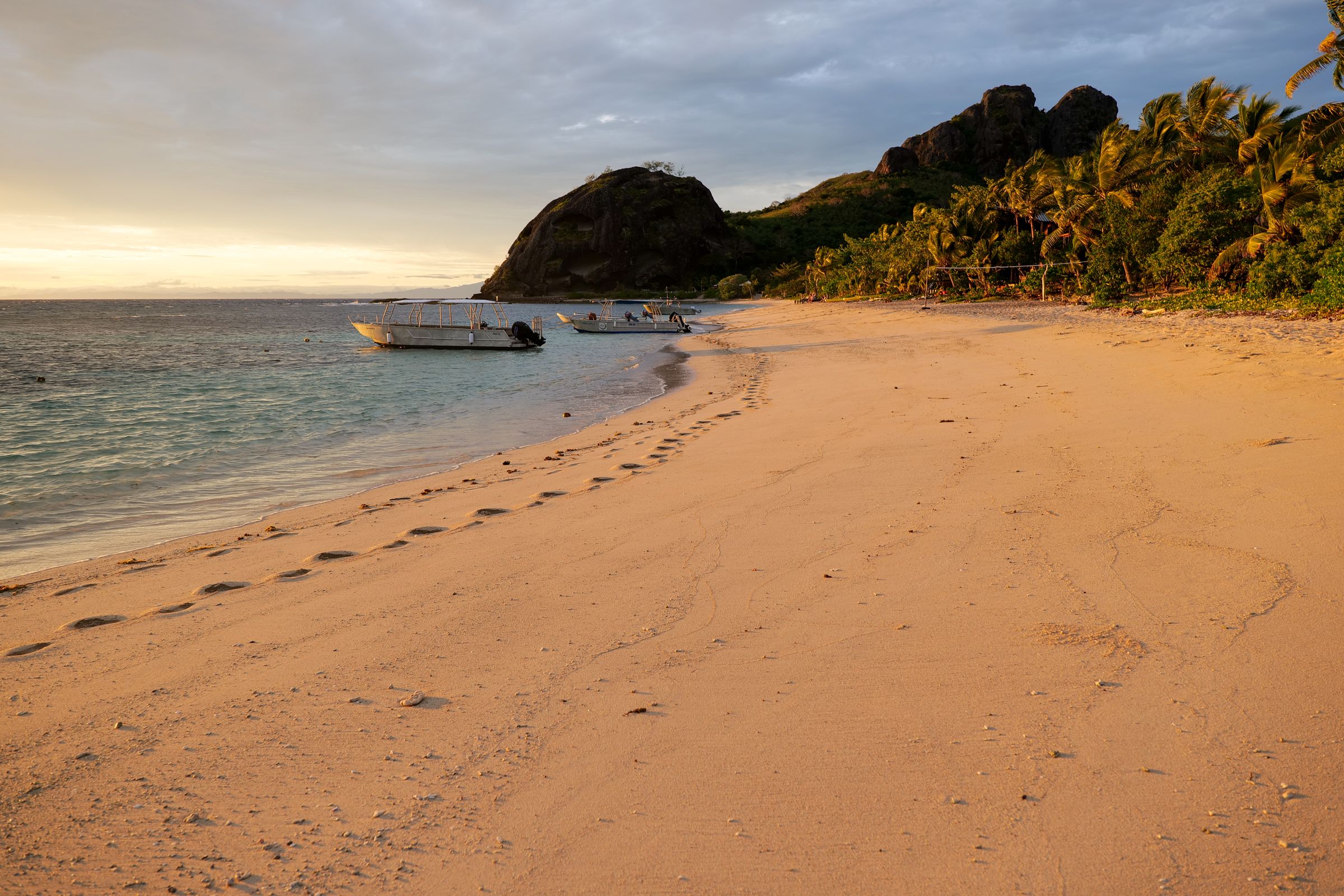
The Yasawas are the Fiji you came for: a chain of volcanic islands with white beaches, coral reefs and backpacker lodges, linked by one daily catamaran. Buy a Bula Pass, hop off where you like, swim with manta rays, explore limestone caves and spend the evenings drinking kava with the staff.
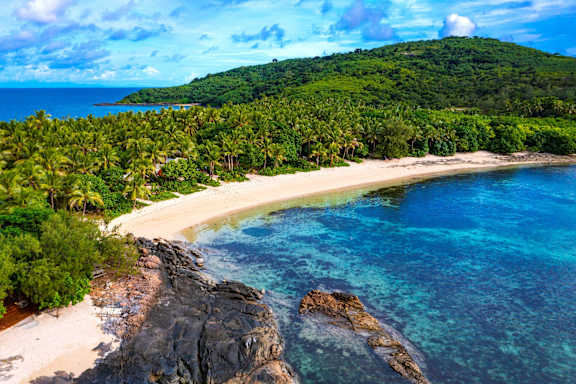
The Yasawa Islands are a chain of about 20 volcanic islands stretching north-west of Viti Levu, about 80 km long. They're remote and rugged, with grassy hills, white-sand beaches, clear water and small villages.
Until the 1980s, land-based tourism wasn't allowed here. Now the islands have a string of backpacker lodges, eco-resorts and village-run stays, and they're the heart of independent travel in Fiji.
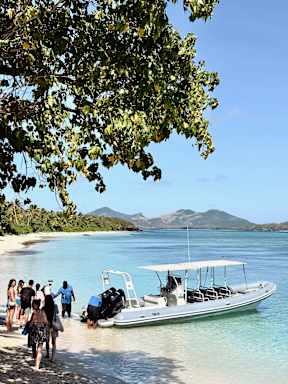
Travel works by the Yasawa Flyer, a catamaran that leaves Port Denarau every morning and works up the chain, stopping off each island while lodges send small boats out to meet it. A Bula Pass gives you unlimited hops over 5, 7, 11 or 15 days, so you book lodges as you go and move when you feel like it.
Lodges include meals, because there's nowhere else to eat, and days are spent snorkelling off the beach, hiking to viewpoints, visiting villages and lying in hammocks.
The highlights include the Blue Lagoon, the limestone caves of Sawa-i-Lau, manta rays off Drawaqa from about April to October, and the friendly village visits.
A week is ideal for three or four islands. Some people stay for two.
Pick islands by mood: Kuata and Waya in the south for hiking and quick access, Naviti and Drawaqa in the middle for mantas, Nacula and Tavewa in the north for the Blue Lagoon and the caves.
Southern islands, closest to Nadi, with hills and reefs.
Middle islands with the manta channel.
Northern islands with calm lagoons and lodges.
Limestone island with swim-through caves.
Orange labels are neighbourhoods, dots are the 9 top-rated hostels. Map data from OpenStreetMap contributors.
Island hop on the Yasawa Flyer. Each stop has its own character, from social backpacker lodges to quiet eco-resorts, and you can move every day or stay put.
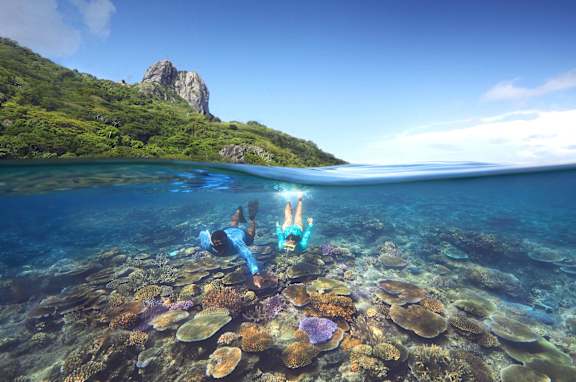
Swim with manta rays. Between about April and October, manta rays feed in the channel near Drawaqa and Naviti, and lodges run snorkel trips when they're spotted.
Visit the Sawa-i-Lau caves, in the north, where you swim through a limestone cave into a hidden underwater chamber, lit by a torch.
The Blue Lagoon, between Nacula and Tavewa, is famous from the 1980 film and has calm, clear water for snorkelling.
Hike to the viewpoints on the hilly islands, like Waya and Kuata, for sunrise or sunset over the chain.
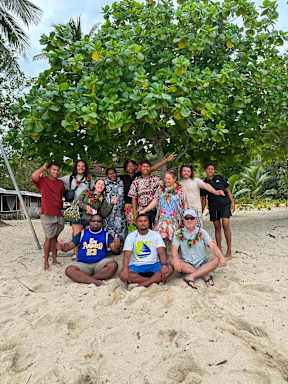
Visit a village. Many lodges are run by or with local villages, and village visits include church on Sundays, school visits and a kava ceremony. Bring a sevusevu (kava root) and dress modestly.
Snorkel straight off the beaches, kayak, fish with locals and watch the sunsets.
Most of the best things in the Yasawas are free once you're there: snorkelling off the beach, hiking to viewpoints, swimming and sunsets.
Many lodges include kayaks, snorkel gear, hikes and evening activities.
Village visits and church on Sunday are often free or cost a small donation.
Kava sessions with the staff are part of the evening.
On the islands, you eat what the lodge cooks, and most stays include a meal package of breakfast, lunch and dinner, because there's nowhere else to eat.
Expect fish, curries, rice, root vegetables and tropical fruit. Lodges often lay on a lovo, an earth-oven feast, once a week.
Kokoda, raw fish cured in lime and coconut milk, is common.
Everything is imported, so snacks and drinks cost more than on the main island. A beer is FJ$7 to FJ$9. Bring water bottles to refill, and buy snacks in Nadi.
Nightlife on the islands means the lodge: a kava session, guitars and singing, fire shows, crab racing and whatever the staff have organised.
It's communal and low-key, and on a small island with twenty guests, it's genuinely social.
Drink kava the Fijian way: clap once, take the bowl in both hands, drink it in one, clap three times.
The Yasawa Flyer is the backbone of travel here. It leaves Port Denarau, near Nadi, every morning and works up the chain, with lodges sending small boats out to meet it at each stop.
The Bula Pass gives unlimited hops over 5, 7, 11 or 15 days, and costs FJ$500 to FJ$900 depending on length. Book lodges as you go, usually a day ahead.
The boat is weather-dependent, so don't plan a tight flight connection on the day you return.
Seaplanes and helicopters reach some resorts, at a price.
The Yasawas cost more than the main island, because everything is imported and meals are compulsory. Hostelworld lists dorm beds from about FJ$55 to FJ$60, and lodges add a meal package, often FJ$100 to FJ$170 a day.
The Bula Pass is the main planned cost: FJ$500 to FJ$900 depending on duration.
There are almost no ATMs, and card acceptance is limited, often with a surcharge, so take cash from Nadi.
Snorkelling, hikes and village visits are often free; manta trips and cave visits cost extra.
Allow around FJ$150 to FJ$250 a day, including meals.
The Yasawas are safe and welcoming, but the environment needs respect.
Currents between islands are strong. Snorkel near the shore and ask the lodge where it's safe.
Coral cuts infect quickly in the tropics, and stonefish hide in the shallows: wear reef shoes.
Medical facilities are minimal, and evacuation is slow, so make sure your insurance covers it.
Cyclone season runs from November to April, and boats can be cancelled in bad weather.
Dress modestly in villages: cover shoulders and knees, and remove hats and sunglasses.
From your lodge, boat trips go to the caves, the mantas and the Blue Lagoon.
Swim through limestone caves into a hidden chamber.
Snorkel with feeding mantas in season.
Calm, clear water and reef.
Meet locals, visit the school and church, share kava.
The islands follow village and church life, and the manta season.
Manta rays feed in the channel.
Church and family; join a service if invited.
Boats may be cancelled.
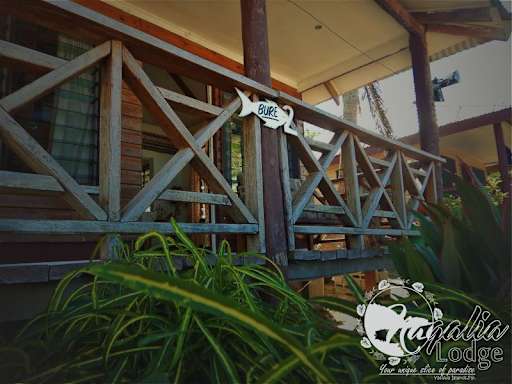
The Yasawas have nine lodges and resorts on Hostelworld, from social backpacker spots to eco-lodges. Most add a compulsory meal package.
Rated 9.4 from 223 reviews, on Waya, with dorms from about FJ$60.
Rated 8.6 from 147 reviews, on Nacula by the Blue Lagoon, with dorms from about FJ$60.
Rated 7.7 from 153 reviews, on Drawaqa, with a marine conservation centre and mantas from about April to October. Dorms from about FJ$57, plus a compulsory meal package of FJ$167 a day.
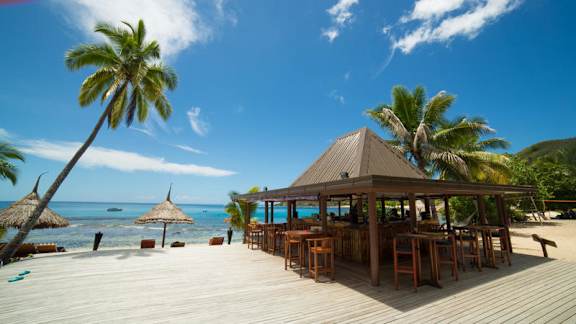
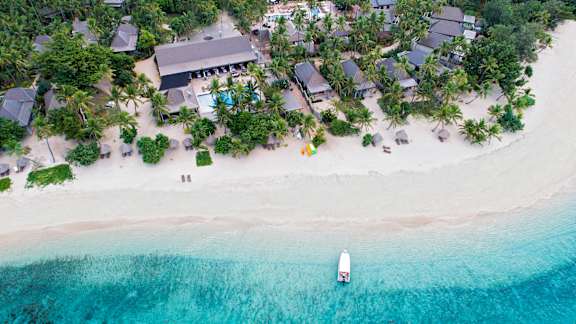
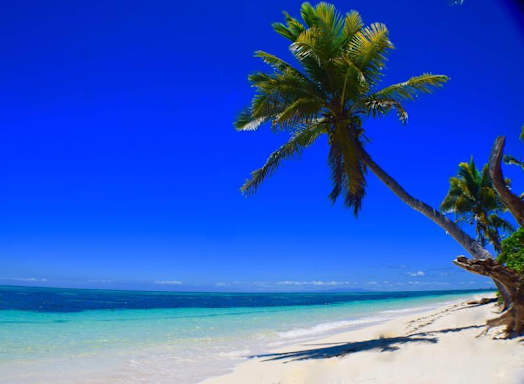
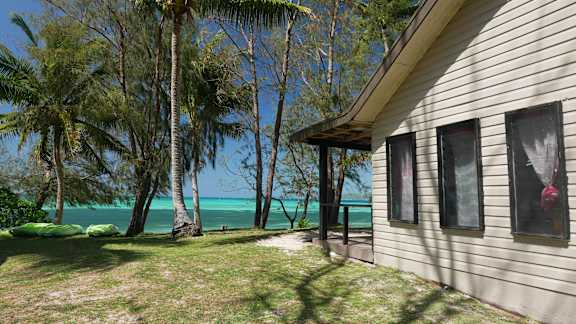
The Yasawas are hot all year, with highs from 28°C to 31°C and warm sea. May to October is the dry season and the best time, with manta rays from about April to October. November to April is wetter, with cyclone risk.
Average daily highs from weather2travel's Yasawa climate data. Crowd levels are our rough guide.
Pick a style and a number of nights for a rough total. Per day, for one person, in Fijian dollars.
Estimates. Beds are based on Hostelworld prices in October 2026, converted from US dollars; food includes lodge meal packages. The Bula Pass sits outside these figures.
Prices and timetables change. Check before you travel.

Compare Yasawa Islands hostels: live prices, real reviews and free cancellation on most bookings. Then meet the people already there in the app.

 Get the App.
 Get the App.