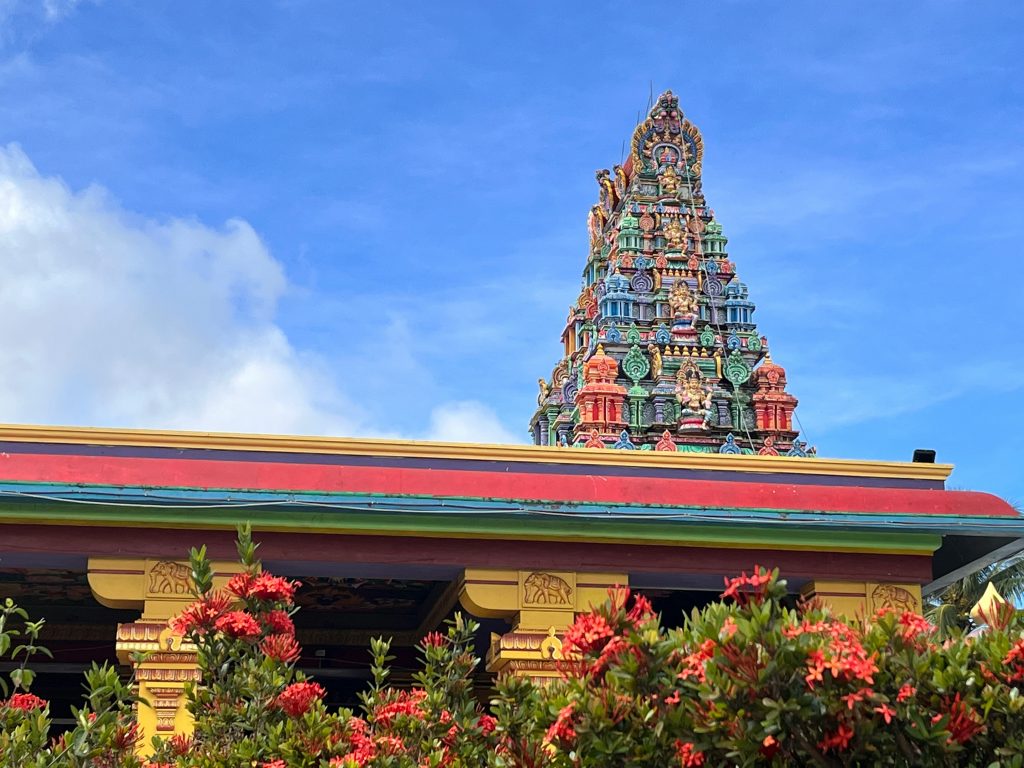
Nadi
3 hostels · dorms from FJD 22
Where you land: the airport, a market, and the jumping-off point for the islands.
Nice place to stop before exsample going to the Islands
A traveller, on Hostelworld

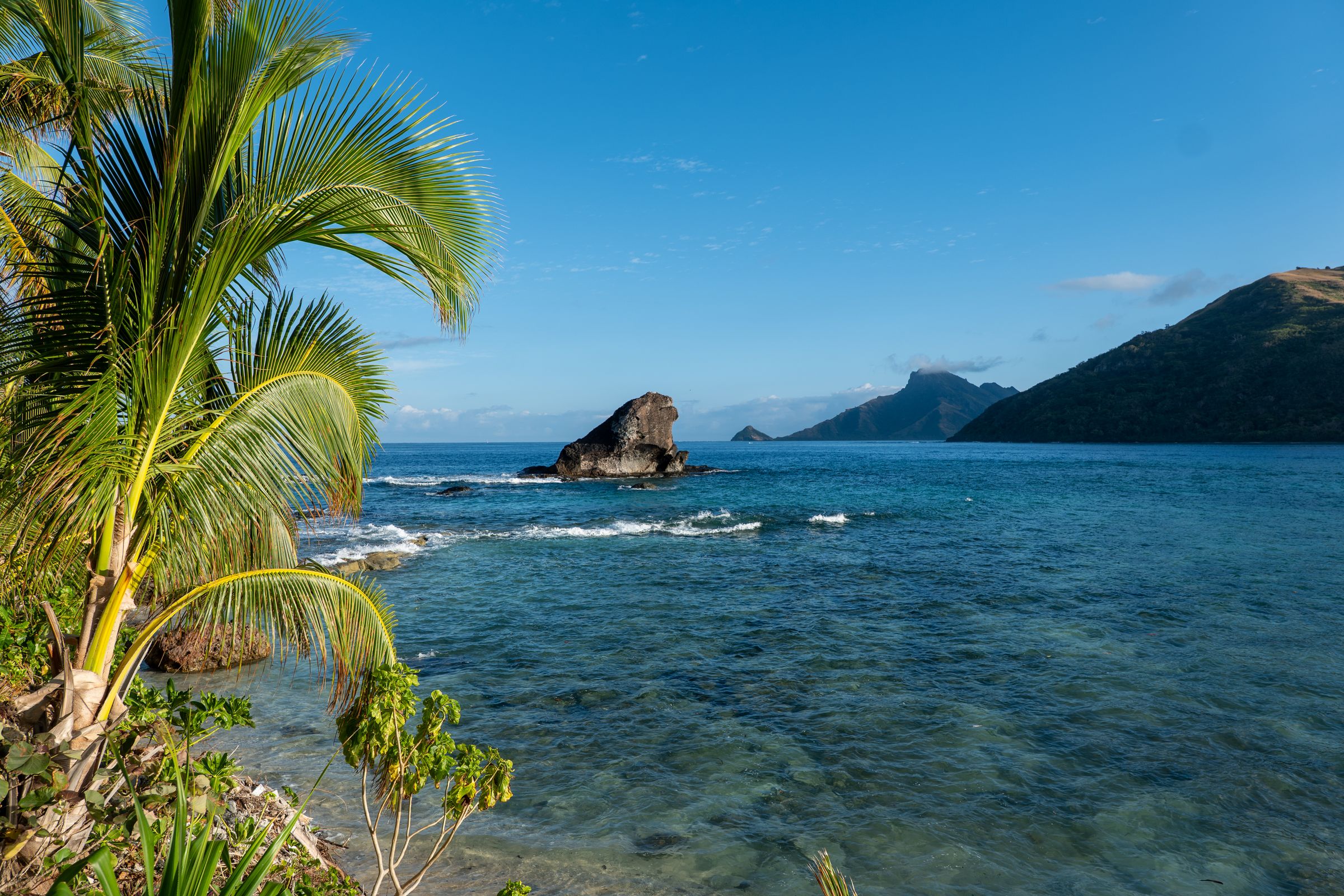
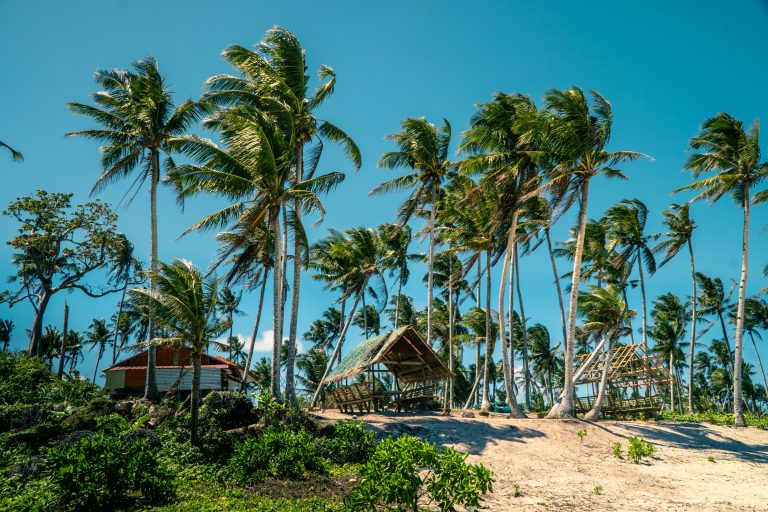
333 islands, a boat that hops between them daily, and a welcome that is not manufactured for tourists. The easiest Pacific island to travel independently.
Fiji has a reputation as a honeymoon destination, and the resorts earn it, but there is a second Fiji that runs on backpacker boats and village homestays and costs a fraction as much.
Nadi on the main island is where you land and where nobody stays long. The Yasawa and Mamanuca island chains are the draw: a daily catamaran, the Yasawa Flyer, runs up the chain stopping at island resorts and backpacker lodges, and you hop off and on as you like with a pass.
The main island, Viti Levu, has the rest: the Coral Coast, the Sigatoka dunes, whitewater rafting in the highlands and Suva, the capital, which few visitors bother with.
A week gets you the islands. Two weeks lets you add the main island and Taveuni, which has the best diving.
The Yasawa Flyer catamaran links the islands daily. Everything else on Viti Levu is by bus or taxi.
Where you land: the airport, a market, and the jumping-off point for the islands.
Nice place to stop before exsample going to the Islands
A traveller, on Hostelworld
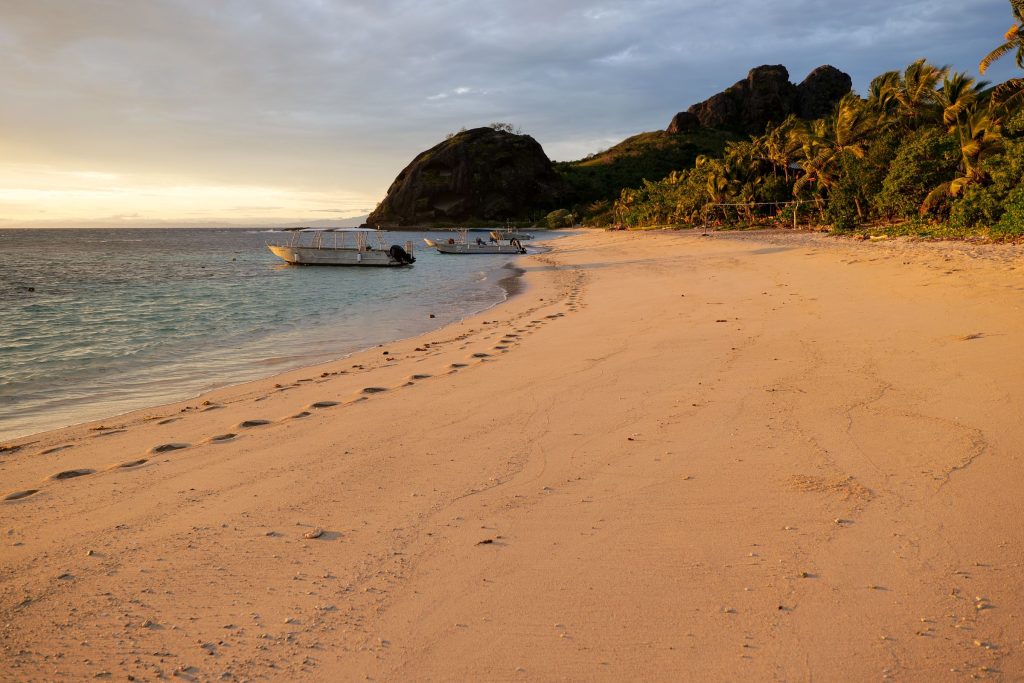
A chain of volcanic islands with backpacker lodges, reached by the daily catamaran.
The Yasawa Islands are beautiful and I highly recommend spending time in them while in Fiji. We only stayed at one island which we regret as there are many beautiful islands to see.
A traveller, on Hostelworld
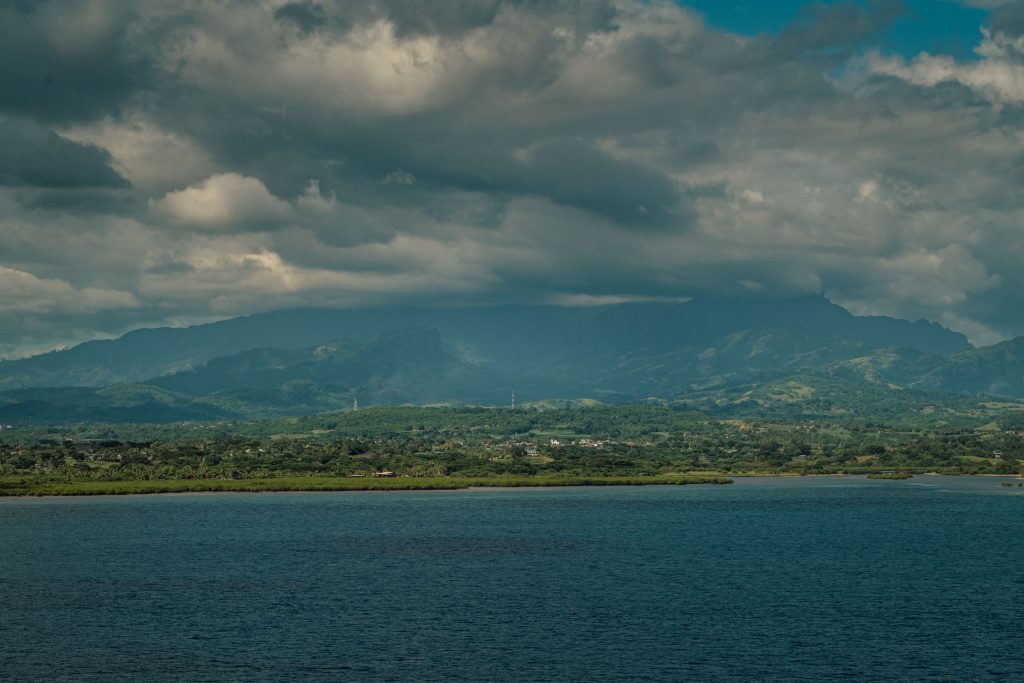
The capital on the wet side of the main island, and a real working Pacific city.
Fiji is an island-hopping trip, and the boat pass is what makes it work.
The reason to come, on 333 islands.
Diving, surfing and a rainforest interior nobody visits.
Village life, kava and a genuinely dual culture.
Cheaper than the brochures suggest, if you skip resorts.
Fijian and Indo-Fijian cooking on the same island.
Island hopping the Yasawas is the trip. The Yasawa Flyer leaves Denarau each morning and works up the chain, and a Bula Pass gives you unlimited travel over a set number of days: you book lodges as you go and move when you feel like it. Most lodges include meals because there is nowhere else to eat.
The Blue Lagoon, Sawa-i-Lau's limestone caves and the sandbanks between islands are what fills the days, along with snorkelling straight off the beach.
On the main island, the Navua river run, the Sigatoka sand dunes and Navala village (one of the last villages built entirely in traditional bure style) are the highlights.
Taveuni is the diving island, with the Rainbow Reef and the Great White Wall among the better-known sites in the South Pacific.
Fiji's population is roughly a third Indo-Fijian, and the food reflects it: curries, roti and dhal alongside Fijian cooking, and the cheapest good meal in the country is a roti parcel from a market stall for FJ$5 to FJ$10.
Kokoda is the national dish (raw fish cured in lime and coconut milk) and a lovo is the feast version, with meat and root vegetables cooked in an earth oven, usually laid on for groups at lodges and villages.
On the islands you eat what the lodge cooks and meal packages are normal. On Viti Levu, Nadi and Suva markets are cheap and good. Kava is not food but it is unavoidable: earthy, numbing and central to social life.
Nightlife on the islands means the lodge: a kava session, a guitar, crab racing and whatever the staff have organised. It is communal and low-key, and on a small island with twenty guests it is genuinely social.
Nadi has bars around the town and at Denarau, and Suva has the only proper club scene in the country, aimed at locals and students.
Fiji Bitter and Fiji Gold are the beers, at FJ$5 to FJ$9. Kava sessions are the real evening: the drink is mildly sedative rather than intoxicating, and sitting through one with a village family or lodge staff is the closest thing to a night out on most islands.
The Yasawa Flyer is the backbone of independent travel here: one catamaran, once a day, up and down the island chain from Denarau near Nadi, with lodges sending small boats out to meet it. Bula Passes cover unlimited hops over 5, 7, 11 or 15 days.
On Viti Levu, local buses are cheap and run around the island, with the Queens Road along the Coral Coast to Suva taking about four hours.
Domestic flights on Fiji Airways link Nadi with Taveuni, Savusavu and Suva, and small planes serve some outer islands. Note that inter-island boats other than the Flyer are irregular and weather-dependent, so build slack into any tight schedule.
Fiji is cheaper than its reputation if you avoid resorts. Dorms on the Yasawas start around FJ$40 to FJ$70, usually including meals, and backpacker lodges on the main island are less.
The Bula Pass is the main planned cost: FJ$500 to FJ$900 depending on duration, which covers all your boat travel up and down the chain.
On the islands, everything is imported and prices reflect that: a beer is FJ$7 to FJ$9 and there is nowhere cheaper to go. On Viti Levu, roti parcels and market food make days cost very little. Carry cash for the islands, where card acceptance is limited and ATMs largely absent.
Fiji is a safe country for travellers, with petty theft the main issue in Nadi and Suva, particularly at night. Villages and island lodges are safe and welcoming.
Cyclone season runs November to April and Fiji sits in an active belt: Cyclone Winston in 2016 was the strongest ever recorded in the southern hemisphere. Warnings are well publicised; travel insurance covering disruption matters in those months.
The reef is the everyday risk: currents between islands are strong, coral cuts infect quickly in the tropics, and stonefish sit camouflaged in shallows: reef shoes are genuinely worth carrying. Sun and dehydration do more damage than anything else.
Medical facilities on the outer islands are minimal and evacuation is by boat or plane, so insurance covering that is not optional.
Most European, UK, US, Canadian and Australian citizens receive a free visitor permit on arrival, generally for four months, with proof of onward travel and accommodation sometimes requested.
Passports need six months' validity.
The cultural protocols matter more here than the paperwork. Visiting a village means covering shoulders and knees, removing hats and sunglasses, and presenting a sevusevu (traditionally a bundle of kava root, bought at any market for a few dollars) to the village head. Guides and lodges arrange this, and going through it properly is the difference between being a tourist and being a guest.
May to October is the dry season and the best time. November to April is wetter, more humid and carries cyclone risk.
Average highs for Nadi. The dry western side of Viti Levu, where Nadi sits, is considerably drier than Suva and the east, which get rain year-round.
Pick how you travel and how long for. Per night, for one person, in Fijian dollars.
Island lodge rates usually include meals. The Bula Pass at FJ$500–900 covers boat travel and sits outside the nightly transport line.
Village and church life set the rhythm here more than festivals do.

Live music fills the air as Nicky & Ouvacast take the stage at The Beach Club Wailoaloa, bringing island rhythms to your Thursday through…

A live theatre performance tells the story of Manasa, a village man who falls for Manisha, a beautiful Indo-Fijian woman whose mother has other…

Fijian culture comes alive through hands-on workshops at VOU HUB, where you can try your hand at traditional dance, weaving, or playing the lali…
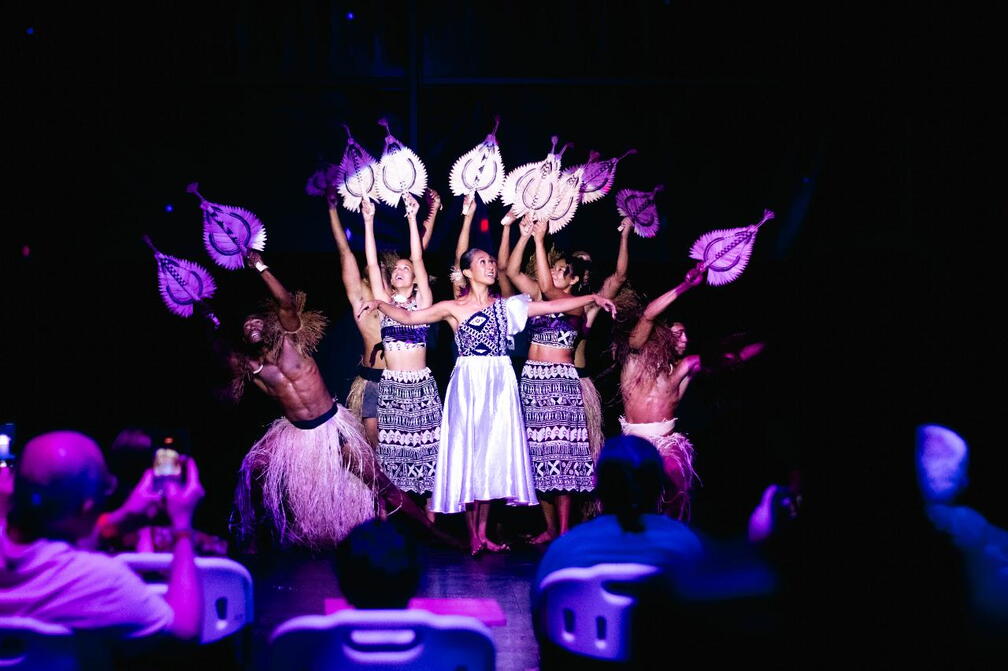
Fiji Untold brings ancient mythology to vivid life through live theatre, following Lagi's journey into the bamboo forest where she encounters shapeshifting iguanas, octopus…
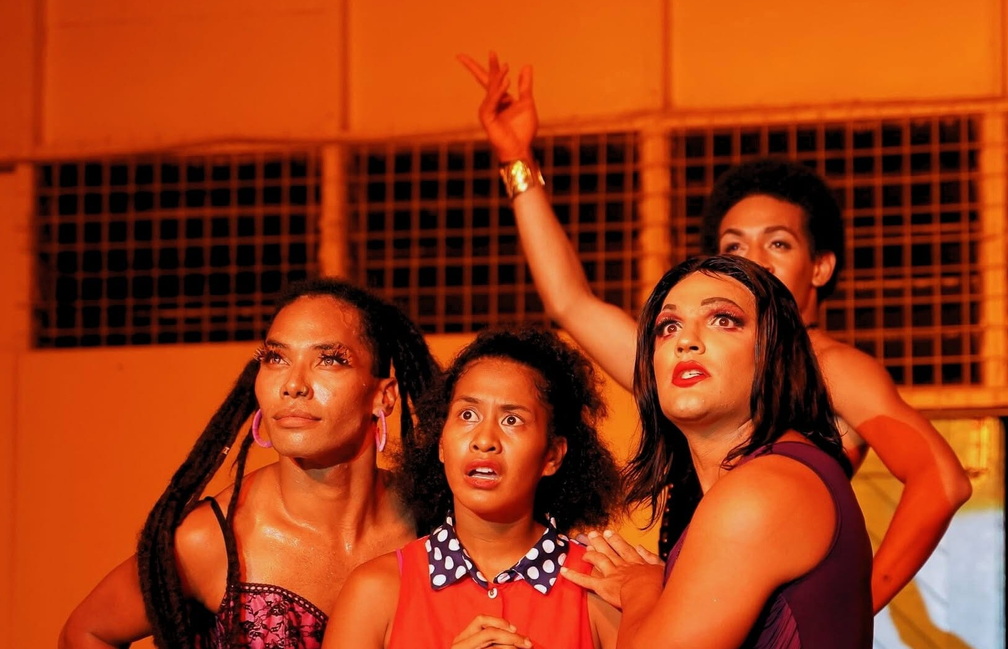
Jemima, a shy girl with Broadway dreams, finds herself on an unexpected adventure when a simple missing hat turns everything upside down. Along with…

A walking tour through Fiji Culture Village brings you face to face with living traditions, from kava ceremonies to the earth-oven cooking method known…

This day tour takes you into the heart of Fijian craftsmanship, where pottery making and weaving traditions have been handed down through generations. You'll…
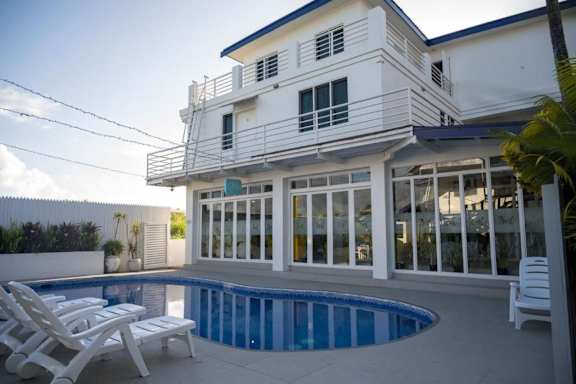
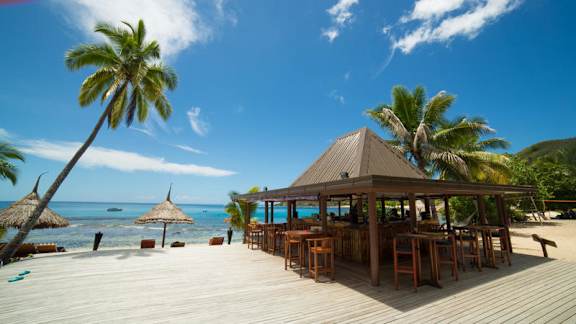
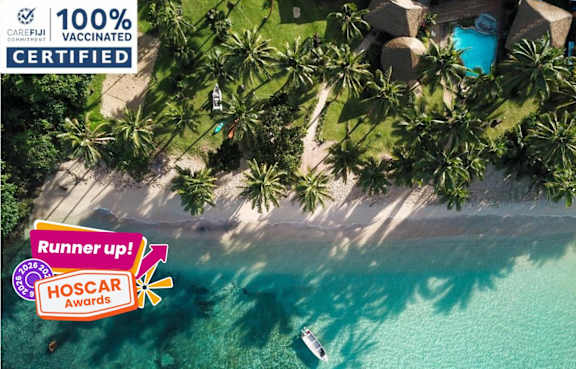
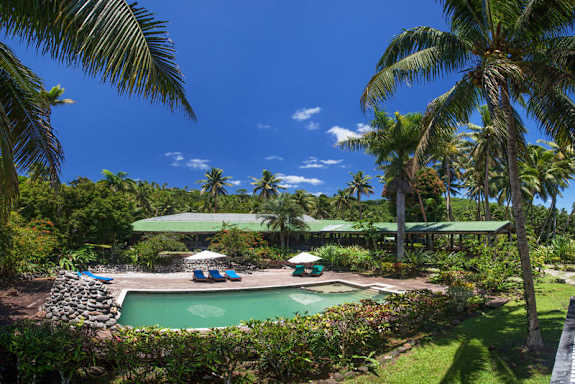
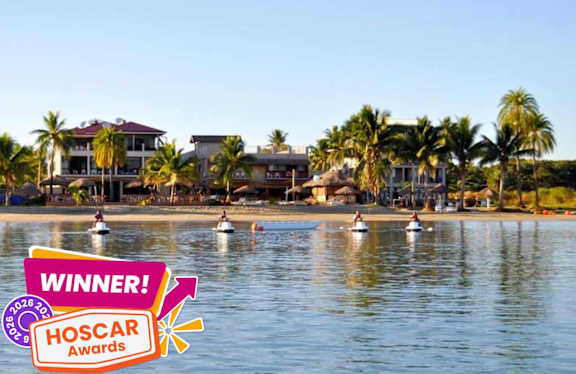
The highest-rated hostels and lodges here, live from Hostelworld. Nadi and the Yasawa islands have most of them, and island rates usually include meals.
The ones we get asked most.

Compare hostels across Fiji: live prices, real reviews and free cancellation on most bookings. Then meet the people already there in the app.

 Get the App.




 Get the App.