Assala
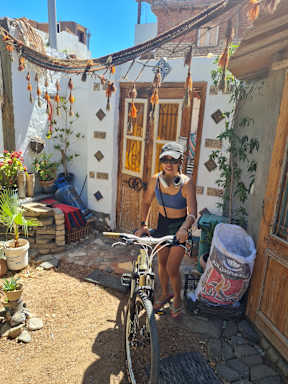
Budget travellers, long stays, local lifeThe original Bedouin village at the north end, next to the Eel Garden dive site. Cheaper rooms and food, goats in the lanes and a real neighbourhood feel.

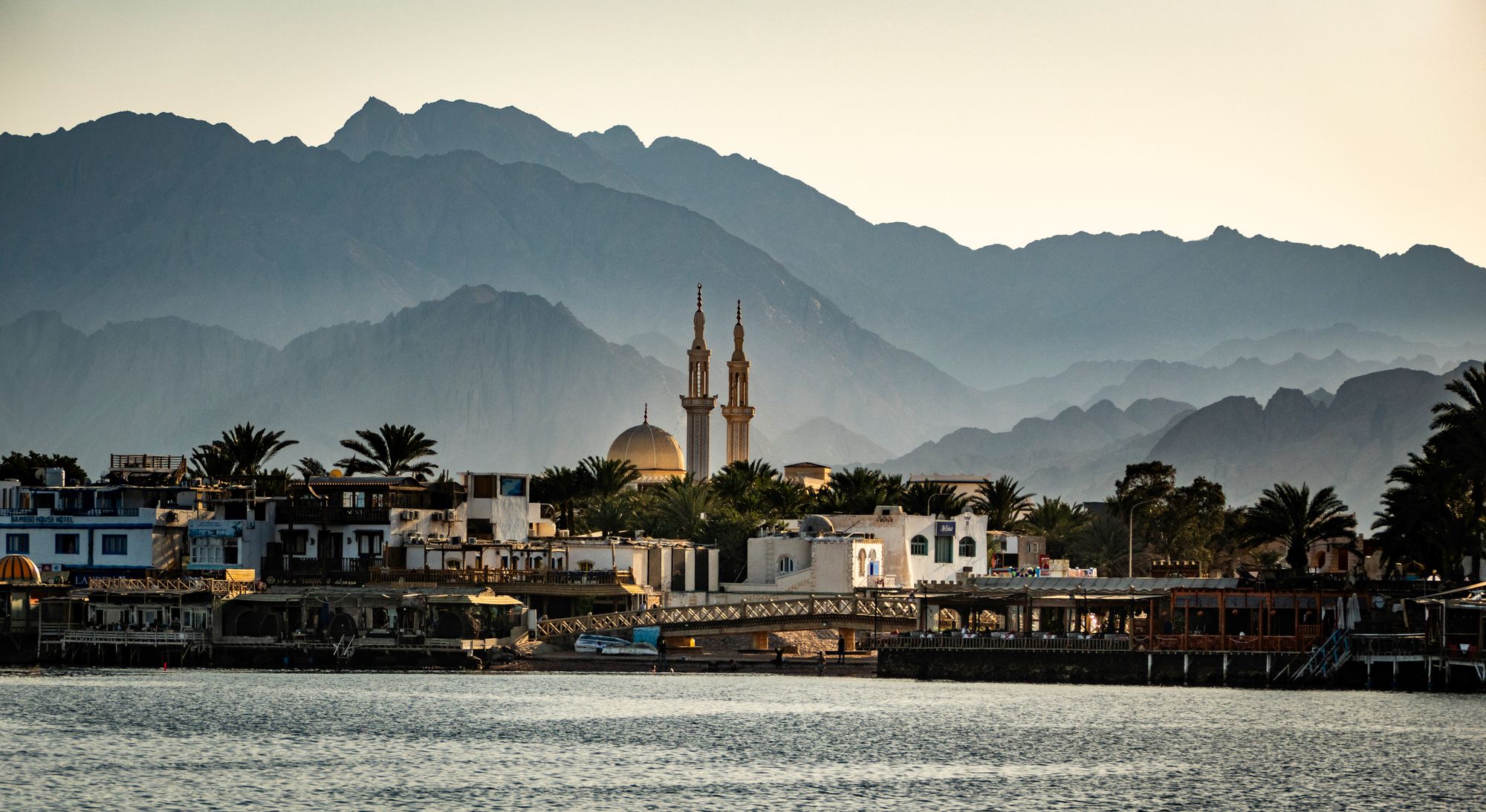
Dahab is a laid-back Red Sea town on the Sinai coast where the reef starts a few steps from the café cushions and the mountains turn pink at sunset. Come to learn to dive or freedive for less than almost anywhere else, climb Mount Sinai overnight, and stay longer than you planned.
Dahab began as a Bedouin fishing village on the Gulf of Aqaba and became a backpacker hangout in the 1980s. It has grown a lot since, but it still feels nothing like Sharm el-Sheikh, 90km down the coast: no all-inclusive strip, few big resorts in the centre, and a seafront lined with low-key restaurants, dive centres and cafés where you lounge on floor cushions with your feet almost in the water.
What makes Dahab special is that the reef is right there. Most diving is from the shore: you walk in from the beach at the Lighthouse, Eel Garden, the Canyon or the Blue Hole and are over coral within minutes. That keeps courses and dives cheap, and it is why Dahab is one of the best-value places in the world to learn. It is also a global freediving centre, thanks to the deep, calm water of the Blue Hole close to shore.
The town runs along the coast. Assala, the old Bedouin village in the north, is the cheapest and most local part. The Lighthouse and Masbat, in the middle, form the busy seafront with most hostels, bars and dive shops. Mashraba, further south, is quieter. The Lagoon, a shallow bay south of town around Laguna, is where the kitesurfers and windsurfers go.
Beyond the water, the desert and mountains start immediately behind town. People take overnight trips to climb Mount Sinai for sunrise, walk the coastal path to Ras Abu Galum, or join Bedouin dinners in the wadis. Plenty of visitors also just slow down: yoga, a dive in the morning, a long lunch and a sunset over the Saudi mountains across the gulf.
Most backpackers stay a week; many stay a month, and Dahab has a real community of long-term divers, instructors and remote workers. If you arrive by air at Sharm el-Sheikh and stay under 15 days only in the South Sinai resorts, you can enter on a free Sinai stamp instead of a full visa, but you cannot leave the area on it. Winter is mild, with highs around 20°C, and summer is hot, with highs around 37°C and sea temperatures up to 27°C.
Dahab is long and thin, strung out along the coast, and you can walk from one end of the seafront to the other in about half an hour. The Blue Hole and the Canyon are north of town; the Lagoon is to the south.
The original Bedouin village at the north end, next to the Eel Garden dive site. Cheaper rooms and food, goats in the lanes and a real neighbourhood feel.
The busiest stretch of seafront, around the Lighthouse reef where many people do their first dives. Packed with dive centres, cafés and bars.
The tourist centre and promenade, with restaurants, shops, the bus stop area and plenty of hostels. Lively in the evening.
South of the centre and more residential, with guesthouses and dive lodges on a calmer stretch of shore.
The shallow bay south of town, with the larger hotels and the kite and windsurf schools. About 3.5km from Masbat.
Orange labels are neighbourhoods, dots are the 12 top-rated hostels. Map data from OpenStreetMap contributors.
Diving is the reason most people come. A PADI Open Water course costs about €275–400 over three or four days, including gear, and most training happens from the shore at the Lighthouse, where a sandy slope runs down to about 25 metres. Certified divers pay around €40–45 for a single guided shore dive or €70–86 for two, and packages of ten dives bring the price per dive down. Shop around: centres vary in price, group size and how well they look after their gear.
The Blue Hole, about 10km north of town, is the famous one. Snorkellers can float over the reef wall on the rim, and divers with an Advanced certification often do the Bells to Blue Hole route, dropping down a chimney to about 26 metres and drifting along the wall. The hole itself is over 90 metres deep, and the Arch at about 55 metres has killed many divers; it is for trained technical divers only. Entry to the Blue Hole area costs foreigners $25 per person, cash in clean US dollar notes.
The Canyon, between town and the Blue Hole, is a shore dive across a lagoon into a narrow crack in the reef that reaches about 30 metres, and dive centres usually ask for Advanced certification. Gabr el Bint is a boat trip to a reef with no road access, and day trips cost around €55.
Freediving is the other big draw. Schools teach AIDA and Molchanovs courses year-round: an AIDA 2 course costs around €300 at one of the established centres. Kitesurfing and windsurfing schools are based at the Lagoon south of town.
On land, the overnight climb of Mount Sinai is the classic trip. Minibuses leave Dahab around 11pm, drive two hours to St Catherine, and you climb 2–3 hours in the dark with a Bedouin guide to watch sunrise from the top, then visit St Catherine's Monastery if it is open. Tours cost about $45–50. Closer to town, the coastal path from the Blue Hole to Ras Abu Galum protected area is an easy 5km walk with good snorkelling at the end.
The best thing about Dahab is that the reef starts at the seafront, and it costs nothing to look at it. Bring or rent a mask and fins and snorkel straight off the shore at the Lighthouse or Eel Garden. Over the sand slope at Eel Garden you will see hundreds of garden eels poking out of the seabed, and the reef edges are full of parrotfish, lionfish and anemones with clownfish. Go when the sea is calm, and wear reef shoes or enter where others do so you don't step on coral or sea urchins.
The seafront promenade, from Assala through the Lighthouse and Masbat to Mashraba, is a free, easy walk of about half an hour end to end. Do it at sunset, when the mountains of Saudi Arabia across the gulf turn pink, and stop wherever looks good for tea.
Assala, the old Bedouin village in the north, is worth wandering for a sense of what Dahab was before the cafés. The lanes are quiet, the fishing boats sit on the beach and there is a small local market. Down at the other end of town, watching the kitesurfers at the Lagoon costs nothing either. On a windy afternoon dozens of kites fill the sky over the shallow bay.
If you are fit and start early, you can walk the coastal path north from the Blue Hole to Ras Abu Galum yourself. The path is about 5km each way and the walk is free, but you will need to pay the Blue Hole area entry fee to reach the start, plus a taxi. Carry plenty of water: there is no shade until you arrive.
At night, walk a little way out of town, away from the seafront lights, and look up. The desert sky over Sinai is full of stars.
Eating in Dahab is mostly about the seafront. Restaurants along the Lighthouse and Masbat set out low tables and cushions on the sand, and at night they display the day's catch on ice by the entrance. You pick a fish, it is weighed and priced, and it comes grilled with rice, salads, tahini and bread. Confirm the price per kilo and the weight before it goes on the grill, because that is where most bill surprises come from.
Away from the water, eating is much cheaper. In the town centre and around Assala, koshary, ta'ameya and ful sandwiches cost a euro or two, and shawarma joints and bakeries serve the locals. Feteer, the flaky folded pastry stuffed with cheese, meat or honey, is a good late-night option.
Dahab has a strong café scene because of all the long-stayers: shakshuka and big breakfasts, smoothie bowls, good coffee and plenty of vegetarian and vegan options, at prices well above local food but below what you would pay in Europe. Fresh juice stands sell mango, guava and lemon with mint.
Bedouin food is the thing to try once. Bedouin dinners in the desert or the wadis behind town usually mean chicken or goat cooked slowly under the sand, rice, and bread baked over the fire, followed by sweet Bedouin tea flavoured with desert herbs. Many hostels and dive centres organise them, often combined with a sunset and stargazing.
Alcohol is easier to find than in the Nile Valley. Many seafront restaurants and bars serve Stella and Sakara, and some have cocktails, though not every place has a licence. Do not drink on the street or the beach outside licensed venues. During Ramadan the seafront still serves visitors, but local places may close during daylight.
Dahab nightlife is relaxed rather than wild. Most evenings start with a sunset drink on the seafront, roll into a long dinner on the cushions, and end with a few beers and live music at one of the bars around the Lighthouse and Masbat. Divers have early starts, so things are rarely late during the week.
The seafront bars are where people meet. Some have live bands or DJs a few nights a week, some show football, and most have happy hours around sunset. It is easy to fall into conversation with instructors, freedivers and long-stayers, who know every bar and every dive site and are usually happy to share.
Weekends and Egyptian holidays are different. On Thursday and Friday nights, and especially during the Eid holidays and New Year, young Cairenes drive down and the town fills up. Prices for rooms rise, the bars get busier and there are often parties on the beach and in desert camps outside town. Watch out for posters and ask at your hostel.
The other kind of night out is in the desert. Bedouin camps in the wadis behind Dahab host dinners, campfires and music, and the stargazing far from the town lights is excellent. Many hostels arrange evening trips, sometimes on camels or in 4x4s.
Keep your head about you. Drug laws in Egypt are extremely severe, with life imprisonment possible even for small amounts, regardless of how relaxed Dahab feels. Drink only in licensed places, and get a tuk-tuk home late at night rather than walking unlit roads alone.
Most people arrive via Sharm el-Sheikh airport, 90km south. A private taxi to Dahab costs about $20–30 and takes around 90 minutes, and pre-booked transfers with a driver holding a sign run about $25–40; many hostels arrange them. East Delta buses run from Sharm's bus station to Dahab several times a day for much less, but you need a taxi from the airport to the bus station first. Expect at least one police checkpoint on the road: keep your passport handy.
From Cairo, Go Bus runs overnight services that take about 9–10 hours, around $12, and other operators run faster daytime coaches. The buses stop in the Masbat area of Dahab. Night buses are the cheapest option and save a night's accommodation, but the checkpoints mean broken sleep. Flying Cairo to Sharm and transferring takes around five hours door to door.
In Dahab, walk. The seafront from Assala to Mashraba is about half an hour on foot, and most hostels, cafés and dive centres are on it. Tuk-tuks are everywhere for short hops: expect EGP 20–80 depending on distance, and agree the price before you get in. A tuk-tuk to the Lagoon costs a bit more.
For the Blue Hole, 10km north, take a taxi or share one with other divers; a return trip should cost no more than about EGP 500 for the car, and dive centres include transport in their prices. Cars pay a separate $10 entry fee on top of the $25 per person.
For Mount Sinai, Ras Abu Galum by jeep or camel, and the canyons inland, go with a tour or a licensed Bedouin guide. UK travel advice recommends booking trips outside resort areas through approved operators. Bikes can be rented for EGP 50–100 a day, useful for the coast road north of town outside the summer heat.
Dahab uses the Egyptian pound, worth about EGP 58 to €1 in October 2026, but a lot of the tourist economy is priced in euros or US dollars: dive courses, packages and some tours. Daily living is cheap, and diving is where your budget goes.
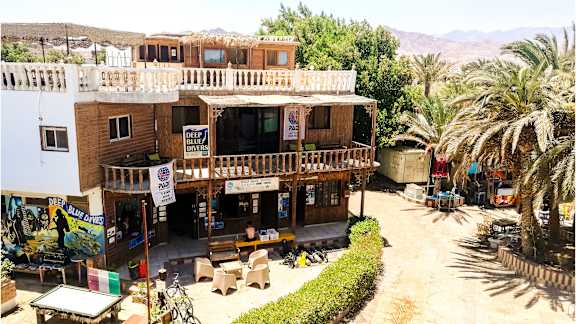
Hostel dorms are pricier than in the Nile Valley but still good value. Well-rated hostels on Hostelworld, such as Rafiki and Alaska Camp, start at around $12–14 a night, and dive-centre hostels such as Deep Blue Divers can be cheaper. Rooms go up at weekends and during Egyptian holidays, when Cairenes come to the coast.
Food runs from a euro or two for local street food to a few euros for a café breakfast and more for a seafront fish dinner priced by weight. A beer in a seafront bar costs a lot more than tea, so happy hours are your friend.
Activities are the big variable. A PADI Open Water course costs €275–400, and an Advanced course €200–300. Guided shore dives are about €40–45 each, cheaper in packages. A Mount Sinai sunrise tour costs about $45–50, and a Gabr el Bint or Ras Abu Galum boat or camel trip around €55. The Blue Hole area charges foreigners $25 per person, cash only, so bring clean US dollar notes for it.
There are ATMs in Masbat and around the town centre, and many dive centres take cards, sometimes with a surcharge. Small cafés, tuk-tuks and shops are cash only. Haggle in the shops and with tuk-tuk drivers, but dive centres have fixed published prices; compare them, and ask exactly what is included, such as gear, transport, park fees and certification.
Dahab feels safe and easy, and for most visitors it is. The UK Foreign Office describes the Red Sea tourist areas of southern Sinai as generally low risk, and its 'all but essential travel' warning for South Sinai only covers the area north of the St Catherine to Nuweiba road, away from the coast. Book trips into the interior through licensed operators, and carry your passport for checkpoints.
The real risks are in the water. The Blue Hole has killed many divers, almost all of whom went deeper than their training or tried the Arch at about 55 metres without technical qualifications. Dive within your certification, use a reputable centre, and check your travel insurance covers diving at the depth you plan and evacuation. UK advice notes that air or sea rescue can cost over $4,000 an hour.
Snorkellers should watch the currents at exposed sites and use reef shoes or proper entry points; sea urchins and stonefish live on the reef flat. Do not touch the coral. On the coastal walk to Ras Abu Galum, start early and carry plenty of water: there is no shade.
On land, the hazards are low-level: tuk-tuk drivers overcharging, fish dinners priced higher than agreed, and occasional petty theft from beaches, so do not leave valuables on the sand while you snorkel. UK advice also notes that sexual assaults have been reported in Red Sea resorts, often by people victims had met, including staff; women travelling alone should take care at night and share their location with someone.
Egypt's drug laws are among the harshest anywhere, and drones need military permission. Mount Sinai summits can be close to freezing on winter nights, so take warm layers even if Dahab is mild. In an emergency, call the tourist police on 126 or an ambulance on 123.
The Sinai interior and the protected coast north of town are what turn a dive trip into a proper adventure. Most trips need a Bedouin guide or a licensed operator.
Climb in the dark with a Bedouin guide for sunrise at the summit, then visit the monastery if it is open (usually Monday to Thursday and Saturday mornings).
A protected stretch of coast with Bedouin huts and easy snorkelling straight from the beach. Boats back to the Blue Hole cost about EGP 100.
Snorkel the rim of the Blue Hole or dive the Bells and the Canyon with Advanced certification.
A reef with no road access, reached by boat. Snorkel or dive among big sea fans and schools of fish.
Sunset in the mountains behind town, dinner cooked in the sand and a sky full of stars.
Dahab's calendar is shaped by holidays. When Egypt has a long weekend, Cairenes pour into town and the bars, beaches and desert camps fill up. Book ahead for these dates.
Dahab's busiest night: beach parties, desert raves and full hostels.
Quieter days in local areas; the seafront keeps serving visitors and evenings are lively.
The end of Ramadan brings a wave of visitors from Cairo and a festival atmosphere.
A national holiday marking Israel's withdrawal from Sinai in 1982; expect a busy long weekend.
A national spring holiday when Egyptians head to the coast.
Another big domestic holiday; rooms book up and prices rise.
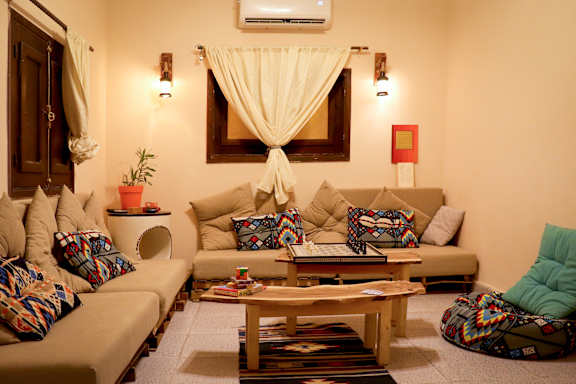
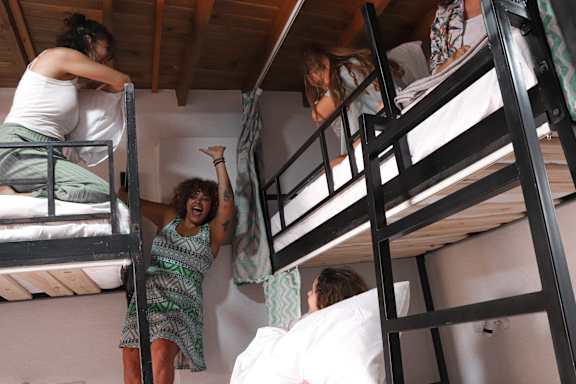
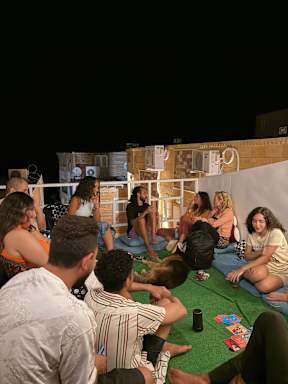
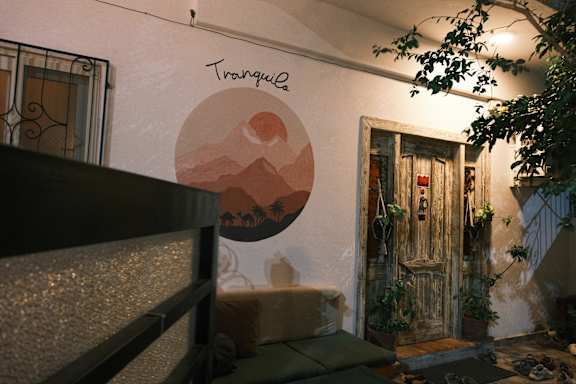
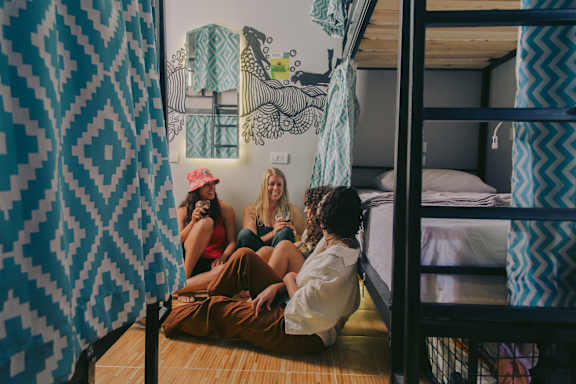
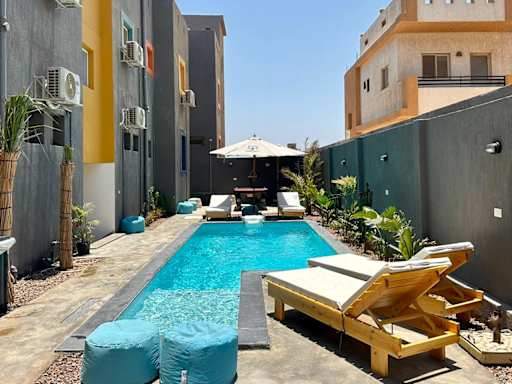
Dahab's hostels range from social party spots to dive-centre bunks a minute from the reef, and many offer discounts if you dive with them. Book ahead for weekends and Egyptian holidays.
Rated 9.0 with top marks for cleanliness; reviewers mention lots of events, a coworking space and outdoor hangouts.
In Masbat about 10 metres from the beach, rated 9.4 with perfect scores for location and security.
A hostel and dive centre near the Go Bus stop and under 100m from the sea, rated 8.9; basic, but social and cheap.
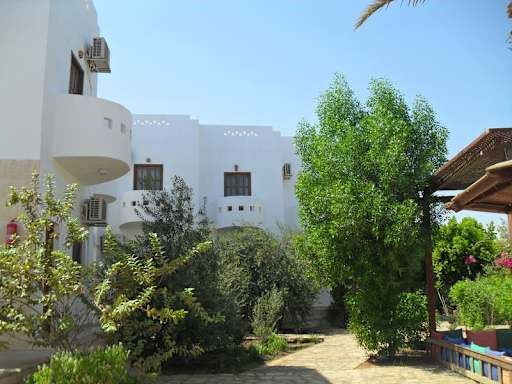
Dahab works all year. Spring (March to May) and autumn (September to November) bring the best mix of warm air and warm water. Winter is mild in town but cold on Mount Sinai at night; summer is hot, with highs around 37°C, but the sea is at its warmest.
Average daily highs for Dahab from weather2travel.com, with sea temperatures of about 21–22°C in winter and 26–27°C from July to October. Crowd levels are our estimate based on European holidays and Egyptian public holidays, when visitors from Cairo fill the town.
Choose your style and the number of nights. If you are doing a dive course, add it separately: the 'doing' figures cover snorkelling, the odd dive and trips.
Daily estimates in euros per person at about EGP 58 to €1 (October 2026). A PADI Open Water course (€275–400) is not included. Room prices rise at weekends and during Egyptian holidays.
Prices checked October 2026. Dive centre prices vary, so compare before booking.

Compare Dahab hostels — live prices, real reviews and free cancellation on most bookings. Then meet the people already there in the app.

 Get the App.



 Get the App.