Egypt
Egypt travel guide

Egypt Travel Guide

Egypt packs the pyramids, the tombs of Luxor, Nubian villages, Red Sea reefs and the Sinai mountains into one trip, linked by night trains and overnight buses. Budget travellers can live on very little here; the ancient sites are the big cost, and they are worth it.

7
UNESCO World Heritage Sites
$30
Single-entry visa on arrival or e-visa
10–11 hrs
Sleeper train from Cairo to Luxor
Oct–Apr
Best months for the Nile Valley

Ancient wonders, Red Sea reefs and a lot of tea

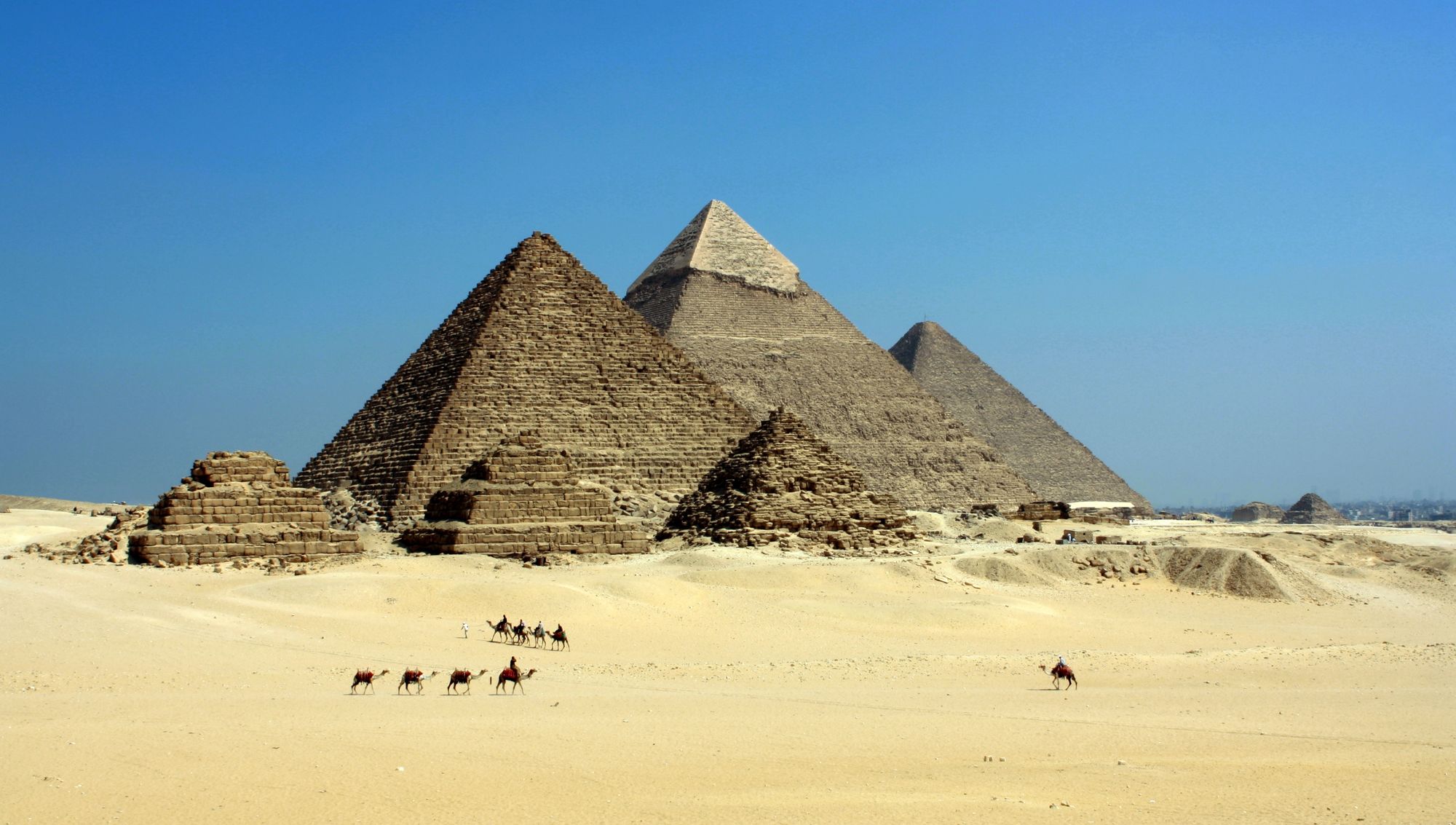
Egypt is one of the oldest travel destinations on earth, and it still delivers. The pyramids of Giza sit on the edge of Cairo, the Valley of the Kings and Karnak are a night train away in Luxor, and Abu Simbel's colossal temples stand near the Sudanese border. In between, the Nile runs through a narrow green strip of farms and villages with desert on both sides.

Most first trips follow the river. You land in Cairo, spend three or four days on the pyramids, the Grand Egyptian Museum and the medieval streets of Islamic Cairo, then take the sleeper train south. Luxor needs three days for its temples and tombs. Aswan, further south, is slower and more relaxed, with feluccas, Nubian villages and the 4am run to Abu Simbel. You can travel between Luxor and Aswan by train, by car via the temples of Edfu and Kom Ombo, or on a felucca or cruise.

Then there is the Red Sea. Dahab, on the Sinai coast, is the backpacker favourite: shore diving, freediving, cheap courses and the overnight climb up Mount Sinai. Hurghada and Sharm el-Sheikh are bigger resort towns, and Marsa Alam in the far south has quieter reefs. Many travellers finish a Nile trip with a week of diving.

For something different, Alexandria is a few hours from Cairo on the Mediterranean, and the Western Desert has Siwa oasis and the White Desert, though some desert areas need permits and an official guide.

Two weeks is a good length for a first trip: Cairo, Luxor and Aswan in ten days, plus a few days on the Red Sea. Three weeks lets you add Dahab properly and slow down. The best time is October to April. Summer is fiercely hot in the Nile Valley, with Luxor and Aswan averaging over 40°C in July.

Be ready for hassle. Tourism is a huge part of the economy, and touts, taxi drivers and boat captains can be persistent, especially in Luxor and at Giza. Most people find that firm politeness and agreeing prices in advance take the stress out of it, and that the warmth of Egyptians they meet away from the tourist sites more than makes up for it.

Where to go in Egypt

Most routes run along the Nile from Cairo to Aswan, then out to the Red Sea. These are the places worth a stop.

Cairo

Cairo

54 hostels

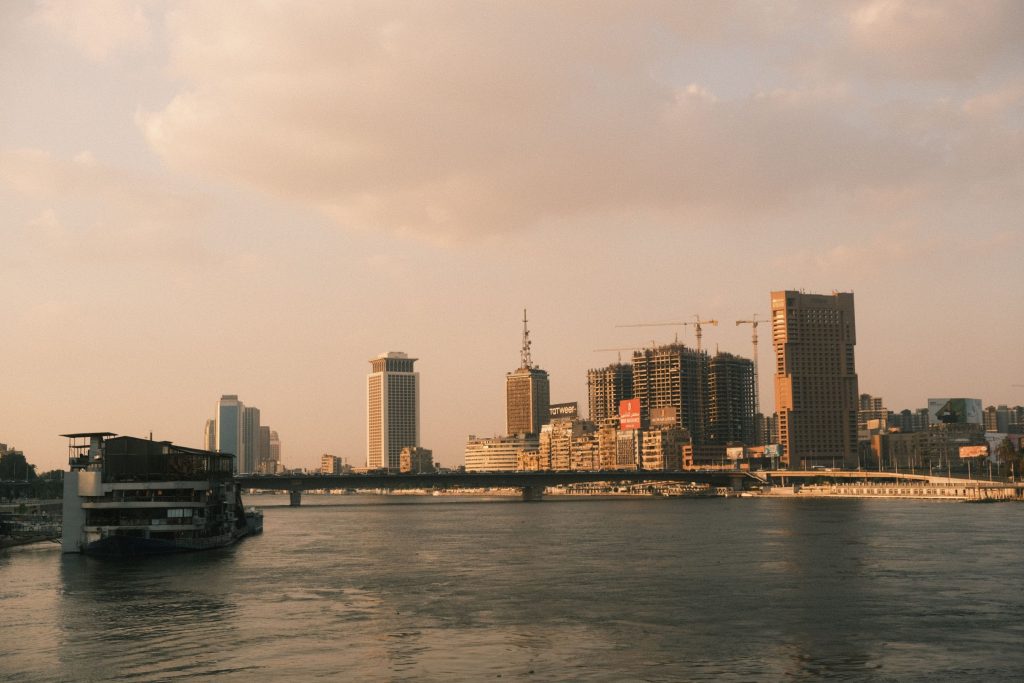
The capital, with the pyramids at Giza, the Grand Egyptian Museum and the medieval streets of Islamic Cairo. Chaotic and exhausting, and impossible to skip.

nice people, good weather, nice music. great place.

A traveller, on Hostelworld
The Cairo guide
Luxor

Luxor

12 hostels

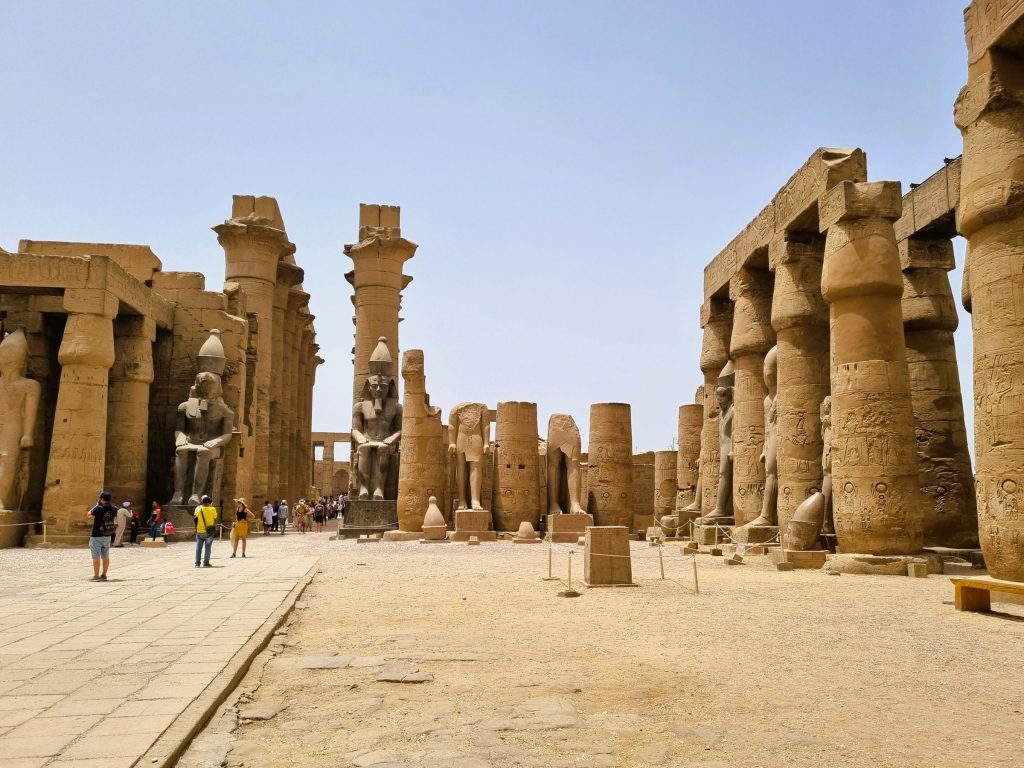
Ancient Thebes: Karnak and Luxor Temple on the East Bank, the Valley of the Kings and Hatshepsut's temple on the West Bank. Three days minimum.

İmpressive ancient civilization history is presented perfectly starting from the Pharos and sacred temples until now. The sacred River Nile is a key servant for all life forms and Luxor embraces this rightfully. The Nile controls the west and east in Luxor. Birth and death temples in Luxor make up the central archeology of Egypt. I recommend a historian who studies ancient civilization should definitely travel through Luxor to unravel the real truth.

A traveller, on Hostelworld
The Luxor guide
Aswan

Aswan

6 hostels

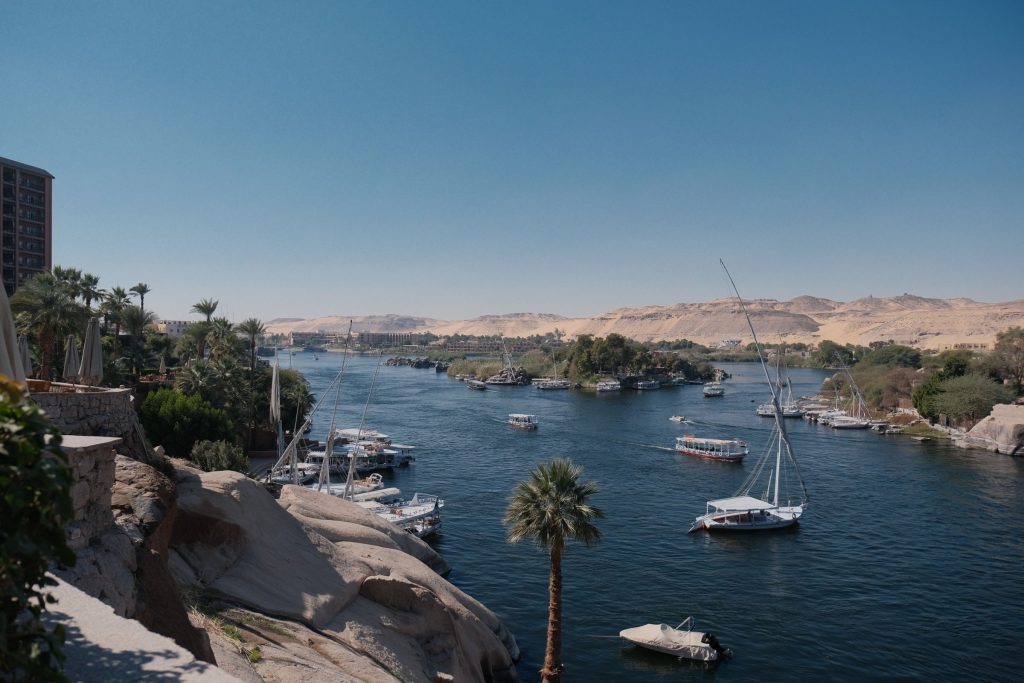
The most relaxed city on the Nile, with feluccas, Nubian villages, Philae Temple and the dawn trip to Abu Simbel.

Aswan is a great city, it is very walkable both along the Nile and on the Souks, there are plenty of shops, restaurants, and markets for everything you need. the city has a lively atmosphere and very friendly people. People warned us of the harassment coming to egypt but I came with my partner who was treated respectfully, aside from the occasional ‘you are a very lucky man’ comment to myself 😂. The city provides great access to Abu Simbel, philae, and the Nubian village nearby.

A traveller, on Hostelworld
The Aswan guide
Dahab

Dahab

13 hostels

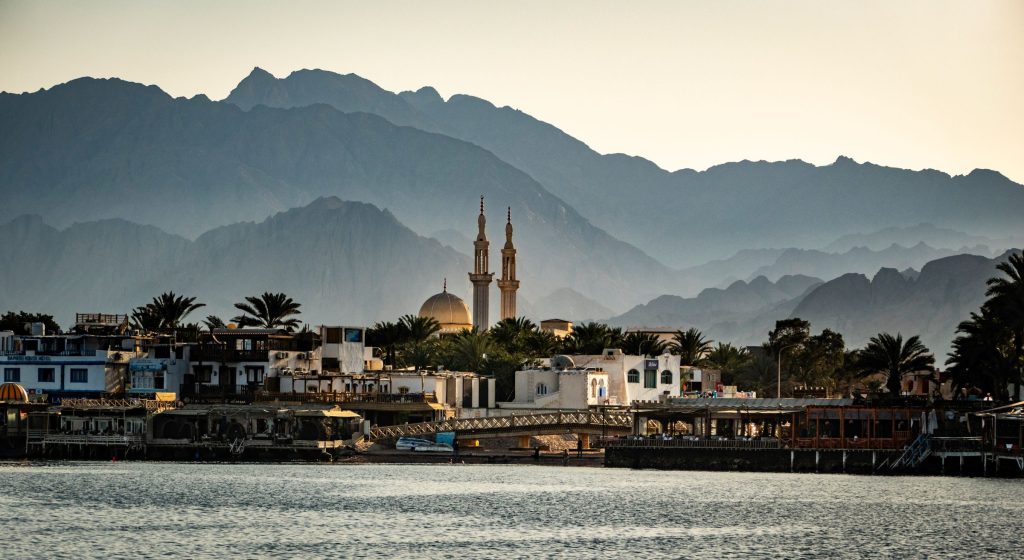
The Sinai's backpacker town: cheap dive courses, the Blue Hole, freediving and overnight climbs of Mount Sinai.

The Dahab guide

Types of trip in Egypt

Egypt is not just temples. Pick the trip that suits you, or combine a few: most people mix ancient sites with a week on the coast.

Ancient Egypt in Egypt

Pyramids, temples and painted tombs along the Nile, from Giza to Abu Simbel.

What to do

  • Explore the Valley of the Kings
  • see the pyramids at opening
  • visit the Grand Egyptian Museum

Spots to visit

  • Giza
  • Karnak
  • Valley of the Kings
  • Abu Simbel
  • Philae
  • Saqqara

Best cities for it

Things to do

Five thousand years in one trip

Egypt's headline sights are along the Nile, and they live up to the hype. In Cairo, start with the pyramids at Giza (EGP 700 for the plateau) and the Grand Egyptian Museum next door, which fully opened in November 2025 and now holds the complete Tutankhamun collection. Spend a day walking Islamic Cairo, from the Citadel to Al-Azhar Mosque and the Khan el-Khalili bazaar, and if you have time, go south to Saqqara and Dahshur for older pyramids with far fewer people.

Luxor is the richest ancient site in the country. The Valley of the Kings (EGP 750 for three tombs), the vast temple complex at Karnak and Hatshepsut's terraced temple are the big three, and Medinet Habu is the one people wish they had known about. A dawn hot-air balloon over the West Bank is a popular splurge.

Aswan is about the river: feluccas between granite islands, Philae Temple on its island, Nubian villages on the west bank and the early-morning trip to Abu Simbel, 280km south. The temples between Luxor and Aswan, at Esna, Edfu and Kom Ombo, are well preserved and easy to visit on the way.

On the Red Sea, Dahab is the best base for budget travellers, with shore diving straight from the town and PADI Open Water courses from about €275. Snorkellers can see a lot from the shore, and Ras Mohammed near Sharm el-Sheikh and the reefs off Marsa Alam are famous among divers. From Dahab, the overnight climb of Mount Sinai for sunrise is one of the classic trips in Egypt.

Further off the beaten track, Alexandria makes an easy trip from Cairo, and the Western Desert offers Siwa oasis and camping in the White Desert, which needs a permit and an official guide. Wherever you go, start early: opening time is the coolest and quietest moment at almost every site.

Food and drink

Carbs, beans and the best cheap food in the region

Egyptian food is cheap, filling and mostly vegetarian by accident. Koshary is the national dish: rice, lentils, pasta and chickpeas under spicy tomato sauce, garlic vinegar and crispy onions, served in specialist shops for EGP 50–100 a bowl. Ful medames, slow-cooked fava beans, and ta'ameya, Egyptian falafel made with fava beans and herbs, are the standard breakfast, stuffed into baladi bread from street carts for a few pounds.

Beyond the street, look for molokhia, a garlicky green soup eaten with rice or bread; mahshi, stuffed vine leaves and vegetables; and feteer, a flaky layered pastry with sweet or savoury fillings. Hawawshi, bread baked with spiced minced meat, is a Cairo favourite. Stuffed pigeon is a speciality worth trying once. Grilled kofta and kebab are sold by weight with salads, tahini and bread.

Regional food changes as you travel. Alexandria and the coast are about seafood, often picked from ice and grilled by weight. In Aswan, Nubian dinners of slow-cooked stews and fire-baked bread are served in village homes. In Sinai, Bedouin meals are cooked in the sand and finished with sweet herbal tea.

Drinks are a big part of the day. Tea is strong, sweet and everywhere, and the ahwa, the street café, is the centre of social life. Fresh juice stands sell sugar cane, mango, guava and lemon with mint, and karkadeh (hibiscus) is drunk hot or iced. Desserts include basbousa, konafa and om ali.

Alcohol is legal but limited to licensed bars, hotels, tourist restaurants and shops, and Stella and Sakara are the local beers. Do not drink in public. During Ramadan, many local restaurants close during daylight, and the whole country breaks the fast together at sunset.

Nightlife

Nights out, Egyptian style

Egypt's nightlife depends on where you are. Cairo is a genuine night city: families out at midnight, cafés busy until the small hours, and in Zamalek and Agouza a scene of rooftop bars, live music and clubs. Cairo Jazz Club has been a fixture for more than 15 years, and the weekend (Friday and Saturday) means Thursday is the big night.

Along the Nile, things are much quieter. Luxor and Aswan revolve around early starts for the tombs and Abu Simbel, so evenings mean rooftop drinks at your hostel, a felucca at sunset and dinner on the Corniche. Beer is available in hotel bars and some tourist restaurants but not in most local places.

The Red Sea is where the parties are. Dahab has relaxed seafront bars, live music and desert gatherings, and it gets busy on weekends and holidays when young Cairenes arrive. Sharm el-Sheikh and Hurghada have larger clubs aimed at resort tourists, with prices to match.

Everywhere, the ahwa is the real Egyptian night out: plastic chairs, tea, shisha, dominoes, backgammon and football on the TV. It is overwhelmingly male in many places, but travellers of any gender are generally welcome at the busier ones in tourist areas.

Ramadan changes everything. Days are slow and quiet, but after sunset the streets fill, lanterns go up and cafés stay open until dawn. It is a great time to see local life. Wherever you are, remember that Egypt's drug laws are extremely severe, and drink only in licensed places.

Getting around

Night trains, buses and the occasional felucca

The backbone of a budget trip is the line from Cairo to Luxor and Aswan. Abela's sleeper trains leave Cairo every evening and arrive in Luxor about 10–11 hours later and Aswan about 13–14 hours later. A berth in a shared two-bed cabin costs $110–125, with dinner and breakfast, and is booked online. Day trains are cheaper and pass through farmland and villages, but since 2022 foreigners pay fares in US dollars, roughly $25–45 between Luxor and Aswan, and generally have to buy tickets at the station.

Buses fill the gaps. Go Bus and other companies run comfortable, air-conditioned coaches from Cairo to Luxor (about 10 hours, around $10), Dahab (about 9–10 hours, around $12), Hurghada and Alexandria. Overnight buses save a night's accommodation, but routes into Sinai pass police checkpoints, so keep your passport handy and expect broken sleep.

Flights save time on long hops. EgyptAir and Air Cairo connect Cairo with Luxor, Aswan and Sharm el-Sheikh in about an hour, and Aswan with Abu Simbel in about 45 minutes. For the Red Sea, most backpackers fly into Sharm and transfer to Dahab by taxi (about $20–30, 90 minutes).

In cities, ride-hailing makes life much easier. Uber works in Cairo, Alexandria and Hurghada; Careem and inDrive also operate, and inDrive covers Luxor, Aswan and Sharm. Cairo's metro is cheap at EGP 10–20 a ride. Elsewhere, agree taxi and tuk-tuk fares before you set off.

The Nile itself is part of the journey. Public ferries cross the river in Luxor and Aswan for a few pounds, feluccas can be hired by the hour, and multi-day felucca trips and cruises sail between Aswan and Luxor or Kom Ombo. UK advice is not to drive outside cities at night, and to use reputable operators for desert and diving trips.

Costs

What Egypt costs

The Egyptian pound (EGP) was worth about EGP 58 to €1 in October 2026, and the currency has lost a lot of value in recent years. That makes daily life very cheap for visitors: street food costs a euro or two, a metro ride in Cairo EGP 10–20, and a hostel dorm often under €10. The big costs are the ancient sites, which are priced for foreigners in pounds but at European-ish levels.

Plan your site budget before anything else. The major tickets add up quickly: Giza plateau EGP 700, the Grand Egyptian Museum about EGP 1,700, the Valley of the Kings EGP 750, Karnak EGP 600, Philae EGP 550 and Abu Simbel about EGP 750–820. A two-week trip with all the main sights can easily mean €200 or more in entry fees alone. Students with an ISIC card get about half off. In Luxor, the five-day Luxor Pass ($130 or €120) can save money if you see a lot.

Most ticket offices are now card only, so bring a Visa or Mastercard that works abroad, ideally with no foreign transaction fees. Cash is still essential for food, taxis, ferries, tips and small hotels. ATMs are easy to find in cities. Some things are priced in US dollars or euros, including sleeper trains, dive courses, the Luxor Pass and the Blue Hole fee in Dahab, so a few clean dollar notes are useful.

Haggling is normal for taxis, souvenirs, feluccas and many tours, and first prices to foreigners are often inflated. Agree the price and the currency before you start. Baksheesh, small tips, are part of daily life; keep a supply of small notes for guardians, drivers and helpers.

Visitors can bring in or take out up to EGP 5,000 in cash, and must declare foreign currency worth more than $10,000 on arrival.

Safety

Safe to travel, with your wits about you

Millions of tourists visit Egypt every year, and the main tourist route along the Nile and the Red Sea resorts is well policed, with tourist police at every major site. The UK Foreign Office advises against all travel to North Sinai and within 20km of the Libyan border, and against all but essential travel to parts of the Western Desert and the northern interior of South Sinai, but Cairo, Luxor, Aswan, Abu Simbel, Siwa, Sharm el-Sheikh and the Red Sea coast are outside those zones. It also warns that terrorist attacks are likely, so stay alert in crowds and avoid demonstrations.

Day to day, the issues are scams and hassle rather than danger. Common tricks include telling you a site is closed and steering you to a shop, quoting a price per person after agreeing it per group, or switching from pounds to dollars at the end of a ride. Agree prices, currency and duration in advance, and walk away if things change. At Giza, ignore anyone who says you need a guide or animal to see the pyramids.

Women travellers commonly report staring, comments and sometimes groping, particularly in crowded places in Cairo and Luxor. Modest clothing, women-only metro carriages, ride-hailing apps and sharing your location help. UK advice also notes sexual assaults reported in Red Sea resorts, often by people victims had met, including hotel and excursion staff.

Heat and traffic are real hazards. Summer highs pass 40°C in Luxor and Aswan; start early and drink plenty of water. Road accidents are common, so avoid road travel at night outside cities. In the sea, dive within your training, especially at Dahab's Blue Hole, and check your insurance covers diving and evacuation.

Some laws catch visitors out: drones need military permission, photographing military or police sites is illegal, and drug penalties can include life imprisonment. LGBT+ travellers should be discreet, as 'debauchery' laws have been used against LGBT+ people. In an emergency call the tourist police on 126.

Entry and documents

Visas, stamps and what to bring

For British passport holders, entering Egypt is straightforward. You can buy a single-entry tourist visa on arrival at approved airports for $30, cash only, at kiosks before immigration, valid for up to 30 days. Since 1 August 2026, Cairo International Airport also offers a digital visa on arrival for $36 (including a $6 service fee), paid by card at self-service machines. Alternatively, apply in advance for an e-visa on the official portal, visa2egypt.gov.eg: $30 for a single entry or $65 for multiple entries, valid for up to three months. Travellers from the EU, the US and Australia can use the same options in most cases, but check the official portal for your nationality before you go.

If you fly into Sharm el-Sheikh and stay less than 15 days only in the South Sinai resorts of Sharm el-Sheikh, Dahab, Nuweiba or Taba, you get a free entry stamp instead of a visa. It does not let you travel to Cairo, Luxor or anywhere else, so buy a full visa if there is any chance you will leave the Sinai coast.

Your passport must be valid for at least six months after you arrive and have at least one blank page. Egyptian authorities have announced a higher visa fee from 1 January 2027, though the final figure had not been confirmed on the official portal at the time of writing.

You can bring up to EGP 5,000 in or out of the country, and must declare foreign currency over $10,000 on arrival. High-value electronics should be declared, and satellite phones and radio equipment may be confiscated. Do not bring a drone without prior military permission.

If you use a local SIM, your phone's IMEI is registered automatically and one personal phone is allowed for 90 days without paying duty. Bring a card that works abroad for ticket offices, some clean US dollar notes for the visa and dollar-priced services, and a printed copy of your passport for permits and checkpoints.

When to go to Egypt

October to April is the season for the Nile Valley, with warm, dry days and cool nights. Summer is very hot inland but good on the Red Sea coast, where the sea is at its warmest. Ramadan and the Eid holidays change opening hours and fill domestic resorts.

19°
Jan
Peak season; Coptic Christmas 7 January
21°
Feb
Abu Simbel Sun Festival 22 Feb; Ramadan from about 8 Feb 2027
24°
Mar
Eid al-Fitr around 9 March 2027
28°
Apr
Sham el-Nessim; warming up
32°
May
Hot in the Nile Valley; good on the Red Sea
35°
Jun
Over 40°C in Luxor and Aswan
35°
Jul
Hottest month; Red Sea busy with Egyptians
35°
Aug
Very hot inland; warm sea
33°
Sep
Still hot; diving season picks up
30°
Oct
Season begins; Abu Simbel Sun Festival 22 Oct
25°
Nov
Ideal weather; Cairo International Film Festival
21°
Dec
Peak season, Christmas and New Year
Bar height is temperature. Colour is how busy it gets: quiet busy peak

Average daily highs for Cairo from Weatherspark, rounded. Luxor and Aswan are roughly 4–7°C hotter for most of the year, passing 40°C from June to August. Crowd levels are our own estimate based on the winter high season and Egyptian holidays.

Plan your Egypt budget

Pick a travel style and the number of nights. Site fees are the big variable, so the 'doing' column assumes you are seeing the main sights at a steady pace.

Daily estimates in euros per person at about EGP 58 to €1 (October 2026), averaged across Cairo, the Nile Valley and the Red Sea. Dive courses, balloon flights and sleeper trains are extra. Prices change often in Egypt, so treat these as a guide.

—
  • Beds—
  • Food and drink—
  • Getting around—
  • Doing things—
What's on

What's on in Egypt

Egypt's calendar mixes ancient alignments, film festivals and the religious holidays that shape daily life. Check Ramadan and Eid dates before booking, as they change each year.

Egypt FAQs

Checked October 2026. Visa rules and site fees in Egypt change often, so confirm before you travel.

Is Egypt safe to visit?
The main tourist areas, including Cairo, Luxor, Aswan, Abu Simbel and the Red Sea resorts, are visited by millions of people a year and are well policed. The UK Foreign Office advises against travel to North Sinai, the Libyan border area and parts of the Western Desert. Day to day, scams, hassle, heat and traffic are the main issues.
Do I need a visa for Egypt?
Yes, most visitors do. UK passport holders can buy a $30 single-entry visa on arrival or apply for an e-visa at visa2egypt.gov.eg ($30 single, $65 multiple). If you fly into Sharm el-Sheikh and stay under 15 days only in the South Sinai resorts, you get a free Sinai stamp instead.
How many days do you need in Egypt?
Ten days covers Cairo, Luxor and Aswan at a reasonable pace. Two weeks lets you add a few days on the Red Sea, and three weeks gives you time for Dahab, Mount Sinai or Alexandria without rushing.
When is the best time to visit Egypt?
October to April, when the Nile Valley is warm rather than scorching. December and January are the busiest. Summer is very hot in Luxor and Aswan, often over 40°C, but the Red Sea is at its warmest.
How much does a trip to Egypt cost?
Daily living is cheap: dorms often under €10 and street food a euro or two. Site fees are the big cost, easily €200 or more for the main sights on a two-week trip. A shoestring budget of about €35–40 a day including sights is realistic.
Is Egypt safe for solo female travellers?
Many women travel solo in Egypt, but harassment, from comments to groping in crowds, is common. Dressing modestly, using women-only metro carriages and ride-hailing apps, and staying in well-reviewed hostels all help. Aswan and Dahab are generally more relaxed than Cairo or Luxor.
How do I get from Cairo to Luxor and Aswan?
The Abela sleeper train runs every night, taking about 10–11 hours to Luxor and 13–14 to Aswan, for $110–125 per person in a shared cabin. Overnight buses and one-hour flights are the alternatives.
Can I use cards in Egypt?
Yes, and at most ticket offices you must, as cash is no longer accepted at many major sites. Carry cash for food, taxis, tips and small hotels, and some US dollars for dollar-priced services such as sleeper trains.
Is the tap water safe to drink in Egypt?
It is not recommended. Drink bottled or filtered water; many hostels have filters where you can refill a bottle.
What should I wear in Egypt?
Dress modestly, especially away from beach resorts: cover shoulders and knees. Women need a headscarf to enter mosques. Light, loose clothing and a hat are best for the heat.

Say yes to hostels, meet the world

Compare Egypt hostels — live prices, real reviews and free cancellation on most bookings. Then meet the people already there in the app.

Get the App. QRGet the App.
Get the App. QR  Get the App.
Scroll to Top