Plateau
Sightseeing and businessSkyscrapers, St Paul's Cathedral and the Museum of Civilisations.

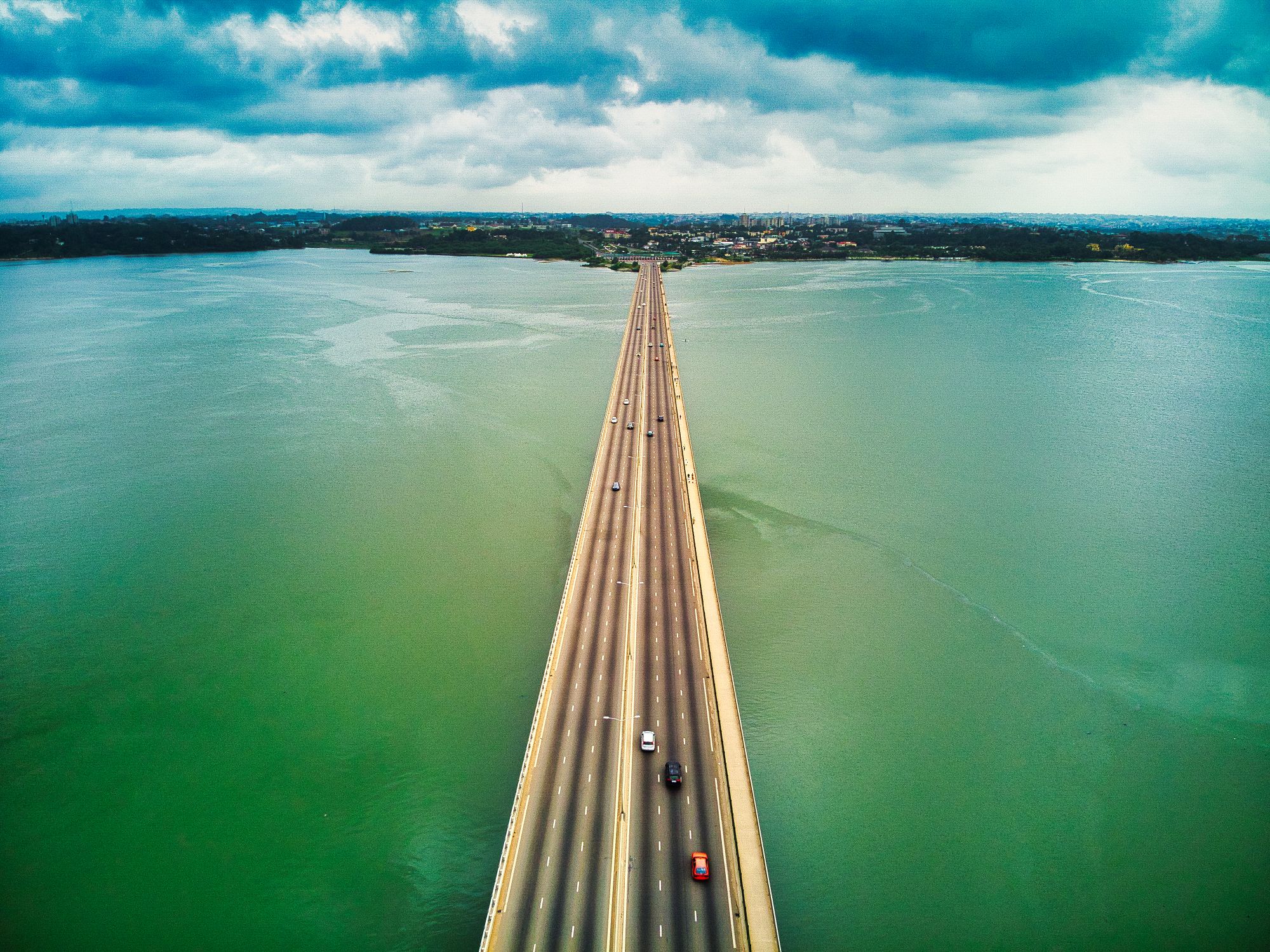
Abidjan is West Africa's glittering lagoon city, nicknamed the Manhattan of Africa for its Plateau skyline. Eat attiéké and grilled fish at an open-air maquis, walk in a rainforest inside the city, cross the lagoon by ferry and dance to coupé-décalé on Rue Princesse until sunrise. Then escape to the beaches of Grand-Bassam and Assinie.
Abidjan is Côte d'Ivoire's economic capital and largest city, home to around six million people. It's built around the Ébrié Lagoon, a network of waterways that splits the city into districts linked by bridges, with the Atlantic just beyond.
The Plateau, on a peninsula in the lagoon, is the business district, with skyscrapers, government buildings and St Paul's Cathedral. North and east, Cocody and Deux Plateaux are wealthier, leafy residential areas with restaurants, shopping and the university. South of the lagoon, Treichville and Marcory are busy, working-class districts with markets and nightlife, and Zone 4, in Marcory, has bars, lounges and restaurants. Yopougon, to the west, is the city's biggest district and home to the famous Rue Princesse.
Abidjan is the cultural capital of francophone West Africa. It's the birthplace of coupé-décalé and zouglou music, and the maquis, open-air restaurants and bars, are at the heart of city life.
The city is fast, busy and expensive by regional standards, with heavy traffic and a mix of glitz and poverty. Getting around takes planning, and ride-hailing apps are the safest option.
Three or four days is enough for the city, its food and nightlife, and day trips to Grand-Bassam and Assinie.
Stay in Cocody or Deux Plateaux for calm, leafy streets and restaurants, or Zone 4 in Marcory for nightlife. The Plateau is for business and sightseeing.
Skyscrapers, St Paul's Cathedral and the Museum of Civilisations.
Leafy residential areas with restaurants, galleries and markets.
Bars, lounges and restaurants south of the lagoon.
Huge western district, home to the city's most famous nightlife street.
Orange labels are neighbourhoods, dots are the 1 top-rated hostels. Map data from OpenStreetMap contributors.
Start on the Plateau, the business district, for its skyline of towers and modernist buildings. St Paul's Cathedral, with its dramatic sloping tower, is one of the city's landmarks.
The Museum of Civilisations of Côte d'Ivoire, on the Plateau, displays masks, statues and objects from the country's many cultures. Entry is about CFA 2,000 for foreign adults.
Banco National Park, on the city's western edge, is a patch of primary rainforest with walking trails and huge trees, a rare forest inside a major city. Entry is about CFA 5,000 for foreigners.
Take a lagoon ferry across the city, especially at sunset, for views of the skyline from the water.
Explore the markets in Treichville and Adjamé, crowded and lively, with fabrics, food and everything else. Go with a local if you can.
Cocody has art galleries and the Cocody market, and Deux Plateaux has restaurants and cafés.
Day trips go east to Grand-Bassam, the UNESCO-listed colonial capital with a long beach, and Assinie, a strip of sand between the lagoon and the sea.
Admire the skyline from the bridges or the lagoon shore.
Visit St Paul's Cathedral, which is free to enter outside services.
Walk around the Plateau and Cocody by day.
Browse the markets of Treichville and Cocody.
Ride a lagoon ferry for the price of a ticket, for one of the best views in the city.
Join the crowds at a local maquis for music, even if you only buy a drink.
Abidjan is a great food city. Attiéké, fermented cassava couscous, is served with poisson braisé (grilled fish), onions, tomato and chilli at maquis all over the city.
Alloco, fried plantain with chilli, is the classic street snack, and garba, attiéké with fried tuna, is a cheap and filling lunch.
Kedjenou, slow-cooked chicken stew, and sauces like peanut (sauce arachide) or palm-nut (sauce graine) with rice or foutou are traditional dishes.
The maquis, open-air restaurants with grills, plastic chairs and music, are the best places to eat. Ask the price before you sit down.
Abidjan also has French, Lebanese and international restaurants in Cocody, Zone 4 and the Plateau, with meals around €10 to €20.
Gnamakoudji (ginger juice), bissap and bangui (palm wine) are local drinks, and Flag and Bock are the beers. Drink bottled water.
Abidjan has one of the best nightlife scenes in Africa. It's the home of coupé-décalé and zouglou, and music plays everywhere.
Rue Princesse, in Yopougon, is the city's most famous nightlife street, with bars, live music, DJs and grilled spicy chicken. Zone 4, in Marcory, has bars, lounges and clubs popular with expats and travellers. Cocody has upmarket venues.
Nights start late and go on until dawn, especially at weekends.
Use ride-hailing apps or pre-booked taxis to get home, keep valuables hidden and don't walk after dark. In Zone 4, be aware of persistent sex workers in some bars.
Félix Houphouët-Boigny International Airport is in Port-Bouët, south of the city centre. Orange airport taxis cost around CFA 5,000 to central areas, though prices can be negotiated. Ride-hailing apps such as Yango also work.
In the city, the UK recommends ride-hailing apps or pre-booked private taxis. Orange taxis go anywhere and are metered or negotiated. Woro-woros, shared taxis with colours by district, are cheaper but stick to set areas. Buses are cheap and crowded.
Lagoon ferries cross between districts and are a good way to beat traffic and see the skyline.
Long-distance buses leave from the bus stations, such as Adjamé, for Yamoussoukro, Man and other towns, and international buses go to Accra, Ouagadougou and Bamako. UTB is a recommended company.
Grand-Bassam is about 45 minutes east by taxi or shared minibus.
Avoid motorbike taxis, and don't travel by road at night.
Abidjan is one of the more expensive cities in West Africa. Hostelworld lists one hostel in Abidjan, with dorm beds from about US$11, and one in Grand-Bassam, from about US$23.
A plate of attiéké and fish or garba at a maquis costs a few euros, and restaurants in Cocody or Zone 4 around €10 to €20.
Airport taxis cost about CFA 5,000, and ride-hailing within the city is reasonable.
Banco National Park costs about CFA 5,000, and the Museum of Civilisations about CFA 2,000.
ATMs are common. Take transport to and from ATMs, and keep your card in sight when paying.
On a budget, allow around €40 to €60 a day.
The UK says armed break-ins and street hold-ups occur in Abidjan, though not commonly. Use ride-hailing apps or pre-booked taxis, avoid public transport and walking after dark, and keep valuables hidden.
Take transport to banks and ATMs, and keep your card in sight to avoid fraud.
Watch for pickpockets in crowded markets and at bus stations. Treichville, Adjamé and parts of Yopougon are best visited with a local.
Demonstrations can occur, especially around elections. Avoid crowds.
Terrorist attacks can't be ruled out, including at hotels, beach resorts and restaurants.
The ocean has very strong rip tides, and there's no rescue service, so don't swim at unsupervised beaches.
Carry your original passport, and don't photograph the Presidency, government buildings, military sites or the airport.
From Abidjan, head east to the colonial town of Grand-Bassam and the beaches of Assinie, or west across the lagoon to Jacqueville.
UNESCO-listed colonial quarter, a costume museum and a long beach.
Beach strip between lagoon and ocean, with lagoon trips.
Quiet beaches and lagoon views west of Abidjan.
The political capital and its giant basilica.
Abidjan's calendar includes Femua, one of West Africa's biggest music festivals, and Independence Day.
Anoumabo Urban Music Festival, with big African artists.
Public holiday.
Traditional N'zima festival, a short trip from Abidjan.
Abidjan has one hostel on Hostelworld, with another in nearby Grand-Bassam. Budget hotels and guesthouses are the alternative.
Abidjan's only hostel on Hostelworld, rated 10 from 2 reviews, with dorm beds from about US$11, a shared kitchen and free WiFi.
In Grand-Bassam, 45 minutes from Abidjan, rated 10 from 1 review, with dorms from about US$23 and private rooms from about US$31.
Abidjan is hot and humid all year, with highs of 27°C to 32°C. November to March is the driest time to visit. The main rainy season runs from about May to July, with a shorter one in October and November.
Average daily highs from weather2travel's Abidjan climate data. Crowd levels are our rough guide.
Pick a style and a number of nights for a rough total, per person, in euros.
Estimates in euros, converted from CFA francs and US dollar prices. Beds are based on Hostelworld prices in October 2026.
Prices and timetables change. Check before you travel.

Compare Abidjan hostels: live prices, real reviews and free cancellation on most bookings. Then meet the people already there in the app.

 Get the App.

 Get the App.