Abidjan
1 hostel
Lagoon city with a skyline, museums, Banco forest and West Africa's best nightlife.

Côte d'Ivoire is one of West Africa's most dynamic countries: Abidjan's glittering lagoon skyline and coupé-décalé nights, colonial Grand-Bassam and the beaches of Assinie, a giant basilica in Yamoussoukro and the waterfalls and forests around Man. It's fast-changing, and few backpackers have discovered it yet.
Côte d'Ivoire, or Ivory Coast, sits on the Gulf of Guinea between Ghana and Liberia. It's one of the biggest economies in West Africa, the world's largest cocoa producer and, after years of conflict in the 2000s, one of the region's fastest-growing countries.
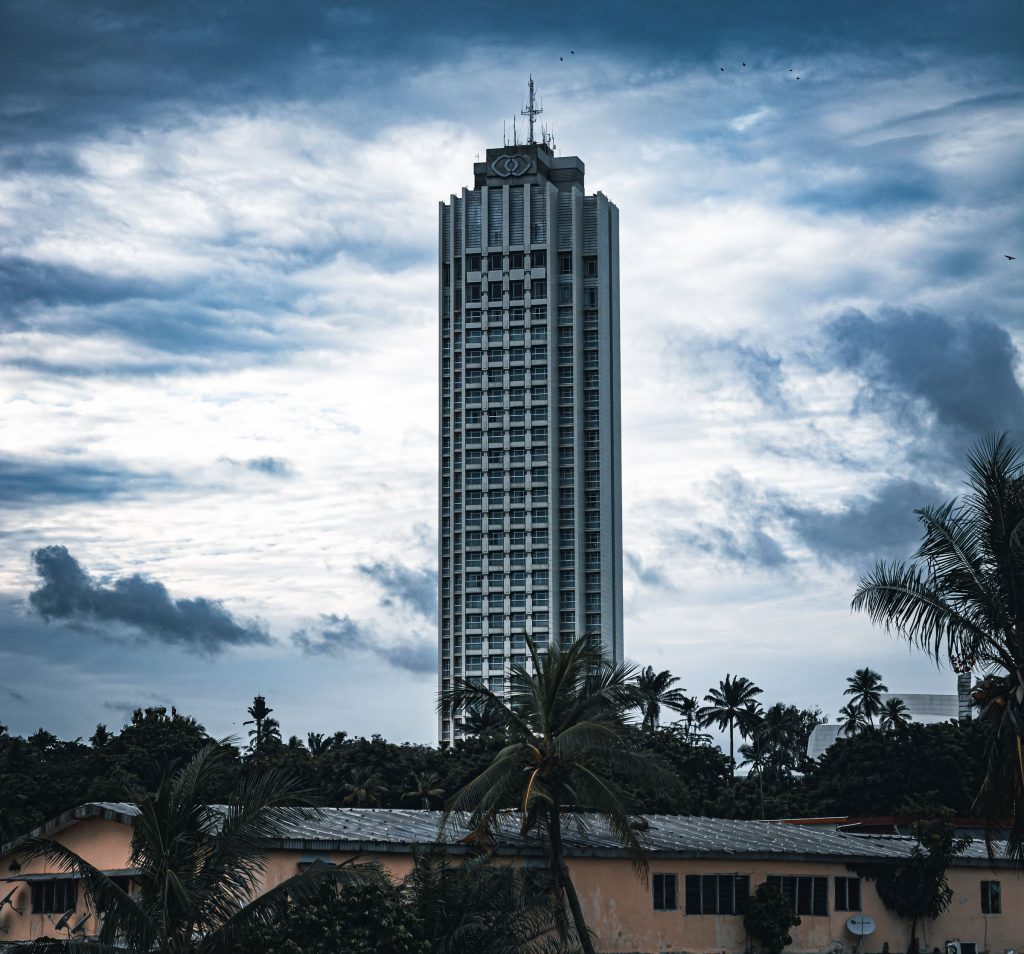
Abidjan, the economic capital, is a huge, modern city built around a lagoon, with skyscrapers on the Plateau, upmarket Cocody, lively Treichville and Yopougon, and a famous nightlife and music scene, the birthplace of coupé-décalé and zouglou. French is the official language, alongside dozens of local languages.
Along the coast, Grand-Bassam, the first colonial capital and a UNESCO World Heritage site, has crumbling colonial buildings and a long beach, and Assinie is a strip of sand between lagoon and ocean, popular for weekend escapes. The Atlantic here has dangerous currents, so swimming needs real care.
Inland, Yamoussoukro, the political capital, is home to the Basilica of Our Lady of Peace, one of the largest churches in the world. In the west, Man is surrounded by forested hills, waterfalls and villages known for their mask dances. Taï National Park, a UNESCO site, protects one of the last primary rainforests in West Africa.
The north is a different story. The UK advises against all travel to the Northern Zanzan and Savanes provinces, to Comoé National Park and to areas within 40 km of the borders with Burkina Faso and Mali.
Côte d'Ivoire is less set up for backpackers than its neighbours, with few hostels, but it's well connected and easy to explore from Abidjan. A week to ten days covers Abidjan, the coast and Yamoussoukro.
Most trips centre on Abidjan and the coast, with a trip inland to Yamoussoukro or Man. These are the stops that earn their place, with live hostel counts and dorm prices from Hostelworld.
Lagoon city with a skyline, museums, Banco forest and West Africa's best nightlife.
Côte d'Ivoire rewards a focused trip. Pick one or two of these and build your route from Abidjan.
Eat at Abidjan's maquis, dance to coupé-décalé on Rue Princesse and cruise the lagoon.
Explore Grand-Bassam's colonial streets and beach, then head to Assinie's lagoon.
See Grand-Bassam's colonial quarter, St Paul's Cathedral and Yamoussoukro's basilica.
Walk Banco's rainforest in Abidjan and hike the hills and waterfalls around Man.
Try attiéké with grilled fish, alloco, garba and kedjenou.
Follow the coast east from Abidjan via Grand-Bassam and Assinie to the Ghana border at Noé.
Abidjan is the starting point. Admire the skyline from the lagoon, visit St Paul's Cathedral, with its striking modern design, explore the Museum of Civilisations, walk in Banco National Park, a rainforest inside the city, and eat at a maquis, the open-air restaurants where the city socialises.
Grand-Bassam, about 45 minutes east of Abidjan, was the colonial capital until 1896. Its Quartier France has faded colonial buildings, a national costume museum and a long beach. It's a UNESCO World Heritage site.
Assinie, further east, is a strip of sand between the lagoon and the ocean, with beach hotels, lagoon trips and water sports, popular with Abidjan residents at weekends.
Yamoussoukro, about three hours north of Abidjan, is the political capital. The Basilica of Our Lady of Peace, modelled on St Peter's in Rome, is one of the largest churches in the world. Crocodiles live in the lake by the former presidential palace.
Man, in the west, is a base for hiking among forested hills, the Cascade waterfall, the Dent de Man peak and villages known for their stilt and mask dancers.
Taï National Park, in the south-west, is a UNESCO site with chimpanzees and pygmy hippos, but it's remote and needs planning.
Sassandra and San Pedro, on the western coast, have quieter beaches and fishing villages.
Ivorian food is hearty and full of flavour. Attiéké, fermented grated cassava similar to couscous, is the national staple, usually served with grilled fish (poisson braisé), onions and chilli.
Alloco, fried ripe plantain with chilli and onions, is a favourite street food, and garba, attiéké with fried tuna, is the cheap lunch of choice.
Kedjenou is a slow-cooked chicken or guinea-fowl stew, traditionally made in a sealed clay pot. Foutou, pounded yam or plantain, is served with sauces like peanut sauce (sauce arachide) or palm-nut sauce (sauce graine).
The maquis, open-air restaurants and bars, are the heart of Ivorian food culture, serving grilled chicken and fish, cold beer and music.
Bangui (palm wine) and gnamakoudji (ginger juice) are local drinks, and Flag and Bock are popular beers.
A meal at a maquis costs a few euros. Drink bottled water.
Abidjan has one of the best nightlife scenes in Africa. It's the home of coupé-décalé and zouglou, and the music plays everywhere, from street-side maquis to big clubs.
Yopougon's Rue Princesse is famous for its bars, live music, DJs and grilled food. Zone 4 and Marcory have bars and lounges, and Cocody has upmarket venues.
Nights start late and go on until dawn, especially at weekends.
Use ride-hailing apps or pre-booked taxis at night, keep valuables out of sight and don't walk around after dark.
Abidjan's Félix Houphouët-Boigny International Airport is the main entry point, with flights from Europe and across Africa.
Long-distance buses connect Abidjan with Yamoussoukro, Bouaké, Man and other towns, and international buses run to Accra, Ouagadougou and Bamako. Companies such as UTB are reliable. Shared minibuses (gbakas) cover shorter routes.
In Abidjan, the UK recommends ride-hailing apps or pre-booked private taxis, as many street taxis are old and poorly maintained. Lagoon ferries cross the city and are a good way to see the skyline.
Roads are dangerous: driving standards are poor, fatal accidents are common and emergency services outside Abidjan are unreliable. Avoid driving at night. Police checkpoints are common, so carry your documents. Armed bandits sometimes set up roadblocks on quiet secondary roads.
The coast road east to Ghana passes Grand-Bassam and Assinie, and crosses at Noé, near Elubo.
Côte d'Ivoire uses the West African CFA franc (XOF), fixed at 655.957 to the euro, so €1 is about CFA 656. You can bring up to CFA 500,000 in cash and must declare foreign currency.
ATMs are common in Abidjan and the main towns, and cards are accepted in larger hotels and restaurants. Keep your card in sight when paying to avoid fraud, and take transport to and from ATMs.
Abidjan is one of the more expensive cities in West Africa. Hostelworld lists a couple of hostels, in Abidjan and Grand-Bassam, with dorm beds from about US$11 to US$23.
A meal at a maquis or street stall costs a few euros, and a restaurant meal in Abidjan around €10 to €20.
Buses are cheap, and ride-hailing is reasonable within Abidjan.
On a budget, allow around €40 to €60 a day.
The UK advises against all travel to the Northern Zanzan and Savanes provinces, to Comoé National Park and to areas within 40 km of the borders with Burkina Faso and Mali, because of the threat from armed groups linked to al-Qa'ida. It advises against all but essential travel within 20 km of the Liberian border, because of violence by local militias.
Terrorist attacks can't be ruled out anywhere, including in Abidjan and at beach resorts, hotels and restaurants.
In Abidjan, armed break-ins and street hold-ups occur, though not commonly. Use ride-hailing apps or pre-booked taxis, avoid public transport and walking after dark, and keep valuables hidden.
Demonstrations can happen, especially around elections. Avoid crowds and follow local media.
The ocean has very strong currents and rip tides that cause many drownings each year, and there's no lifeboat service. Swim only where locals say it's safe.
Carry your passport, as police may not accept copies. Don't photograph military sites, government buildings, the Presidency or the airport. Same-sex activity is legal but attitudes are less tolerant.
UK visitors, and most non-ECOWAS nationals, need a visa. Apply and pay for an e-visa online at least 10 working days before travel. Once approved, you collect the visa on arrival at Abidjan airport.
A yellow fever vaccination certificate is mandatory for entry.
Your passport must be valid for at least six months after you arrive.
You can bring up to CFA 500,000 in cash and must declare any foreign currency.
Travellers arriving from Ebola-affected countries face health screening and may be monitored for up to 21 days.
Carry your original passport at all times.
November to March is the best time to visit, with drier, sunny weather, although the harmattan can bring haze from December to February. The main rainy season runs from about May to July, with a shorter one in October and November.
Temperatures are average daily highs in Abidjan (weather2travel climate data). The north is hotter and drier. Crowd levels are our own rough estimate.
Pick a travel style and the number of nights to see a rough total. Figures are per person per day in euros, based on hostels or budget hotels, maquis food, buses and ride-hailing.
Rough figures for 2026, converted from CFA francs (fixed at 655.957 to €1). Abidjan is more expensive than the rest of the country.
Music festivals, traditional celebrations and national days shape the Ivorian calendar.
Anoumabo Urban Music Festival, one of West Africa's biggest music festivals.
Traditional N'zima festival of renewal and celebration.
Public holiday marking independence in 1960.
Traditional Abidji purification festival.
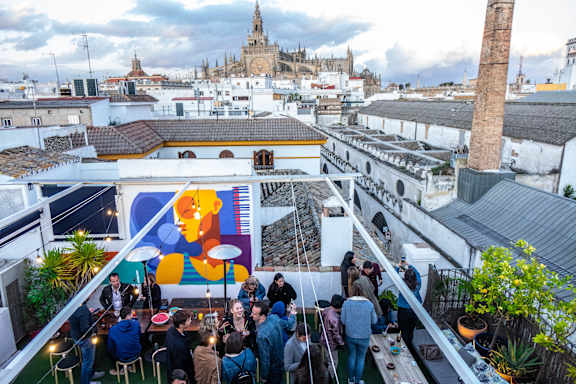
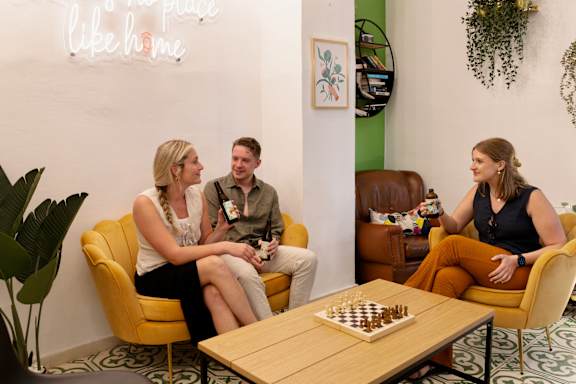
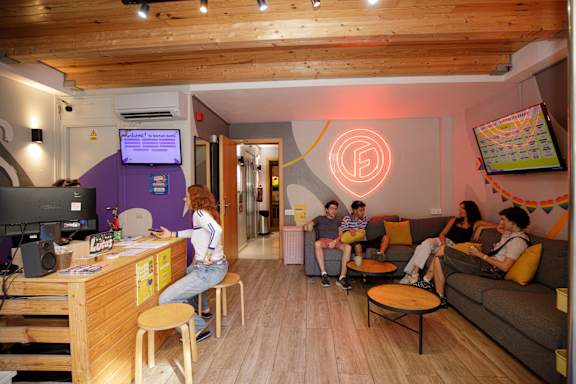
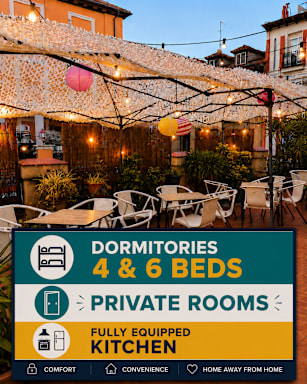
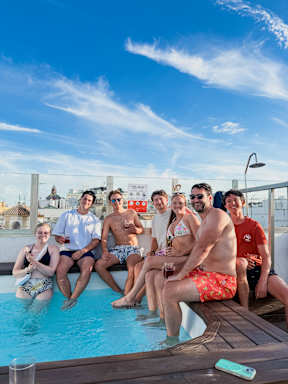
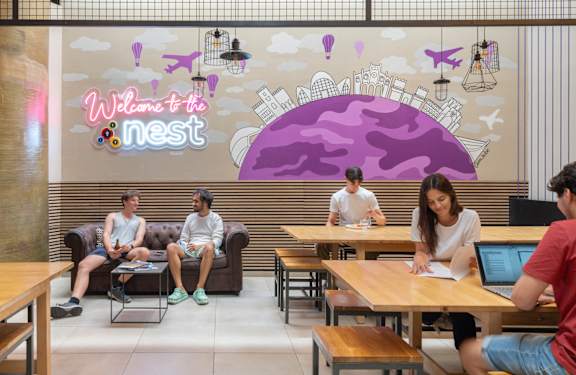
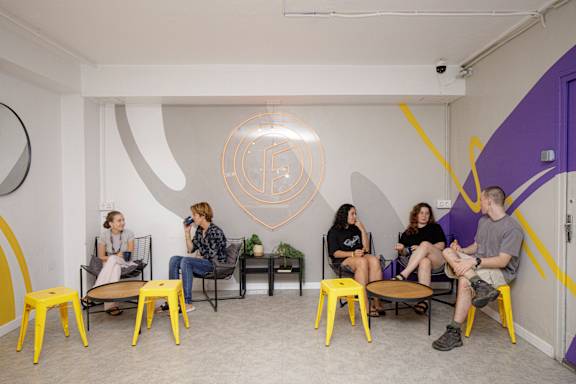
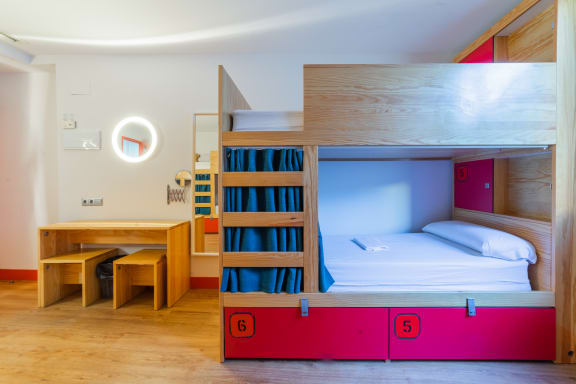
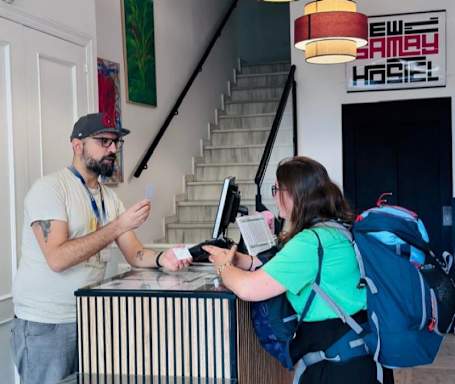
Côte d'Ivoire has only a couple of hostels on Hostelworld, in Abidjan and Grand-Bassam. These are the best-rated right now, with live prices.
Visa, price and safety details were checked in October 2026. Rules change, so confirm with official sources before you travel.

Compare Côte d'Ivoire hostels: live prices, real reviews and free cancellation on most bookings. Then meet the people already there in the app.

 Get the App.

 Get the App.