Colaba
First-timersNear the Gateway.

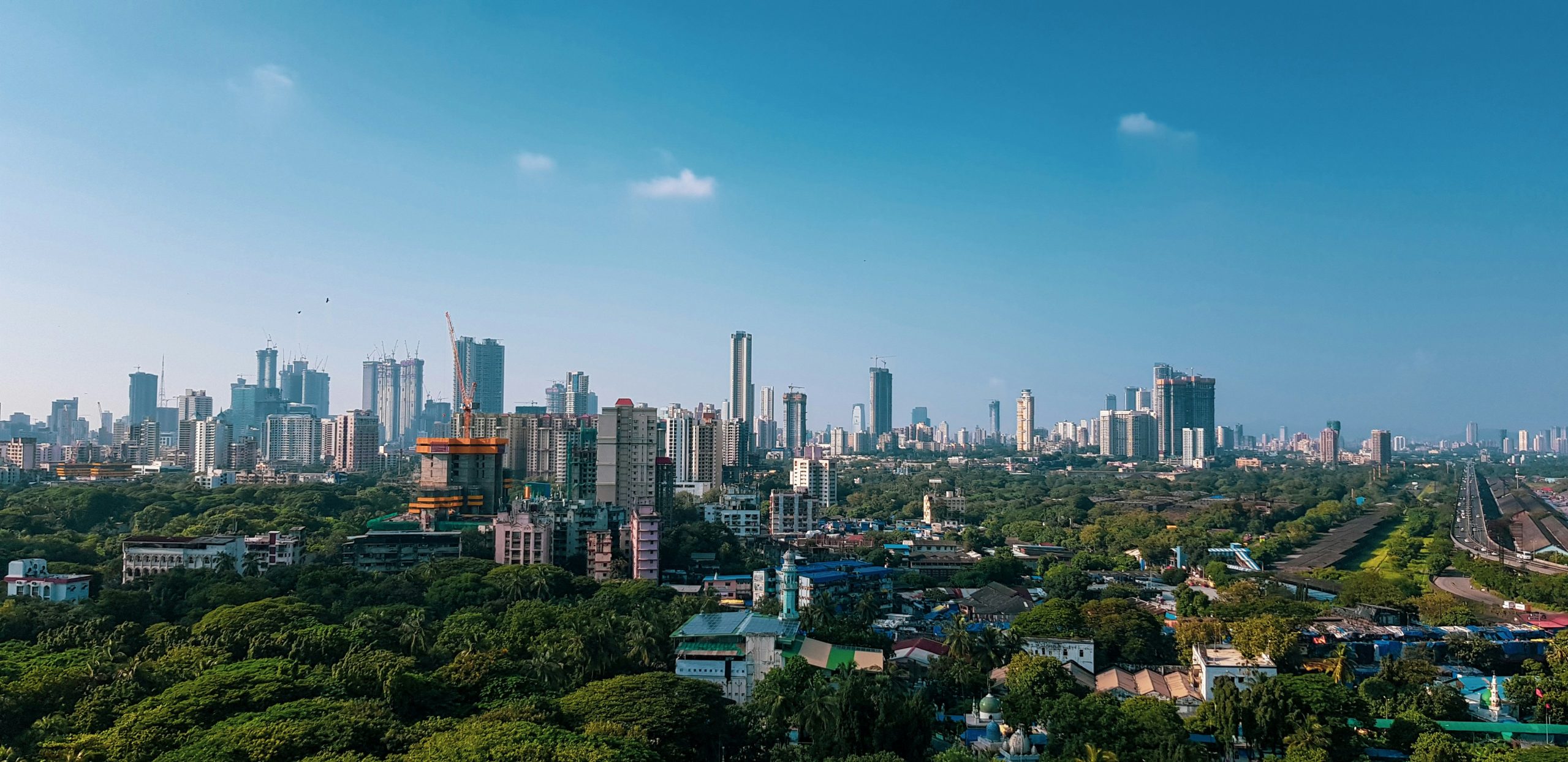
India's commercial capital: Victorian Gothic railway stations, the Gateway of India, Bollywood, sunset on Marine Drive and the best street food in the country.
Mumbai, formerly Bombay, is India's biggest city and its financial and film capital. The British built a city of Victorian Gothic and Art Deco buildings in the south, and the Victorian and Art Deco ensembles, along with the Chhatrapati Shivaji Terminus station, are UNESCO World Heritage Sites.
It is a city of extremes, with some of Asia's richest neighbourhoods beside Dharavi, one of its largest informal settlements.
Mumbai is expensive for India, but its energy, food and sea front make it worth three days.
Stay in Colaba or Fort in the south, or Bandra for bars and cafés.
Near the Gateway.
Victorian Mumbai.
Bars and cafés.
Orange labels are neighbourhoods, dots are the 10 top-rated hostels. Map data from OpenStreetMap contributors.
Mumbai, India's biggest city and its financial and film capital, is a city of Victorian Gothic architecture, Art Deco seafronts, slums, skyscrapers and endless energy.
The Gateway of India, built for the visit of King George V in 1911, faces the harbour beside the Taj Mahal Palace hotel. Chhatrapati Shivaji Maharaj Terminus, a Victorian Gothic railway station and UNESCO site, is one of the world's grandest train stations. The Victorian and Art Deco buildings of the Fort and Marine Drive area are also UNESCO-listed.
Walk Marine Drive, the 'Queen's Necklace', at sunset. Ferries from the Gateway go to Elephanta Island, where rock-cut caves hold sixth-century carvings of Shiva, including a three-headed bust.
The Dhobi Ghat is a huge open-air laundry, and Dharavi, one of Asia's largest informal settlements, is a hub of small industry; visit only on a responsible tour run by local residents, with no photography of people.
Bandra, in the north, has street art, cafés and the seafront promenade at Bandstand. Crawford Market and the Chor Bazaar are classic bazaars.
The Gateway of India, Marine Drive at sunset, CSMT from outside and the Fort area's architecture are free. Haji Ali Dargah, a mosque on an islet reached by a causeway, is free.
Bandra's street art and promenade, and Crawford Market, cost nothing.
Mumbai's street food is legendary. Vada pav, a spiced potato fritter in a bun, is the city's snack. Pav bhaji, a spiced vegetable mash with buttered bread, and bhel puri, puffed rice with chutneys, are eaten on Chowpatty Beach. Irani cafés serve bun maska and chai.
Seafood, in Malvani and Konkani styles, is excellent. A street meal is €1 to €3; a restaurant meal €6 to €15.
Mumbai has India's best nightlife: bars and clubs in Bandra, Lower Parel and Colaba, rooftop bars, and craft breweries. Leopold Cafe in Colaba is a backpacker institution.
A beer is €3 to €7.
Chhatrapati Shivaji Maharaj International Airport is in the north; the new Navi Mumbai airport opened in 2025.
The suburban local trains are the city's lifeline, with women's carriages; avoid rush hours. The Metro lines, including the underground Aqua Line, and Uber and Ola cover much of the city.
Trains and flights reach Goa, Delhi and the rest of India.
Mumbai is the most expensive city in India. Dorms start around €10 and a careful day is €25 to €40.
The Elephanta ferry is a few euros, plus the cave entry. A local train ride costs pennies.
The currency is the rupee (INR), at roughly 95 to 100 rupees to the euro; prices here are euro equivalents. UPI phone payments are everywhere, and some apps now accept foreign cards; carry cash for small shops, autos and markets.
Mumbai is generally safe. Local trains are extremely crowded at rush hour; avoid them then, and use women's carriages.
In Dharavi, visit only with responsible tours run by residents. Monsoon rains, from June to September, cause flooding.
Women travellers often face staring and comments, and sometimes groping in crowds; dress conservatively, use women's carriages on metros and trains, and book cabs through apps. Drink only bottled or filtered water, and be wary of raw salads and ice; stomach upsets are common.
Most visitors need an Indian e-Visa, applied for online before travel. Since 1 April 2026, all foreign nationals flying in must also submit the free e-Arrival Card online within 72 hours before landing; screenshot or download the QR code, as it cannot be retrieved later.
Emergency number is 112.
Caves and hills.
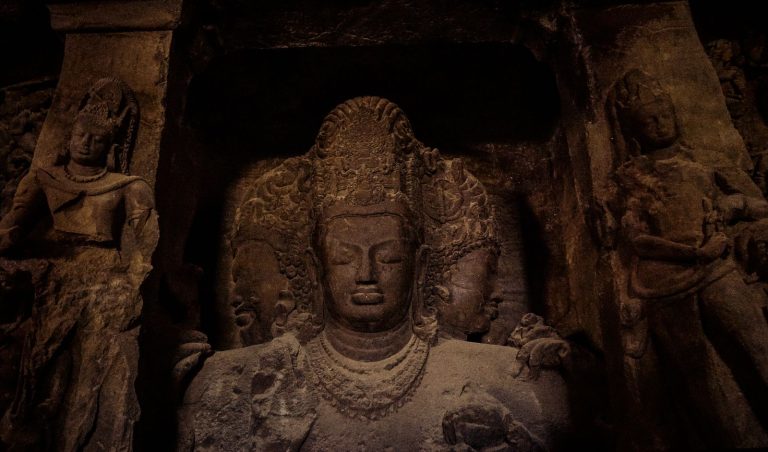
Rock-cut Shiva temples.
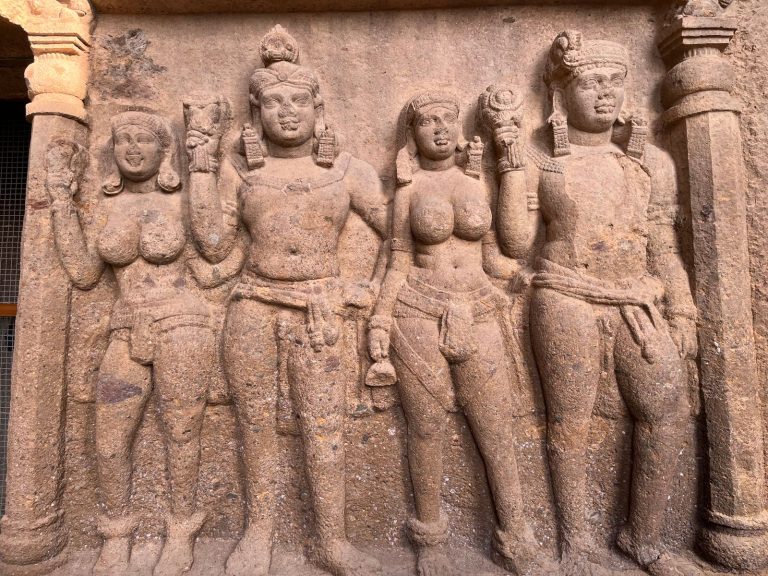
Buddhist caves in a national park.
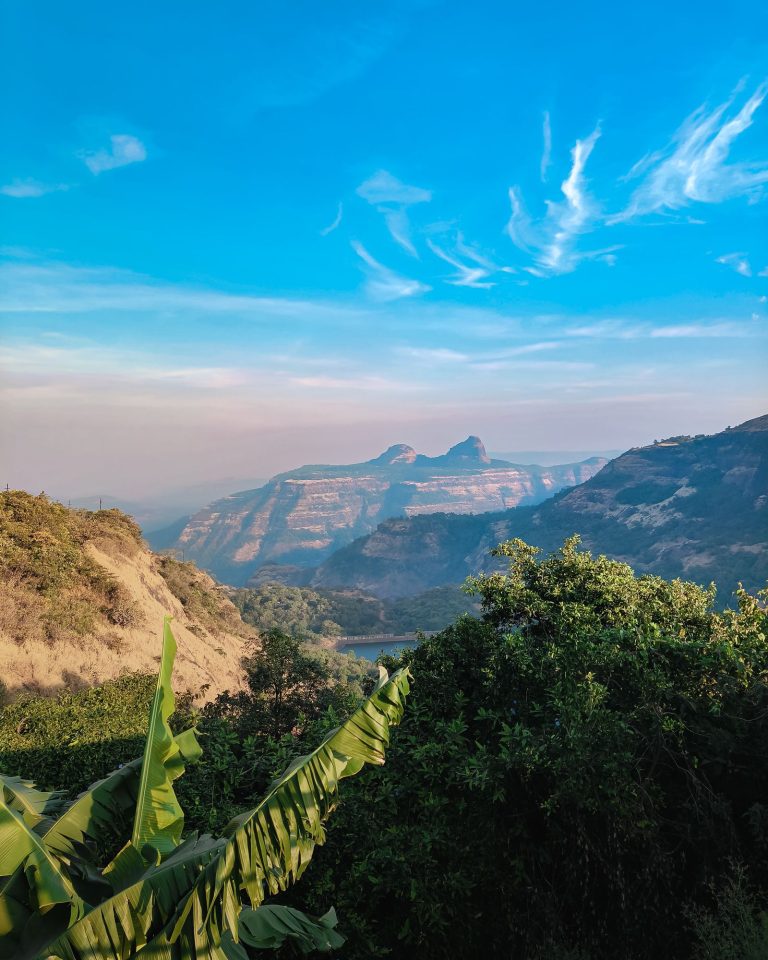
Hills and forts.
Ganesh Chaturthi is Mumbai's great festival.
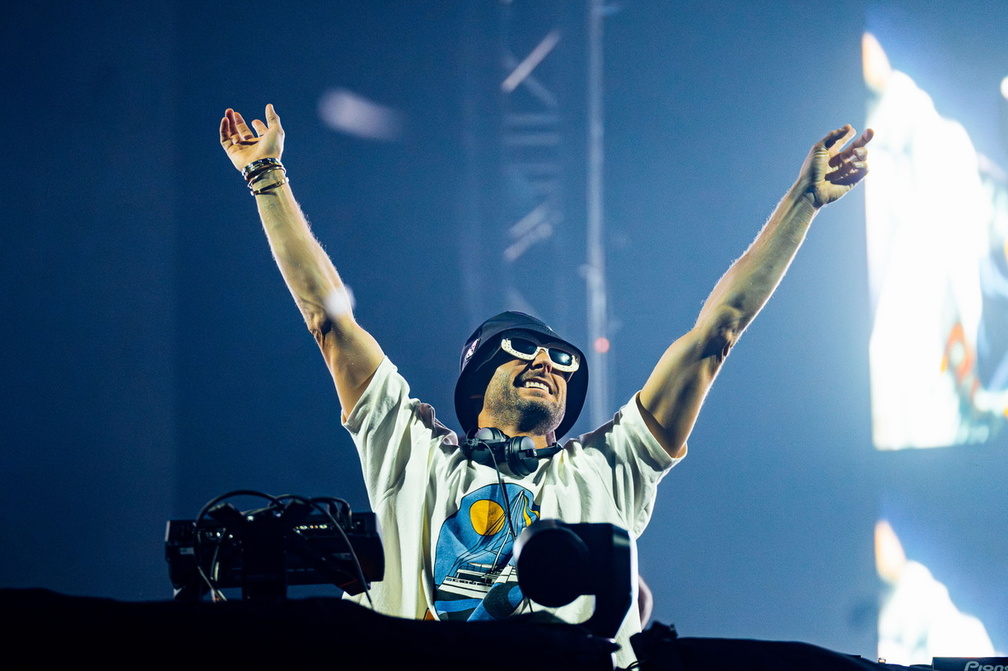 Staff pick
Sunburn Festival, held annually in Goa, India, is a premier electronic dance music event that draws thousands of music enthusiasts from around the world.…
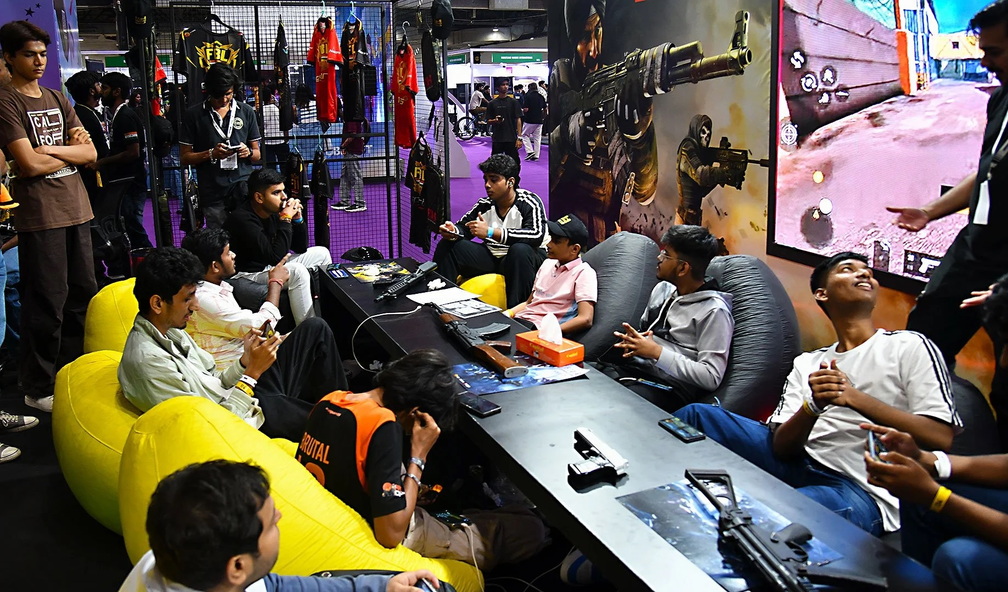 Staff pick
GamingCon Bharat in Mumbai, India, is the country’s premier gaming convention, uniting gamers, developers, esports professionals, and industry leaders under one roof. The event…
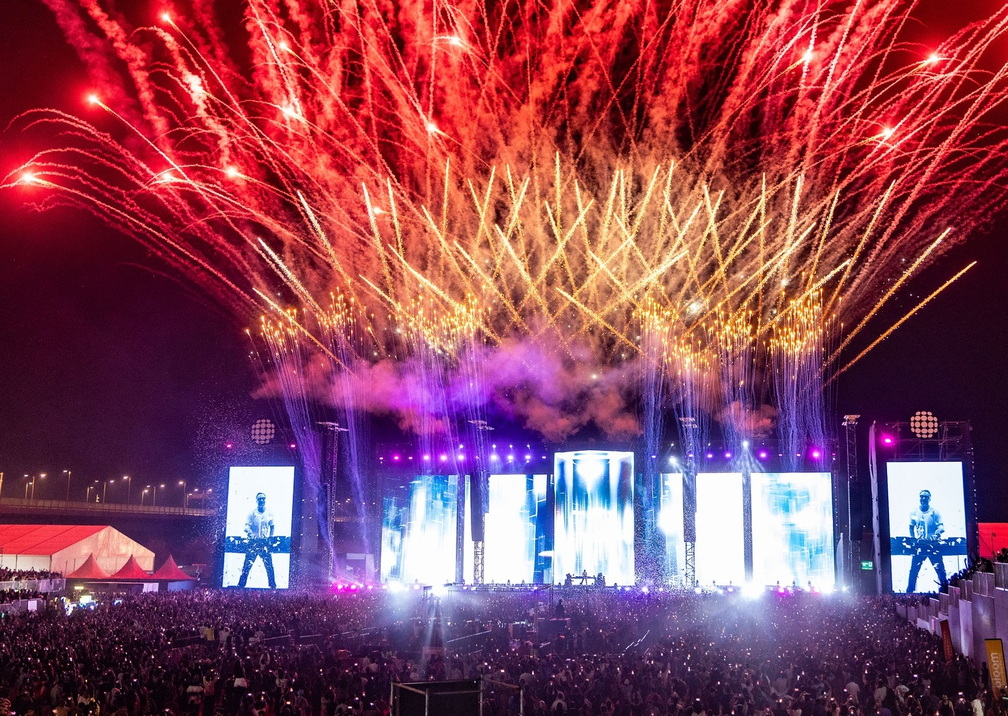 Staff pick
Sunburn Festival brings the energy of world-class electronic dance music to Mumbai, Indi. With renowned artists, the stage, attendees can expect electrifying performances, cutting-edge…

India Design ID returns to Mumbai for its third edition from October 9 to 11, 2026, showcasing leading voices in architecture, interiors, craft, collectible…
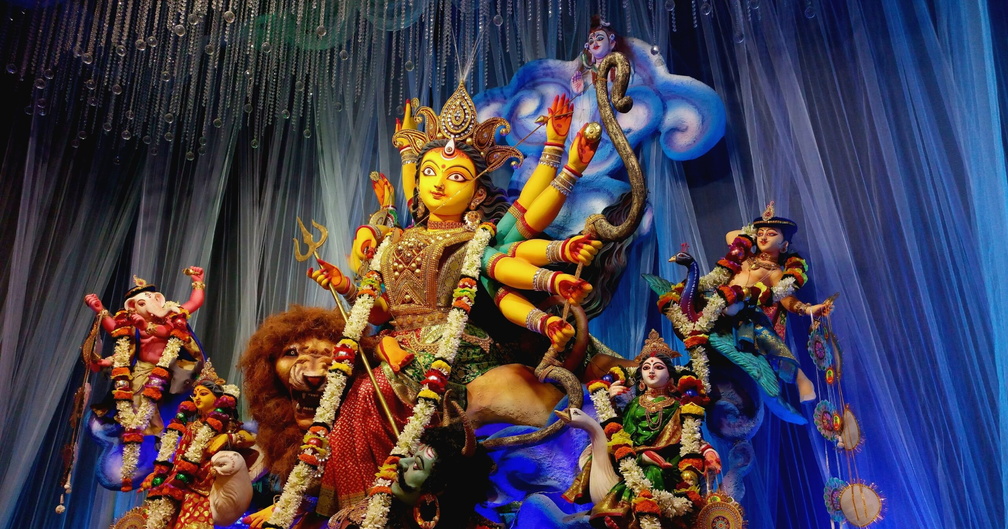
Mumbai's iconic Dome at SVP Stadium becomes a massive garba arena for Navratri, drawing thousands of dandiya enthusiasts ready to dance through the night.…
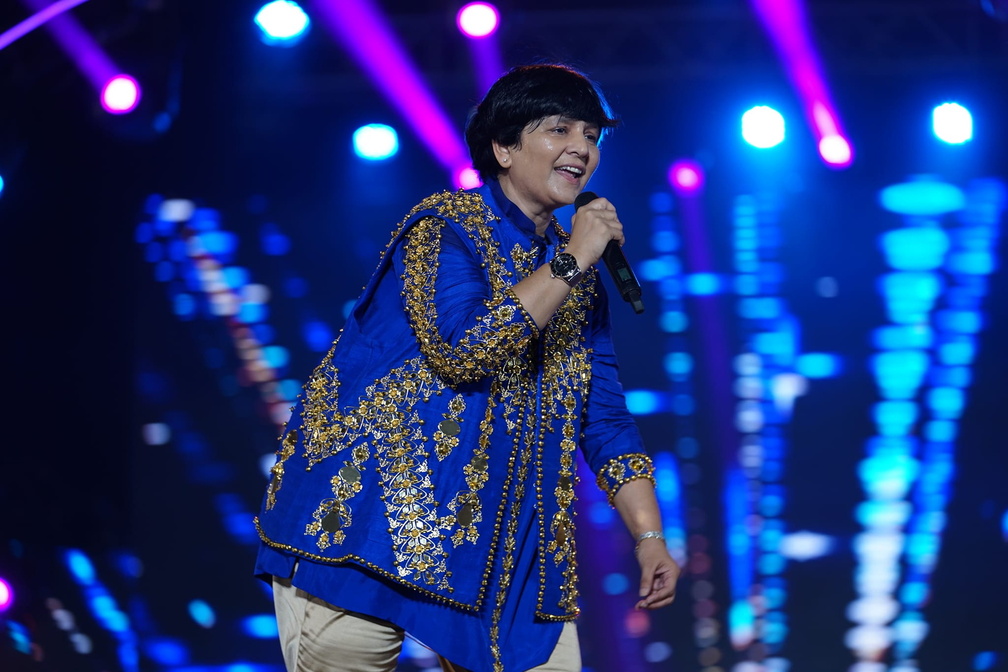
Falguni Pathak headlines this Navratri celebration at Korakendra Ground, bringing her signature garba energy to one of Mumbai's biggest dandiya events. You will find…
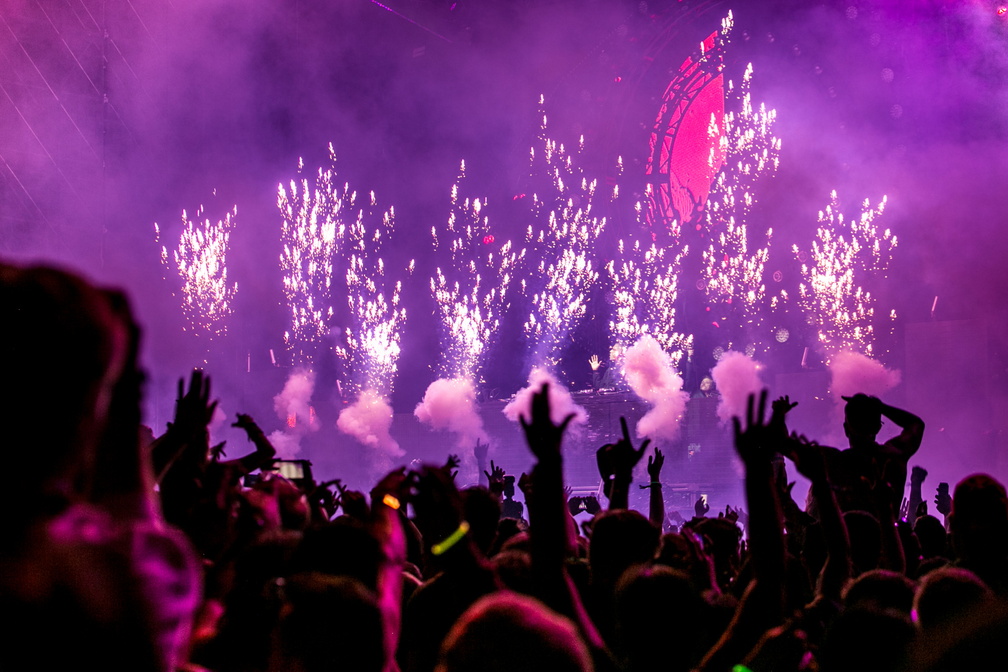
DGTL Mumbai 2026 returns with its signature blend of music, art, and sustainability. You’ll experience electronic dance music and techno in a vibrant open-air…

Anyma’s brand-new ÆDEN audiovisual show will take place at Mumbai’s historic Mahalaxmi Racecourse on November 21, 2026. The live show features a fully immersive…
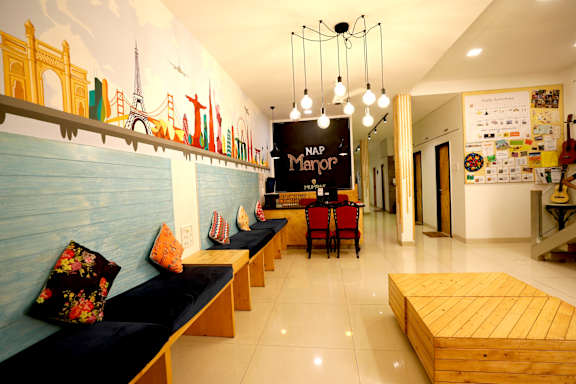
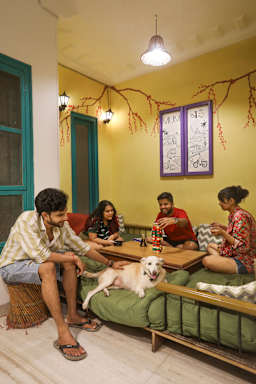
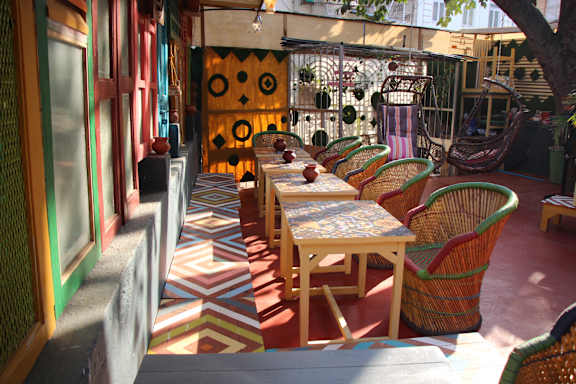
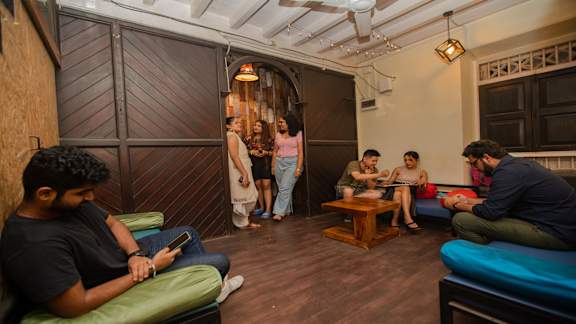
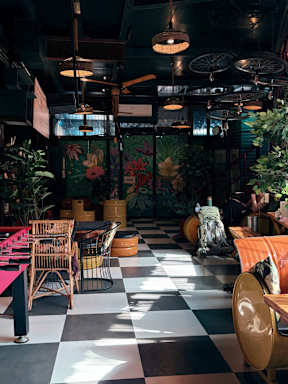
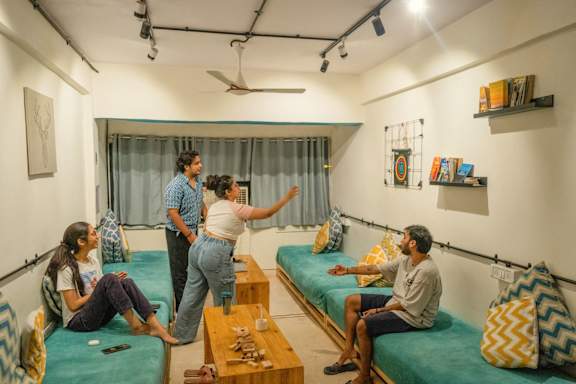
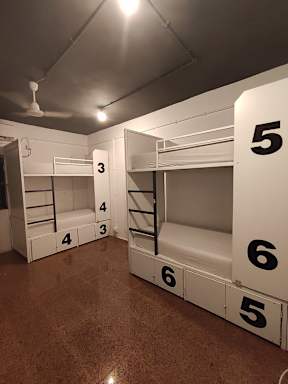
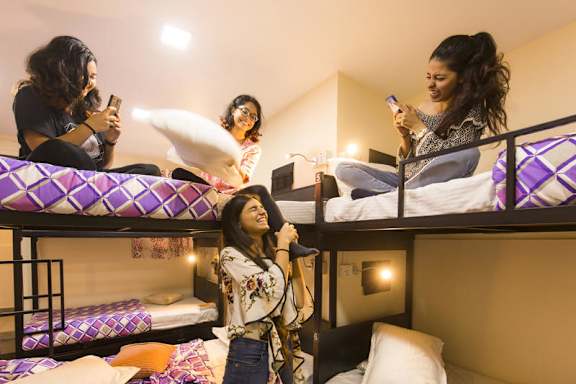
The top-rated places to stay in Mumbai right now, live from Hostelworld.
 Sustainable
November to February. The monsoon is heavy.
Average highs.
Pick how you travel. Per person per night, in euros.
Prices are in rupees locally; these are euro equivalents.
The ones we get asked most.

Compare Mumbai hostels — live prices, real reviews and free cancellation on most bookings. Then meet the people already there in the app.

 Get the App.
 Get the App.