Hakone-Yumoto
TransportThe gateway, with onsen hotels.

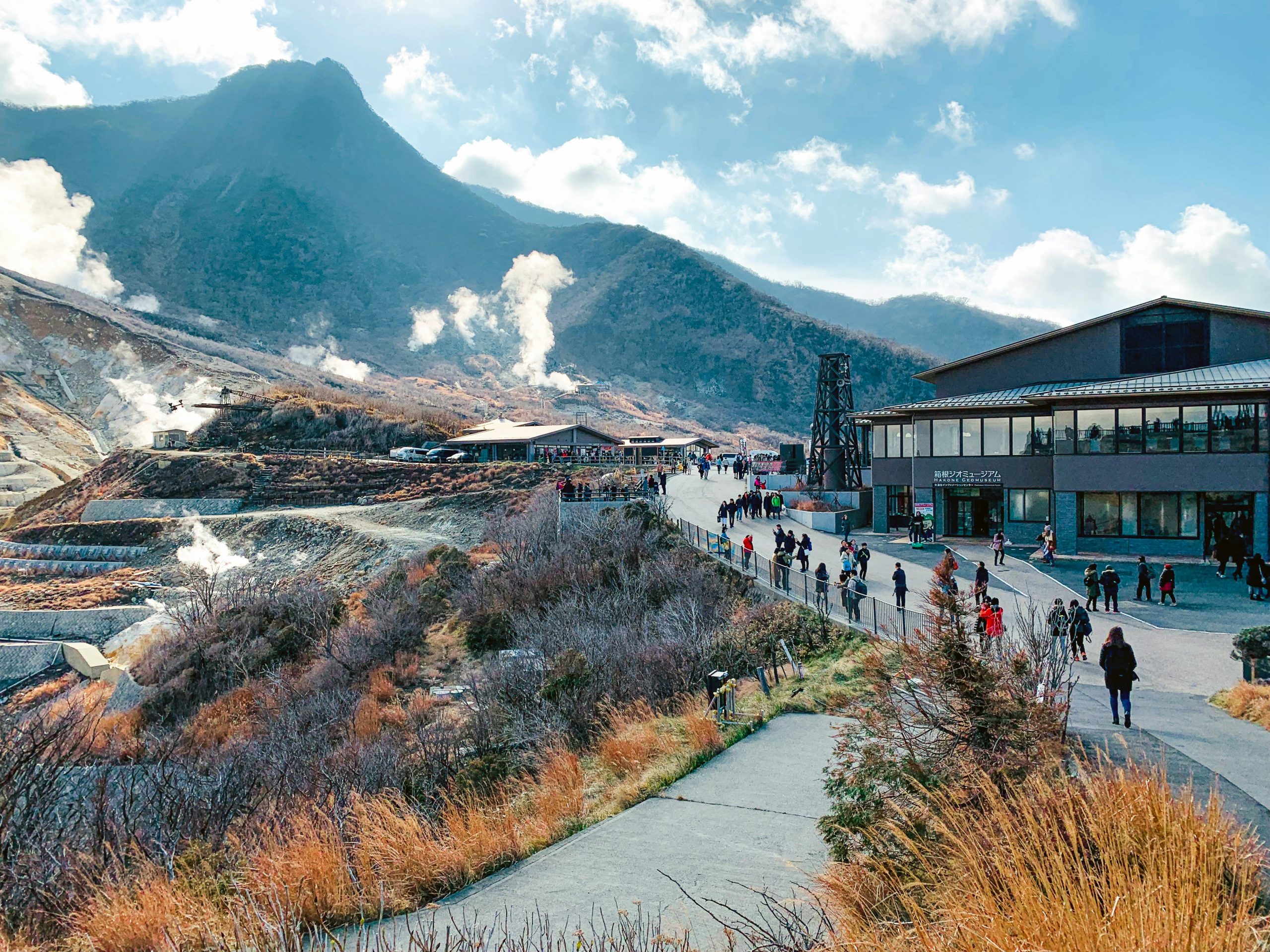
Hot springs and traditional inns in the mountains, a volcanic valley of steaming vents, a lake with a pirate ship and Mount Fuji across the water when the weather allows.
Hakone is a mountain resort in the national park near Mount Fuji, and it has been famous for its hot springs for centuries. Staying a night in a ryokan, a traditional inn, with an onsen bath and a multi-course dinner, is one of the essential Japanese experiences.
A loop of train, cable car, ropeway and boat circles the area, past a volcanic valley, a lake and an open-air sculpture museum.
Hakone is an hour and a half from Tokyo. One or two nights is right.
Hakone-Yumoto, at the bottom of the valley, is the gateway, with the train from Tokyo and onsen hotels. Gora, halfway up, is central for the loop and the Open-Air Museum. Moto-Hakone, on Lake Ashi, has the best views of Fuji on clear days.
The gateway, with onsen hotels.
Halfway up the loop, near the Open-Air Museum.
Moto-Hakone, with Fuji views on clear days.
Orange labels are neighbourhoods, dots are the 4 top-rated hostels. Map data from OpenStreetMap contributors.
Hakone, in the mountains south-west of Tokyo, is famous for hot springs, onsen, and views of Mount Fuji.
The classic Hakone loop links its sights by a chain of transport: the Hakone Tozan railway climbs switchbacks from Hakone-Yumoto to Gora; a cable car rises to Sounzan; the ropeway crosses Owakudani, a volcanic valley of sulphur vents, where eggs boiled black in the springs are said to add years to your life; and a replica pirate ship sails across Lake Ashi to Moto-Hakone. The ropeway and Owakudani close when volcanic gas levels rise; check before you go.
The Hakone Open-Air Museum has sculptures in a hillside park, a Picasso pavilion and a footbath. The red torii of Hakone Shrine stands in the lake, and the old Tokaido road, lined with ancient cedars, is a short walk away.
Soak in an onsen: day-use baths in Hakone-Yumoto are open to visitors, and many ryokan, traditional inns, have their own baths. Fuji is clearest on winter mornings.
The Hakone Shrine grounds and its lakeside torii are free, and so is the walk along the old Tokaido cedar avenue. Fuji views from Lake Ashi cost nothing on a clear day.
Hakone-Yumoto's streets of shops and the river walks are free.
Hakone's food centres on its inns: kaiseki dinners at ryokan, and soba and tofu restaurants in the villages. Owakudani's black eggs, kuro-tamago, are the souvenir snack.
Try yuba, tofu skin, and onsen manju, steamed buns, in Hakone-Yumoto. A meal is €8 to €20.
Hakone has no nightlife to speak of; evenings are spent in the onsen and over dinner at the inns.
A beer is €4 to €6.
The Odakyu Romancecar from Shinjuku reaches Hakone-Yumoto in about 85 minutes; regular trains take longer. The Hakone Freepass covers the return from Shinjuku and all the loop's trains, cable car, ropeway, boats and buses for two or three days.
Buses run between the villages and the lake. Mount Fuji's Kawaguchiko area is about an hour and a half by bus.
Hakone is expensive, especially ryokan. Dorms start around €25 and a careful day is €50 to €75.
The Hakone Freepass is about €35 to €40 from Shinjuku and pays off if you do the loop. The Open-Air Museum is about €12, and a day-use onsen €8 to €15.
Since July 2026, the international tourist tax added to flights out of Japan is ¥3,000.
The currency is the yen (JPY); prices here are euro equivalents. Cards and IC cards work widely in cities, but carry cash: small restaurants, temples and rural places are often cash-only. Convenience store ATMs (7-Eleven, Lawson, FamilyMart) take foreign cards.
Hakone is safe. Owakudani and the ropeway close when volcanic gas rises; follow the signs and check before you travel.
At onsen, wash before entering the bath, and do not wear swimwear. Many baths do not admit people with tattoos; look for tattoo-friendly baths or book a private bath.
Emergency: 110 police, 119 ambulance and fire.
Fuji, the hot-spring coast and a castle town.
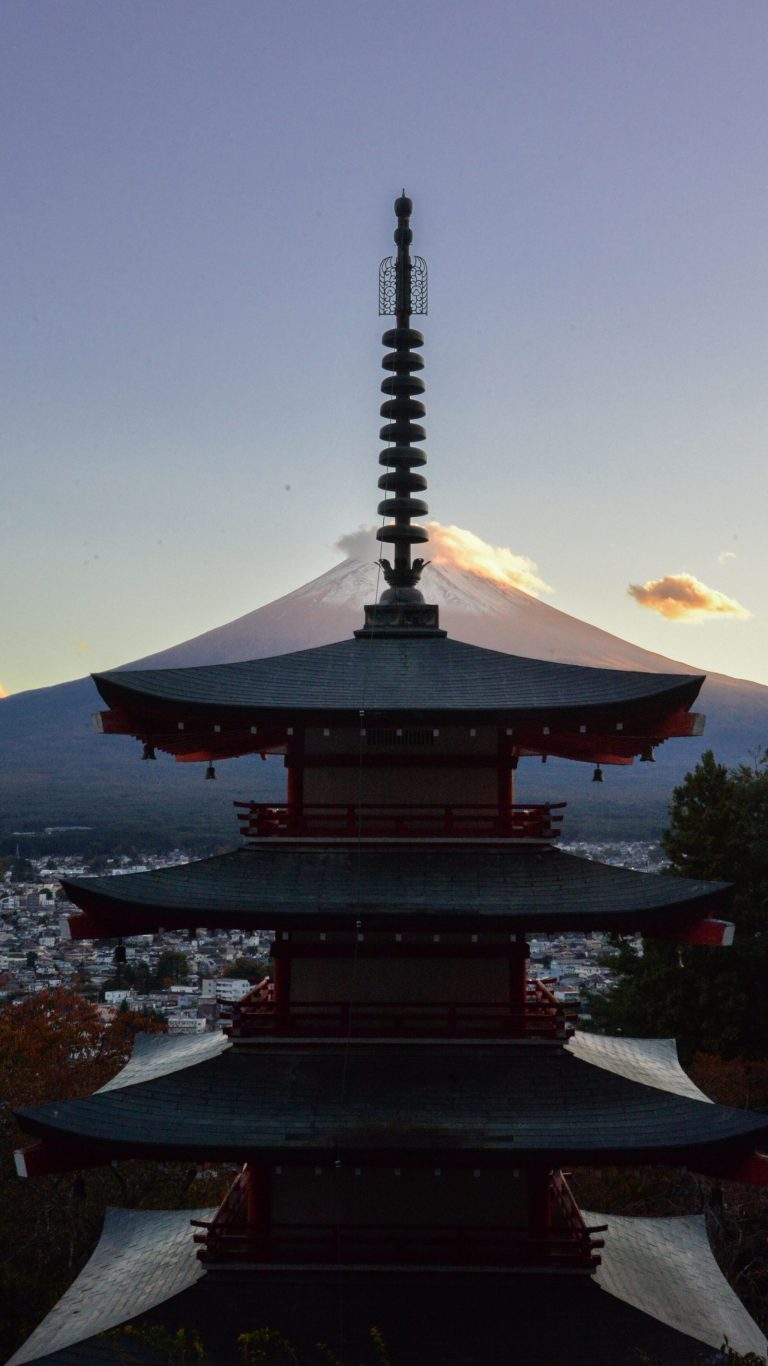
Climb in summer, views all year from the Five Lakes.
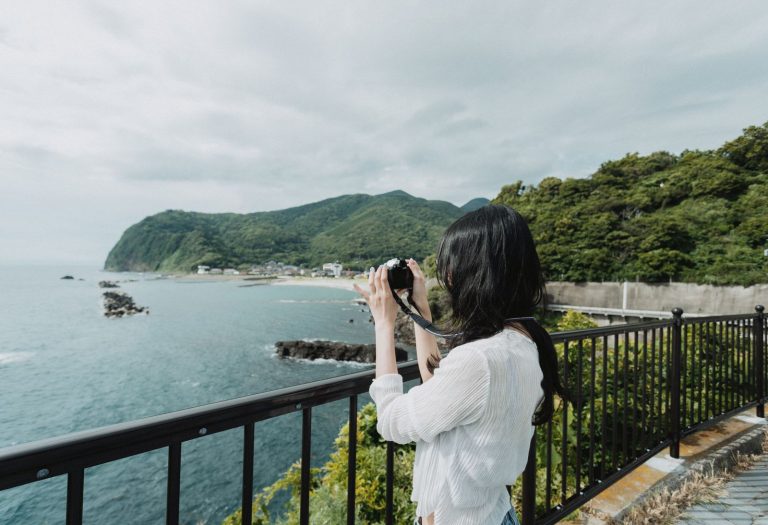
Coast and hot springs.
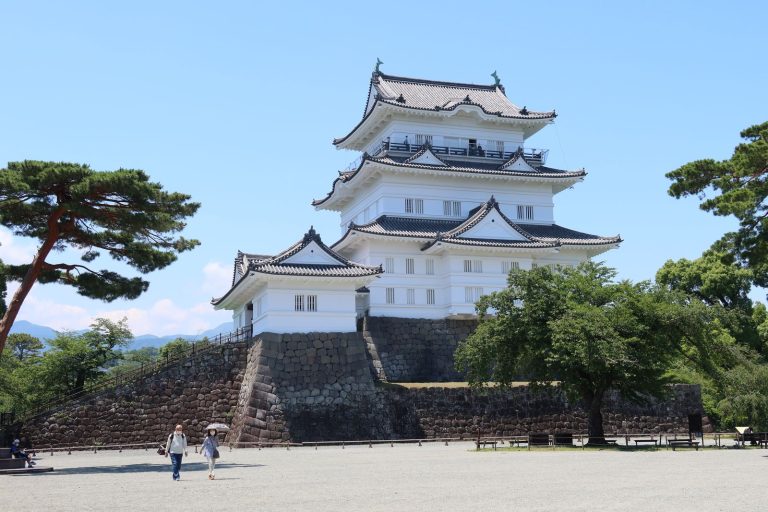
A castle town.
The autumn leaves turn the valleys red in November.
Red valleys.
A feudal lord procession.
The top-rated places to stay in Hakone right now, live from Hostelworld.
Autumn and winter give the clearest Fuji views.
Average highs. Cooler than Tokyo.
Pick how you travel. Per person per night, in euros.
Prices are in yen locally; these are euro equivalents. Ryokan stays cost far more.
The ones we get asked most.

Compare Hakone hostels — live prices, real reviews and free cancellation on most bookings. Then meet the people already there in the app.

 Get the App.
 Get the App.