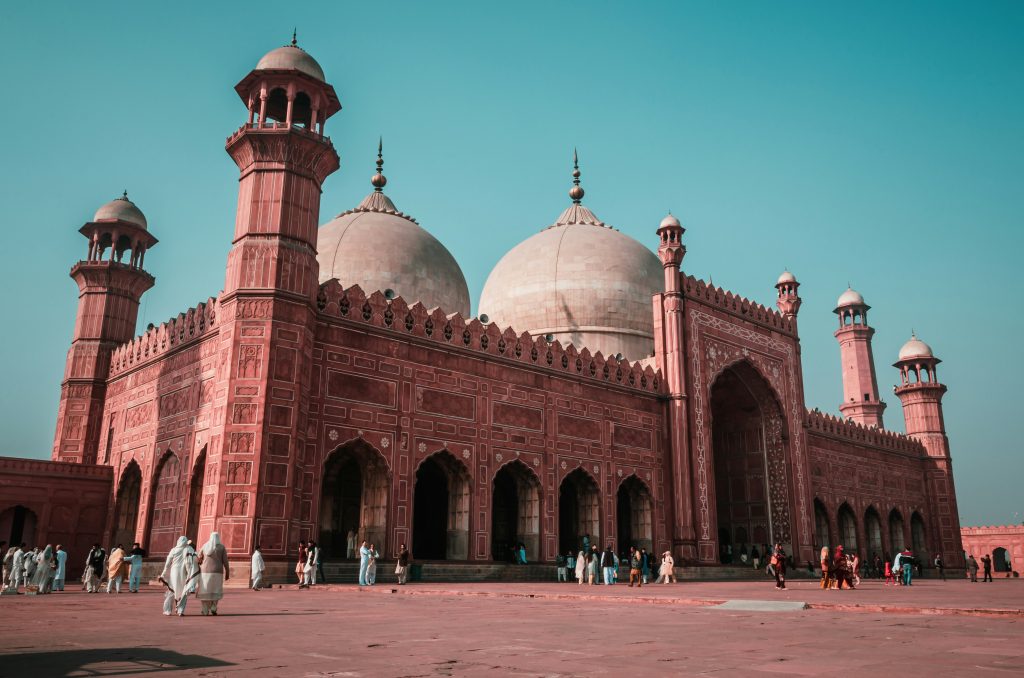
Lahore
4 hostels · dorms from €4
Mughal architecture, the Badshahi Mosque, and the best food in Pakistan by common consent.

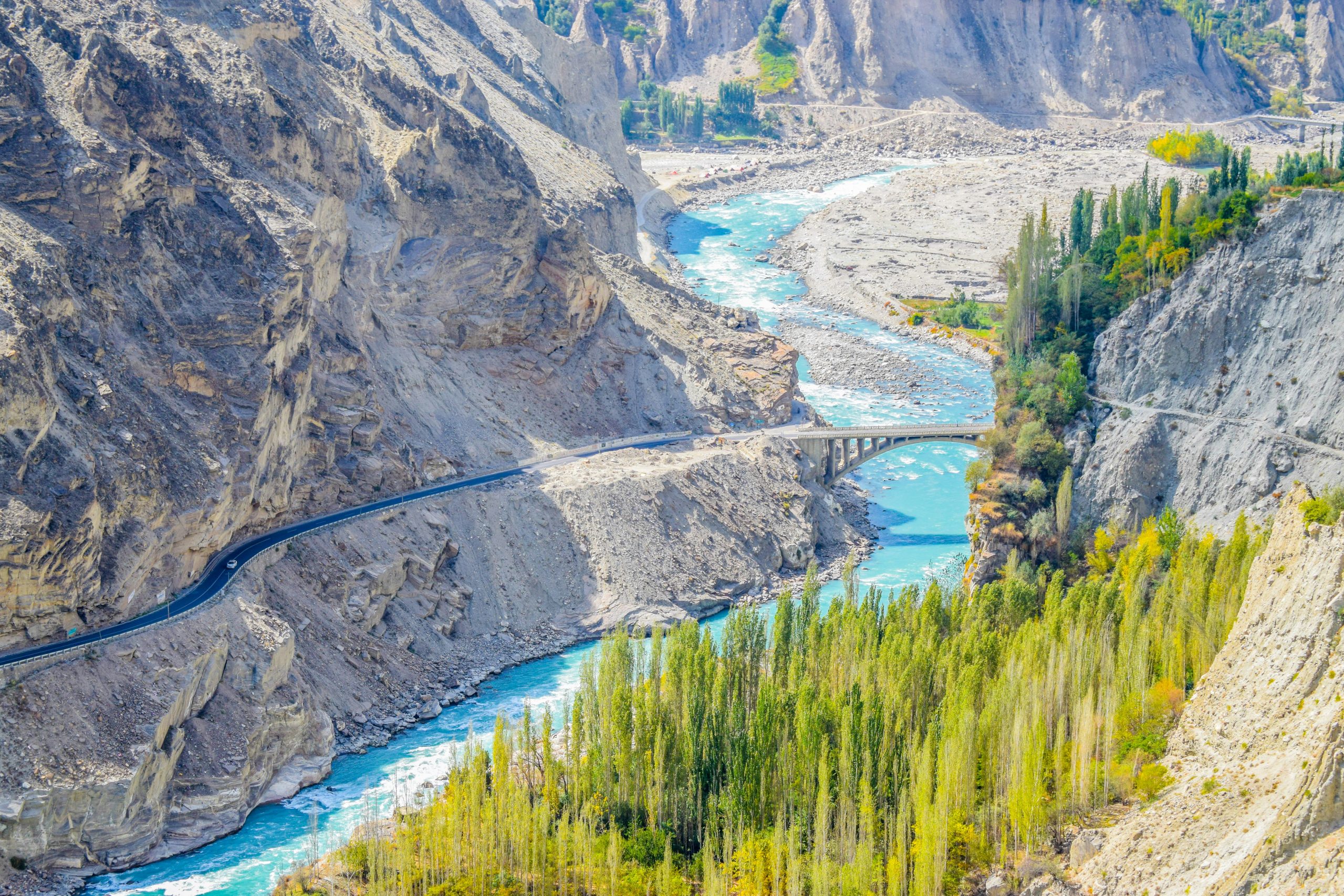
Five of the world's fourteen peaks over 8,000 metres, the Karakoram Highway, and hospitality that visitors describe as overwhelming. A serious mountain country that requires serious planning.
Pakistan holds five of the world's fourteen 8,000-metre peaks, including K2, and the northern areas around Gilgit-Baltistan and Hunza are among the most spectacular mountain landscapes anywhere. That is what visitors come for, and it is worth the effort involved.
The Karakoram Highway runs 1,300km from Islamabad to the Chinese border at Khunjerab Pass, at 4,693 metres one of the highest paved border crossings in the world. The Hunza valley along it, with terraced orchards under 7,000-metre peaks, is the centre of most trips north.
The cities are the other half. Lahore has Mughal architecture, the Badshahi Mosque and the country's best food; Islamabad is modern, green and orderly; Karachi is enormous and coastal.
This is not a country to travel casually. Government advice restricts several regions, permits are required for some areas, and it needs more research than anywhere else in this guide.
Domestic flights link the cities and save two days on the road north. The Karakoram Highway is the alternative.
Mughal architecture, the Badshahi Mosque, and the best food in Pakistan by common consent.
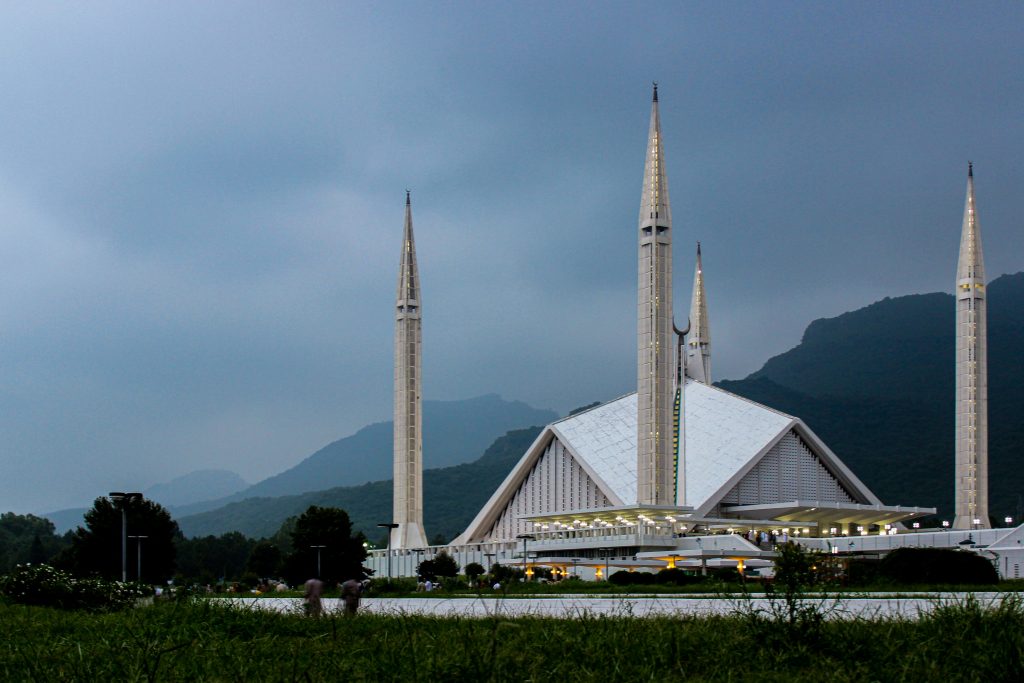
The planned capital: green, orderly, and the usual arrival point for the north.
It's the best city in Islamabad with vibrant youth It's most organised city you will get in whole of Pakistan. Nice infrastructure with blest of nature, hills , parks .
A traveller, on Hostelworld
Pakistan is a mountain trip with two great cities attached, and it takes planning.
Five 8,000-metre peaks and a highway through the Karakoram.
Mughal architecture and a Sufi tradition that is still living.
Lahore is one of the great eating cities in Asia.
Very cheap, with the north costing more for transport.
Lahore for three days, which surprises people.
Alpine lakes in the north rather than coast.
The Karakoram Highway is the trip. From Islamabad it runs north through Gilgit to Hunza and on to the Khunjerab Pass at the Chinese border, and the section through Hunza — Attabad Lake, Passu Cones, the Baltit and Altit forts — is the one most visitors build a week around.
Fairy Meadows, facing the 8,126-metre Nanga Parbat, is reached by a famously rough jeep track and then a walk, and is one of the great campsites anywhere. It is seasonal and closes with snow.
For serious trekkers, the route to K2 base camp along the Baltoro glacier is a two-week expedition requiring guides, porters and permits, arranged from Skardu.
In the cities, Lahore is the highlight: the Badshahi Mosque and Lahore Fort face each other, the Walled City is best walked at dawn, and the Wagah border ceremony with India each evening is theatre of an unusual kind.
Lahore is the food city and most Pakistanis will tell you so. Nihari, a slow-cooked beef stew eaten at breakfast, haleem, and the food streets around the Walled City where you eat on rooftops facing the Badshahi Mosque, are the reasons.
Everyday eating is cheap and excellent: biryani at €2, chapli kebabs in the northwest, karahi cooked in a wok at the table for €5 to €10 shared. Naan comes from a tandoor at a few cents.
In the north, the food is different again — Hunza is known for apricots, walnut and mulberry, and the diet there is lighter and more vegetable-based than the plains. Green tea replaces the sweet milky chai of the south.
Alcohol is prohibited for Muslims and heavily restricted for everyone else — a handful of licensed hotel bars serve foreign passport holders with a permit, and that is effectively the extent of it. There is no bar or club scene in the way this guide means elsewhere.
What there is instead is a night-time food and social culture that is genuinely lively. Lahore's food streets run until the early hours, tea houses stay open late, and Thursday night qawwali at Sufi shrines — devotional music played to large crowds — is the most memorable evening available in the country.
In the north, evenings are dinner at a guesthouse and an early start, because everything worth doing there happens at dawn.
Domestic flights connect the main cities cheaply, and flights to Gilgit and Skardu save two long days on the road — though they are weather-dependent and cancel often, so build in buffer days.
The Karakoram Highway is the alternative and an attraction in itself: Islamabad to Gilgit takes 15 to 20 hours by bus, with Natco and private operators running the route. Landslides and closures are common.
In the north, shared jeeps reach the valleys and are the only option for most places. In the cities, Careem and inDrive work well and remove the negotiation. Note that some routes and regions require a No Objection Certificate or are closed to foreigners entirely.
Pakistan is very cheap. Dorms start around €8, biryani is €2, a karahi shared between two is €5 to €10, and city transport costs almost nothing.
A day is €20 to €35 in the cities. The north costs more because transport is the expense — shared jeeps, drivers and domestic flights — and organised treks with guides and porters run €60 to €120 a day.
The rupee has weakened considerably in recent years, which makes the country cheaper for foreign visitors than it was. Cash is essential outside major cities, and card acceptance is limited even in some hotels.
This section matters more here than on any other page in this guide, and it needs reading before anything else.
Government travel advice from the UK, US and most European countries restricts or advises against travel to several parts of Pakistan, including Balochistan, parts of Khyber Pakhtunkhwa near the Afghan border, and areas of Sindh. Those restrictions change, and travelling against them typically voids travel insurance entirely. Check current advice from your own government before booking anything.
The areas most travellers visit — Islamabad, Lahore, Hunza, Gilgit-Baltistan — are generally considered safer, and visitors consistently report extraordinary hospitality and feeling welcomed. Some northern regions assign police escorts to foreigners, which is normal here rather than a warning sign.
Beyond that: register with your embassy, carry copies of your passport and visa, dress modestly, and understand that women travelling alone face more restrictions and attention than in most countries covered here.
Pakistan introduced an e-visa system that covers most nationalities and is applied for online, and it has also offered visa on arrival for tourists from a long list of countries under schemes that have changed several times. Check the official Pakistani visa portal before booking.
Passports need six months' validity.
Some regions require a No Objection Certificate arranged in advance, and areas near the Afghan and Indian borders and in Balochistan have their own restrictions. Your accommodation and any trekking agency will know the current position, and it is worth asking before finalising a route.
The north opens roughly May to October and the plains are unbearable in summer. April to June and September to October work best overall.
Average highs for Lahore, which reaches 40°C in summer. The north is an entirely different climate, with the Khunjerab Pass and high valleys only accessible roughly May to October.
Pick how you travel and how long for. Per night, for one person, in euro equivalents of rupees.
Guided treks at €60–120 a day and domestic flights to Gilgit or Skardu sit outside these figures.
The Hunza blossom in April is the most photographed week of the Pakistani year.
Apricot and cherry blossom across the terraces under snow peaks. The image of northern Pakistan.
Daytime fasting, and eating in public is not done. Eid brings several days of holiday.
Polo played at 3,700 metres on the highest polo ground in the world.
When the Baltoro, K2 base camp and high passes are accessible.
A kite festival with a long history, though it has been restricted in recent years.
Anniversary festivals at Sufi shrines, with qawwali music and large crowds.
The highest-rated hostels in the country, live from Hostelworld. Islamabad has the most, and guesthouses in Hunza and Gilgit are usually booked directly.
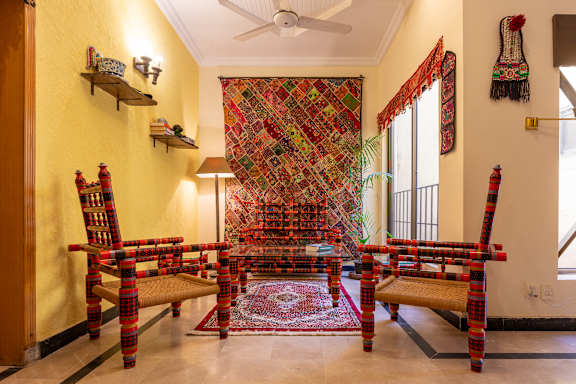
 Sustainable
The ones we get asked most.

Compare hostels across Pakistan — live prices, real reviews and free cancellation on most bookings. Then meet the people already there in the app.

 Get the App.
 Get the App.