F-6 and F-7
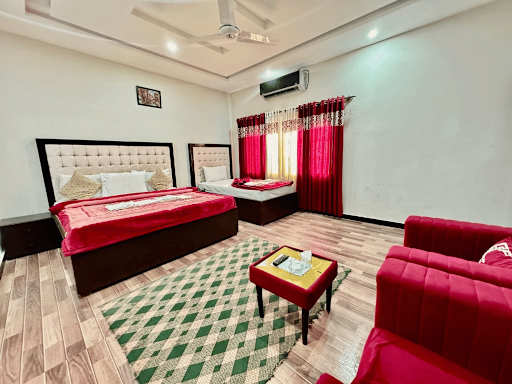
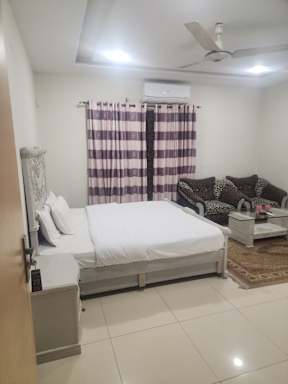
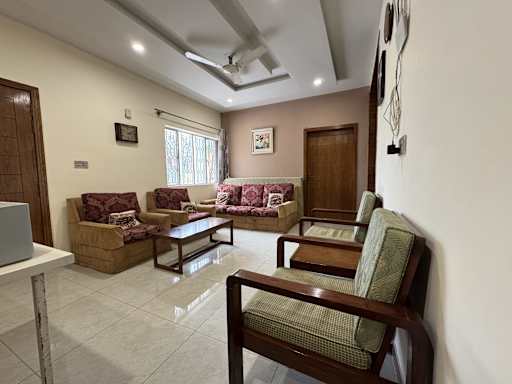
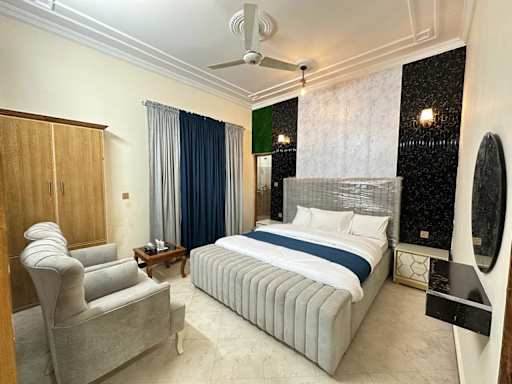
First-timersCentral sectors, with cafés and guesthouses.

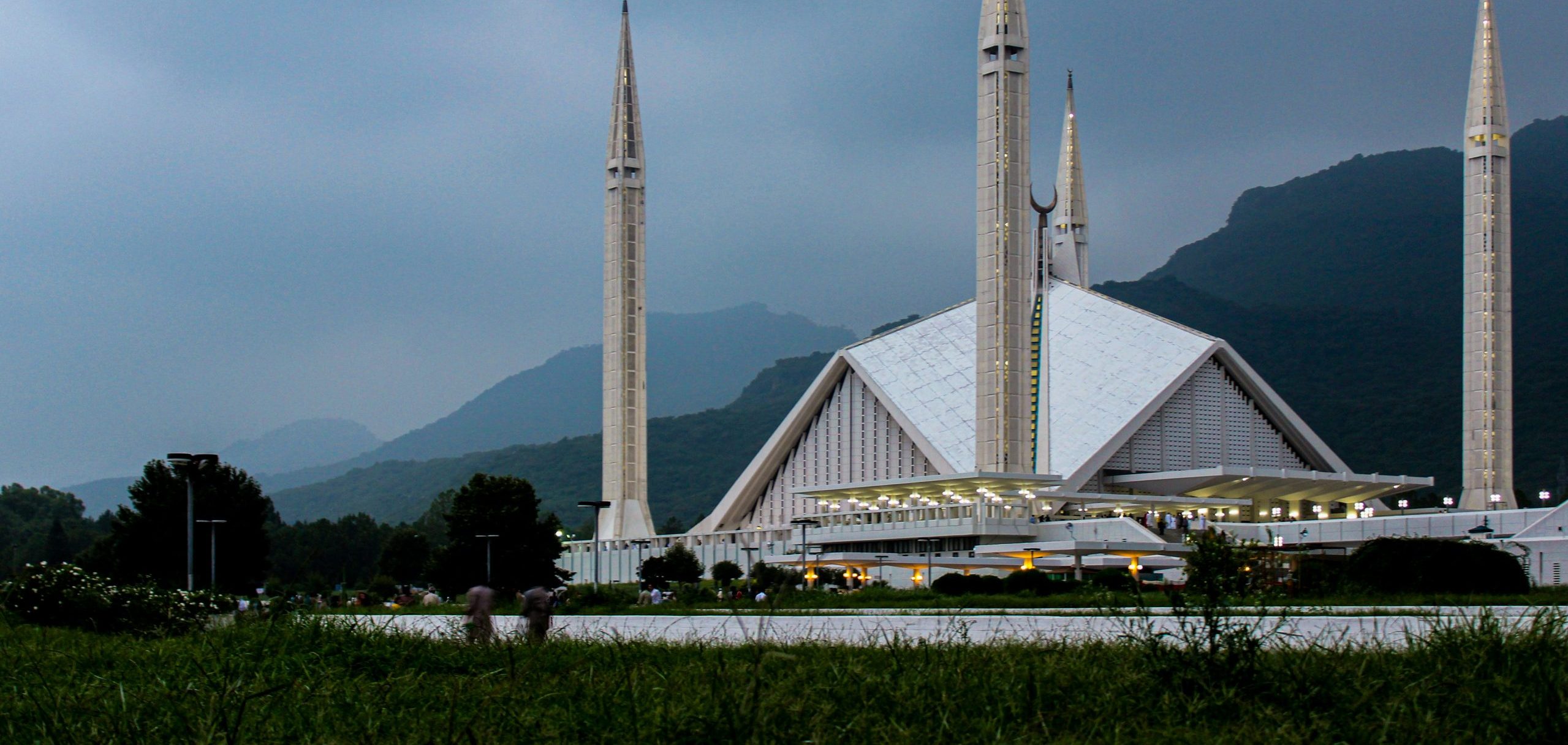
A green, orderly planned capital beneath the Margalla Hills, with one of the largest mosques in the world, hiking trails in the city and the gateway to the mountains of the north.
Islamabad was built in the 1960s as a planned capital, with wide avenues, sectors and parks at the foot of the Margalla Hills. It is the calmest, cleanest and greenest city in Pakistan.
Rawalpindi, the older twin city, is a short metro bus ride away, with busy bazaars.
For most travellers, Islamabad is the gateway to the north: Hunza, Skardu and the Karakoram Highway. Two days is right.
Islamabad is divided into lettered sectors. F-6 and F-7 are the most central, with Kohsar Market's cafés, Jinnah Super market and guesthouses. Blue Area, along the main avenue, is the business district with hotels. Rawalpindi, the older twin city, is cheaper and livelier, but further from the Margallas.
Central sectors, with cafés and guesthouses.
Hotels along the main avenue.
The cheaper, livelier twin city.
Orange labels are neighbourhoods, dots are the 12 top-rated hostels. Map data from OpenStreetMap contributors.
The Faisal Mosque, completed in 1986 and designed in the shape of a Bedouin tent by the Turkish architect Vedat Dalokay, sits at the foot of the Margalla Hills and is one of the largest mosques in the world. Non-Muslim visitors are welcome outside prayer times; dress modestly and remove shoes.
The Margalla Hills National Park starts at the edge of the city. Its numbered trails, especially Trail 3 and Trail 5, climb through the forest to viewpoints; Daman-e-Koh and Pir Sohawa look over the city. Go early in the day, in a group or with others on the trail.
The Pakistan Monument, shaped like a blooming flower, has a museum telling the story of the country, and Lok Virsa, the heritage museum, shows the crafts, music and dress of every region. Saidpur, an old village on the hillside, has restored houses and restaurants.
Rawalpindi, half an hour away by metro bus, is the opposite of Islamabad: crowded bazaars such as Raja Bazaar and old havelis. Taxila, 45 minutes away, has the ruins of Gandharan Buddhist cities and a museum of their sculpture.
For most travellers, Islamabad is the gateway to the north: Hunza, Skardu and the Karakoram Highway.
The Faisal Mosque and the Margalla Hills trails are free, and so are Daman-e-Koh and the city's parks, including Fatima Jinnah Park, one of the largest in Asia.
Saidpur village is free to walk, and Rawalpindi's bazaars cost nothing to explore.
Islamabad has some of the best restaurants and cafés in Pakistan, especially around Kohsar Market and Jinnah Super. Karahi, meat cooked in a wok-like pan with tomato and chilli, is the classic dish; chapli kebab, a spiced flat patty from Peshawar, and pulao are everywhere.
Rawalpindi's food streets are cheaper and busier. In winter, try fried fish and hot halwa.
A meal is €3 to €8.
Pakistan is dry for Muslims, and alcohol is very hard to find; a few upmarket hotels have permit rooms for non-Muslim foreigners, but do not count on it.
Islamabad is quiet at night. Evenings are spent in the cafés of Kohsar Market and F-7, at restaurants, or driving up to Daman-e-Koh for the city lights.
Islamabad International Airport, opened in 2018, is about 30 to 45 minutes from the centre.
The Metro Bus links Islamabad with Rawalpindi, and Careem, Uber and inDrive are cheap. There are security checkpoints around the city; carry your passport.
For the north, flights to Gilgit and Skardu are spectacular but often cancelled by weather; have a backup plan. Buses take the Karakoram Highway to Gilgit and Hunza, a long journey of fifteen to twenty hours. Motorway buses reach Lahore in four to five hours.
Islamabad is mid-priced for Pakistan. Budget rooms start around €12 and a careful day is €20 to €30.
The Faisal Mosque and the trails are free; the Pakistan Monument, Lok Virsa and Taxila charge foreigners a few euros. A Careem across the city is €1 to €4.
The currency is the Pakistani rupee (PKR); prices here are euro equivalents. Carry cash: cards work only in bigger hotels, malls and restaurants, and some ATMs reject foreign cards, so use bank ATMs.
Check your own government's travel advice before booking: it restricts travel to several parts of Pakistan, and travelling against it can void your insurance.
Islamabad is one of the safer cities in Pakistan, with heavy security and checkpoints; carry your passport and a copy.
Dress modestly; loose clothes covering arms and legs are best, and shalwar kameez, cheap to buy or have made, is practical for everyone. Women should carry a scarf for mosques and shrines. Women travellers may face staring and unwanted attention; restaurants often have family sections where women and couples can sit.
On the Margalla trails, go in daylight and with others. In the north, some areas assign police escorts to foreigners or require permits; this is normal.
Emergency: 15 police, 1122 ambulance and rescue.
Buddhist ruins, the twin city and the road north.
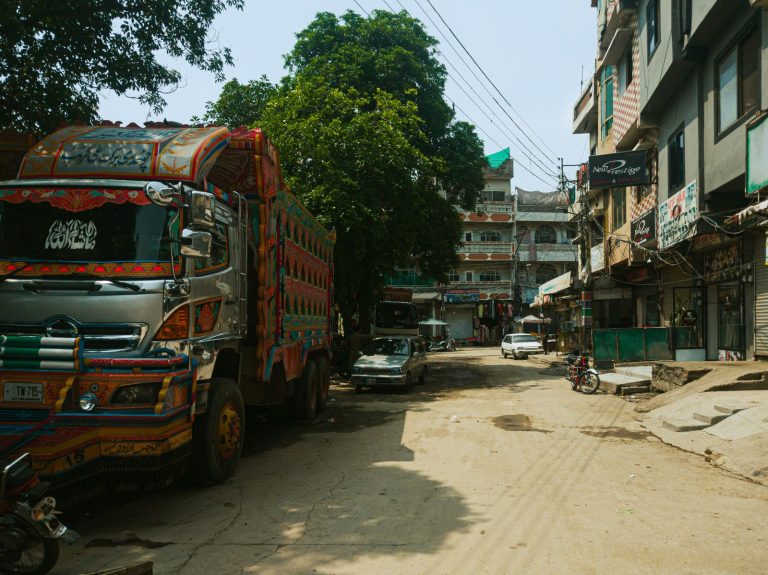
Raja Bazaar and old havelis.
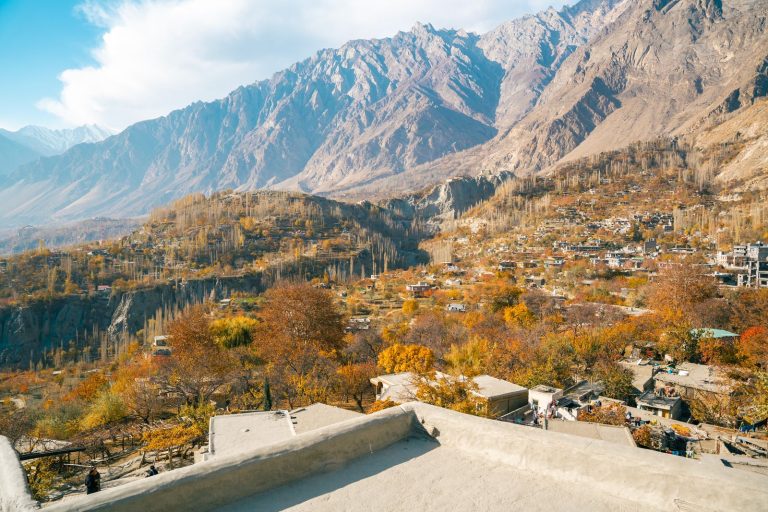
The Karakoram valleys.
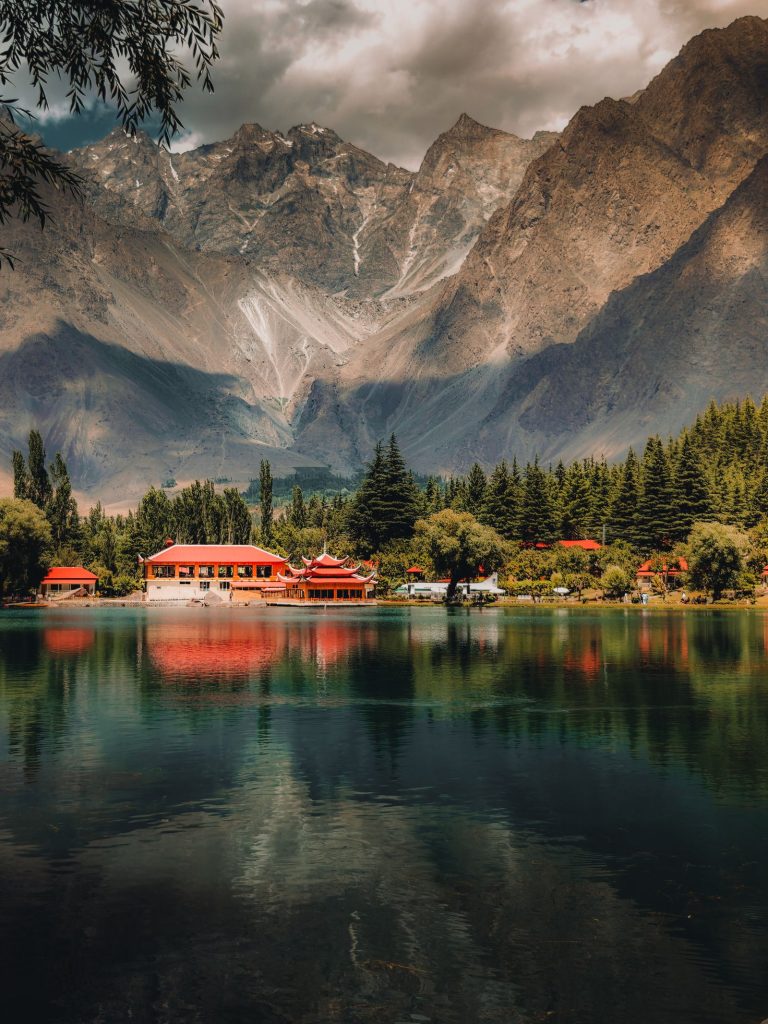
Mountains and lakes of Baltistan.
The mountain season in the north runs from May to October.
When the roads to Hunza and Skardu are best.
Flags and celebrations.
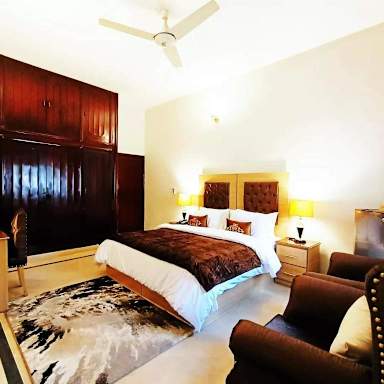
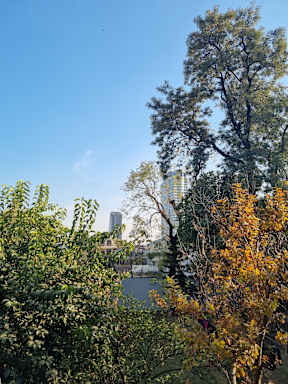
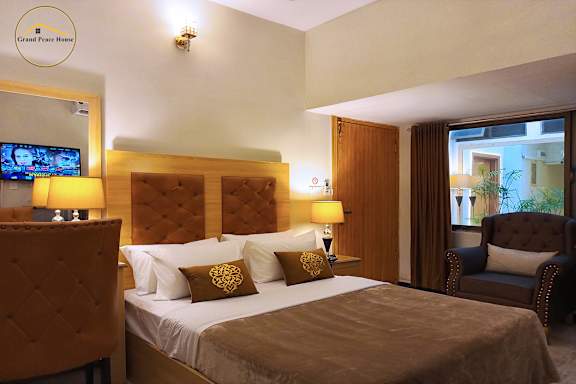
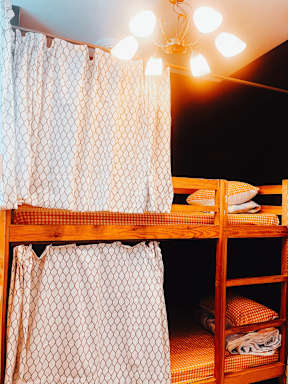
The top-rated places to stay in Islamabad right now, live from Hostelworld.
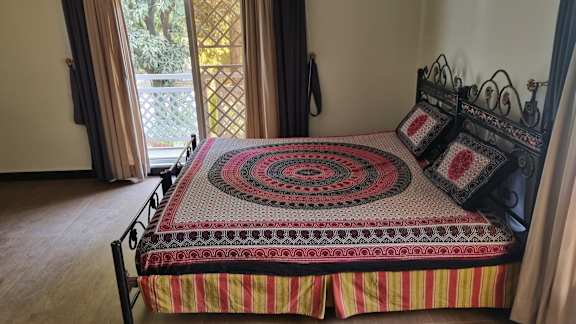 Sustainable
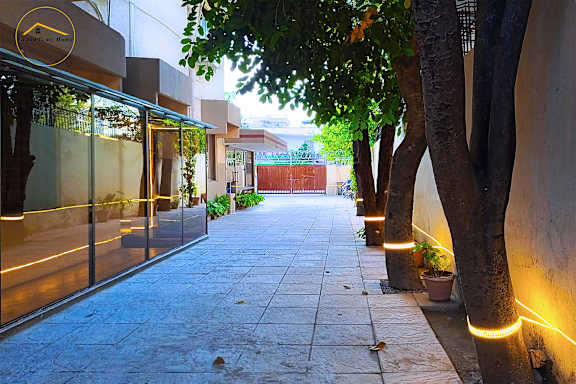
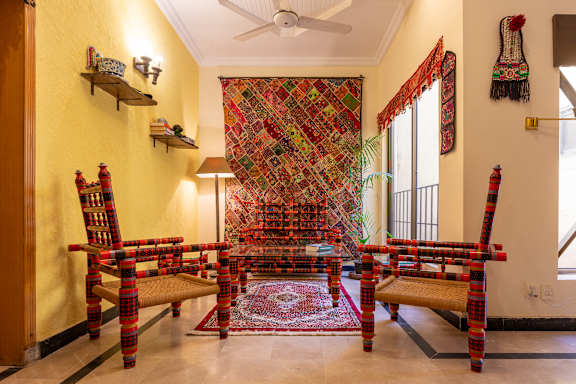
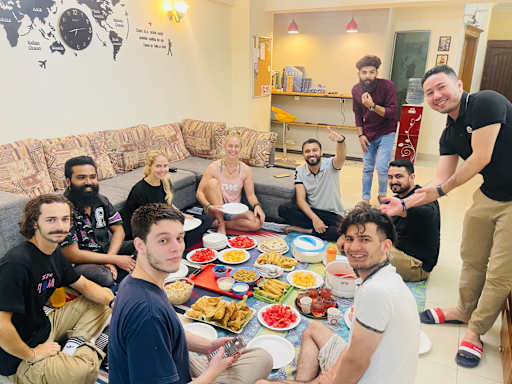
 Sustainable
 Sustainable
 Sustainable
 Sustainable
March to May and September to November.
Average highs.
Pick how you travel. Per person per night, in euros.
Prices are in rupees locally; these are euro equivalents.
The ones we get asked most.

Compare Islamabad hostels — live prices, real reviews and free cancellation on most bookings. Then meet the people already there in the app.

 Get the App.
 Get the App.