Al-Balad
AtmosphereThe coral-stone old town; limited but memorable places to stay.

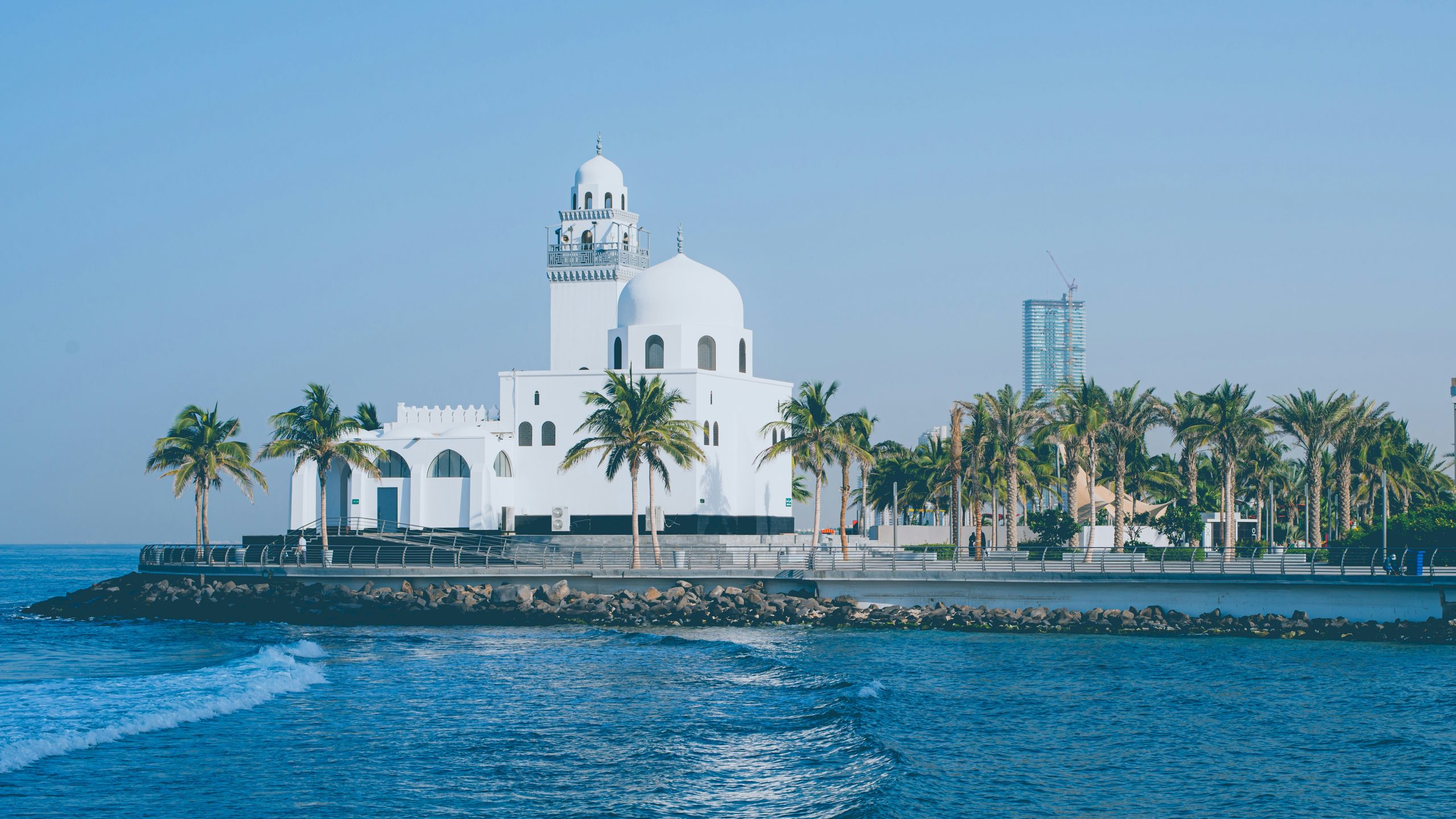
Saudi Arabia's Red Sea city: the coral-stone houses of Al-Balad, a long corniche with the world's tallest fountain, and some of the least-visited coral reefs on earth.
Jeddah has been the Red Sea gateway for pilgrims heading to Mecca for centuries, and its merchants built Al-Balad, an old town of tall coral-stone houses with carved wooden balconies. It is a UNESCO World Heritage Site, now being restored.
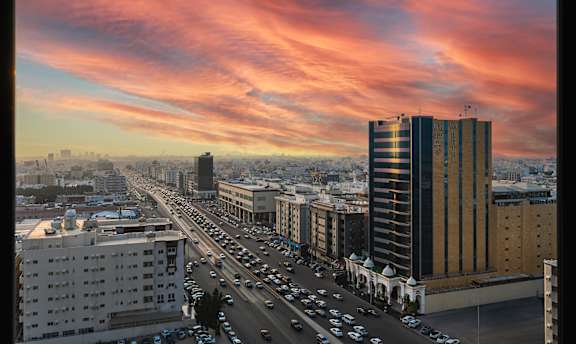
The city is the most relaxed and cosmopolitan in Saudi Arabia, stretching for kilometres along its corniche.
The Red Sea's reefs, barely visited by tourists, are just offshore. Two or three days is right.
Al-Balad, the old town, is the most atmospheric place to stay, though options are limited. The corniche districts to the north, around Al Hamra and Ash Shati, have sea views and are close to the fountain and the waterfront. The newer districts in between, such as Al Rawdah, are central and cheaper.
The coral-stone old town; limited but memorable places to stay.
The northern waterfront, near the fountain and the beaches.
Newer districts between the two, central and cheaper.
Orange labels are neighbourhoods, dots are the 5 top-rated hostels. Map data from OpenStreetMap contributors.
Al-Balad, the old town, grew rich on the Red Sea trade and the pilgrims passing through to Mecca. Its tall houses are built of coral stone, with carved wooden rawasheen, latticed balconies that let air in and kept women out of sight. The district is a UNESCO World Heritage Site and is being restored; Nasseef House, a merchant's mansion, is the best known. Walk it in the late afternoon and evening, when the souqs are busiest and the heat eases.
The corniche runs for kilometres along the sea, lined with parks, sculptures and walking paths. At sunset, see the Floating Mosque, built on stilts over the water, and after dark King Fahd's Fountain, the tallest in the world, which shoots water up to about 300 metres and is lit up at night.
The Red Sea's reefs, among the least-visited on Earth, start just off the coast. Dive centres in Obhur, north of the city, run boat dives and snorkelling trips.
Mecca, about an hour away, is closed to non-Muslims, and signs on the roads mark the routes around it. Taif, in the mountains, is a cooler escape, famous for its rose farms.
Walking Al-Balad's streets and souqs is free, and the old town is at its best in the evening.
The corniche is free, with miles of waterfront paths, parks and public art, and King Fahd's Fountain is free to watch after dark. The Floating Mosque is free to see from the outside; non-Muslims should check before entering.
The public beaches along the north corniche are free, though many of the best are private resorts with entry fees.
Jeddah is a seafood city: fish is bought by weight at the fish market and grilled or fried in restaurants nearby. Sayadiyah, fish cooked with spiced rice, is the local speciality.
Al-Balad's street food is the best in the country. Try mutabbaq, a thin pancake stuffed with egg and meat or with banana and cheese, and foul, stewed fava beans eaten for breakfast with bread. Balila, spiced chickpeas, is an evening snack, and sobia, a sweet fermented drink, is popular in Ramadan.
The city's international restaurants and cafés are among the best in the kingdom. A meal is €5 to €15.
Alcohol is not available to visitors. There are no bars, and bringing alcohol into the country is banned; the one licensed shop, in Riyadh, serves only diplomats and some premium residents.
Jeddah is the most relaxed city in Saudi Arabia, and its evenings are busy: families picnic on the corniche, Al-Balad's cafés fill up, and the waterfront stays lively late. Jeddah Season, in summer, brings concerts and events.
The Saudi Arabian Grand Prix, a Formula 1 night race on the Jeddah Corniche Circuit, is held in spring.
King Abdulaziz International Airport is about 30 to 45 minutes north of the centre by Uber, Careem or taxi.
Jeddah has no metro yet; Uber and Careem are the way around, and the city is long and spread out along the coast.
The Haramain high-speed railway runs to Mecca and Medina; Mecca and the central area of Medina are closed to non-Muslims. Flights reach Riyadh in under two hours, and AlUla and Abha.
Jeddah is expensive, and budget beds start around €30. A careful day is €45 to €65.
Uber rides are €5 to €15. A dive trip is the main extra, from about €60 to €100 for two boat dives. Nasseef House and other restored houses charge small fees.
The currency is the Saudi riyal (SAR), pegged to the US dollar; prices here are euro equivalents. Cards and phone payments work almost everywhere, even at small cafés.
Jeddah is very safe, and the most relaxed city in Saudi Arabia.
Alcohol is not available to visitors. There are no bars, and bringing alcohol into the country is banned; the one licensed shop, in Riyadh, serves only diplomats and some premium residents. Dress modestly, covering shoulders and knees; foreign women do not need an abaya or headscarf except in mosques. During Ramadan, do not eat, drink or smoke in public in daylight. Public displays of affection are frowned upon, and photographing people, especially women, without permission is not acceptable.
Summers are hot and very humid, often above 40°C. Mecca is closed to non-Muslims; follow the road signs that mark the routes around it.
Emergency number is 911.
Reefs, rose farms in the mountains and the tombs of Hegra.
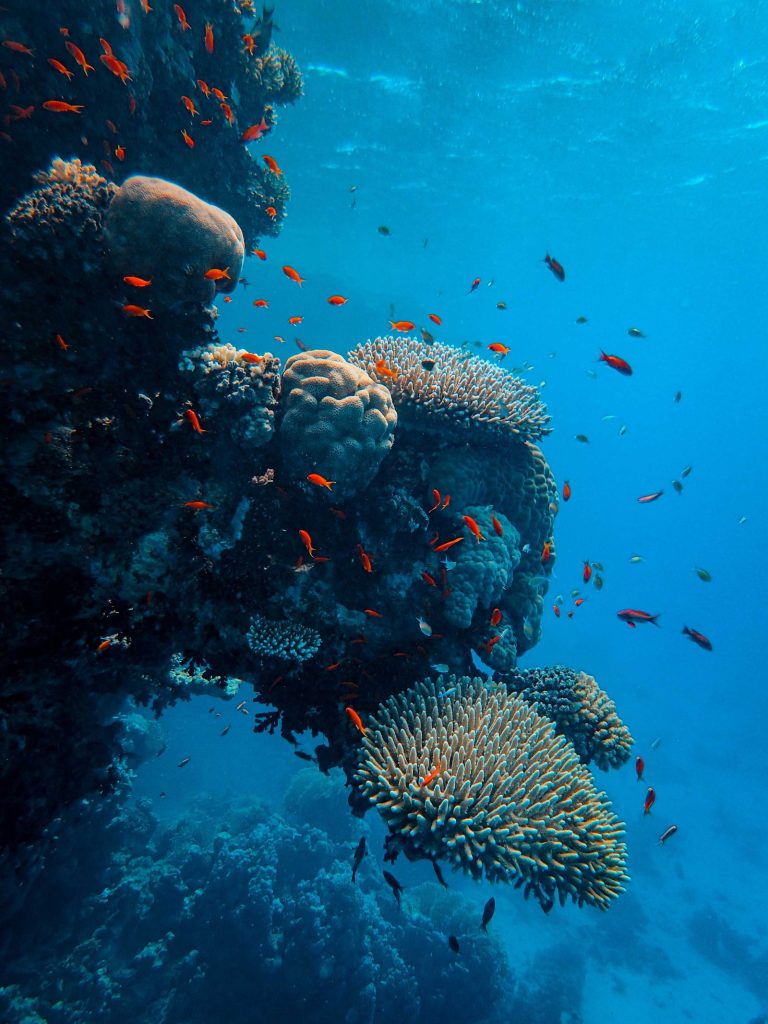
Diving and snorkelling on Red Sea reefs.
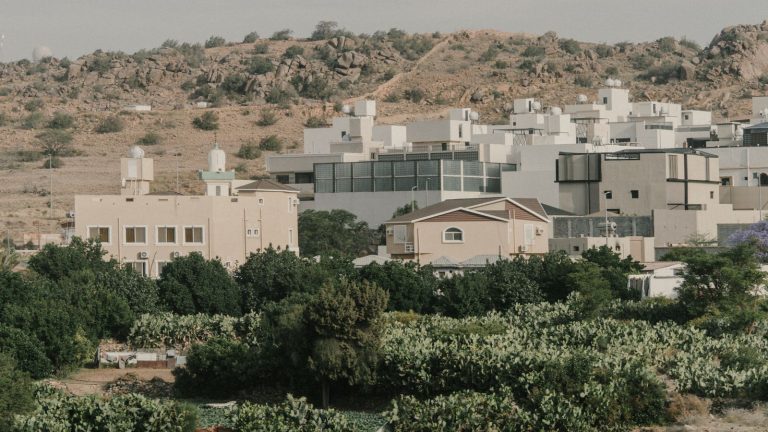
A cooler mountain city famous for its rose farms, best in spring.
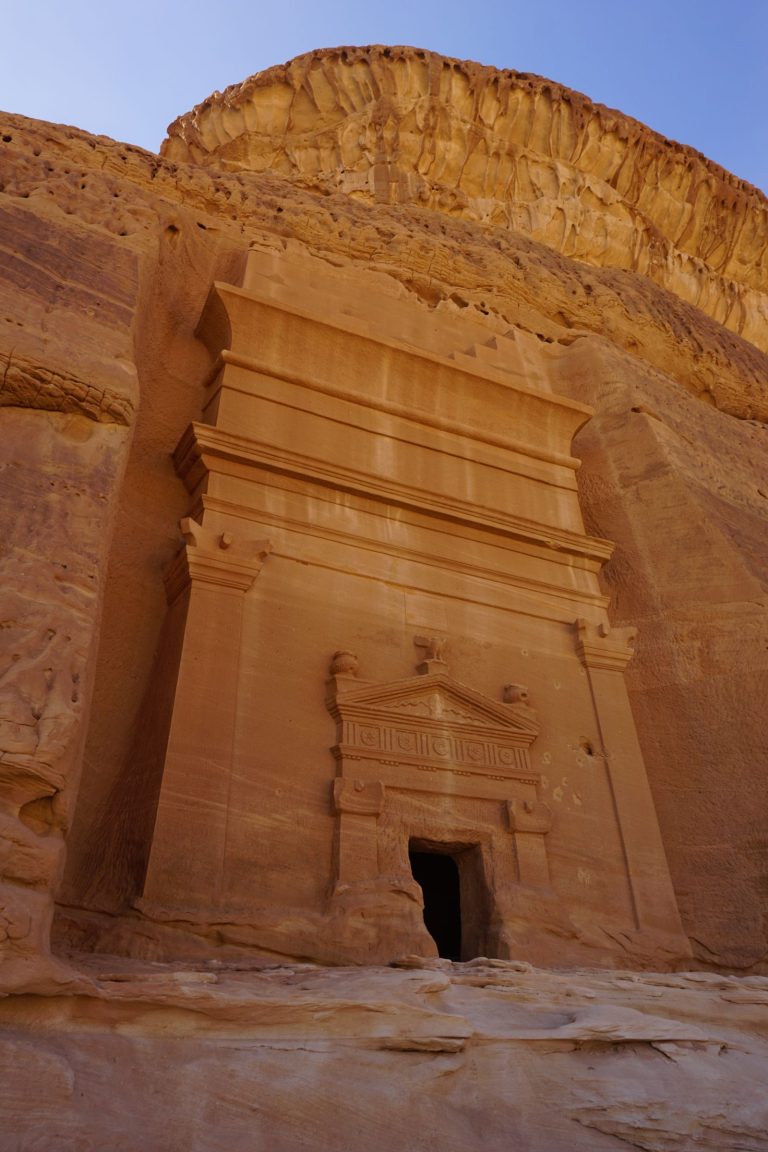
Hegra's Nabataean tombs and desert canyons.
The Saudi Arabian Grand Prix races on the corniche in spring.
Formula 1 at night.
Events and concerts.
Celebrations.
The top-rated places to stay in Jeddah right now, live from Hostelworld.
November to March. Summers are hot and humid.
Average highs.
Pick how you travel. Per person per night, in euros.
Prices are in riyals locally; these are euro equivalents.
The ones we get asked most.

Compare Jeddah hostels — live prices, real reviews and free cancellation on most bookings. Then meet the people already there in the app.

 Get the App.
 Get the App.