The bay
First-timersGuesthouses on the lanes around the horseshoe, a short walk from the sand.

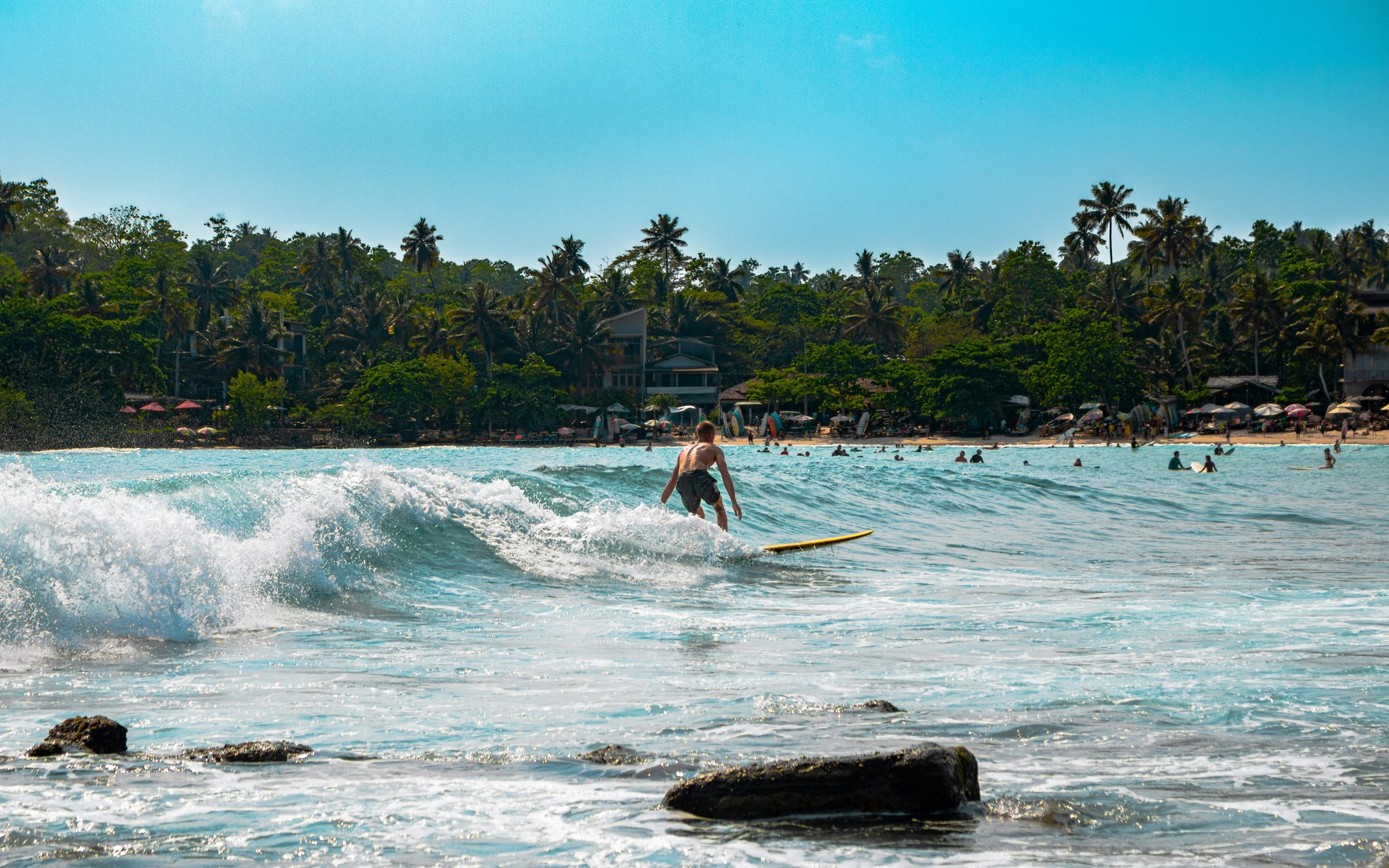
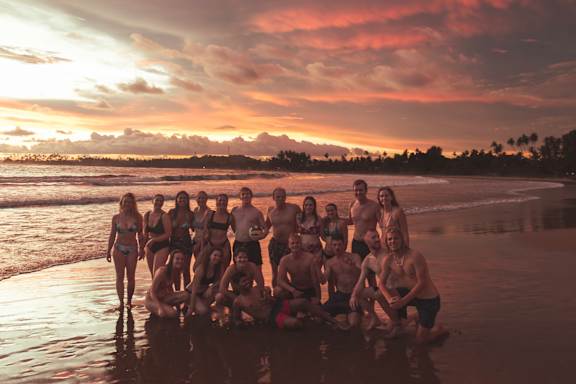
A small horseshoe bay in Sri Lanka's deep south, with gentle surf, a jungle backdrop and a relaxed café scene, and a giant Buddha, a blowhole and turtle beaches nearby.
Hiriketiya is a tiny, almost enclosed bay near the fishing town of Dikwella, ringed by palm-covered hills. A decade ago it was a secret among surfers; today it has a handful of cafés, guesthouses and surf schools, but it keeps the unhurried feel of the far south.
The bay has a gentle beach break for learning and a reef break on its left side for more experienced surfers.
It is also the best base for the deep south, which is quieter than Mirissa and Galle. Three days is right, and many stay longer.
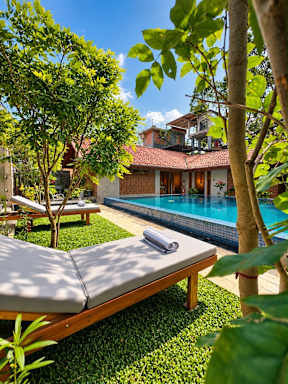
Most guesthouses are on the lanes around the bay, a short walk from the sand. The hills above have quieter places with sea views, but the road back up is steep. Dikwella, a few minutes away, is the local town, with shops, a bus stop and cheaper rooms.
Guesthouses on the lanes around the horseshoe, a short walk from the sand.
Quieter places with sea views and a steep walk back.
The local town, with shops, buses and cheaper rooms.
Orange labels are neighbourhoods, dots are the 8 top-rated hostels. Map data from OpenStreetMap contributors.
Surf the bay. The sandy beach break in the middle is gentle enough for lessons, and the surf schools along the beach rent boards by the hour. The reef break on the left side of the bay is for experienced surfers only; it breaks over shallow rock.
When you are not in the water, swim and snorkel in the calm corners of the bay, or walk the coast path to the quieter beaches nearby.
At Dikwella, the Wewurukannala Vihara has a fifty-metre seated Buddha, one of the largest in Sri Lanka, and a building of lurid murals of the Buddhist hells. The Hummanaya blowhole, up the coast at Kudawella, shoots seawater high into the air when the swell is up.
At Rekawa, near Tangalle, a turtle conservation project runs night watches, when green and other sea turtles come ashore to lay eggs. Mulkirigala, a rock temple of caves and painted shrines up a steep staircase, is about an hour inland.
The bay, the beach and the sunsets are free, and so is the coast path to the coves on either side.
Watching the surfers on the reef from the rocks costs nothing. The Hummanaya blowhole has only a small entry fee, and the Wewurukannala Buddha a modest one.
Hiriketiya's beach cafés serve smoothie bowls, good coffee and fresh fish, aimed at the surf crowd. For local food, the restaurants in Dikwella do rice and curry and kottu for a fraction of the price.
Fish is the thing to eat: grilled, or in a south-coast curry. Many guesthouses cook dinner on request.
A meal is €3 to €8.
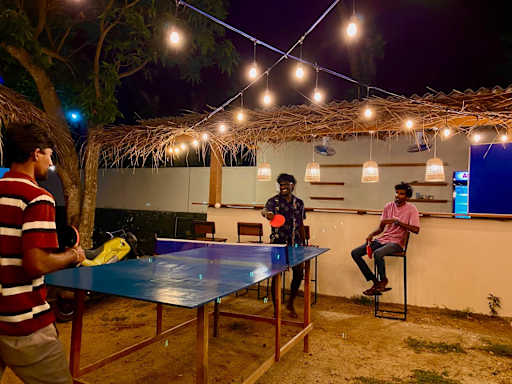
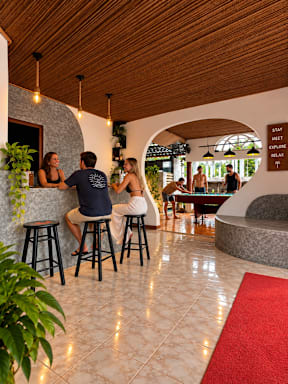
Hiriketiya is relaxed at night. A few bars around the bay have music in the evenings, and in the high season there are occasional parties.
For more of a scene, Mirissa is forty minutes away.
A beer is €2.50 to €4. Every full-moon day is a Poya holiday, when alcohol sales are banned and most bars close or serve only quietly; check the calendar before planning a night out.
The coastal railway ends at Matara, about four hours from Colombo; from there, a bus or tuk-tuk takes about thirty minutes to Dikwella and Hiriketiya. Express buses run from Colombo via the Southern Expressway.
Tuk-tuks wait at the top of the bay for Dikwella, the blowhole and Tangalle. Mirissa is about forty minutes away, and Tissamaharama, for Yala, about two hours.
Hiriketiya is mid-priced, and the small bay fills up in the high season, so rooms are pricier than in Dikwella. Dorms start around €10 and a careful day is €20 to €35.
Surf lessons and board hire are the main extras: board rental is a few euros an hour, and a lesson around €15 to €25. Turtle watches at Rekawa charge a small fee.
The currency is the Sri Lankan rupee (LKR); prices here are euro equivalents. There is no ATM at the bay; use the ones in Dikwella.
Hiriketiya is safe. In the water, the reef on the left of the bay is shallow and sharp; beginners should stay on the sandy beach break in the middle. From May to October the south coast faces bigger, rougher swell.
At Rekawa, follow the guides: no torches or flash photography near nesting turtles.
Book ahead in the high season, from December to March, when the bay fills.
Emergency: 119 police, 1990 ambulance (Suwa Seriya, free). Tourist Police: 1912.
Giant Buddhas, a blowhole, nesting turtles and rock temples in the deep south.
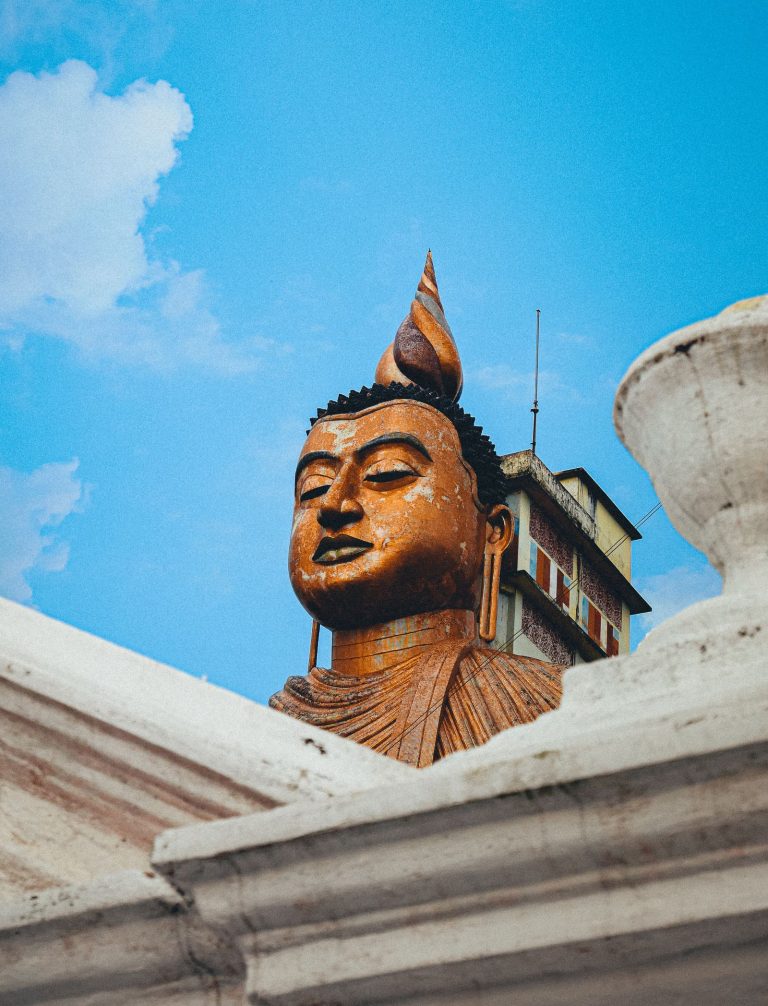
A fifty-metre seated Buddha and murals of the Buddhist hells.
The surf season is the season.
The best months.
Night watches.
The top-rated places to stay in Hiriketiya right now, live from Hostelworld.
 Sustainable

November to April is the season on the south coast.
Average highs.
Pick how you travel. Per person per night, in euros.
Prices are in rupees locally; these are euro equivalents. Excludes surfing.
The ones we get asked most.

Compare Hiriketiya hostels — live prices, real reviews and free cancellation on most bookings. Then meet the people already there in the app.

 Get the App.
 Get the App.