

Plenty of backpackers treat Da Nang, Vietnam as a bus stop on the way to Hoi An. They change buses, glance at the high-rises and keep going. That’s a mistake. Da Nang has a long sandy city beach, marble mountains full of caves and pagodas, a bridge shaped like a dragon, and Hoi An’s lantern-lit old town within about 30 km, all from one cheap base.
This guide shows you how to do it on a backpacker budget: what’s worth your money and what to skip, which part of the city to stay in, how to get to Hoi An, and when the weather is on your side. Prices were checked in October 2026, and you’ll find hostels on Hostelworld for every area.

Is Da Nang worth visiting?
Yes, if you want a beach, mountains and good cheap food from one base. No, if all you’re after is old-town charm, because that’s Hoi An’s job.
The split between the two is blurrier than it used to be. On 1 July 2025, Da Nang and Quang Nam province merged into one new Da Nang city, according to Vietnam News Agency. That means Hoi An is now officially part of Da Nang, so a night by the beach and a day among the lanterns count as one stop.
Paul, who has lived in Da Nang since 2018, writes on Ahoy Vietnam that it suits beach lovers, coffee and food fans and anyone on a budget. It’s a weaker pick if you want wild nightlife, which he calls laid-back compared with Ho Chi Minh City.
Our verdict: give it two to three nights, plus a day trip to Hoi An, or a night there if you can.
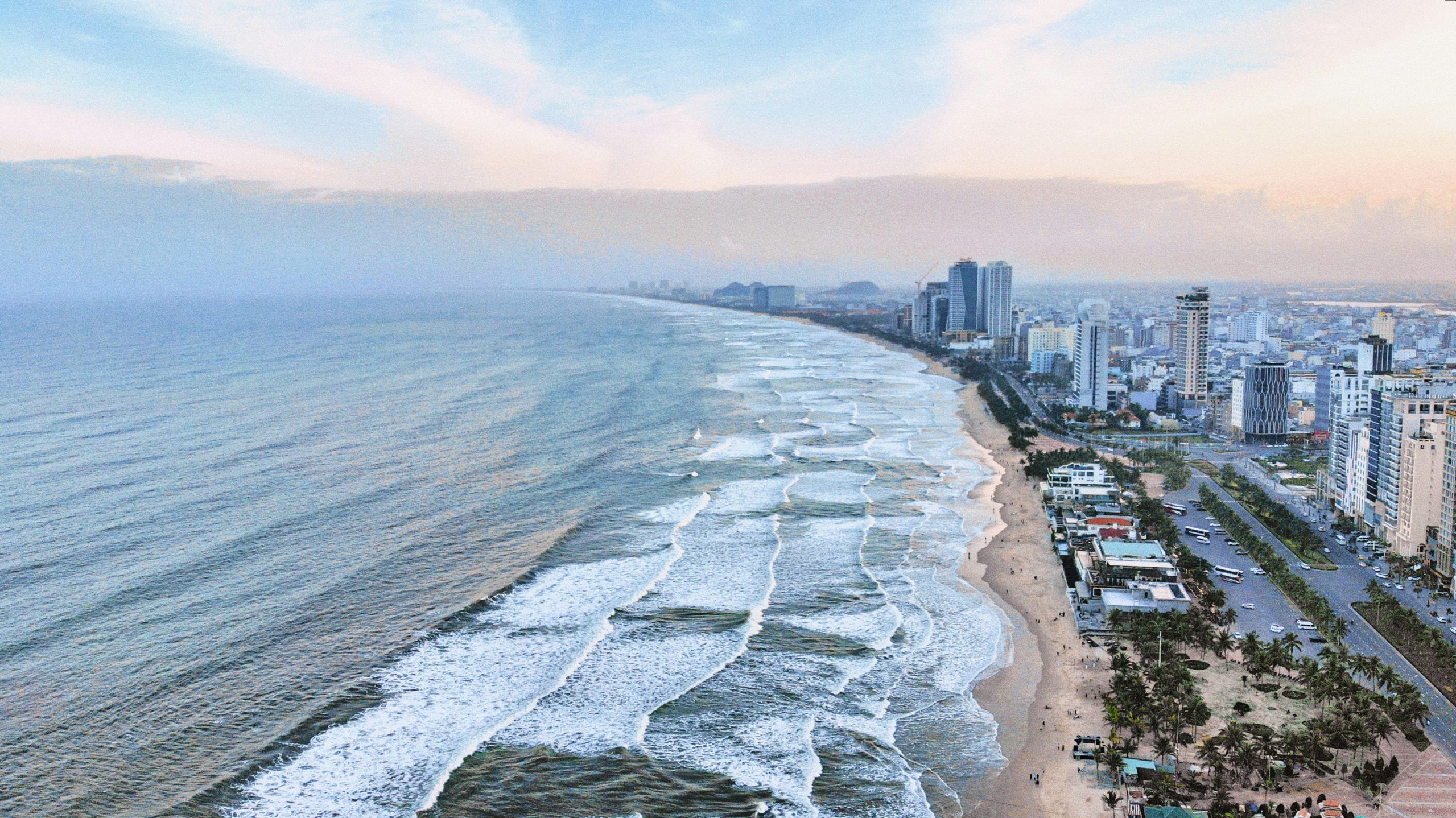
Which Da Nang beach should you stay near?
For most backpackers, it’s My Khe, and specifically the An Thuong streets just behind it. Backpacking Is Life (updated September 2026) calls An Thuong the most traveller-friendly beach-side pocket, packed with cafes, restaurants, gyms and hostels. Local Vietnam adds that laundry shops and motorbike rental are all within walking distance. The trade-off: it’s quieter at night, and there’s no old-town atmosphere.
- Stay by the beach (My Khe and An Thuong) if: you want morning swims, sunrise on the sand and an easy social hostel scene.
- Stay by the Han River if: you care more about street food, night markets and the Dragon Bridge than swimming. The river side has more city energy, and An Thuong is only about 10 to 15 minutes away by car or Grab.
Either way, you can reach the other side cheaply, so pick by what you’ll do most. Compare live prices and reviews for both areas on Hostelworld.
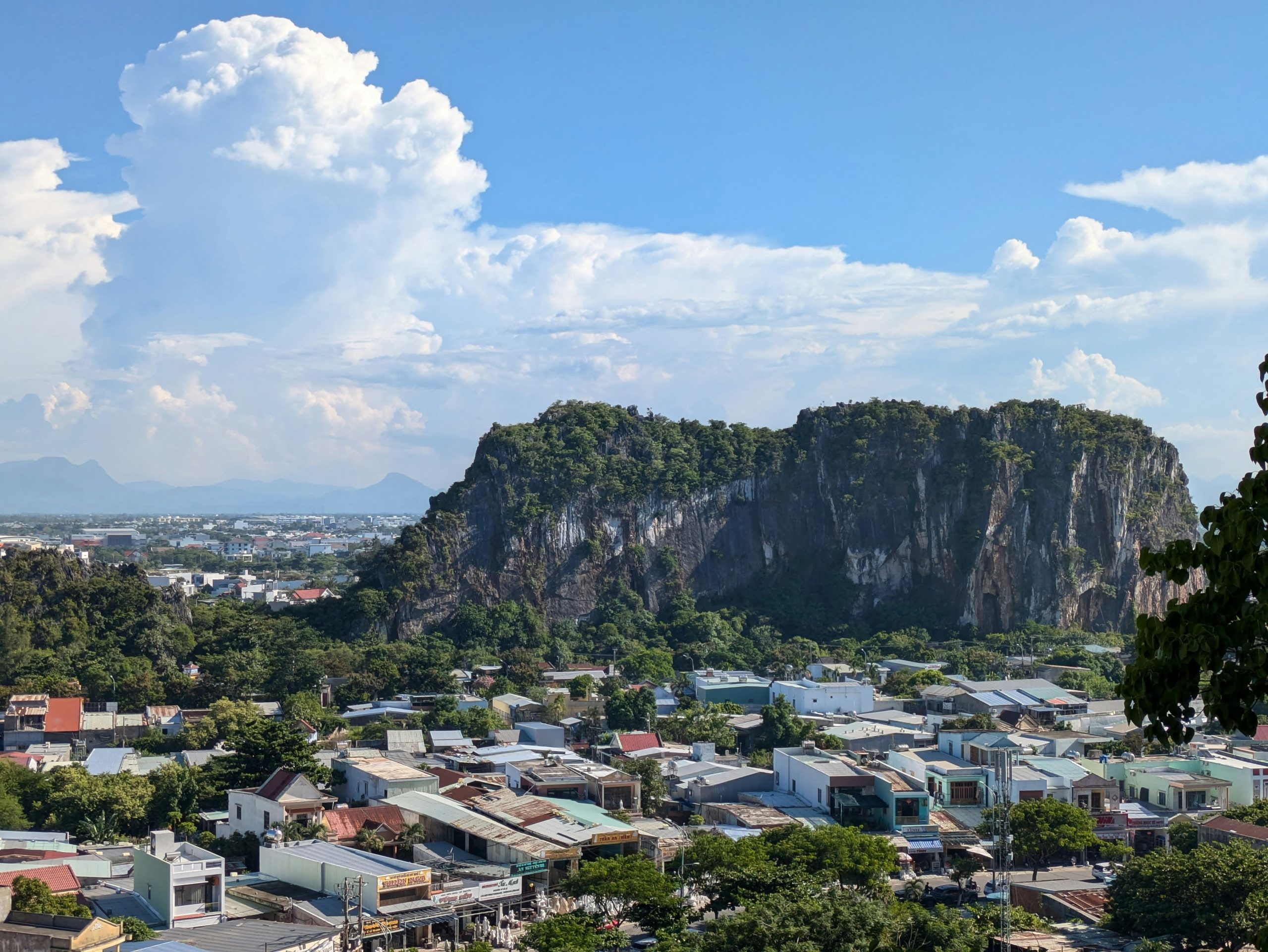
How do you visit the Marble Mountains on a budget?
The Marble Mountains are five limestone and marble hills about 8 km south of the centre, riddled with caves, shrines and pagodas. Thuy Son is the one you climb, and it’s one of the cheapest big sights in Vietnam. Prices below are from Da Nang Fantasticity, the city’s official tourism site, converted at about 30,000 VND to €1 (October 2026).
- Get there early. A Grab bike from An Thuong is the easiest ride. Thuy Son opens at 7am, per VietnamTourism.com, so arrive before the heat and the tour buses.
- Buy your tickets in one go. Entry is 40,000 VND (about €1.30). The lift is 15,000 VND (about €0.50) one way. Am Phu Cave is a separate 20,000 VND (about €0.70). Bring cash.
- Ride up, walk down. The lift only reaches mid-level, so stairs remain either way.
- Wear grippy shoes. The marble steps get slippery when wet.
Visit Huyen Khong Cave around late morning on a clear day, when beams of light usually fall through the roof.
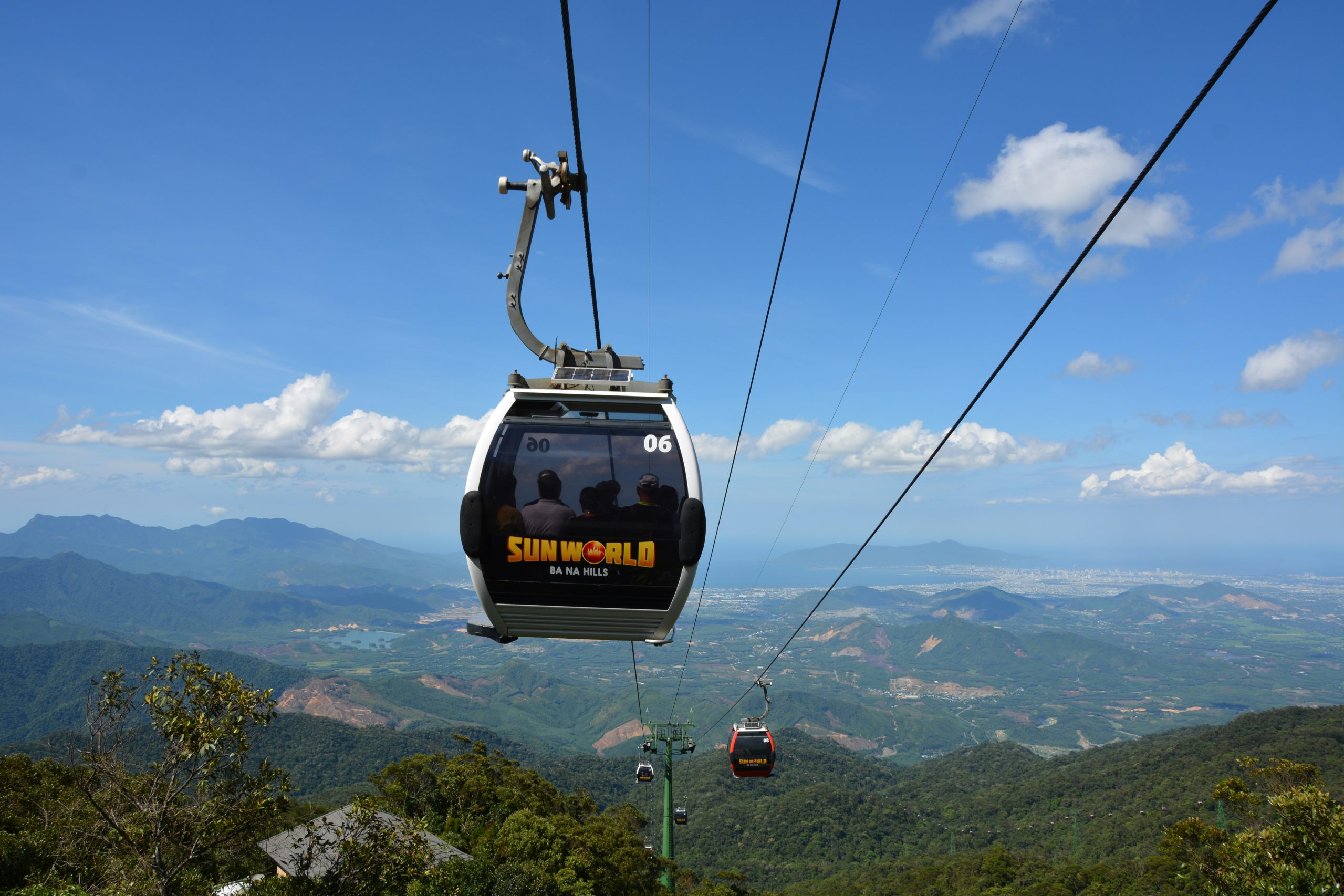
Is Ba Na Hills worth the money?
Only if the Golden Bridge is on your must-see list. Ba Na Hills is a hilltop theme park with a French-style village, gardens and the famous bridge held up by giant stone hands, reached by a long cable car ride. It’s also the most expensive day out in Da Nang. A standard adult ticket is 900,000 VND (about €30), per VietnamTourism.com (updated October 2026), and some guides quote up to 1,000,000 VND (about €33). That covers the cable car, the Golden Bridge and Fantasy Park. There’s no bridge-only ticket, and extras add up: the buffet is about 450,000 VND, and the alpine coaster and wax museum are about 100,000 VND each. Getting to the base station costs extra too.
Worth it if: you want the Golden Bridge photo and a cable car over the jungle, and the budget allows.
Skip it if: you’re counting every dong. Spend the day on the Son Tra Peninsula instead, which is free.
For other big-ticket ideas, see our list of things to do in Vietnam.
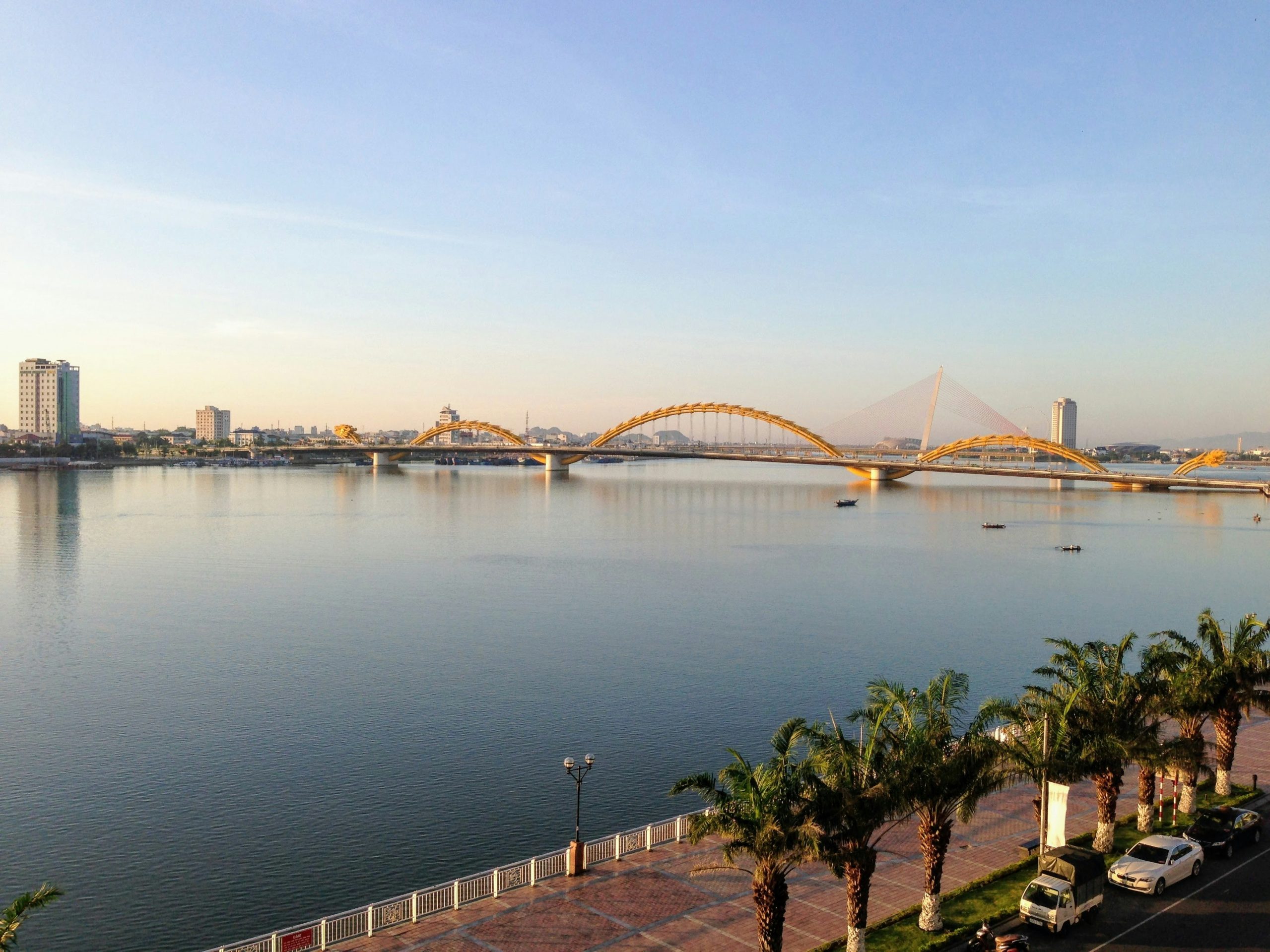
What can you do in Da Nang for free?
Quite a lot. Some of the city’s best moments cost nothing:
- Dragon Bridge show: the dragon-shaped bridge over the Han River breathes fire, then water, on Friday, Saturday and Sunday at 9pm, for about 15 minutes, the operator told Tuoi Tre News in August 2026. Some guides say weekends only, so check locally. Stand on the riverbank near the dragon’s head for the best view, and keep your phone dry.
- Son Tra Peninsula and the Lady Buddha: ride up the green headland north of the beach to Linh Ung Pagoda, where a giant white statue of the Lady Buddha looks over the bay.
- Sunrise on My Khe: join locals swimming and exercising on the sand at first light.
- Han River night walk: stroll the lit-up riverside and its bridges after dark.
Our Da Nang travel guide has more ideas.
How do you get from Da Nang to Hoi An?
It’s about 30 km, and you’ve got two easy options:
- Grab car or bike: door to door, and the quickest choice if you’re splitting a car with people from your hostel.
- LK-02 bus: the cheapest way, stopping near the old town. Recent guides put the fare at about 30,000 to 35,000 VND (roughly €1) one way, paid in cash, and Local Vietnam agrees (checked October 2026). No official timetable is online, and the Danang Bus website hasn’t been updated since 2023, says Future Southeast Asia, so ask your hostel for times.
Stay for the lantern-lit evening, then ride back or book a night. Our Hoi An travel guide covers what to do there.
Rainy season warning: Hoi An floods. In late October 2025, record rains left tourists wading through its streets, Al Jazeera reported.

When is the best time to visit Da Nang?
For beach weather, aim for February to August. VietnamTourism.com (updated August 2026) says the rains start in September and linger until December, with typhoons most likely in October and November. Vietnam’s official tourism board, Vietnam.travel, picks March to May as the sweet spot.
- January to April: drier and cooler, good for the Marble Mountains and Son Tra.
- May to August: hot and sunny, good for beach days. June is the hottest month.
- September to December: heavy rain and typhoon risk, so keep plans flexible.
Travelling in autumn? Check the storm and flood warnings from Vietnam’s National Center for Hydro-Meteorological Forecasting before you travel. Fitting Da Nang into a bigger route? Our guide to backpacking Vietnam from north to south helps you time the rest.
Where should you stay in Da Nang?
Pick An Thuong if you want the beach on your doorstep, or the Han River side if you want street food and the Dragon Bridge close by. Here are hostels in Da Nang with live prices and reviews:
Da Nang’s social life happens in its hostels, and the free Hostelworld app lets you plug in before you land. Join the Da Nang City Chat to find people to split a Grab to Hoi An with. You can browse Linkups such as walking tours, group dinners and bar crawls from 14 days before check-in. Haven’t booked yet? A Social Pass opens up chats and events without a booking. Planning the rest of the trip? See our pick of the best hostels in Vietnam.

Conclusion: How long should you spend in Da Nang?
Give Da Nang, Vietnam two to three nights, plus a day in Hoi An, or a night there if you can. That’s enough for a sunrise swim on My Khe, a morning in the Marble Mountains, a free Dragon Bridge show and a ride around Son Tra, without paying Ba Na Hills prices unless you really want that bridge photo.
Base yourself in An Thuong for the beach or by the Han River for the food, and come between February and August for the best chance of sun. Then carry on down the coast with our Vietnam travel guides.

 Get the App.
Comments