Ancient Town
First-timersAmong the lanterns: atmospheric, busier and pricier.

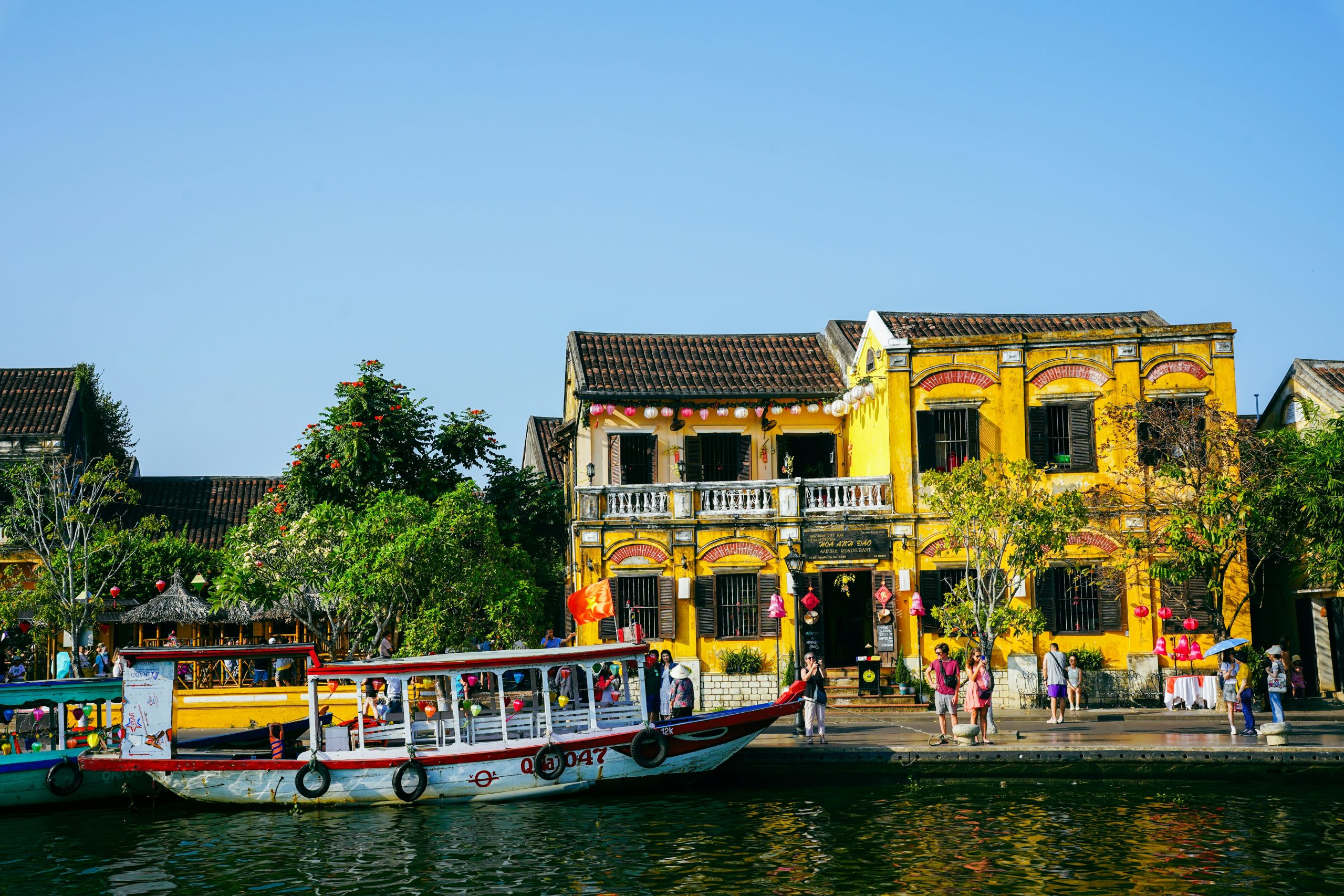
A lantern-lit trading town of yellow merchant houses on a river, with tailors who make clothes in a day, rice fields to cycle through and a beach nearby. The prettiest place in Vietnam.
Hoi An was a busy trading port from the fifteenth to the nineteenth centuries, where Japanese, Chinese and European merchants settled. When the river silted up, trade moved to Da Nang, and the old town was left almost untouched. It is a UNESCO World Heritage Site.
Today its yellow-walled merchant houses, assembly halls and the Japanese Covered Bridge are lit by silk lanterns every night.
Three days is right.
Staying in or near the Ancient Town puts you among the lanterns, but it is busier and pricier. The rice-field areas around Cam Thanh and Tra Que are quieter, with homestays and bicycles. An Bang, five kilometres away, puts you by the beach with the old town a short ride away.
Among the lanterns: atmospheric, busier and pricier.
Homestays among the paddies around Cam Thanh and Tra Que.
By the sea, a short ride from the old town.
Orange labels are neighbourhoods, dots are the 12 top-rated hostels. Map data from OpenStreetMap contributors.
Hoi An was one of Southeast Asia's great trading ports from the fifteenth to the nineteenth century, and its Ancient Town of Chinese shophouses, assembly halls and temples has been a UNESCO World Heritage Site since 1999. Visitors buy a ticket, 120,000 VND for foreigners, which covers five of about 22 heritage sites: old merchant houses, the Fujian Assembly Hall, museums, and the Japanese Covered Bridge, restored in 2024. The lanes themselves are best early in the morning, before the crowds, and in the evening, when hundreds of silk lanterns light up.
On the fourteenth day of each lunar month, the full-moon lantern festival sees candles floated on the Thu Bon River. Boat rides on the river at dusk are popular, if crowded.
Hoi An is famous for its tailors, who can make a suit, dress or coat in a day or two; go to a recommended shop, allow time for fittings, and check the fabric.
Cycle out through the rice fields to Tra Que vegetable village or An Bang beach, and take a basket-boat ride through the coconut palms at Cam Thanh. My Son, about an hour away, is a group of Cham temple ruins from the fourth to thirteenth centuries, also UNESCO-listed; go at opening time.
Walking the Ancient Town's lanes is free; the ticket is for entering the heritage buildings. The lanterns in the evening and the riverside are free to enjoy.
Cycling through the rice fields to Tra Que or An Bang beach costs only the bike hire, often free from guesthouses, and An Bang beach is free.
The night market across the river, on An Hoi, is free to wander.
Hoi An has dishes found nowhere else. Cao lau, chewy noodles with pork and greens, is said to need water from a particular local well. White rose dumplings, delicate shrimp dumplings shaped like flowers, are made by a handful of families in town. Mi Quang is the regional noodle dish, and com ga, chicken rice, is the town's version of the classic.
Hoi An's banh mi is among the best in Vietnam, and several shops are famous for it.
The central market and the street stalls are cheap; restaurants in the old town charge more for similar dishes. A street meal is €1.50 to €3; a restaurant meal €4 to €8.
Hoi An is more about lantern-lit evenings than late nights. Bars along the river and in An Hoi stay busy, and a few backpacker bars have happy hours and later nights.
The old town's pedestrian hours mean the lanes fill with walkers, lantern boats and street food in the evening.
A beer is €1 to €2.50.
The nearest airport and railway station are in Da Nang, 30 to 45 minutes away by Grab, taxi or bus.
Hoi An is best by bicycle; guesthouses lend or rent them cheaply. The Ancient Town's lanes close to motor traffic at set hours, so it is mostly walking inside.
Buses and sleeper buses run north to Hue and south to Nha Trang and Da Lat; many leave from tour offices in town.
Hoi An is cheap to mid-priced. Dorms start around €6 and a careful day is €20 to €30.
The Ancient Town ticket is 120,000 VND, about €4, and covers five heritage sites. Tailoring varies hugely: a simple shirt can be €10 to €20, and a suit from €80 to several hundred depending on the fabric. Bicycle hire is about €1 a day. My Son charges a separate ticket.
The currency is the Vietnamese dong (VND); prices here are euro equivalents, at roughly 30,000 VND to the euro. Restaurants and shops in the old town take cards; markets and street stalls are cash only.
Hoi An is safe. The main thing to watch is tailors: some shops rush the work or use poor fabric, so choose one with good reviews, ask for at least one fitting, and pay a deposit rather than the full price upfront.
From October to December, the Thu Bon River often floods the old town, sometimes waist-deep; plans can change at short notice.
On bicycles, take care on the main roads to An Bang and Da Nang.
Emergency: 113 police, 115 ambulance, 114 fire.
Cham temples, the beach and a vegetable village.
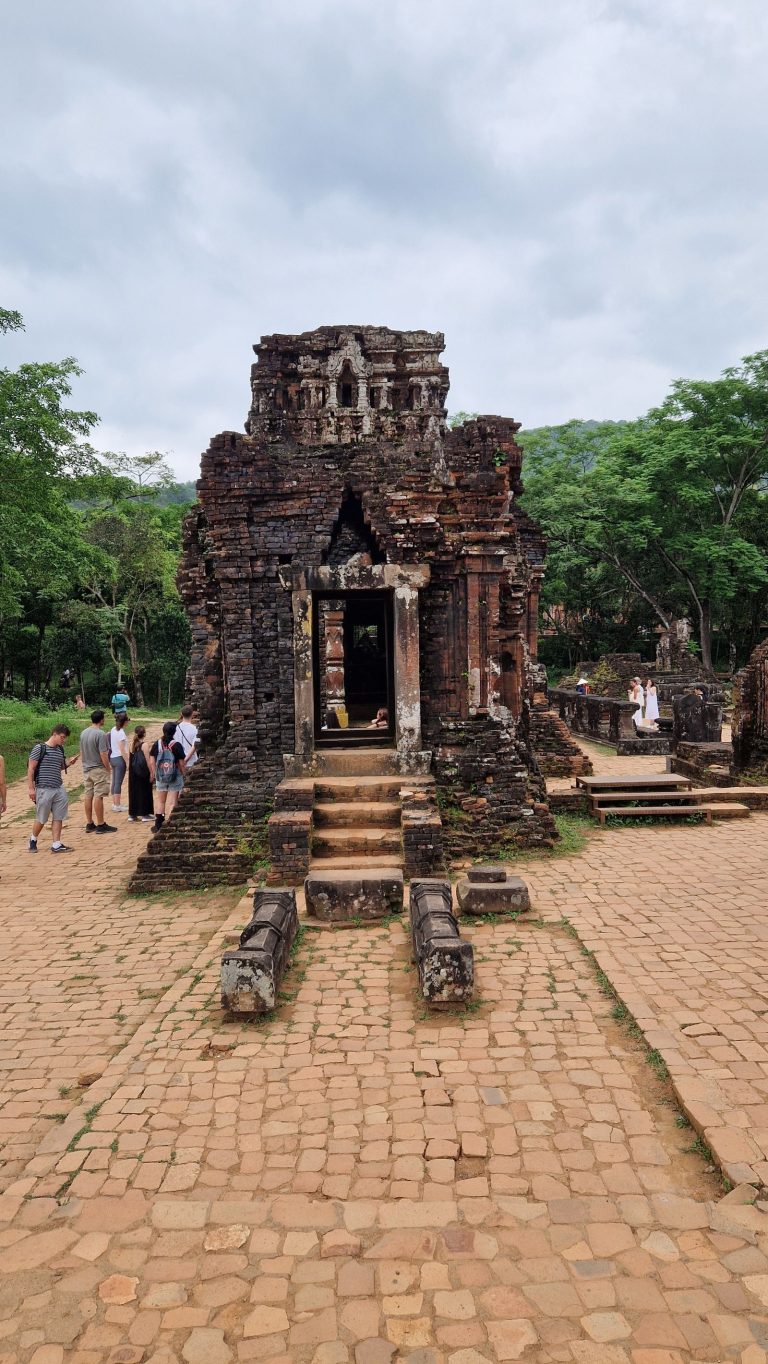
Cham temple ruins in the jungle, UNESCO-listed. Go at opening time.

A relaxed beach with seafood restaurants.

A vegetable-growing village among the rice fields.
Every full moon, the old town turns off its electric lights for the lantern festival.
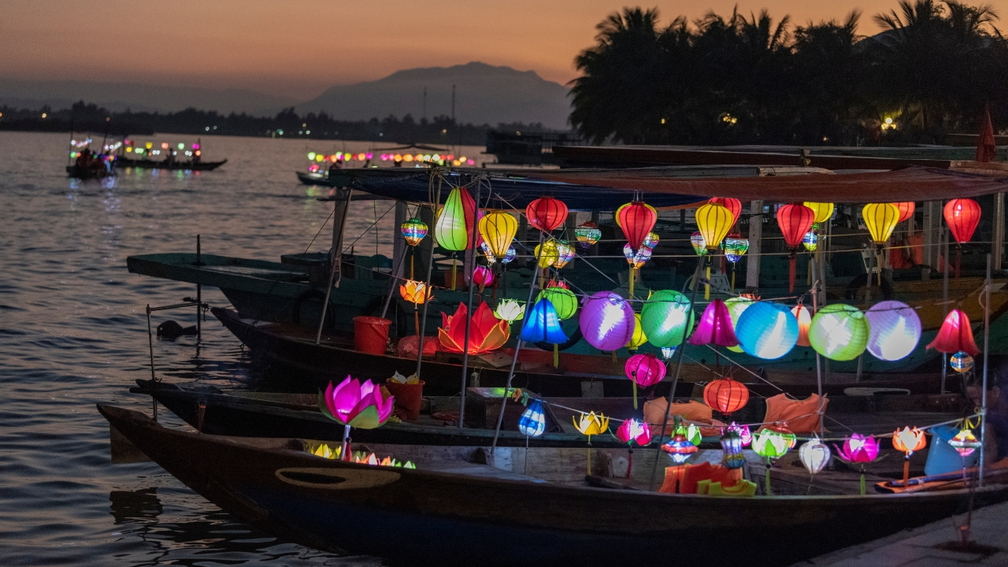
The Hoi An Lantern Festival 2026 promises an enchanting evening where the Old Town is illuminated by thousands of radiant lanterns, mirrored beautifully in…

Hoi An's Lantern Festival is a monthly spectacle that lights up the night with a dazzling display of lanterns. This year-round event offers attendees…
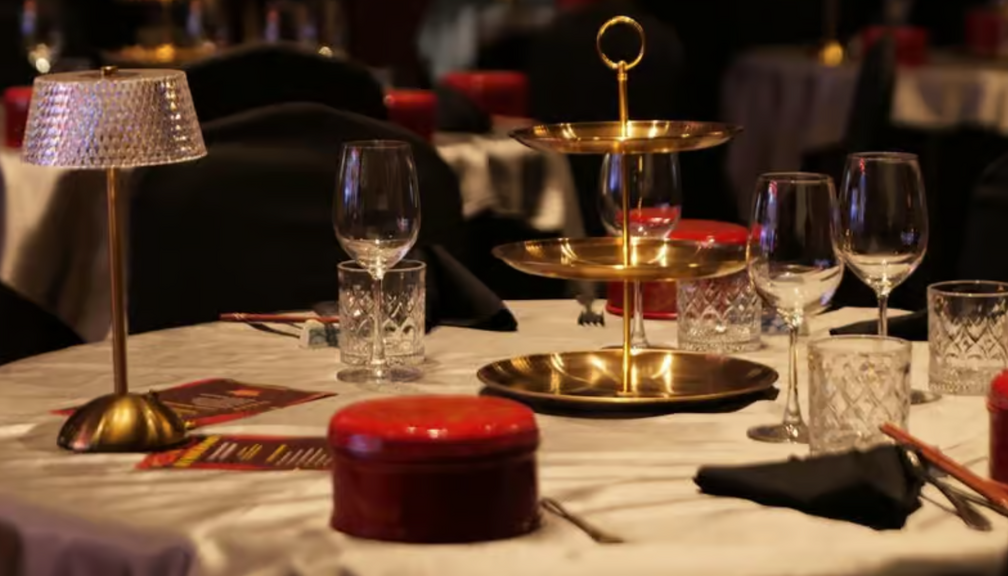
Experience The Stage Theatre Dining & Show in Hoi An, where sophisticated storytelling meets world-class entertainment. Step into an immersive artistic journey featuring modern…

Experience the enchantment of Hoi An under the starlit sky with a guided stroll through the historic Old Town. The evening culminates with a…
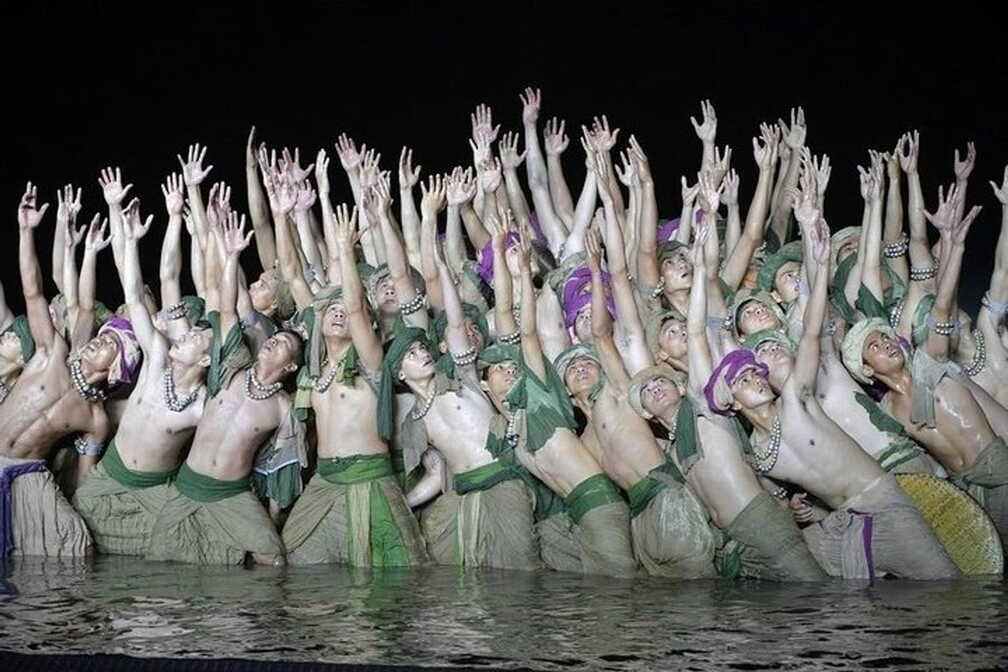
Hoi An Memories Show promises an unforgettable spectacle of lights, performances, and music that will leave attendees spellbound. Prior to the show, guests can…

Gather your friends for a thrilling weekly pub quiz where all entry fees contribute to the prize pool. Enjoy a bonus round for a…

Every Thursday, an open stage event welcomes all performers, offering a complimentary beer to those who grace the stage. Attendees are encouraged to bring…
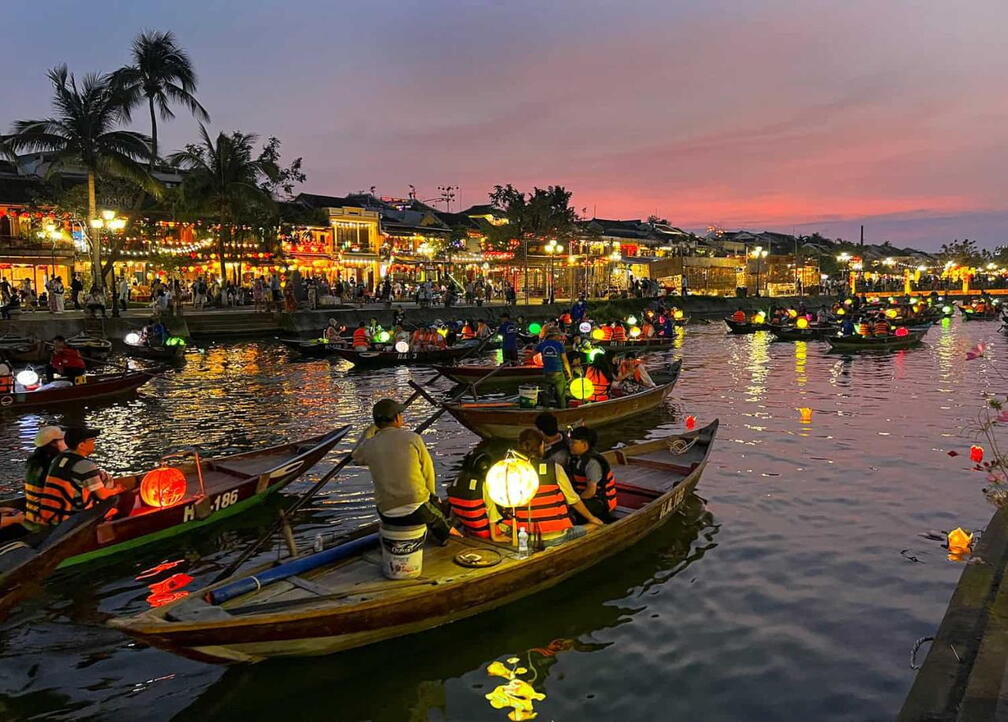
A two-hour river cruise takes you through Hoi An's waterways right as the sky turns golden, with five drinks included and a floating lantern…
The top-rated places to stay in Hoi An right now, live from Hostelworld.
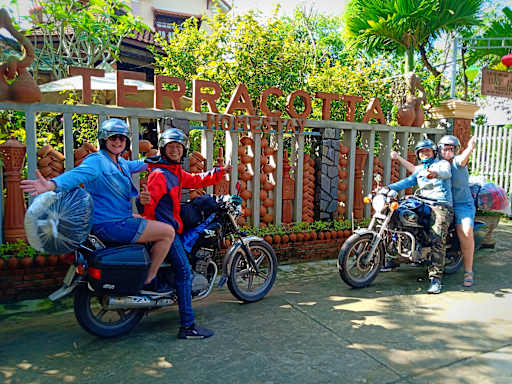
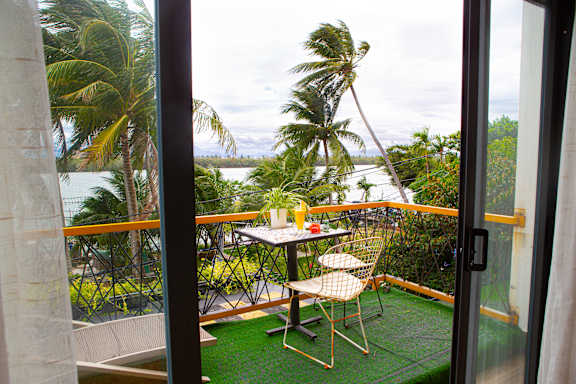


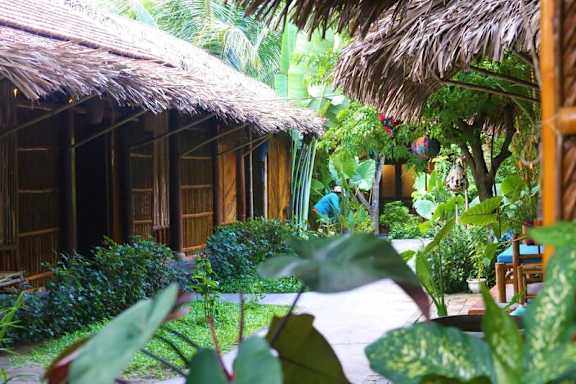
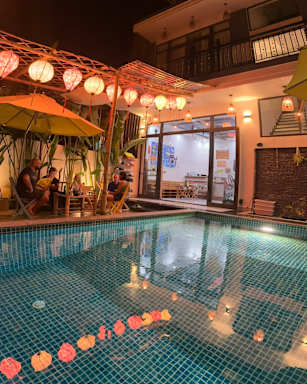
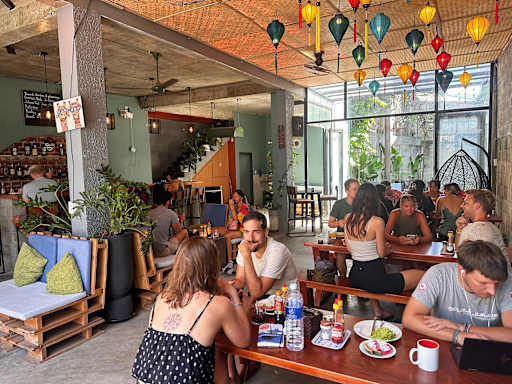
 Sustainable
 Sustainable
February to August. October and November bring floods.
Average highs.
Pick how you travel. Per person per night, in euros.
Prices are in dong locally; these are euro equivalents. Excludes tailoring.
The ones we get asked most.

Compare Hoi An hostels — live prices, real reviews and free cancellation on most bookings. Then meet the people already there in the app.

 Get the App.
 Get the App.