

Sustainable travel is not a niche preference anymore. More travellers than ever are thinking carefully about where they go, how they get there, and what their trip actually does for the places they visit. But knowing where to start is genuinely tricky. Every destination claims to be sustainable these days, and the line between meaningful eco-travel and greenwashing can be hard to find.
This guide focuses on destinations where sustainable travel is baked into the experience, not added on as an afterthought. Cities where the infrastructure makes low-impact travel easy. Places where hostels are leading the way with real, verifiable green credentials. Spots that reward travellers who want to explore without leaving a mess behind.
There’s also a strong case to be made that staying in a hostel is already one of the most sustainable choices you can make. A report by Bureau Veritas, conducted in partnership with Hostelworld, found that hostels produce 82% fewer carbon emissions per guest than hotels. Before you’ve done a single other thing, your accommodation choice is already working.
Here are five destinations for 2026 where sustainable travel feels genuinely natural, with the best eco-conscious hostels to match.

🌿 Barcelona, Spain: Sustainability Inside a World City
Barcelona is grappling honestly with the consequences of its own appeal. Overtourism has pushed the city to take real action: capped guided tours, restrictions on holiday lets, a tax on cruise passengers, and a growing network of policies designed to make the city liveable for residents rather than optimised for visitors. Travelling thoughtfully in Barcelona is not just encouraged, it’s increasingly built into the city’s infrastructure.
For sustainable travellers, that means choosing independent restaurants over chains, using public transport and bikes over taxis, visiting the Eixample and Gràcia rather than queuing at every major sight, and staying in accommodation that takes its environmental impact seriously.
Barcelona is also a city where sustainable choices don’t require sacrifice. The food is extraordinary, the architecture justifies the trip entirely on its own, and the hostel scene includes at least one property that has become a benchmark for responsible hosting in Europe.
Quick tip: The TMB public transport network is excellent and cheap. A T-Casual card (10 journeys) covers buses, metro, and trams. Combine it with a free walking tour from your hostel and you’ll see more of the real city than any organised bus tour would show.
🏨 Where to Stay in Barcelona

Book St Christopher's Inn Barcelona
St Christopher’s Inn Barcelona
HOSCAR Eco-Warrior winner and Biosphere certified, meaning its sustainability credentials have been independently verified rather than self-declared. The roof is largely solar-powered. A grey water system recycles shower water to flush toilets. The bar menu is 20% vegan. Biodegradable containers replace single-use packaging. Pre-paid breakfasts cut food waste. Guests can join free walking tours, rent bikes, and participate in the hostel’s Love the Planet campaign.
Set just off Las Ramblas in central Barcelona, with privacy-curtained dorms, female-only options, and a full calendar of social events. One of the most genuinely sustainable hostels in Europe, and one of the most fun.
Check Hostelworld for current pricing
🌍 Amsterdam, Netherlands: Conscious Living on the Canals
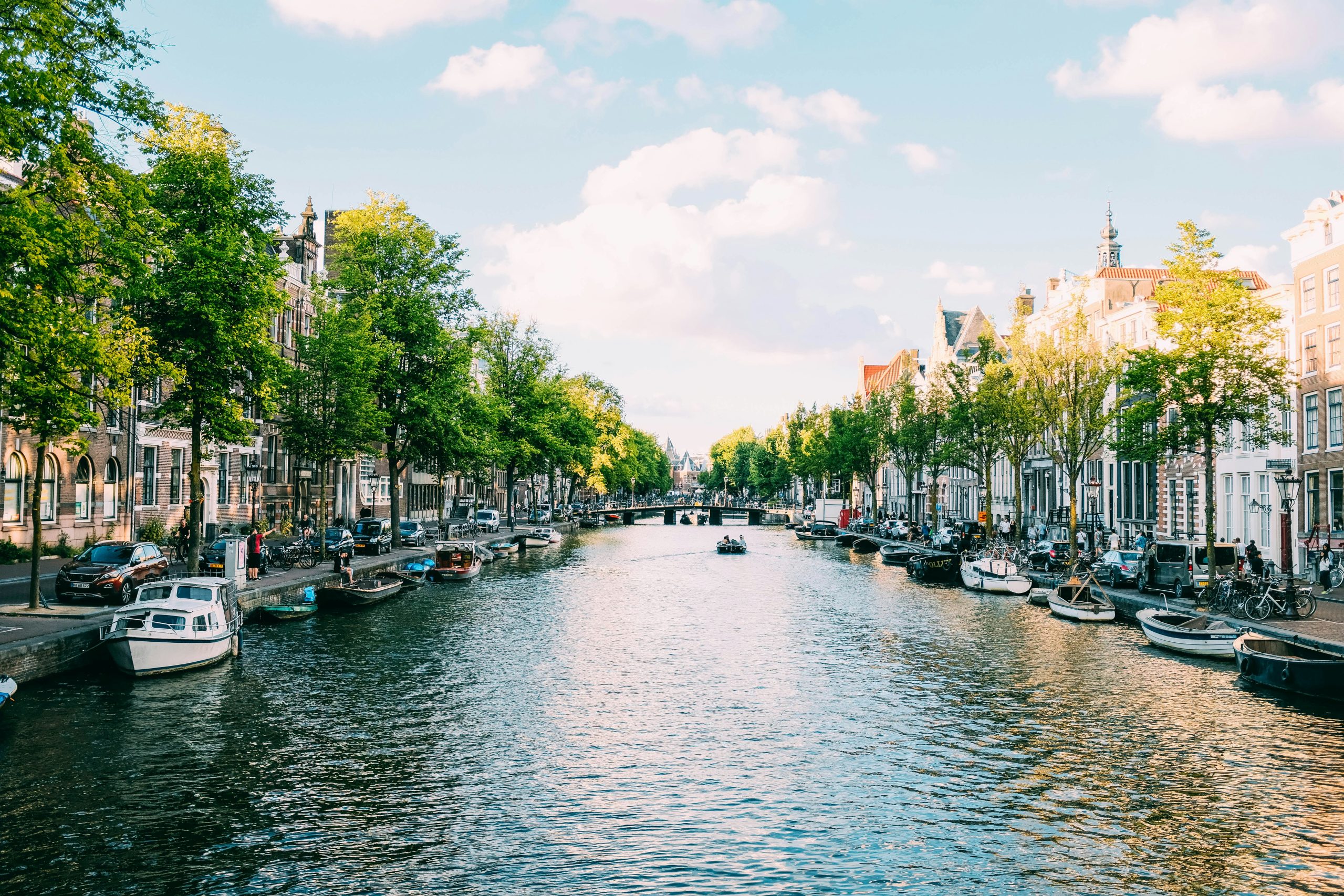
Amsterdam makes sustainable travel easy. The city is flat, cycling is the primary mode of transport, and the public transport network is excellent for everything else. A network of independent food markets, second-hand shops, and farm-to-table restaurants gives travellers meaningful alternatives to tourist-facing chains. The Dutch approach to urban sustainability is practical and long-embedded, rather than performative.
The city’s museums are world-class, the canal architecture is genuinely extraordinary, and the neighbourhood life of Jordaan, De Pijp, and Oost rewards slow, wandering exploration on foot or by bike rather than rushed tick-boxing.
Sustainable travel in Amsterdam starts before you arrive: the train from Paris takes around three and a half hours and the Thalys and Eurostar connections from London and Brussels make flying unnecessary for most Western European visitors.
🏨 Where to Stay in Amsterdam

ClinkMama (formerly Ecomama)
The hostel formerly known as Ecomama, now operating as ClinkMama, remains one of Amsterdam’s most genuinely eco-conscious stays. Cradle-to-cradle furniture, fair-trade materials throughout, a natural stone heating system, and waste recycling built into the daily operation. The vibe is laid-back and boho-chic: a movie lounge, indoor swinging chairs, a big communal kitchen, bike rentals, and a calm canal-side location near Waterlooplein. Art on the walls, lots of natural light, and comfy mattresses make it feel more boutique than budget. Dorms from around €19

🌊 Lisbon, Portugal: Community at the Heart of Travel
Lisbon is one of the most joyful cities in Europe right now, and the hostel scene here does something relatively rare: it positions itself as part of the community rather than separate from it. The best hostels in Lisbon are not just places to sleep. They organise volunteer clean-ups, collaborate with local artists and charities, grow produce in their own urban gardens, and bring guests and locals together in the same spaces.
The city itself lends itself to sustainable travel. It’s walkable and tram-connected, has an excellent food market culture, supports a thriving independent restaurant scene, and rewards the traveller who takes the time to leave the tourist circuits and explore Mouraria, Marvila, or Mouraria on foot.
Getting there sustainably from within Europe is very manageable by rail, with direct or one-transfer routes from Madrid, Paris, and beyond.
🏨 Where to Stay in Lisbon

Book Sunset Destination Hostel
Sunset Destination Hostel
2026 HOSCAR Community Superhero winner. Located inside the Cais do Sodré train station with Tejo River views, a rooftop terrace, and a heated outdoor pool. But what earned the award was the activity beyond the building: Community Nights, volunteer clean-ups, collaborations with local artists, and partnerships with nonprofits including Refood and Serve the City. Over 200 guests joined 20+ events in the past year alone. Free walking tours, Fado nights, BBQs, and an urban garden where guests can get involved in growing fresh produce. An excellent model for what a genuinely community-rooted hostel looks like.
Check Hostelworld for current pricing
🌲 Stockholm, Sweden: Sustainability as a Way of Life
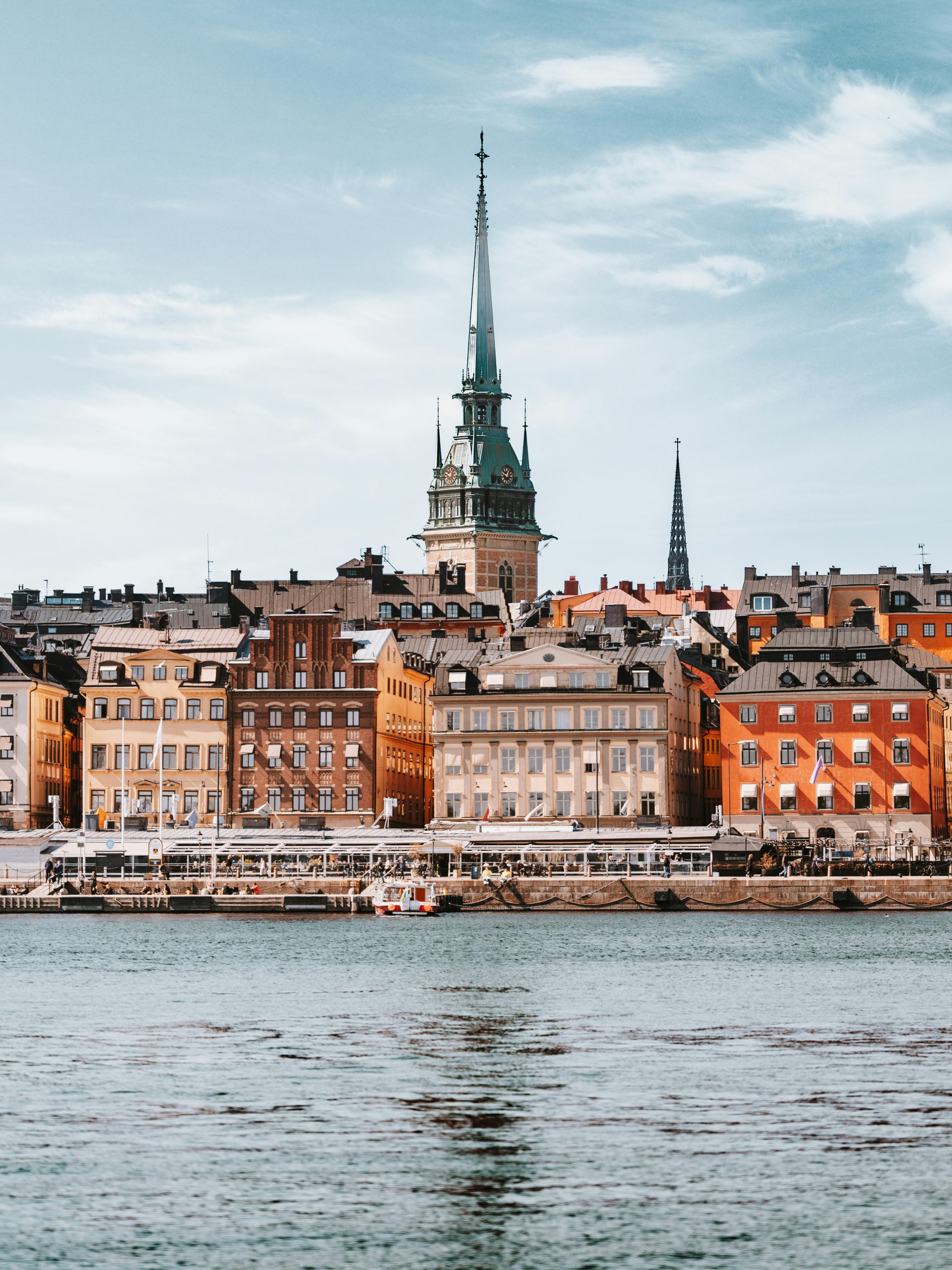
Scandinavia sets the standard for sustainable urban living, and Stockholm exemplifies it. The city generates almost all of its electricity from renewable sources. Public transport is efficient and carbon-light. Cycling infrastructure is excellent. The food culture places a strong emphasis on locally sourced, seasonal ingredients. And the Swedish concept of Allemansrätten (every person’s right to roam freely in nature) means that the city’s extraordinary natural surroundings, forests, islands, and waterways, are genuinely accessible without paying for access.
Stockholm is expensive. That’s the honest starting point for any budget travel conversation here. But the hostel kitchen model is your best friend in Scandinavia. Free pasta at the right hostel, a communal sauna on the same premises, and a city where most museums have free entry days or are walkable from the accommodation means the trip is genuinely manageable if you plan it right.
🏨 Where to Stay in Stockholm

City Backpackers Hostel
Voted best hostel in Sweden every year since 2010 by Hostelworld guests, rated 9.18/10. City Backpackers runs on electricity from renewable sources, practices waste recycling, uses energy-efficient appliances throughout, and has built an overall environmental policy into its day-to-day operations. But what makes it exceptional is the freebies: free pasta every day, free evening sauna 365 days a year, free ice skates and sled hire in winter, and free movie nights. Staff are warmly reviewed. The location is 500 metres from Stockholm Central Station. One of the best-value, most environmentally considered hostels in northern Europe.
Check Hostelworld for current pricing

Book Hostels in Rio de Janeiro
🏄 Rio de Janeiro, Brazil: Eco-Consciousness on the Atlantic
Brazil is a country where the gap between the natural world and the built environment is often minimal, and Rio is a city that wears this tension constantly. The mountains come down to the sea. The forest is inside the city. It is one of the most biodiverse urban environments on earth, and sustainable travel here means engaging with that reality rather than retreating from it into tourist infrastructure.
For travellers, that means hiking the Atlantic Forest trails in Tijuca National Park, visiting community-led cultural projects in the city’s favelas, eating at the neighbourhood botequins rather than tourist-facing restaurants, and choosing accommodation that has made a genuine commitment to the environment rather than just talking about it.
Rio also has the 2026 HOSCAR Eco-Warrior winner right on the beach.
🏨 Where to Stay in Rio de Janeiro

Book Longboard Paradise Surf Club
Longboard Paradise Surf Club
2026 HOSCAR Eco-Warrior winner. On Praia do Pontal beach in Recreio dos Bandeirantes, this surf club hostel is fully solar-powered, saves 800,000 litres of drinking water per year through rainwater reuse, and has recycling points and coastal restoration plantings woven into its operation. Sunrise yoga on the beach, surf lessons for all levels, trails through mountains and forests, and two beachfront restaurants. The atmosphere is genuinely joyful, with multiple spaces to chill, work, and play. Reviews describe stays of over a week as entirely natural.
Check Hostelworld for current pricing

✈️ How to Travel More Sustainably: Practical Choices That Actually Matter
Sustainable travel is built from dozens of small decisions rather than a single dramatic gesture. A few that make a real difference:
Choose overland over flying where possible. The train from Paris to Barcelona, Amsterdam to Stockholm (via Copenhagen), or Lisbon to Porto produces a fraction of the emissions of a flight on the same route. European rail connections are improving consistently and the experience is genuinely better.
Stay longer in fewer places. The environmental cost of travel is concentrated in transport. A ten-day trip to one destination produces far fewer emissions than ten days of moving between five cities. Slow travel also rewards you with a better understanding of where you actually are.
Use public transport and bikes. Almost every city in this guide has excellent cycling infrastructure. Most have day passes for public transport that make taxis unnecessary. Your feet and a bike are the two most sustainable ways to explore any city.
Eat local and seasonal. Restaurants that source ingredients locally, serve seasonal menus, and have vegan or plant-forward options are an easy sustainable choice that also tends to produce better food.
Let your hostel guide you. The staff at every hostel in this guide know their city’s sustainable options better than any app. Ask them where to eat, what neighbourhoods to explore, and which day trips are genuinely worth taking.

🌱 What Makes a Hostel Genuinely Eco-Friendly?
The word “eco” is used loosely in the travel industry, and greenwashing is real. When evaluating a hostel’s sustainability credentials, look for specifics rather than vague claims:
| What to look for | Why it matters |
|---|---|
| Renewable energy use | Solar panels or green tariff electricity cuts carbon directly |
| Water-saving systems | Rainwater reuse, grey water recycling, low-flow fittings |
| Waste policies | Active recycling, composting, zero single-use plastic commitment |
| Food sourcing | Locally sourced, seasonal, with vegan options reducing food emissions |
| Third-party certification | Biosphere, GSTC, or similar independent verification |
| Community investment | Local partnerships, volunteer programmes, money kept in local economy |
The hostels in this guide have been included because they meet multiple criteria and have verifiable credentials, not just marketing language.

🗓️ Best Times to Travel Sustainably
Sustainable travel also means avoiding the peaks that cause the most damage to places. Shoulder season travel is one of the most genuinely effective choices you can make.
- Barcelona: April to May and September to October. Avoids peak summer crowds and extreme heat.
- Amsterdam: March to May and September to October. Spring tulip season is busy but beautiful; autumn is quieter.
- Lisbon: March to May and October to November. Warm, affordable, and far less crowded than summer.
- Stockholm: May to June and August to September. Long days, manageable temperatures, lower prices.
- Rio de Janeiro: May to September. Dry season, milder temperatures, fewer tourists than Carnival period.
Travelling in shoulder season reduces your individual contribution to overtourism and almost always produces a better experience: more space, more authentic interactions, and lower prices.
✅ Final Thoughts: What Sustainable Travel Actually Looks Like
Sustainable travel is not about perfection. It’s not about refusing to fly forever or only visiting destinations that meet an impossible environmental standard. It’s about making better choices, more consistently, in the places you already want to go.
The destinations in this guide are worth visiting not because they’ve solved the problem of tourism’s impact, but because they’re genuinely working on it. Cities that are investing in public transport, supporting local food systems, protecting their natural environments, and building a tourism culture that works for residents as well as visitors. And hostels that have made real, verifiable commitments to operating more sustainably.
Starting with your accommodation is a genuinely good place to start. Staying in a hostel already cuts your accommodation emissions by 82% compared to a hotel. Choosing one of the properties in this guide adds another layer of intention to that choice.
Wherever you go in 2026, travel with some curiosity about the place you’re visiting and some respect for the people who actually live there. That, more than any certification or carbon calculation, is what sustainable travel looks like.
Download the Hostelworld app to start booking now


❓ FAQs: Sustainable Travel in 2026
Are hostels more sustainable than hotels?
Yes, significantly. A report by Bureau Veritas, commissioned in partnership with Hostelworld, found that hostels produce 82% fewer carbon emissions per guest than hotels. Shared resources, smaller room footprints, and communal facilities all contribute to this difference.
What is greenwashing in travel?
Greenwashing is when a business makes vague or misleading sustainability claims without verifiable evidence. Look for specific certifications (Biosphere, GSTC) and concrete operational details rather than general claims about being "eco-friendly."
Is it possible to travel sustainably on a budget?
Yes, and in many ways budget travel is inherently more sustainable. Hostels, local food markets, public transport, and slow travel all reduce environmental impact while also reducing cost. The most sustainable choices are often the most affordable ones.
What is the most sustainable way to travel between European cities?
Train travel. Rail produces a fraction of the carbon emissions of flying, and European rail connections between most major cities are excellent. From London, Paris, Madrid, Amsterdam, Stockholm, and Lisbon, you can reach most of the destinations in this guide by rail without flying.
How do I find genuinely eco-friendly hostels?
Look for hostels with third-party sustainability certifications, specific operational details about energy and waste, and evidence of community investment. Hostelworld's HOSCAR Eco-Warrior award highlights hostels that have demonstrated real environmental commitment. The properties in this guide have all been verified against specific sustainability criteria.
Does sustainable travel mean I can't fly at all?
No. Sustainable travel is about making better choices where you can, not achieving perfection. If flying is the only practical option for your trip, offsetting emissions, choosing direct routes (take-off and landing produce most of the carbon), and staying longer to reduce frequency are all meaningful steps.

 Get the App.
Comments