Old bazaar
First-timersThe cobbled centre below the castle: guesthouses in stone tower houses, restaurants and every sight within ten minutes.

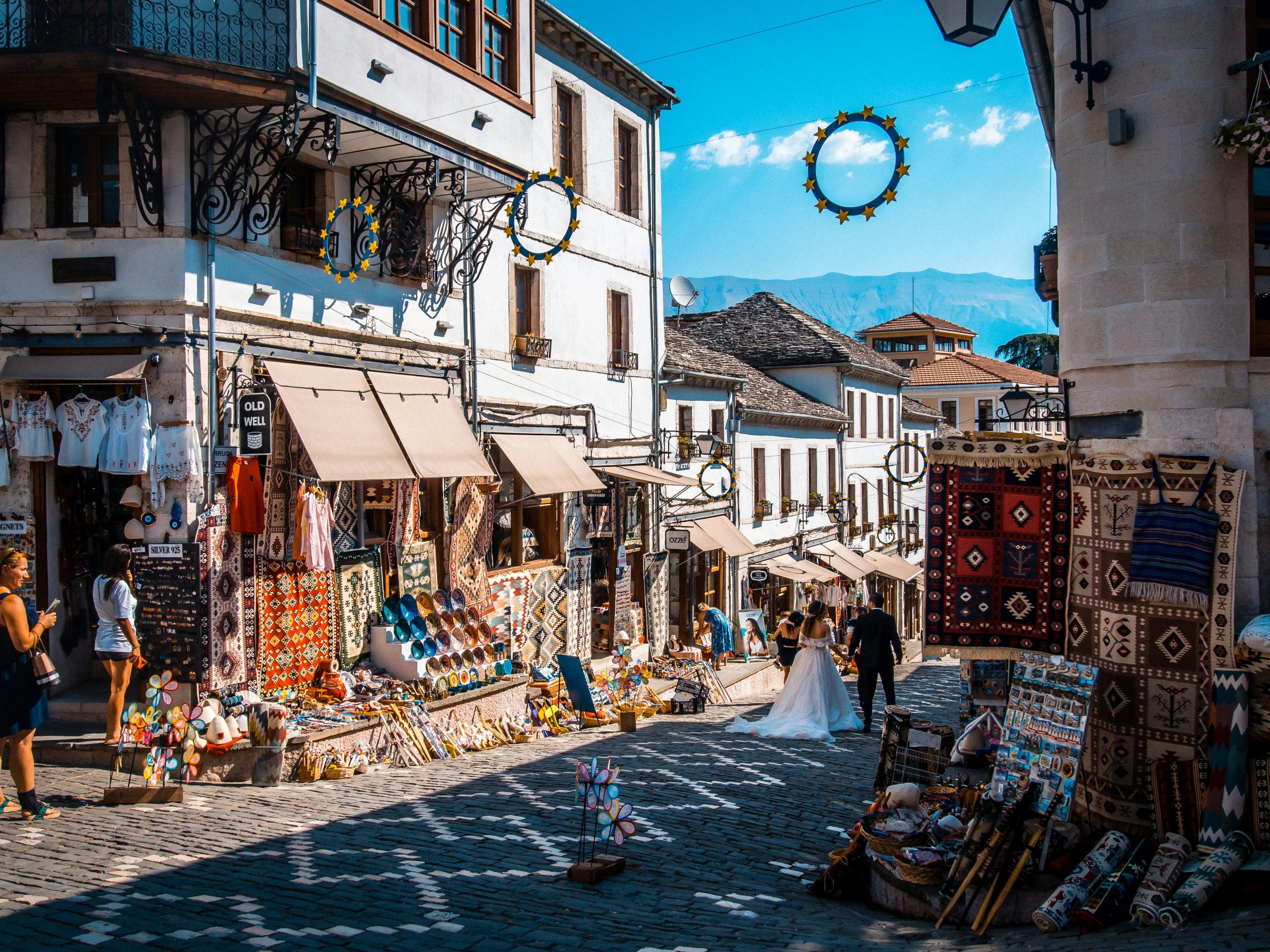
A stone city on a mountainside, with slate roofs, a vast castle holding a captured American spy plane, and the dictator's birthplace halfway up.
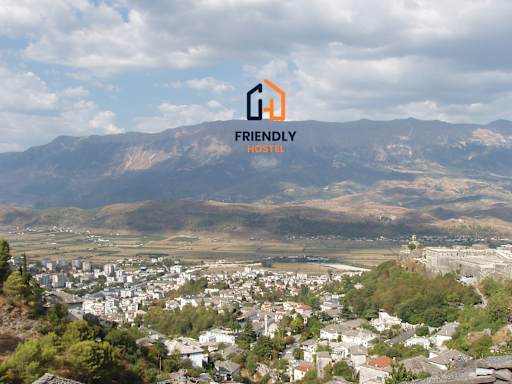
Gjirokastër is built up a steep mountainside above the Drino valley, in grey stone with slate roofs, and the Albanian name for it means silver city for exactly that reason. The Ottoman tower houses here are fortified, tall and severe in a way Berat's white houses are not.
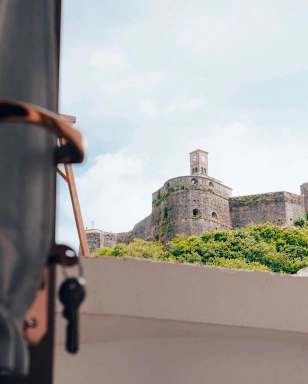
The castle at the top is enormous and strange: artillery in the galleries, a Cold War prison, and the fuselage of a US Air Force plane that came down in 1957 and was displayed for decades as proof of American aggression.
Enver Hoxha was born here, and the house is now the ethnographic museum, which the town handles without much comment.
A night, or two with the Blue Eye and Butrint. It sits on the road between Berat and Sarandë, so most people stop here on the way to the coast.
The old town is at the top and the new town at the bottom. Stay at the top.
The cobbled centre below the castle: guesthouses in stone tower houses, restaurants and every sight within ten minutes.
The upper neighbourhood of grand tower houses, steeper again, with the best views over the valley.
At the bottom of the hill, where the furgons stop. Cheaper, dull, and a long climb up.
Orange labels are neighbourhoods, dots are the 6 top-rated hostels. Map © MapTiler © OpenStreetMap contributors.
The castle takes two hours and is unlike other Balkan fortresses: long vaulted galleries lined with captured artillery, a Cold War political prison you can walk through, a clock tower, and the fuselage of a downed American plane on a terrace with the valley behind it.
The Skenduli and Zekate houses are Ottoman tower houses open to visitors, both still owned by the families who built them, and the owner usually shows you round personally. They explain how a fortified merchant house actually worked, floor by floor.
The old bazaar below the castle is a few streets of stone shops selling carved wood, textiles and a lot of Hoxha-era memorabilia.
The Cold War Tunnel, a bunker complex built under the town for the party leadership, runs guided visits from the tourist office.
Walking the old town costs nothing and is the main event: steep cobbled lanes, stone houses with slate roofs, and views down the valley from every corner.
The view of the town from the castle approach, and the view of the castle from Palorto, are both free and both better than most paid viewpoints.
The Obelisk above the town, marking the first Albanian-language school, is a short climb with the best panorama.
Mosques and the old churches in the upper quarters are open and free, and nobody charges to wander the bazaar.
Southern Albanian food leans Greek, and this close to the border that shows: more olive oil, feta and grilled lamb than in the north.
Qifqi is the local dish and exists almost nowhere else — rice balls with egg and mint, fried, served as a starter for a couple of euros.
A full meal with wine runs €7 to €12, and the restaurants in the bazaar have terraces looking down the valley.
Guesthouse breakfasts are generous and usually included: homemade jam, cheese, eggs and byrek. Raki here is often grape and fierce.
Very little, and that is the character of the town. A handful of bars in the bazaar stay open into the evening, mostly serving raki and coffee to locals, and a beer is €1.30 to €2.
The evening here is dinner on a terrace with the valley going dark below and the castle lit above, which is a better use of the night than looking for a bar.
The new town at the bottom of the hill has more going on and none of the atmosphere.
For nightlife, Sarandë is an hour south and full of it in summer.
The old town is steep and entirely cobbled, and walking it is the only option. A taxi from the furgon stop in the new town up to the bazaar costs a couple of euros and is worth it with a bag.
Furgons from Tirana take about four hours for €10, and from Sarandë about an hour for €3. The stop is in the new town at the bottom of the hill.
Buses to Ioannina in Greece cross the border at Kakavijë in about two hours, which makes this a useful crossing point.
The Blue Eye and Butrint are both south towards Sarandë and are usually done on the way rather than as returns.
Cheap. Dorms are €9 to €16, guesthouse rooms with breakfast €20 to €35, meals €7 to €12, and coffee about a euro.
A day is €22 to €35.
The castle is about €4, the tower houses €3 each, and the Cold War Tunnel a few euros with a guide. That is most of the spending.
Cash only in most of the old town, with ATMs down in the new town.
A safe, quiet town where the only real hazard is the ground under your feet.
The cobbles here are rounded river stones set in steep lanes, and they are slippery in rain and awkward in dry weather. Sensible shoes make a genuine difference, and dragging wheeled luggage up from the new town is a mistake people make once.
The castle has unlit sections and open drops in places, and closes before dark.
Summer heat in the valley is severe and the town has little shade in the middle of the day. Emergency number is 112.
The road south towards the coast has most of it.
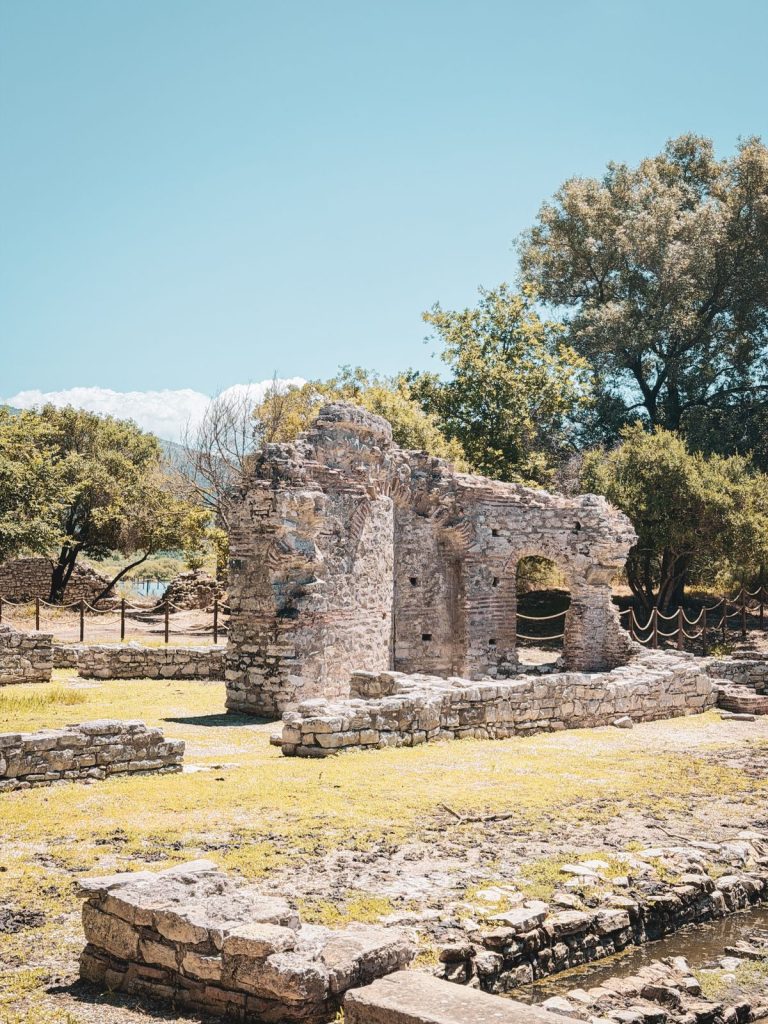
A Greek, Roman, Venetian and Ottoman city in a lagoon, UNESCO-listed and the best archaeological site in Albania.
One festival every five years is the big one, and it is worth planning around.
 Staff pick
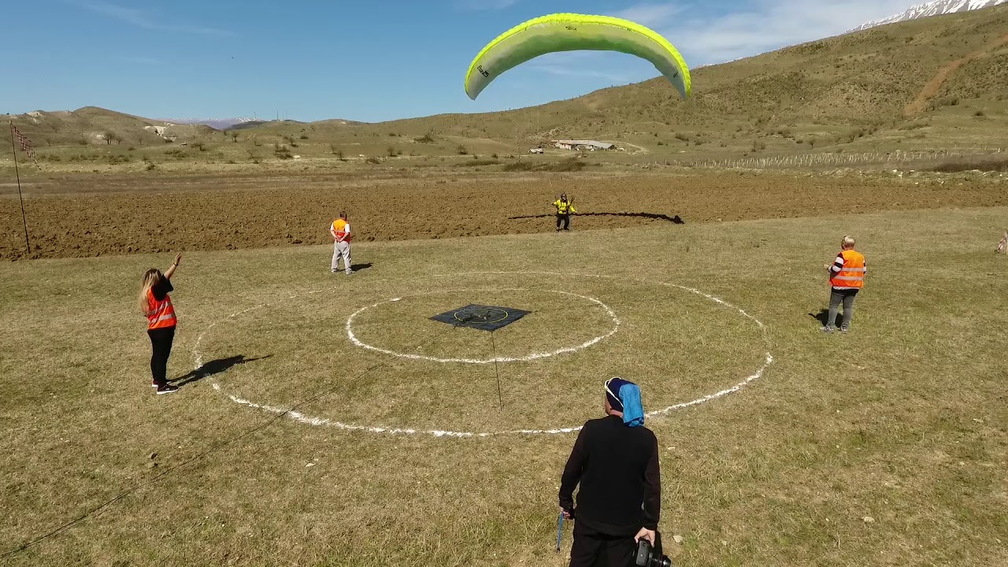
Gjiro Air Fest in Gjirokastër, Albania, transforms the city’s skies with a dazzling display of colorful paragliders from around the globe. Pilots gather at…
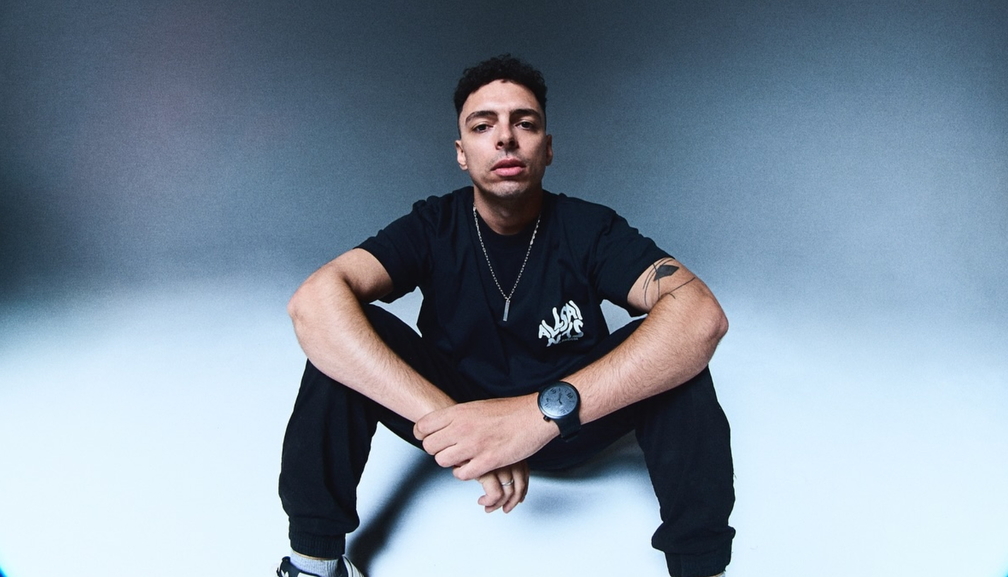
Ezequiel Arias performs at the ancient Gjirokastra Castle, where centuries-old stone walls become the backdrop for an evening of electronic music. The night pairs…
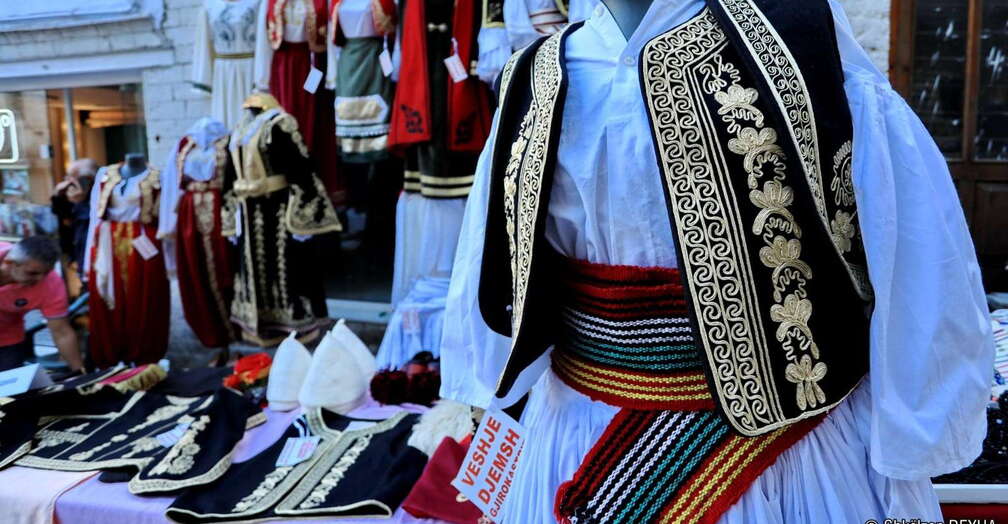
Immerse yourself in a cultural experience by dressing up in traditional costumes and strolling through an Old Bazaar. This event offers an opportunity to…
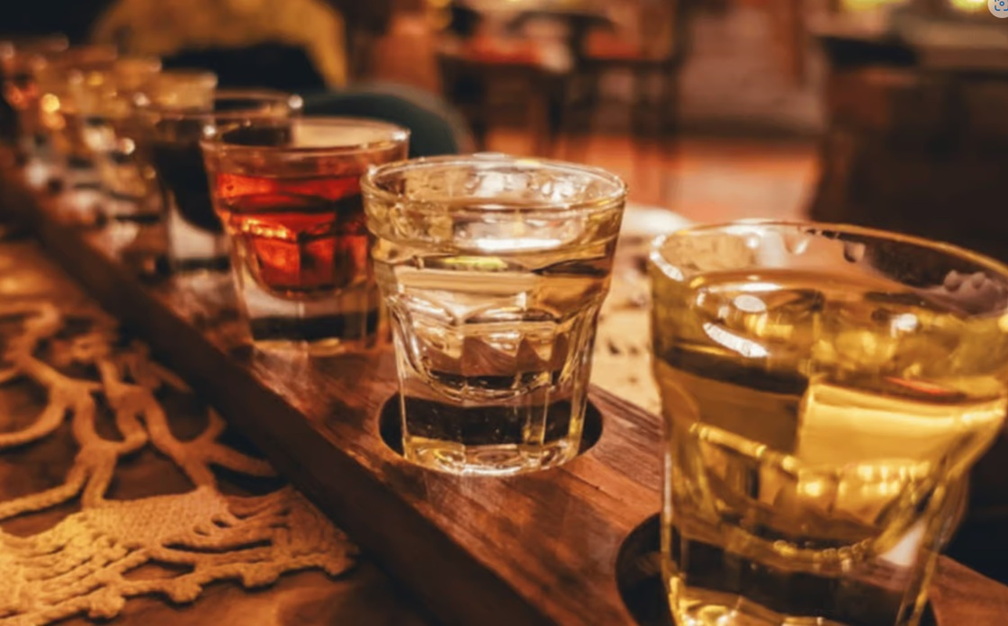
Experience the essence of Albania through a unique raki tasting and meze pairing event. Attendees will have the opportunity to taste seven different raki…
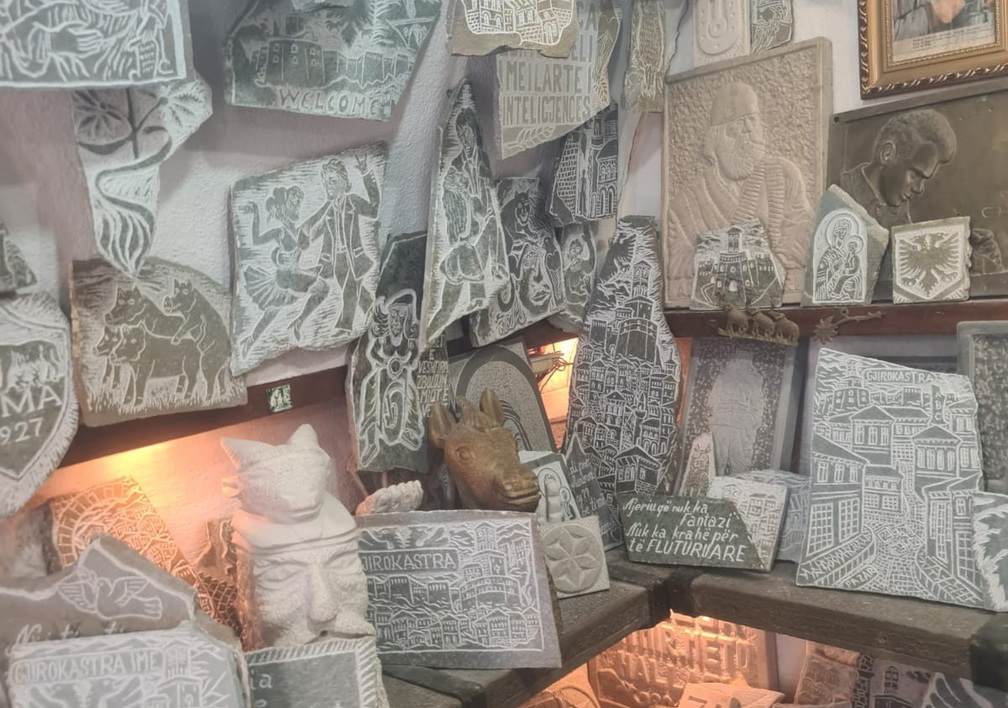
Attendees will have the opportunity to delve into the traditional Albanian craft, learning the basics from experienced artisans. They will also get to create…
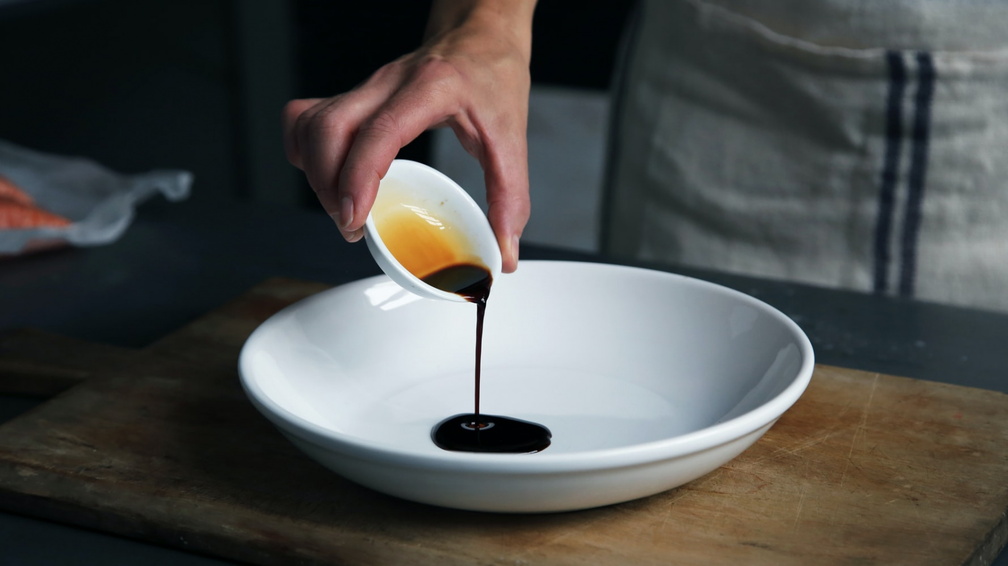
Attend a non-vegetarian cooking class tucked away in a charming corner of Gjirokastr. Experience breathtaking castle views, savor homemade delicacies, and soak in the…
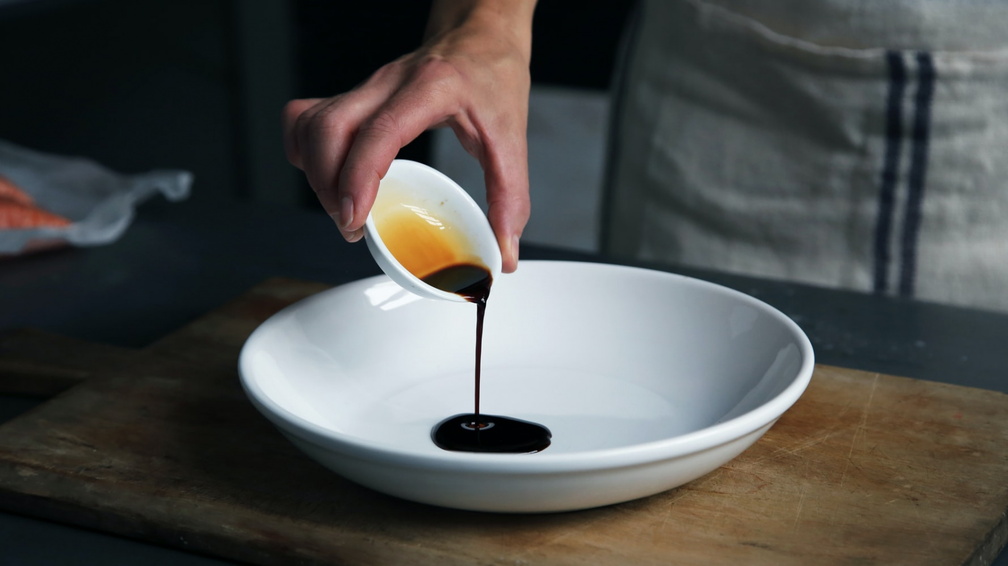
Attendees will have the opportunity to learn about traditional Albanian cuisine through a hands-on vegetarian cooking class. While preparing their meals under the guidance…
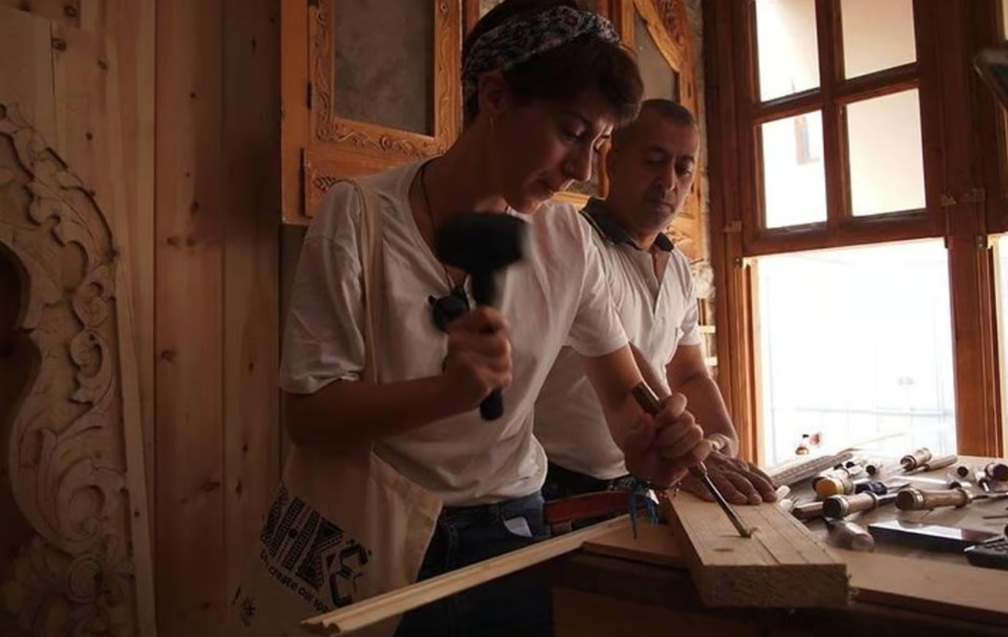
Attendees will have the unique opportunity to craft their own Albanian souvenir under the guidance of a master craftsman. This wood crafting class in…
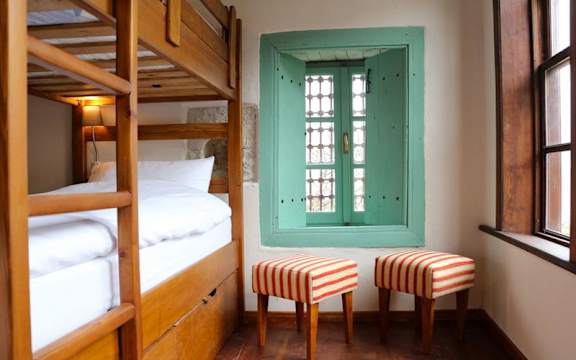
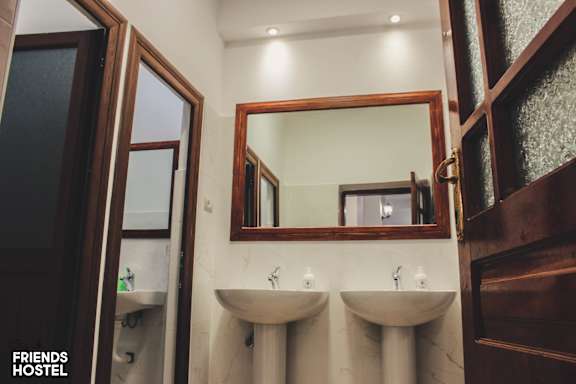
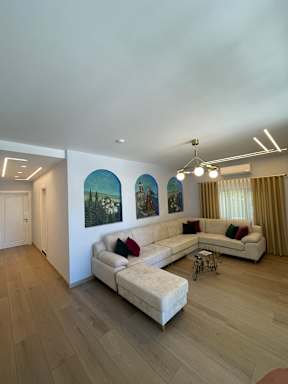
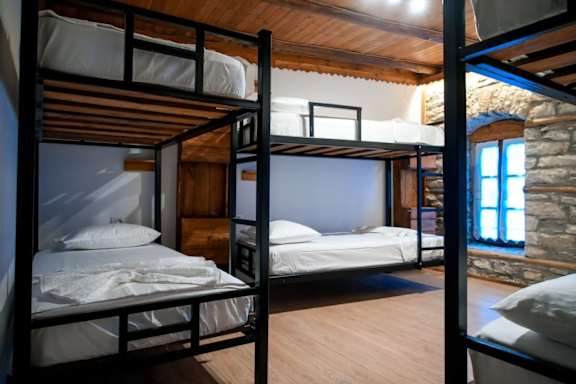
Guesthouses in stone Ottoman houses, most of them in the bazaar and the upper quarters. Live from Hostelworld.
Spring and autumn. The valley is hot in summer and the stone town holds it.
Average highs for the valley. The town sits on a slope and the stone radiates heat well into the evening in July and August.
Pick how you travel. Per person per night, in euros.
Guesthouse rooms with breakfast run €20–35 and are the classic stay here.
The ones we get asked most.

Compare Gjirokastër hostels and guesthouses — live prices, real reviews and free cancellation on most bookings. Then meet the people already there in the app.

 Get the App.
 Get the App.