Innere Stadt
First-timersInside the Ring: the cathedral, the Hofburg, the opera and every major sight within twenty minutes on foot. Priciest.

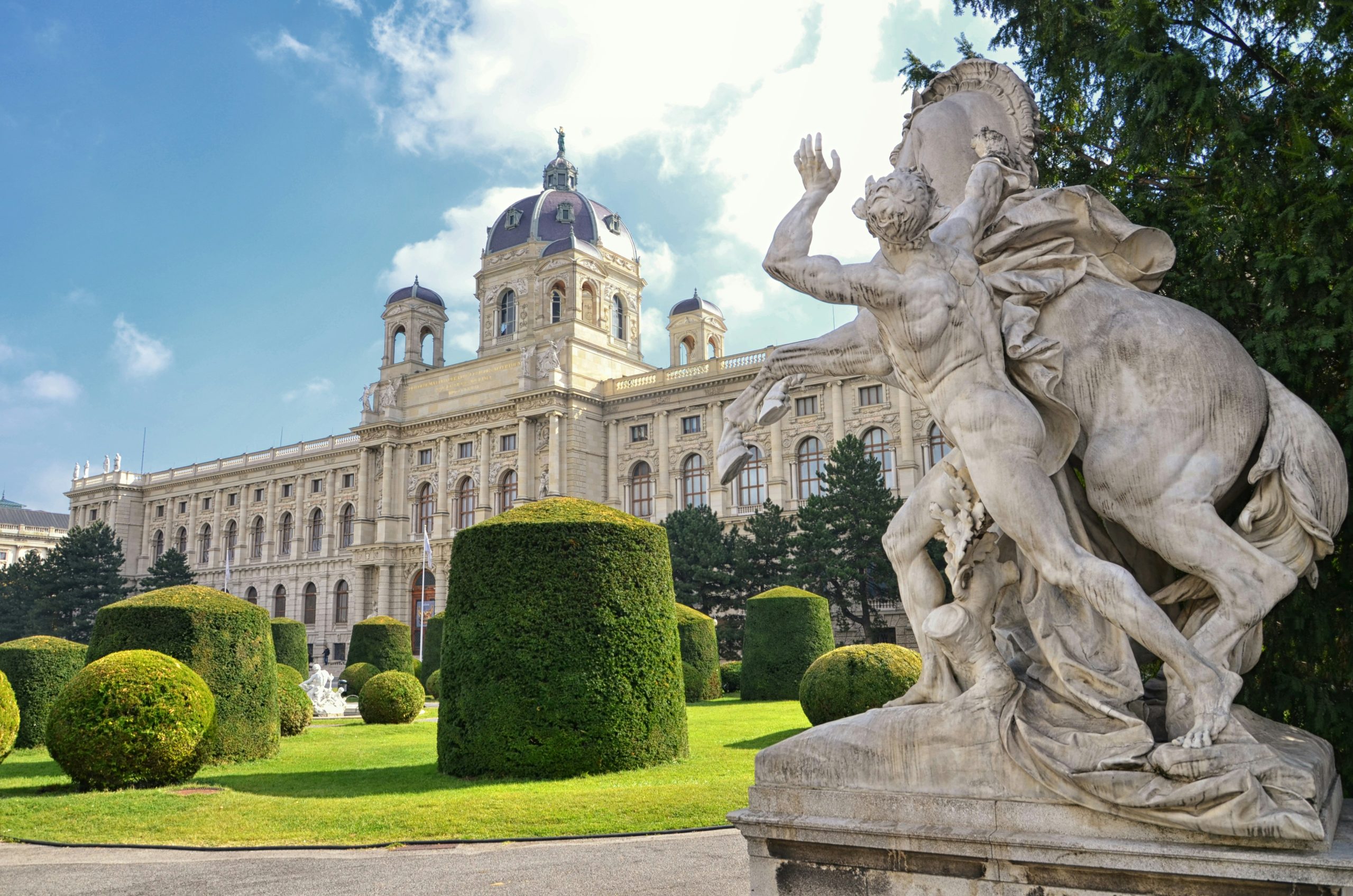
An imperial capital built for an empire that no longer exists, with standing opera tickets for the price of a beer and coffee houses where nobody will ever ask you to leave.
Vienna was the capital of an empire of 50 million people and now runs a country of nine. What that left behind is a city with far grander bones than its size warrants: the Hofburg, Schönbrunn, the Ringstrasse and a concert culture that still operates at imperial scale.
It also left a city that works. Vienna tops liveability rankings most years, the transport is superb, the social housing is famous, and the water comes from the Alps through a nineteenth-century pipeline and is better than most bottled.
For a visitor the useful thing to know is that a lot of the best of it is cheap or free: standing tickets at the opera, free museum days, parks, and coffee houses where the €5 melange buys you the table for as long as you want it.
Four days, and it rewards more.
The Ring encloses the old city, and the numbered districts spiral out from it.
Inside the Ring: the cathedral, the Hofburg, the opera and every major sight within twenty minutes on foot. Priciest.
The 7th district: galleries, vintage shops, the MuseumsQuartier and the best café and bar streets.
Across the canal in the 2nd: the Prater park, the Karmelitermarkt and cheaper beds ten minutes from the centre.
The 6th, along Mariahilfer Strasse, with the Naschmarkt at one end and good U-Bahn links.
The 10th, south of the centre, working-class and diverse, with fast U1 access into town.
Orange labels are neighbourhoods, dots are the 12 top-rated hostels. Map © MapTiler © OpenStreetMap contributors.
Get a standing ticket at the Staatsoper. They are sold on the day of the performance, cost about €13 to €18 for most evenings and less for some, and put you at the back of one of the great opera houses for a fraction of a seat. It is still one of the best-value nights out in any European capital.
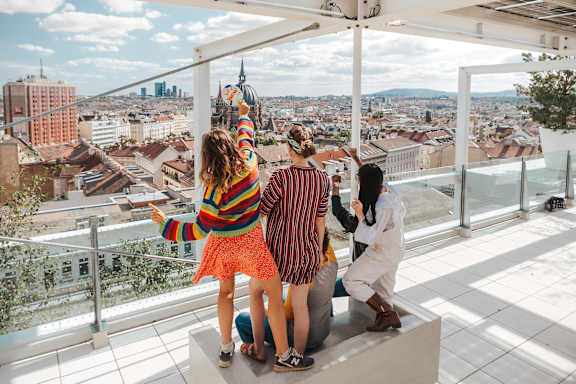
Schönbrunn is the Habsburg summer palace, and the gardens, the Gloriette hill and the view back over the city are free — only the state rooms charge.
The Kunsthistorisches Museum holds the Bruegel collection, which is the largest anywhere, and the building itself is worth the ticket.
The Zentralfriedhof, the central cemetery, is bigger than the Innere Stadt and holds Beethoven, Brahms, Schubert and Strauss in one section, with deer wandering among the graves.
The parks and palace gardens are free: Schönbrunn's grounds, the Burggarten, the Volksgarten's rose beds and the Augarten.
The Prater is a public park with a free-to-enter funfair — you pay per ride — and the Hauptallee running four kilometres through it.
Several museums are free on the first Sunday of the month, and under-19s are free at all federal museums all year.
The Donauinsel, a 21km artificial island in the Danube, is the city's swimming and cycling ground and costs nothing. And the drinking fountains everywhere run Alpine spring water.
The coffee house is the institution and it is UNESCO-listed as one. A melange is €4.50 to €6 and buys you the table, a glass of water and the newspapers for as long as you like. Café Central and Sperl are the famous ones; every district has better and quieter versions.
Wiener schnitzel is veal, pounded thin, fried in butter and larger than the plate. Anything cheaper is pork and should say so. Expect €18 to €28 for the real thing.
Würstelstand sausage stands are the late-night standby at €4 to €6, and the Naschmarkt is good for lunch and priced for tourists at the front.
Heuriger wine taverns on the city's edge serve their own new wine with cold food, and going to one in Grinzing or Nussdorf is a proper Viennese evening.
Vienna goes out late and spreads it around. The Bermuda Triangle in the 1st is the tourist cluster; the better nights are in the 7th around Neubaugasse, along the Gürtel where bars occupy the arches under the U6 line, and at the Danube canal in summer.
Club culture is serious and techno-leaning, with venues like Grelle Forelle and Flex on the canal running until morning.
A beer is €4 to €6 and a spritzer — white wine and soda, the local order — about the same.
In summer the whole city moves outdoors: canal bars, the Donauinsel, and open-air cinema on Rathausplatz with free entry and food stalls.
The transport is the best argument for the city. U-Bahn, trams, buses and S-Bahn run on one ticket: a single is €3.20 (€3 bought digitally), 24 hours is €10.20 (€9.70 digitally), and seven days €28.90. The U-Bahn runs all night at weekends.
Buy and validate before boarding. Inspectors are plain-clothed, frequent, and the fine is €135 with no negotiation — this catches out more visitors than anything else here.
From the airport, the S7 costs €4.30 and takes 25 minutes; the CAT is €14 and saves nine minutes, which is not a good trade.
Cycling is easy and flat, with WienMobil bikes and a good network. Tram 1 and 2 around the Ring cost a normal fare and do the sightseeing loop the tourist trams charge €25 for.
Mid-range for western Europe, and cheaper than people expect for what it is. Dorms are €22 to €40, a schnitzel €18 to €28, a melange €4.50 to €6, and a day transport pass about €10.
A day is €55 to €85.
The savings here are unusual and real: opera standing tickets from about €13, free palace gardens, free museum Sundays, tap water from Alpine springs, and Würstelstände instead of restaurants.
Museums are the main expense at €16 to €22 each, so pick two or three rather than buying a pass you will not use.
Vienna is one of the safest large cities in Europe and comfortable at any hour, including on the U-Bahn late.
Pickpocketing exists around Stephansplatz, on the U1 and U3, and at the Christmas markets, at ordinary European levels.
The scam to know is the classical concert ticket sold by someone in a wig and a period coat outside a church. Those are tourist-grade performances in hired halls, not the Musikverein, and cost €40 to €60. If you want a concert, buy from the venue.
Cyclists have right of way on marked lanes and will not slow down for you on the pavement. Emergency number is 112.
Two capitals and a wine valley, all within ninety minutes by train.
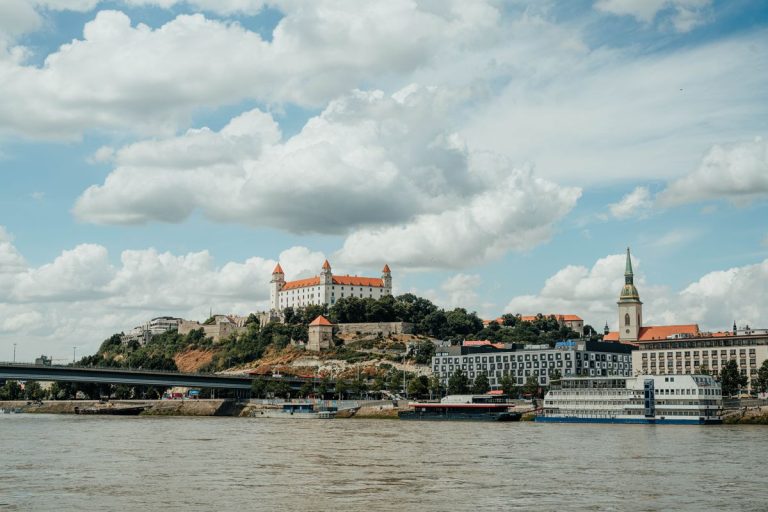
Another capital, an hour away, with a castle above the old town and prices well below Vienna's.
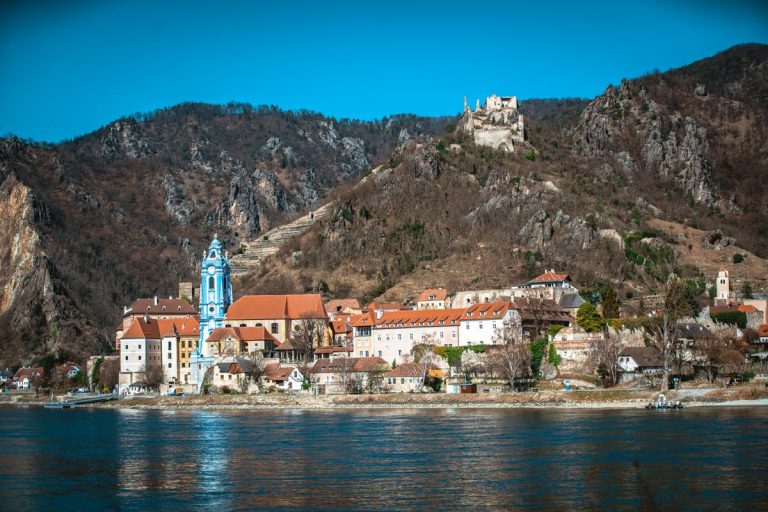
A Danube gorge of terraced vineyards and apricot orchards, with an enormous baroque abbey at Melk and a boat between the two.
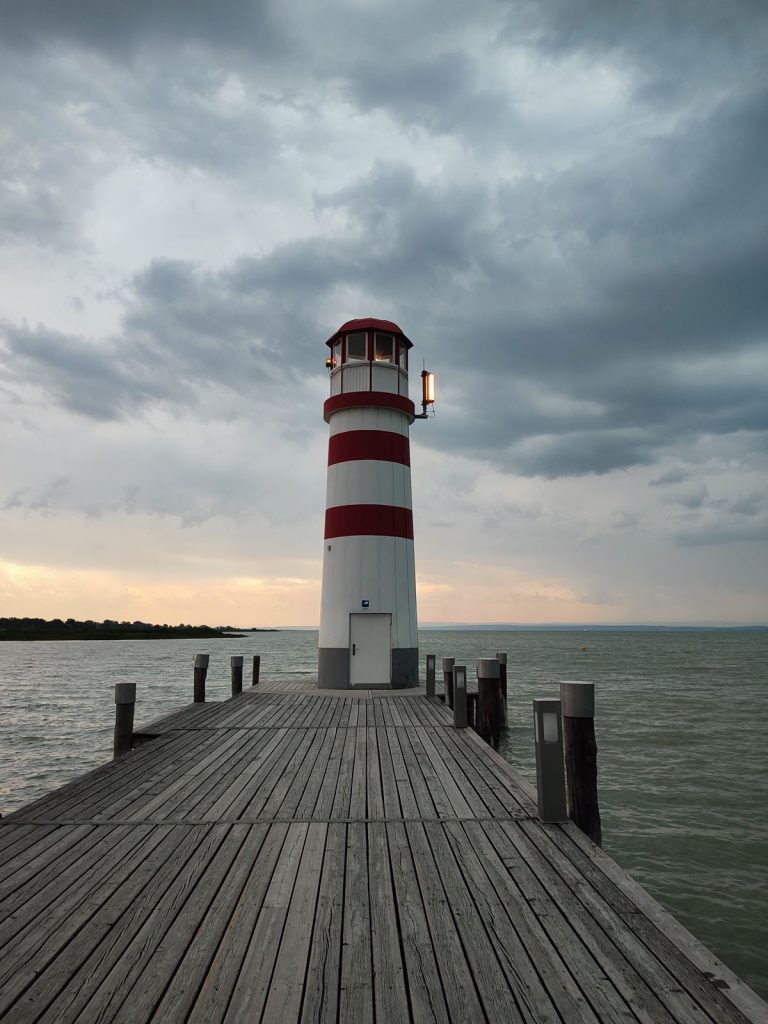
A vast shallow steppe lake on the Hungarian border, with cycling, birdlife and windsurfing.
The ball season and the Christmas markets are the two that shape the calendar.
 Staff pick
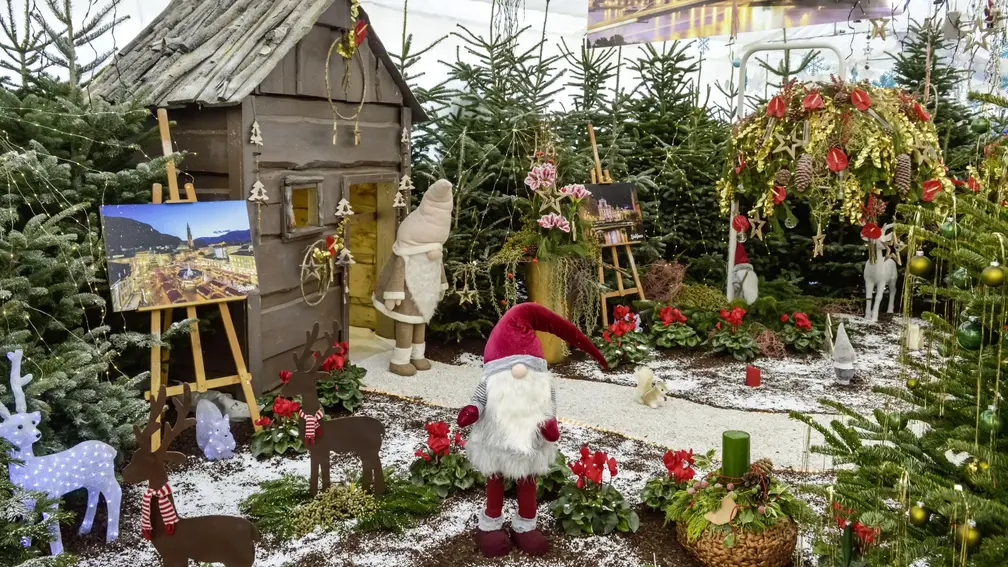
The Christmas exhibition at the Blumengärten Hirschstetten features a theme that changes each year, showcasing winter stories through beautifully crafted floral displays. Alongside the…
 Staff pick
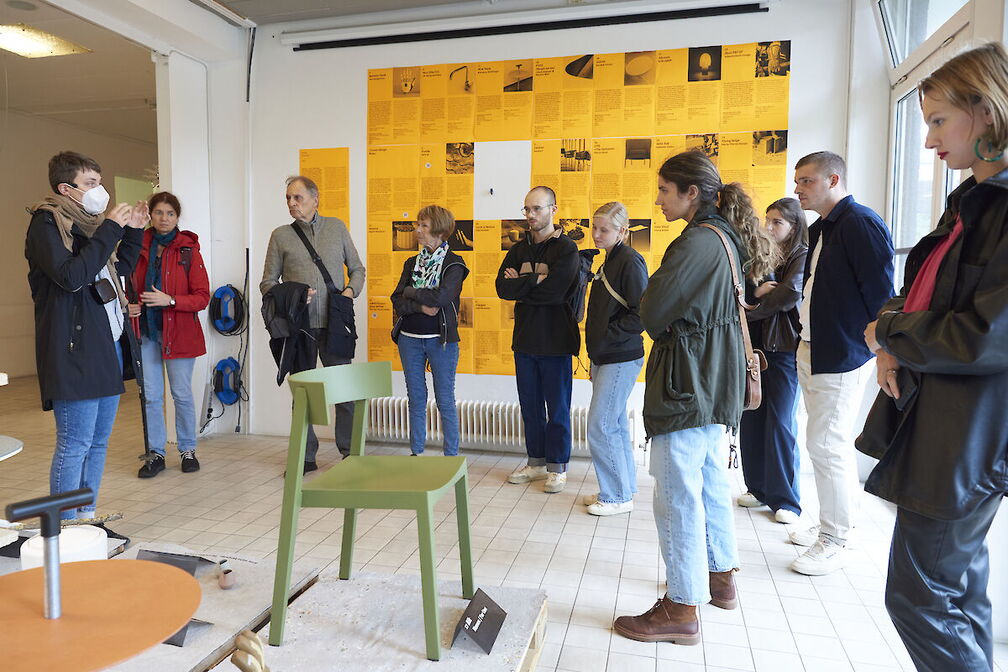
Vienna Design Week is Austria’s leading festival dedicated to showcasing innovative design across multiple disciplines. Held annually in Vienna, the event transforms the city…
 Staff pick
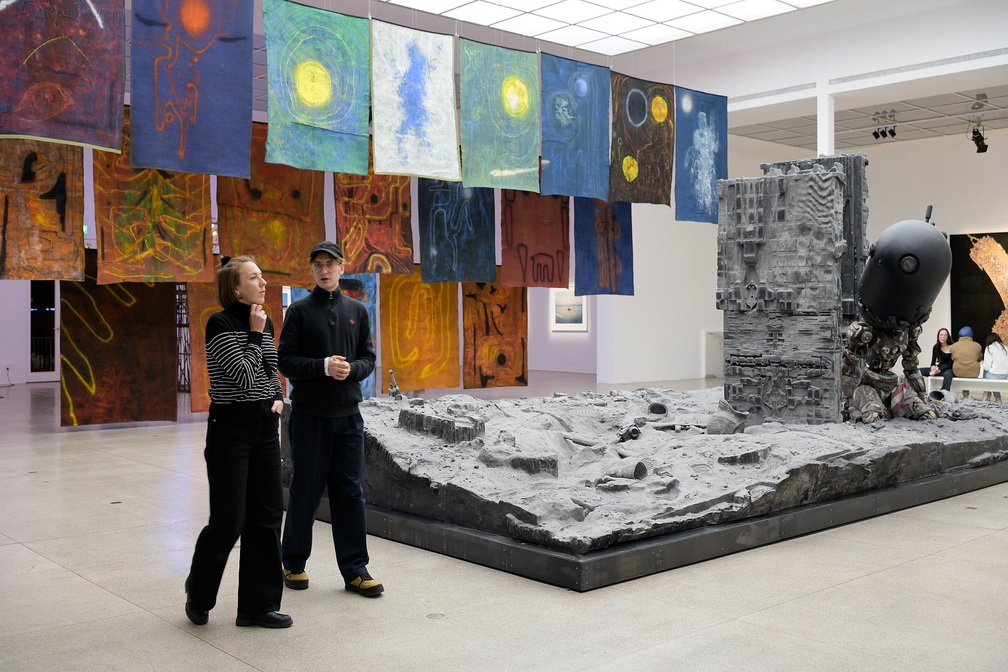
Vienna Art Week transforms the city into a hub of creativity, uniting over 70 partners from art institutions, universities, galleries, and independent spaces. Founded…
 Staff pick
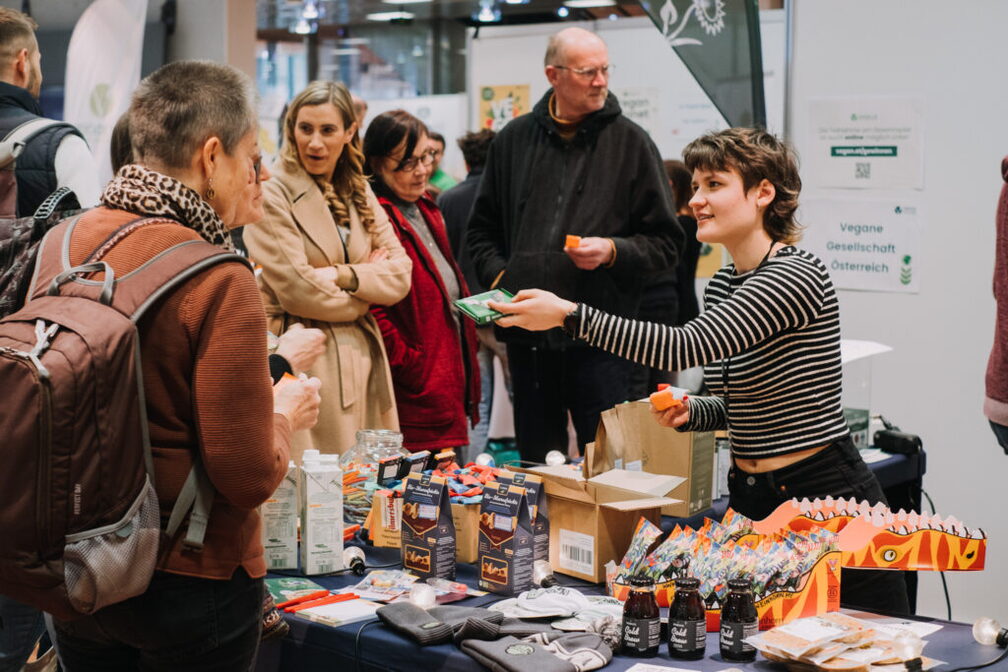
Vegan Planet Vienna is Austria’s leading fair dedicated to the plant-based lifestyle, bringing together food enthusiasts, innovators, and conscious consumers. Attendees can explore the…
 Staff pick
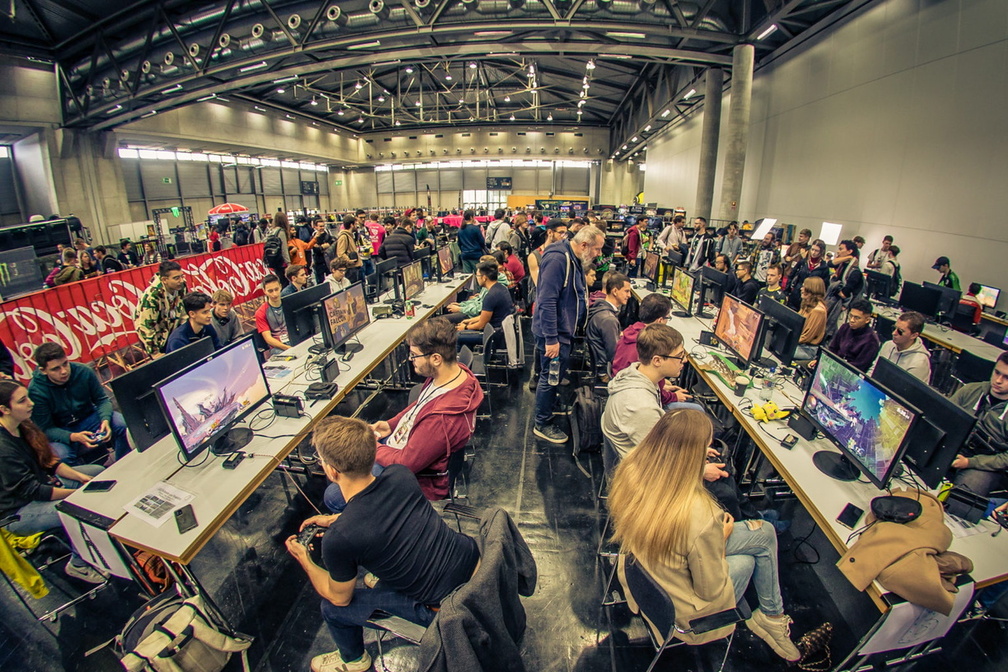
Explore the world of comics, movies, and pop culture at Vienna Comic Con, where fans can meet celebrity guests, browse through comics and merchandise,…
 Staff pick
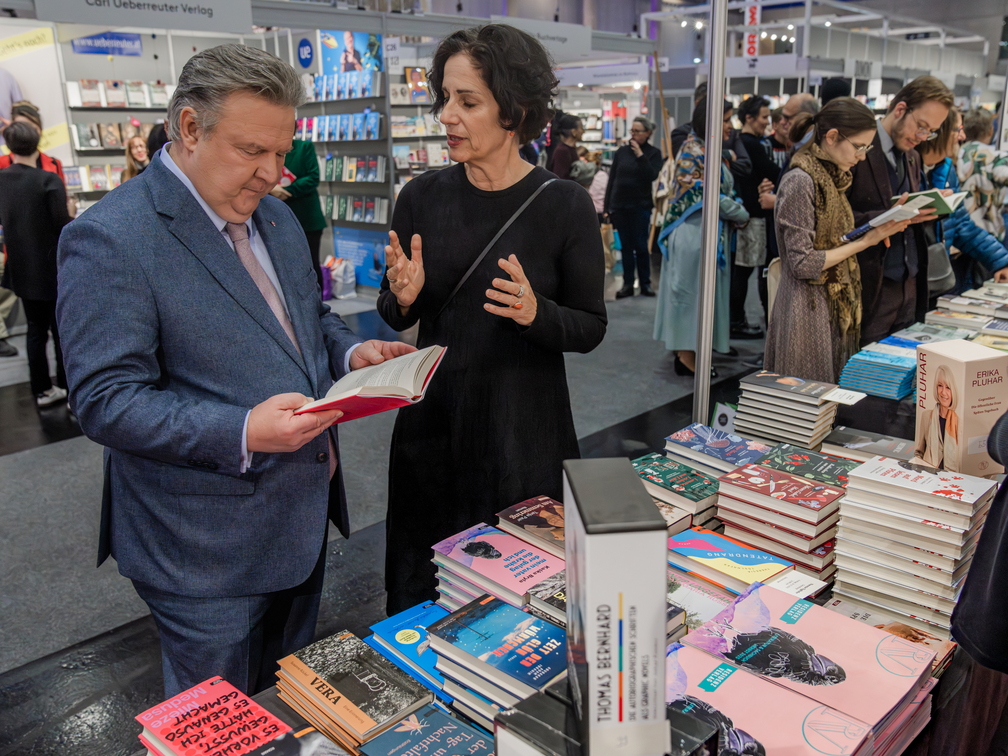
Buch Wien is Austria’s leading international book fair, held at the renowned Messe Wien Exhibition & Congress Center in Vienna. The event gathers authors,…
 Staff pick
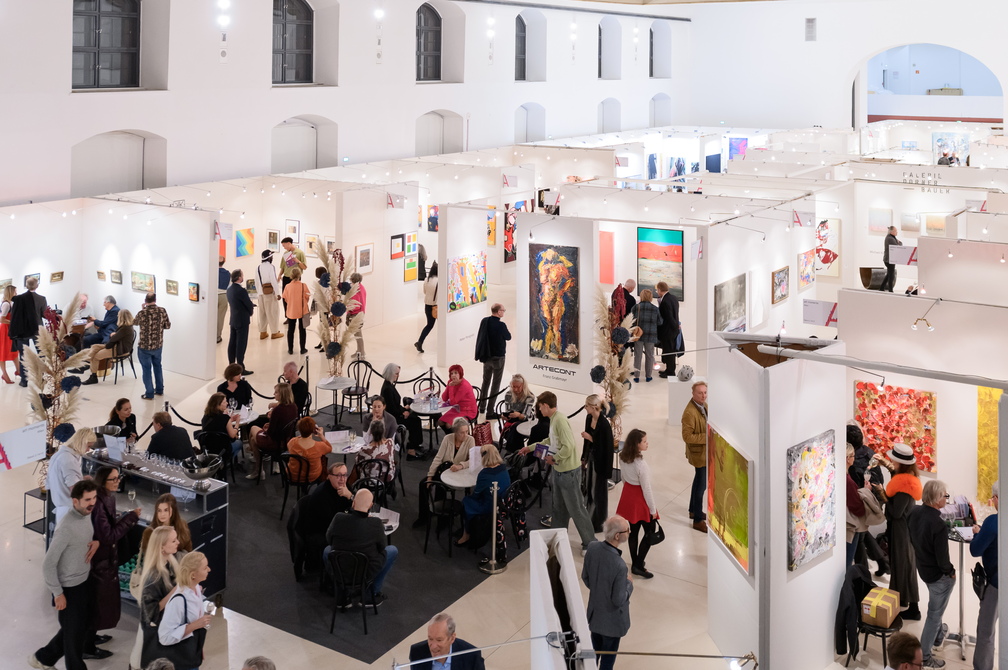
Fair For Art Vienna brings together international and Austrian galleries in the historic Vienna Künstlerhaus, offering a curated selection of contemporary art for collectors…
 Staff pick
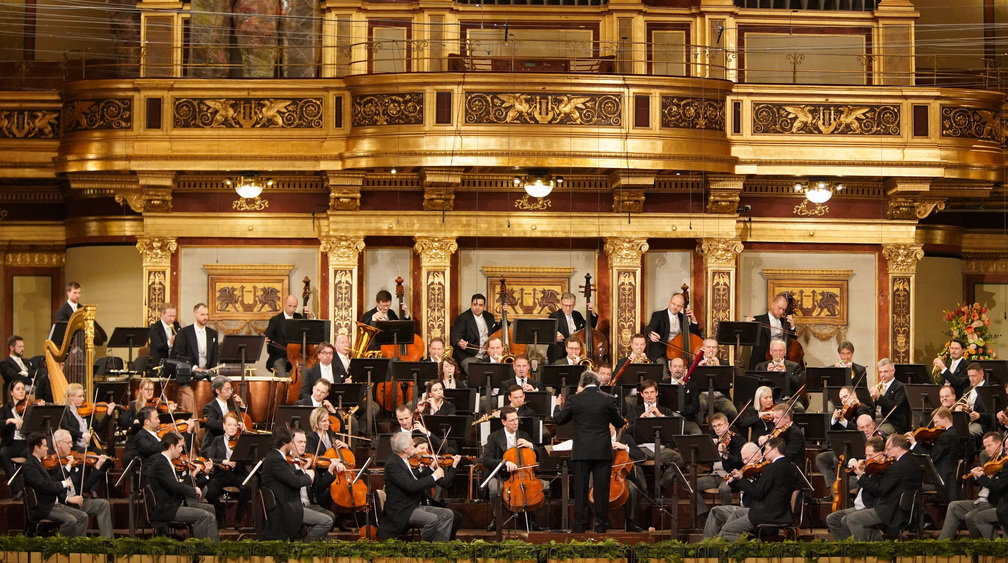
Experience the magic of the Vienna Philharmonic’s New Year’s Concert, a world-renowned celebration of classical music. Audiences are treated to a dazzling program featuring…
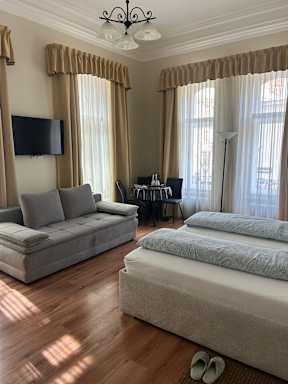
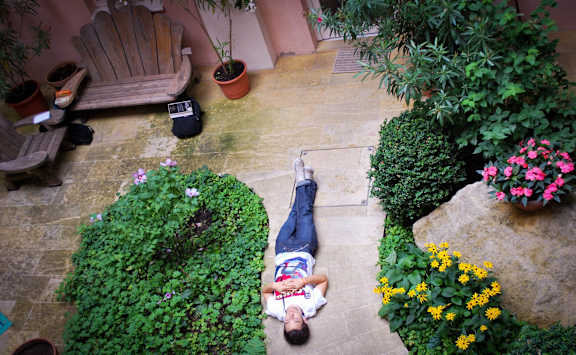
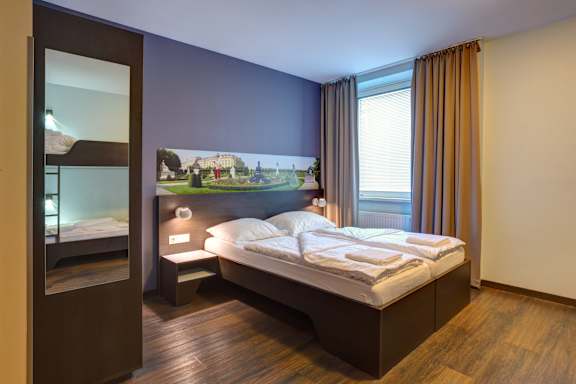
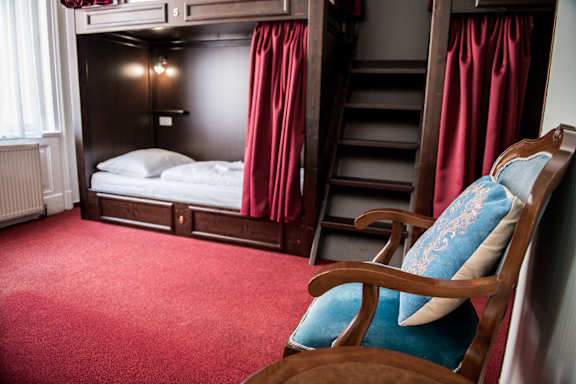
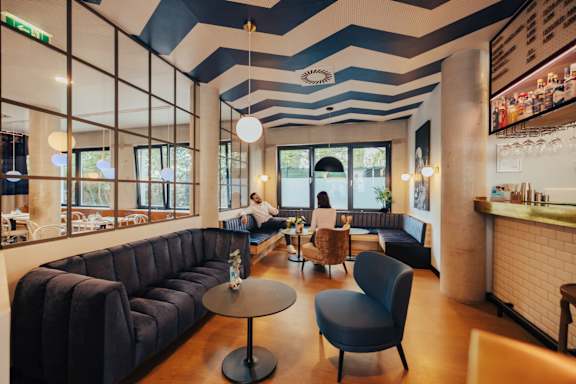
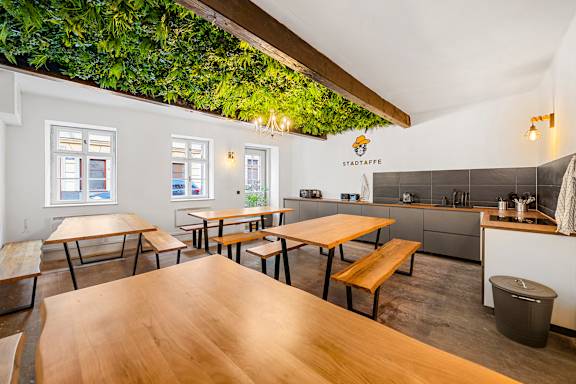
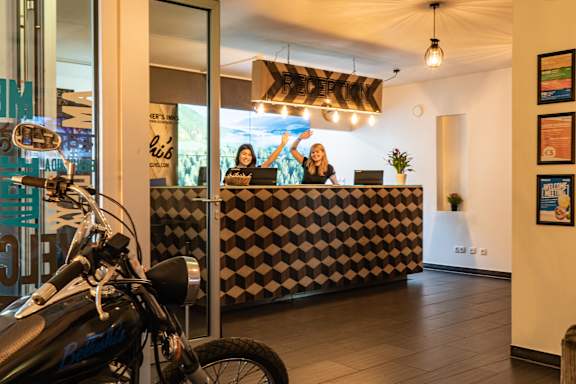
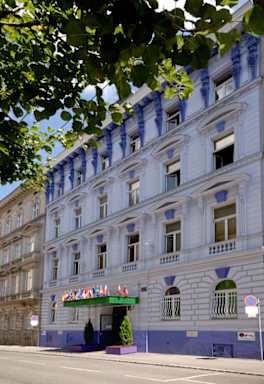
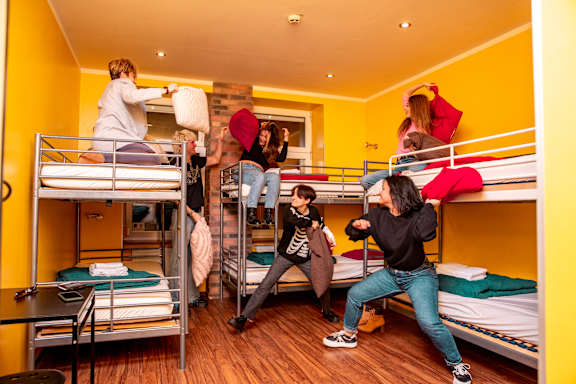
A large scene with high standards, spread across the inner districts and well served by the U-Bahn. Live from Hostelworld.
Spring and autumn are best. Winter has the markets and the ball season; August is hot and half the city is away.
Average highs. Vienna has a continental climate — genuinely cold winters and hot dry summers — and the coffee houses exist for a reason.
Pick how you travel. Per person per night, in euros.
Transport assumes the 24-hour pass at about €10. Opera standing tickets from about €13 make the doing line go a long way.
The ones we get asked most.

Compare Vienna hostels — live prices, real reviews and free cancellation on most bookings. Then meet the people already there in the app.

 Get the App.
 Get the App.